
Philodendron Pink Princess Care

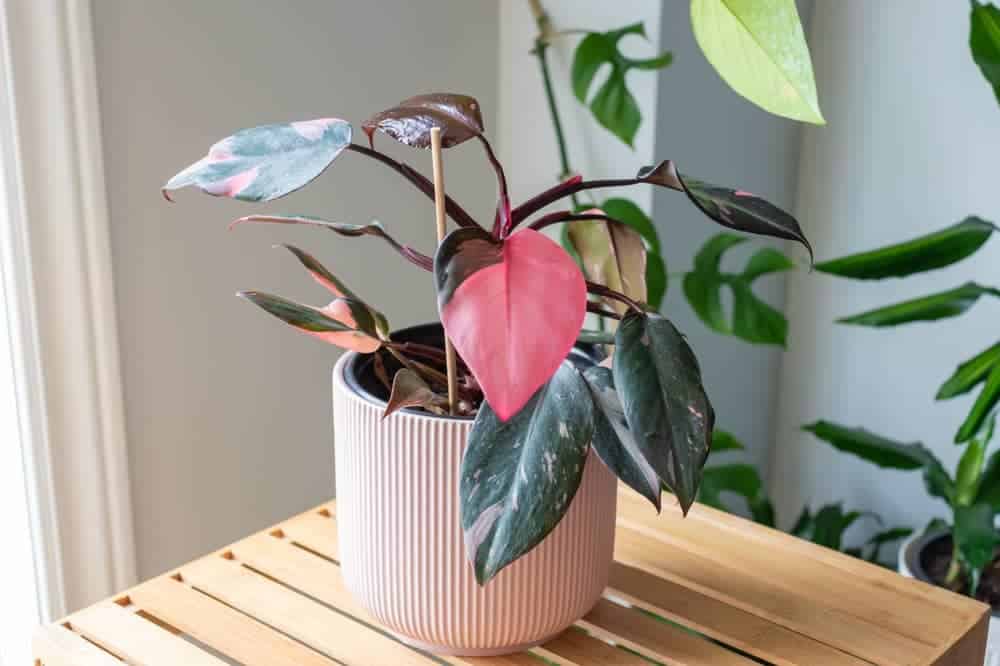
Philodendron Pink Princess is one of those plants that makes you lean in close, like you are admiring brushstrokes on a painting. The deep green, the burgundy stems, the occasional blush-pink splash. It is also a plant that has very specific opinions about light and pruning, and it will absolutely show them by fading, reverting, or slowing to a crawl.
Let’s set you up with care that keeps the plant healthy and keeps the variegation as stable as it can be, with realistic expectations baked in. I talk to my ferns, but I will not promise miracles. Pink Princess is a slow grower, and even in perfect conditions, some plants will try to go green on you.
Quick safety note: Like other philodendrons, Pink Princess contains calcium oxalate crystals and is toxic if chewed (pets, kids, and curious adults included). Keep it out of reach, and wash hands after pruning if you are sensitive.

Variegation basics
Pink variegation on Pink Princess is an unstable genetic (chimeric) variegation, not a nutrient deficiency and not something you can fertilize into existence. The pink sections have less chlorophyll, which means they make less energy for the plant. That is why Pink Princess often grows more slowly than an all-green philodendron.
What keeps it going
- Bright, consistent light so the plant can support lower-chlorophyll leaves.
- Strong overall health so it is not forced to choose survival over pretty coloring.
- Selective pruning so green-dominant growth does not take over.
Realistic expectations
Even with excellent care:
- You may get a run of mostly green leaves, then a surprise pink one later.
- Some cuttings will produce less pink than the mother plant.
- Heavily pink leaves are beautiful but can be weaker and more prone to browning.
If anyone told you Pink Princess is “easy variegation,” they were probably looking at a perfectly staged plant under perfect lighting for one photo.
Light
Light is the lever you can pull most reliably to maintain and encourage variegated growth. It cannot force a genetically greener stem to become pink, but it can reduce reversion risk and keep the plant strong enough to hold onto the lighter patches.
The sweet spot
Aim for bright, indirect light for most of the day. Think: a few feet back from a sunny window, or right in a bright east window with gentle morning sun.
- Best window exposures: East is lovely. South or west can work if filtered with a sheer curtain or the plant is set back from the glass.
- If light is too low: new growth often becomes smaller, internodes stretch, and leaves tend to come out greener.
- If light is too harsh: pink and pale areas can bleach, crisp, or develop tan patches.
Grow lights (especially in winter)
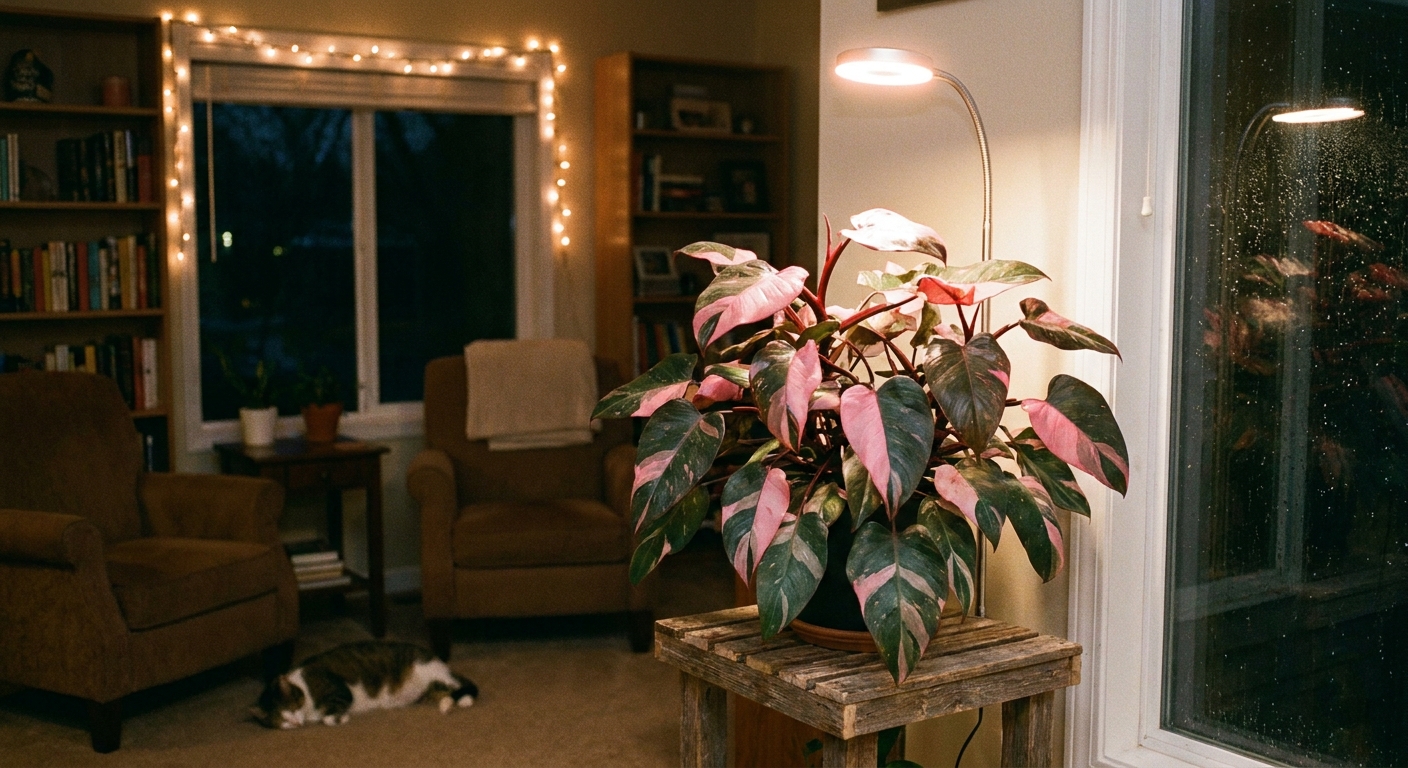
If you live where winters are dim, a simple full-spectrum grow light can keep your plant from sliding into all-green mode. Consider these as starting points, then adjust based on what your plant actually does.
- Start with 10 to 12 hours/day.
- Place the light roughly 12 to 24 inches above the foliage (fixture intensity varies a lot). If you see stretching, move it closer. If you see bleaching, raise it or reduce hours.
- Rotate the pot weekly so growth stays balanced.
Support
Pink Princess is a climbing philodendron. If you want bigger leaves and sturdier growth, give it something to climb. This is one of those small upgrades that makes your plant look like it got its life together.
- Moss pole: Best for leaf sizing. Keep it lightly moist so aerial roots attach.
- Trellis or stake: Easier, cleaner, and still helps with structure.
- How to tie: Use soft plant ties and secure the main stem loosely. Do not choke it. You are guiding, not corseting.
Soil and drainage
Pink Princess wants moisture, but it hates sitting in soggy soil. If the roots stay wet and oxygen-starved, the plant stalls and becomes more likely to drop leaves or grow weakly.
A mix that works
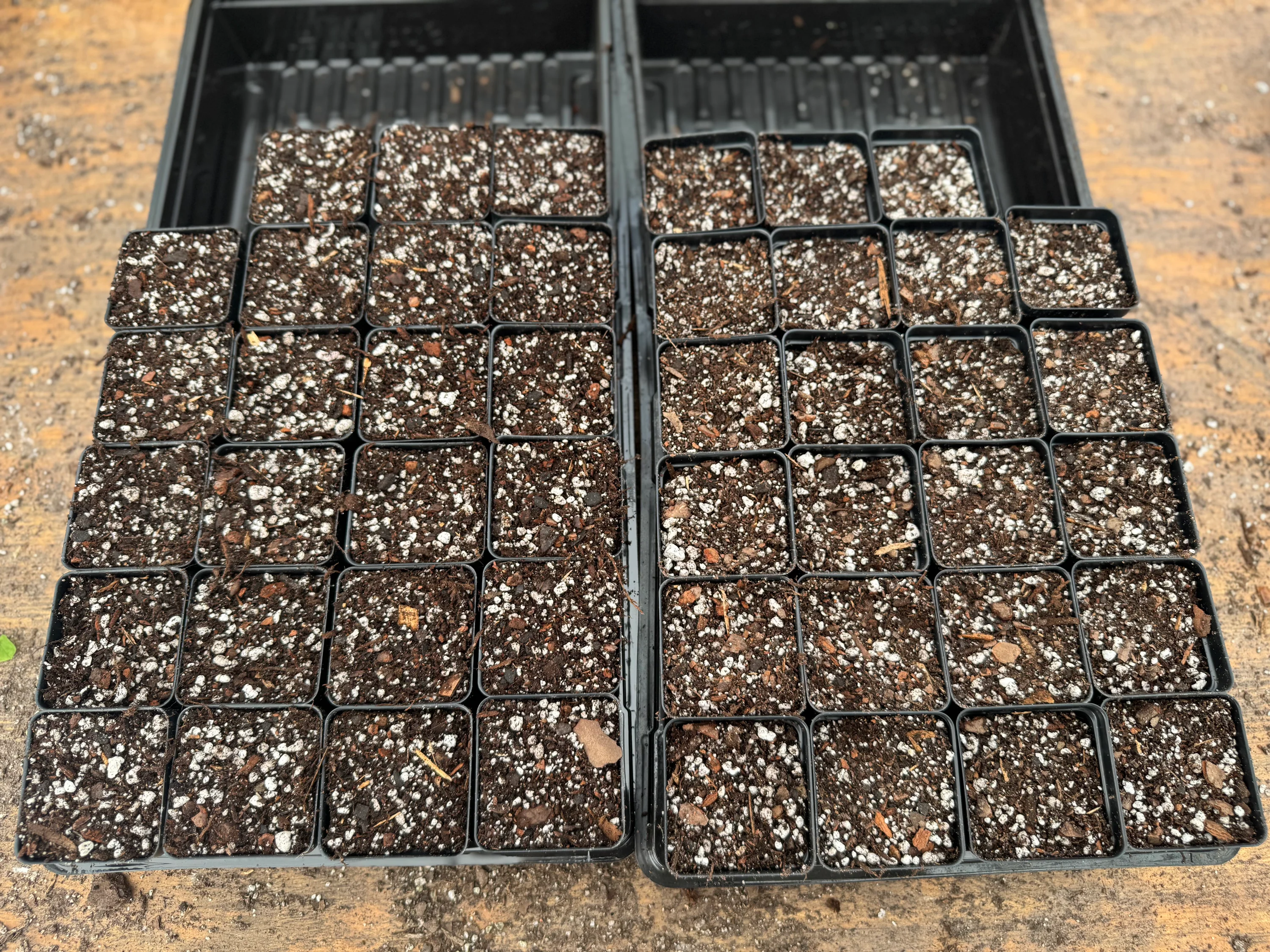
I like a chunky aroid-style mix that holds moisture lightly but drains fast:
- 40% high-quality potting mix (peat or coco-based)
- 30% orchid bark
- 20% perlite or pumice
- 10% worm castings or compost (optional, but nice)
If you do not want to mix your own, choose an “aroid mix” and add a little extra perlite for insurance.
Pot choice
- Use a pot with drainage holes. Always.
- Terracotta can help if you tend to overwater, but it also dries faster, so watch your schedule.
- Skip rocks in the bottom of the pot. They do not improve drainage and can reduce the effective soil volume for roots.
Watering
Pink Princess does best with a soak-and-drain routine, then a partial dry-down.
When to water
- Water when the top 1 to 2 inches of soil feels dry.
- If your pot is large or your mix is less chunky, wait until the top one-third is dry.
- Use the pot weight trick: learn how heavy it feels freshly watered versus almost dry.
How to water
- Water thoroughly until it runs out the drainage holes.
- Let it drain completely. Do not leave it sitting in a saucer of water.
- If you use a cachepot, empty it after 10 minutes.
Note: Slow growth does not always mean it needs more water. More often it means the plant is cool, low-light, or recovering its roots.
Humidity and temperature
Pink Princess is adaptable, but it looks its best when it is not battling dry air.
- Humidity: 45 to 65% is a happy range. It can live at typical home humidity, but leaf edges may brown faster, especially on pink sections.
- Temperature: 65 to 85°F is ideal. Avoid cold drafts and keep it away from heating vents.
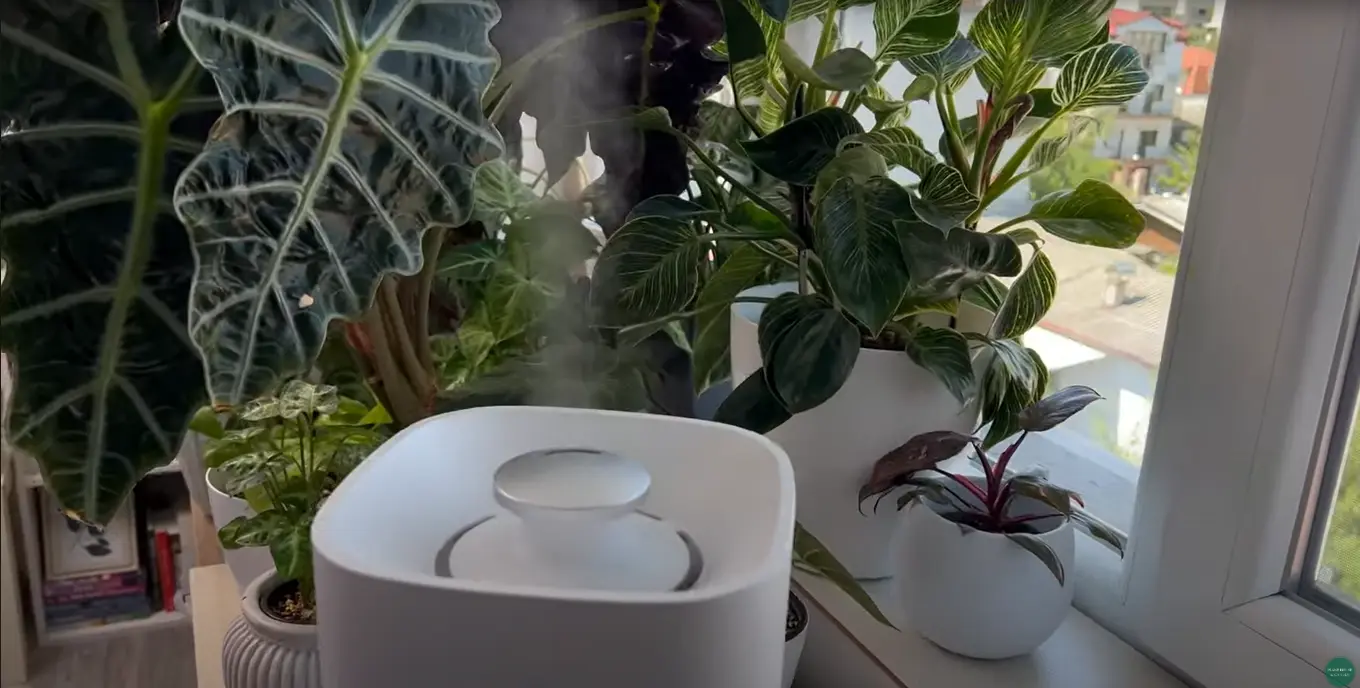
- Airflow: Gentle airflow helps prevent fungal issues, especially if you run a humidifier.
Fertilizer
Because variegated plants have less chlorophyll, they often use energy more slowly. Fertilizer supports steady growth, but it will not create pink.
Simple routine
- Spring through early fall: feed every 2 to 4 weeks at half strength with a balanced liquid fertilizer.
- Winter: reduce to monthly or pause if growth stops.
- Flush the pot with plain water every couple of months to reduce salt buildup.
If you see lots of crispy tips and your watering is consistent, fertilizer salts can be part of the problem. Flushing often helps.
Repotting
Pink Princess likes a snug pot. Oversizing the pot is a classic way to keep the mix wet for too long and invite root issues.
- How often: Usually every 12 to 24 months, depending on growth and how fast your mix breaks down.
- Signs it is time: roots circling the bottom, water running straight through, the plant drying out unusually fast, or the mix staying wet and compacted.
- Pot sizing rule: go up about 1 to 2 inches in diameter, max.
Pruning
Pruning is where you can gently steer a Pink Princess. The plant grows from nodes, and whatever node is leading the growth will influence what you see next.
When to prune
- Best time is spring or early summer, when the plant is naturally growing.
- Prune anytime you see a strong reversion trend and you have enough healthy leaves left to support the plant.
How to prune for variegation
If your plant starts producing all-green leaves for several nodes in a row, it can snowball. Here is the approach I use:
- Identify the last node that produced a leaf you like, meaning it has pink or balanced variegation.
- Cut the stem just above that node. Leave that node on the plant. That is the spot where a new growth point can activate.
- Keep the cutting. You can propagate it, but note it may continue the greener trend.
If your plant produces a leaf that is nearly all pink, enjoy it, but do not chase that look. Too much pink can mean too little energy for long-term growth.
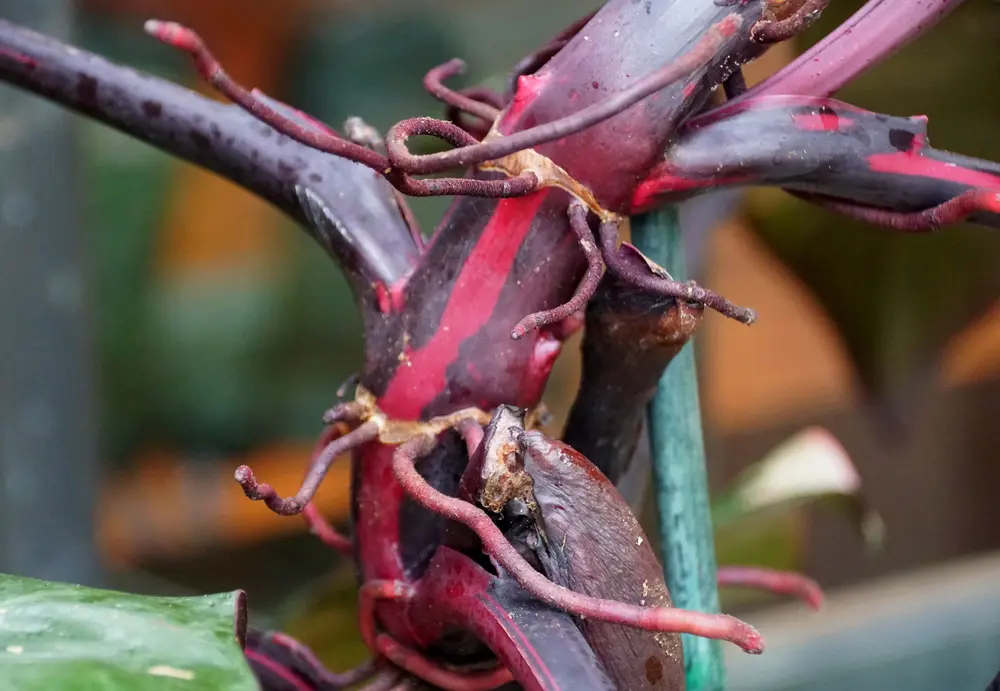
Propagation
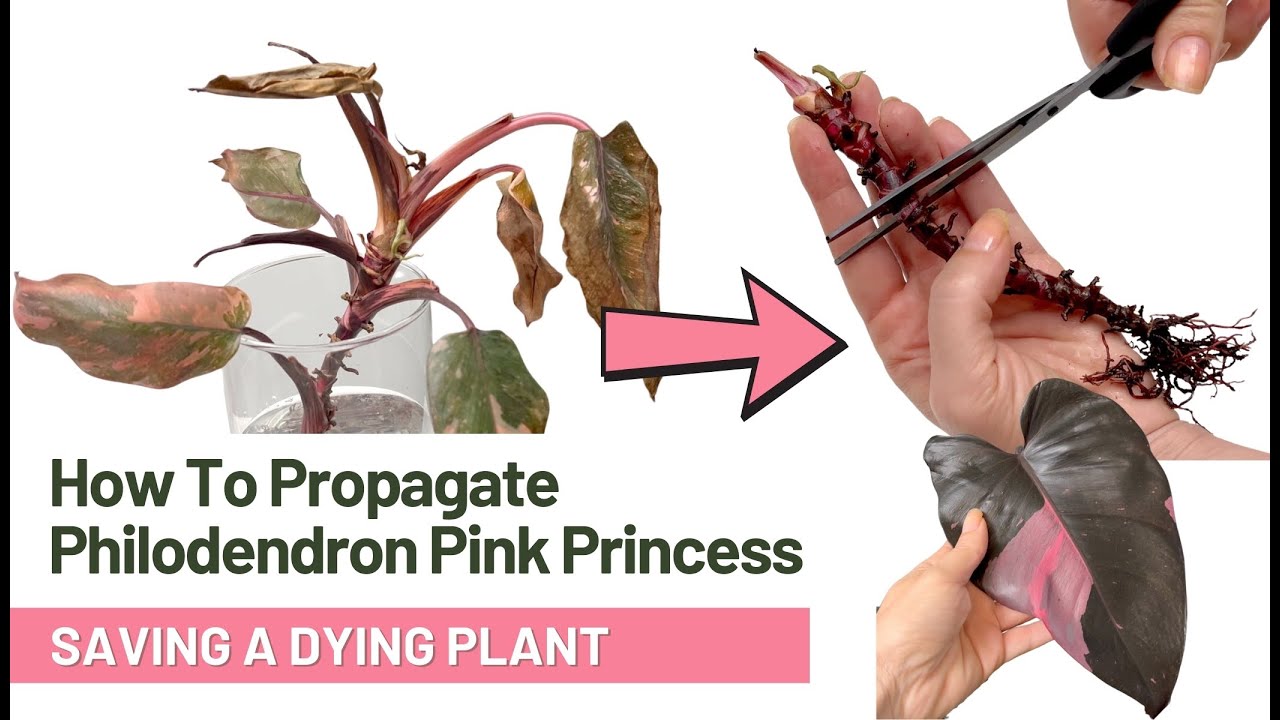
Propagating Pink Princess is satisfying, but it is also where people accidentally propagate the part of the plant that is reverting. The key is choosing the right cutting.
Pick the right node
- Choose a cutting from a stem section that has been producing the variegation you want.
- Avoid taking only from the newest green-running tip if it has been reverting.
- Make sure your cutting includes at least one node and ideally an aerial root nub.
Methods
All methods can work. Choose what matches your habits.
- Water propagation: Easy to monitor. Change water weekly and move to soil when roots are 2 to 3 inches long. Transition carefully so water roots adapt.
- Sphagnum moss: Great balance of moisture and air. Keep it lightly damp, not wet. Good for avoiding rot.
- Perlite in a clear cup: Very airy, low rot risk. Add a little water in the bottom and keep humidity up.
Step-by-step
- Sanitize scissors or snips with isopropyl alcohol.
- Cut below a node. Let the cut end callus for 30 to 60 minutes (optional, but it can reduce rot risk).
- Place the node in your chosen medium. Keep the leaf above the water line or above the wet moss.
- Provide bright, indirect light and warm temperatures.
- Once you have a small root system, pot into a chunky mix and keep slightly more evenly moist for the first 2 weeks.
Keeping variegation after rooting
New baby leaves can come in greener while the cutting settles. That is normal. Keep light bright and stable, and avoid overpotting. A tiny root system in a big wet pot is a recipe for rot and setbacks.
Reversion
Reversion is common enough that it should be part of your care plan, not a surprise. Visually, it usually looks like solid green leaves and a loss of pink over successive nodes. Once a stem has fully reverted, it rarely decides to become pink again on its own. That is when pruning back to a more variegated node matters.
Troubleshoot first
- Light: Increase brightness gently. Move closer to a window or add a grow light.
- Stress: Check roots for rot, check for pests, and review watering patterns.
- Nutrition: Feed lightly during active growth, but do not overdo it.
Then prune strategically
If the plant is healthy and still pushing all-green growth, prune back to the last node that had balanced variegation. You are not punishing the plant. You are choosing which growth point gets to lead.
Some plants will keep trying to revert. If you have pruned multiple times and it still comes in green, it may be a genetic roll of the dice. In that case, enjoy it as a gorgeous philodendron and consider starting over with a more strongly variegated specimen if pink is your top priority.
Pests
Pests love to masquerade as “mysterious plant problems.” They also stress the plant, which can nudge it toward smaller, greener growth. Check your Pink Princess regularly, especially the undersides of leaves and along the petioles.
Common culprits
- Spider mites: fine webbing, speckled leaves, dusty-looking foliage.
- Thrips: silvery scarring, distorted new leaves, tiny fast-moving insects.
- Mealybugs: cottony clusters in leaf joints and along stems.
- Scale: small, stuck-on bumps that do not brush off easily.
What to do
- Isolate the plant.
- Rinse and wipe leaves (especially undersides).
- Treat with insecticidal soap or horticultural oil, repeating every 7 to 10 days for a few rounds.
- If thrips are involved, be persistent. They are not casual houseguests.
Slow growth
Pink Princess is not a speed demon. If you are getting a new leaf every 4 to 8 weeks in good conditions, you are doing fine.
When slow is too slow
- Low light or short winter days
- Cold soil near a window in winter
- Root issues from staying too wet
- Pot too large, keeping the mix wet too long
If you want a gentle boost, warmth and light do more than extra fertilizer. A warm spot, a grow light, and a moss pole for climbing can all encourage larger leaves and steadier growth.
Quick care checklist
- Light: Bright, indirect. Add a grow light in winter if needed.
- Water: When top 1 to 2 inches dry, soak and drain.
- Soil: Chunky aroid mix, excellent drainage.
- Support: Moss pole, stake, or trellis for bigger leaves.
- Humidity: 45 to 65% ideal, with airflow.
- Fertilizer: Half strength during active growth.
- Repot: Every 12 to 24 months, upsize 1 to 2 inches.
- Prune: Cut back green-running stems to a better-variegated node.
- Propagate: Choose nodes from variegated sections, keep warm and bright.
- Pets: Toxic if chewed, keep out of reach.
If you take nothing else from this page, take this: Pink Princess rewards consistency. Give it steady light, an airy root zone, and the occasional haircut, and it will keep surprising you with those rosy little paint splashes.