
Philodendron Brasil Care and Propagation

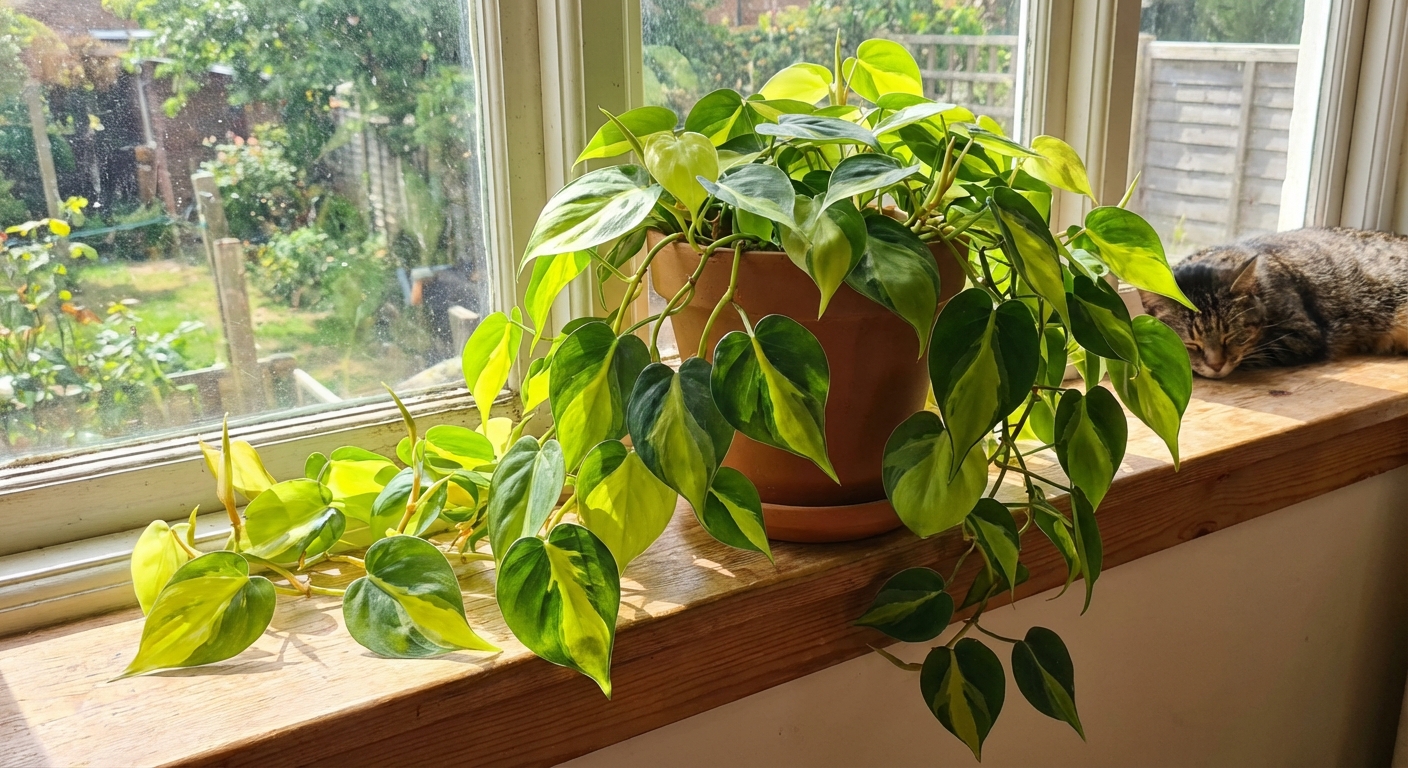
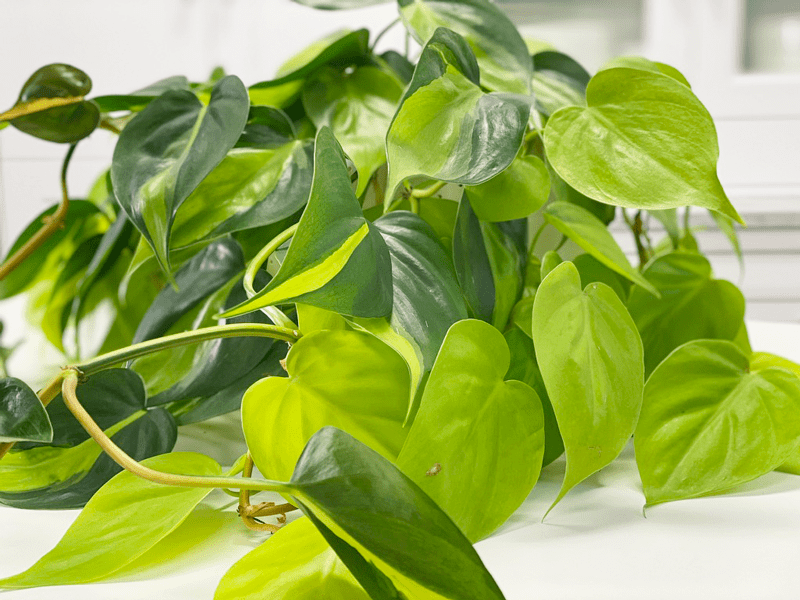
Philodendron hederaceum ‘Brasil’ is one of those plants that makes people feel like plant wizards. You get that happy lime-and-forest-green striping, fast growth, and a forgiving personality that does not punish you for missing a watering day.
Name note (for the plant label detectives): You will also see this plant sold as Philodendron hederaceum (syn. Philodendron scandens or Philodendron hederaceum var. oxycardium) ‘Brasil’. Same vibe, same care.
But the secret sauce with Brasil is light and pruning. Nail those two things and you will keep the variegation crisp, the vines full, and the whole plant looking like it belongs in a sun-dappled jungle window.

Quick care snapshot
- Light: Bright, indirect light for best variegation. Tolerates medium light, but may go greener and leggier.
- Water: Water when the top 1 to 2 inches of soil are dry. Do not keep constantly wet.
- Soil: Airy, chunky mix that drains fast and still holds a little moisture.
- Temp: Best at 65 to 80°F (18 to 27°C). Avoid prolonged dips below about 55 to 60°F (13 to 16°C).
- Humidity: Average home humidity is fine. Happier and faster in moderate humidity (around 40 to 60%+).
- Support: Trails beautifully or climbs a pole for larger leaves.
- Propagation: Very easy from stem cuttings in water or soil.
- Common issues: Greener growth, leggy vines, yellow leaves from overwatering.
Light and variegation
Variegation is basically your plant’s way of saying, “I can make less chlorophyll in these lighter sections.” Less chlorophyll means those lime patches need more light overall to fuel growth. If Brasil is not getting enough light, it often responds by pushing greener leaves because green is more efficient.
The sweet spot
- Best: Bright, indirect light near an east window, or near a south or west window with the light filtered (sheer curtain, blinds, or a little distance back from the glass).
- Gentle sun is okay: A bit of soft morning sun can be fine, especially in winter.
- Avoid: Prolonged hot midday or afternoon direct sun on the leaves. The lighter variegated areas scorch first.
Easy “is this enough light?” test
Stand where the plant sits at midday. If you can comfortably read a book there without turning on a lamp, you are usually in a good zone for Brasil. If it feels cave-like, your plant will likely stretch.
If you like a number to aim for: roughly 10,000 to 20,000 lux at the plant is a solid target for lush growth and good striping.
Watering without the guilt spiral
Brasil likes an even rhythm: water thoroughly, let excess drain, then allow the potting mix to dry a bit before the next drink. The most common mistake is frequent small sips that keep the root zone constantly damp.
When to water
- Check the soil with your finger. When the top 1 to 2 inches feel dry, it is time.
- If the pot is light when you lift it, that is another green light to water.
- In winter or low light, the dry-down takes longer. Trust the soil, not the calendar.
How to water
- Water until it flows from the drainage holes.
- Empty the saucer or cachepot after 10 to 15 minutes so roots do not sit in water.
- If your home is very dry, you may water a touch more often, but still let that top layer dry.
Signs you are overwatering
- Yellowing leaves, especially lower ones, with soft or mushy stems at the base
- Soil that smells sour or swampy
- Gnats hovering around consistently damp soil
Signs you are underwatering
- Leaves look a bit thin, dull, or slightly curled
- Very dry soil pulling away from the pot sides
- Older leaves crisping at the edges
Soil and potting
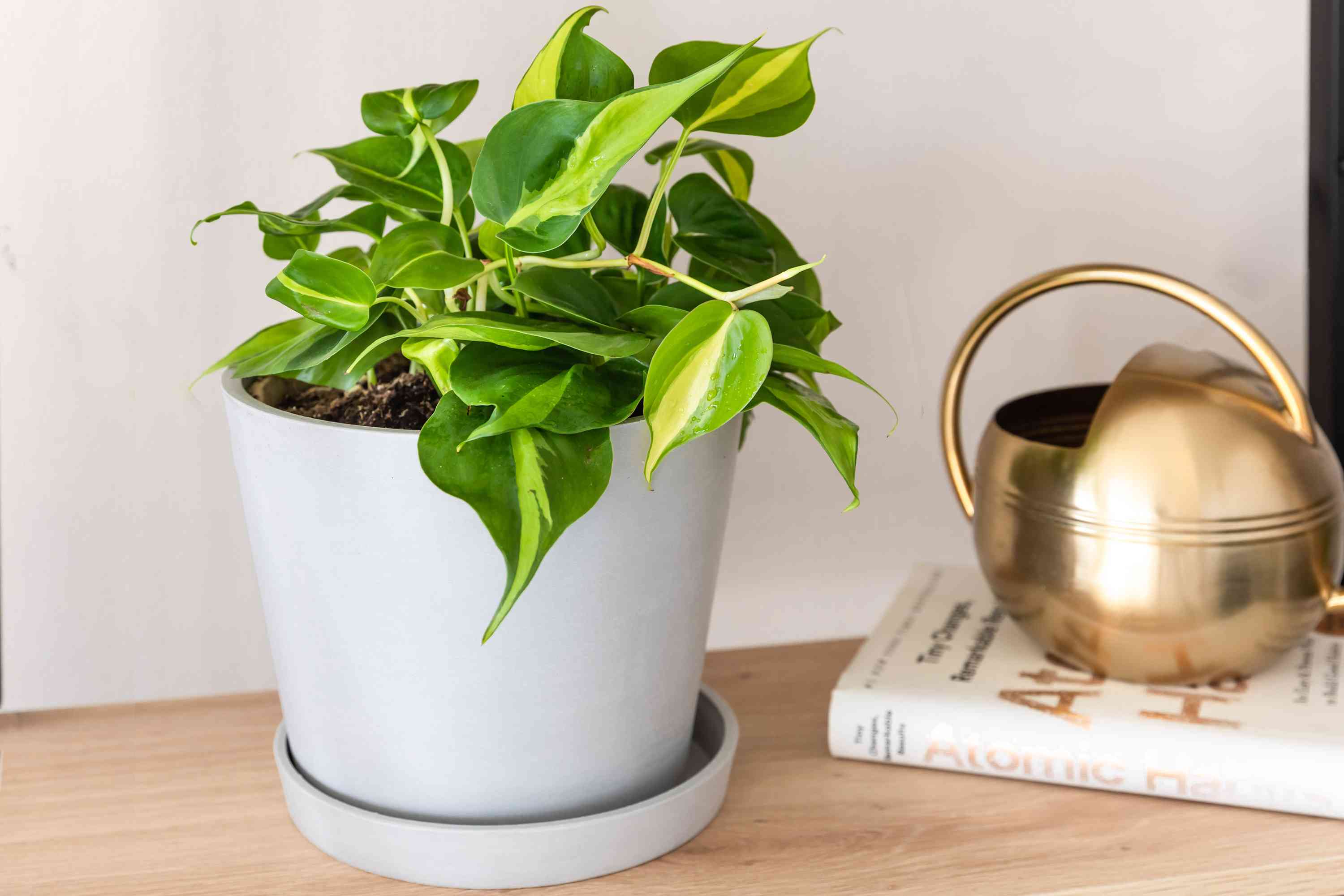
If you want a thriving Brasil, think like a root. Roots want oxygen as much as they want moisture. A dense, peat-heavy mix can stay wet too long indoors, especially in low light.
A simple chunky mix
- 2 parts quality indoor potting mix
- 1 part orchid bark
- 1 part perlite or pumice
If you already have potting soil you like, even adding a generous handful of perlite and bark can make a noticeable difference.
Pot choice and repotting
- Use a pot with drainage holes.
- Repot when roots circle the pot heavily or the plant dries out unusually fast, usually every 1 to 2 years.
- Size up 1 to 2 inches wider, not a giant leap. Oversized pots hold extra moisture that roots cannot use yet.
Temp and humidity
Brasil is a cozy indoor plant. It likes the same range most humans like, and it sulks when it gets blasted by cold air like it is standing in front of an open freezer.
Temperature
- Ideal: 65 to 80°F (18 to 27°C)
- Avoid: Consistent temps below about 55 to 60°F (13 to 16°C)
- Placement tip: Keep it away from cold drafts, leaky windows, and direct AC or heating vents. Those quick swings can cause droop, yellowing, or stalled growth.
Humidity
- Works in average homes: You do not need a rainforest.
- Extra credit: Moderate humidity (around 40 to 60% or higher) usually means bigger leaves, faster growth, and fewer crispy tips.
- If your air is dry: Group plants together, use a humidifier nearby, or move it a little farther from heat sources.
Trailing or climbing
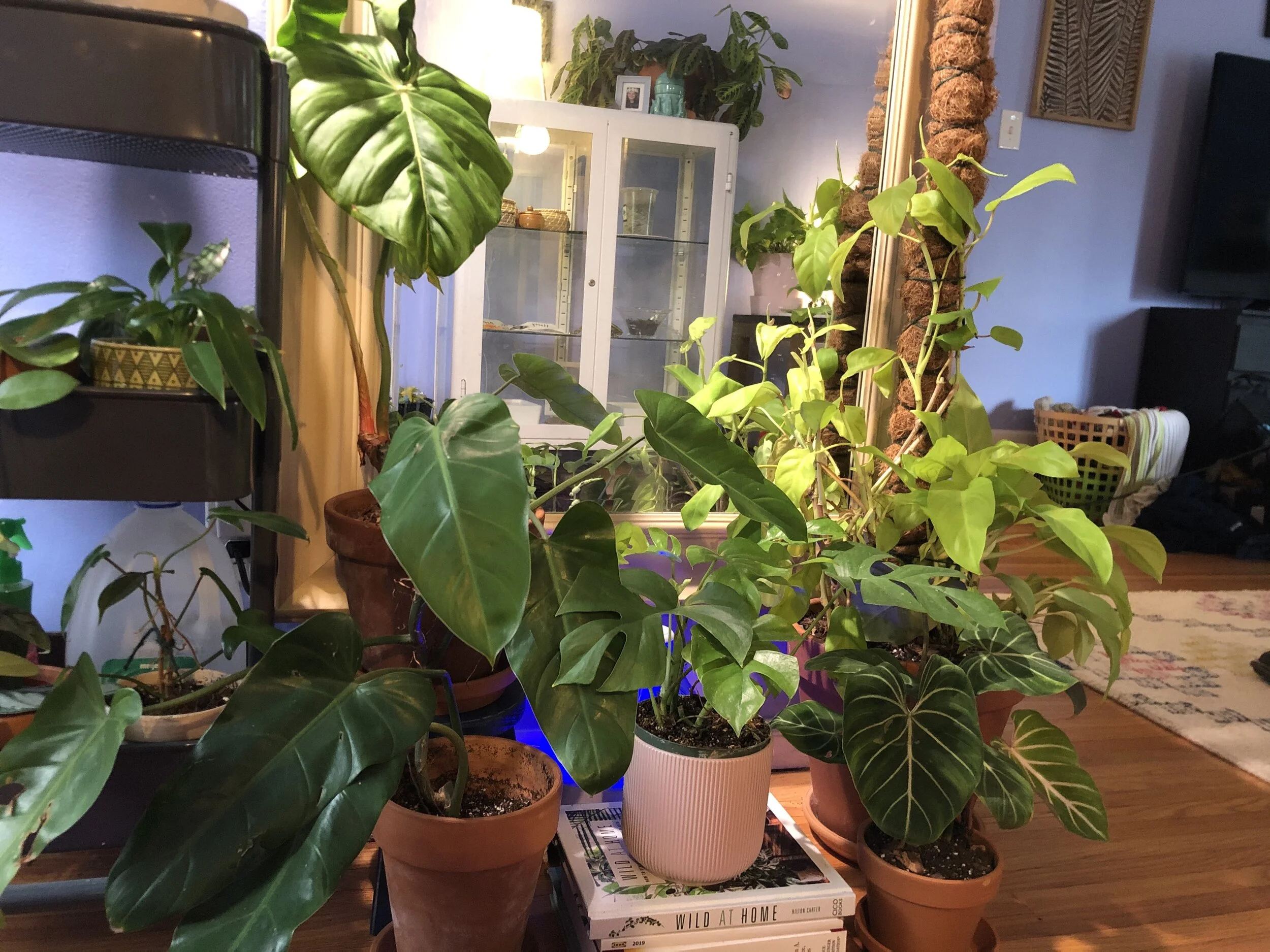
Brasil is a natural climber. Let it trail and you will get a waterfall of heart leaves. Give it something to climb and it often rewards you with larger leaves and sturdier growth.
If you want it to trail
- Use a hanging basket or a shelf edge where vines can drape.
- Rotate the pot every couple of weeks so one side does not hog the light.
- Pinch back tips to encourage branching and a fuller look.
If you want it to climb
- Add a moss pole, coco coir pole, or a simple trellis.
- Gently tie stems with soft plant ties. Do not cinch tight.
- Keep the pole slightly moist if you are using real moss, which encourages aerial roots to grab on.
Pruning and shaping
If Brasil is getting a little wild, pruning is how you turn “long noodles” into a lush, full plant. It is also the best tool for keeping good variegation in play.
When to prune
- Best time: Spring through early fall, when the plant is actively growing.
- Also fine: Any time you are dealing with leggy growth or green-heavy stems, as long as the plant is otherwise healthy.
Where to cut
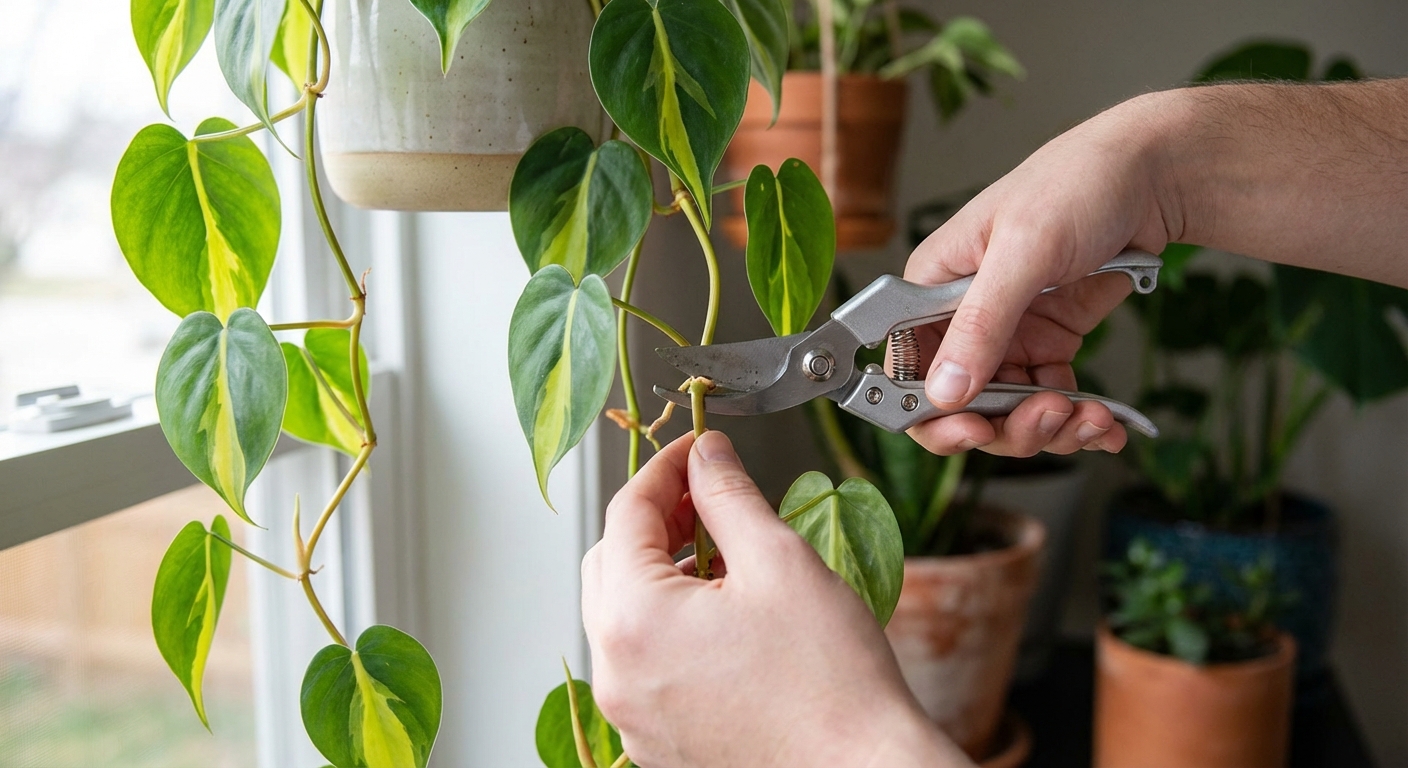
- Cut just above a node (the little bump where leaves and roots can form).
- For a fuller pot, trim long vines back by a few nodes and root the cuttings to replant into the same pot.
- Use clean scissors or pruners.
Fertilizer
During active growth, Brasil appreciates gentle feeding. Overfertilizing is a common path to salt burn and crispy tips, and it can also encourage soft growth that flops, especially in lower light.
- Spring through early fall: Feed every 4 to 6 weeks with a balanced houseplant fertilizer at half strength.
- Winter: Pause or reduce to every 8 to 10 weeks if the plant is still growing under strong light.
- Flush occasionally: Every couple of months, water thoroughly to rinse out excess salts, especially if you fertilize regularly.
Propagation
Philodendron ‘Brasil’ is wonderfully generous with propagation. The key is taking a cutting that includes a node, the little bump on the stem where roots will form.
Before you cut
- Use clean scissors or pruners.
- Choose a healthy vine with several leaves.
- Plan for a cutting with at least 1 node and ideally 1 to 3 leaves.
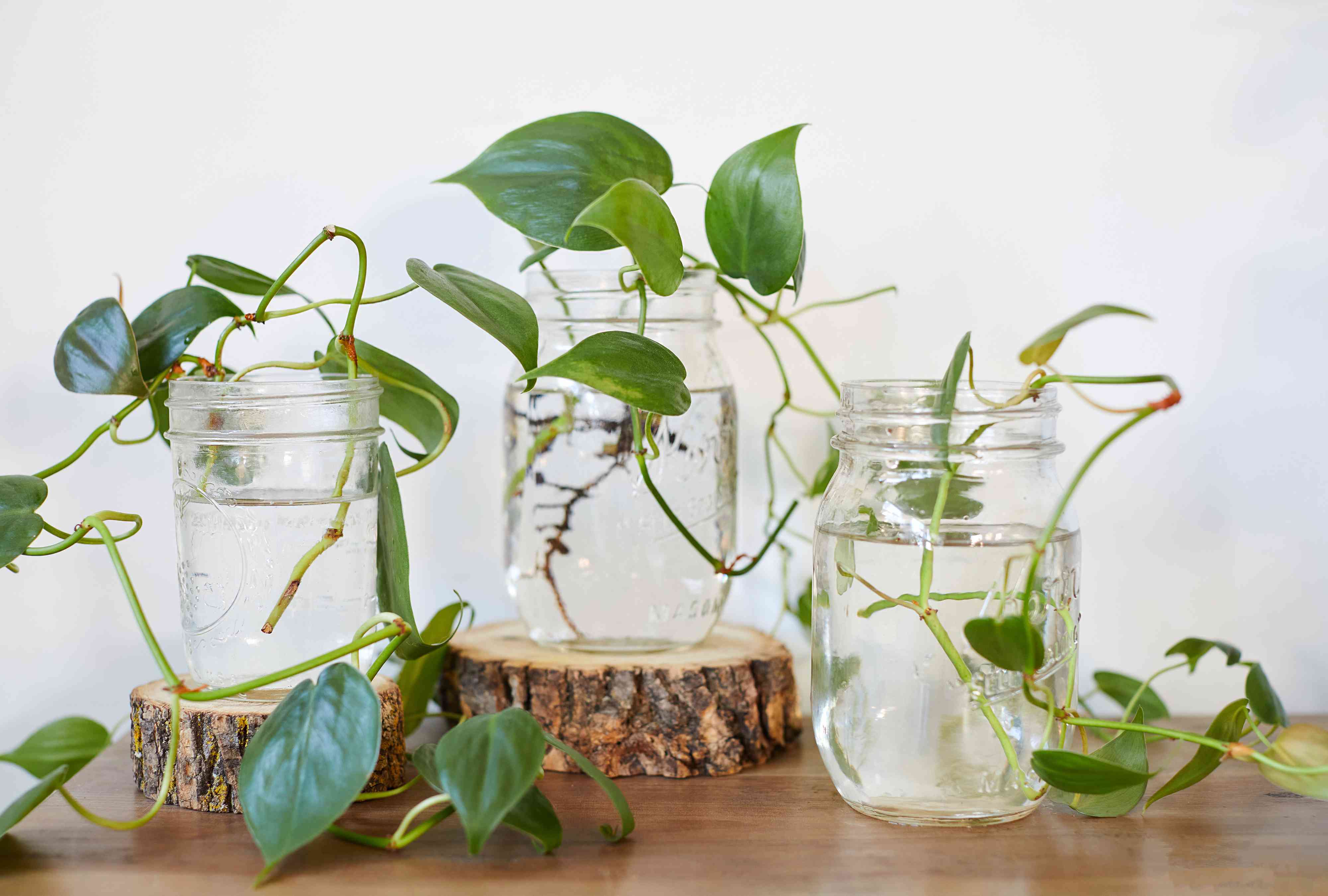
Propagating in water
- Cut just below a node.
- Remove the lowest leaf if it would sit in water.
- Place the node in a small jar of water in bright, indirect light.
- Change the water every 5 to 7 days, or sooner if it looks cloudy.
- When roots are 2 to 4 inches long and branching, pot into an airy mix.
Clara tip: Water roots can be a little dramatic when moved to soil. Keep the soil evenly moist for the first 1 to 2 weeks after potting, then transition to your normal watering rhythm.
Propagating in soil
- Fill a small pot with a lightly moist chunky mix.
- Make a hole and tuck the node under the soil surface. Keep leaves above the soil.
- Cover loosely with a clear bag or place in a propagation box to hold humidity, optional but helpful.
- Keep in bright, indirect light. Water lightly when the top layer begins to dry.
- After 3 to 6 weeks, tug gently. Resistance usually means roots have formed.
Greener growth and reversion
Sometimes a vine starts producing leaves with little to no variegation. People call this “reversion,” and the practical problem is the same either way: greener growth can outcompete the pretty stuff because it has more chlorophyll and can photosynthesize more efficiently.
Light helps, but not all variegation changes are reversible just by moving the plant. The reliable fix is pruning back to a variegated node so new growth starts from the right tissue.
Why it happens
- Not enough light for the plant to “afford” those lighter patches
- Long intervals without pruning, letting vigorous green sections take over
- Stress like inconsistent watering or a cramped root ball can contribute, though light is usually the big one
How to fix it
- Move to brighter indirect light first.
- Find the point where the vine started going mostly green. Look back along the stem for the last leaf with good variegation.
- Prune just above that variegated node. This encourages the plant to push new growth from the variegated section.
- Propagate the cut piece if you want, but know that a fully green vine often stays greener.
If your whole plant is mostly green, you can rebuild over time by taking cuttings from any remaining nicely variegated sections and replanting them into the pot to create a fuller, brighter mix.
Fixing leggy growth
Leggy Brasil looks like long stretches of stem with small leaves and wide spacing between nodes. It is the plant reaching for better light.
What to do this week
- Increase light gradually over a week so leaves do not scorch.
- Prune the longest vines back to a node. This forces branching and makes the pot look fuller.
- Root the cuttings and plant them back into the same pot to bulk it up.
How to prevent it
- Rotate the pot every 1 to 2 weeks.
- Consider a grow light in darker seasons or interiors. Even 8 to 10 hours can make a big difference.
- Do a light haircut a few times a year. Brasil loves it.
Pests
Brasil is not a pest magnet, but the usual suspects still show up, especially in drier air or on stressed plants.
- Spider mites: Fine webbing, stippled leaves, dusty-looking undersides
- Mealybugs: White cottony clumps in leaf joints and along stems
- Thrips: Silvery scarring, distorted new growth, tiny fast-moving insects
- Scale: Brown bumps that do not rinse off easily
First response: Isolate the plant, rinse foliage (especially undersides), then wipe stems and leaf joints. Follow up with insecticidal soap or horticultural oil, repeating every 7 to 10 days for a few rounds to catch hatchlings.
Troubleshooting
Yellow leaves
- Most likely: Overwatering or slow-draining soil.
- Try: Let the pot dry more between waterings, switch to a chunkier mix, and confirm the pot has drainage.
Brown crispy tips
- Most likely: Underwatering, low humidity, or fertilizer salt buildup.
- Try: Water more thoroughly, flush the soil monthly or every other month, and keep the plant away from heating vents and direct AC airflow.
Small leaves and slow growth
- Most likely: Not enough light, or the plant needs food.
- Try: Move closer to a bright window and feed lightly during the growing season.
Drooping leaves
- Could be: Too dry or too wet.
- Try: Feel the soil. Dry soil plus droop usually means it needs water. Wet soil plus droop can point to root stress, so let it dry and check drainage.
Pet safety
Like other philodendrons, ‘Brasil’ contains calcium oxalate crystals and is toxic if chewed by pets or small children. It is usually an irritant rather than a “one bite and it is over” situation, but it can still cause a very unhappy mouth and stomach.
- Common signs: Drooling, pawing at the mouth, oral irritation, vomiting
- What to do: Remove plant material from the mouth if you can safely, offer water, and contact your vet or pet poison control for guidance.
If you have curious nibblers, keep it on a high shelf, use a hanging planter, or choose a pet-safe plant for floor level.
Simple routine
- Weekly: Check soil moisture, peek at new growth, rotate the pot.
- Monthly: Wipe leaves with a damp cloth to help it photosynthesize better. Do a quick pest check under leaves while you are there.
- Seasonally: Prune and propagate to thicken the pot, refresh topsoil, and adjust the plant’s distance from the window as the sun shifts.
If you take nothing else from this page, take this: bright indirect light plus a good trim is what turns Brasil from “fine” into truly lush. And yes, you are allowed to talk to it while you prune. My ferns and I fully support that.