
Petunia Care: Spreading vs Upright and Sunlight Needs

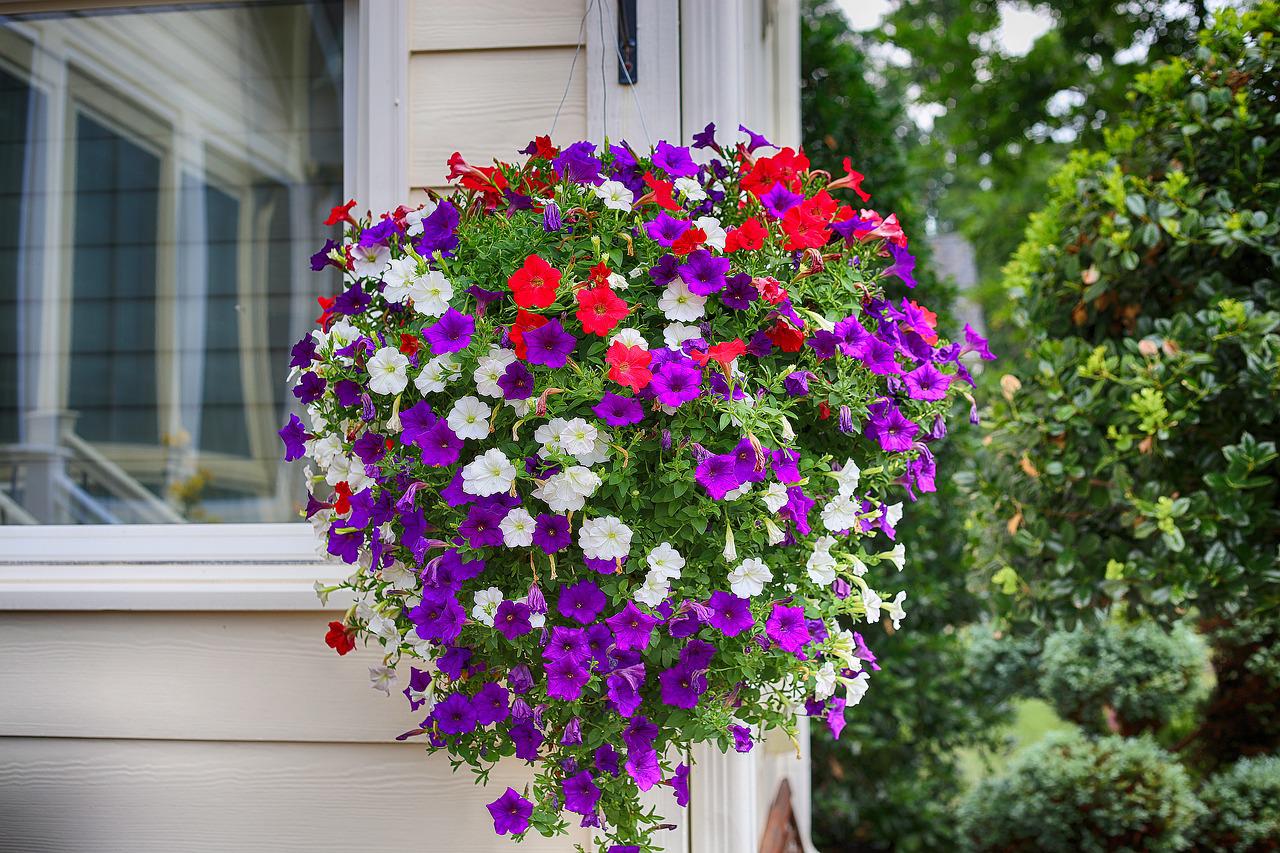
Petunias are the friendly overachievers of the annual world. Give them sun, steady food, and a little cleanup when they ask for it, and they will bloom like they are trying to impress the whole neighborhood. The only tricky part is choosing the right type for your space, because a spreading “wave” petunia behaves very differently from an upright, big-bloom grandiflora.
This page will help you match petunia habit to your containers or beds, nail the sunlight sweet spot, and keep flowers coming through heat waves and summer storms.

When to plant
Petunias love warmth and can sulk in chilly weather. For the fastest start, plant after your last frost date when nights are consistently above 50°F / 10°C. If you plant earlier, growth may crawl until the soil and nights warm up.
Wave vs. grandiflora: what “habit” means
When growers talk about a petunia’s habit, they mean how the plant naturally grows: whether it sprawls and trails, or stands upright and mounds neatly. Habit affects everything: how often you prune, how it looks after rain, and whether it shines in a pot or in the ground.
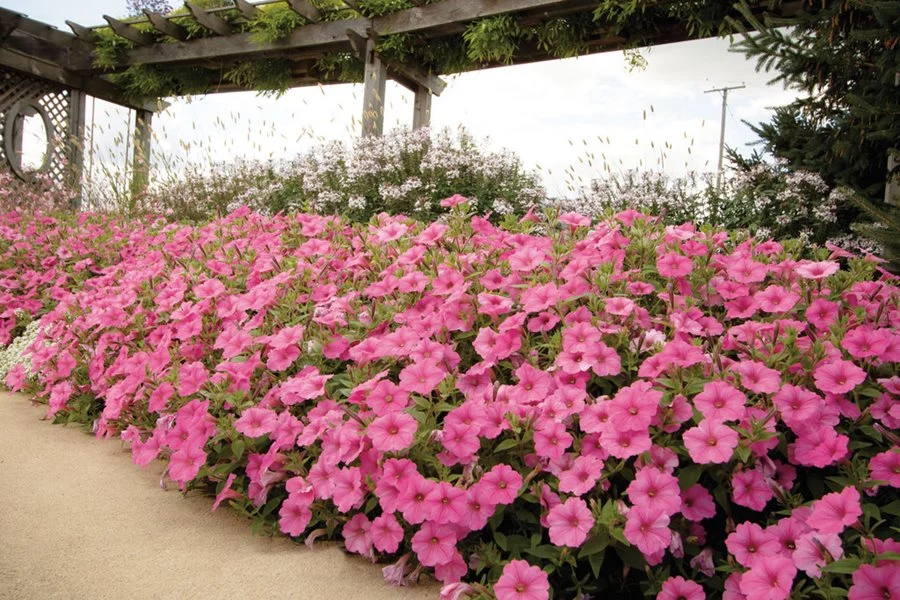
Spreading types (Wave, trailing petunias)
- Growth shape: Low and spreading, often trailing over container edges.
- Best use: Hanging baskets, window boxes, railing planters, large pots, and as a groundcover-like carpet in beds.
- Bloom style: Lots of medium blooms, designed for constant color.
- Maintenance: Many modern spreaders are largely self-cleaning, meaning old blooms drop on their own. Performance varies by cultivar and weather, so a quick tidy after rain still helps.
Upright types (Grandiflora and classic bedding petunias)
- Growth shape: More upright or mounded.
- Best use: Beds, borders, and containers where you want a tidy dome of flowers.
- Bloom style: Larger, showier blooms, sometimes with ruffles or dramatic patterns.
- Maintenance: Often benefits from deadheading to keep the plant tidy and blooming hard.
Two more types worth knowing
- Multiflora: Smaller flowers, lots of them, usually tougher in rain and wind than grandiflora.
- Floribunda: A middle ground with good flower size and better weather tolerance than many grandifloras.
A quick note on brand names
You will also see series and brand groups sold as “types.” For example, Supertunia is a branded series (Proven Winners), not a botanical category. It is still useful shorthand at the garden center, just know it refers to specific cultivars within petunias.
A quick realism check for rainy climates
If your summers are humid or stormy, grandiflora’s big petals can look a little rough after heavy rain. Spreading types, multiflora, and floribunda generally bounce back faster, and many modern series are bred specifically to handle weather swings.
Petunias vs. calibrachoa
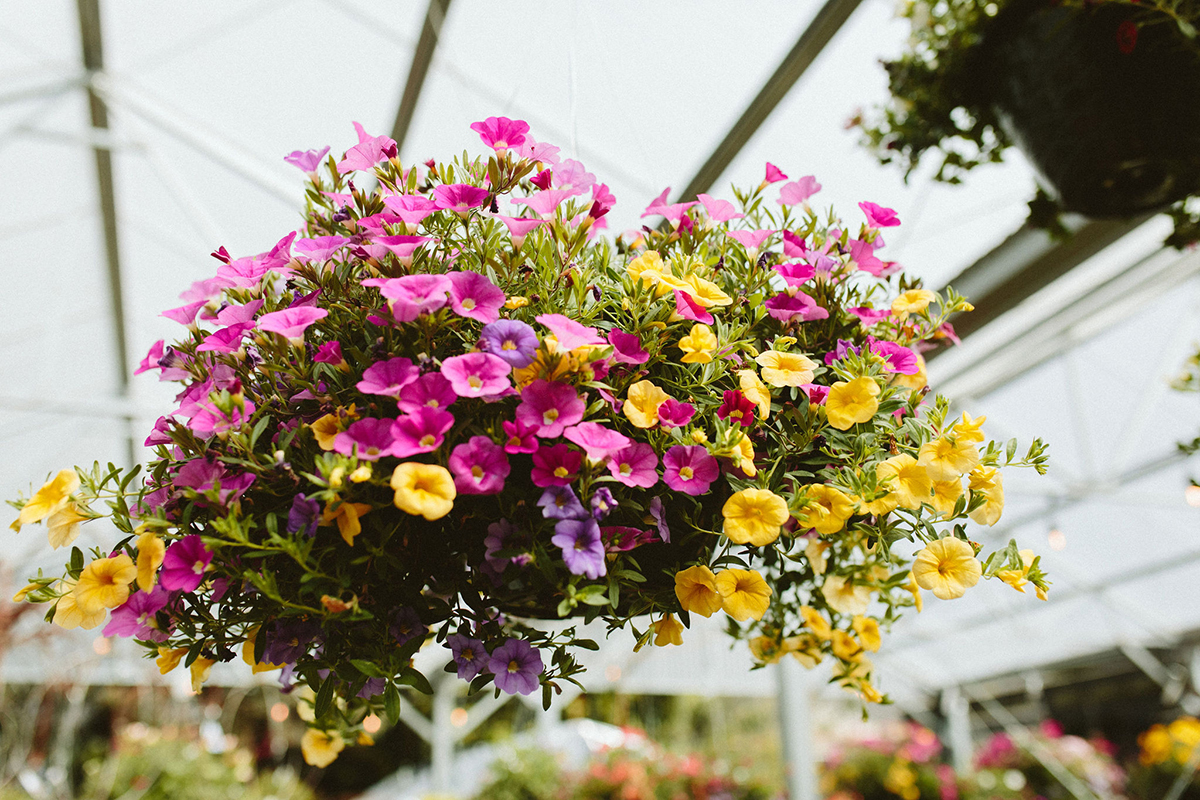
Calibrachoa (often sold as “million bells”) is a close cousin that looks like a mini petunia. It is great for baskets and spilling containers, tends to be self-cleaning, and likes similar sun and feeding. One key difference: calibrachoa can be more sensitive to high pH water and may need micronutrients (especially iron) more often.
How to plant
- Do not bury the crown: Plant so the top of the root ball sits level with the soil surface.
- Give them room: Follow the plant tag, but a common range is 10 to 12 inches apart for mounding types and 12 to 18 inches for spreaders (they fill in fast).
- Container size matters: More soil volume = steadier moisture and fewer meltdowns in heat. As a rough guide, plan on one petunia per 10 to 12 inch pot, or 3 to 5 plants in a 24 inch window box depending on vigor.
Sunlight needs
Petunias bloom best with at least 6 hours of direct sun daily. More sun usually means more flowers, as long as water and nutrients keep up.
The sweet spot
- 6 to 8+ hours of sun: Ideal for heavy flowering and sturdy growth.
- Morning sun with light afternoon shade: Excellent in hot-summer regions. It reduces stress and helps blooms last longer.
- Less than 5 to 6 hours: Expect fewer flowers and leggier stems. You will get green growth, but not the nonstop bloom petunias are famous for.
Signs your petunia wants more sun
- Long, stretchy stems with flowers mostly at the tips
- Lots of leaves but sparse blooms
- Plants leaning hard toward the light
Signs the plant is cooking in intense heat
- Midday wilting that recovers in the evening
- Smaller blooms and slower rebound after watering
- Crispy edges on leaves during extreme heat spells
If you are in a very hot climate, that little bit of afternoon shade can be the difference between “surviving” and “flourishing.”
Water and soil
Petunias like even moisture, but they hate sitting in soggy conditions. Think “wrung-out sponge,” not “mud pie.” In the ground, it is fine (and often healthier) to let the top inch of soil dry slightly between waterings.
In containers
- Drainage is non-negotiable: Pots must have drainage holes.
- Watering rhythm: In peak summer, many containers need watering daily. Smaller pots may need water twice a day in extreme heat.
- How to check: Stick a finger 1 to 2 inches into the mix. Water when it feels dry at that depth.
In garden beds
- Soil texture: Loamy, well-draining soil with compost mixed in sets you up for success.
- Deep watering: Water less often but more deeply so roots grow down, not just along the surface.
- Let it breathe: Allow a slight dry-down between waterings to avoid root stress.
- Mulch helps: A thin layer of fine mulch keeps moisture steadier and reduces stress.
Fertilizer for continuous bloom
If petunias had a love language, it would be consistent feeding. They are heavy bloomers, and blooming takes energy. Without enough nutrients, they fade, stall, and go leggy.
Best fertilizer approach
- At planting: Mix in compost and consider a slow-release fertilizer labeled for flowering annuals.
- Ongoing (containers especially): Regular liquid feeding is often the difference between “fine” and “wow.” Many gardeners feed every 7 to 14 days during peak growth, following label directions.
- What to look for: A balanced fertilizer or a “bloom” formula that also includes micronutrients. Petunias often respond strongly to steady nitrogen plus iron and trace elements, especially in containers where nutrients wash out.
One extra tip for yellowing leaves
Petunias can be prone to iron chlorosis in higher pH conditions, especially in containers watered with alkaline tap water. If new leaves turn pale with greener veins, try a fertilizer that includes micronutrients, or use a chelated iron supplement per label directions.
How you know feeding is working
- New buds keep forming even after a big flush of flowers
- Leaves stay a healthy green, not washed-out
- Plant fills in instead of stretching out
Deadheading and pruning
Deadheading is simply removing spent blooms so the plant does not waste energy making seeds. Whether you need to do it depends on the petunia type.
Spreading and “self-cleaning” petunias
Many wave-style and modern spreading series drop old blooms on their own. You can often skip deadheading, but you will still get better performance if you do occasional grooming:
- Pinch off soggy, stuck blooms after rain
- Remove any mushy petals that cling to leaves and stems
- Trim off brown bits to improve airflow
Grandiflora and some classic bedding petunias
These often look and bloom better with regular deadheading.
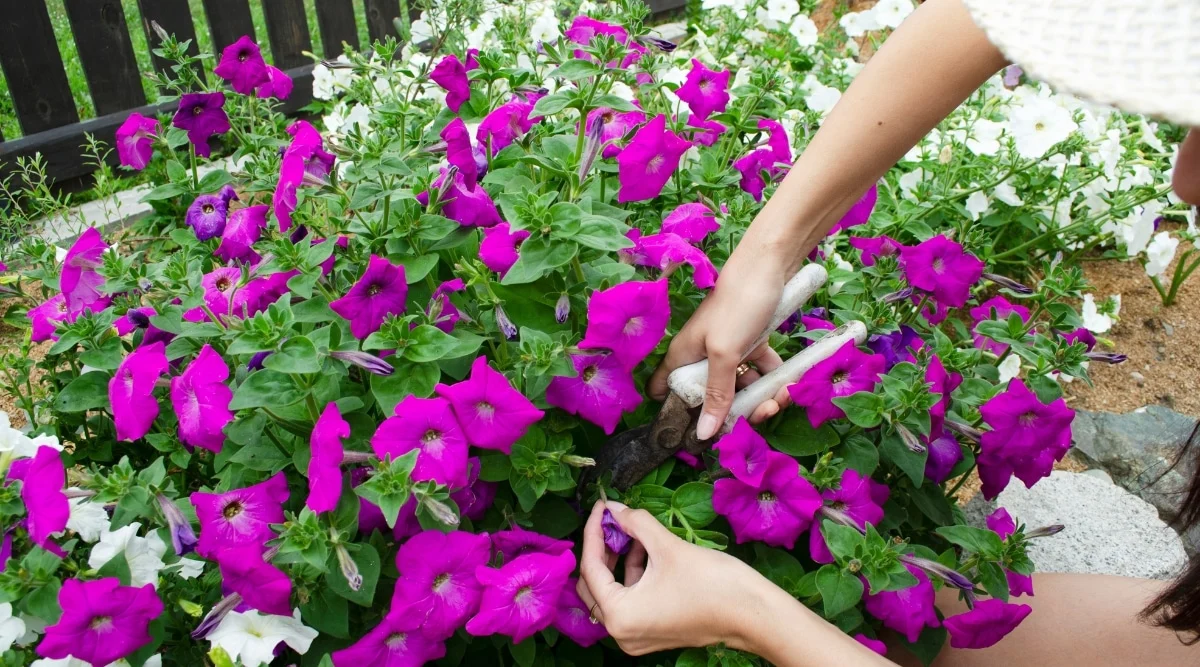
- How: Pinch the faded bloom off with the little green base behind it. If you leave the base, the plant can still try to make seed.
- How often: A quick pass every few days keeps plants looking fresh in peak season.
Leggy plants: the “haircut” method
When petunias start looking tired, especially mid to late summer, do not be afraid to give them a haircut.
- Cut back stems by about one-third (sometimes up to one-half if they are really stretched).
- Water deeply right after.
- Feed with a water-soluble fertilizer.
- Wait 7 to 14 days for a fresh flush of growth and blooms.
Containers vs. beds
Petunias can thrive in both, but their care needs shift depending on where they are planted.
In containers
- Pros: Easy to control soil quality, great drainage, perfect for trailing varieties.
- Cons: Faster drying, nutrients wash out quickly, more frequent feeding needed.
- Best picks: Spreading and trailing petunias for spill, plus mounding types for a full look.
In beds
- Pros: More stable moisture, roots stay cooler, less frequent watering once established.
- Cons: Heavy soil can cause root problems, weeds compete, rain splash can dirty blooms.
- Best picks: Upright and mounding types for structure, spreading types for color carpets.
Spacing that prevents the summer slump
Crowding leads to poor airflow, slower drying after rain, and more disease pressure. Follow plant tag spacing, and if you are between two options, choose the slightly roomier one.
Heat and rain recovery
Petunias are resilient, but extreme weather can make them look rough overnight. The trick is knowing what to do the same day, before stress snowballs.
After a heat wave
- Water early: Morning watering helps plants face the day hydrated.
- Check containers twice: Hot patios and dark pots heat up fast.
- Pause heavy pruning during peak heat: If temps are extreme, wait until the evening cool-down or a slightly milder day.
- Light shade helps: If you can move containers, give them afternoon shade during the hottest stretch.
- Feed after recovery: Once the plant is no longer wilting daily, resume a regular fertilizer schedule.
After heavy rain or storms
- Gently shake plants: This knocks water off blooms and reduces petal rot.
- Remove mushy flowers: Especially on grandiflora, soggy blooms can turn to brown pulp fast.
- Let soil drain before watering again: Petunias hate wet feet.
- Do a quick tidy prune: Snip broken stems cleanly so the plant can seal the wound and regrow.
When petunias look stuck
If they stop blooming after a stretch of heat, humidity, or rain, do a gentle reset:
- Trim back the longest stems by one-third.
- Remove spent blooms and any slimy petals.
- Feed with a water-soluble fertilizer.
- Water consistently for the next week.
Most petunias respond with fresh growth and a new wave of buds, and yes, I always tell mine, “You’ve got this.” It does not hurt.
Quick care checklist
- Planting time: After frost, nights above 50°F / 10°C
- Sun: 6 to 8+ hours for best bloom, with optional afternoon shade in very hot climates
- Water: Even moisture, never soggy soil, slight dry-down between waterings in ground
- Food: Regular fertilizer is key, especially in containers, include micronutrients
- Deadheading: Mostly for grandiflora and older types, light grooming for many spreaders
- Midseason: A haircut plus fertilizer often brings a big rebound
- After rain: Shake off water, remove mushy blooms, let soil drain
Common problems and fixes
Lots of leaves, not many flowers
- Likely cause: Not enough sun or inconsistent feeding.
- Fix: Move to a sunnier spot if possible, start a regular fertilizer routine.
Leggy stems with flowers only at the ends
- Likely cause: Normal midseason growth, too little sun, or skipped trimming.
- Fix: Cut back by one-third, then water and feed.
Flowers turn brown after rain
- Likely cause: Big blooms holding water, petals bruising and rotting.
- Fix: Shake plants dry, remove damaged blooms, improve airflow. If this is constant in your garden, consider multiflora, floribunda, or smaller-flowered modern series next season.
Yellow new leaves with green veins
- Likely cause: Iron uptake issue, often related to pH.
- Fix: Use fertilizer with micronutrients or chelated iron as directed.
Buds get hollowed out overnight
- Likely cause: Tobacco budworms or other caterpillars feeding inside buds and blooms.
- Fix: Check at dusk for small caterpillars and frass (the tiny dark pellets). Hand-pick when you can. Treat with Bt (Bacillus thuringiensis) or spinosad according to label directions, and reapply as needed after rain.
Sticky stems and clusters of tiny bugs
- Likely cause: Aphids.
- Fix: Blast them off with a strong spray of water, then use insecticidal soap or horticultural oil if they come back. Check new growth weekly because aphids love the tender tips.
Fine webbing and speckled leaves in hot weather
- Likely cause: Spider mites.
- Fix: Rinse foliage thoroughly (especially undersides), increase humidity around plants if possible, and use insecticidal soap for repeat issues.
Gray mold or powdery coating in humid spells
- Likely cause: Botrytis (gray mold) or powdery mildew, often tied to crowding and slow drying.
- Fix: Thin or trim for airflow, water at the base, remove affected flowers and leaves, and avoid keeping plants constantly wet.
Choosing the right petunia
If you want a fast decision:
- For hanging baskets and spillover pots: Choose spreading or wave types.
- For big, showy blooms and a classic look: Choose grandiflora, and plan to deadhead.
- For stormy summers: Lean toward multiflora, floribunda, smaller blooms, and sturdy modern series.
- For set-it-and-mostly-forget-it color: Pick vigorous, modern spreaders plus a steady fertilizer habit.
And if you make the “wrong” choice once, welcome to gardening. We learn, we replant, and we keep going. Petunias are wonderfully forgiving that way.