
Paphiopedilum (Lady Slipper) Orchid Care

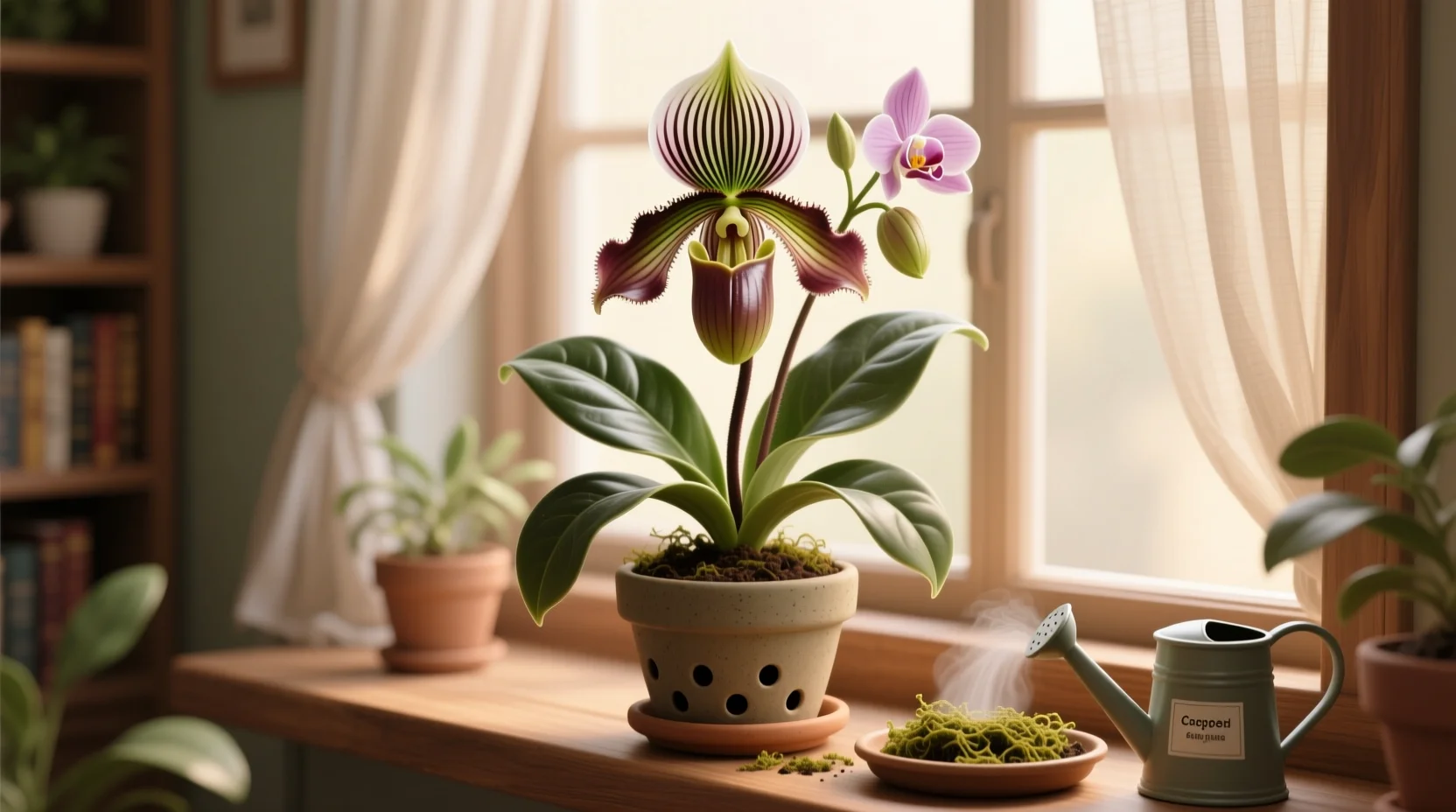
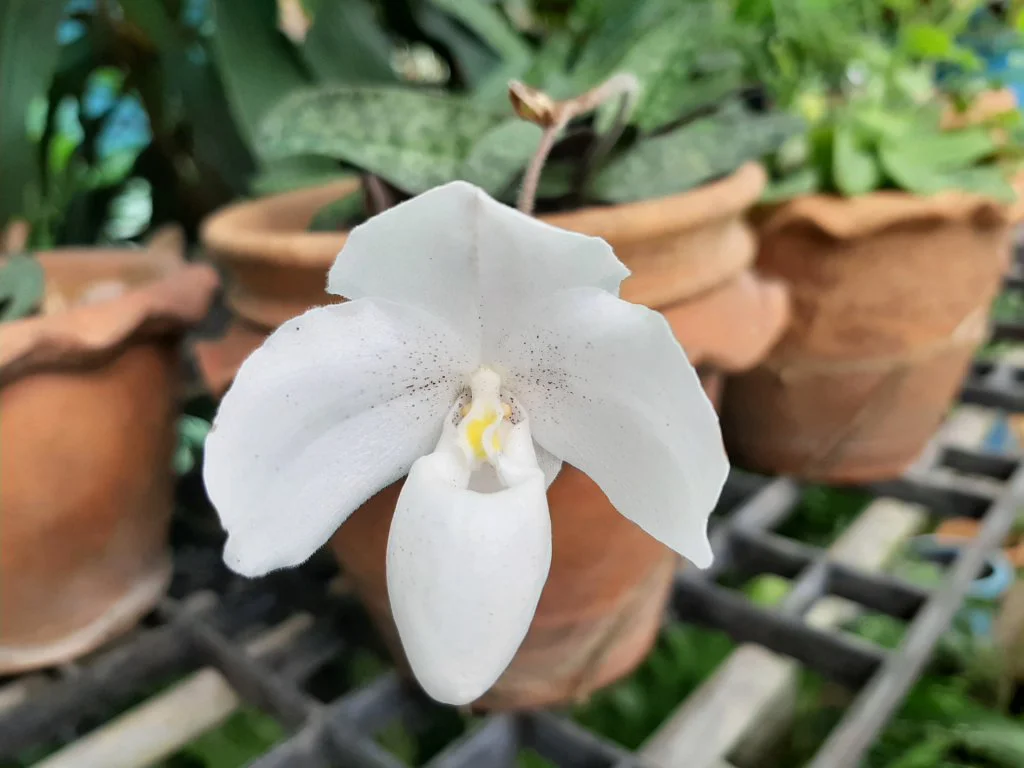
Paphiopedilum orchids, lovingly called lady slippers, are the orchids I recommend to people who want something a little more forgiving about light, a little less fussy about humidity gadgets, and a lot more interesting to stare at up close. Their blooms look like tiny sculptures, and their leaves often have that mottled, silvery pattern that makes them feel special even when they are not flowering.
But they do have one very important personality trait: unlike moth orchids (Phalaenopsis), Paphiopedilums generally lack prominent pseudobulbs for water storage. That means they like even moisture, not long dry spells. The trick is learning how to keep them gently damp without turning their roots into soup.

Getting to know Paphiopedilum
Most beginner-friendly Paphiopedilums sold as houseplants are either mottled-leaf types (often from warmer-growing groups) or green-leaf types (often a bit cooler-growing). You do not need to memorize the groups to succeed, but it helps to notice what you have because it hints at how much warmth and light your plant will enjoy.
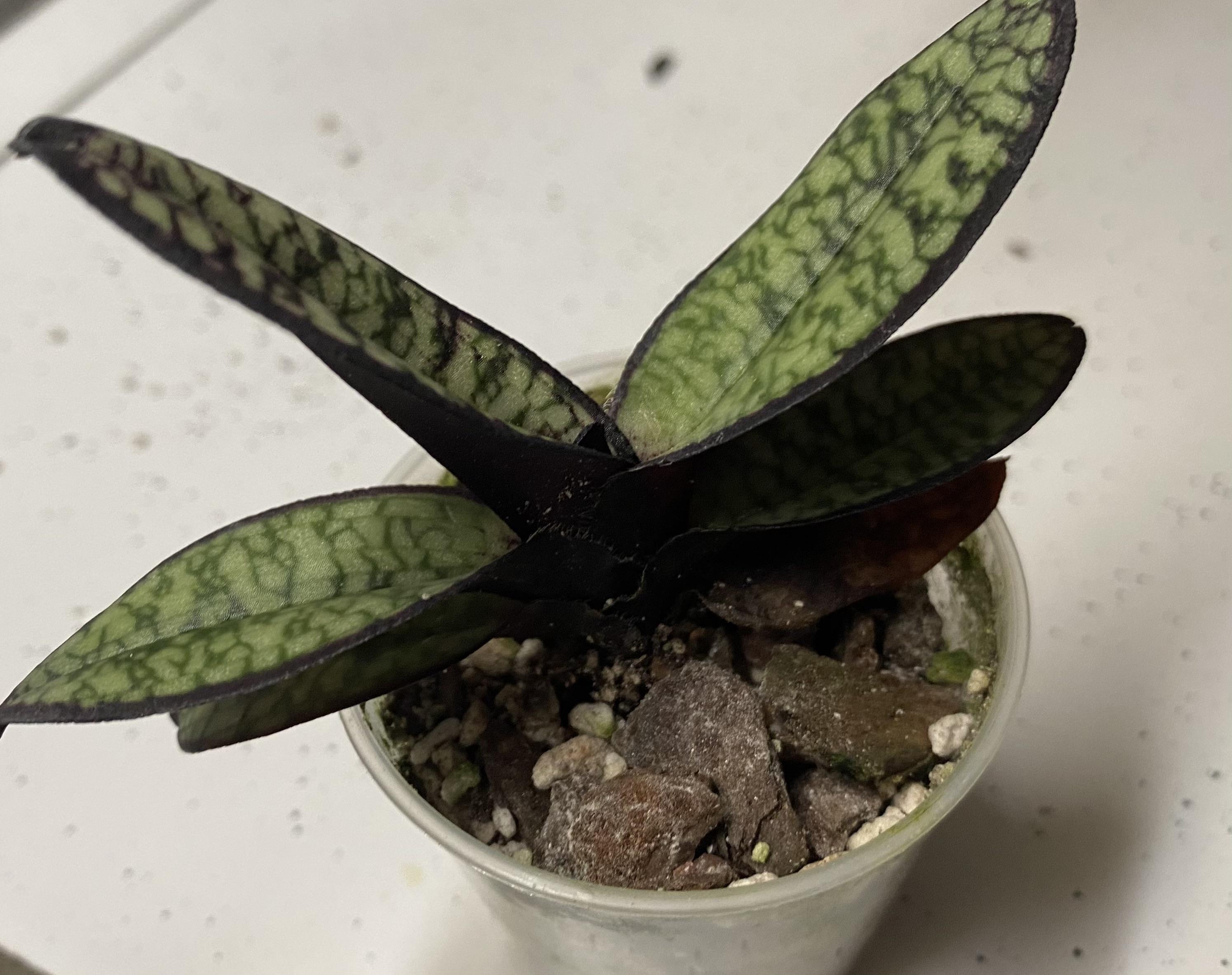
- Mottled leaves: often prefer warmer indoor temps and slightly lower light.
- Plain green leaves: often tolerate cooler nights and can take a touch more light.
Either way, their care basics overlap beautifully: moderate light, steady moisture, airy mix, and fresh media before it breaks down.
Light: lower-light tolerant, not no-light
Paphiopedilums are famous for handling lower light than many orchids, which is a huge win if your brightest window is already crowded with plants that act like sun worshippers.
Best indoor light
- East window: my favorite. Gentle morning sun, then bright shade.
- North window: often works, especially if the window is unobstructed and you are not far back in the room.
- South or west window: possible, but usually needs a sheer curtain or the plant set back from the glass to avoid leaf scorch.
Easy light cues
- Happy leaves: medium green (mottled types stay patterned, but the background should not look dark and gloomy).
- Too little light: very dark leaves, slow growth, no blooms year after year.
- Too much light: yellowing, bleached patches, or crispy edges.
If you are comparing them to moth orchids: many mottled-leaf Paphiopedilums do well in similar or slightly lower light than Phalaenopsis, while some green-leaf types can handle brighter conditions. Species and hybrids vary, so let the leaves be your guide.
Water: moisture without sogginess
This is the whole game with lady slippers. Think evenly moist, like a wrung-out sponge, rather than drenched.
How often to water
There is no magic schedule because it depends on your mix, pot type, plant size, and temperature. Many beginners land somewhere around:
- Every 5 to 10 days in a bark-based mix
- Every 3 to 7 days in a finer mix or in warm, bright, dry homes (and in smaller pots that dry quickly)
Instead of following a calendar, follow cues.
Watering cues (Paphiopedilum vs moth orchids)
- Paphiopedilum cue: water when the mix is just barely damp to the touch a little below the surface, not bone dry.
- Phalaenopsis cue: many people wait until roots look silvery and the pot is light, meaning it dries more between waterings.
If you water your Paphiopedilum like a moth orchid and let it go fully dry often, you can get limp leaves, stalled growth, and root loss over time.
How to water (my reliable routine)
- Take the inner pot to the sink.
- Water thoroughly with room-temperature water until it runs freely from the bottom. If your bark is very dry and hydrophobic, water once, wait a minute, then water again.
- Let it drain completely. No standing water in the cachepot.
- Put it back only when it is done dripping.
Rot risks to take seriously
Paphiopedilums can rot in two common ways:
- Root rot: from old, broken-down media that stays wet too long or from a pot with poor drainage.
- Base or growth-point rot: water sitting down in the leaf bases where the new growth emerges, especially in cool conditions. It is not quite the same “crown rot” drama people warn about with Phals, but it can still happen.
To reduce this risk, I water the media, not the center of the plant. If water splashes into the leaf bases, dab it out with a corner of paper towel.
Humidity and temperature: keep it comfortable
You do not need a rainforest in your living room, but a little steadiness helps.
- Temperature: aim for typical home temps, roughly 65 to 80°F (18 to 27°C). Green-leaf types often appreciate slightly cooler nights, and some species are pickier than common hybrids.
- Humidity: for most common hybrids, 40 to 60% is plenty. Some species or very warm growing conditions may prefer higher.
- Pebble trays: they may help slightly right around the plant, but they usually have limited impact on whole-room humidity. Good watering habits matter more than gadgets.
- Airflow: gentle airflow reduces fungus and discourages pests. A small fan across the room is perfect.
The best potting media (and what to avoid)
Lady slippers want a mix that holds some moisture but still breathes. The “ideal” mix depends on your climate and how often you like to water.
Beginner-friendly mixes
- Medium fine fir bark + perlite + a little charcoal: airy, forgiving, and widely used.
- Bark + small amount of sphagnum moss: helpful if your home is dry, but keep it fluffy, not packed.
- Quality orchid mix labeled for Paphiopedilum: usually a moisture-retentive bark blend.
What to avoid
- Dense potting soil: it smothers roots.
- Tightly packed sphagnum: it can stay wet too long and invite rot.
- Old, sour mix: Paphiopedilum roots hate decomposed media.
Pot choice matters too. Plastic holds moisture longer, terra cotta dries faster. If you are an over-waterer, terra cotta can be your training wheels. If you forget to water, plastic is kinder.
Repotting: how often and how to do it
If I could give every beginner one Paphiopedilum secret, it is this: repot on a schedule. Not because the plant is dramatic, but because the media breaks down and that is where rot begins.
Repotting frequency
- Every 12 to 18 months is a great rule of thumb.
- Repot sooner if the mix smells sour, stays wet too long, or looks composty.
Best time to repot
Right as you see new growth starting, especially when tiny new roots begin to form. Many people repot after flowering, but timing is less important than doing it before the mix collapses.
Simple repot steps
- Slide the plant out and gently tease away old mix.
- Trim only dead roots (mushy, hollow, or black). Firm roots can be tan or light brown and still alive.
- Choose a pot just big enough for 1 to 2 years of growth. Too big stays wet.
- Set the plant so the growth point stays above the media and the base sits at the same level as before. Fill around with fresh mix, tapping the pot to settle it without packing tight.
- Water lightly to settle the mix, then return to normal watering once you see it draining well.
If you accidentally break a few roots, breathe. Paphiopedilums are tougher than they look, especially if you keep conditions steady afterward.
Feeding: light but consistent
Paphiopedilums like gentle nutrition. I prefer “weakly, weekly” during active growth.
- Fertilizer type: a balanced orchid fertilizer works well.
- Frequency: every 2 to 4 weeks, or more often at lower strength.
- Flush salts: once a month, water with plain water generously to rinse buildup from the pot.
Water quality and minerals
If your tap water is very hard, consider using filtered or rainwater when possible. If you use RO, distilled, or very low-mineral water, your plant may benefit from a little extra calcium and magnesium. Many growers handle this with an occasional Cal-Mag supplement or by choosing a fertilizer that includes Ca and Mg. Keep it gentle and consistent rather than strong and sporadic.
Pests to watch (and how to spot them early)
I do a quick pest check every time I water. Two minutes now saves months of frustration later.
Common Paphiopedilum pests
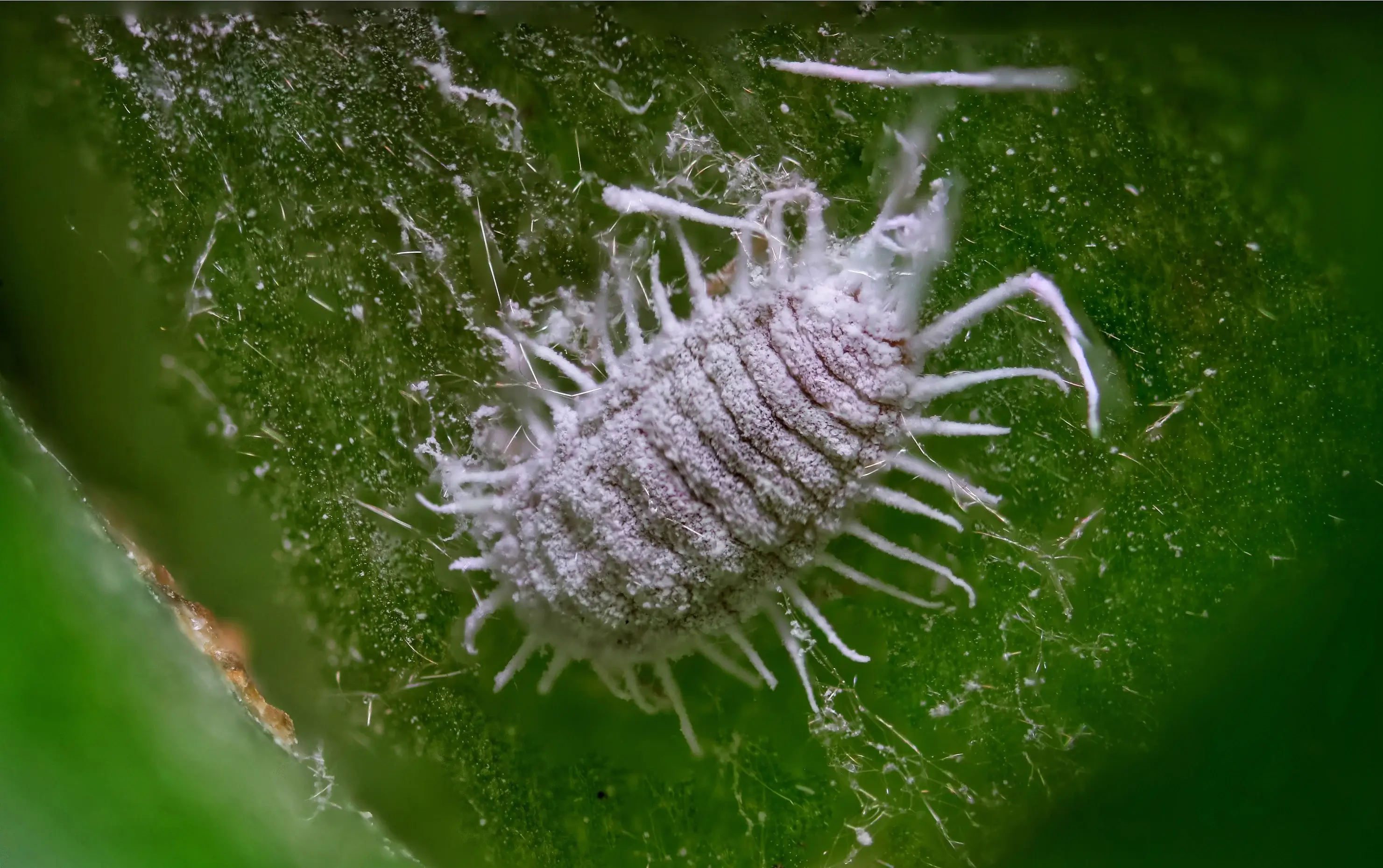
- Mealybugs: white, cottony clusters in leaf bases and along the lower leaves.
- Scale: small tan or brown bumps on leaves, sometimes with sticky residue.
- Spider mites: fine webbing and speckled, dusty-looking leaves, more common in dry air.
- Thrips: distorted buds or streaky, damaged flowers.
Beginner-friendly response plan
- Isolate the plant.
- Wipe pests off with a cotton swab dipped in 70% isopropyl alcohol (especially for mealybugs and scale).
- Rinse leaves and repeat weekly for a few cycles.
- If pests persist, use an orchid-safe insecticidal soap or horticultural oil, following label directions and avoiding strong sun on treated leaves.
Bloom cycle expectations (and when to worry)
New Paphiopedilum owners often panic because the plant looks fine but does not bloom right away. That is normal. Lady slippers are not rapid bloomers like some Phalaenopsis can be.
What to expect
- Many Paphiopedilums bloom once a year when a growth matures.
- Some bloom in fall through spring, but timing varies by hybrid and conditions.
- A single growth typically blooms once. New blooms come from new growths that develop at the base.
- Some types are sequential bloomers and can produce flowers in succession from the same spike over time.
After flowering
- If the spike turns brown and dry, cut it off near the base.
- If the spike stays green (common in sequential bloomers), you can leave it. It may bloom again from the same spike.
Signs a bloom is coming
- A growth looks full-sized and firm.
- You spot a bud sheath or a swelling at the center of a mature fan (depending on type).
When to worry
It is time to troubleshoot if you see any of these:
- Leaves are limp and wrinkling even though you water: roots may be damaged or the mix is too broken down.
- Black, mushy base or foul smell: urgent rot risk, unpot and assess immediately.
- No new growth for months during the growing season: check light levels, roots, and fertilizer habits.
- Buds blast (buds yellow and drop): often caused by sudden temperature swings, very dry air, or thrips.
Most Paphiopedilums prefer to be kept slightly moist year-round rather than put through a hard dry rest. That said, some plants bloom better with a bit of seasonal cueing, often slightly cooler nights for green-leaf types. If your plant is growing new fans and the leaves look firm, you are on track, even if blooms take their sweet time.
A simple weekly routine
If you want a calm, repeatable plan, here is the one I follow for my own Paphiopedilums:
- Once a week: check moisture about 1 inch down, then water if it is barely damp.
- Every watering: quick pest scan in leaf bases and under leaves.
- Every 2 to 4 weeks: fertilize lightly during active growth.
- Once a month: flush with plain water to prevent salt buildup.
- Every 12 to 18 months: repot into fresh mix before it turns soggy and sour.
Paphiopedilums reward consistency. Give them steady light, steady moisture, and fresh airy media, and they will meet you halfway with those impossible, fairy-tale blooms.