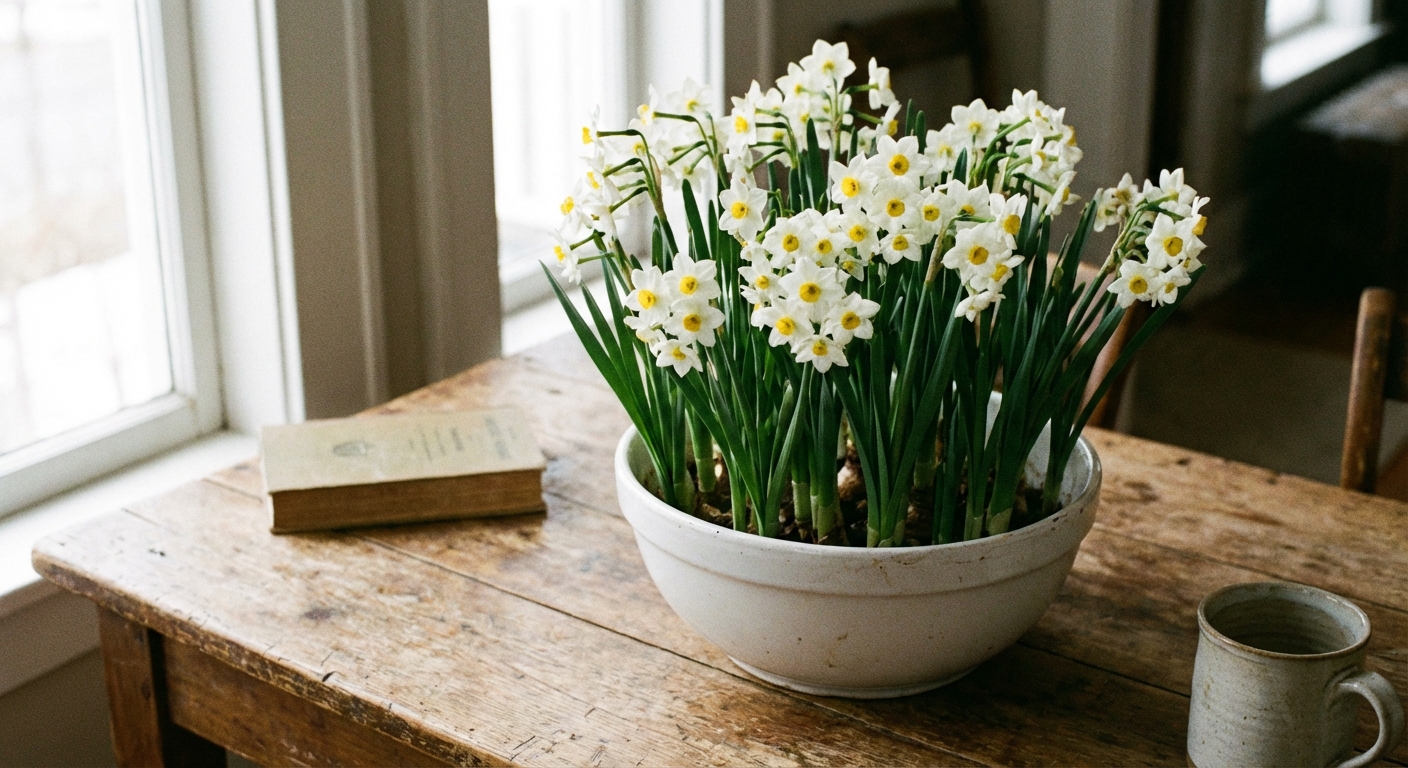
Paperwhite Narcissus Indoors

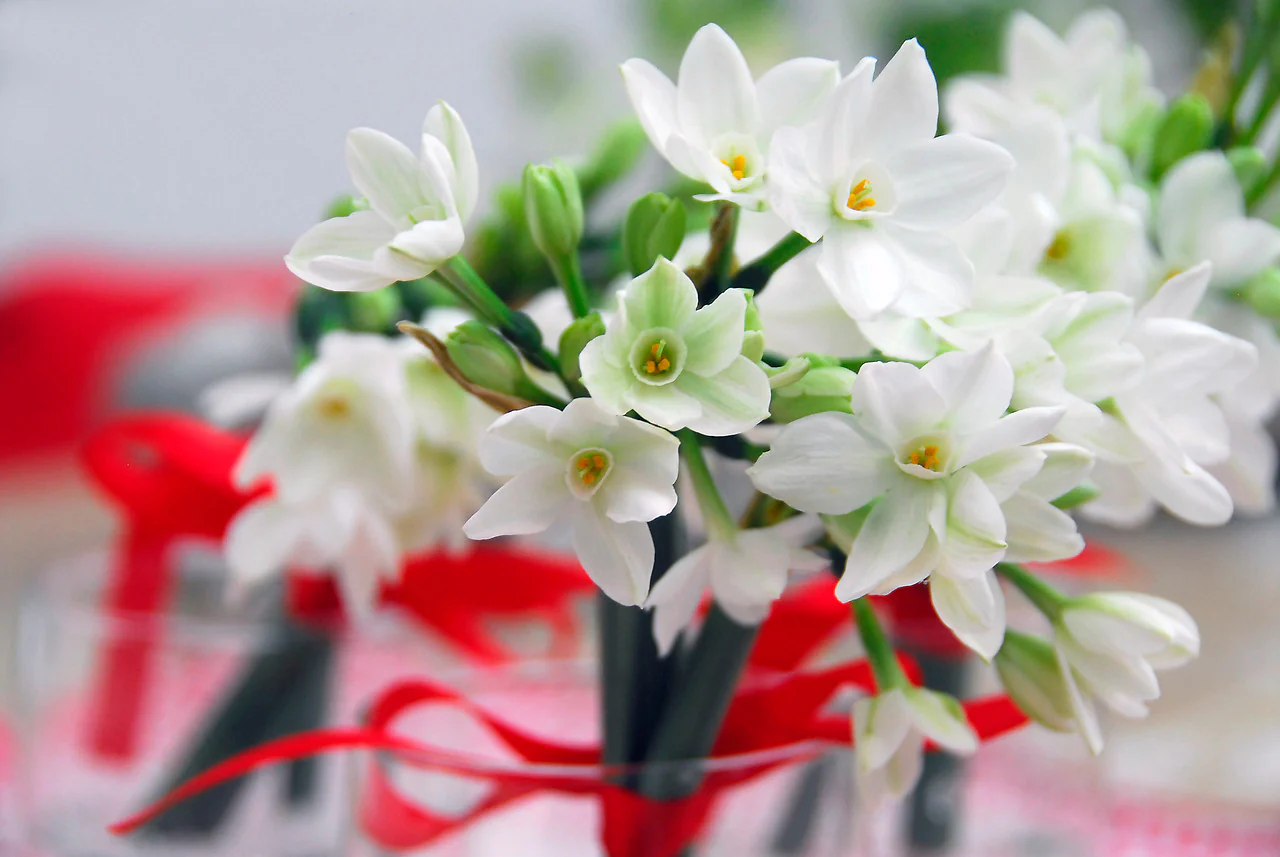
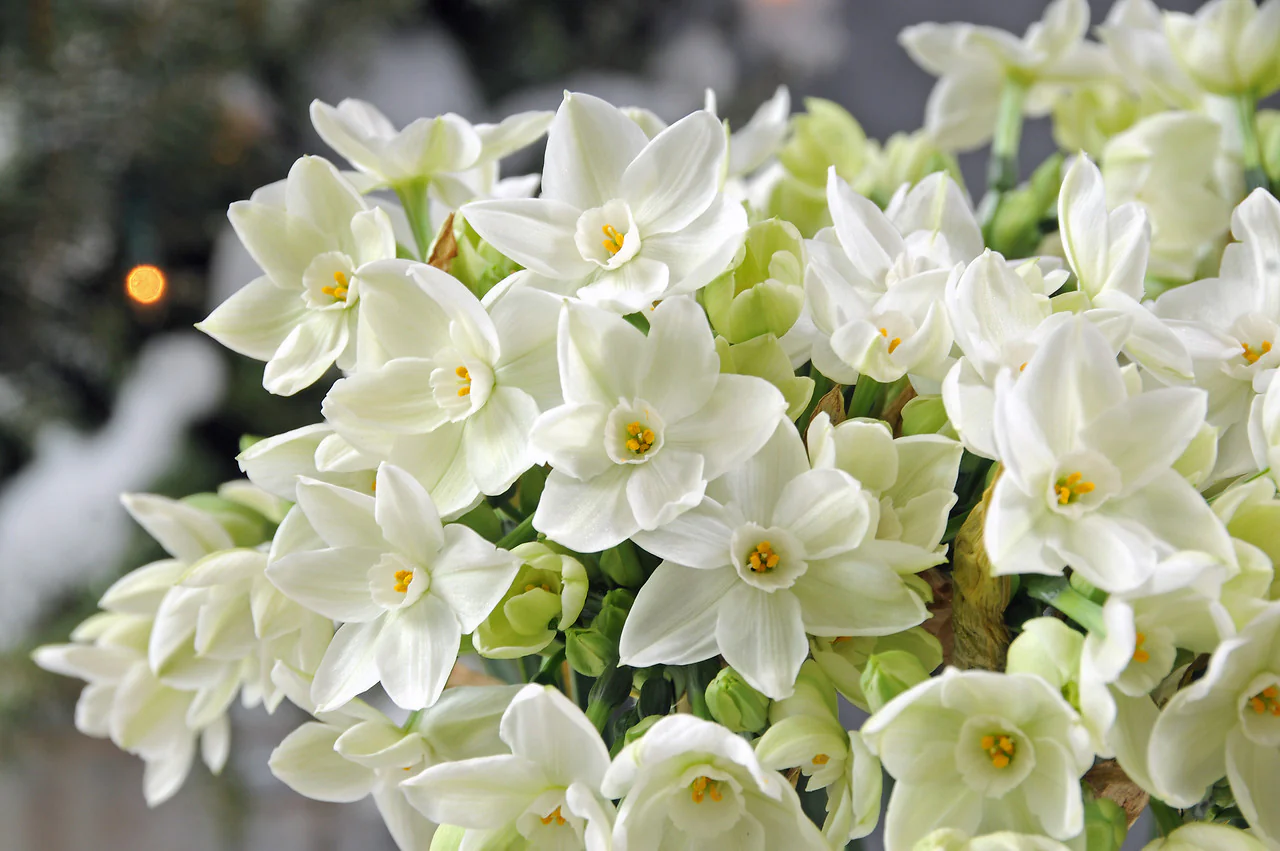
Paperwhites are my favorite kind of winter magic. One minute you have a plain, papery bulb, and a few weeks later your kitchen smells like a tiny greenhouse and the windowsill is full of starry white blooms. They are also famously enthusiastic, which is a polite way of saying they can get tall, wobbly, and dramatic if we let them.
Below is everything you need to force paperwhite narcissus indoors in either soil or water, keep the sprouts sturdy, and decide what to do once the flowers fade.

Paperwhites in soil vs. water
Both methods work beautifully. The best choice depends on your space, your watering habits, and whether you like the look of roots and stones on display.
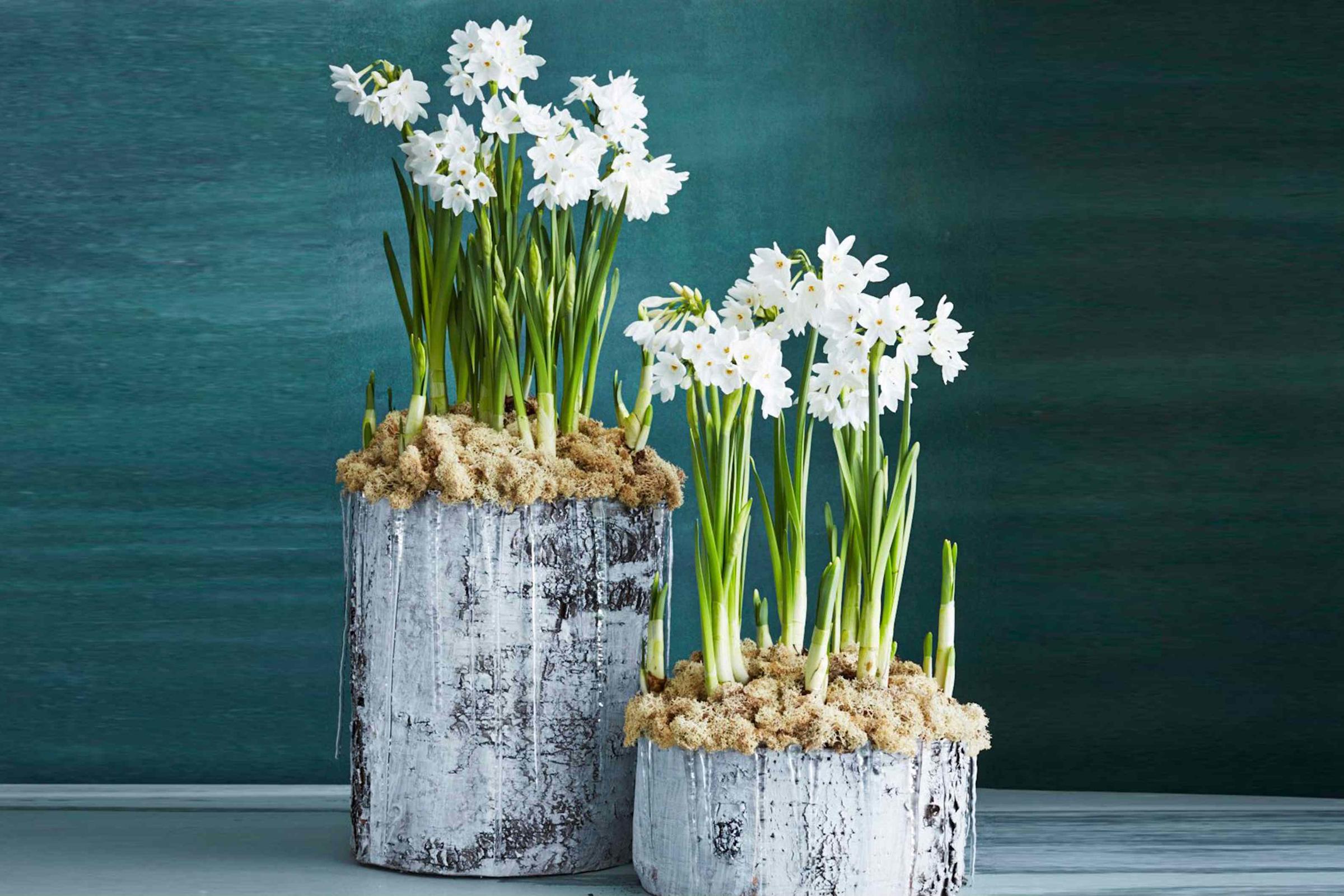
Soil forcing
- Most forgiving: Soil buffers moisture and temperature swings, so it is harder to accidentally stress the bulbs.
- Fragrance can feel softer for some people: Paperwhite scent varies a lot, but some gardeners report soil-grown bulbs smell a bit less intense than water-forced bulbs.
- Easier long-term care: If you hope to keep the bulbs going after bloom, soil is the smoother path.
Water forcing (pebbles and water)
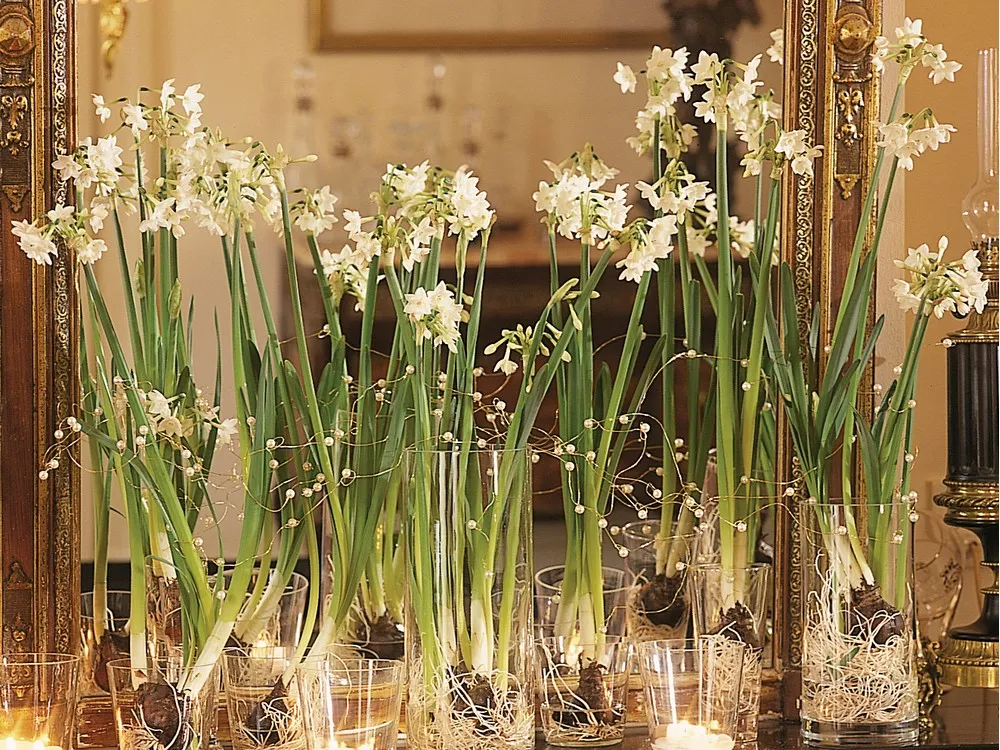
- Clean and decorative: Perfect for a dining table or gift arrangement, especially in clear glass.
- Fast feedback: You can see roots, water level, and bulb health immediately.
- More precise water control needed: Too much water touching the bulb base can encourage rot.
My rule of thumb: If you are new to paperwhites, start with soil. If you love a minimalist look and can check water levels every couple of days, pebbles and water are a joy.
Before you plant
- Pick good bulbs: Choose bulbs that feel firm and heavy for their size, with no mold or soft spots.
- No chilling needed: Unlike many spring-blooming bulbs, paperwhites do not require a cold period. You can plant them right away.
- Do not let them sit around too long: If you are storing bulbs for a week or two, keep them cool, dry, and out of direct sun.
How to plant in soil
What you need
- Paperwhite bulbs
- A pot or bowl with drainage holes (or a cachepot with a draining inner pot)
- Potting mix, ideally with some perlite for airiness
- A saucer or tray
Drainage matters: Paperwhites hate sitting in water. A pot without drainage is the fastest route to bulb rot.
How many bulbs per pot
- 6-inch pot: usually 4 to 6 bulbs
- 8-inch bowl: usually 7 to 12 bulbs
They like to be snug. Crowding helps them support each other a bit, and it makes for a fuller bloom show.
Planting depth and spacing
- Fill the pot with mix so the bulbs can sit with their tips above the soil line.
- Set bulbs shoulder-to-shoulder, not jammed so hard they bruise.
- Backfill around them so the bulbs are anchored, but keep about one-third to one-half of the bulb exposed.
First watering
Water thoroughly once, until you see water drain out. Then let the top inch of mix dry slightly before watering again. In a warm home, that might be every few days. In a cooler, dimmer spot, it may be closer to once a week or even a bit longer.
How to force in water
What you need
- A bowl or vase (no drainage needed)
- Clean pebbles, river stones, or glass beads
- Water
Setup and water level
- Add 2 to 3 inches of pebbles.
- Nestle bulbs on top, pointed end up.
- Add water to just below the base of the bulbs. The bulbs should not sit submerged.
Roots often reach down toward the water within days, but it can take a week or two depending on temperature and bulb freshness. Once roots are established, maintain water so it covers the roots and stays just below the bulb base. If the bulb itself is constantly wet, rot is much more likely.
Light and temperature
If paperwhites get leggy, it is almost always because they are too warm, too dim, or both. They are trying to reach for light while growing at full speed.
Best spot in the house
- Very bright light: A sunny windowsill is ideal. Bright indirect light can work, but aim for the brightest spot you have indoors.
- Cooler temperatures: Aim for about 60 to 65°F if you can. Warm rooms push fast, floppy growth.
- Rotate the pot: Give it a quarter turn every day or two so stems grow more evenly.
If your home is toasty, consider starting bulbs in a cooler room for the first week or two. You will still get blooms, but with sturdier stems.
Watering rhythm
Paperwhites want moisture, not soggy feet. Overwatering is the quickest path to mushy bulbs and a sour smell.
In soil
- Water when the top inch feels dry.
- Empty the saucer after watering so the pot does not sit in water.
- Water less in cool rooms or low light, since pots dry more slowly.
- If you are seeing fungus gnats, let the surface dry a bit more between waterings.
In pebbles and water
- Keep water level just below the bulb base, topping up as it evaporates.
- Use room-temperature water to avoid shocking roots.
- If water gets cloudy or smells off, pour it out, rinse the vessel and stones, and refill.
Preventing floppy stems
Even with perfect light, paperwhites can still lean as flowers open. Blooms are heavy, and indoor air is still. You have a few gentle options, and you can mix and match.
1) Stake support
- Use thin bamboo stakes, twiggy branches, or a small ring support.
- Tie loosely with soft twine so you do not pinch the stems.
- Add supports early, when stems are still mostly upright.
2) The diluted alcohol method
This is the famous trick (often credited to Cornell research) for shorter, sturdier paperwhites grown in water. It works by mildly stressing the plant so it grows more compactly. Used correctly, it can reduce flop. Used incorrectly, it can damage roots and buds.
When to start: Only after roots have formed and shoots are about 1 to 2 inches tall. Give bulbs plain water for the initial rooting phase.
What to use: Stick with clear, unflavored potable spirits like vodka or gin. Avoid denatured alcohol. I also skip rubbing alcohol (isopropyl) for this, since guidance varies and it is easier to make mistakes.
How to mix: Aim for about 4 to 6% alcohol in the final solution.
- If using 40% (80-proof) vodka or gin: mix 1 part spirits to 7 parts water.
How to apply: Replace the water in your pebble setup with the diluted alcohol solution, keeping the same water level rule (below the bulb base). Do not spray it on the foliage. For soil-grown bulbs, this method is harder to dose evenly, so I recommend sticking to stakes plus cooler, brighter placement instead.
Cautions:
- Too strong a mix can burn roots and stall flowering.
- Do not start before roots form.
- Keep away from pets and children, and label the container if it is in a shared space.
3) Light and cool air tweaks
- Move them to a brighter window.
- Pull them back from heat vents and radiators.
- Rotate the pot regularly.
Care during bloom
Once buds open, a few small shifts can extend bloom life.
- Cool nights help: If you can, move the pot to a cooler room overnight.
- Even moisture: Do not let soil go bone-dry during bloom, but avoid waterlogging.
- Deadhead: Snip off spent flowers to keep things tidy and reduce mess.
If the fragrance feels intense, place them in a larger room with good airflow. (I love the scent, but I know it can feel like a floral megaphone in a tiny apartment.)
After they bloom
This is the part that surprises people. Paperwhites sold for indoor forcing are often not reliably hardy in colder climates, and many are grown and treated in ways that make reblooming indoors tricky. That said, you still have options depending on your goals and your growing zone.
Option A: Compost them
If you forced them in water or your bulbs look exhausted, composting is not a failure. Bulb forcing is like asking a plant to sprint. Sometimes they do not have another marathon in them.
Option B: Regrow and plant outdoors
If you grew in soil, you have a better shot at keeping the bulbs alive.
- After blooms fade, cut only the spent flower stalks. Leave green leaves in place.
- Keep the plant in bright light and water lightly as needed.
- Continue for 4 to 6 weeks or until the leaves yellow naturally.
- When foliage is fully yellow, stop watering and let the bulb rest dry.
- Plant outdoors in a sunny spot with well-draining soil if your climate allows, or store and experiment with replanting the following season.
Zone note: Paperwhites are typically tender and are most often listed hardy in zones 8 to 11 (sometimes 9 to 11 depending on cultivar and microclimate). In colder zones, treat them as a seasonal indoor bulb unless you are experimenting in a protected spot.
Option C: Keep as a houseplant
You can let the foliage photosynthesize for as long as it wants, then allow dormancy. Just know rebloom indoors is inconsistent, and the leaves can look a little wild on a windowsill. I still do it sometimes, because I like to see what a bulb decides to do when nobody is micromanaging it.
Troubleshooting
No sprouts after 2 weeks
- Check that bulbs are firm and not dried out.
- Move to brighter light and a slightly warmer spot for a few days.
- In water setups, ensure the water level is close enough for roots to reach.
Bulbs smell rotten or feel soft
- Reduce water immediately. In pebbles, keep water below the bulb base.
- Discard severely soft bulbs. Rot spreads fast.
Leaves are long and pale
- Increase light, rotate the pot, and move away from heat sources.
- Use staking for support if blooms are already forming.
Flopping during bloom
- Add stakes or a ring support.
- Move to cooler temps to slow stretching.
Bloom timeline
Most paperwhites bloom about 3 to 6 weeks after planting, depending on variety, temperature, and light. If you want a steady parade of flowers, plant a small batch every 10 to 14 days.