
Overwintering Rosemary in Cold Climates

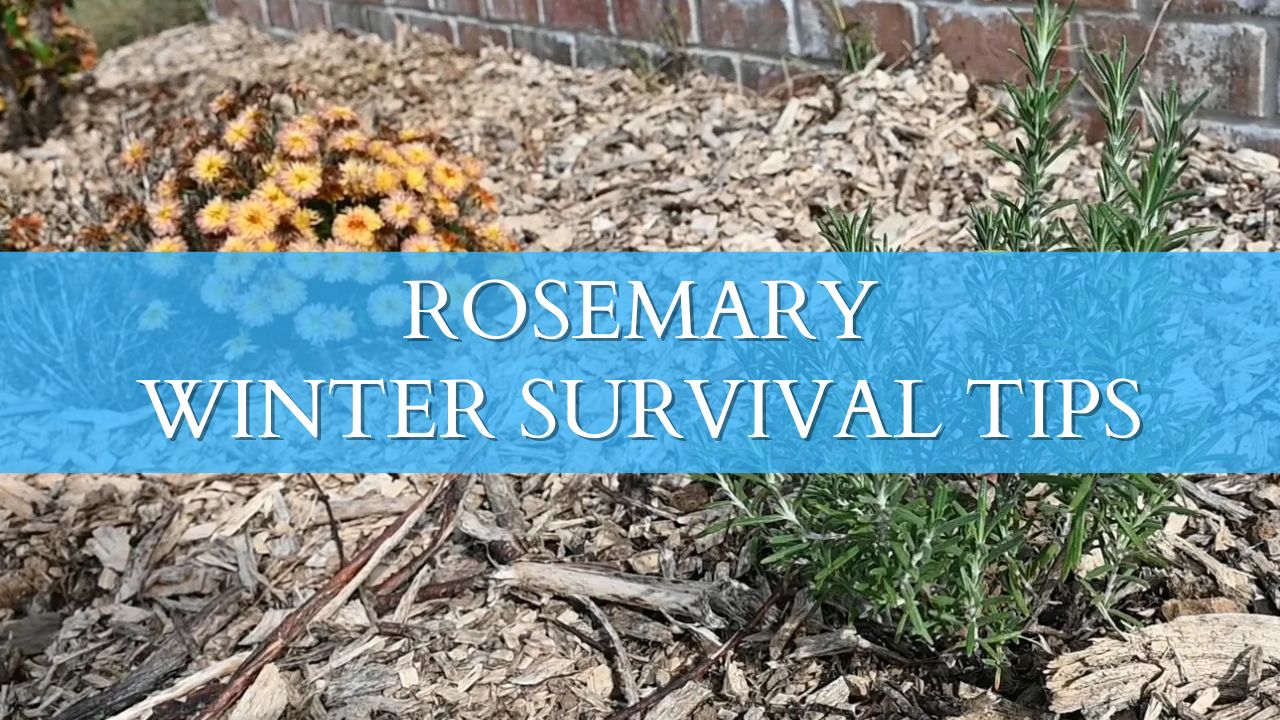
Rosemary is one of those plants that makes you feel like a culinary wizard and a garden sage at the same time. But if you garden where winter has real teeth, rosemary can also become that heartbreak shrub that looks fine in November and then turns brittle and brown by February.
The good news is that overwintering rosemary is absolutely doable. The trick is choosing the right approach for your climate and your specific plant. Some rosemary varieties shrug off light freezes, while others act like they just heard the word “snow” and faint.

Below, I will walk you through three reliable options: keeping rosemary in the ground with protection, potting it up and bringing it indoors, and how to avoid the most common indoor winter pitfalls like powdery mildew, pests, and bone-dry soil.
Know your rosemary first
When people say “rosemary,” they are often talking about very different plants. Hardiness depends on:
- Variety: Some cultivars are notably tougher (often sold as “hardy rosemary”). Others are best treated as tender perennials.
- Microclimate: A plant tucked against a south-facing wall can experience a warmer winter than one out in the open.
- Soil drainage: Rosemary hates sitting wet and cold. In many cold climates, winter wet in poorly drained soil is what does the most damage.
As a general rule of thumb, rosemary is happiest year-round outdoors in mild climates. In colder zones, it can sometimes survive with protection, but bringing it into an unheated garage or indoors is often the most dependable plan.
Hardiness quick guide
If you want a concrete baseline, here you go (with the usual caveat that tags can be optimistic and local conditions matter):
- Most common culinary rosemary: reliably perennial in USDA Zones 8 to 10.
- “Hardy” types: can often survive in Zone 7, especially with good drainage and winter protection.
- Zone 6 and colder: sometimes possible with ideal conditions, but most gardeners have far better luck overwintering in a pot and moving it into shelter.
If you are shopping specifically for a tougher plant, look for cultivars such as ‘Arp’, ‘Madeline Hill’ (sometimes sold as “Hill Hardy”), or ‘Salem’. Performance still varies by region and by how wet your winters are, but these are common “best bets.”
Hardiness reality check
Plant tags and online charts can be optimistic. Rosemary may be listed as hardy to a certain temperature, but repeated freeze-thaw cycles, ice, wind, and saturated soil can knock it out even if your lowest temperature looks “safe” on paper.
Option 1: Keep it in the ground
If your winters are cold but not brutal, or if your rosemary is established and in a very sheltered spot, you can often overwinter it outside with a little help.
Best candidates
- Established plants (at least one full growing season in the ground)
- Plants in sharply drained soil (raised bed, sandy soil, or amended slope)
- Sites protected from harsh wind (near a wall, fence, or evergreen hedge)
When to protect
Wait until after a few light frosts to apply heavy protection. You want the plant to harden off naturally, but you do not want it exposed when deep cold settles in.
A good target is when nighttime temperatures are regularly dipping below freezing and the soil surface is starting to firm up.
Step by step protection
- Stop fertilizing in late summer. You want sturdy growth going into winter, not tender new shoots.
- Reduce watering in fall. Keep it from drying out completely, but do not baby it with frequent watering.
- Mulch the root zone. Use 2 to 4 inches of straw, pine needles, or shredded leaves around the base (not piled against the stems). This stabilizes soil temperature and reduces freeze-thaw stress.
- Block wind and winter sun. Winter sun plus wind can dry out foliage when the roots cannot replace moisture fast enough. A simple burlap wrap around stakes can help. Avoid plastic directly on the plant because trapped moisture invites rot.
- Use a breathable cover in deep cold. When an arctic blast hits, a frost cloth or light burlap over the plant overnight can reduce damage. Remove it or vent it on milder days.

Biggest outdoor risk
If your soil is heavy clay or your bed stays soggy through winter, rosemary struggles. In those situations, the most sustainable long-term move is to grow rosemary in a raised bed, on a mound, or in a container that can be moved.
Option 2: Pot it and bring it in
If you live where winters are reliably below rosemary’s comfort zone, bringing it in is the low-drama path. Think of it as giving your rosemary a winter vacation while the garden sleeps.
When to move it
Move rosemary indoors before hard freezes become regular. A brief light frost is often fine for many varieties, but damage varies by cultivar (some get cranky around 28 to 30°F, or -2 to -1°C).
If the plant is in the ground, pot it up a few weeks before your first hard freeze if you can. That gives it time to adjust after root disturbance.
Before it comes inside
Do a quick inspection first. Rosemary can hitchhike indoors with aphids, scale, or spider mites, and you want to catch that before it becomes a whole windowsill situation. Rinse the plant with a strong spray of water, check the undersides of stems and leaf clusters, and remove any dead bits where pests like to hide.
How to pot up an in-ground rosemary
- Choose a pot with drainage holes. Rosemary will not tolerate a waterlogged container.
- Use a fast-draining mix. A quality potting mix amended with extra perlite or coarse sand works well. The goal is airy, not rich.
- Root prune gently. Dig a wide circle around the plant, lift with as much root ball as possible, and trim torn roots cleanly.
- Set it at the same depth. Do not bury stems deeper than they were in the ground.
- Water once thoroughly. Then let the top inch or two dry before watering again.
Tip from my own mistakes: do not up-pot into a huge container “so it has room.” Extra soil stays wet longer indoors. Pick a pot that fits the root ball with a little breathing room.
Indoor care and common traps
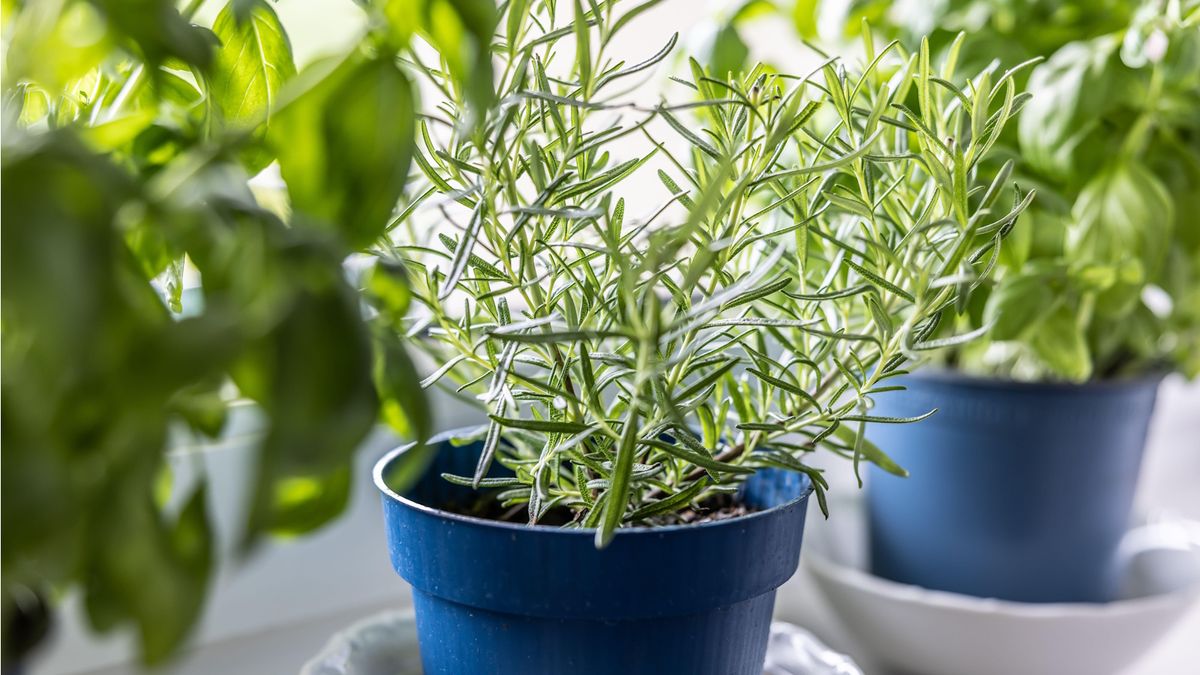
Indoors is where rosemary survives winter, but it rarely thrives like it does outside. The goal is to keep it healthy enough to bounce back in spring.
Light
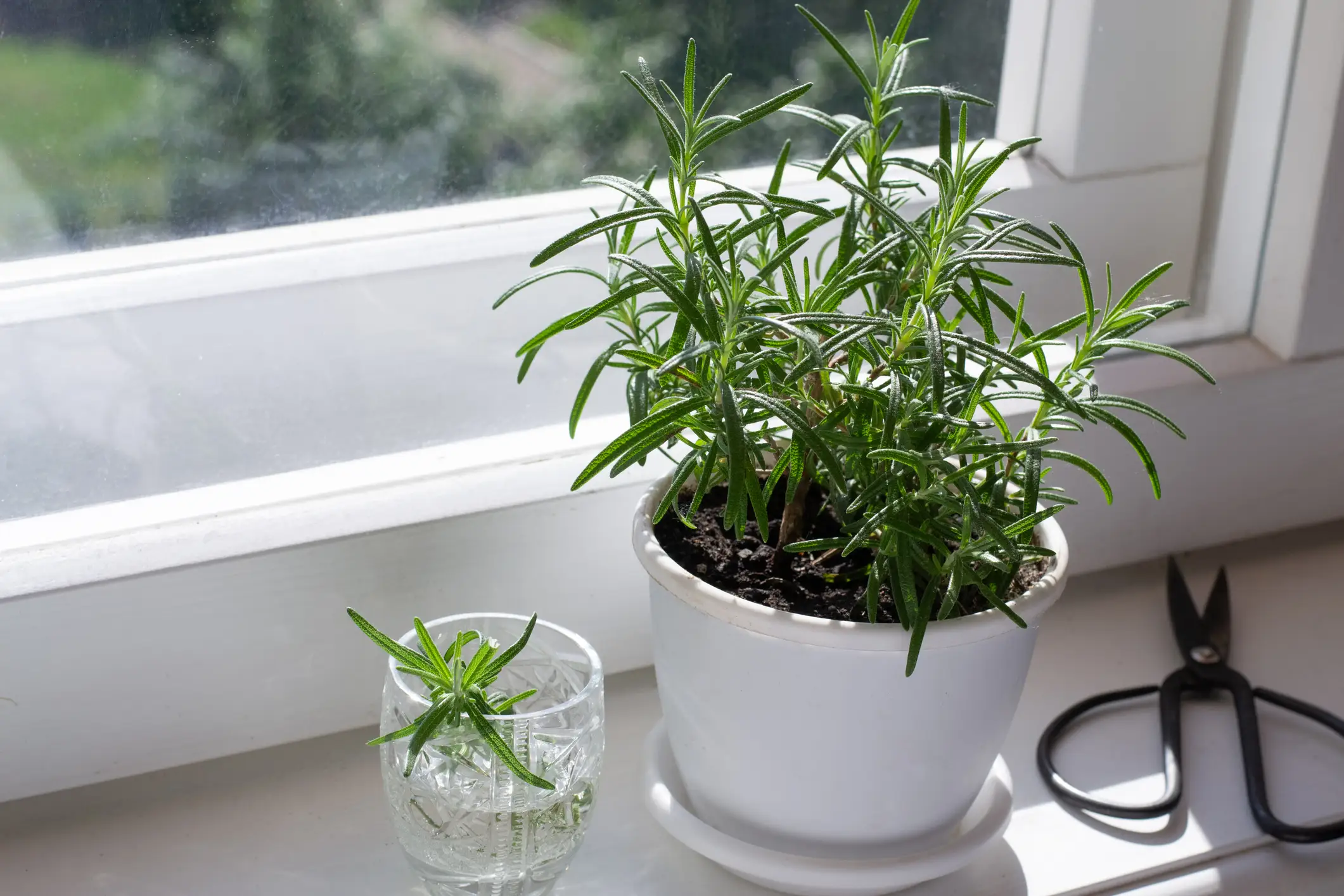
Rosemary wants strong light. A sunny south or west window is ideal, and a grow light can make the difference between “alive” and “leggy and cranky.” Rotate the pot weekly so it grows evenly.
If you use a grow light, a practical baseline is 12 to 14 hours a day, positioned according to the fixture’s guidance (many do well in the 6 to 12 inch range). More light fixes a surprising number of winter rosemary problems.
Water
Rosemary hates extremes. Indoors, it commonly suffers from:
- Overwatering: leads to root rot and sudden dieback.
- Underwatering: leads to crispy needles and brittle stems, especially in heated homes.
Water when the top 1 to 2 inches of soil feel dry. Water deeply until it runs out the bottom, then empty the saucer. Never let it sit in standing water.
Airflow and mildew
Indoor air in winter is often still and dry, yet rosemary can still get fungal issues because conditions around the plant can be stagnant, and powdery mildew can show up when airflow is poor and light is low.
Two common problems:
- Powdery mildew: a pale, dusty coating on leaves, often encouraged by low airflow and low light.
- Leaf drop from stress: often a combination of low light, irregular watering, and dry heat vents.
What helps most is simple:
- Keep the plant in the brightest spot you have.
- Give it space so air can move around it.
- Run a small fan on low nearby (not blasting the plant).
- Avoid misting. It rarely raises humidity meaningfully and can keep foliage damp.
Temperature
Rosemary prefers a cooler indoor winter, ideally away from heating vents, radiators, and fireplaces. If you have a bright, cool room, enclosed porch, or unheated sunroom that stays above freezing, that is rosemary heaven.
Pruning and harvesting
Go easy. Light harvesting is fine, but avoid heavy pruning in winter. You are trying to reduce stress, not ask the plant to replace a big haircut in low light.
Option 3: Garage, shed, or cold frame
If your indoor air is very dry or you do not have enough light, consider a “cool shelter” option. Many gardeners have excellent results keeping potted rosemary in an unheated garage with a window, a bright shed, or a cold frame.
The advantages:
- Cooler temperatures slow growth, so the plant needs less light.
- Humidity is often a little higher than inside a heated house.
- Less stress overall, as long as it does not freeze solid.
Key constraints for success:
- Aim for about 35 to 50°F (2 to 10°C) if possible, and avoid prolonged subfreezing conditions.
- Do not let the root ball freeze solid. If a brutal cold snap is coming, add insulation around the pot or move it to a slightly warmer spot.
- Vent cold frames on sunny days. They can heat up fast, even when the air is cold.
- Water sparingly. Check the soil occasionally. Plants in cool storage still need some water, just much less often.
Troubleshooting signals
Browning from the bottom
- Common cause: overwatering or poor drainage indoors.
- Try: let the soil dry more between waterings, ensure drainage holes are open, and increase light.
Crispy tips
- Common cause: underwatering, or hot dry air from a vent.
- Try: move it away from heat, water thoroughly, and keep a steadier watering rhythm.
Dusty coating
- Common cause: low light and stagnant air.
- Try: increase light, add airflow, remove the worst affected sprigs, and avoid wetting foliage.
Fine webbing or speckled leaves
- Common cause: spider mites, which love dry, heated indoor air.
- Try: isolate the plant, rinse thoroughly (especially the undersides), and repeat every few days. If needed, use insecticidal soap or horticultural oil labeled for indoor edibles and follow the label carefully.
Sudden collapse
- Common cause: root rot.
- Try: take cuttings from healthy stems immediately as a backup, then assess roots and consider repotting into fresh gritty mix.
If you can take one lesson from all of this, let it be this: rosemary wants light, air, and drainage more than it wants constant attention.
Spring transition
Spring is where many overwintered plants get shocked. Rosemary that has spent months in gentler conditions can sunburn or struggle if you plop it outside on the first warm day.
When to move it out
Wait until hard freezes are mostly behind you. Light chilly nights are usually fine, but a severe late freeze can damage tender new growth, especially on plants that have been indoors.
How to harden it off
- Start with shade. Put the pot outside in bright shade for a few hours, then bring it back in or into shelter.
- Increase time outside gradually. Over 7 to 10 days, increase outdoor time and slowly introduce morning sun.
- Watch wind. Wind can dehydrate rosemary fast after an indoor winter.
- Only then move to full sun. Rosemary is a sun-lover, but it needs to reacclimate.
Spring pruning
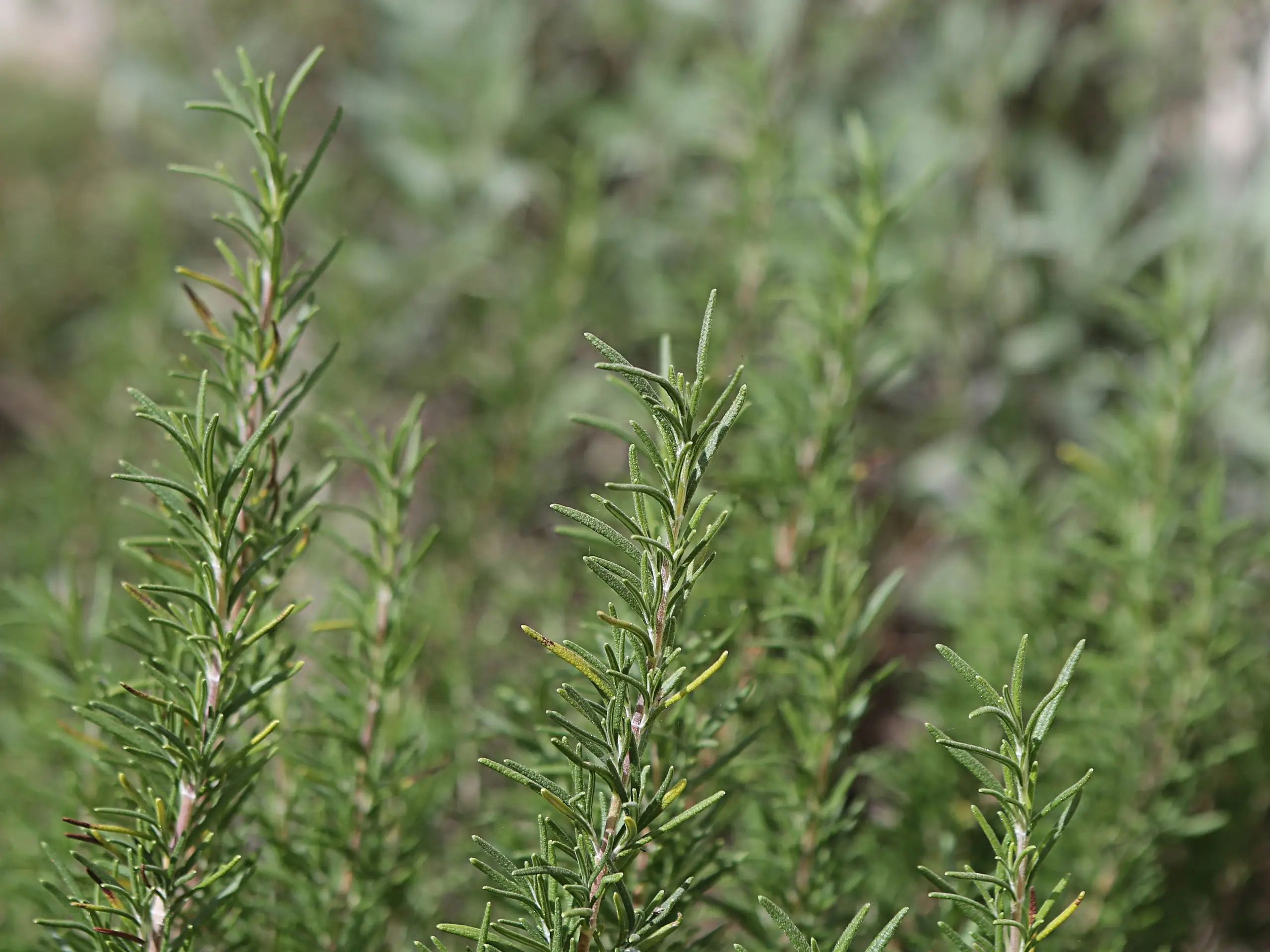
Once you see active new growth outdoors, you can prune more confidently. Trim lightly to shape and to remove winter-damaged tips. Avoid cutting back into leafless woody stems, which often do not resprout well.
Pick your best method
If you are not sure which approach fits, here is the simplest way to decide:
- Zones 8 to 10 with good drainage: try in-ground overwintering with mulch and wind protection.
- Zone 7 (and cooler pockets): hardy varieties might survive with protection, but a pot plus cool shelter is often more reliable.
- Zone 6 and colder, or heavy wet soil: grow in a pot and bring it into a cool, bright spot.
- No bright windows: use a grow light or aim for a garage, shed, or cold frame setup.
And if you lose one? You are still a gardener. Rosemary is famously easy to propagate from cuttings, so you can always overwinter a “backup plant” too. I do this on purpose, because I like sleeping at night.