
Organic vs. Inorganic Mulch


Mulch is one of those quiet garden helpers that does a lot of heavy lifting. It blocks light from many weed seeds, cushions soil from baking sun and pounding rain, and slows evaporation so your plants do not have to live life on hard mode. It also helps reduce erosion and surface crusting, which means more water soaks in where roots can actually use it.
The big choice most gardeners face is organic versus inorganic mulch. Organic mulches come from once living materials like wood chips, leaves, straw, and compost. Inorganic mulches are things like stone, gravel, landscape fabric, and rubber. Both can be useful, and both can cause trouble if we use them in the wrong place.
Mulch goals
Before you buy a single bag, decide what your top priority is. Mulch is not one size fits all.
- Weed control: You want a light-blocking layer and enough thickness to stop many annual weeds from germinating. (It will not reliably defeat established perennial bullies like bindweed and quackgrass without extra work.)
- Moisture retention: You want a material that reduces evaporation while still letting water infiltrate the soil.
- Temperature control: You want insulation for summer heat and winter cold.
- Soil improvement: You want something that breaks down and feeds soil life.
- Low maintenance: You want something that stays put longer and does not need frequent topping up.
- Looks and function: You may want a tidy look for front beds, or a tougher surface for paths.
If your priority is plant health and soil health, you will lean organic most of the time. If your priority is stability, permanence, or a hard-wearing surface, that is where inorganic options can shine.
Organic mulch
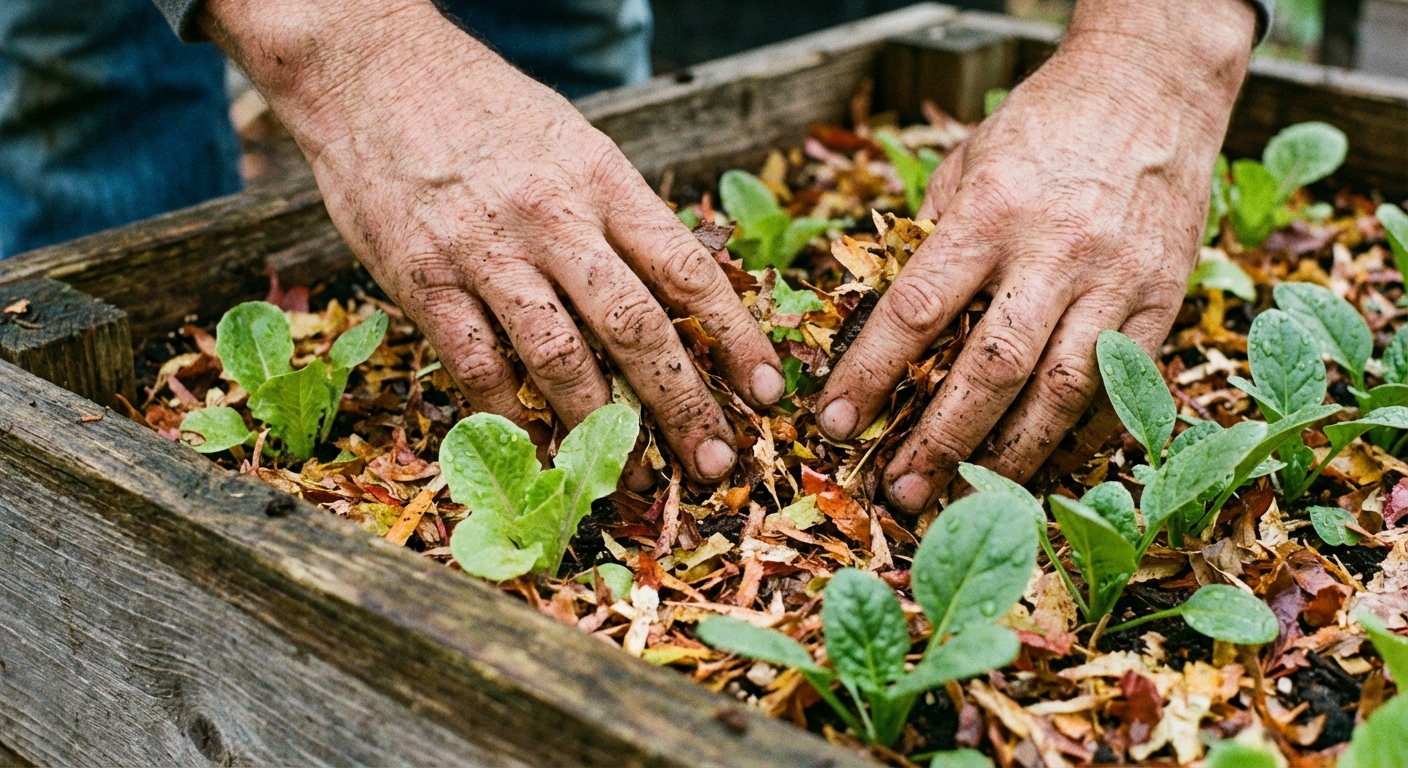
Organic mulch is basically future compost. It protects the soil now, then slowly becomes food for worms, fungi, and all the tiny helpers that make nutrients available to your plants.
Pros
- Improves soil over time: As it decomposes, it increases organic matter and can improve crumb structure, aeration, and water holding capacity.
- Great temperature buffering: A fluffy layer helps keep roots cooler in summer and less exposed in winter.
- Excellent moisture retention: Especially wood chips, shredded leaves, and straw when applied thickly.
- Often more sustainable: Many options can be local, recycled, or home-produced.
Cons
- Needs replenishing: Decomposition is a feature, but it means topping up once or twice a year depending on material and climate.
- Can harbor pests if mismanaged: Thick, wet mulch pressed against stems can invite slugs, sowbugs, and rot.
- Weeds can still move in: Windblown seeds can germinate on top as the mulch breaks down, so occasional weeding still happens.
- Some materials need timing: Fresh, high-carbon mulches can tie up a little nitrogen right at the soil surface where they touch the ground. It is usually minor if the mulch stays on top, but it can be an issue if you mix wood chips into soil.
- Fresh manure is its own category: Fresh manure can burn plants and may carry pathogens. If you use manure in gardens, use composted or well-aged manure and treat it as a soil amendment, not a fluffy surface mulch.
Best organic types
Wood chips and arborist chips
My go-to for trees, shrubs, and perennial beds. Arborist chips are often a mix of wood and leaves, which feed soil life beautifully.
- Best for: Perennials, shrub borders, fruit trees, pathways in low-traffic areas
- Thickness: 2 to 4 inches
- Tip: Keep chips 3 to 6 inches away from trunks and woody crowns to reduce rot and rodent issues.
Shredded leaves or leaf mold
Leaves are free mulch, which is my favorite price. Shredding helps them stay in place and break down faster.
- Best for: Vegetable beds (as a top layer), perennial beds, woodland gardens
- Thickness: 2 to 3 inches (shredded), 1 to 2 inches (leaf mold)
- Tip: Whole leaves can mat and shed water. Shred them or mix with a coarser mulch.
Straw (seed-free)
Straw is a vegetable garden classic. It is light, insulates well, and is easy to pull back when you are planting.
- Best for: Veggie beds, strawberries, garlic overwintering
- Thickness: 3 to 6 inches (it compresses quickly)
- Watch for: Hay is not straw. Hay often contains seeds and turns into a weed buffet.
Compost
Compost is a wonderful soil amendment and a decent light mulch, but it is not the best weed blocker by itself.
- Best for: Top-dressing beds before adding another mulch on top
- Thickness: 0.5 to 2 inches
- Tip: Use compost as the food layer, then add 2 to 3 inches of wood chips or leaves for longer coverage.
Pine needles
Great for acid-loving plants and for areas where you need a mulch that does not compact easily.
- Best for: Blueberries, azaleas, rhododendrons, sloped beds
- Thickness: 2 to 3 inches
- Myth-buster: Pine needles do not dramatically acidify soil in most garden situations, especially once broken down on the surface.
Dyed mulch (quick note)
Dyed mulches can look crisp, but I prefer untreated wood when I can get it. If you buy dyed mulch, look for products made from clean, untreated wood and avoid anything that smells strongly of chemicals.
Inorganic mulch
Inorganic mulch does not decompose, so it will not feed your soil. But it can be helpful when you need something stable, long-lived, or suited to a specific job like a clean, hard surface.
Pros
- Long lifespan: Gravel and stone can last many years with minimal topping up.
- Great for paths and high-traffic zones: Helps keep shoes clean and mud down.
- Often strong weed suppression when installed properly: Especially with adequate depth and good edging.
Cons
- Does not improve soil: Your soil biology gets protection from sun and rain, but not new organic matter.
- Can increase heat: Rock mulches often reflect and store heat, which can stress plants in hot climates.
- Harder to change later: Removing rock from a bed is a workout and usually involves a lot of sifting.
- Weeds still happen: Windblown seeds sprout in dust and organic debris that accumulates between stones.
Best inorganic types
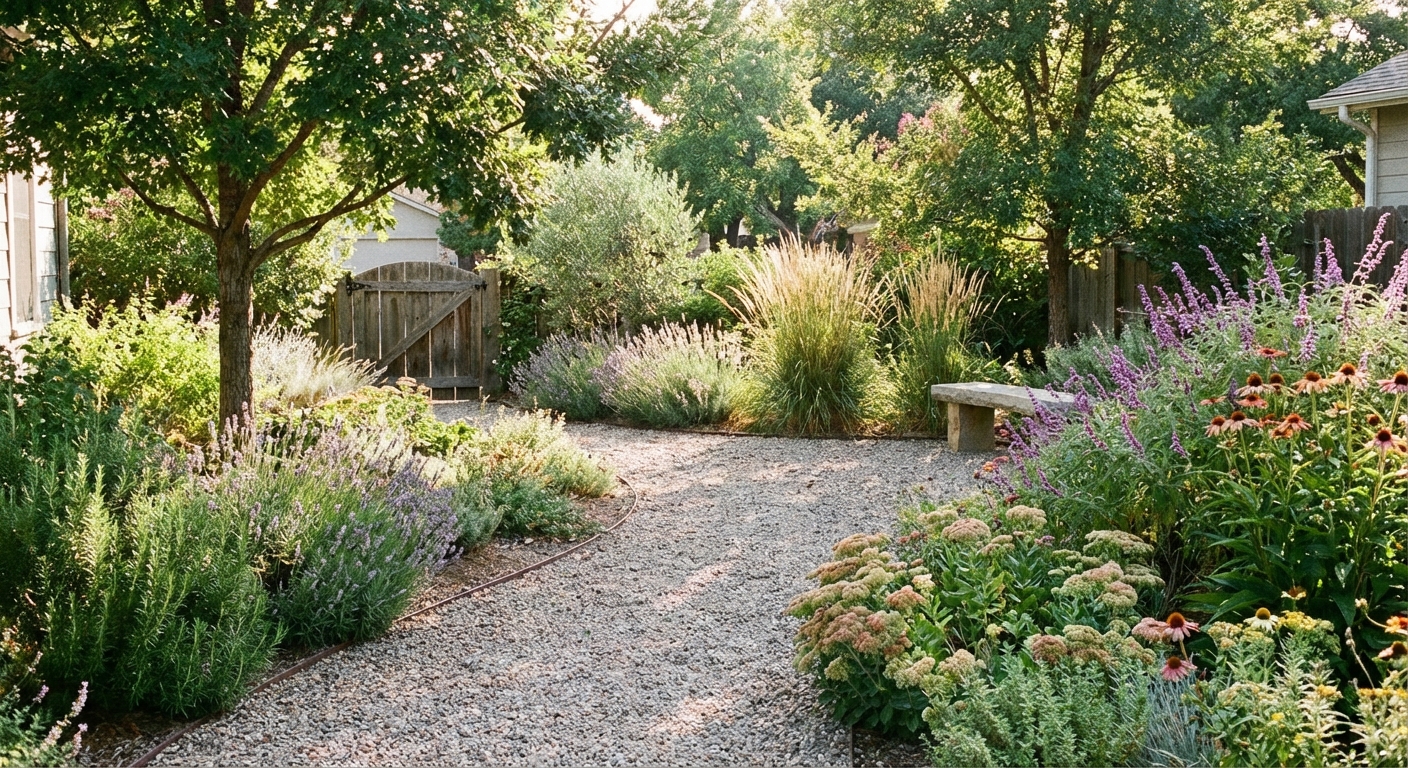
Gravel and stone
Useful for xeriscapes, cactus and succulent beds, and as a base for sturdy paths. In beds, rock is more about keeping the crown area cleaner and drier (less splash and less rot risk) than fixing true drainage problems. If your soil stays soggy, you usually need a grade, soil structure, or irrigation fix.
- Best for: Paths, drought-tolerant landscapes, around plants that hate wet crowns
- Depth: 2 to 3 inches for beds, 3 to 4 inches for paths
- Watch for: Heat buildup in full sun. In hot regions, plants can cook near reflective rock.
Landscape fabric (weed barrier cloth)
This one is controversial for a reason. Fabric can suppress weeds temporarily, but it can also become a messy layer that tears, bubbles up, and traps organic debris on top. When that debris breaks down, weeds root right into it, and now you are weeding through fabric.
- Best for: Under gravel paths, under hardscape areas, temporary projects
- Avoid for: Long-term planting beds with shrubs and perennials
- Tip: Many woven fabrics allow some water and air through at first, but they often clog over time. If you use fabric, put it under a thick layer of gravel and edge well. Avoid plastic sheeting in garden areas, since it blocks gas exchange and can cause water to pool or run off instead of soaking in.
Rubber mulch
Rubber mulch is usually marketed for playgrounds. In garden beds, it is rarely my first choice. It does not break down, can get very hot, and there are concerns raised by some studies and municipal guidance about chemical exposure and microplastics over time.
- Best for: Play areas where the priority is cushioning
- Avoid for: Food gardens and most ornamental beds
Quick decision guide
If you are standing in the mulch aisle feeling your eyes glaze over, here is the simplest way to choose.
Choose organic if you want
- Healthier soil each season
- Better moisture retention with less watering
- Gentle temperature protection for roots
- Most benefit for perennials, shrubs, and veggie beds
Choose inorganic if you want
- A long-lasting surface (especially for paths)
- A tidy, low-decomposition material in a drought-style landscape
- A cleaner, drier crown zone for plants that resent constant moisture at the base
My rule of thumb
For planting beds, go organic the majority of the time. For paths and hard-wearing areas, inorganic is often practical.
Best uses by area
Vegetable gardens
- Best: Straw, shredded leaves, compost topped with leaves or fine chips
- Why: Veggies love steady moisture and active soil biology
- Avoid: Rubber mulch, heavy rock that heats up, thick fabric under crops
Perennial beds and borders
- Best: Wood chips, shredded bark, leaf mold
- Why: Less watering, fewer weeds, and a slow drip of soil improvement
- Avoid: Piling mulch up against crowns of plants like peonies, lavender, and echinacea
Trees and shrubs
- Best: Arborist wood chips in a wide donut
- Why: Mimics the forest floor and protects shallow feeder roots
- Key detail: Keep mulch off the trunk. No mulch volcanoes.
Paths and high-traffic areas
- Best: Gravel, decomposed granite, wood chips for informal paths
- Why: Stability and cleanliness
- Tip: Use edging. It is the difference between a crisp path and a slow-motion spill into your beds.
Containers and balcony planters
- Best: A thin layer of fine bark, shredded leaves, or compost, plus living mulches like low-growing thyme if the pot is big enough
- Why: Pots dry out fast, and a little mulch reduces watering stress
- Avoid: Thick layers that trap moisture right at the stem base
Living mulch (groundcovers)
There is a third option that deserves a quick nod: living mulch. Low groundcovers can shade soil, reduce splash, and support pollinators. Just keep them from crowding young plants that need space and airflow.
How to mulch
The best mulch in the world cannot fix a bad application. Here is my simple, plant-friendly method.
Step 1: Weed first
Pull established weeds and remove seed heads. Mulch is best at preventing new weeds, not magically erasing mature ones. For perennial weeds with deep roots, remove what you can before mulching, or plan on repeated follow-up.
Step 2: Water the soil
Mulch helps you keep moisture. It is not great at adding it once everything is dry.
Step 3: Apply the right thickness
- Most organic mulches: 2 to 4 inches
- Straw: 3 to 6 inches
- Compost: 0.5 to 2 inches (then top with another mulch for weed control)
- Gravel/stone: 2 to 3 inches in beds, deeper for paths
Step 4: Keep mulch off stems and trunks
Leave a little breathing room. I aim for a mulch-free ring around tender stems and a wider gap for tree trunks.
Step 5: Refresh, do not bury
When topping up organic mulch, fluff and rake the old layer first. If you keep adding without checking depth, you can end up with 8 inches of soggy material that stays wet and stresses roots.
Timing tip
In spring, wait until soil has warmed a bit before mulching heat-loving plants. In fall, mulching after a few light frosts can help buffer winter swings. The best timing is the one that matches your climate and what you are growing.
Common mistakes
- Mulching over dry soil: Water first so you are locking in moisture, not locking out water.
- Expecting mulch to beat every weed: Mulch is great on annual weeds. Deep-rooted perennials usually need removal, smothering layers over time, or other control methods.
- Using compost alone for weed control: Compost is a great amendment, but it is not a strong light blocker. Top it with chips or leaves.
- Mulch volcanoes around trees: This can encourage rot, girdling roots, and rodents. Keep mulch off the trunk.
- Assuming fabric is a forever fix: It often creates harder weeding later. If you use it, reserve it for paths and hardscape areas.
- Choosing rock mulch for thirsty plants in full sun: Rock can raise soil surface temperatures. In hot climates, that can be a deal-breaker.
What I choose
If you want my dirt-under-the-fingernails opinion, here it is. For most home gardens focused on plant health, organic mulch wins because it is protective now and nourishing later. I use wood chips in ornamental beds and around trees, straw and shredded leaves in vegetable areas, and compost as a thin feeding layer before topping with something more fibrous.
Then I keep inorganic materials mostly for paths and a few specialty spots where permanence and a cleaner surface matter more than soil-building.
If you tell me what you are mulching, like tomatoes in raised beds, lavender in full sun, a shady hosta border, or a gravel path that keeps migrating, I can help you pick the best material and the exact depth. Mulch is simple, but choosing well makes it feel almost magical.