
Orchid Crown Rot: Early Signs and Emergency Steps

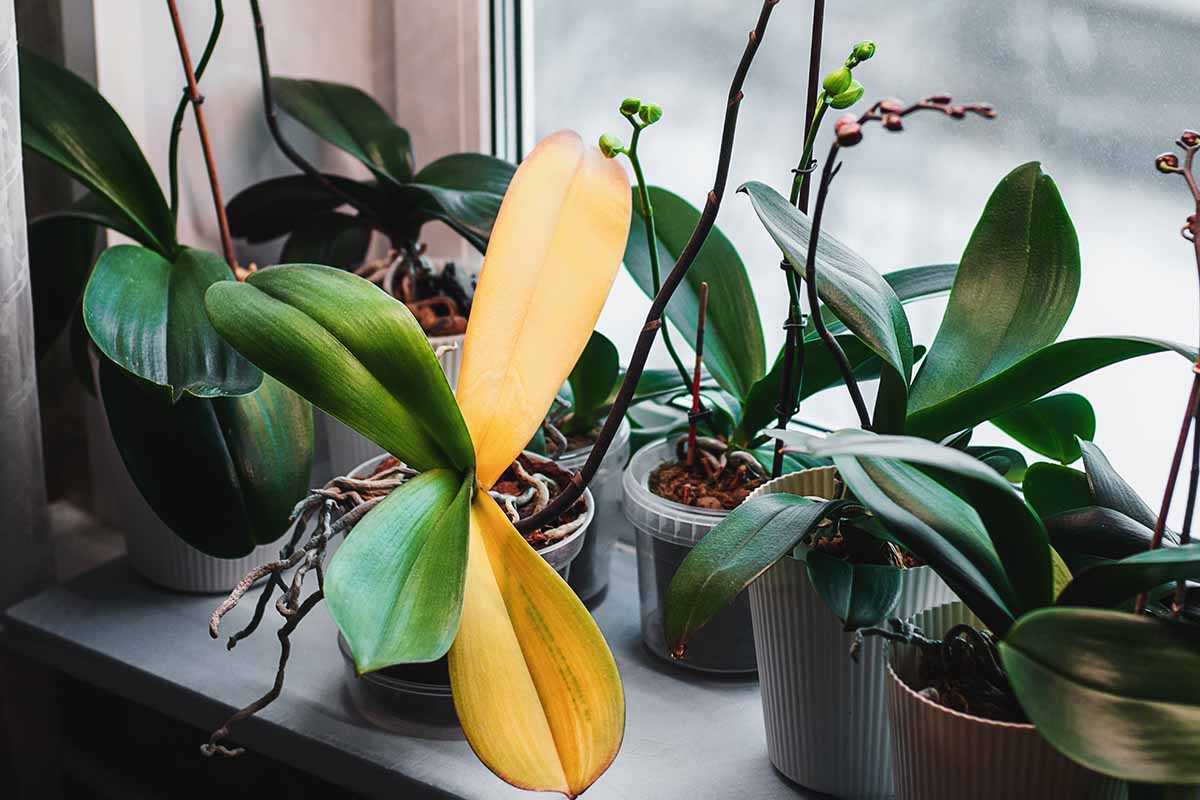
Orchid crown rot is one of those problems that can go from “hmm, that leaf looks odd” to “oh no” in a weekend. If you are growing a Phalaenopsis (moth orchid), the most common grocery store orchid, the crown is the plant’s main growing point. When rot settles into that tight center where new leaves emerge, it can shut the whole plant down.
The good news is this: if you catch it early and move quickly, you can sometimes stop it. The trick is knowing what you are looking at and what to do in the first hour, not the first week.

What the crown is and why it rots
The crown is the central growing point (leaf axis) of a monopodial orchid (like Phalaenopsis) where leaves stack upward and new leaves form. It is not a bulb, and it is not a root. It is living tissue that the plant depends on for new top growth.
Crown rot usually starts when water sits in the crown and airflow is low. That standing moisture gives bacteria or fungi a perfect place to multiply. In warm homes, it can progress frighteningly fast.
Common triggers
- Water in the crown after watering, misting, or showering the plant
- Poor airflow, especially in humid rooms or crowded plant shelves
- Cool temperatures with wet leaves, which slows drying
- Old, compacted media that stays wet too long
- Hidden damage from a leaf break or insect feeding that lets pathogens in
Healthy crown vs compromised crown
What a healthy crown looks and feels like
- Dry or only slightly humid in the center, never soggy
- Leaf bases are firm, not squishy
- No foul odor
- New leaf is visible as a tight spear or folded leaf emerging upward
Early warning signs of crown rot
- Yellowing that starts at the base of the newest leaves
- A wet, darkened “shadow” deep in the crown that does not dry
- Leaf wobble, where a leaf suddenly feels loose at the base
- Soft tissue when you very gently press at the leaf base
- Odd smell, often sour or “pond-like”
If a leaf pulls out with almost no resistance and you see mushy tissue where it attached, treat it like an emergency.
Bacterial vs fungal clues
You do not need a lab test to act quickly, but it helps to understand the general pattern of what you are seeing. That said, symptoms can overlap, and mixed infections are common. Speed and smell are suggestive clues, not a guaranteed diagnosis.
Signs that lean bacterial
- Fast spread, sometimes overnight
- Wet, slimy, translucent tissue
- Strong odor (rotting vegetables is a common description)
- Dark, water-soaked patches that expand quickly
Signs that lean fungal
- Slower progression than bacterial in many home conditions
- Tissue may look drying, leathery, or sunken as it advances
- Dark spots with more defined edges
- Sometimes a dusty look or faint fuzz in severe cases (not always present)
Here is the key: your first steps are almost the same either way. Remove moisture, increase airflow, isolate the plant, and stop the rot from traveling deeper.
Emergency steps
If you suspect crown rot, do these steps in order. Think of it like first aid: stop the wetness, then stop the spread.
1) Isolate the orchid
Move it away from your other orchids and houseplants. Bacterial and fungal problems spread through splashes, shared tools, and close contact.
2) Get standing water out of the crown
- Tip the plant gently to drain any trapped water.
- Use the corner of a paper towel to wick moisture out of the crown.
- If you have it, use a fan on a cool setting to help evaporate moisture.
Do not blast the crown with hot air. Heat can stress already-damaged tissue.
3) Improve airflow
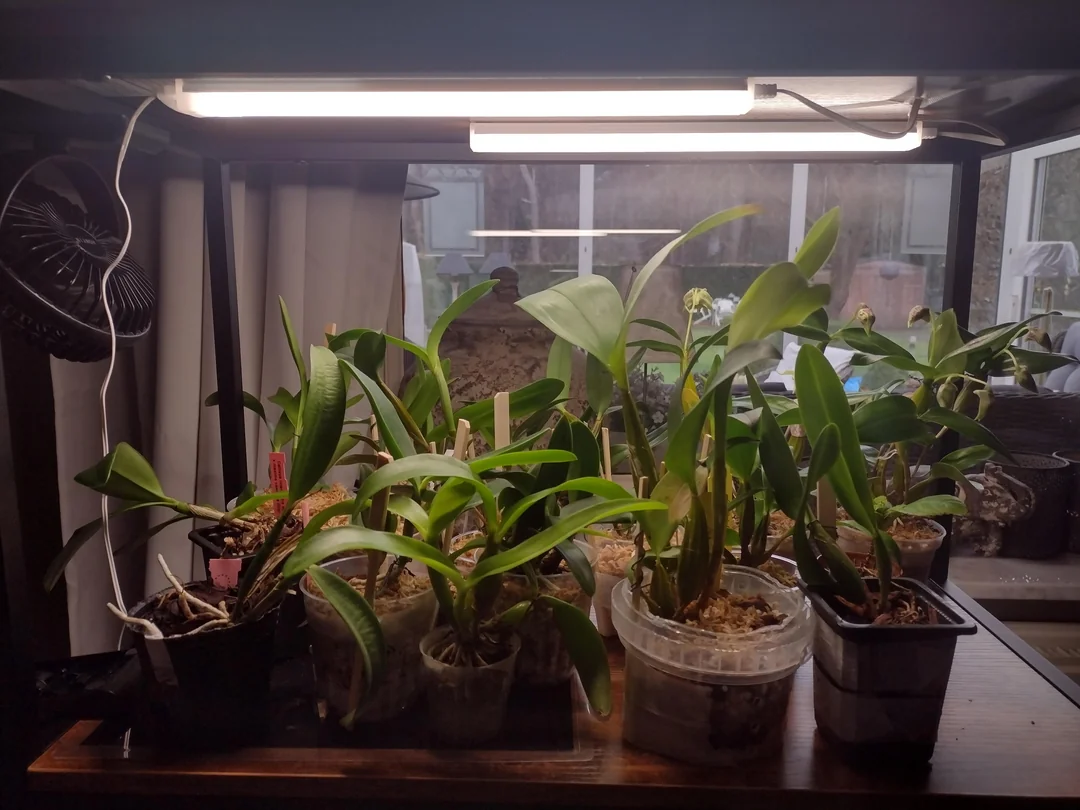
Set a small fan across the area (not directly on high like a wind tunnel). Airflow is one of the biggest differences between an orchid that stabilizes and one that continues to melt.
4) Remove obviously rotted tissue (only if accessible)
If you can clearly see mushy, collapsing leaf base tissue near the surface, you can carefully remove what is already gone. Use a sterile tool and do not go digging deep if you cannot see what you are cutting.
- Sterilize scissors or tweezers with isopropyl alcohol (70 percent) and let them dry.
- Remove only tissue that is already soft and separating.
- Stop if you reach firm, resistant tissue.
Sanitation matters here: disinfect tools between cuts, bag and discard removed tissue, and do not reuse contaminated potting mix.
5) Keep the crown dry while it stabilizes
This is the hard part for attentive plant parents. Your job is to avoid watering into the top. Water the media only, and do it early in the day so the pot dries by evening.
- No misting.
- No ice cubes.
- No “sink showers” that pour into the leaf funnel.
Instead of watching a fixed timer, monitor the crown. Keep it dry until there is no active wetness and no expanding soft tissue. For many home setups, that is typically 1 to 2 weeks.
6) Optional home treatments (choose one approach)
Growers use a few different tactics to dry and suppress pathogens. Pick one method and keep it simple. Avoid putting liquids or powders deep into the crown, and do not “plug” or seal the crown with anything.
- Hydrogen peroxide (3 percent): Some growers use a tiny amount to help lift debris. This is risky because it adds liquid to the crown and can push moisture where you do not want it. If you try it, use only a few drops, then immediately tip the plant, wick everything you can, and increase airflow. Do not repeat.
- Ground cinnamon: A tiny pinch can act as a drying agent. Use a dry Q-tip or a small soft brush to dab a light dusting exactly where needed. Keep it off living roots and do not pack it into the crown. Cinnamon is not a true disinfectant, and heavy use can irritate living tissue.
- Fungicide or bactericide: If you already own an orchid-safe product and can follow the label exactly, it can help. For bacterial rot, many fungicides will not be enough on their own, which is why dryness, sanitation, and careful tissue removal matter so much.
Should you repot?
Repotting can help, but timing matters. Repotting stresses an orchid, and a stressed orchid heals slower.
Repot now if
- The potting mix is soggy, sour-smelling, or broken down
- Roots are rotting and the plant cannot dry between waterings
- The orchid wobbles because the root system has failed
Wait a few days if
- The media is mostly okay and dries in a reasonable time
- The crown is actively wet and you need to stabilize it first
If you do repot, keep it clean and airy
- Use fresh orchid bark mix (or your preferred airy orchid medium).
- Cut mushy roots with sterile scissors.
- Choose a pot with strong drainage and ventilation.
- Keep water out of the crown during and after repotting.
Discard old media, rinse the pot well, and clean your work surface after you finish.
Salvage expectations
I want to be honest and still keep you hopeful, because both matter. If rot reaches the crown’s growing point, a Phalaenopsis may not be able to produce new leaves from the top again.
Best-case outcomes
- You stop the rot early and the orchid resumes normal growth.
- The crown is damaged, but the orchid survives by producing a basal keiki (a baby plant at the base).
Hard truths
- If the crown turns into a deep, mushy cavity and leaves collapse one after another, recovery is unlikely.
- Blooms often fade or drop during rescue. That is normal. Survival comes first.
If you get a basal keiki, that is a very good sign. Let it grow attached until it has a solid root system of its own.
When to stop or get help
Sometimes the most helpful move is getting a second set of eyes, or deciding not to risk your other plants.
Consider discarding the plant if
- Rot is rapidly spreading despite drying and airflow improvements
- Several leaves collapse in a row and the crown becomes a deep, wet cavity
- The smell is strong and worsening
- You cannot isolate it from other orchids
Seek expert help if
- You are not sure whether it is crown rot or something else
- The plant is valuable or sentimental and you want the most targeted treatment
A local orchid society or a university extension office can often help you confirm what you are dealing with and suggest region-appropriate options.
How to prevent crown rot
My simplest rule
Water the potting media, not the crown. If water accidentally gets into the leaf funnel, tip the orchid and wick it out right away.
Low-stress habits
- Water in the morning so the plant dries before night.
- Avoid misting Phalaenopsis crowns indoors.
- Use a long-spout watering can to target the media.
- Keep gentle airflow in your orchid area, especially in winter.
- Do not let water sit in leaf axils after spraying fertilizer or pesticides.
- Make sure decorative cachepots are not trapping water under the inner pot.
- Do not let leaves rest pressed against other plants or walls.
Quick checklist
- Isolate the orchid
- Drain and wick water from the crown
- Increase airflow immediately
- Remove only clearly rotted, loose tissue with sterile tools
- Keep the crown dry until it stabilizes (often 1 to 2 weeks)
- Repot only if the media is staying wet or roots are failing
- Clean tools, discard infected tissue, and do not reuse old media
If you are unsure after comparing the symptoms above, act on the safe basics (dryness, airflow, isolation, sanitation) and consult a local orchid society or extension service for confirmation.