Orchid Bud Blast

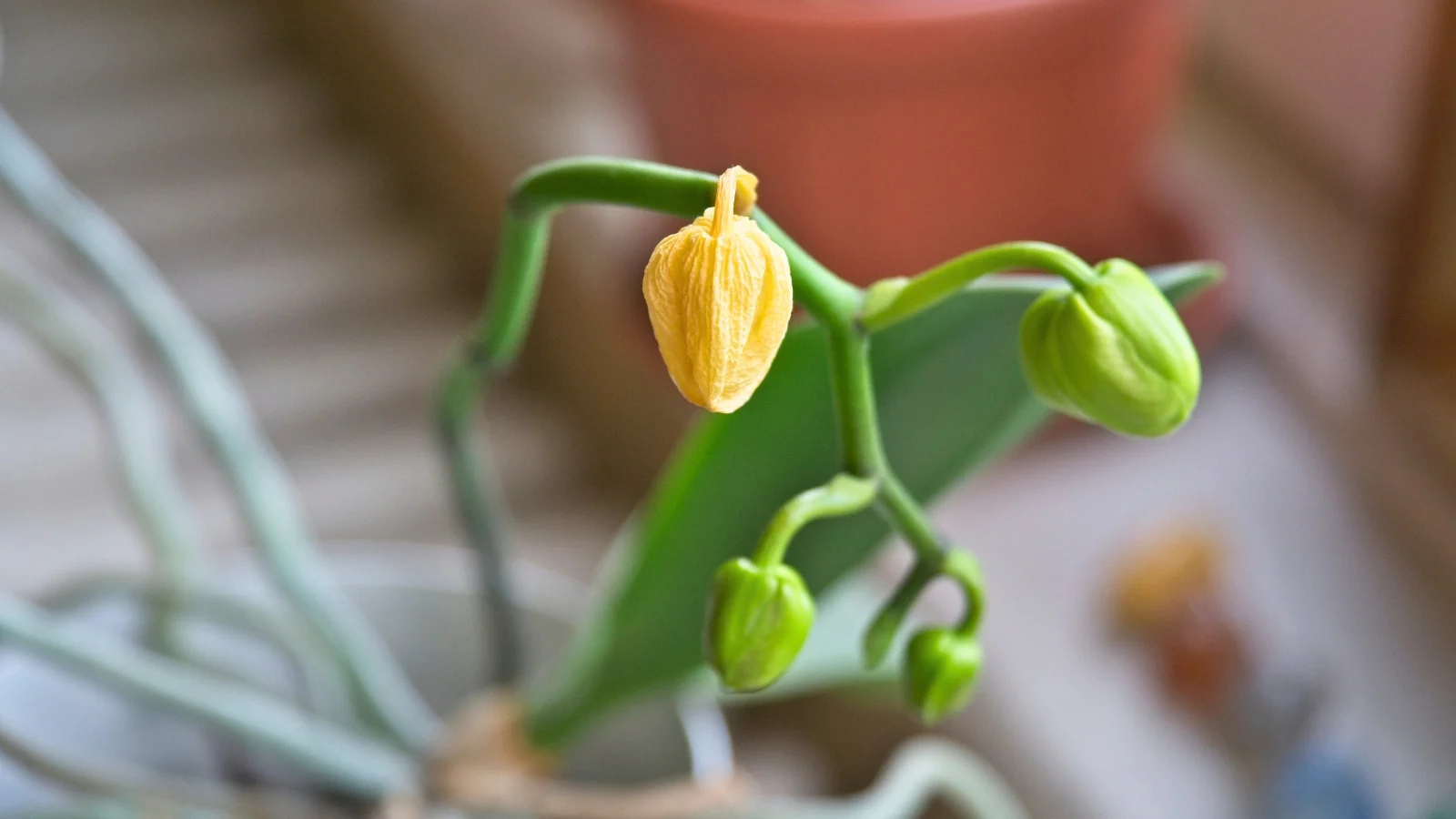
Nothing breaks a plant lover’s heart quite like an orchid that’s loaded with buds, only to have them shrivel, turn yellow, or drop like they changed their mind overnight. If this is happening to your orchid, you are not alone and you are not doing everything wrong. This frustrating phenomenon has a name: orchid bud blast.
Bud blast is your orchid’s way of saying, “Something about my world feels off for blooming.” The good news is that the fix is usually less about magic and more about stability. Orchids are steady, slow growers. When conditions swing too fast, buds are often the first things sacrificed.
Quick note on orchid types: Bud blast is most commonly discussed with Phalaenopsis (moth orchids), the most popular houseplant orchid. The same troubleshooting steps help most orchids, but tolerances can vary by type.

What bud blast looks like
Bud blast can show up in a few classic ways. Knowing which one you are seeing helps you narrow the cause.
- Buds shrivel and wrinkle before opening, sometimes drying from the tip downward.
- Buds turn yellow or pale and fall off with a gentle touch.
- Small buds drop first, while the largest bud (closest to opening) may still bloom.
- Bud drop happens quickly after a move, a weather change, or a watering mistake.
One important note: an orchid finishing its bloom cycle is different. If flowers have already opened and the oldest blooms are fading normally, that is just the show ending. Bud blast is specifically unopened buds failing.
Also, sometimes a newly purchased orchid (especially one that has been shipped or recently moved) may drop a few buds simply because it cannot support all of them while it adjusts. That is common, and it does not always mean you have a long-term problem.
Triage first: the smartest order to troubleshoot
When buds are blasting, it is tempting to do ten things at once. That usually adds more stress. Here is the calm, sensible triage order I use.
- Stabilize the environment for 7 to 10 days. No moving it around, no big “fixes,” just steady light, temperature, and humidity.
- Check watering and the roots. Bud blast often starts below the potting mix.
- Inspect for pests and sticky residue.
- Rule out ethylene exposure from ripening fruit or fumes.
- Consider salts and water quality (fertilizer buildup, hard water) if the roots seem stressed.
- Address disease issues only if you see clear signs.
If you do this in order, you will solve the most common causes first, without accidentally piling on more shock.
Cause #1: Drafts and temperature swings
Orchids can handle “normal home life,” but buds are sensitive to abrupt temperature shifts. The usual culprits are sneaky.
- Cold drafts from a window at night
- Heat blasts from a vent or space heater
- A/C blowing directly on the plant
- Opening doors in winter that create a chill corridor
- Moving the orchid between rooms with different temperatures
What to do
- Move it 3 to 6 feet away from drafty windows and exterior doors.
- Keep it away from vents (both heating and cooling).
- Aim for steady temperatures. For common Phalaenopsis (moth orchids), a comfortable range is roughly 60 to 85°F. Gentle night drops are fine. Sudden drops and direct blasts are not.
If bud blast started right after you brought an orchid home from a cold car ride, that alone can trigger it. In that case, your best “fix” is simply stable care going forward.
Cause #2: Watering swings (too dry, too wet, or inconsistent)
Orchids love a predictable rhythm. Bud development depends on steady moisture availability. When watering is erratic, the plant often aborts buds to protect itself.
Signs it is too dry
- Buds shrivel and look papery
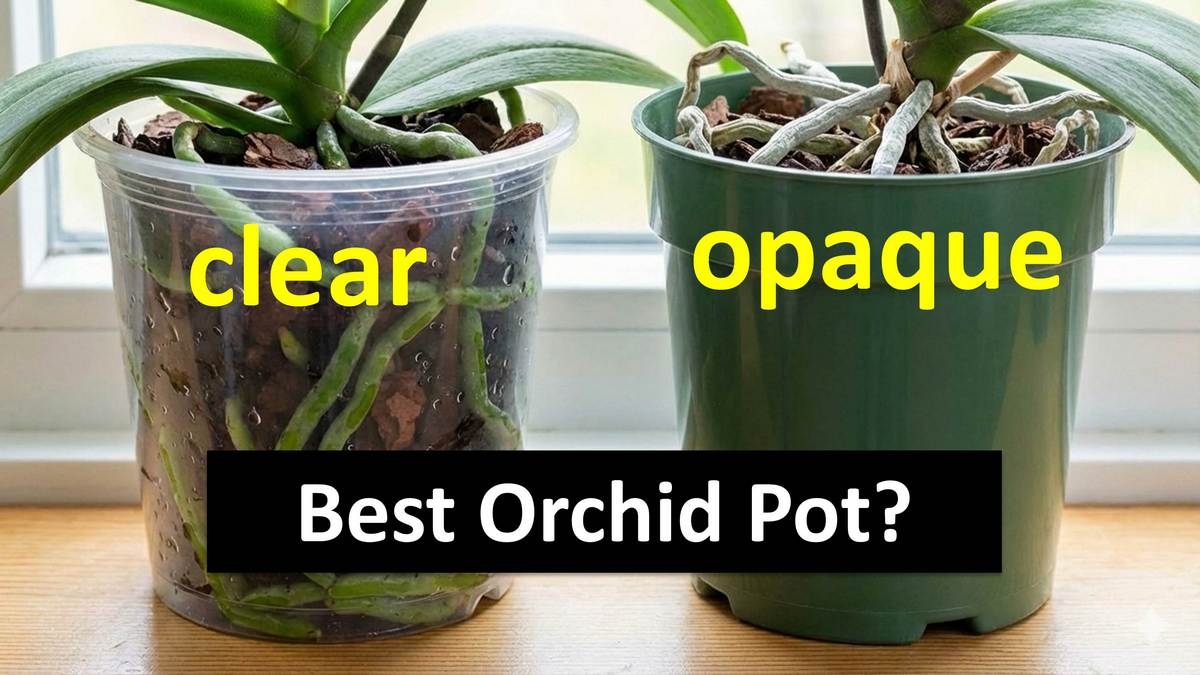
- Roots in a clear pot look silvery for days
- Pot feels very light, mix dries fast
Signs it is too wet
- Buds yellow and drop, often along with general “sad” leaves
- Roots look brown, mushy, or hollow
- Potting mix smells sour or stays wet for a long time
What to do
- Water thoroughly until water runs out, then drain completely. Never let orchids sit in a saucer of water.
- Water again when the mix is approaching dry, not bone dry for days and not constantly soggy.
- If you use a clear pot, use roots as your guide. Many orchids appreciate watering when roots shift from green to silvery.
Tip from my own slightly chaotic houseplant life: pick a simple routine, then adjust based on what the pot does in your home. “Every Saturday” is less important than “when the pot is nearly dry.”
Cause #3: Low humidity (especially in winter)
Dry indoor air can pull moisture from buds faster than the plant can supply it, especially when heating systems run nonstop.
What to do
- Aim for 40% to 60% humidity if you can (some growers prefer higher). Even getting from 20% to 35% helps.
- Use a humidifier nearby, or group plants together.
- If you use a humidity tray, keep the pot above the waterline on pebbles so roots are not soaking.
- Skip misting buds. It is short-lived and can encourage spots if water sits on tissue.
Cause #4: Light changes and sudden relocation
Orchids do not mind being in a “not perfect” spot as much as they mind being moved over and over. Bud blast often happens after:
- Moving the plant to a new window
- Rotating it daily so it “grows straight”
- Shipping and store-to-home transitions
- A sudden jump into strong sun, especially midday
What to do
- Choose a bright, gentle-light spot and leave it there while buds develop.
- Bright indirect light is ideal. If leaves feel warm from sun, it is probably too intense for tender buds.
- If you must move it, do it once, not in tiny daily increments.
Cause #5: Ethylene gas from fruit, smoke, or fumes
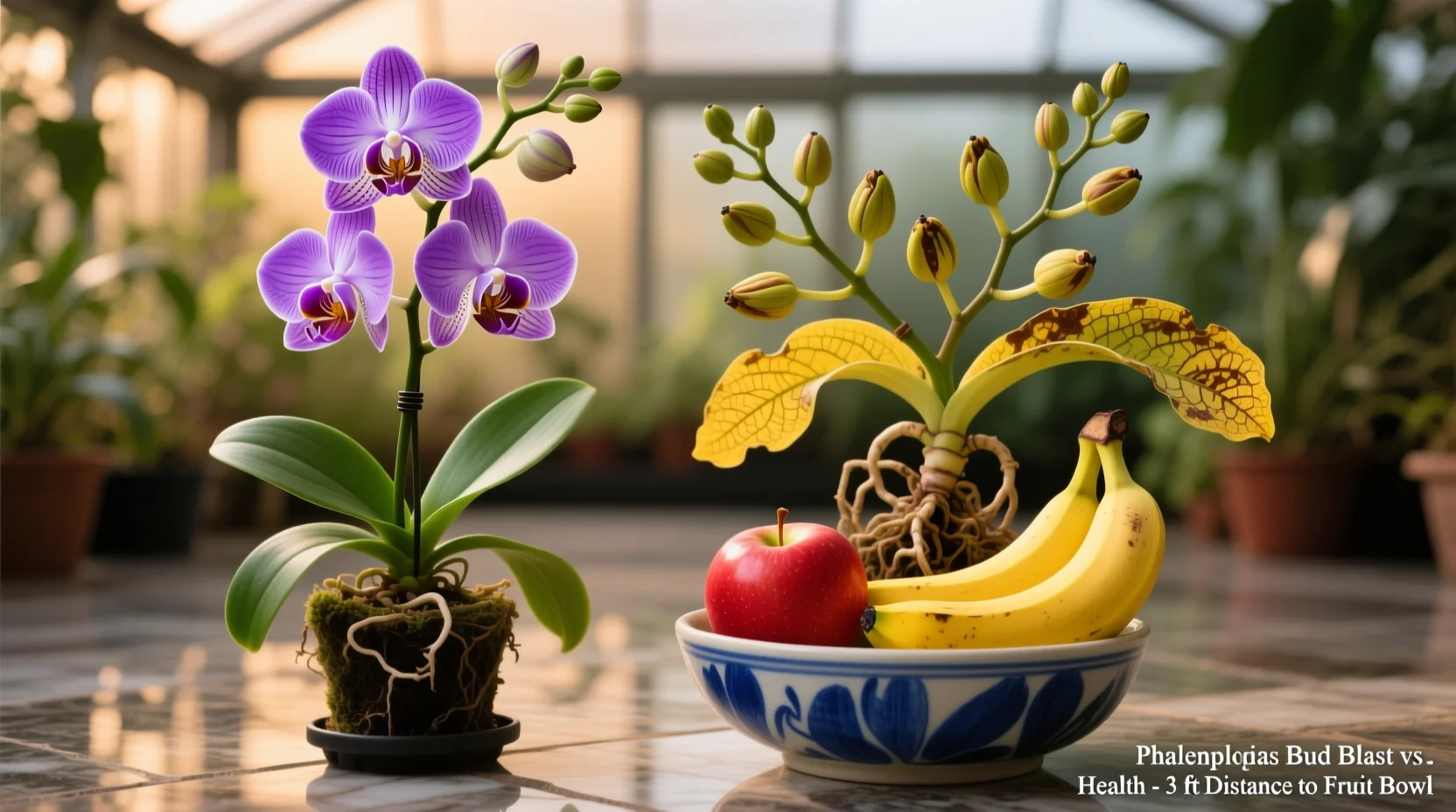
This one is often overlooked in casual plant chats. Ethylene is a natural plant hormone released by ripening fruit, and it can trigger flowers and buds to age faster or drop, especially in enclosed spaces with low ventilation.
Common ethylene sources
- Ripening bananas, apples, avocados, pears, tomatoes
- A fruit bowl on the same counter as your orchid
- Cigarette smoke
- Gas stove fumes and some strong household chemicals
What to do
- Keep orchids away from ripening fruit, ideally in a different room during heavy ripening.
- Improve airflow in kitchens, but avoid direct drafts on the plant.
- Avoid exposing blooming orchids to smoke and harsh cleaners.
Ethylene sensitivity can vary by cultivar and conditions, so think of this as a “worth checking” factor, not a guaranteed smoking gun.
Cause #6: Pests that target buds and tender growth
Some pests go straight for the soft, juicy parts of orchids, which includes buds, new spikes, and fresh leaves. Even a small infestation can make buds fail.
What to look for
- Thrips: tiny, fast insects; buds may be distorted, flowers may open scarred or stippled.
- Spider mites: fine webbing, dusty look, stippling on leaves, buds drying.
- Mealybugs and scale: cottony clusters or tan bumps, sticky honeydew.
- Aphids: soft-bodied insects on spikes and buds, sticky residue.
What to do
- Isolate the plant.
- Rinse the plant gently with lukewarm water, focusing on the spike and undersides of leaves.
- Wipe visible mealybugs and scale with cotton swabs dipped in 70% isopropyl alcohol (avoid soaking roots or dripping alcohol into the crown).
- Use an orchid-safe insecticidal soap or horticultural oil if needed, following label directions and testing a small area first. Avoid applying oils or soaps in hot temperatures or strong light.
- For thrips in particular, expect repeat treatments. Many plans involve spraying every 5 to 7 days for several rounds to catch new hatchlings. Follow the product label for timing and safety.
If you suspect thrips and buds are already failing, act quickly. They can be stubborn, and one-and-done treatment rarely solves them.
Cause #7: Root problems and old potting media
If your orchid’s roots are struggling, buds are often the first expense the plant cuts. Old mix breaks down into smaller particles that hold too much water and suffocate roots.
Root trouble signs
- Potting bark looks like dark, soggy crumbs instead of chunky pieces
- Roots are brown, mushy, or hollow
- Plant feels loose in the pot
- Water takes a long time to drain, or the pot stays wet for a week
What to do (without panicking the plant)
If buds are already forming, I prefer a gentle approach unless roots are clearly rotting.
- If the media is only slightly old and roots seem decent, focus on stable watering and airflow and wait to repot until after blooming.
- If you see active rot or smell sour media, consider a careful repot even during budding. Remove dead roots, keep healthy roots, and repot into fresh orchid bark or a bark blend suited to your home’s humidity.
Repotting can itself trigger bud blast, so only do it mid-bud if root health is truly at risk. Otherwise, put it on your calendar for after flowering.
Cause #8: Salts, fertilizer, and water quality
Sometimes the issue is not “too much” or “too little” water, but what is in the water. Hard water, high mineral content, and fertilizer salts can build up in potting media over time. That can stress roots, and stressed roots often lead to bud problems.
Clues this might be a factor
- White crust on the pot, media, or roots
- Leaf tip dieback along with stalled growth
- You fertilize often and rarely flush with plain water
What to do
- Flush the pot with plain water occasionally (water thoroughly, let it drain fully) to help rinse out salts.
- Fertilize lightly during active growth, and avoid sudden fertilizer increases during budding.
- If your water is very hard, consider using filtered, rain, or low-mineral water for sensitive orchids.
Cause #9: Fungal and bacterial issues
Bud blast is more commonly environmental than disease-related, but fungal and bacterial problems can absolutely contribute, especially in stagnant air and overly wet media.
What to look for
- Dark spots on buds or the spike
- Bud tissue that looks watery or translucent before dropping
- Blackening at the base of buds
- Musty smell near the potting mix
What to do
- Isolate the plant if you suspect infection.
- Increase gentle airflow around the plant, not a direct blast.
- Avoid getting water on buds and in the crown.
- Remove clearly damaged buds with clean scissors if they are turning mushy.
- If the spike itself is spreading dark, soft lesions, you may need to cut the affected portion back to healthy tissue. This can end the bloom show, but it may save the plant. Sterilize tools between cuts.
If disease appears to be progressing quickly, treat it like an urgent situation. Bacterial issues can spread fast. It is worth consulting a local orchid society or extension service for product guidance appropriate to your region and orchid type.
What not to do
When buds start dropping, the urge to “fix harder” is strong. These are the most common moves that backfire.
- Do not keep moving the orchid from spot to spot trying to guess the perfect location.
- Do not repot mid-bud unless you see clear rot or dangerous media breakdown.
- Do not fertilize heavily to “push blooms.” It often adds stress.
- Do not mist buds (humidity yes, wet buds no).
- Do not stack multiple treatments at once (repotting, pesticide, new window, new schedule). Choose one calm change and give it time.
Quick “save my buds” checklist
If you just want the fastest set of next steps, start here.
- Stop moving the orchid. Pick one good spot and keep it there.
- Check for drafts from windows, doors, vents, and heaters.
- Water consistently and drain fully.
- Boost humidity moderately if your air is very dry.
- Move fruit away from the orchid, especially bananas and apples.
- Inspect for pests with a flashlight, especially on buds and along the spike.
- Peek at the roots. If they are rotting, prioritize root health.
- Flush salts if you suspect fertilizer buildup or very hard water.
Will the remaining buds still open?
Often, yes. If you stabilize conditions early, it is common for the orchid to lose a few buds and then hold onto the rest. Bud blast is not always all-or-nothing.
My most encouraging truth: even if this spike fizzles, a healthy orchid is not “ruined.” Orchids are marathon plants. When you get the roots happy and the environment steady, they come back around.
How to prevent bud blast next time
- When you bring an orchid home, give it a quiet acclimation week away from drafts and fruit.
- Repot on a schedule suited to your media, often every 1 to 2 years for bark blends.
- Keep a consistent watering rhythm, and match it to season changes.
- During budding, avoid major changes: no big moves, no repotting unless necessary, no strong fertilizer jumps.
- Feed lightly during active growth with a balanced orchid fertilizer and flush occasionally with plain water to prevent salt buildup.
When bud blast signals a bigger problem
Consider escalating your response if you see any of these along with bud blast:
- Leaves are limp and wrinkled even after watering
- Roots are mostly brown or hollow
- The crown is soft or blackened
- There is a rapid spread of dark, wet-looking spots on buds, spike, or leaves
In those cases, the goal shifts from saving this bloom cycle to saving the plant. Start with root and crown health, then rebuild from there.