
Oncidium Orchid Care for Beginners

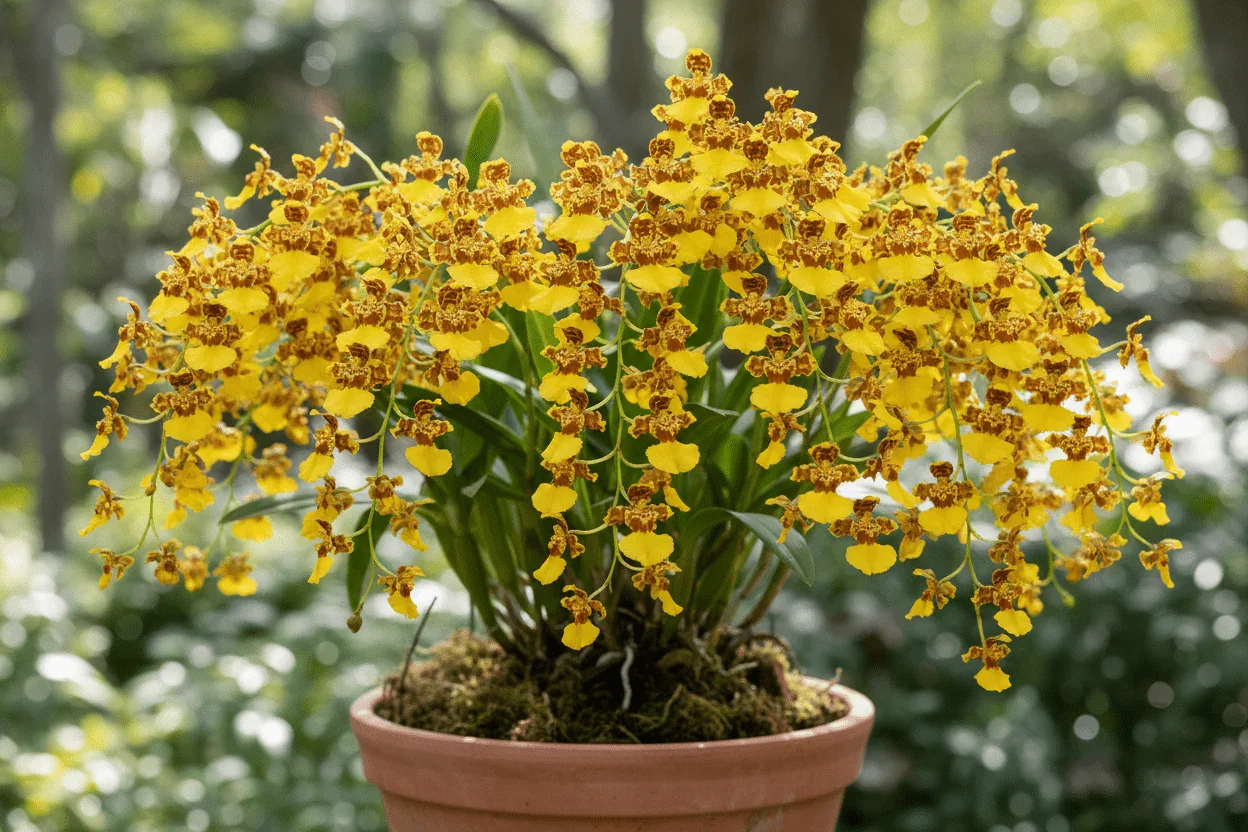
Oncidiums are the cheerful, fluttery orchids you will often see labeled as dancing lady orchids. That nickname gets used loosely in the trade (sometimes for Oncidium-alliance hybrids in general), but the care rhythm is similar for many of the common plants sold under it: bright light, thorough watering, and a little attention to those plump pseudobulbs that act like the plant’s pantry.
If you have ever felt intimidated by orchids, Oncidium is a wonderful place to rebuild confidence. Think of this as a friendly routine you can repeat, not a strict set of rules. Your plant will tell you what it needs.

Meet the Oncidium
Oncidium is a big group, and many common houseplant “Oncidiums” are actually hybrids in the broader Oncidium alliance (sometimes sold under Oncidium, Onc., or intergeneric names). Care is broadly similar for common Oncidium-alliance hybrids, with a few exceptions depending on the exact parentage (some run cooler, some warmer, some want a bit more moisture).
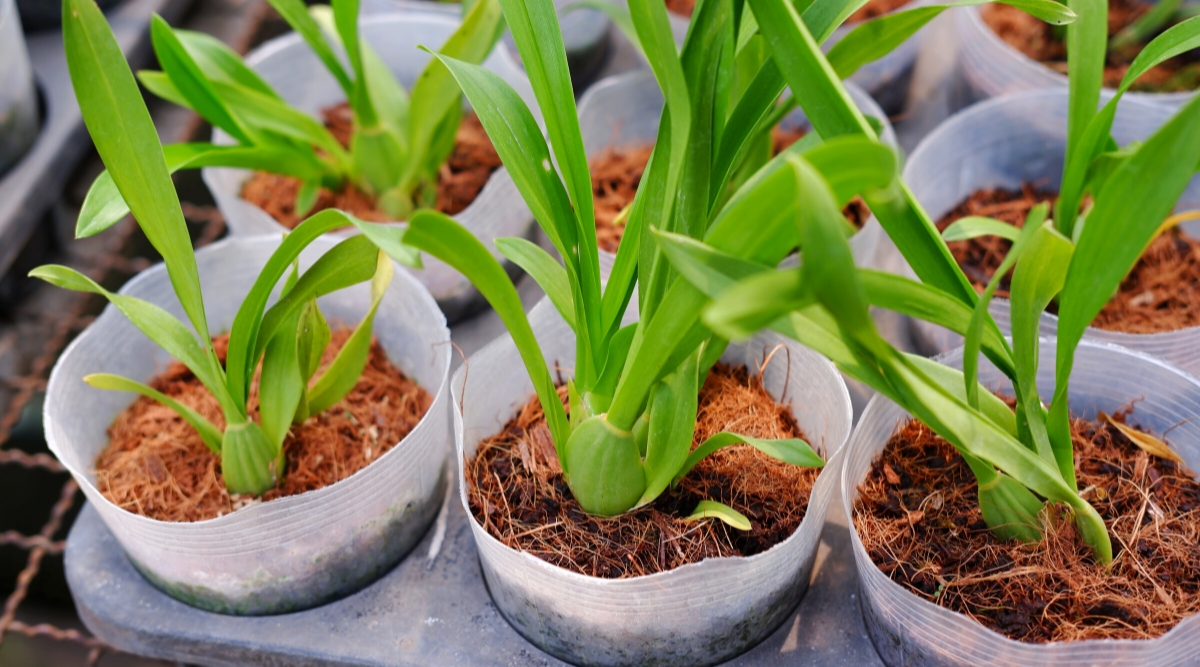
- Leaves: Often narrow, thin, and strap-like, sometimes more delicate than a Phalaenopsis leaf.
- Pseudobulbs: Swollen “bulbs” at the base that store water and energy. Each mature pseudobulb typically supports one or more leaves.
- Roots: Thick, pale roots that like air around them and moisture that does not linger.
- Flower spikes: Branching sprays that can carry dozens of blooms. That abundance is why people fall hard for Oncidiums.
Light
Oncidiums generally want bright indirect light, and many tolerate or even appreciate some morning sun. When light is too low, the plant can stay green and healthy but refuse to bloom.
Best window spots
- East window: Ideal for many beginners. Gentle morning sun, bright the rest of the day.
- South window: Works well if filtered with a sheer curtain or set back from the glass.
- West window: Can be too intense without diffusion, especially in summer afternoons.
Quick light clues
- Leaves very dark green: Usually too little light, especially if growth is slow.
- Overall lighter green (sometimes with a soft yellow-green cast): Often a sweet spot for blooming. If yellowing is sudden or blotchy, treat it as stress and check roots and watering.
- Scorched patches or bleached areas: Too much direct sun. Move the plant back and let it recover.
If you are using grow lights, aim for a bright setting for 10 to 12 hours a day, and keep the plant far enough away that leaves do not heat up.
Watering
Oncidiums are happiest when they do not dry out as hard as some orchids, but they also hate sitting in stale, waterlogged media. Your goal is a cycle of thorough watering followed by airflow and partial drying. In many homes, they prefer a bit more frequent watering than a typical Phalaenopsis, especially in active growth.
How to water
- Check first: Stick a finger into the mix near the pot edge and consider a wooden skewer or chopstick pushed into the center. If the skewer comes out cool and damp, wait. If it is barely damp, it is usually time.
- Drench completely: Water until it streams out the drainage holes. This flushes old salts and fully hydrates roots.
- Drain well: Never let the pot sit in a saucer of water.
- Repeat when nearly dry: The mix should be approaching dry, not bone-dry for days.
Typical frequency
Frequency depends on pot size, mix, temperature, and airflow. Many beginners land around:
- Every 5 to 7 days in active growth (spring and summer) in a bark mix.
- Every 7 to 12 days in cooler, lower-light months.
But in small pots, warm bright rooms, or very airy setups, it can be every 2 to 4 days. Your plant’s cues matter more than a calendar.
Water quality
If your tap water is very hard or heavily softened, Oncidiums may get cranky. If you see leaf tip browning that keeps spreading, consider switching to rainwater, distilled water, or filtered water, and flush the pot well each month.
Humidity and airflow
Oncidiums appreciate moderate humidity, but they are not asking for a steamy terrarium. Most do well at 40 to 60 percent with gentle airflow.
- If your home is dry: A humidifier is the most reliable fix. Grouping plants can help too. Pebble trays may give a small local boost, especially in still air, but the effect is usually modest.
- Pair humidity with airflow: Stagnant, humid air invites fungal issues, especially in tight leaf fans.
Skip misting as a main strategy. It is brief, inconsistent, and can leave water sitting where you do not want it. A steady room humidifier is kinder.
Temperature
Most common Oncidium-alliance hybrids are happy in typical indoor temperatures.
- Day: About 65 to 80 F (18 to 27 C)
- Night: About 55 to 65 F (13 to 18 C)
A gentle day to night drop can help encourage spikes, especially in fall. Avoid hot, dry blasts from vents and cold drafts against winter glass.
Pseudobulb health
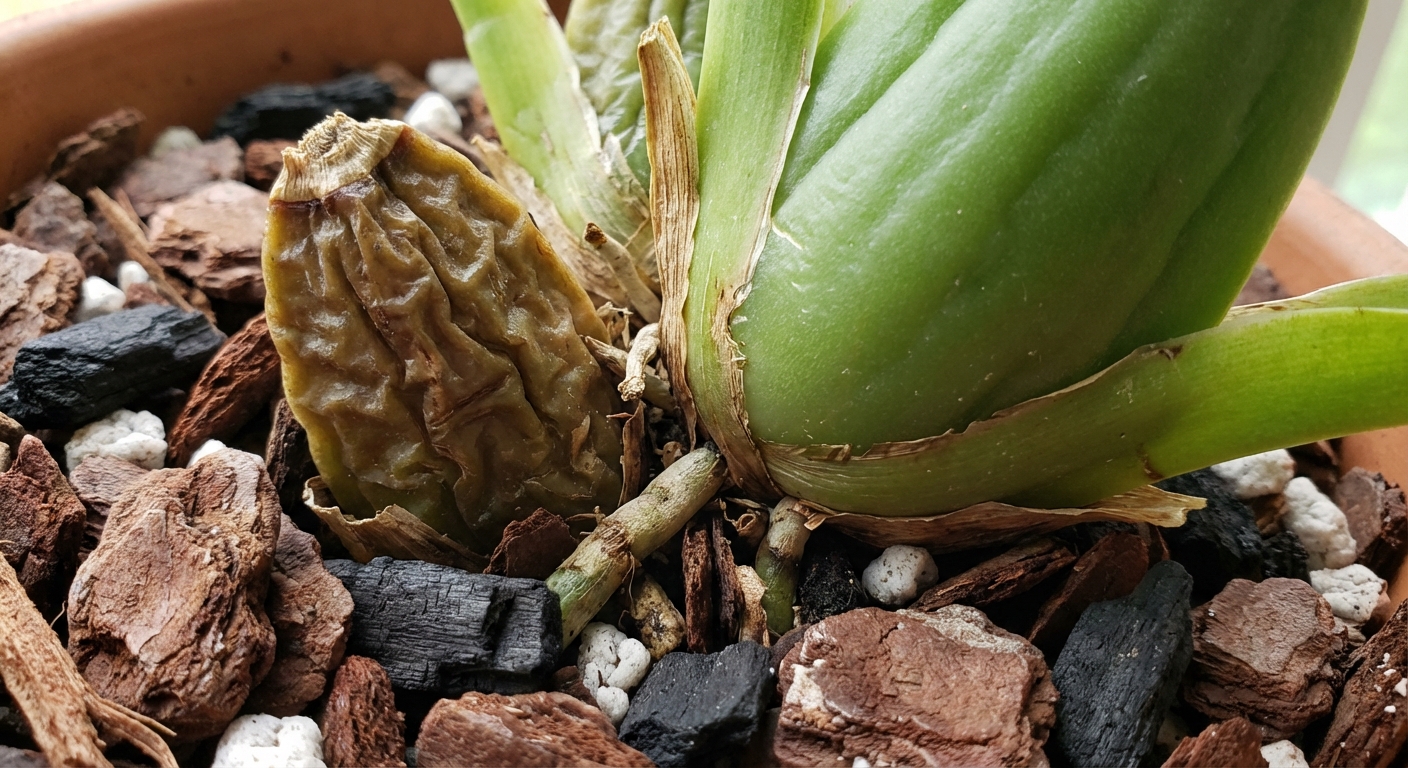
Pseudobulbs are Oncidium’s built-in storage tanks. When they are plump, the plant is well hydrated and rooted. When they are wrinkled, something in your routine needs adjusting.
What to look for
- Healthy: Firm, smooth, slightly glossy, not collapsing.
- Mild wrinkles: Can happen during new growth or after blooming. Not always an emergency.
- Deep accordion wrinkles: Often indicates underwatering, weak roots, or a mix that dries too fast.
- Soft, dark, or mushy bulbs: A red flag for rot from staying wet too long.
Why wrinkling happens
- Underwatering: Water more thoroughly or slightly more often.
- Root loss: Common after a long dry spell or old, broken-down mix. Consider repotting and checking roots.
- New growth using stored water: If new pseudobulbs are forming and roots look good, stay consistent and avoid panic changes.
Potting mix and pots
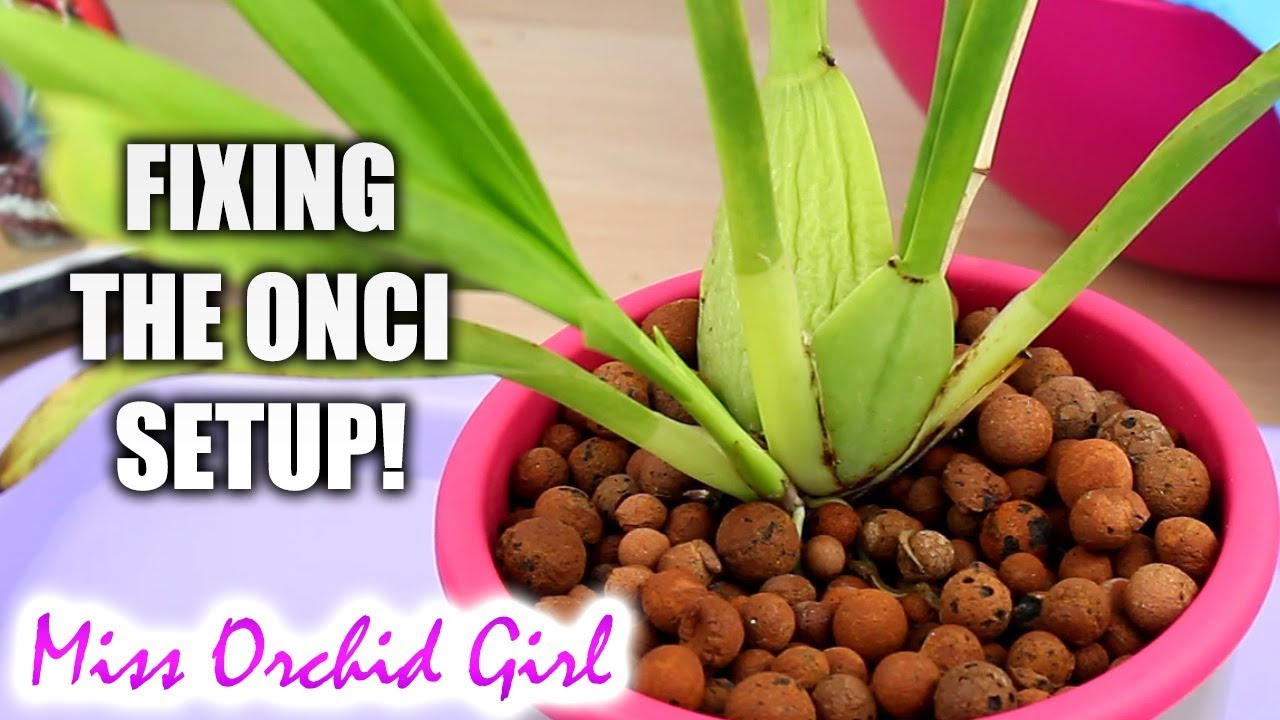
Oncidiums like a mix that holds a little moisture but still breathes. Most beginners do best with a medium orchid bark mix with some moisture-retentive material.
Beginner-friendly mixes
- Medium bark + perlite + a small amount of sphagnum: Airy with a bit of cushion.
- Bark + coconut husk chips: Holds moisture longer, great for dry homes.
- More sphagnum-heavy mixes: Possible, but easier to overwater if airflow is low.
Pot choice
- Clear plastic orchid pots: Great for learning because you can see roots and moisture.
- Slotted pots: Excellent airflow and faster drying.
- Clay pots: Dry faster and provide stability for tall spikes, but require more frequent watering.
Whatever you choose, make sure there are generous drainage holes. Oncidiums do not want wet feet.
Fertilizing
Oncidiums respond beautifully to gentle feeding during active growth.
- When: Spring through early fall, especially while new pseudobulbs and roots are growing.
- How much: Use a balanced orchid fertilizer at quarter to half strength every 2 to 4 weeks.
- Flush monthly: Water heavily with plain water to wash away fertilizer salts.
If your plant is resting after blooming, you can reduce feeding. I treat fertilizer like compost in my garden beds: helpful, not a substitute for good light and watering.
Bloom cycles
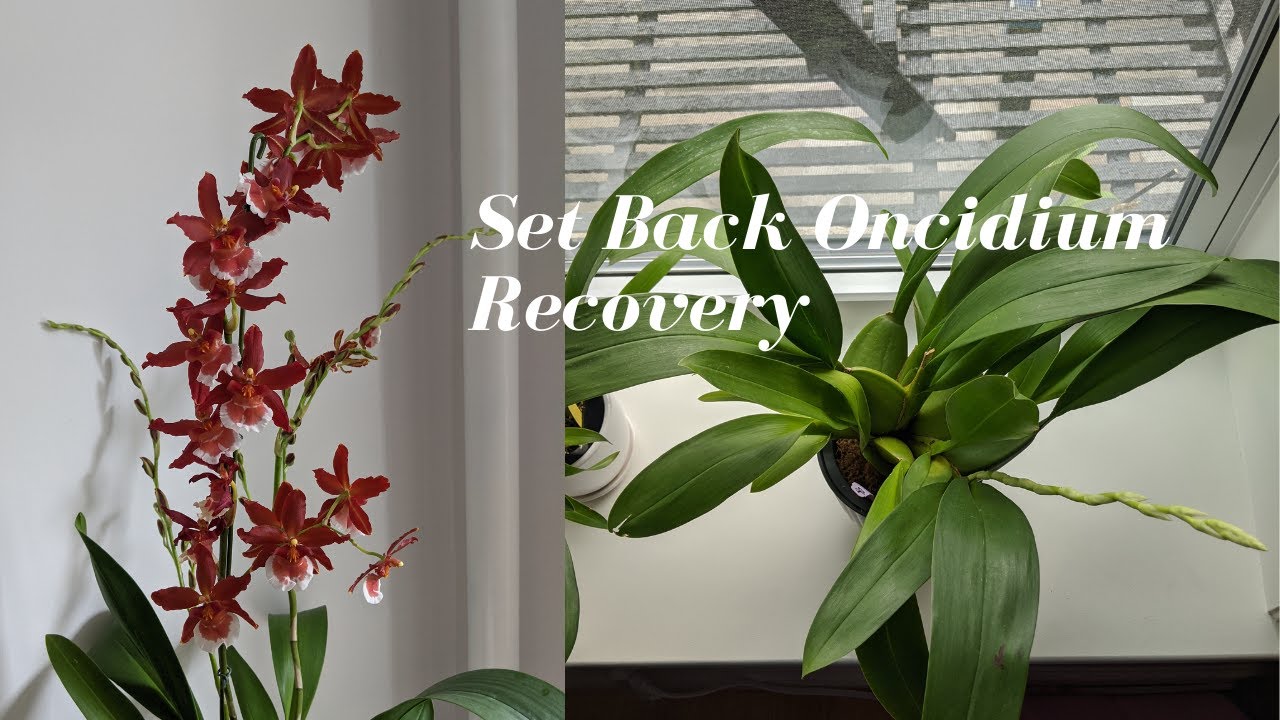
Oncidiums often bloom once a year, but many hybrids can bloom twice or even more with great conditions. Most bloom from mature pseudobulbs, after a new growth has fully developed.
Typical rhythm
- New growth emerges from the base near older pseudobulbs.
- New pseudobulb fills out and leaves mature.
- Flower spike forms from the base of the newest mature growth on many types.
- Blooms last several weeks, sometimes longer in cooler rooms.
What helps spikes
- Brighter light: Often the missing ingredient.
- Stable watering while growing: Try not to swing from drought to flood.
- Slight temperature drop at night: Many orchids appreciate a gentle difference between day and night, especially in fall.
After blooming, do not rush to cut anything back unless the spike is fully brown and dry. Occasionally, depending on the hybrid, a spike can branch or rebloom. Many are one-and-done, so think of this as a bonus, not a promise.
Repotting and dividing
Oncidiums prefer to be slightly snug in their pots, but they do need fresh media and room for new growth.
Repot when
- The mix smells sour or stays wet too long.
- Bark is breaking down into small, spongy bits.
- Roots look unhealthy or the plant dries out too fast because the mix is exhausted.
- New growth is crawling over the pot edge with nowhere to go.
Best timing: Repot when you see new root tips starting on a fresh growth. That is when the plant can re-anchor quickly.
Divide when
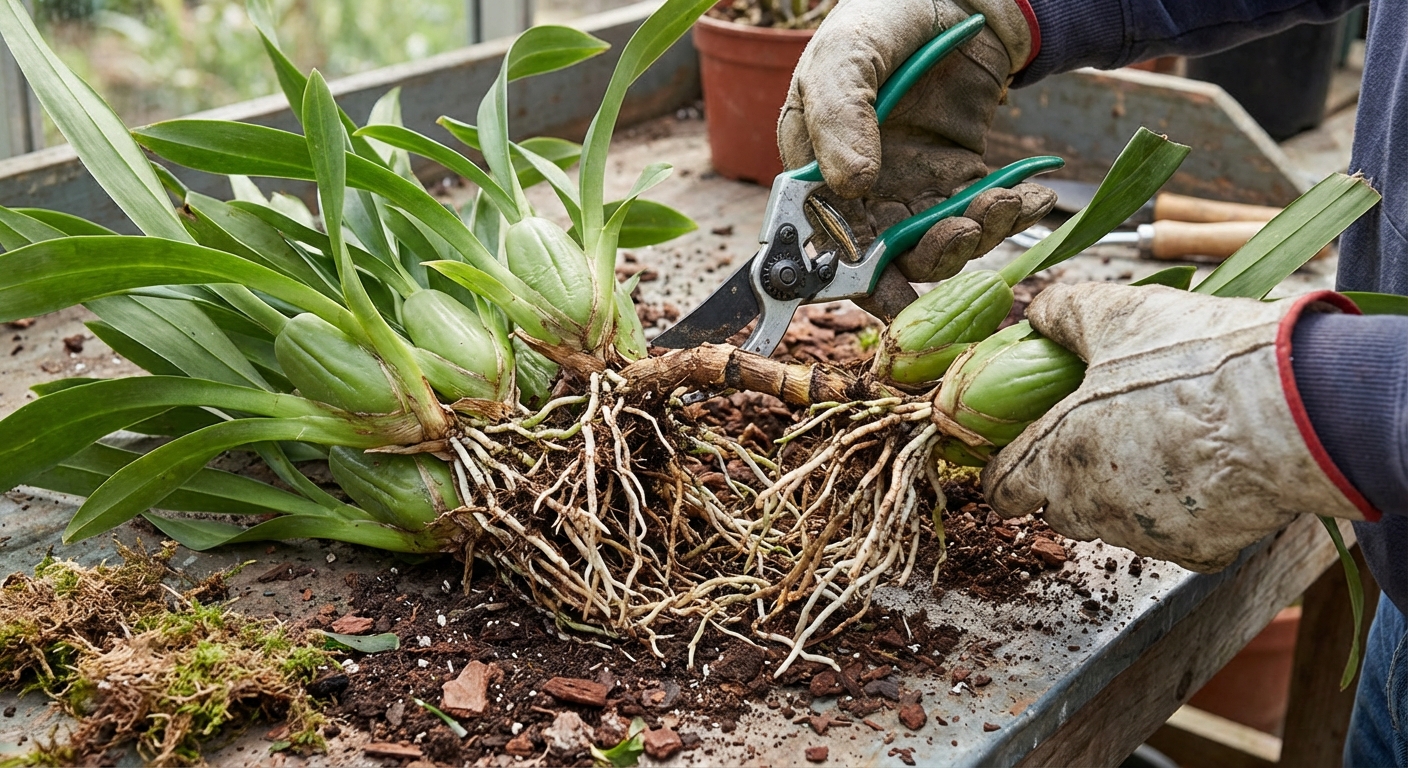
Division is optional, not required. Do it when the plant has become a true clump and you want more plants or the pot has become unmanageable.
- Good rule of thumb: Each division should have at least 3 to 4 pseudobulbs, ideally more, so it has enough stored energy to rebound.
- Avoid tiny divisions: One- or two-bulb pieces often sulk for a long time.
- After dividing: Keep slightly on the drier side for a week or two, with bright shade and good airflow, then resume normal watering as new roots settle in.
Common pests
Oncidium leaves can be thinner and more tender than some orchids, which makes pest damage show up quickly. Catching issues early is half the battle.
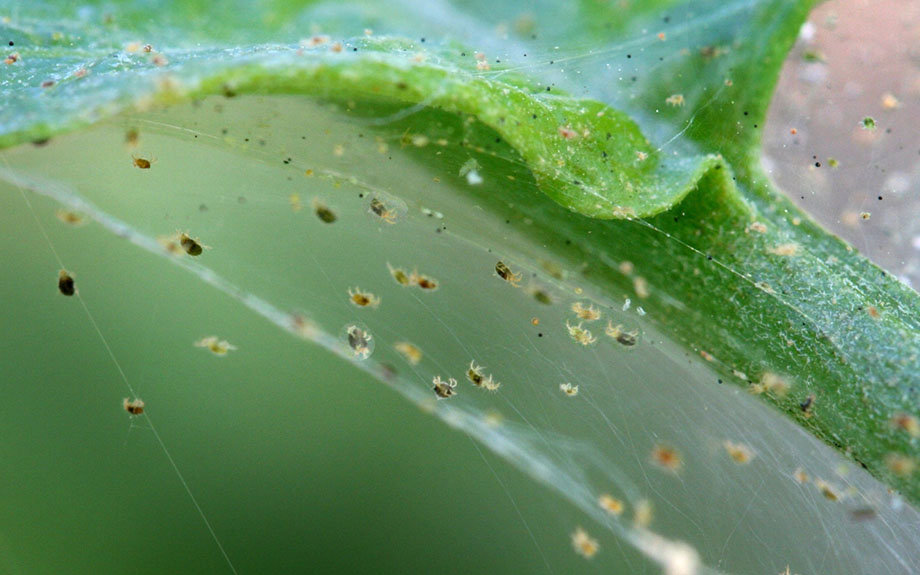
Spider mites
- Signs: Fine webbing, tiny pale stippling, a dusty look, leaves that seem to lose color.
- Where to check: Leaf undersides and leaf joints.
- What helps: Rinse the plant thoroughly, increase humidity a bit, and use insecticidal soap or horticultural oil as directed, repeating to break the life cycle.
Thrips
- Signs: Silvery streaks, scarring, distorted new growth, buds that fail or open with damage.
- Where to check: Buds, flowers, and leaf folds. Tap a flower over white paper to see tiny moving insects.
- What helps: Remove badly damaged flowers, isolate the plant, and treat with a product labeled for thrips, repeating as needed.
Scale
- Signs: Small brown or tan bumps on leaves and pseudobulbs, sticky residue (honeydew).
- What helps: Physically remove with a cotton swab dipped in isopropyl alcohol, then follow up with horticultural oil. Inspect weekly.
Mealybugs
- Signs: White cottony clusters in leaf axils, at the base of pseudobulbs, or along roots near the pot rim.
- What helps: Alcohol swabs for spot removal, then treat the whole plant and isolate until you see no new activity.
Quirky-but-true tip from my own plant shelf: I do a “leaf underside hello” every time I water. A 10-second glance under the leaves prevents weeks of frustration later.
Troubleshooting
Wrinkled pseudobulbs but you are watering
- Check roots for rot or dryness.
- Consider repotting if the mix is old or staying wet too long.
- Make sure the plant is not baking in hot direct sun, which can outpace root uptake.
Leaf tips turning brown
- Flush the pot to remove fertilizer salts.
- Switch to lower-mineral water if possible.
- Raise humidity slightly and avoid hot drafts.
No blooms for a year or more
- Increase light gradually.
- Feed lightly during active growth.
- Confirm the plant is producing new pseudobulbs that mature fully. Blooms come from maturity.
New growth looks pleated
- This often points to inconsistent moisture while the leaf was forming.
- It can also be worsened by low humidity, struggling roots, or a plant that is drying too hard between waterings.
- Stabilize moisture and humidity, and check root health if it keeps happening.
Simple weekly routine
- Once a week: Check moisture, then water thoroughly if nearly dry.
- Every watering day: Quick pest check on leaf undersides and at the base.
- Every 2 to 4 weeks (spring to fall): Fertilize at quarter to half strength.
- Monthly: Flush with plain water and rotate the pot for even growth.
- Once a year or so: Evaluate the potting mix and root health and repot if the media is breaking down.
If you remember only one thing: Oncidiums like bright light and a steady, airy watering rhythm. Do that, and those dancing blooms tend to follow.