
Oakleaf Hydrangea Care

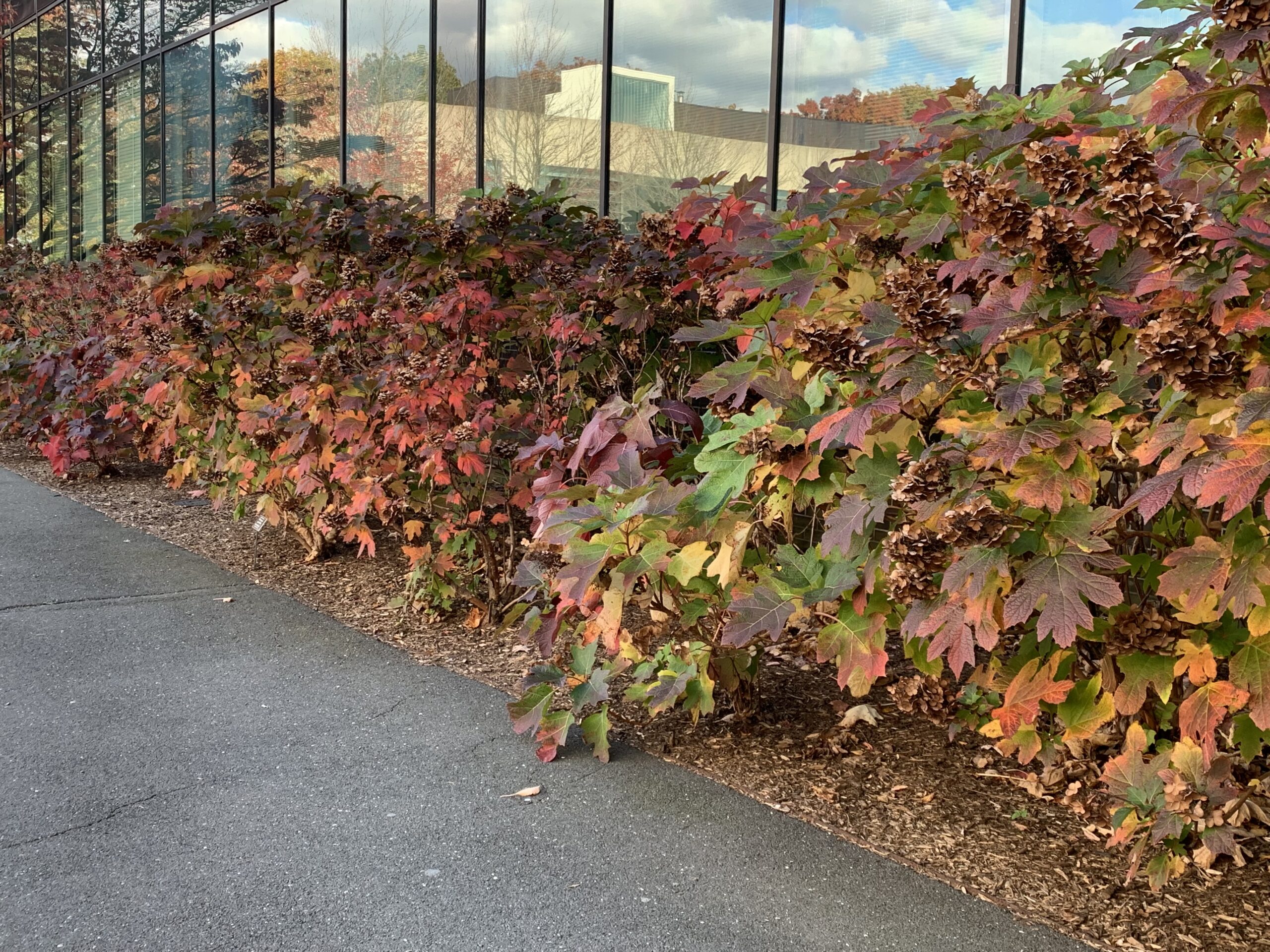
Oakleaf hydrangea is the hydrangea I recommend when someone tells me, with a sigh, that their yard is “all shade and roots.” It is tougher than it looks, beautifully Southern at heart, and it brings three to four seasons of interest without demanding constant fussing. In summer you get those creamy cone blooms, in fall the leaves turn wine red and ember orange, and in winter the cinnamon-brown bark starts peeling in papery curls like it is showing off.

Meet the plant
Hydrangea quercifolia, commonly called oakleaf hydrangea, is a deciduous shrub native to the southeastern United States. In the wild, it often grows along woodland edges, stream banks, and moist slopes where it gets dappled light and rich leaf litter. That origin story explains almost everything about its care: it likes consistent moisture, plenty of organic matter, and protection from harsh afternoon sun.
- Growth habit: Rounded, multi-stem shrub with strong seasonal interest
- Typical size: Often 4 to 8 feet tall and wide, but it can exceed 8 feet in ideal conditions. Dwarf selections may stay around 2 to 3 feet.
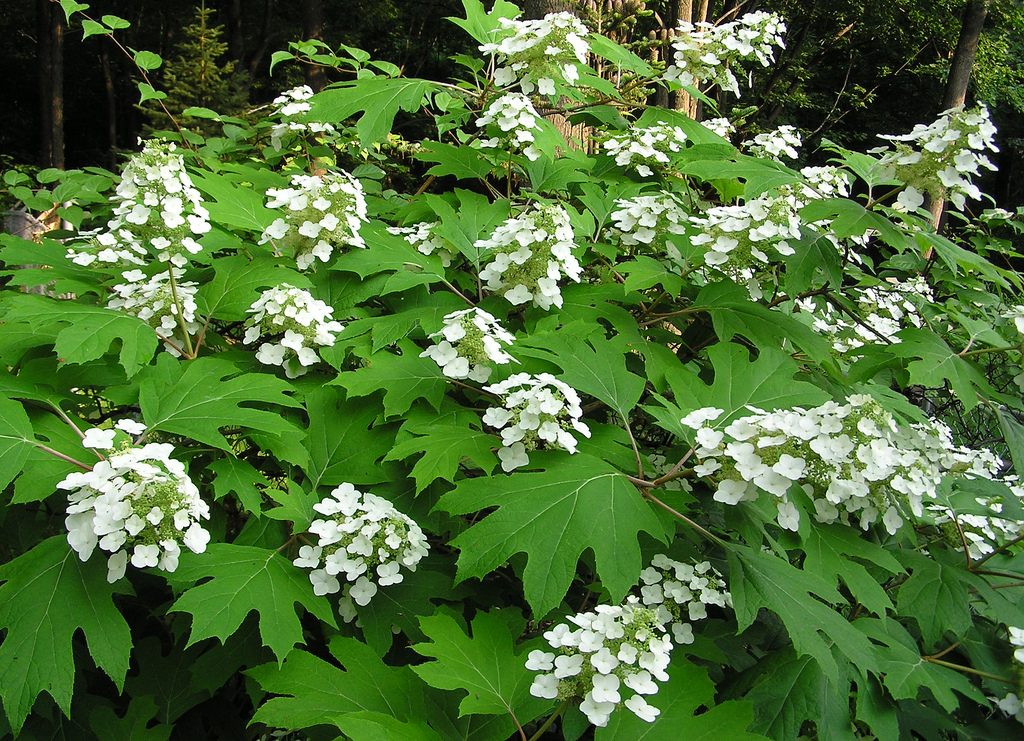
- Flowers: Cone-shaped panicles that open white, then often blush pink and dry to tan
- Leaves: Big, lobed, oak-like leaves that color dramatically in fall
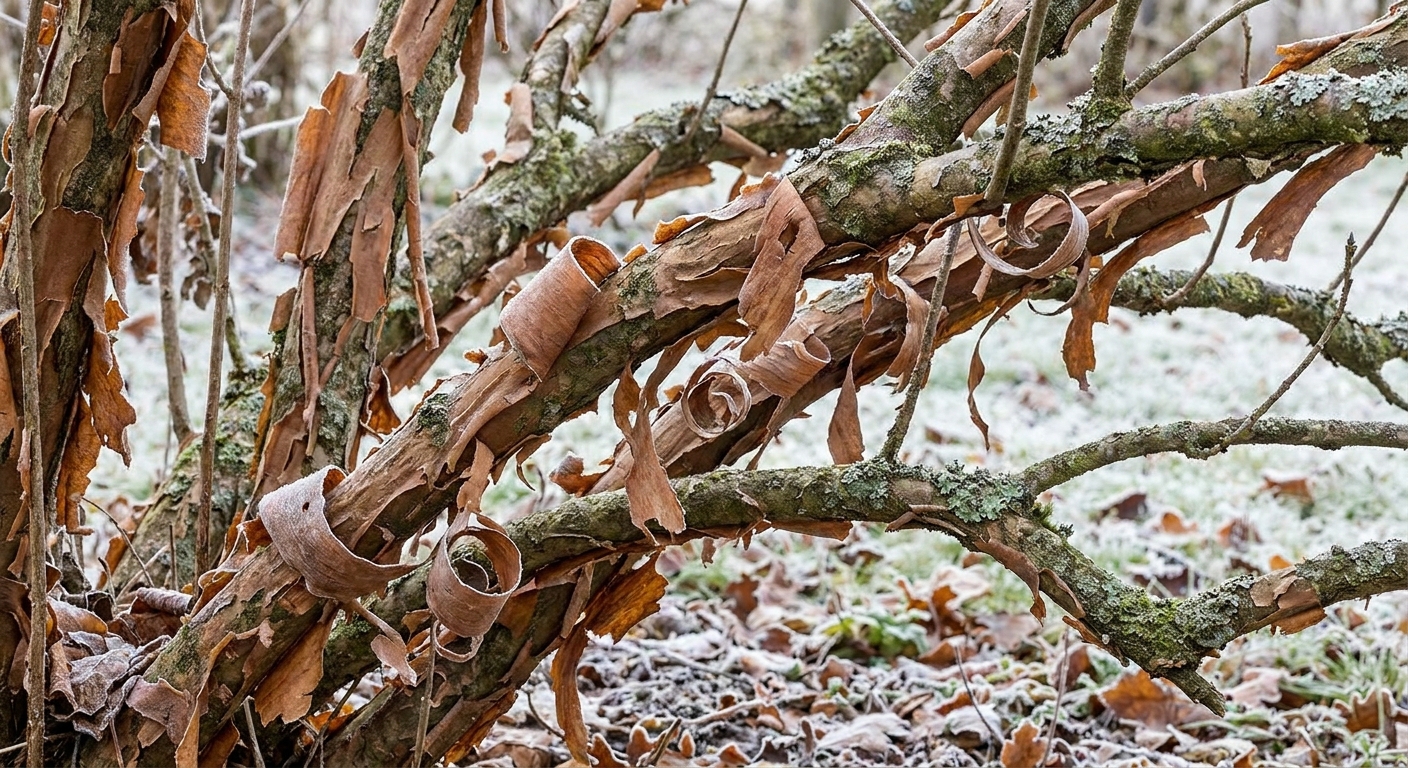
- Bark: Exfoliating, peeling bark that becomes more striking as plants mature
Hardiness: Most oakleaf hydrangeas are grown in USDA zones 5 to 9, with some cultivar variation. If you are gardening on the cold edge, a sheltered spot can make the difference between a few blooms and a full show.
Shade and bloom
Oakleaf hydrangea is one of the best hydrangeas for shade, especially compared to bigleaf types that sulk or scorch. That said, “shade tolerant” does not mean “no sun at all” if you want heavy flowering.
Light sweet spot
- Best overall: Morning sun with afternoon shade, or bright dappled light all day
- Mostly shade: The plant will live and look lush, but flowering can be lighter and stems may stretch toward light
- Hot full sun: Possible in cooler climates if soil stays evenly moist, but leaf scorch and stress are more likely
If your shrub blooms poorly, light is often the culprit. Before you blame pruning, stand where the plant is and watch how the sun moves in June and July. Even an extra hour or two of morning sun can change the bloom show dramatically.
Soil basics
Oakleaf hydrangea is not picky about pH in the way some hydrangeas are. You are not chasing blue or pink blooms here. Still, it tends to be happiest in slightly acidic to neutral soil that is rich with organic matter. Aim for good structure and don’t obsess.
What it prefers
- Texture: Loamy soil that drains well but does not dry out in a day
- Fertility: Moderate. Too much nitrogen can push leafy growth at the expense of sturdy stems and flowers
- Mulch: A 2 to 3 inch layer of shredded leaves, pine straw, or bark mulch to keep roots cool and evenly moist
If your soil is heavy clay
Do not “fix” clay by digging a narrow hole and stuffing it with fluffy potting mix. That can create a bathtub effect where water collects and roots struggle. Instead, widen the planting area and mix in compost throughout the broader zone, then mulch well on top. Over time, earthworms and roots do the real soil-building work.
Native range
Because oakleaf hydrangea is native to the southeastern US, it is naturally adapted to humid summers, periodic heavy rain, and woodland soils built from decades of leaf litter. In regions with dry summers or intense sun, it can still thrive. It just needs help with consistent watering and mulch. In colder regions, winter protection and smart siting can prevent tip dieback that reduces next year’s bloom.
Native plants are not “no maintenance,” but they often reward you with better resilience when your garden is not perfect. And I promise, nobody’s garden is perfect. Mine certainly is not.
Watering
Oakleaf hydrangea likes evenly moist soil, especially in the first two growing seasons while roots are expanding. Once established, it can handle short dry spells better than many hydrangeas, but prolonged drought will show up in the foliage.
Signs it needs water
- Leaves droop midday and do not rebound by evening
- Leaf edges brown or crisp, especially in sunnier exposure
- Flower panicles age quickly and the plant looks “tired” in summer heat
A simple watering rhythm
When rain is scarce, aim for a deep soak at the root zone rather than a daily sprinkle. A slow hose trickle or drip line is perfect. As a rule of thumb while establishing, target roughly 1 inch of water per week from rain or irrigation. Check under the mulch first, and try to get moisture down about 6 to 8 inches. The surface can look dry while the soil below is still nicely damp.
Winter bark
Oakleaf hydrangea earns its keep in winter. As stems mature, the bark peels in thin curls and sheets, revealing warm cinnamon and taupe tones underneath. It is especially striking after leaf drop when low winter sun hits the shrub from the side.
How to highlight the bark: place oakleaf hydrangea where you will actually see it in winter, like near a path, outside a window you use, or along the entry walk. Underplant with evergreen groundcovers or winter bulbs so the peeling bark has a clean backdrop.
Fall color
Those famous burgundy and purple tones are not guaranteed in every yard, but you can nudge them along.
- Give it bright shade or morning sun: very deep shade can mute fall color
- Keep it evenly watered through summer: drought stress can cause early leaf drop, which robs you of the full fall show over time
- Skip heavy late-season nitrogen: lush late growth can be more prone to stress and less likely to color well
- Choose a variety known for color: some cultivars are selected specifically for intense autumn leaves
Old wood blooms
Oakleaf hydrangea primarily blooms on old wood. That means most of the flower buds that open next summer are formed on stems that grew last year. Those buds are typically set after flowering and into late summer, then they sit through winter waiting for warm weather.
This is why hard pruning at the wrong time can erase a whole season of flowers. It is also why oakleaf hydrangea does not need a rigid pruning schedule. Most of the time, it needs far less cutting than people assume.
Pruning
If you take only one thing from this guide, let it be this: do not shear oakleaf hydrangea like a hedge. It ruins the natural form, and it often removes the very stems holding next year’s blooms.
What to do instead
- Right after flowering, if needed: you can do minimal shaping soon after the blooms fade, ideally within a few weeks. Avoid pruning later in summer, when next year’s buds are more likely to be forming.
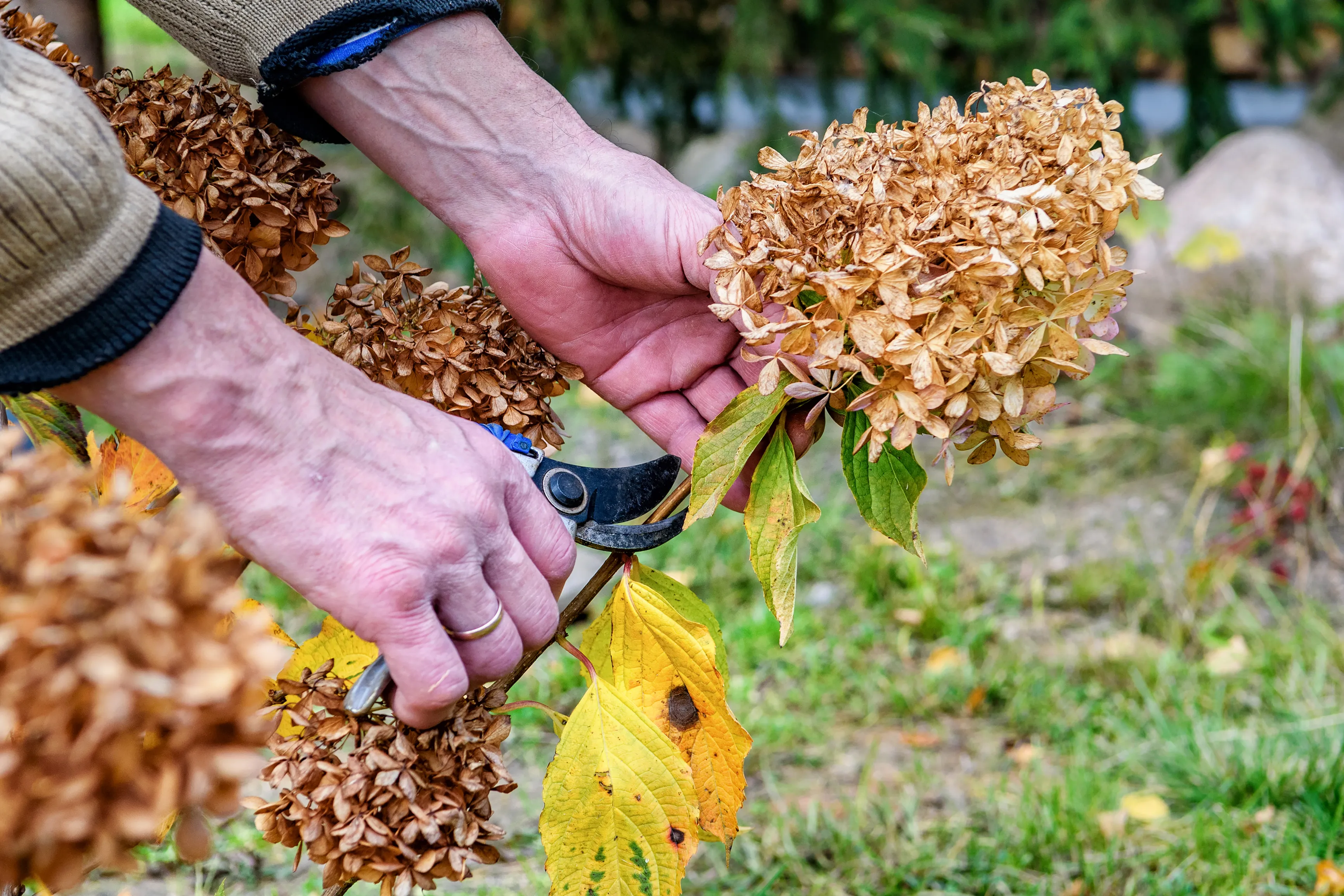
- Late winter or early spring: stick to dead wood removal only. Cut dead stems back to healthy wood, or all the way to the base.
- Anytime: remove broken branches or storm damage promptly by cutting back to a healthy junction.
A gentle cleanup step-by-step
- Look first, snip second. Stand back and identify dead, crossing, or obviously damaged stems.
- Remove dead wood. Cut it back to green, living tissue or to the ground.
- Thin only if airflow is truly poor. If the center is crowded, remove one or two of the oldest stems at the base rather than shortening everything.
- Stop while it still looks like itself. Oakleaf hydrangea has a naturally layered shape. Your job is to preserve it, not redesign it.
Leave the spent flower heads? I often do. The dried cones look lovely with frost and they help you remember where buds are likely to be. If you want a tidier look, you can snip off old flower heads, but keep the cut shallow and avoid removing stem length that may carry buds.
Planting and spacing
Give oakleaf hydrangea room. When it is squeezed into a tight foundation bed, it quickly becomes a pruning problem, and pruning is the fastest way to lose blooms on an old-wood shrub.
- Spacing: plan for the mature width of your variety, not the cute nursery pot size
- Airflow: avoid wedging it between dense evergreens where leaves stay wet longer
- Root competition: it can handle tree roots better than many shrubs, but it will need extra water the first couple of years
My favorite placement is on the bright edge of a woodland, where it can glow in morning light, then relax in afternoon shade. It feels like where it belongs, because it is.
Fertilizer and mulch
If your oakleaf hydrangea is in decent soil with an annual compost top-dress, you may not need fertilizer at all. Too much feeding can lead to floppy growth.
My low-stress routine
- In spring, spread a thin layer of compost under the shrub, out to the drip line if possible.
- Refresh mulch to keep a 2 to 3 inch blanket, pulling it back an inch from the stems. No mulch volcanoes.
- If growth is weak or leaves are pale, use a slow-release, balanced fertilizer in spring only, following label rates.
Common issues
Leaves turning brown at the edges
This is usually sun and drought stress, especially in hot afternoon exposure. Increase mulch, water deeply during dry spells, and consider giving it more shade if it is in a harsh spot.
Not blooming
- Pruned at the wrong time: hard pruning in fall, winter, or spring removes old-wood buds.
- Too much shade: the plant is healthy but not getting enough light to set lots of flowers.
- Winter damage: cold snaps can kill budded stem tips in exposed sites.
Floppy stems
Flopping can happen with rich soil, heavy nitrogen, or too much shade. Avoid high-nitrogen fertilizers, give brighter light, and consider thinning a couple of older stems at the base to encourage sturdier new growth.
Powdery mildew or leaf spot
In humid shade, you may see a bit of mildew or spotting, especially where air is still. The calm fix is cultural: give it space, thin a stem or two at the base if it is packed tight, and avoid overhead watering late in the day.
Deer browsing
Oakleaf hydrangea is not deer-proof. In areas with heavy pressure, new growth and flower buds can get nipped. If deer are regular visitors, you may need repellents, fencing, or a more protected planting spot.
Quick care checklist
- Hardiness: usually zones 5 to 9 (cultivar dependent)
- Light: morning sun and afternoon shade, or bright dappled shade
- Soil: humus-rich, well-draining, consistently moist; slightly acidic to neutral is ideal
- Water: deep soak during dry spells, especially while establishing
- Mulch: 2 to 3 inches, refreshed as it breaks down and kept off the stems
- Pruning: dead wood anytime, minimal shaping soon after flowering only if needed
- Best features: summer blooms, exfoliating bark in winter, standout fall color
FAQ
Does oakleaf hydrangea grow in full shade?
Yes, it can grow in full shade, especially in bright woodland shade. Expect fewer blooms and a looser shape. If you can give it even a little morning sun, it will usually flower more reliably.
Should I cut oakleaf hydrangea back in fall?
Skip fall pruning. Because it primarily blooms on old wood, fall cuts often remove next year’s buds. Save pruning for dead wood removal, and do any minimal shaping soon after flowering if you truly need it.
Do the flower heads need to be removed?
No. Leaving them adds winter texture. If you want to remove them for a neater look, snip lightly and avoid cutting back stem length that may carry buds.
Why is my oakleaf hydrangea not turning red in fall?
Deep shade, summer drought, or early stress can dull color or cause leaves to drop early. Brighter shade, consistent summer moisture, and a healthy mulch layer usually improve the fall show over time.