
Morning Glory Care

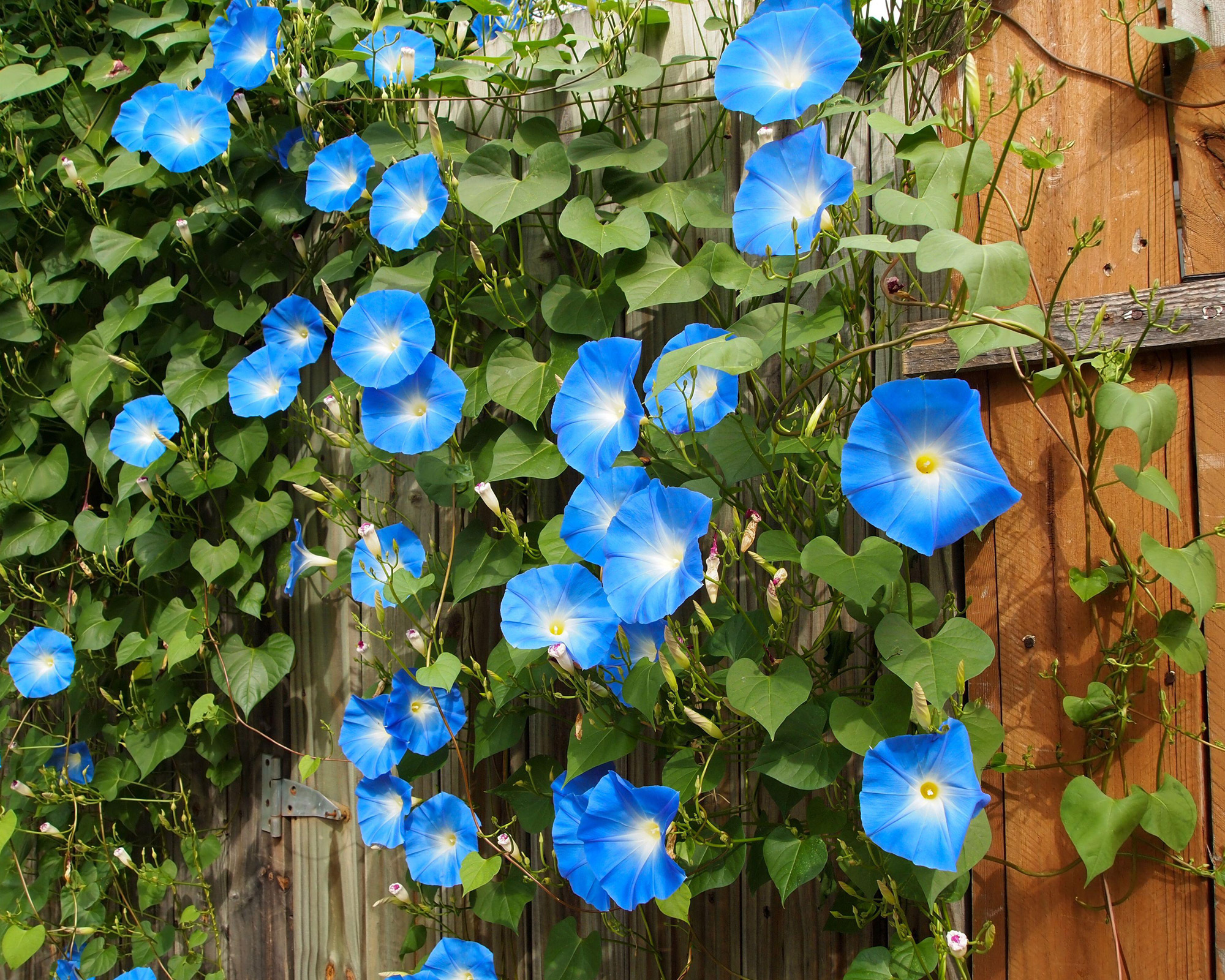
Morning glories are the kind of plant that can make you feel like a gardening wizard. One minute you have a bare trellis, the next you have a living curtain of heart-shaped leaves and bright, trumpet blooms that open with the morning light.
They are also famously enthusiastic. If you love them, you can absolutely grow them on purpose and keep them where you want them. This guide walks you through seeds to flowers, plus the real-world tactics for controlling spread and the key differences between ornamental morning glory and invasive bindweed.
Quick safety note before we talk seeds: Morning glory seeds are toxic if swallowed for people and pets. Keep seed packets, soaking bowls, and saved seed jars out of reach of kids and animals, and wash hands after handling.
Local rules matter, too: In some regions, certain Ipomoea species are listed as noxious or restricted weeds (for example, some listings in parts of the Southwest). If you are unsure, check your local extension office or noxious weed list before planting.

Morning glory basics
What plant are we talking about?
Most gardeners mean common morning glory (Ipomoea purpurea) or similar ornamental Ipomoea species when they say “morning glory.” These are usually grown as annual vines in many climates, even though some types can behave as perennials in frost-free regions.
- Growth habit: Fast twining vine that wraps around supports
- Sun needs: Full sun is best for flowering
- Bloom habit: Flowers open in the morning, often closing by afternoon heat
- Common colors: Blue, purple, pink, white, and bicolors
How big do they get?
Give them warmth, sun, and a place to climb and many varieties can reach 6 to 12 feet in a single season, sometimes more in long summers. They look delicate, but the vines have opinions. Plan your support before they take over your patio chair.
Seed prep
Scarify and soak for faster sprouting
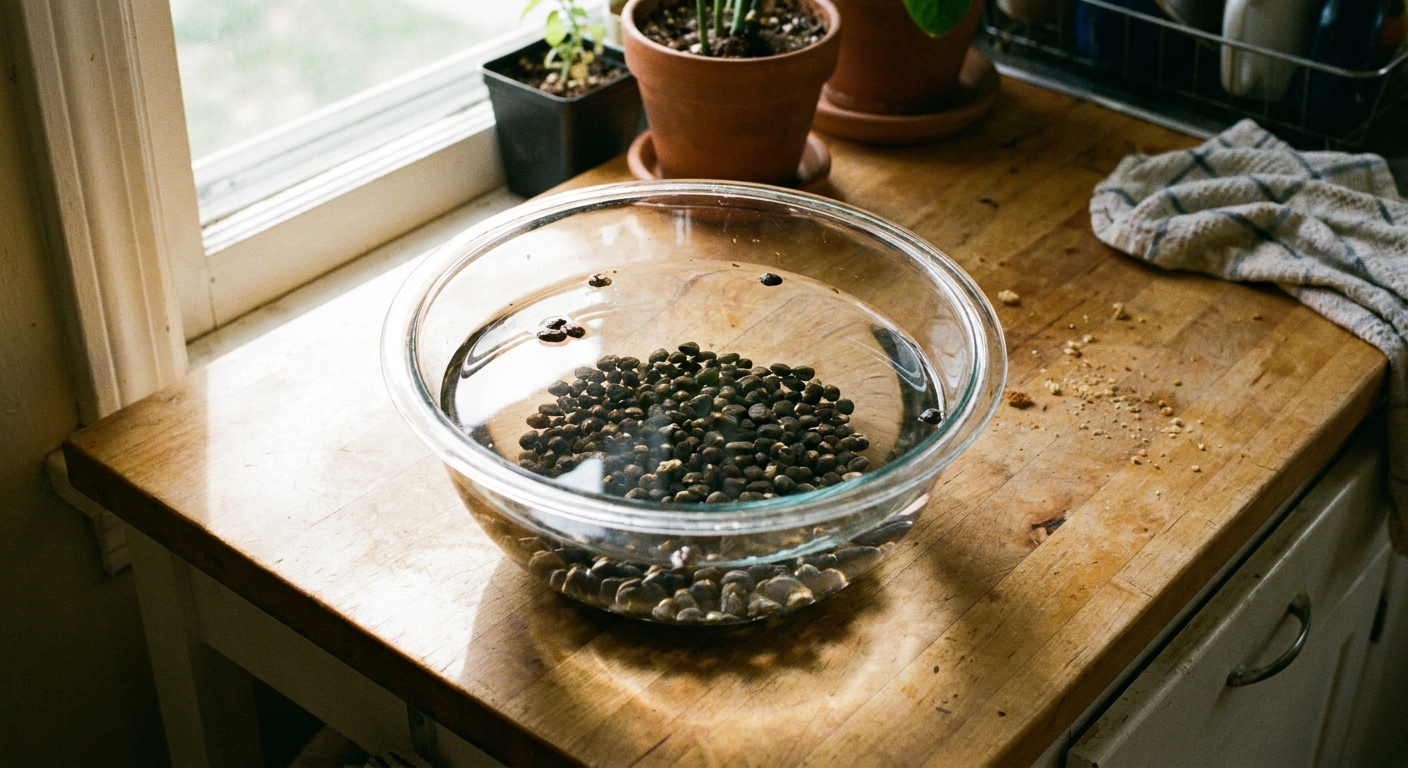
Morning glory seeds have a hard coat. In nature, weather and time handle that. In a garden, you can speed things up with a tiny bit of prep.
Safety reminder: Because the seeds are toxic if ingested, do your seed prep away from food prep areas, label any soaking bowls, and dump soaking water down the drain right away. Keep everything out of reach of kids and pets.
Option 1: Scarify (my favorite method)
- Nick the seed coat with a nail file or sandpaper. You are not trying to crush the seed, just rough up one spot until you see a lighter inner layer.
- Soak in room-temperature water for 8 to 12 hours.
- Plant immediately after soaking.
Option 2: Soak only (simpler, still works)
If scarifying feels fussy, soak the seeds overnight and plant them the next day. Germination may be a bit slower or less even, but it is often good enough.
Tip from my own seed-starting chaos: If seeds are still rock-hard after soaking, scarify a few and try again. Sometimes that coat is truly determined.
When and where to plant
Timing
Morning glories love warm soil. Plant outdoors after your last frost when nights are reliably mild and the soil has warmed. In cool-summer areas, planting too early can mean slow starts and later blooms.
Direct sow vs. starting indoors
- Direct sowing: Easiest and often best because morning glories can dislike root disturbance.
- Starting indoors: Possible 3 to 4 weeks before last frost if you use biodegradable pots or are very gentle at transplant time.
Site selection
- Sun: Aim for 6 to 8 hours of direct sun for best flowering.
- Soil: Average, well-draining soil. Overly rich soil can produce lots of leaves and fewer flowers.
- Airflow: Helpful for reducing powdery mildew in humid climates.
Planting depth and spacing
Plant seeds about 1/4 to 1/2 inch deep. Space seeds 6 to 12 inches apart along a trellis line. You can thin later if needed.
One more practical note: If morning glories (or certain Ipomoea species) are considered invasive or restricted where you live, choose a different vine, or grow only in containers and commit to strict seed control.
Trellising and training
Set them up early
The key to a happy morning glory that does not eat your gutters is a support system that is ready on day one. Once vines start twining, they will grab whatever is closest. Including your tomato cage. Or your hose.
Best supports
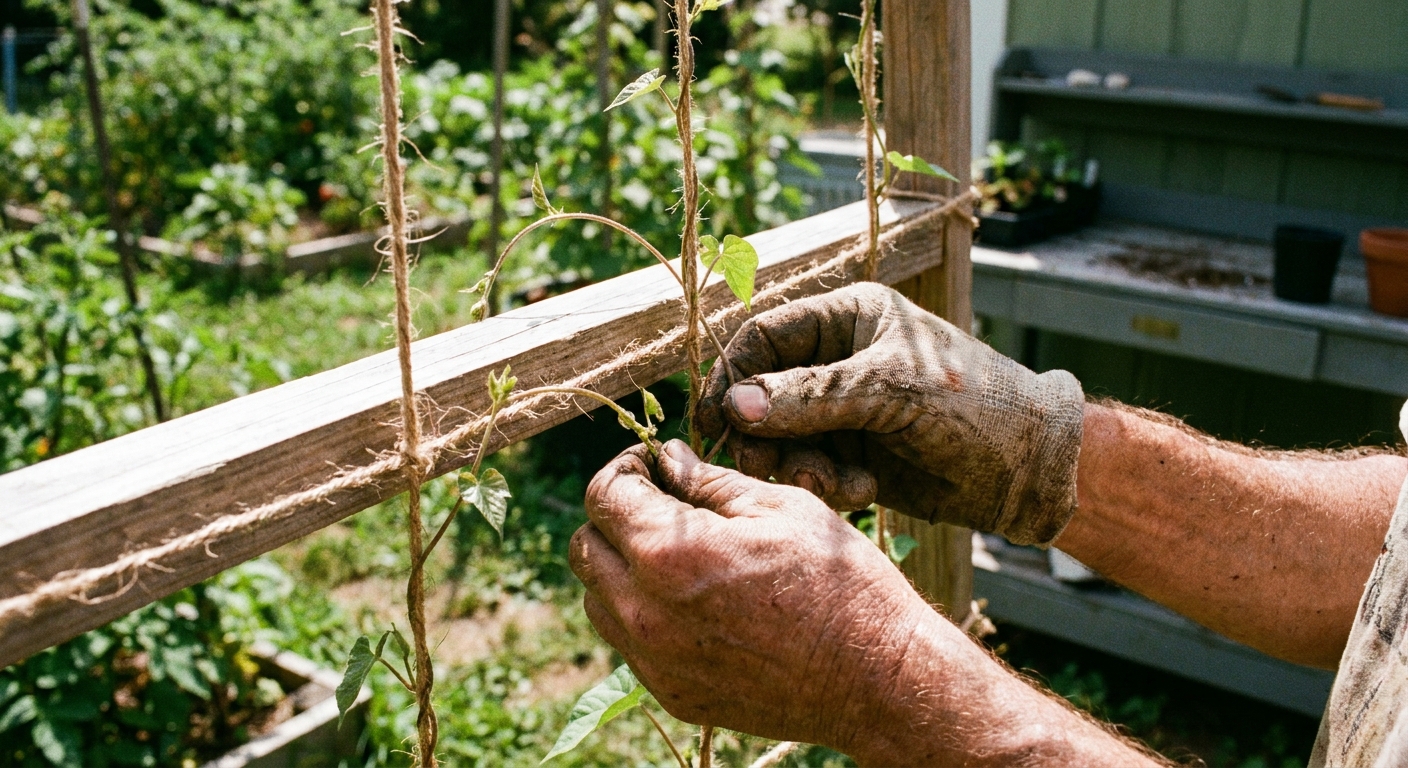
- Strings or twine: Classic and effective. Run multiple vertical lines from a top bar.
- Wire panel or garden fence: Great for quick coverage.
- Obelisk or teepee: Perfect for beds and large containers.
- Balcony railing with netting: A lovely privacy screen option.
How to train vines (without breaking them)
- Guide young vines to the support when they are 4 to 8 inches long.
- Wrap gently in the direction the vine is already twining. Do not force it to go the opposite way.
- Use soft ties only if needed. Most morning glories will twine on their own once they find the structure.
- Check weekly and redirect “explorer” stems back to the trellis.
Water, feeding, and soil
Watering
Water consistently while seedlings are establishing, then shift to a steadier rhythm. Morning glories tolerate short dry spells once rooted, but irregular watering can reduce flowering and make vines look tired.
- In-ground: Deep water when the top inch or two is dry.
- Containers: Expect to water more often, sometimes daily during hot spells.
Fertilizer: go easy
If you feed morning glories like hungry tomatoes, you may get a jungle of leaves and fewer flowers. If your soil is reasonably decent, you can often skip fertilizer entirely.
- If plants look pale or stunted: Use a light application of a balanced organic fertilizer, or choose one with lower nitrogen.
- Avoid: High-nitrogen lawn-type fertilizers near the planting area.
Mulch and soil health
A thin layer of mulch helps keep moisture steady and supports soil life. Keep mulch a little back from the base of stems to discourage rot.
Bloom timing
How to encourage more flowers
Morning glories usually begin blooming in mid to late summer, depending on variety, your heat, and how early they got going. In many gardens, blooms pick up as days shorten.
For more blooms
- Give full sun. Morning shade plus afternoon shade often means fewer flowers.
- Do not overfeed. Too much nitrogen is the classic leaf-heavy culprit.
- Keep vines on a support. Tangled vines can shade themselves and reduce flowering.
- Water consistently. Stress can delay or reduce blooming.
Why flowers open and close
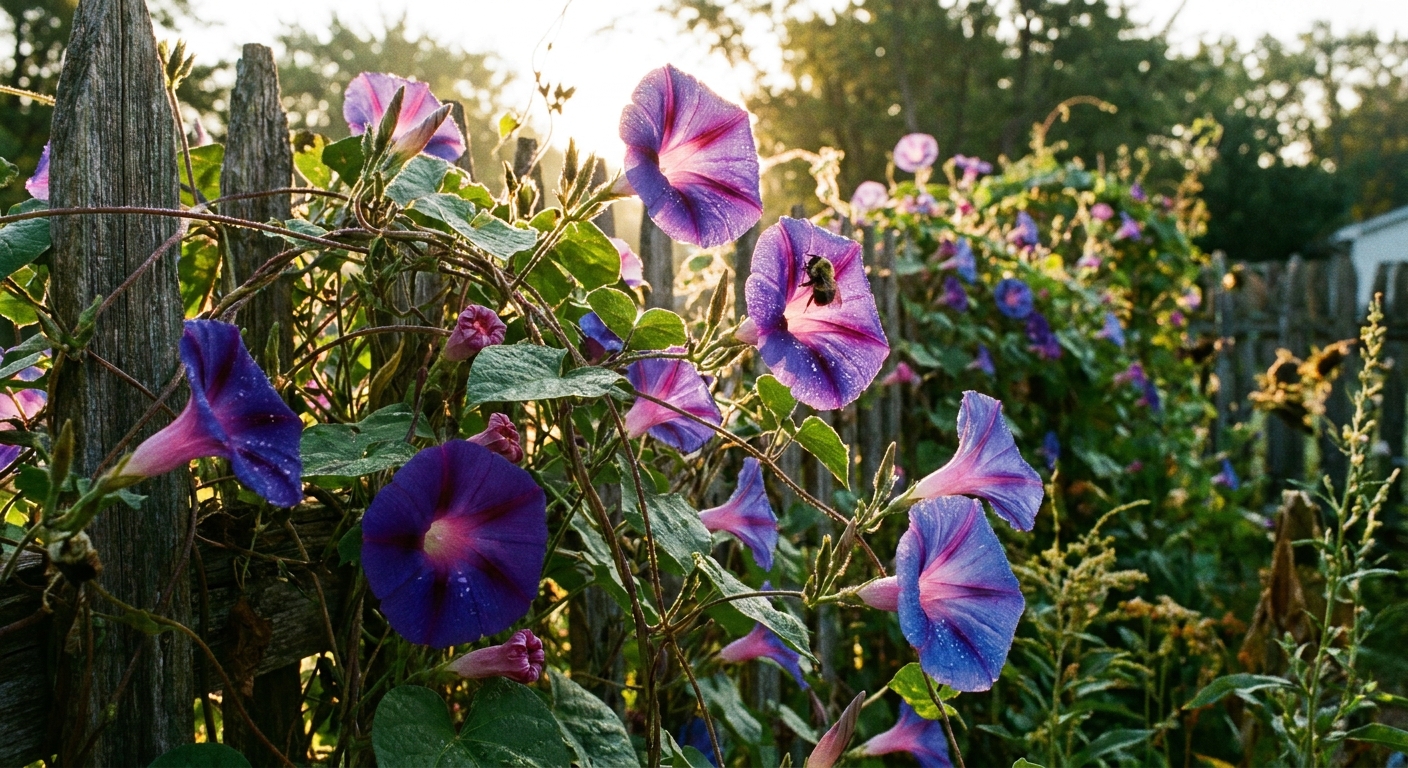
Morning glory blooms are made for the morning shift. They open early, then close as heat and sun intensify. If you want to enjoy them, grab your coffee and step outside early. It is one of the sweetest rituals in the garden.
Deadheading and seed control
The part nobody tells you about
Morning glories are generous seed-makers. If you let seed pods mature, you will likely find surprise seedlings next year. Sometimes that is charming. Sometimes it is a full-time job.
Also: This is where the toxicity issue matters most. Treat saved seed like you would treat any toxic garden product. Label it clearly and store it somewhere locked or out of reach.
How morning glories reseed
After flowering, the plant forms a small green pod that dries to brown. Inside are hard black seeds that can drop and overwinter. In warm areas, they may act almost perennial from reseeding alone.
How to deadhead to reduce seed drop
- Snip spent blooms before pods fully form, or remove pods while they are still green.
- Check vines every few days during peak bloom. Pods can hide under leaves.
- Bag and discard pods if you are trying to prevent spread. Compost only if your compost gets truly hot and you are confident seeds will not survive.
Want to save seed intentionally?
Let a few pods mature fully on the vine, then harvest when dry and papery. Store seeds cool and dry, labeled by variety. Morning glories cross-pollinate easily, so saved seed can be a fun surprise.
If you have kids or pets: Consider skipping seed saving and deadheading aggressively instead, or grow the vine where fallen seed is easy to spot and remove.
Controlling spread
Practical strategies
You do not have to fear morning glories, but you should give them boundaries. Think of them like a friendly dog that needs a fence.
Best ways to keep them contained
- Grow in containers: A large pot with a trellis is an easy way to limit wandering roots and keep seedlings easier to spot.
- Deadhead regularly: This is the biggest lever for reducing reseeding.
- Do a late-season pod sweep: Before frost or cleanup day, take 10 minutes to remove hidden pods.
- Pull seedlings early: Seedlings are easiest to remove when small and the soil is moist.
- Avoid letting vines reach neighboring beds: Train back to the trellis weekly so they do not layer over shrubs or perennials.
If they reseed anyway
Do not beat yourself up. Morning glories have been doing this long before any of us started gardening. Pull extras while tiny, or transplant a few to where you actually want coverage.
Morning glory vs. bindweed
How to tell the difference
This is important because people often call both plants “morning glory,” but they behave very differently.
Ornamental morning glory
- Genus: Usually Ipomoea (like I. purpurea)
- Flowers: Often larger and showier in blues, purples, pinks, and bicolors
- Leaves: Heart-shaped, sometimes broader
- Behavior: Vigorous vine, commonly reseeds, usually not a deep-rooted perennial in cold-winter climates
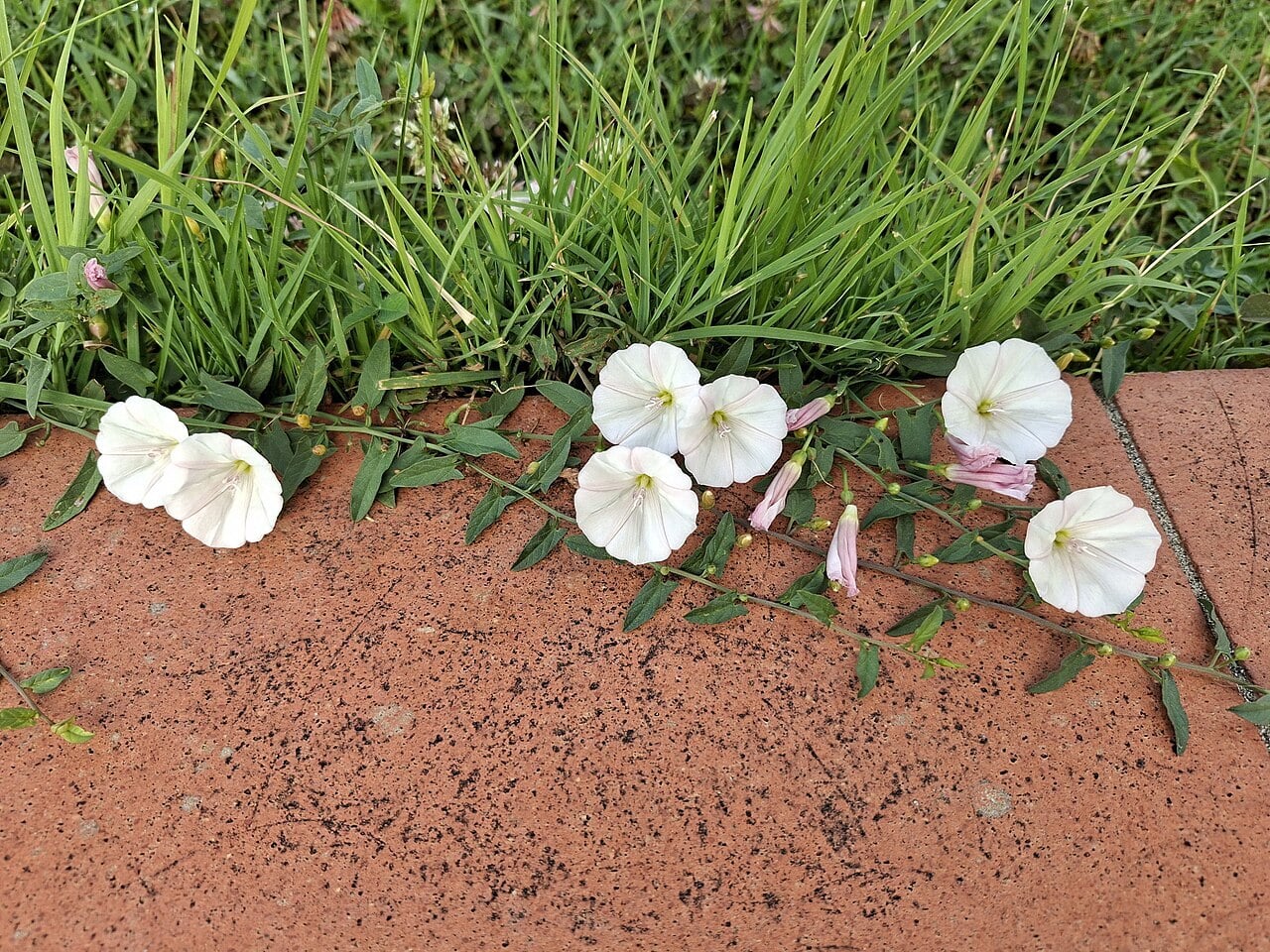
Bindweed
- Common names: Field bindweed, hedge bindweed
- Genus: Convolvulus or Calystegia depending on species
- Flowers: Typically smaller, often white to pale pink, more uniform
- Leaves: More arrow-shaped with pointed lobes at the base
- Roots: Deep, persistent perennial root system that resprouts after pulling
- Behavior: Can be truly invasive and difficult to eradicate once established
Quick gut-check: If you pull a “morning glory” and it snaps off, then returns from the same spot again and again, you may be dealing with bindweed rather than an annual ornamental vine.
Common problems
Lots of leaves, no flowers
- Cause: Too much nitrogen, not enough sun, or plants are still young
- Fix: Increase sun if possible, stop feeding high-nitrogen fertilizer, and be patient into mid or late summer
Powdery mildew
- Cause: Humid weather plus poor airflow
- Fix: Thin overcrowded vines, water at soil level, and avoid wetting leaves late in the day
Aphids or spider mites
- Fix: Blast off with water in the morning, encourage beneficial insects, and use insecticidal soap if pressure is heavy
Vines choking other plants
- Fix: Gently unwind and redirect, then prune back the worst tangles. Morning glories respond well to a little haircut.
End-of-season cleanup
At season’s end, morning glories usually come down easily. The one thing I want you to do before you rip everything out is a quick seed-pod check.
- Cut vines down from the top of the trellis.
- Collect and discard any dry pods if you are trying to limit reseeding.
- Compost vines if they are disease-free, but keep seed pods out of the compost unless you are sure seeds will not survive.
- Mulch or cover the bed to reduce volunteer seedlings in spring.
Care checklist
- Sun: Full sun for best blooms
- Seed prep: Scarify and soak for faster germination
- Support: Install trellis at planting time
- Water: Consistent moisture, especially in containers
- Fertilizer: Light or none, avoid high nitrogen
- Control: Deadhead and remove seed pods to prevent reseeding
- Look-alike watch: Bindweed is a different plant with persistent roots and invasive habits
- Safety: Seeds are toxic if ingested. Store and handle them accordingly.
- Local rules: Check local restrictions before planting Ipomoea.
If you want, tell me your growing zone and what you want the vine to cover (fence, arch, balcony railing), and I will help you choose a trellis setup that looks lush without turning into a vine pileup.