
Monstera Peru Care Indoors

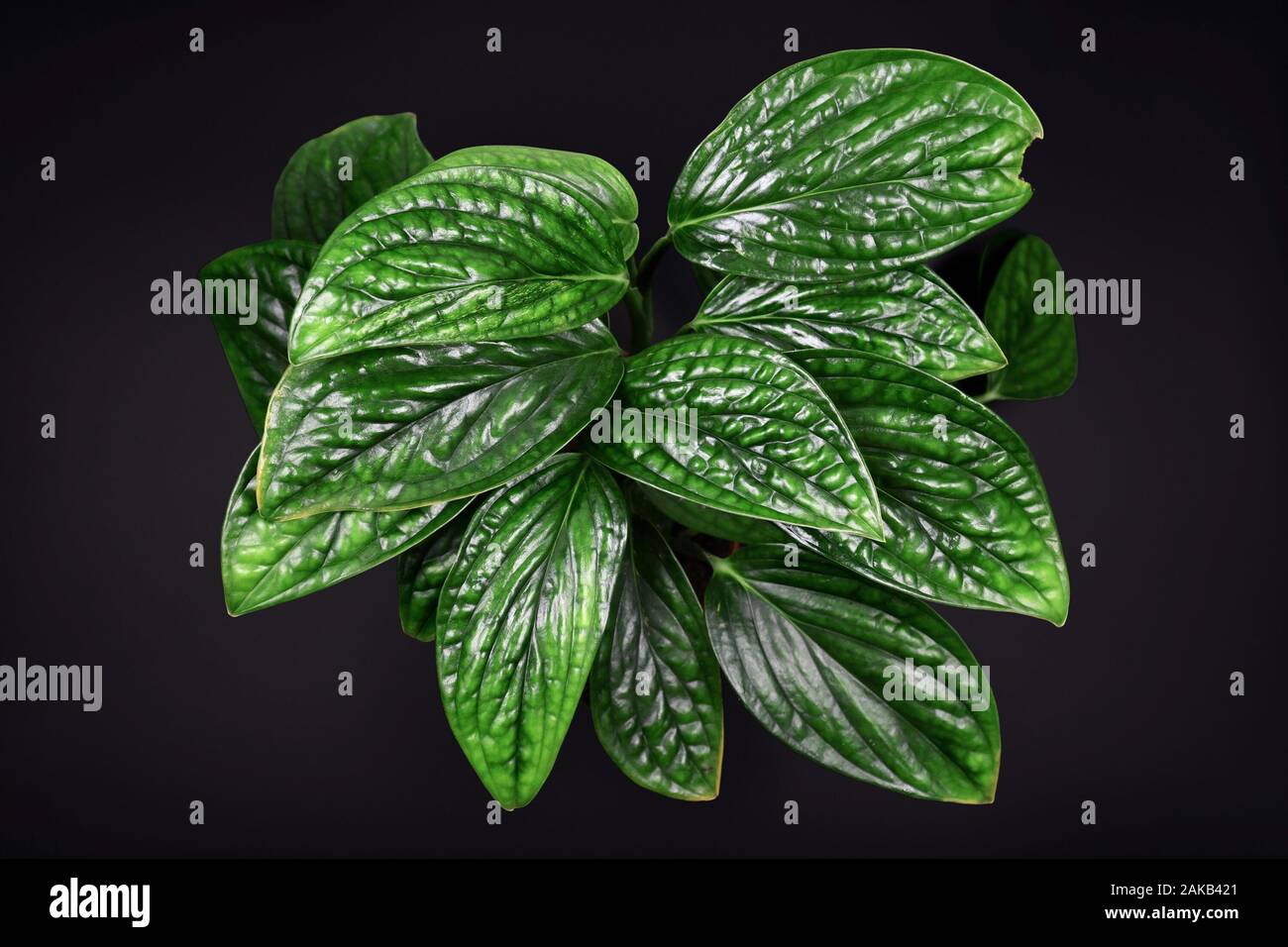
Monstera ‘Peru’ is one of those plants that looks like it has been quietly carved out of green leather. Thick, puckered leaves. A glossy, quilted texture. And a growth habit that surprises people the first time they try to “stake it up” like a fast-moving Monstera deliciosa.
Rather than racing into long, swinging stems and dramatic fenestrations, Monstera ‘Peru’ tends to stay tighter at the nodes and climb steadily. Give it the right support and it can take on a compact, board-trained look that makes plant people lean in for a closer peek.

Naming confusion (what you are buying)
Let’s clear up the plant label chaos, because this one gets messy in nursery tags and online listings.
- Most common name in the hobby: Monstera ‘Peru’
- Common label in the houseplant trade: Monstera karstenianum
- Reality check: “Monstera ‘Peru’” is widely treated as a trade or collector name, and M. karstenianum is frequently used in commerce. Depending on the authority, Monstera karstenianum may be listed as unaccepted, unresolved, or otherwise not a clean, universally accepted botanical name.
- If you want the most current status: check a reputable database like Kew’s Plants of the World Online (POWO) or Tropicos. Names move around, and nursery tags do not always keep up.
- Not the same as: Monstera adansonii (thin leaves with holes), Monstera deliciosa (large leaves that fenestrate as they mature), or Monstera dubia (a true shingler that hugs surfaces and changes dramatically as it matures).
If your plant has sturdy, thick leaves with deep puckering and it prefers to climb with short spacing between nodes, you are in the right place.
How it grows
Growth habit: climber first
Monstera ‘Peru’ is happiest when it can climb upward. Without support, it will sprawl and look a bit awkward over time, with heavier stems that can crease or flop. With support, the plant stays more compact and the leaves often size up gradually.
A quick clarification, because this gets mixed up online: Monstera ‘Peru’ is not usually a true shingling species in the way M. dubia is. It can, however, look tighter and more “shingle-like” when trained flat to a board or a pole, especially when the internodes stay short.
Leaves: thick, textured, not in a hurry
Compared with common beginner Monsteras:
- Monstera deliciosa: can grow quickly in bright indoor light, develops large leaves, and fenestrates with maturity and strong conditions. It can become a room-dominating beast.
- Monstera adansonii: climbs readily but often looks viney; fenestrations appear earlier; leaves are thinner and can dry faster if you miss a watering.
- Monstera ‘Peru’: grows at a steadier pace, keeps thicker, more succulent-like leaves, and typically does not rush into dramatic holes indoors. Its charm is texture and structure, not big Swiss-cheese theatrics.
Think of ‘Peru’ as the “slow, sturdy climber” in the Monstera orbit. Not fussy, just specific about support and watering rhythm.
Light
Give Monstera ‘Peru’ bright indirect light for best growth and leaf size. A few feet back from an east or south window (with a sheer curtain if sun is intense) is a sweet spot in many homes.
- Too little light: slower growth, longer spacing between leaves, and a more stretched, floppy look.
- Too much direct sun: faded patches or crispy edges, especially behind hot glass in summer.
If you are unsure, watch the leaves. Healthy ‘Peru’ leaves look firm and glossy. When light is right, new leaves emerge with that satisfying, tight, clean texture.
Support
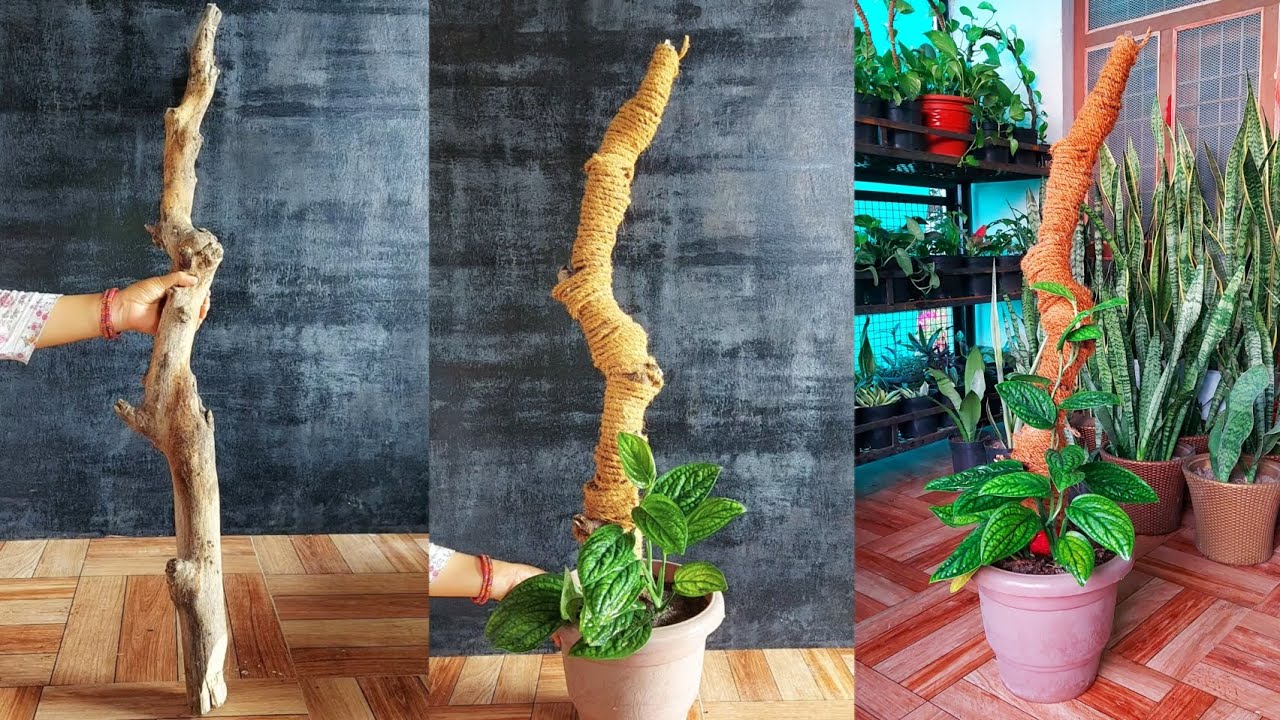
This is the make-or-break piece for that signature climbing look. Monstera ‘Peru’ will attach with aerial roots, but it needs something it can actually grip.
Best options
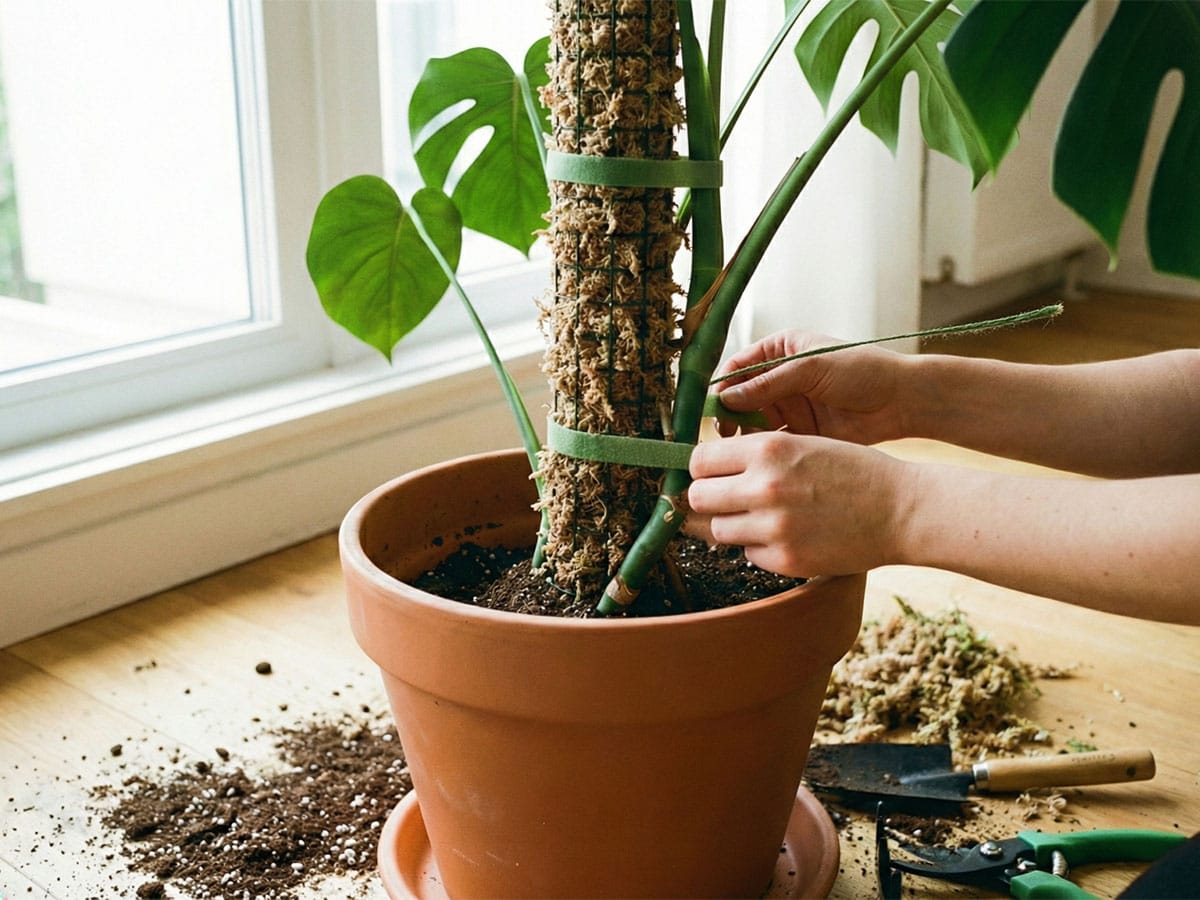
- Moss pole: Great for encouraging aerial roots to dig in. Keep the pole surface lightly moist if you want the plant to truly anchor and size up, but do not keep the potting mix constantly wet just to keep the pole damp.
- Wooden plank or coco board: Perfect if you like a cleaner, less wet setup. Tie the vine gently as it grows. Aerial roots may still attach, just more slowly.
- Trellis: Works for guiding shape, but the plant may not cling as naturally unless there is a surface for roots to press into.
How to train it
- Place support in the pot at repotting time if possible, to avoid damaging roots later.
- Use soft ties or Velcro plant tape to secure the stem loosely.
- Position the plant so the nodes and aerial roots face the support.
- Adjust ties every few weeks as it climbs. Do not cinch tight, the stem thickens.
If your ‘Peru’ is already sprawling, you can absolutely redirect it. I do this all the time with a patient hand and a little pep talk. The plant does not hold grudges.
Watering
Monstera ‘Peru’s leaves store more water than deliciosa or adansonii. That means it is more tolerant of being slightly dry than of being constantly soggy.
My simple indoor rule
- Water when the top 2 to 3 inches of soil feel dry, or roughly the top one-third of the pot for smaller pots. Then water thoroughly until excess drains out.
- Empty the saucer. Standing water is an invitation for root rot.
Signs you are watering too much
- Yellowing leaves that feel soft
- A musty smell in the potting mix
- Stems that seem to “give” near the soil line
Signs you are watering too little
- Leaves losing some firmness
- Curling edges or slow, stalled growth
- Potting mix pulling away from the pot edges
Season matters. In winter, most homes need less frequent watering. In bright summer light, you may water more often.
Humidity and temp
Monstera ‘Peru’ will do fine in typical indoor conditions, but it looks its best when humidity is not bone-dry.
- Practical humidity target: around 50 to 70% if you can manage it
- Usually tolerates: 35 to 45% with careful watering and decent light
- Temperature sweet spot: 65 to 85°F (18 to 29°C)
If your air is dry, a humidifier nearby helps more than misting. Misting is temporary and can sometimes invite spotting if air circulation is poor.
Soil and pot
For Monstera ‘Peru’, you want a mix that holds moisture for a bit, but still breathes. Aroid roots like oxygen as much as they like water.
Easy soil mix
- 2 parts quality potting mix
- 1 part orchid bark
- 1 part perlite or pumice
- Optional: a small handful of worm castings for gentle nutrition
Choose a pot with drainage holes. If you like cachepots, keep the plant in a nursery pot inside the decorative one so you can drain properly.
Repotting
Monstera ‘Peru’ does not need constant repotting. It prefers steady roots and an airy mix.
- When to repot: when roots are circling the pot, coming out of drainage holes, watering suddenly becomes tricky (either drying too fast or staying wet too long), or the plant feels top-heavy on its support.
- Best time: spring through early summer, when growth is naturally stronger.
- Pot size: go up one size, usually 1 to 2 inches wider. Oversizing is a classic way to end up with soggy soil and unhappy roots.
Fertilizing
During spring and summer, feed Monstera ‘Peru’ lightly. You are aiming for consistent, healthy growth, not a fertilizer sprint.
- Frequency: every 4 to 6 weeks in the growing season
- What to use: a balanced houseplant fertilizer at half strength, or an organic option like fish emulsion diluted well
- In winter: pause or reduce significantly if growth slows
If your plant is putting out smaller leaves than before, check light and support first, then look at nutrition.
Pruning and shaping
If you want a fuller plant, pruning is your friend. It is also the easiest way to fix leggy growth.
- Where to cut: just above a node if you want the plant to branch and push new growth from below.
- What to do with the cutting: propagate it. This plant is generous that way.
- If it is getting lanky: increase light, add or improve support, then cut back the stretched sections and re-train the new growth upward.
Propagation
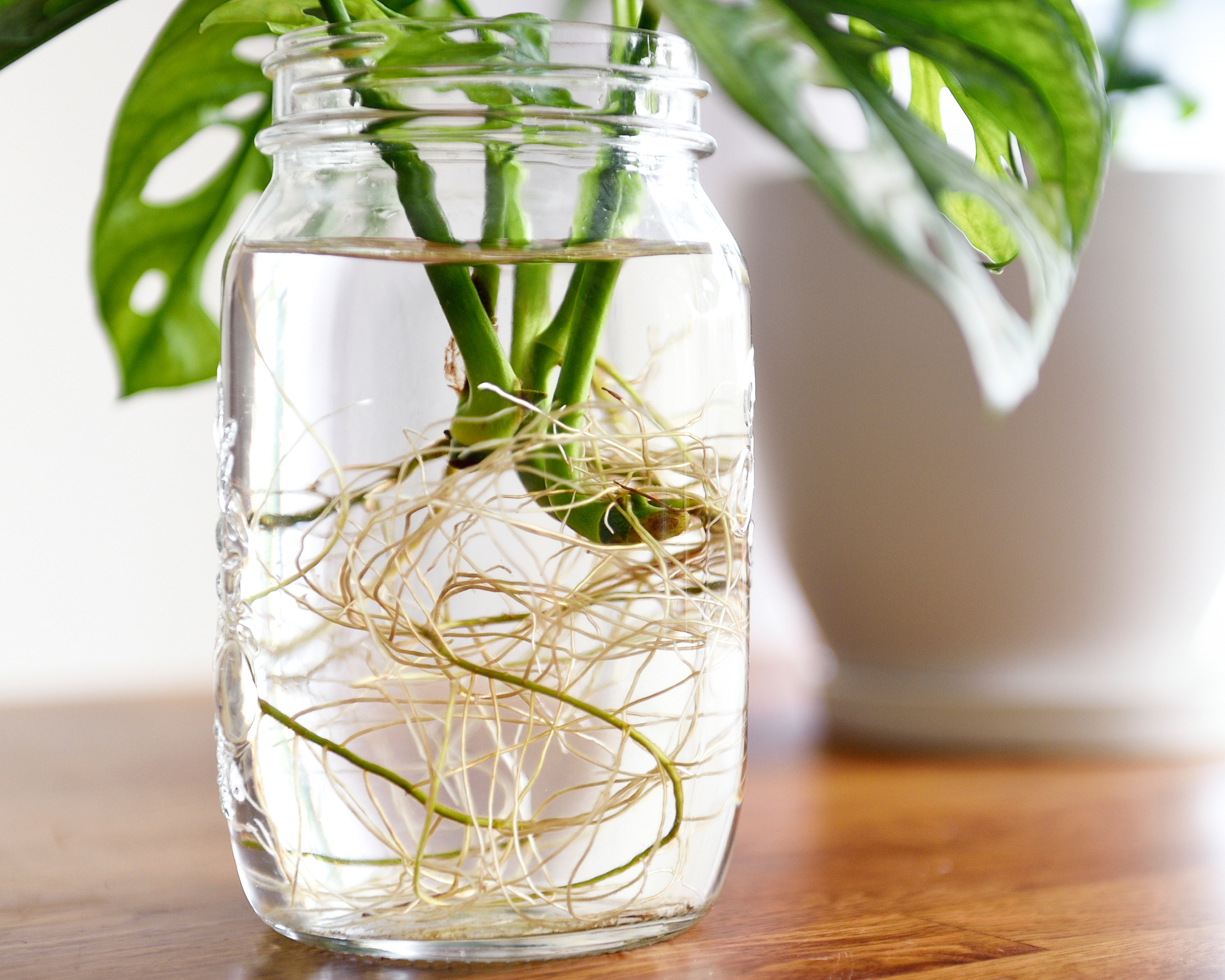
Monstera ‘Peru’ propagates most reliably from stem cuttings with at least one node. A leaf alone will not grow a new plant.
Step by step
- Pick a cutting: Look for a healthy section with 1 to 2 leaves and a visible node. Aerial roots are a bonus, not a requirement.
- Make a clean cut: Use sterilized scissors or pruners. Cut just below a node.
- Choose your rooting method:
- Water: Easy to monitor. Change water weekly and keep the node submerged, not the whole stem.
- Sphagnum moss: Great for thicker aroid cuttings. Keep evenly damp, not dripping.
- Soil: Works well if you keep it lightly moist and warm.
- Wait for roots: When roots are several inches long and you see new growth, pot up into an airy aroid mix.
Propagation is slow sometimes, especially in low light or cool weather. Warmth and bright indirect light make a big difference.
Common problems
Yellow leaves
Most often overwatering or a heavy soil mix. Let the mix dry more between waterings and consider repotting into a chunkier aroid blend.
Brown, crispy edges
Often low humidity, inconsistent watering, or too much direct sun. Move it back from harsh light and aim for a steadier moisture rhythm.
No growth for months
Check light first. Then check root health and temperature. ‘Peru’ is not a speed demon indoors, and it slows down in low-light seasons. That is normal, but it should still look firm and healthy.
Pests
Watch for spider mites and mealybugs, especially in dry air.
- Spider mites: fine webbing, dusty-looking leaves, tiny speckling
- Mealybugs: cottony clusters in leaf joints and along stems
- What to do: isolate the plant, wipe leaves, then treat early with insecticidal soap or horticultural oil, following label instructions.
Toxicity
Like many aroids, Monstera ‘Peru’ contains calcium oxalate crystals and is considered toxic if chewed. Keep it out of reach of pets and small children, and wash hands after pruning if you have sensitive skin.
Quick checklist
- Light: bright, indirect
- Water: when top 2 to 3 inches are dry, or top one-third of the pot
- Humidity: average is fine, higher is better
- Soil: airy aroid mix with bark and perlite
- Support: moss pole, plank, or coco board for best form
- Propagation: stem cutting with a node
If you remember just one thing: give Monstera ‘Peru’ something to climb. That support turns it from a quirky, sprawly houseplant into a tidy little jungle sculpture.