
Miltonia and Miltoniopsis Orchid Care

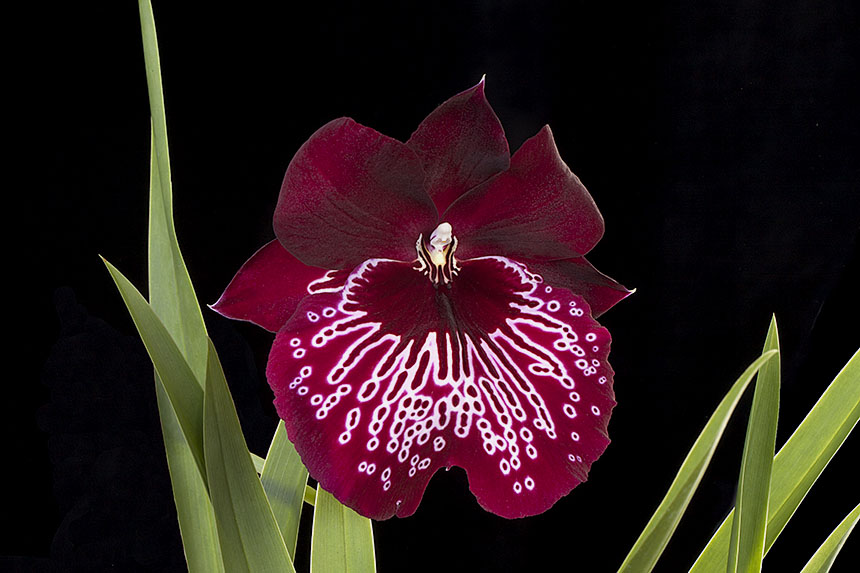
Miltonias and Miltoniopsis are the orchids that make people stop mid-aisle at the nursery. They have that soft, pansy-like face, a sweet look that feels almost painted. They also have a reputation: “fussy.” I get it. But most beginner struggles come down to one mix-up and two habits.
The mix-up is confusing Miltonia with Miltoniopsis. The two names are close, but their comfort zones are not identical. The habits are letting them dry too hard, and keeping them in stale, soggy media.
If you can give them cool-intermediate temperatures, bright filtered light, and even moisture with airflow, you are already most of the way to blooms. Just remember: individual hybrids vary, and you can often “read” what your plant prefers by watching how it grows.

Miltonia vs Miltoniopsis
Let’s clear the naming fog first, because it directly affects how you water and where you place the plant. Also, many plants in this group are Oncidium-alliance hybrids, so treat the label as your starting point and adjust from there.
Miltoniopsis (the true pansy orchid)
- Preferred temperatures: cool-intermediate
- Moisture needs: more consistent moisture, dislikes drying out completely
- Look: broad, often slightly pleated leaves; flowers look like pansies
- Common beginner issue: accordion or pleated leaves from inconsistent watering and low humidity
Miltonia (often called “Brazilian Miltonia” in the trade)
- Preferred temperatures: intermediate to warm-intermediate, depending on parentage
- Moisture needs: still likes regular watering, but often tolerates a bit more warmth
- Look: some types have more starry, spidery flowers; many are hybrids
- Common beginner issue: kept too cool and too wet, which invites spotting and root problems
Quick ID tip: Miltoniopsis is usually marketed as a “pansy orchid.” Miltonia is often marketed as “Brazilian.” If your tag includes other names (Oncidium, Aliceara, etc.), use this guide as a baseline and fine-tune based on temperature tolerance and dry-down speed.
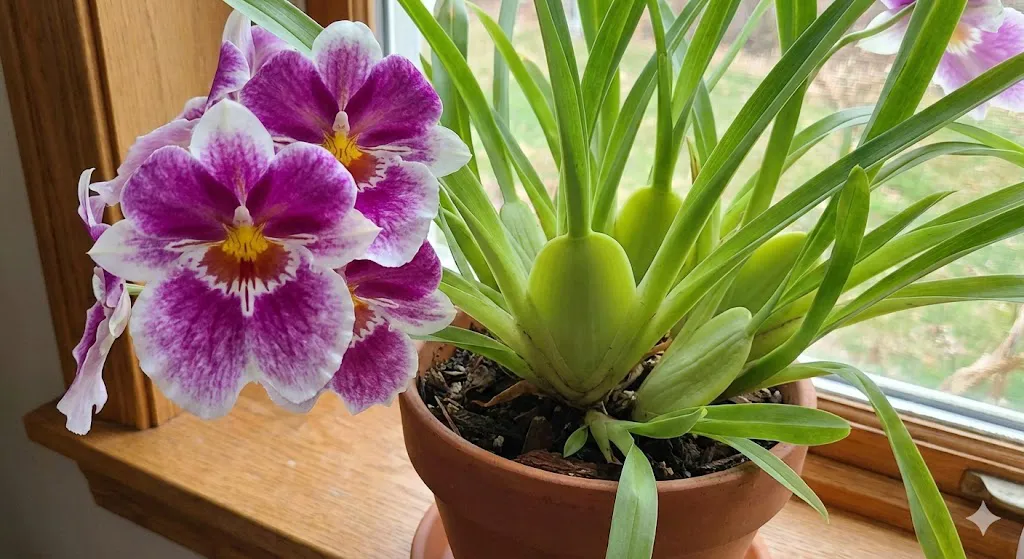
Quick care checklist
- Light: bright, filtered, no hot midday sun
- Temperature: cool-intermediate for Miltoniopsis, intermediate for many Miltonia (hybrid-dependent)
- Humidity: 50 to 70 percent with gentle airflow
- Watering: water when media is nearing dry, do not let it stay bone dry for long
- Pot and media: airy mix, small pot, repot before media breaks down
- Blooming: bright light plus maturity; a small night drop often helps, especially for Miltoniopsis
Light
These orchids want light that feels like sun through a thin curtain. Too little light gives lush leaves and no flowers. Too much light can scorch leaves and stress the plant, and stressed plants are easier targets for spotting when conditions are wet and still.
Best window placement
- East window: ideal for many homes, gentle morning sun
- South window: workable with a sheer curtain, or set the plant back from the glass
- West window: risky without filtering because afternoon sun runs hot
- North window: often too dim unless you add a grow light
Leaf color cue
Aim for medium green leaves. Very dark green usually means not enough light. Yellowing or bleached patches can mean too much direct sun.
Temperature
This is where beginners win or lose Miltoniopsis especially. Many homes are warmer than you think, particularly at night. Use these as typical targets, then adjust based on your plant’s response. Many Miltoniopsis hybrids tolerate warmer days if nights are cool. Some Miltonia can handle warmer conditions than you might expect.
Miltoniopsis targets
- Day: about 65 to 75°F (18 to 24°C)
- Night: about 55 to 65°F (13 to 18°C)
Miltonia targets
- Day: about 70 to 82°F (21 to 28°C)
- Night: about 60 to 70°F (16 to 21°C)
A 5 to 10°F night drop often helps encourage spikes, especially for Miltoniopsis when paired with good light. For many Miltonia, blooming is more about strong growth and adequate light than chasing a specific night drop.
Humidity and airflow
Miltoniopsis in particular loves humidity, but it hates stale air. The goal is humid air that moves.
Target humidity
- Comfort zone: 50 to 70 percent
- Short dips: okay, but chronic dry air leads to pleated leaves and bud blast
Easy humidity tricks
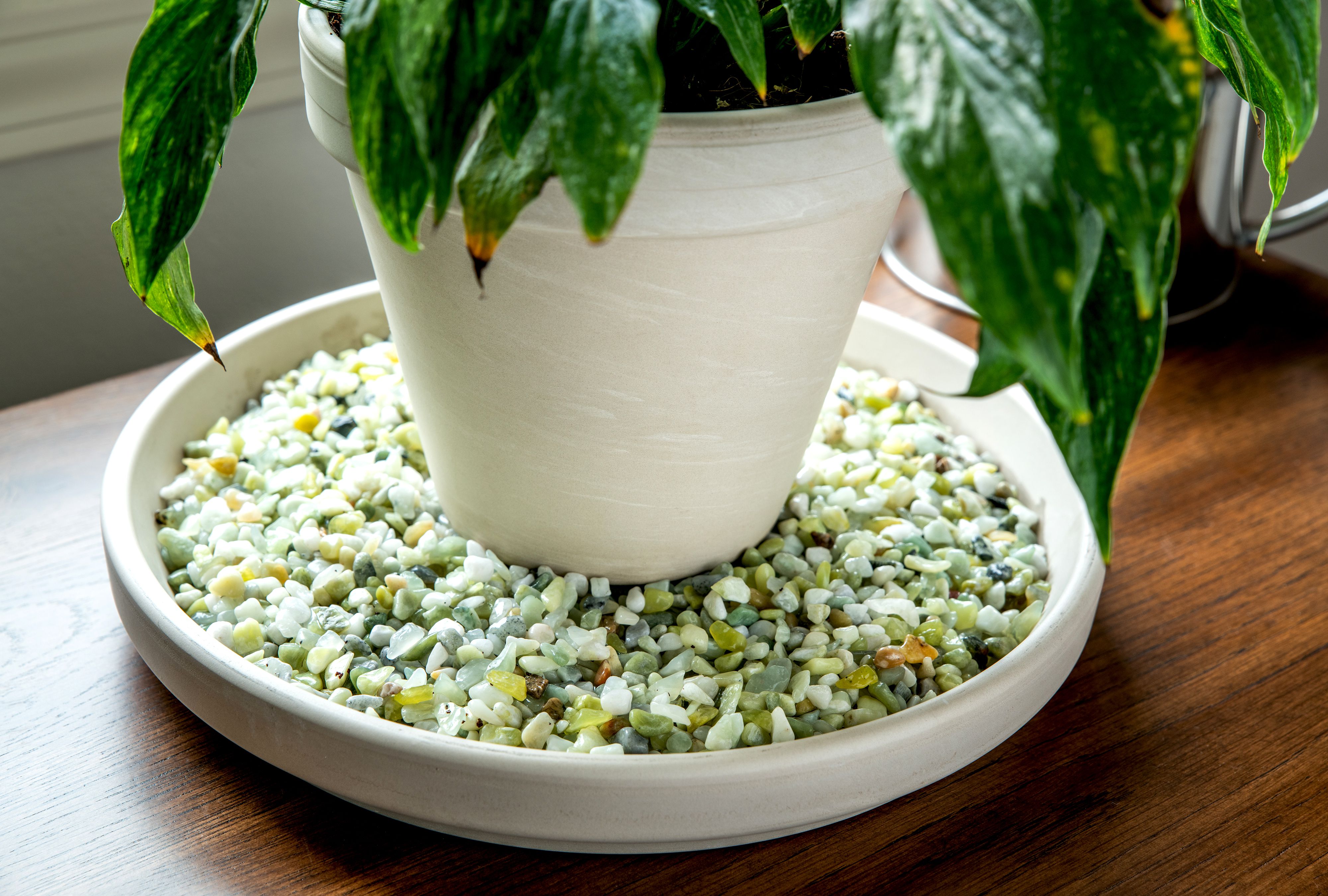
- Humidity tray: set the pot on pebbles above the waterline
- Room humidifier: the most reliable option in winter
- Gentle fan: indirect airflow reduces spotting risk and speeds dry-down after watering
Skip misting as your main strategy. It tends to leave water sitting on leaves, and wet foliage plus low airflow is a common setup for bacterial and fungal spotting.
Watering
Think of these as “even moisture” orchids. Not swampy, not desert. Their roots want water and oxygen in a steady rhythm.
How often to water
Frequency depends on your home, pot type, and mix. Bark-heavy mixes dry faster than moss-heavy mixes, and slotted pots dry faster than solid ones. Many beginners land here:
- Spring and summer: every 4 to 7 days
- Fall and winter: every 7 to 10 days
Instead of the calendar, use the media as your guide. Water when the mix is almost dry but not bone dry for long stretches. With Miltoniopsis, repeated hard drying is a fast track to pleated leaves and stalled growth.
Underwatering vs overwatering
- Underwatering signs: wrinkled pseudobulbs, limp leaves, pleating on new leaves, crispy root tips
- Overwatering signs: sour smell, constantly wet mix, root loss, mushy roots, new growth that stalls or blackens at the base
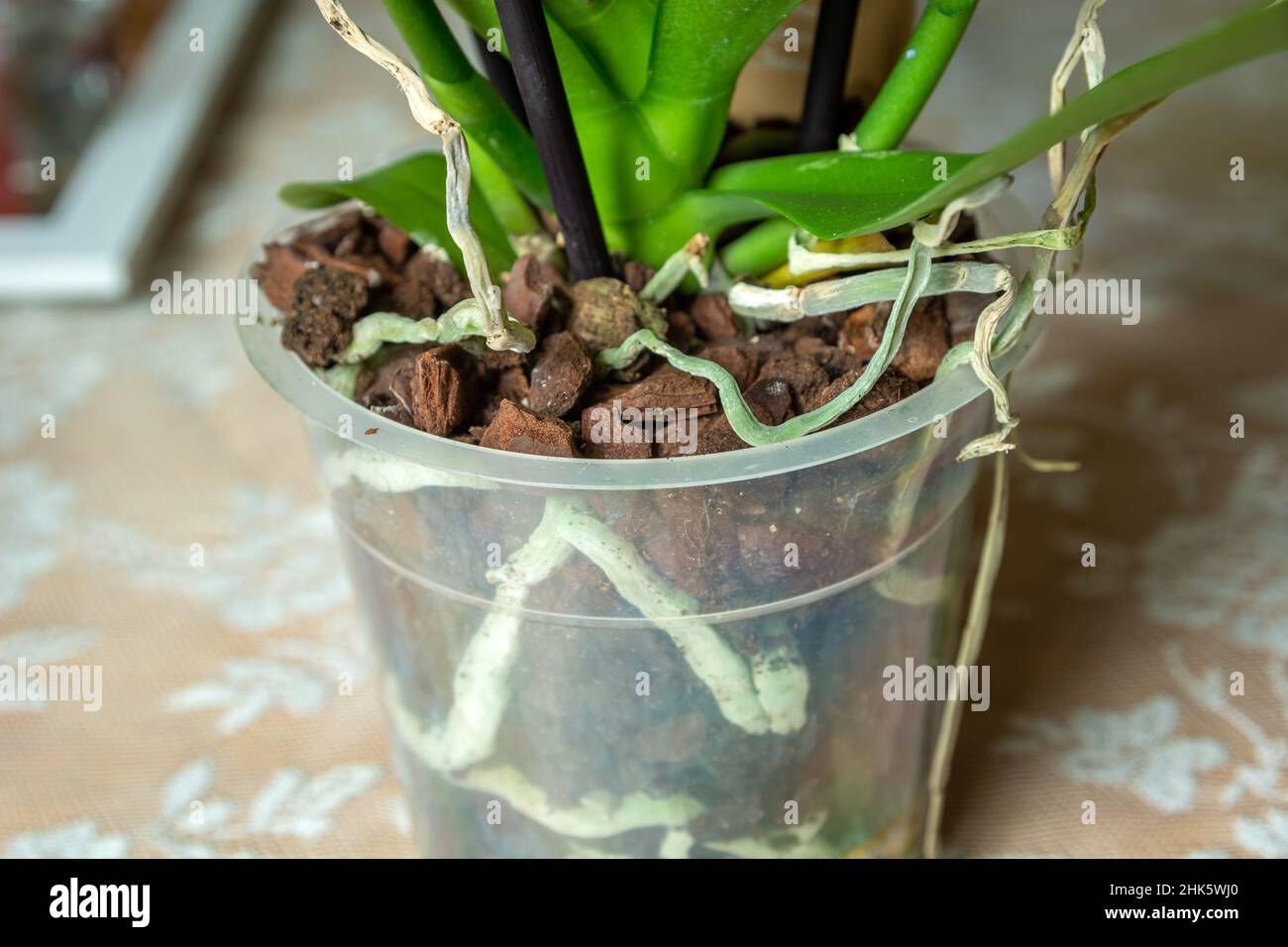
- Clear pot clue: healthy roots look firm. Green when wet, silvery when approaching dry. Brown and hollow usually means trouble.
Best watering method
- Take the plant to the sink.
- Water thoroughly until it runs freely through the pot.
- Let it drain completely. No pot should sit in runoff water.
- Try to keep water from pooling in leaf axils and around tender new growth.
Water quality
If your tap water is very hard or softened, consider using rainwater, distilled, or reverse osmosis water with a little orchid fertilizer added. Mineral buildup can stress roots and contribute to stubborn growth.
Pot and mix
Miltonia and Miltoniopsis prefer to be snug in their pots. Oversized pots stay wet too long, which encourages root loss and spotting issues.
Best pot types
- Clear plastic pots with side holes: excellent for seeing root health and improving airflow
- Slotted orchid pots: great ventilation, faster dry-down
- Terracotta: can work in humid homes, but may dry too fast in dry climates
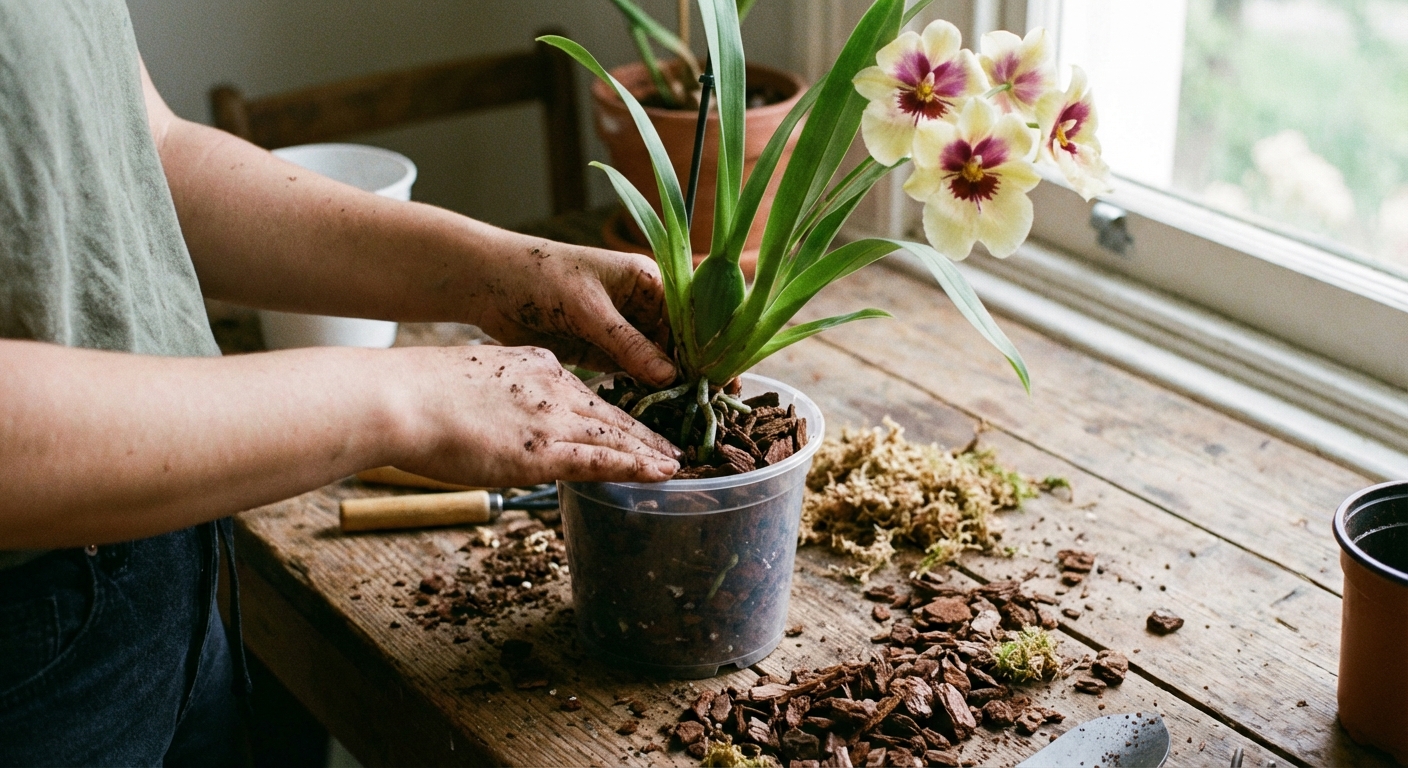
Best beginner mix
A classic airy blend works well:
- Fine to medium orchid bark as the base
- Perlite or pumice for air spaces
- A small amount of sphagnum moss or coco husk to hold gentle moisture, especially for Miltoniopsis
If your home is dry, a bit more moss can help. If your home is humid or you tend to overwater, go lighter on moss and use more bark and perlite.
When to repot
- Every 12 to 18 months, or sooner if the mix becomes sour and crumbly
- When new growth starts pushing fresh roots, often in spring
Feeding
I like a gentle, consistent approach. During active growth, fertilize at a low dose, and flush regularly so salts do not build up.
- Spring through early fall: fertilize every 2 to 4 weeks at 1/4 to 1/2 strength
- Winter: reduce to monthly or pause if growth slows
- Flush: every 3 to 4 waterings, run plain water through thoroughly
Getting blooms
Miltonia and Miltoniopsis generally bloom from mature pseudobulbs. If your plant is growing new bulbs but not blooming, it is usually a light, maturity, or seasonal timing issue.
Bloom basics
- Light: increase to bright filtered light without direct midday sun
- Steady moisture: avoid swinging between soggy and desert
- Cooler nights: a small night drop often helps, especially for Miltoniopsis
- Do not cut green pseudobulbs: they store energy for future blooms
Common reasons for no blooms
- Too little light: dark green leaves, lots of foliage, no spikes
- Warm nights: especially for Miltoniopsis, the plant grows but refuses to set buds
- Root problems: old broken-down mix suffocates roots, which stalls blooming
- Plant is not mature: small divisions may need a season to build strength
Bud blast
Miltoniopsis can be notorious for dropping buds right before the payoff. If buds yellow, shrivel, or fall, look for a recent change. They like consistency more than perfection.
- Dry air or sudden drying: raise humidity and keep moisture even
- Temperature swings: avoid heat blasts, cold drafts, and vents
- Moving the plant: once buds form, keep placement stable if you can
- Ethylene gas: keep away from ripening fruit and cigarette smoke
- Pests: thrips can damage buds before they open
Pest check
If your plant looks “off” despite good care, do a quick inspection. Pests can masquerade as spotting or bud trouble.
- Spider mites: fine stippling on leaves, webbing in dry air
- Thrips: distorted buds, streaked petals, silvery scarring on leaves
- Scale and mealybugs: sticky residue, cottony clusters, bumps along leaf bases
If you find pests, isolate the plant and treat promptly. A simple routine of wiping leaves and improving airflow goes a long way.
Troubleshooting spotting
Leaf spots are common with these orchids, and the fix is usually cultural, not dramatic. First, decide what kind of spot you are seeing.
1) Small dark spots that spread in humid, still air
This often points to a bacterial or fungal issue encouraged by wet leaves and poor airflow.
- Improve airflow with a small fan aimed away from the plant.
- Water early in the day so surfaces dry before night.
- Avoid splashing and stop misting the foliage.
- If spots are actively spreading, trim badly affected leaves with sterilized scissors and isolate the plant.
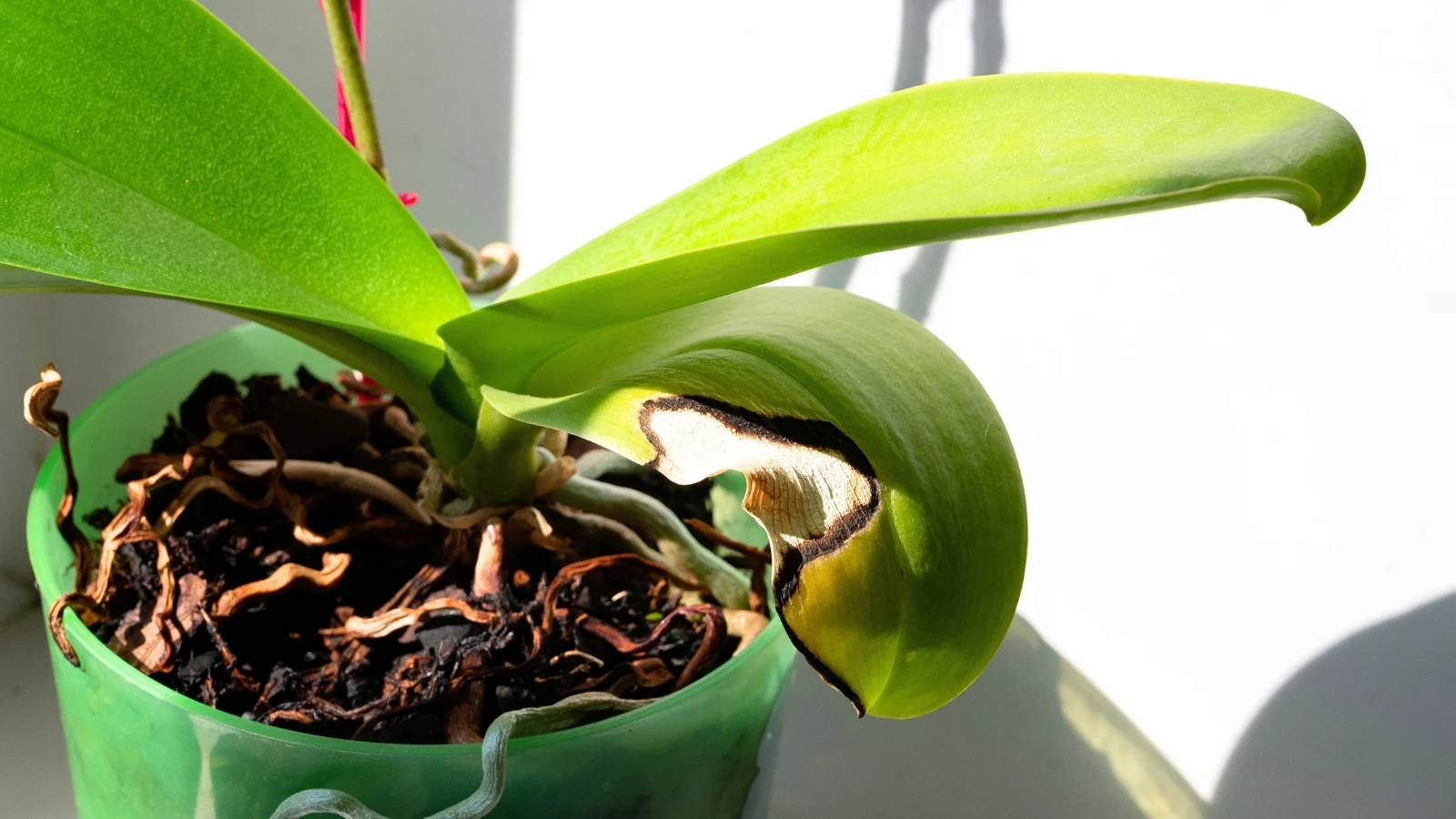
2) Pale, bleached patches or scorched areas
This is usually sunburn or heat stress.
- Move the plant back from the window or add a sheer curtain.
- Keep it out of hot afternoon sun, especially behind glass.
3) Spots plus mushy pseudobulb or a sour smell in the pot
This suggests root rot and a mix that has broken down.
- Unpot, inspect roots, and remove mushy roots with sterilized snips.
- Repot into fresh airy media in a small pot.
- After repotting, water lightly at first, then resume normal watering once new roots are growing.
When to look deeper
If spotting is persistent, patterned, or shows up with distorted growth, it may not be a simple humidity-and-airflow problem. Viruses, pests, and hygiene issues can also be involved. When in doubt, isolate the plant and get a hands-on diagnosis through a local orchid society or experienced grower.
Tip from my own windowsill jungle: if you are seeing spotting, do not only treat the leaves. Fix the environment. Air movement and watering habits are still the best medicine.
Simple routine
If you want a simple rhythm that keeps you from second-guessing yourself, try this:
- Once a week: check the pot weight and media moisture with a finger. Water if nearing dry.
- Every watering: drain fully and keep water from pooling in leaf axils and around new growth.
- Every 2 to 4 weeks: feed lightly during growth.
- Monthly: flush with plain water to remove fertilizer salts.
- Seasonally: watch night temps in summer, Miltoniopsis appreciates cooler nights.
FAQ
Why are my Miltoniopsis leaves pleated like an accordion?
That pleating usually comes from inconsistent moisture while the leaf was forming, often paired with low humidity. The leaf will not “un-pleat,” but you can prevent the next ones by raising humidity and watering more evenly so the mix does not swing from soggy to bone dry.
Can I grow Miltoniopsis in sphagnum moss only?
You can, but it is easier to overwater. If you try full moss, keep it fluffy, use a ventilated pot, and be extra mindful about airflow and repotting before it compacts.
Do I cut flower spikes after blooming?
Yes. When blooms finish, cut the spike near the base with sterilized scissors. These do not typically rebloom from old spikes the way many Phalaenopsis can.