
Mandevilla and Dipladenia Care

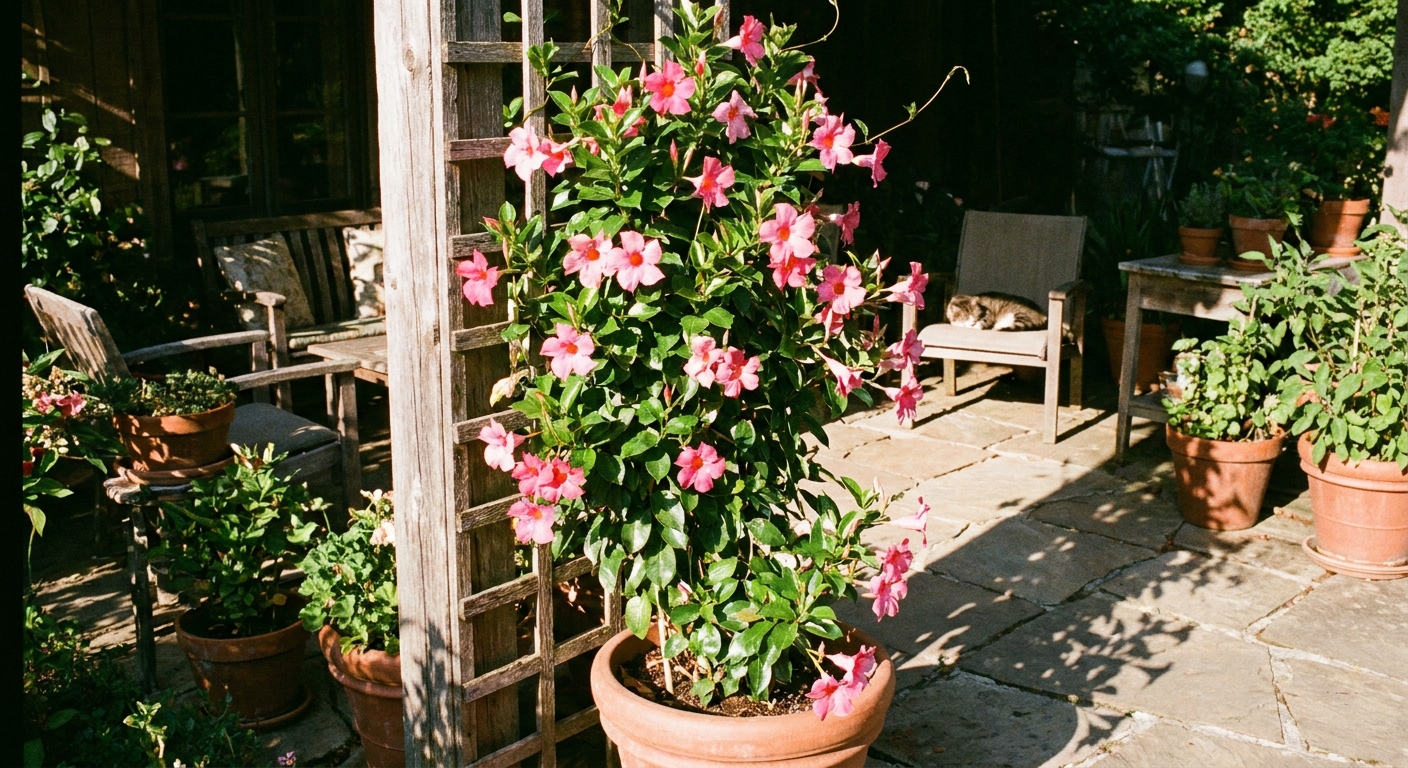
Mandevilla and dipladenia are the kind of plants that make a patio feel like a tiny vacation. Glossy leaves, trumpet blooms, and that cheerful climbing habit that begs for a trellis. They are also the kind of plants that make beginners nervous because of the names, the vining, and the winter question.
Let us make it simple, practical, and very doable. This guide walks you through what to buy, how to pot it up, where to place it for the most flowers, how to train it on a trellis, and what to do when the leaves start turning yellow.

Mandevilla vs dipladenia
In everyday garden-center language, these names get used interchangeably. On many modern labels, plants once sold under Dipladenia are now placed in the Mandevilla genus, but “dipladenia” still shows up as a common-name group for the bushier, compact forms. That is why tags can feel inconsistent.
- Mandevilla usually refers to the more vigorous, twining types that want to climb and can get quite long in a season.
- Dipladenia is commonly used for bushier, more compact plants that may mound and spill, and can still climb a bit, but often look fuller in a pot.
Care is nearly identical: bright sun, warm temperatures, steady moisture with good drainage, and regular feeding during bloom.
Best container setup
Pot size
These tropical vines bloom best when they are comfortable, not cramped, but they also sulk if they sit in soggy soil. Choose a pot that matches the root ball and your watering style.
- Small starter plants (4 to 6 inch nursery pot): move to an 8 to 10 inch container.
- Typical patio size (1 gallon): move to a 12 to 14 inch container.
- Big statement planter or shared pot: use a 16 to 20 inch container with a sturdy trellis, especially for fast-growing mandevillas.
If you are between sizes, go only one size up. Oversized pots hold extra wet soil and can lead to yellow leaves from stressed roots.
Potting mix
Use a high-quality container mix and add a little extra drainage. My go-to blend:
- 2 parts all-purpose potting mix
- 1 part perlite or pumice
- Optional: a handful of fine orchid bark for airflow
Avoid heavy garden soil in containers. It compacts, stays wet, and causes root trouble.
Drainage basics
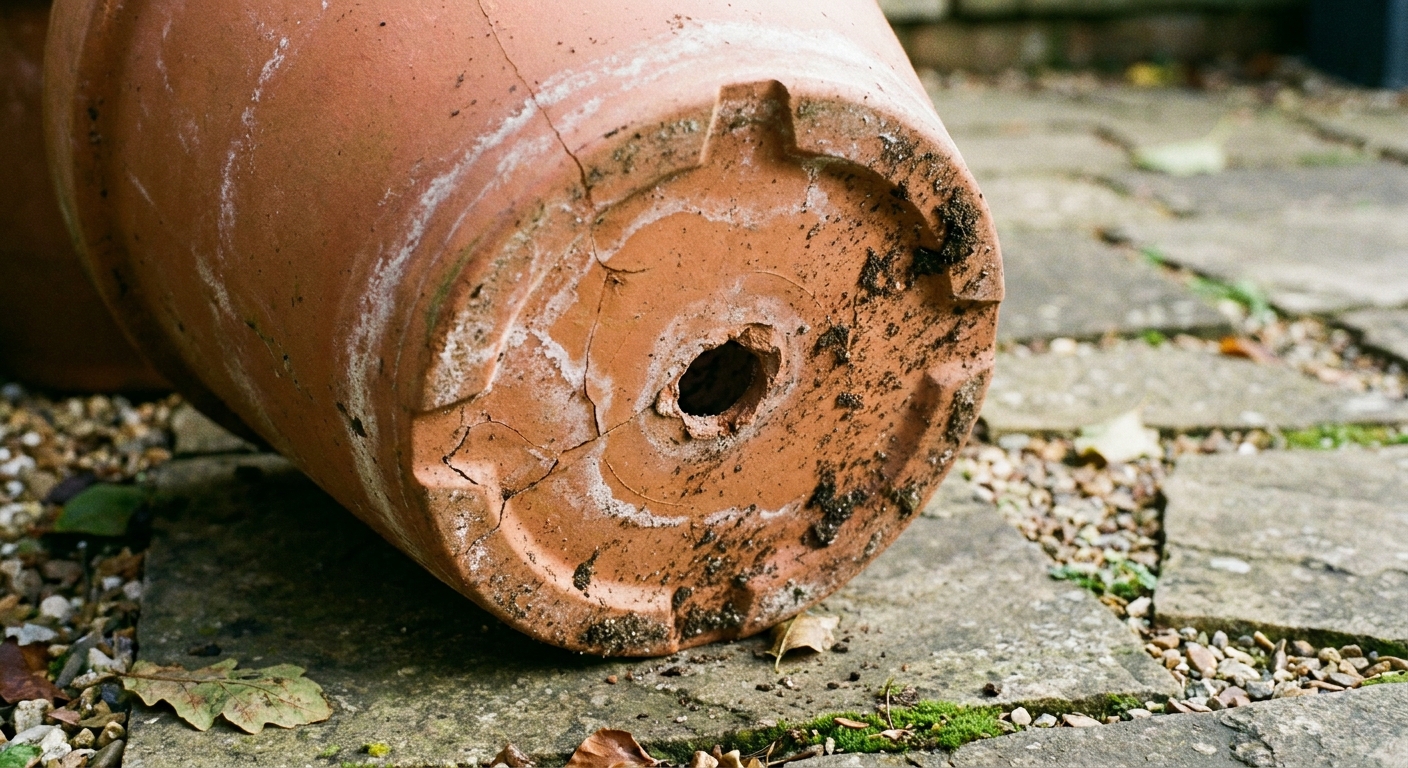
- Use a pot with at least one large drainage hole.
- Do not add rocks to the bottom. It does not improve drainage in containers.
- If using a saucer on a patio, empty it after watering so roots do not sit in water.
Sun, wind, and placement
Sun for blooms
For the most flowers, give 6 to 8 hours of sun. Morning sun with bright afternoon light is perfect in very hot climates. If your summers are mild, full sun all day is usually ideal.
- Too little sun: lots of leaves, fewer blooms, leggy growth.
- Too much harsh heat: droopy leaves mid-day, crispy edges, buds dropping in extreme conditions.
Wind
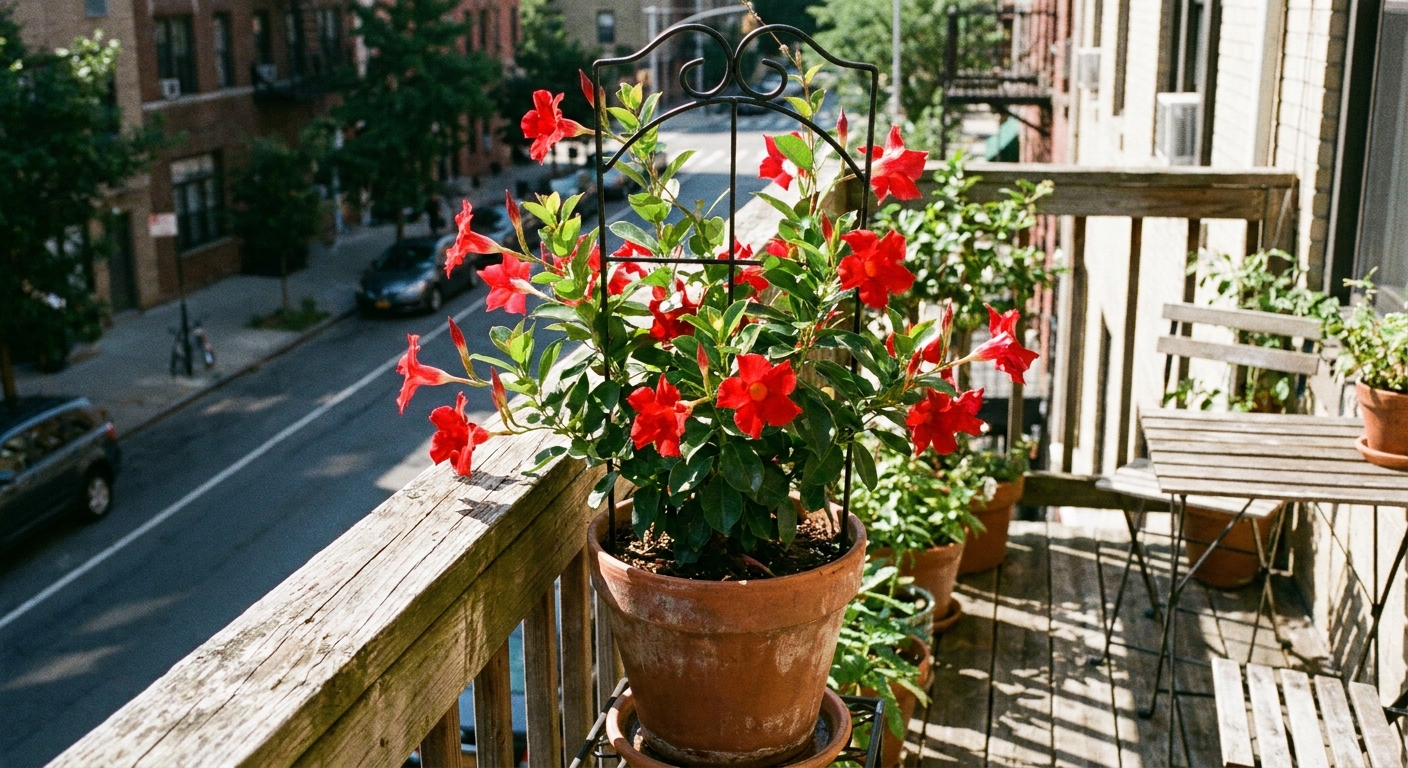
On balconies and exposed patios, wind can dry pots fast and snap tender new growth.
- Place the pot where it gets sun but is sheltered by a wall, railing, or tall container plants.
- Use a heavier pot (ceramic, terracotta) if your area gets gusty.
- Secure the trellis so it does not wobble. Movement rubs stems and can slow growth.
Layout ideas
- Frame a doorway: one mandevilla on each side with matching obelisk trellises.
- Privacy screen: one large trough planter with a tall trellis panel behind a bistro set.
- Balcony corner: tuck the pot into a corner, angle the trellis outward so blooms face you.
- Against a warm wall: ideal in cooler climates, but watch watering because walls reflect heat.
Trellis and support
Mandevilla types climb by twining, so they want something narrow enough to wrap around. Many compact “dipladenia” forms are less eager to twine and more mounding, but they still appreciate a small trellis for shape and airflow.
Good supports
- Obelisk trellis in the pot (great for single containers)
- Fan trellis against a wall (good for patios with a backdrop)
- Sturdy bamboo stakes tied together teepee-style
- Wire panel trellis for a larger, privacy-screen effect
Training steps
- Install the trellis at planting time so you do not spear roots later.
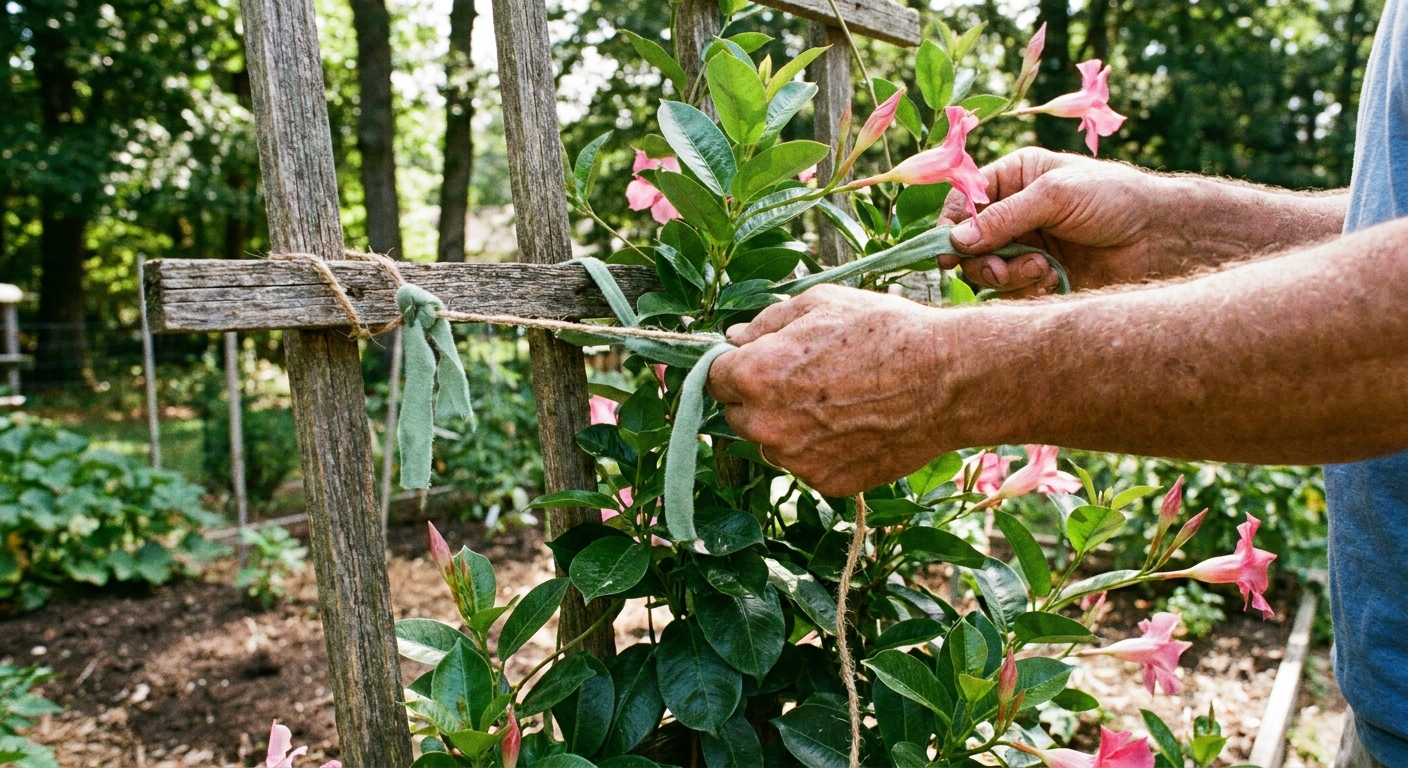
- Gently wrap new growth around the support in the direction it naturally wants to twist.
- Use soft ties only when needed. Think plant Velcro, soft twine, or stretchy garden tape.
- Reposition weekly in peak summer. A quick check saves broken stems.
Tip from my own patio: if a stem is stiff, do not force it. Guide the newest, most flexible growth instead and let the older stem catch up with gentle ties.
Watering to prevent yellow leaves
This is the care point that makes or breaks these plants in containers.
When to water
- Water when the top 1 to 2 inches of potting mix feels dry.
- In hot, sunny weather, that can mean every day for small pots, and every 2 to 4 days for larger planters.
- In cooler or cloudy stretches, it might be once a week.
How to water
- Water deeply until it runs from the drainage holes.
- Let excess drain fully.
- Do not let the pot sit in water for long.
If your plant wilts in the afternoon sun but perks up by evening, that is often a normal heat response. If it stays wilted in the morning, check soil moisture and roots.
Feeding during bloom
Mandevilla and dipladenia are hungry bloomers. In containers, nutrients wash out quickly, especially with frequent watering. The biggest bloom boosters are consistent feeding plus real sun.
What fertilizer to use
- Best all-around: a balanced liquid fertilizer (like 10-10-10 or 20-20-20) at half-strength.
- If you choose a bloom formula: use it lightly and do not overdo phosphorus. More is not always better, and too much can make it harder for plants to take up micronutrients.
- Slow-release option: a controlled-release granular fertilizer mixed into the top layer, plus occasional liquid feeding if growth slows.
Simple schedule
- Spring through early fall: feed every 7 to 14 days with a diluted liquid fertilizer while actively growing and blooming.
- Heat waves: back off slightly if the plant looks stressed. Water well first, then fertilize.
- Late season: reduce feeding as nights cool and growth slows.
If you want one easy rule: lightly, regularly beats heavy, occasional feeding every time.
Pinching and pruning
Pinching sounds scary, but it is just a friendly nudge that tells the plant to branch.
When to pinch
- Pinch in late spring and early summer when the plant is actively growing.
- Avoid major pruning during peak bloom if you do not want to pause flowers.
How to pinch
- Find a long, lanky stem.
- Pinch or snip just above a leaf node.
- Repeat on a few stems, not the whole plant at once.
Deadheading: Not strictly necessary, but removing spent blooms keeps the plant tidy and can encourage steadier flowering.
Overwintering options
These are tropical plants. They do not handle frost. If you live where nights regularly fall below 50°F (10°C), plan to move your plant indoors. Many plants show stress and leaf drop as temperatures approach the mid-40s°F (around 7°C), and anything near 40°F (4°C) and below is risky.
Hardiness note: They are typically perennial outdoors only in very warm climates (often USDA Zones 10 to 11, and sometimes Zone 9 with protection). In most regions, container overwintering is the realistic path.
Option 1: Annual
Enjoy it hard all summer, compost it in fall, and start fresh next spring. No guilt.
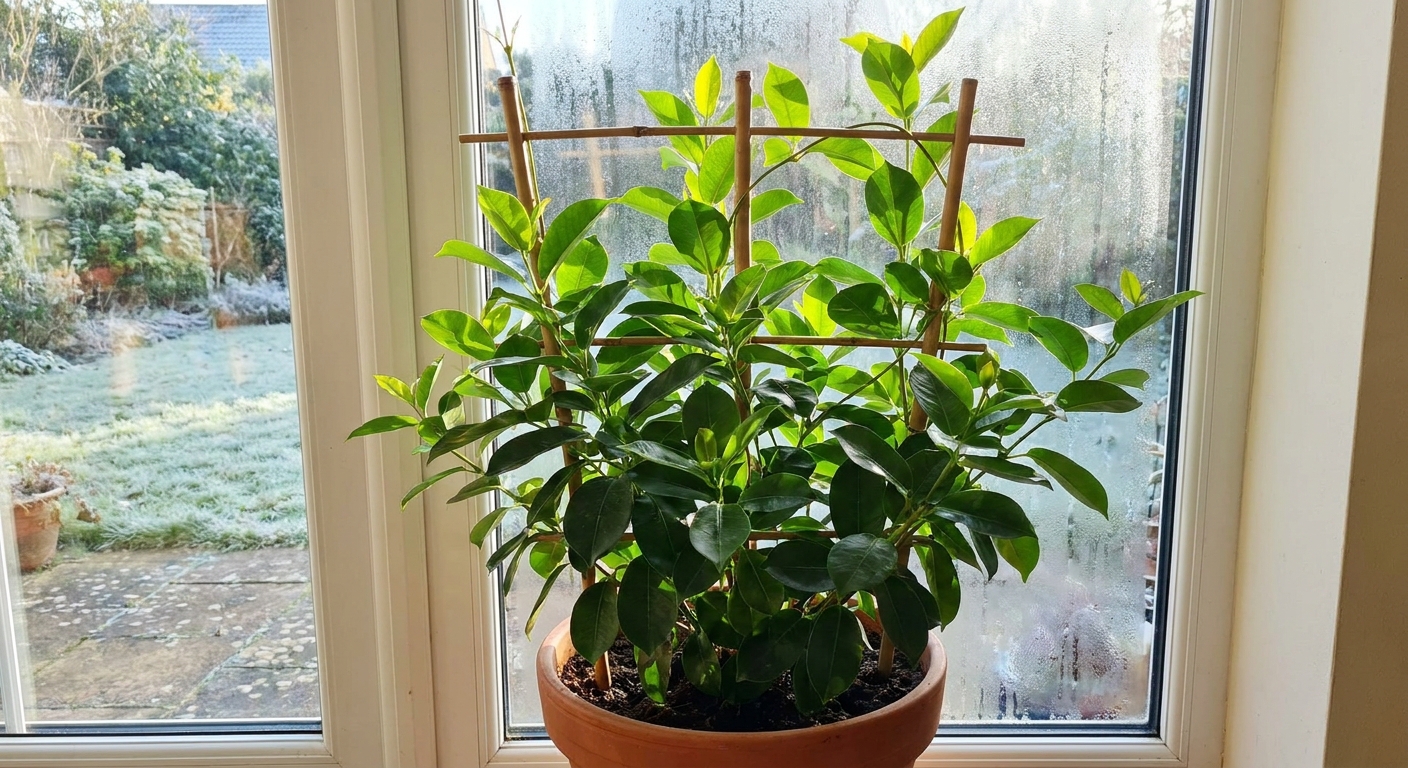
Option 2: Bright indoors
- Bring it inside before nights drop below 50°F (10°C).
- Place in your brightest window or under a grow light.
- Water less often. Let the top few inches dry between waterings.
- Pause fertilizer until spring.
Expect some leaf drop as it adjusts. That is normal. Your job is to prevent root rot by not overwatering.
Option 3: Cool rest
If you have a cool, frost-free place like an attached garage with a window or a bright basement, you can let it rest.
- Temperatures around 55°F to 65°F (13°C to 18°C) are ideal.
- Water lightly, just enough to keep roots from fully drying.
- Prune lightly to reduce size and mess.
Note: many garages and basements are darker than we think. Low light usually means more leaf drop. A small grow light on a timer can make overwintering much easier.
In spring, increase light and watering gradually, then resume feeding once you see new growth.
Troubleshooting yellow leaves
Yellow leaves are the number-one panic trigger. I have been there. Take a breath, then troubleshoot in this order.
1) Too much water
- Signs: widespread yellowing, soft stems, soil stays wet for days, sometimes a sour smell.
- Fix: let the mix dry more between waterings, and consider repotting into a better-draining mix if the soil is heavy.
2) Too little water
- Signs: yellowing plus crisp edges, lots of leaf drop after repeated dry-outs, drooping that does not recover.
- Fix: water thoroughly and more consistently. In heat, check daily.
3) Nutrient issues
- Signs: pale leaves, slow growth, fewer blooms in midsummer.
- Fix: start a regular, diluted feeding schedule. If your water is very alkaline, choose a fertilizer with micronutrients like iron and magnesium.
4) Not enough sun
- Signs: long stems, sparse flowers, lighter foliage.
- Fix: move the pot to a brighter spot over several days to prevent sunburn.
5) Pests
- Outdoors: watch for aphids and whiteflies on fresh growth and buds.
- Indoors: watch for spider mites (fine webbing), mealybugs (cottony clumps), and scale (small bumps on stems).
- Fix: rinse leaves, isolate the plant, and treat with insecticidal soap or horticultural oil, repeating weekly as needed.
Quick care checklist
- Light: 6 to 8 hours of sun for best bloom
- Pot: one size up, excellent drainage
- Soil: airy potting mix with added perlite or pumice
- Water: when top 1 to 2 inches are dry, then soak thoroughly
- Feed: diluted liquid fertilizer every 7 to 14 days in bloom
- Support: install trellis at planting, guide new growth weekly
- Pinch: light pinching in spring for bushier growth
- Winter: bring inside before 50°F (10°C) nights, never let it frost
If you only do two things: give it real sun, and keep the roots happy with consistent moisture and good drainage. The flowers tend to follow.
Quick safety note
Mandevilla sap can irritate skin, and the plant is often listed as toxic if pets chew on it. Wear gloves if you are sensitive, wash hands after pruning, and place pots where curious kids and pets cannot snack on leaves.