
Lilac Bush Care and Pruning for More Blooms

Lilacs are generous plants when we meet their basic needs. Give them sun, decent drainage, and a pruning routine that respects how they set flower buds, and they will reward you with those fragrant, purple (or white, or pink) clouds every spring. The tricky part is that lilacs are not shy about “telling” you when something is off. They just do it by not blooming.
Let’s walk through the care basics, then the pruning options, then how to rescue an older shrub that has turned into a woody green monster with only a few sad flowers at the top.

Start with sun and air
Sun
For reliable bloom, most common lilacs (especially Syringa vulgaris, the classic old-fashioned lilac) want full sun, ideally 6 to 8 hours of direct light. They can survive with less, but fewer sun hours usually means fewer flowers.
- Morning sun is gold because it dries leaves quickly and reduces mildew.
- If your lilac is shaded by a maturing tree or a new structure, bloom can drop off fast.
Airflow and spacing
Lilacs like a little elbow room. Crowding from neighboring shrubs or a hedge planted too close can trap humidity and encourage powdery mildew, and it also shades the interior where next year’s buds form.
- As a rule of thumb, give most full-size lilacs at least 5 to 8 feet of space from other shrubs (more for very large cultivars).
Soil, water, and feeding
Soil
Lilacs do best in well-drained soil. They are not fans of “wet feet,” especially in winter. If your soil stays soggy, the plant may grow poorly and flower sparsely.
- Ideal pH is neutral to slightly alkaline, often around pH 6.5 to 7.5, though many lilacs tolerate a bit lower or higher.
- If you suspect very acidic soil, a simple soil test is worth it before adding anything. Lime can help in acidic soils, but only if the test supports it.
Water
Established lilacs are fairly drought-tolerant, but consistent moisture helps during two key windows: right after bloom (when the shrub is setting next year’s buds) and during summer dry spells.
- Deep, infrequent watering beats daily sprinkles.
- Mulch with 2 to 3 inches of shredded bark or compost, but keep mulch a few inches away from the stems to prevent moisture problems.
Fertilizer
Here is the lilac secret many people miss: too much nitrogen can mean big leaves and fewer flowers. If your lilac is lush and green but stingy with blooms, fertilizer is often the culprit.
- If you feed at all, use a balanced, light application in early spring or top-dress with compost.
- Avoid heavy lawn fertilizer drift. If your lilac sits beside a fertilized lawn, it may be getting nitrogen whether you intend it or not.

Bloom basics and timing
Lilacs bloom on old wood. That means they form the flower buds for next spring soon after they finish blooming this spring. This is why pruning at the wrong time is the most common reason lilacs stop flowering.
- Best time to prune: right after bloom, usually late spring to early summer depending on your climate.
- Avoid: late summer, fall, and winter pruning if your goal is flowers. You will remove next year’s buds.
Deadheading and renewal pruning
Deadheading
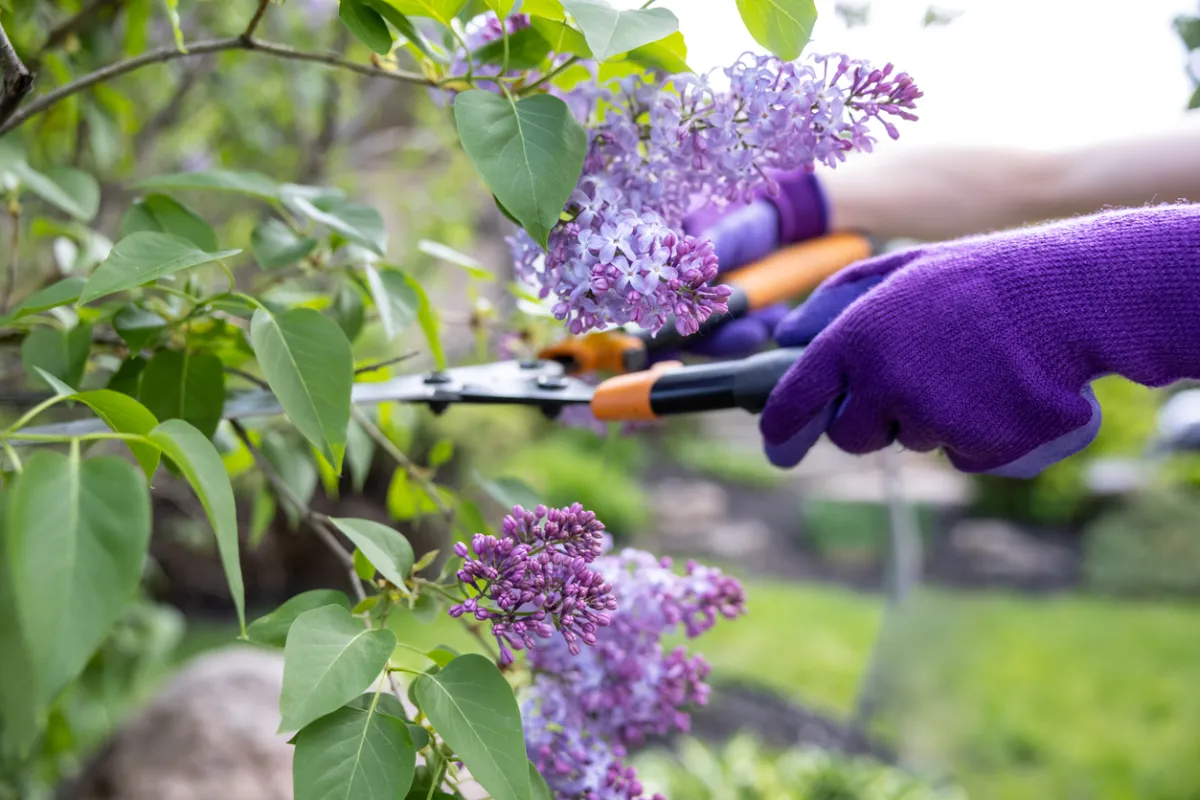
Deadheading means removing the spent flower clusters after they fade. This keeps the shrub from putting energy into seed formation and it tidies the plant up beautifully.
Good to know: Deadheading is optional for bloom, but it is worth doing if you want a neater shrub and you enjoy the process.
How to deadhead lilacs:
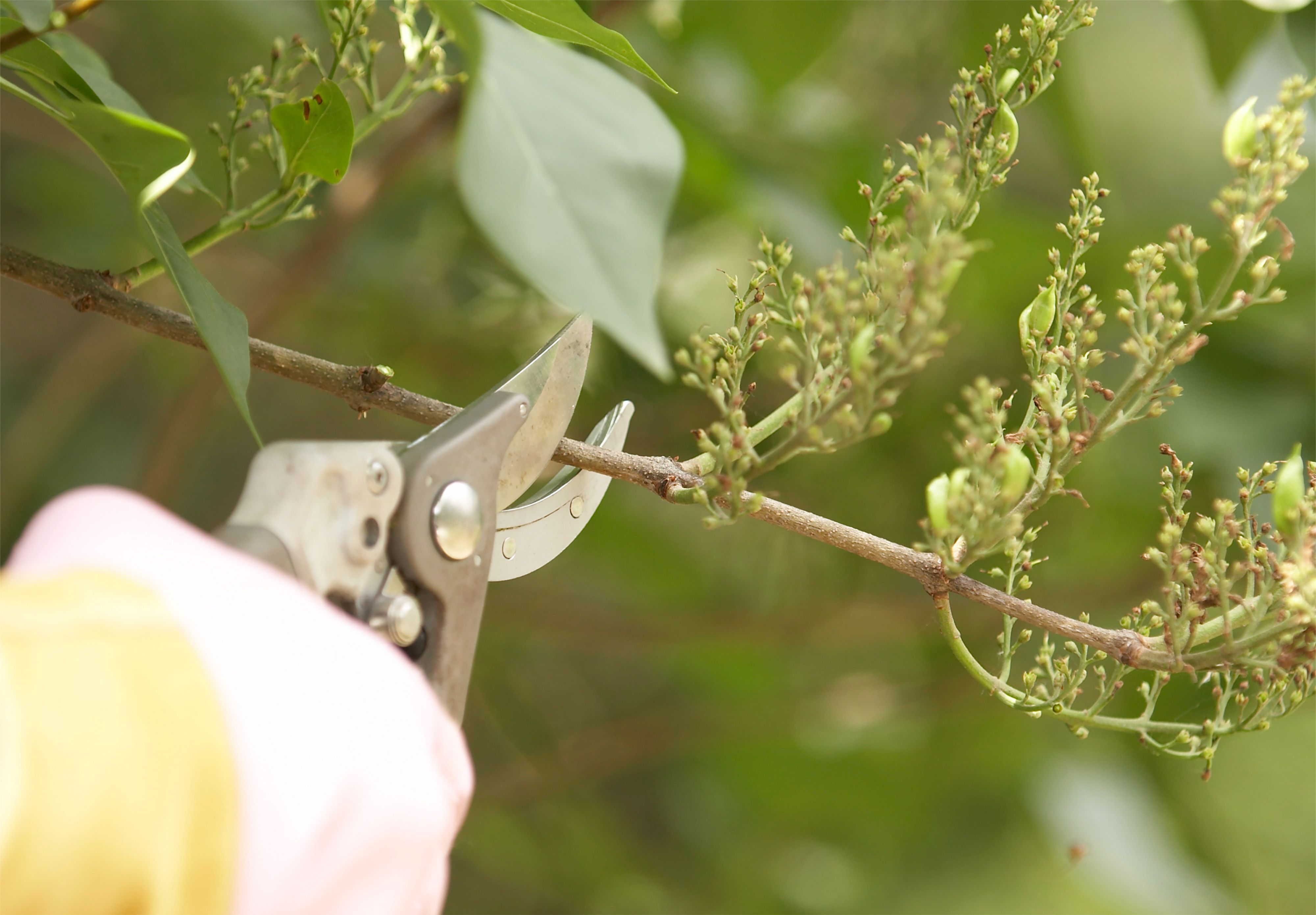
- Snip off the faded flower cluster just above the next set of leaves or a side shoot.
- Use clean hand pruners and make a clean cut.
- Try not to remove lots of leafy growth. You want those leaves photosynthesizing to fuel next year’s buds.
Will deadheading guarantee more blooms next year? Not by itself, but it helps. Think of it as good housekeeping that nudges the plant in the right direction.
Renewal pruning
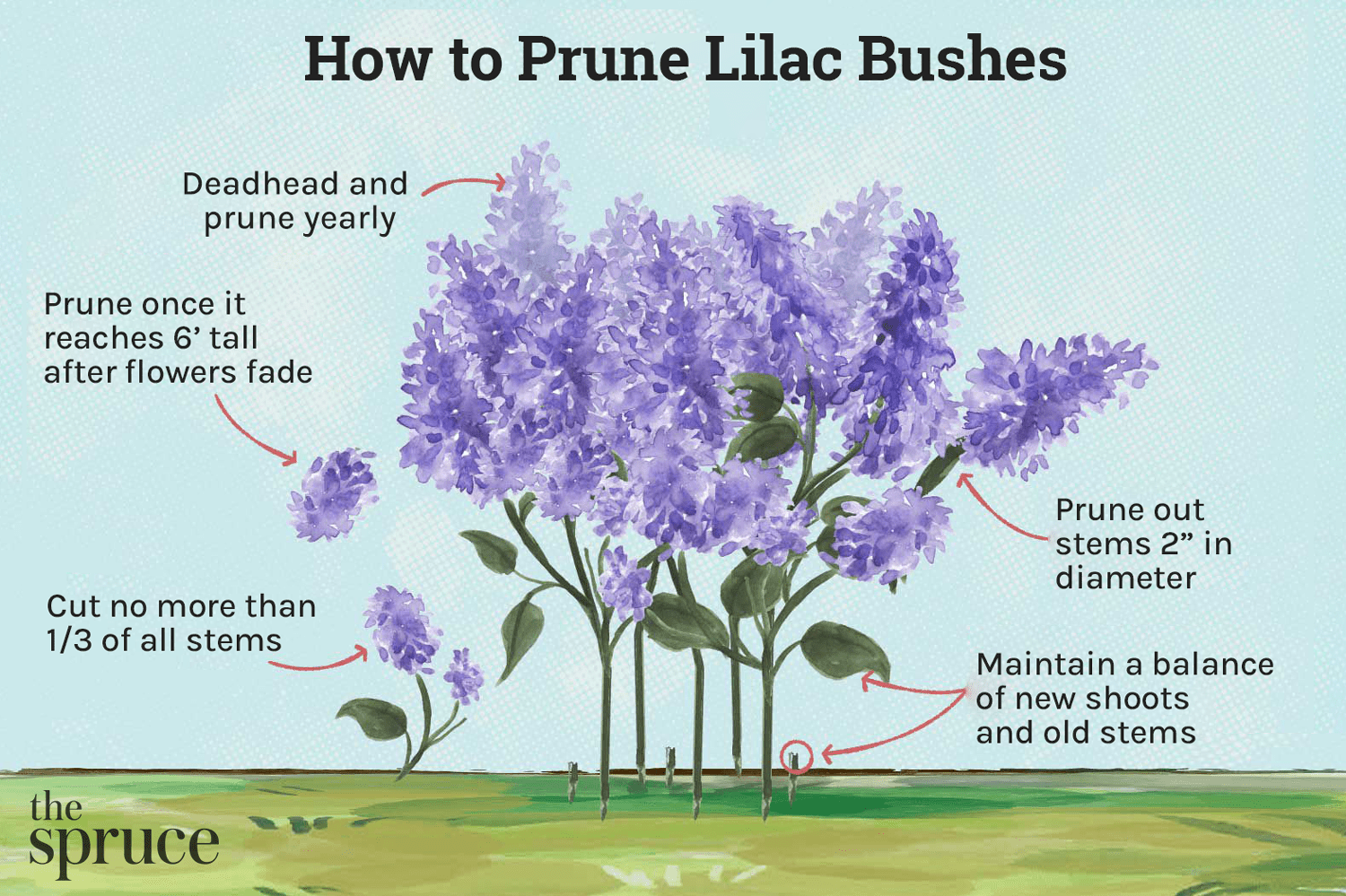
Renewal pruning means removing a few of the oldest, thickest stems at the base to encourage fresh, vigorous canes. This opens the shrub to light and air and keeps blooming wood at an ideal age.
Best time: right after bloom.
How to do renewal pruning:
- Identify the oldest canes. They are often thicker, woodier, and may have more peeling bark.
- Remove up to 1/3 of the oldest stems at ground level each year for 2 to 3 years.
- Aim to keep a mix of stem ages. Many gardeners like having about 8 to 12 strong canes total on a mature shrub, depending on size.
What not to do: Do not “shear” lilacs into a ball with hedge trimmers. That creates dense outer growth, shades the interior, and often reduces blooming.
Rejuvenate an old lilac
If your lilac has become a tall thicket with flowers only at the very top, it is usually begging for light and younger wood. You have two main options, and which one you choose depends on your patience level and how overgrown the shrub is.
Option A: Gradual rejuvenation
This is the “gentle but effective” approach, and it is my go-to for most old lilacs.
- Each year right after bloom, remove up to 1/3 of the oldest stems at the base.
- Also remove dead, damaged, or crossing stems.
- After 2 to 3 seasons, you will have a younger, more open shrub that blooms better and is easier to manage.
Option B: Hard rejuvenation
If the shrub is truly out of control, you can cut it back hard. Be prepared for fewer blooms while it regrows.
- In late winter or very early spring, cut all stems back to about 6 to 18 inches from the ground.
- Expect vigorous regrowth. Depending on cultivar and growing conditions, you may sacrifice flowering for 1 to 3 years.
- As new stems grow, thin them so you keep the strongest canes and maintain airflow.
Practical note: If you inherited a lilac that looks like a small forest, I usually start with gradual rejuvenation unless the shrub is diseased, damaged, or swallowing a walkway. The gradual method preserves some bloom while you renovate. If you are unsure what your cultivar can handle, your local extension office guidance is gold here.
Why lilacs stop flowering
- Pruned at the wrong time: Summer, fall, or winter pruning often removes next spring’s buds.
- Too much shade: Less than 6 hours of sun is a frequent culprit, especially as trees mature.
- Too much nitrogen: Heavy feeding or lawn fertilizer drift promotes leaves instead of blooms.
- Overgrown, crowded shrub: Old wood and a dense canopy reduce bud formation inside the plant.
- Drought stress during bud set: A very dry early summer can impact next year’s buds.
- Late frost: A cold snap can damage developing buds, causing a “no bloom” year even on healthy plants.
- Not enough winter chill: Many lilacs need a real winter to bloom well. If you garden in a warmer zone, look for heat-tolerant options recommended locally, such as Syringa patula ‘Miss Kim’ or some Syringa × hyacinthiflora hybrids, and check your local extension list for top performers.
- Age and establishment: Newly planted lilacs can take a couple of seasons to settle in and bloom heavily.
- Suckers on grafted lilacs: Some nursery lilacs are grafted. Shoots that sprout from below the graft can be more vigorous than the variety you bought and may reduce blooming. Remove these suckers at the base as soon as you spot them.
Prune lilacs step by step
If you want one simple routine that works for most home gardens, do this right after flowering:
- Deadhead faded flower clusters (optional, but tidy).
- Remove dead wood (no leaves, brittle, obviously not alive) and any broken stems.
- Thin for airflow by removing crossing stems and opening the center.
- Renew by cutting out 1 to 3 of the oldest canes at ground level (more if the shrub is very large, but avoid removing more than about 1/3 of the total stems in one year).
- Step back and look. You want an open, vase-like shape with light reaching the interior.
Seasonal checklist
Late winter to early spring
- Inspect for dead, damaged, or rubbing branches and remove them if needed.
- Check mulch depth. Refresh to 2 to 3 inches if it has thinned out.
- If you are doing a hard rejuvenation, this is the window.
Spring
- Enjoy the perfume. Seriously. This is part of the job.
- Watch sun patterns and note any new shade issues.
Right after flowering
- Deadhead spent blooms if you want a tidier shrub.
- Do renewal pruning: remove up to 1/3 of the oldest canes at the base.
- Water deeply if conditions are dry to support bud set for next year.
Summer
- Avoid major pruning. The shrub is setting and maturing buds.
- Water during prolonged drought, especially in the first couple years after planting.
- Monitor powdery mildew. It is usually cosmetic, but better airflow helps. Also avoid overhead watering, and clean up heavily infected leaves if it is a recurring issue. If you are planting new, ask for mildew-resistant varieties in your area.
Fall
- Skip pruning unless you are removing hazards or dead wood.
- Keep mulch pulled back from stems to avoid winter moisture issues.
Tools and safety
Use the right tools
- Bypass hand pruners for small stems.
- Loppers for thicker canes.
- Pruning saw for very old stems. Let the saw do the work, and cut in a controlled way to avoid tearing bark.
- Clean tools with rubbing alcohol between plants, and especially if you are removing any suspicious branches.
Protect yourself
- Wear gloves and eye protection. Lilac stems can whip back unexpectedly when cut.
- For thick, heavy canes, take them down in sections to prevent sudden falls and bark stripping.
Ladder safety
- If you need a ladder, set it on level ground and maintain three points of contact.
- Do not overreach. Climb down and move the ladder instead.
- Whenever possible, choose renewal pruning from the base rather than trying to “reach the top.” A well-managed lilac should not require risky overhead work.
When you will see results
If your lilac simply needed correct timing and a bit of thinning, you can often see improved bloom the very next spring. If you are rejuvenating an old shrub, think in seasons, not weeks. After 2 to 3 years of renewal pruning, most lilacs look younger, bloom better, and feel like they can breathe again.
If you want, tell me what month your lilac blooms where you live and whether it is in full sun, and I can suggest the gentlest pruning plan to get you back to armfuls of flowers.