
Lantana Care for Containers and Garden Beds

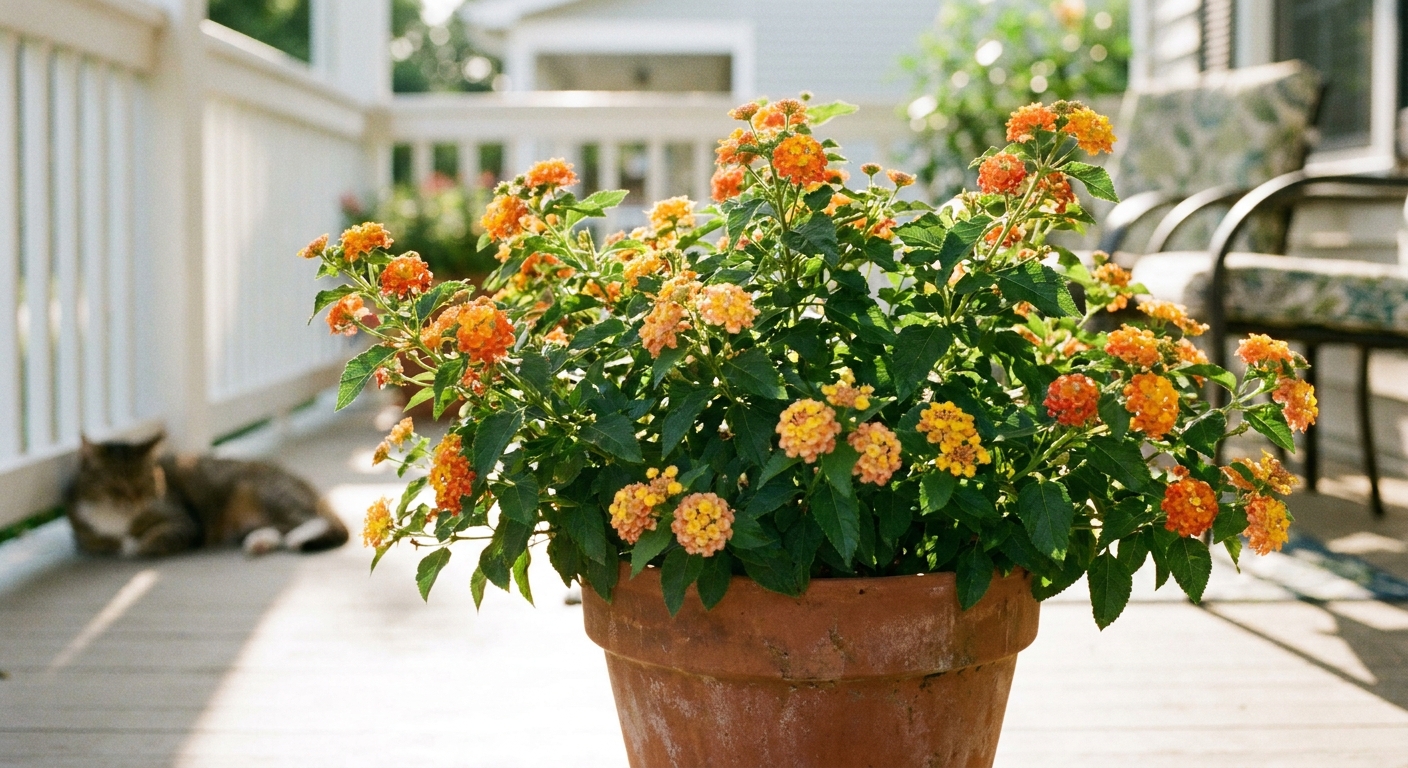
If you have a spot that bakes in summer and makes other flowers wilt dramatically by 2 pm, lantana is your plant. It thrives on sunshine, shrugs off heat, and blooms like it is trying to impress the whole neighborhood. I love it in containers by the front door and in garden beds where I want color without fuss.
Let’s get your lantana set up so it stays full, blooming, and tough as nails without sliding into the two most common problems I see: overwatering and poor drainage.

Quick lantana basics
- Best feature: nonstop warm-season flowers that pollinators love
- Light: full sun is best
- Water: drought-tolerant once established, hates soggy roots
- Where it shines: hot patios, curbside strips, beds with reflected heat, containers that dry out fast
- What trips people up: watering like it is a petunia
Safety and invasiveness
Two quick but important notes before you plant a whole hedge of this stuff.
Toxicity
Lantana is toxic. The leaves and especially the unripe berries can be highly toxic to pets, livestock, and children if eaten. If you have curious nibblers in your life, place lantana where it is not within reach, remove berries when you see them, and consider choosing a different plant for high-traffic family areas.
Invasive risk in warm zones
In warm climates, especially Zones 8 to 11, Lantana camara is considered invasive or restricted in many regions (Florida and Hawaii are famous examples). If you garden in a warm zone, do yourself and your local ecosystem a favor and:
- Check local invasive plant lists and any restrictions before planting.
- Look for sterile or non-invasive cultivars when available.
- Avoid letting lantana go to seed, and remove volunteer seedlings promptly.
You can still enjoy lantana responsibly, you just want the right variety in the right place.
Sun and heat tolerance
Lantana is built for bright, high-heat conditions. The more sun it gets, the more it blooms and the tighter and bushier it tends to grow.
How much sun is enough?
- Ideal: 6 to 8+ hours of direct sun daily
- Will it tolerate part sun? Yes, but expect fewer flowers and a looser shape
- In extreme heat: It usually keeps blooming, especially if roots are not trapped in a waterlogged pot
If your lantana looks leafy but not very floriferous, light is the first thing I adjust. Move containers into stronger sun, or trim back nearby plants that are casting shade in the bed.
Drought-wise watering that prevents root rot
Lantana is drought-tolerant, not drought-proof. The goal is deep, less frequent watering that encourages sturdy roots, especially in beds. In containers, the goal is a wet-to-dry cycle, not constant dampness.
In garden beds
Newly planted (first 2 to 4 weeks): Water when the top 1 to 2 inches of soil are dry. In hot weather, that may be every 2 to 4 days.
Established plants: Water deeply, then let the soil dry down. In many climates that means weekly, or every 10 to 14 days during dry spells. If you are getting regular rain, you may not need to water at all.
In containers
Containers dry faster, especially in full sun, and lantana will absolutely use the water when it is actively blooming. Still, it hates sitting in soggy mix.
- Water when the top 1 to 2 inches of potting mix feels dry.
- Water until it runs out the drainage holes, then empty the saucer.
- In peak summer heat, daily watering can be normal in smaller pots. The key is that the mix drains fast and does not stay wet overnight.
How to tell if you are overwatering
- Yellowing leaves, especially lower leaves
- Wilting even though the soil feels wet
- Slow growth and fewer blooms
- A sour smell from the potting mix
Root rot from overwatering (what to do)
If you suspect root rot, act quickly. Lantana can bounce back, but only if the roots can breathe again.
- Stop watering until the mix is partially dry.
- Check drainage: make sure there is a real drainage hole and that it is not blocked.
- For containers: slide the plant out and inspect roots. Healthy roots are pale and firm. Rotting roots are brown, mushy, and may smell bad.
- Trim damaged roots with clean scissors, then repot into fresh, dry, well-draining mix.
- Reduce stress: give bright sun, but shelter from harsh wind for a week while it re-roots.
If you have heavy clay in beds, plant lantana slightly high, amend with compost, and consider a gentle berm or raised area so water drains away from the crown.
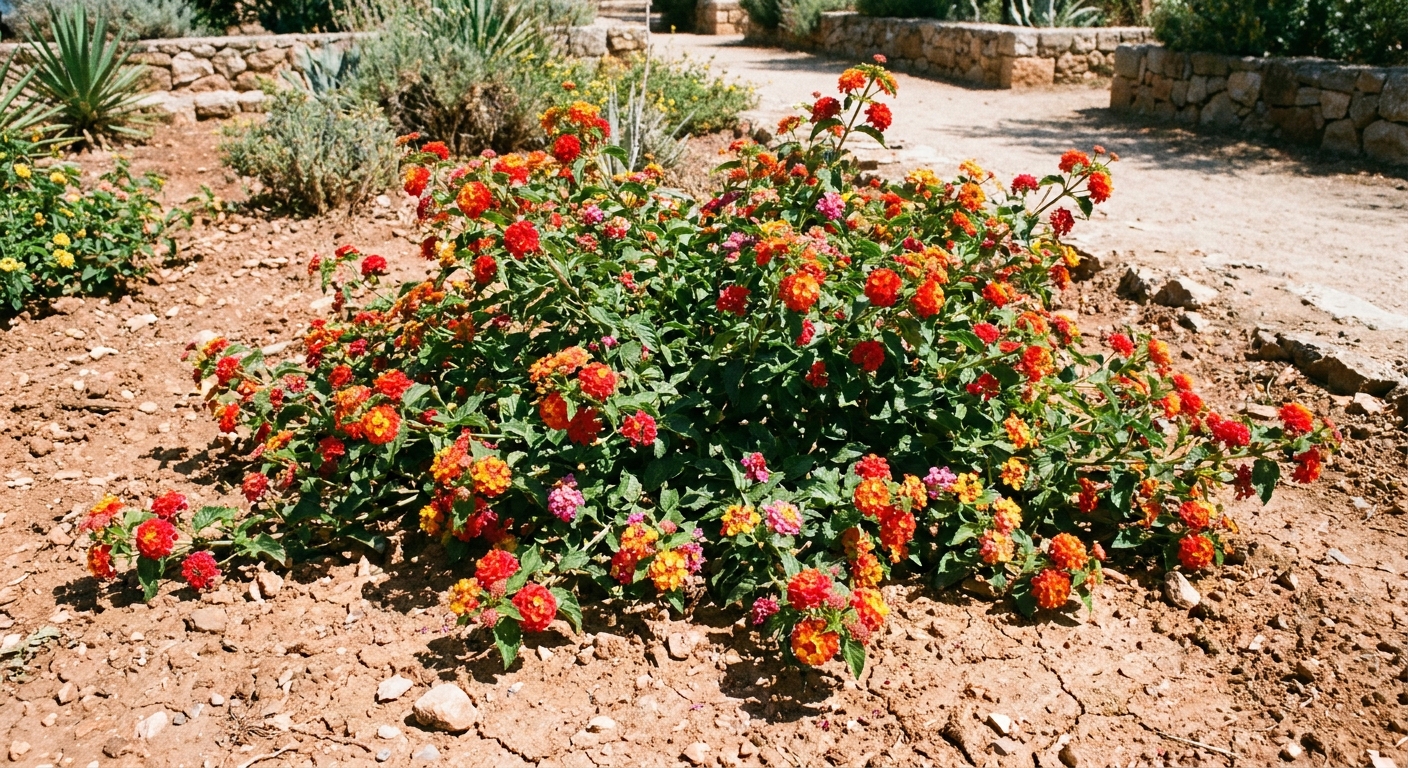
Deadheading and berries
Some lantanas drop spent blooms on their own and keep pushing new flowers, while others look best with a little grooming.
Do you have to deadhead lantana?
Often, no. Many modern varieties are considered “self-cleaning,” meaning they shed old flower clusters as new ones form. That said, a quick tidy can still improve appearance and encourage more blooms, especially after a lull.
When deadheading helps the most
- If you see lots of brown, crispy flower heads hanging on
- If the plant is setting berries and slowing down on flowers
- If you want a neater look in a container near an entryway
How to deadhead and prune
- Snip off the spent flower cluster just above a set of leaves.
- Every few weeks, give the plant a light “haircut” by trimming long shoots back by 2 to 4 inches.
- If it gets leggy, you can cut lantana back by up to one-third. It usually rebounds quickly in warm weather.
Berry note: If your lantana is producing berries and you have kids, pets, or grazing animals around, remove them. Unripe berries are the biggest concern, and I prefer not to tempt fate.
One note from my own slightly quirky habit of chatting with plants: lantana responds beautifully to that regular little trim. It is like it hears you say, “Let’s get bushy,” and actually does it.
Container size and potting mix
Lantana is a strong grower, and the pot you choose decides whether it stays lush or dries out every afternoon like a dramatic fainting couch.
Best pot size
- For one lantana: start with a 12 to 16 inch wide container (about 3 to 7 gallons)
- For larger, shrub-like growth: 18 to 24 inches wide (10+ gallons) is wonderful
- Hanging baskets: choose a large one with excellent drainage and be ready to water more often
Too-small containers lead to constant watering and stress. Oversized pots can stay wet too long, so drainage and soil choice matter.
Potting mix that keeps roots happy
- Use a quality potting mix, not garden soil.
- If your mix tends to stay wet, blend in perlite or pumice for extra air space.
- Avoid “moisture control” mixes for lantana unless you live in a very arid climate and the pot is in full sun.
Fertilizer in containers
In beds, lantana is not a heavy feeder. In pots, blooming can be stronger with a light, steady nutrient supply.
- Use a balanced slow-release fertilizer at planting, or
- Feed with a diluted liquid fertilizer every 3 to 4 weeks during active growth.
If you over-fertilize and get lots of leaves but fewer blooms, ease up. Lantana likes conditions a bit on the lean side.
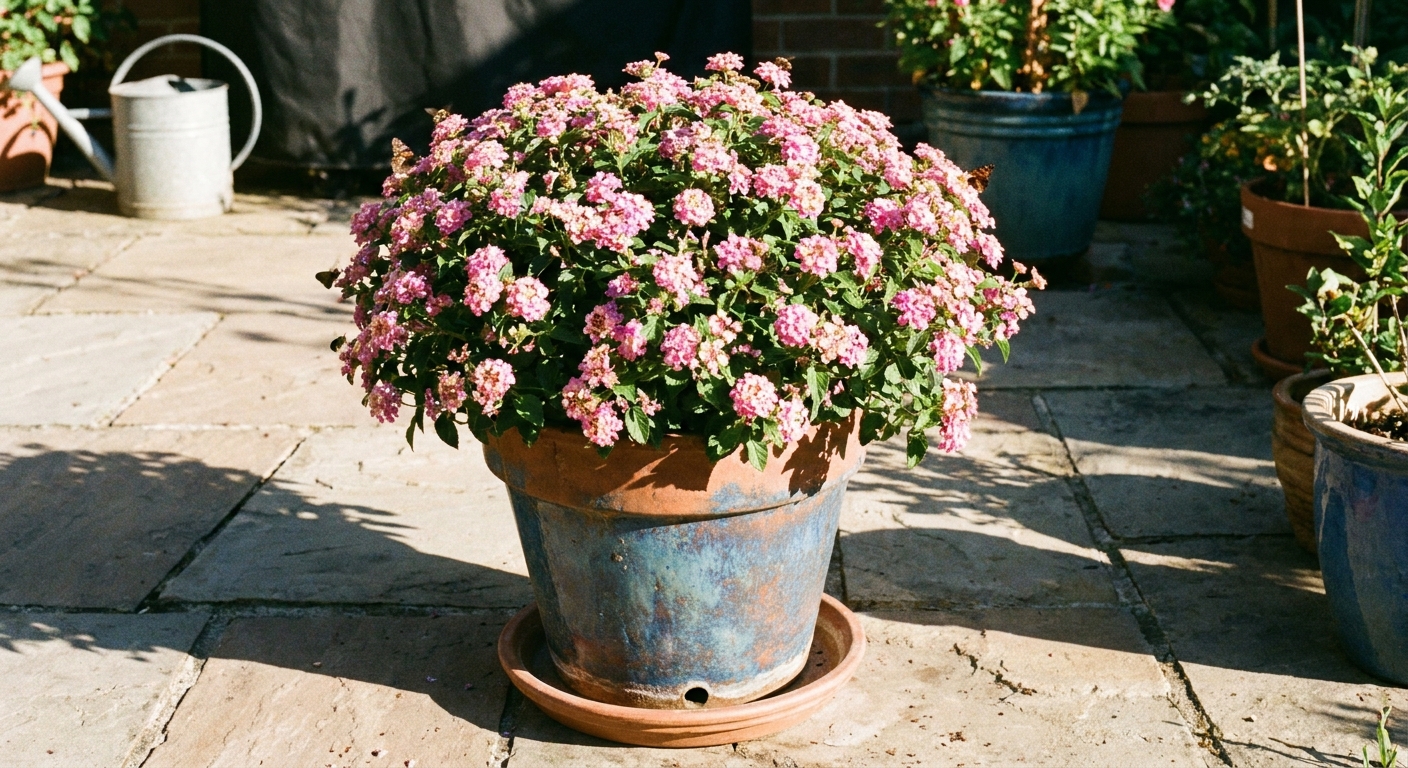
Winter hardiness by zone
Lantana is tricky in a good way: in cold climates it behaves like a long-blooming annual, and in warm climates it can be a woody perennial shrub.
General hardiness guidelines
- USDA Zones 10 to 11: typically perennial, may bloom most of the year in frost-free areas
- Zones 8 to 9: often perennial, may die back in cold snaps but regrow from the base
- Zones 7 and colder: usually grown as an annual outdoors unless protected or overwintered indoors
Microclimates matter. A lantana tucked against a south-facing wall can survive better than one in an exposed bed. Still, if your winters regularly drop well below freezing, plan on treating it as an annual or bringing it inside.
Should you cut it back for winter?
In warmer zones where it is perennial, you can prune in late winter or early spring once you see new growth starting. In borderline areas, leaving some top growth can help protect the crown, then you clean it up after the worst cold has passed.
Common issues and how to fix them
Lace bug spotting
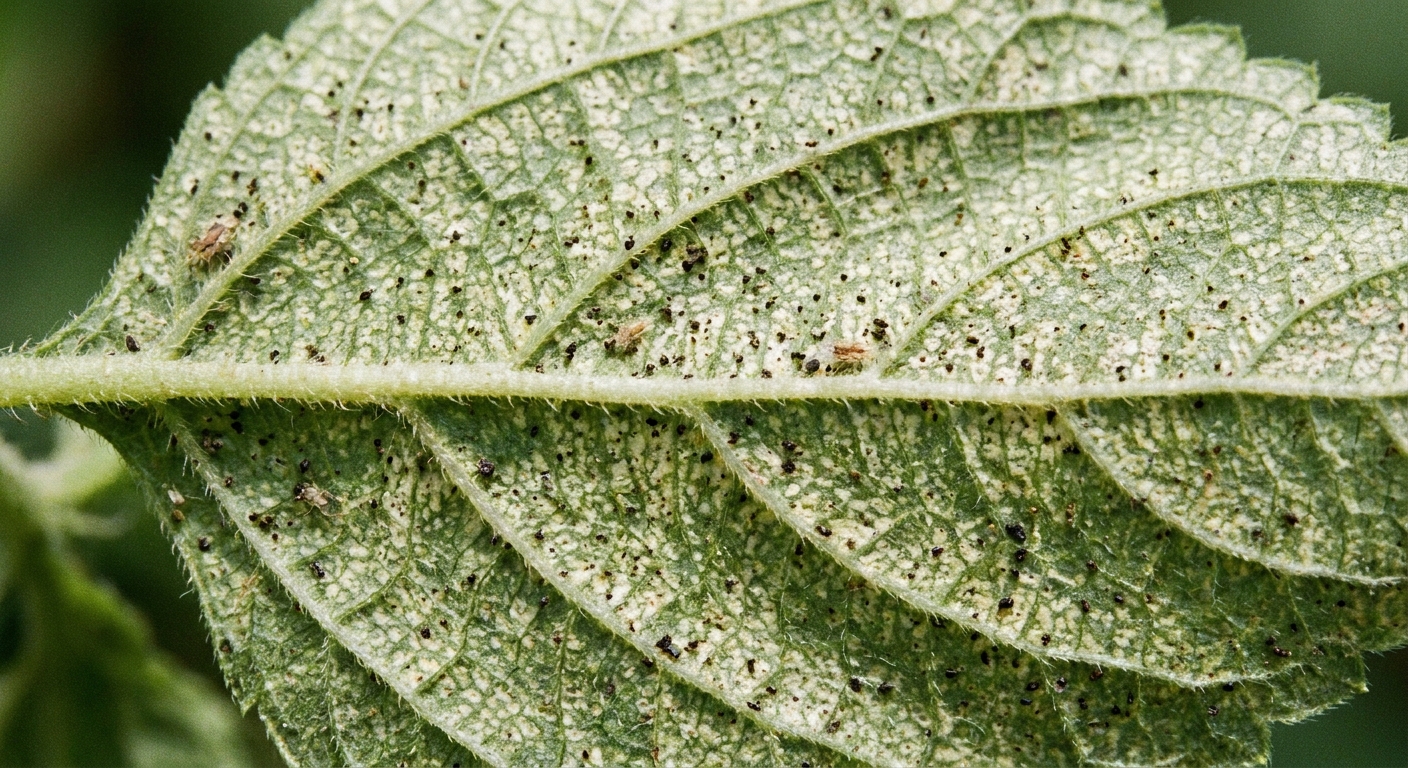
Lace bugs can cause a stippled, speckled look on leaves, often with pale dots on top and dark specks underneath. Leaves may look dusty, bronzed, or generally unhappy.
What to do:
- Confirm it: Flip a leaf over and look for tiny insects and dark varnish-like spots.
- Start gentle: Blast the undersides of leaves with a strong stream of water.
- Prune the worst: Remove heavily damaged leaves to reduce the population.
- Use horticultural soap or oil: Spray the undersides, early morning or evening, and repeat as directed. Test on a small area first in high heat.
- Reduce stress: A stressed lantana is more attractive to pests. Fix watering and give full sun and airflow.
Root rot and soggy soil
This one is almost always a drainage issue. Lantana can handle heat. It cannot handle swamp feet.
- Make sure containers have drainage holes and no standing water in saucers.
- In beds, avoid low spots where water collects and plant slightly raised if needed.
- Water by feel, not by schedule. Your fingers are better than a calendar.
Leggy growth and fewer blooms
- Cause: not enough sun, too much fertilizer, or no pruning
- Fix: move to brighter sun, ease off feeding, trim back by one-third to encourage branching
Bringing potted lantana indoors
If you love your lantana and want to keep it going next year, you can overwinter it indoors. It is not always as effortless as a houseplant, but it is very doable if you keep expectations realistic.
Option 1: Resting plant
- Before first frost: bring the pot inside.
- Cut back: trim the plant by about one-third to half to make it manageable.
- Light: a bright window is great, but it can also rest with lower light.
- Water: much less. Keep it barely moist, never wet. Let the top few inches dry between waterings.
- Spring wake-up: increase light and watering gradually once days lengthen, then harden off outdoors after frost danger passes.
Option 2: Keep it growing indoors
To keep lantana actively growing and blooming, it needs very bright light, often supplemental grow lights, and careful watering. If it gets lanky indoors, that is normal. You can prune and reset it in spring.
Pest check before it comes inside
Before you carry the pot through your doorway, inspect leaves and stems. Rinse the plant well, and consider a preventative spray of insecticidal soap if you have had issues outdoors. Indoor pests are a lot less charming than outdoor ones.
Planting lantana in beds
Soil and spacing
Lantana prefers well-draining soil. It is happiest when the soil is improved but not over-fertilized. Compost is lovely, especially in sandy soil, but avoid creating a rich, soggy planting pocket in heavy clay.
- Spacing: follow the tag, but many varieties want 18 to 24 inches, sometimes more
- Airflow: helps reduce pest pressure and keeps foliage healthier
Mulch wisely
Mulch helps conserve moisture, but keep it a couple of inches away from the plant’s base. A mulch volcano holds moisture right where lantana does not want it.
Lantana care checklist
- Sun: 6 to 8+ hours for best flowering
- Water: deep and infrequent in beds, water when top inch dries in containers
- Drainage: non-negotiable, especially in pots
- Grooming: deadhead if it looks messy, trim lightly to keep it bushy
- Winter: perennial in warmer zones, annual or overwinter indoors in cold climates
- Watch for: lace bug stippling and overwatering symptoms
- Safety: keep away from kids and pets, and remove berries if they appear
- Warm-zone tip: check local guidance and choose sterile or non-invasive options when possible
If you give lantana sun, a pot that drains, and permission to dry a bit between waterings, it will reward you with months of color and a steady buzz of happy pollinators. And if you catch me talking to mine on the porch, no you did not.