
Jewel Orchid (Ludisia discolor) Care Indoors

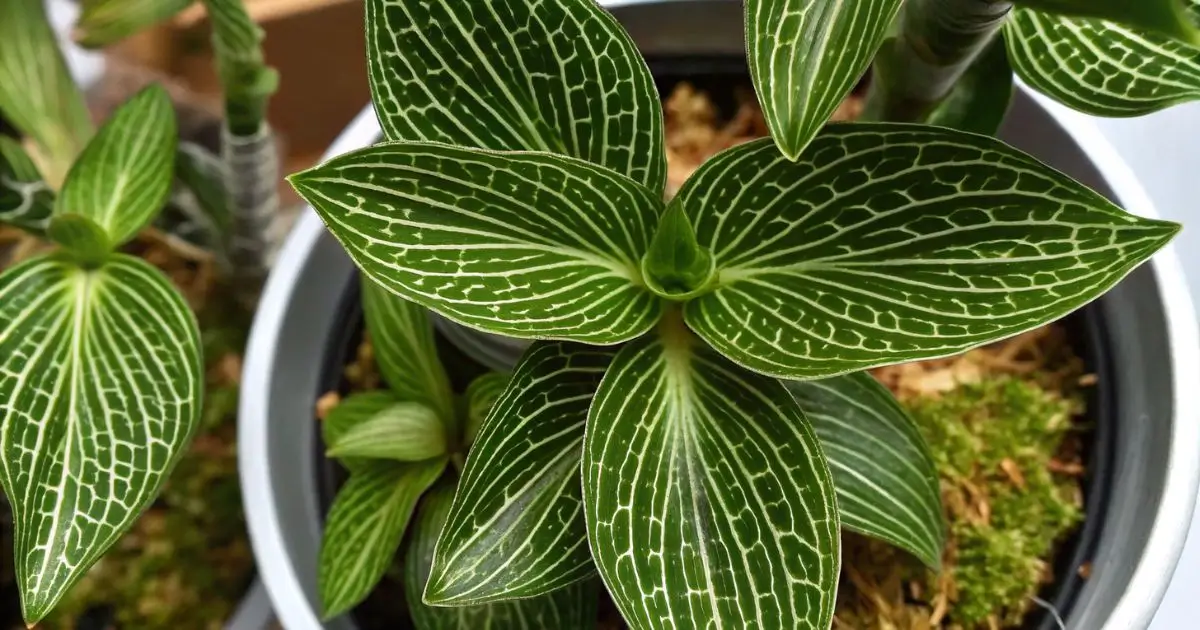
If you have ever wanted an “orchid” that actually likes average indoor light and does not demand a spa day every week, meet the jewel orchid, Ludisia discolor. It is grown less for big blooms and more for its velvety, dark leaves stitched with pink or copper veins. I like to think of it as the houseplant version of a secret forest path.
Jewel orchids are terrestrial orchids. That one detail explains almost everything about their care: they grow in the ground (or in leaf litter) rather than clinging to tree bark. So we skip the chunky bark-only approach and focus on an airy, moisture-friendly mix that stays lightly damp without turning the roots and rhizomes to mush.

Quick care snapshot
- Light: Medium to bright indirect light is ideal. Tolerates lower light, but avoid deep shade and hot direct sun.
- Water: When the top inch feels dry (or the top third of the pot in very small pots), water thoroughly and drain.
- Humidity: Comfortable at 40 to 60% but happiest around 50%+.
- Soil mix: Airy terrestrial orchid mix: fine bark or coco chips plus sphagnum or coco coir, plus perlite or pumice.
- Temp: 65 to 80°F (18 to 27°C). Avoid cold drafts.
- Fertilizer: Light feeder. Half-strength balanced fertilizer every 4 to 6 weeks in spring and summer.
- Propagation: Stem cuttings and division are both very doable.
Jewel orchid vs moth orchid
A lot of generic orchid tips are written for moth orchids (Phalaenopsis). Phals are epiphytes, meaning they grow on trees with exposed roots that dry quickly. Ludisia is terrestrial, with creeping rhizomes that like consistent, gentle moisture and a finer-textured medium.
Key differences
- Potting medium: Phals thrive in chunky bark. Jewel orchids prefer a finer, moisture-retentive but airy mix.
- Water rhythm: Phals often want to dry more between waterings. Jewel orchids like to dry slightly on top, but not bone-dry throughout the pot for long.
- Light: Jewel orchids tolerate lower light than most flowering orchids. Too much sun can scorch those velvet leaves.
- What you are “growing for”: Phals are about blooms. Jewels are about leaves, with small white flower spikes as a seasonal bonus.
Light
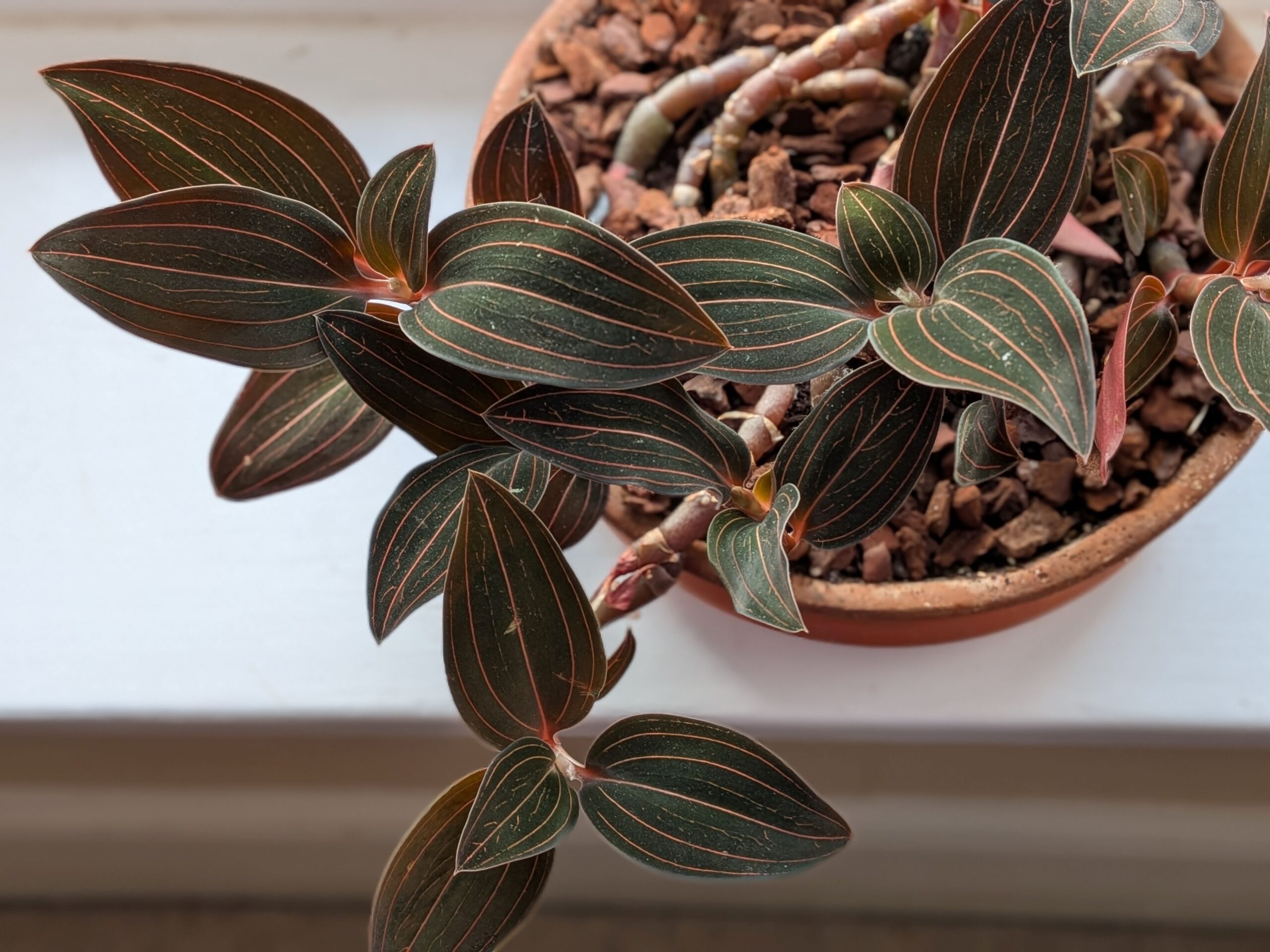
Indoors, jewel orchids do best in bright shade or medium indirect light. Think: a few feet back from an east window, or in a north window that gets steady sky light. They are low-light friendly, not no-light. If the leaves look washed out or you see crispy patches, the light is likely too strong.
How to tell if your light is right
- Good: Deep, rich leaf color with clear veining. Steady, compact growth.
- Too bright: Faded leaves, scorched spots, crispy margins, or a “bleached” look.
- Too dim: Long gaps between leaves (etiolation), floppier stems, smaller leaves, slower growth.
Watering
The #1 mistake with Ludisia is loving it to death with water. The roots and rhizomes are happiest when the potting mix stays evenly moist but airy, never swampy. Your goal is a mix that can hold some moisture and still breathe.
A simple watering routine
- Check first: Stick a finger into the mix. If the top inch feels dry (or the top third of the pot in small pots), it is time.
- Water thoroughly: Pour water slowly until it runs from the drainage holes.
- Drain completely: Never let the pot sit in a saucer of water for hours.
- Adjust by season: In winter, many homes are cooler and darker, so watering usually slows down.
Water quality
If your tap water is very hard or leaves crusty residue, consider filtered or rain water when you can. Use room-temperature water, and give the pot an occasional deep flush so salts do not quietly build up in the mix.
Signs you are overwatering
- Yellowing leaves that feel soft, not crisp
- A musty smell from the pot
- Stems that collapse at the base
- Rhizomes that turn brown and mushy
If you suspect rot
Do not wait. Unpot the plant, trim away any mushy rhizome sections with clean scissors, and repot into fresh mix in a pot with drainage. After repotting, water lightly and then let the mix settle into a slightly drier rhythm for a week or two.
Humidity
Jewel orchids are not as dramatic as some tropicals, but they are noticeably happier with moderate humidity. If your home sits around 40 to 50%, that is usually fine. If winter heat drops you into the 20s, you may see leaf tips crisp and growth stall.
Easy ways to boost humidity
- Group plants: A little plant cluster creates a gentler microclimate.
- Use a humidifier: My favorite “set it and forget it” option.
- Pebble tray: Helpful in small spaces, but the effect is usually modest in an average room. Keep the pot above the waterline.
A note on misting: Occasional misting will not hurt, but it is not a reliable humidity strategy. If water sits in leaf axils or along stems in stagnant conditions again and again, it can invite rot or fungal issues. I would rather you humidify the air than soak the plant.
Soil mix
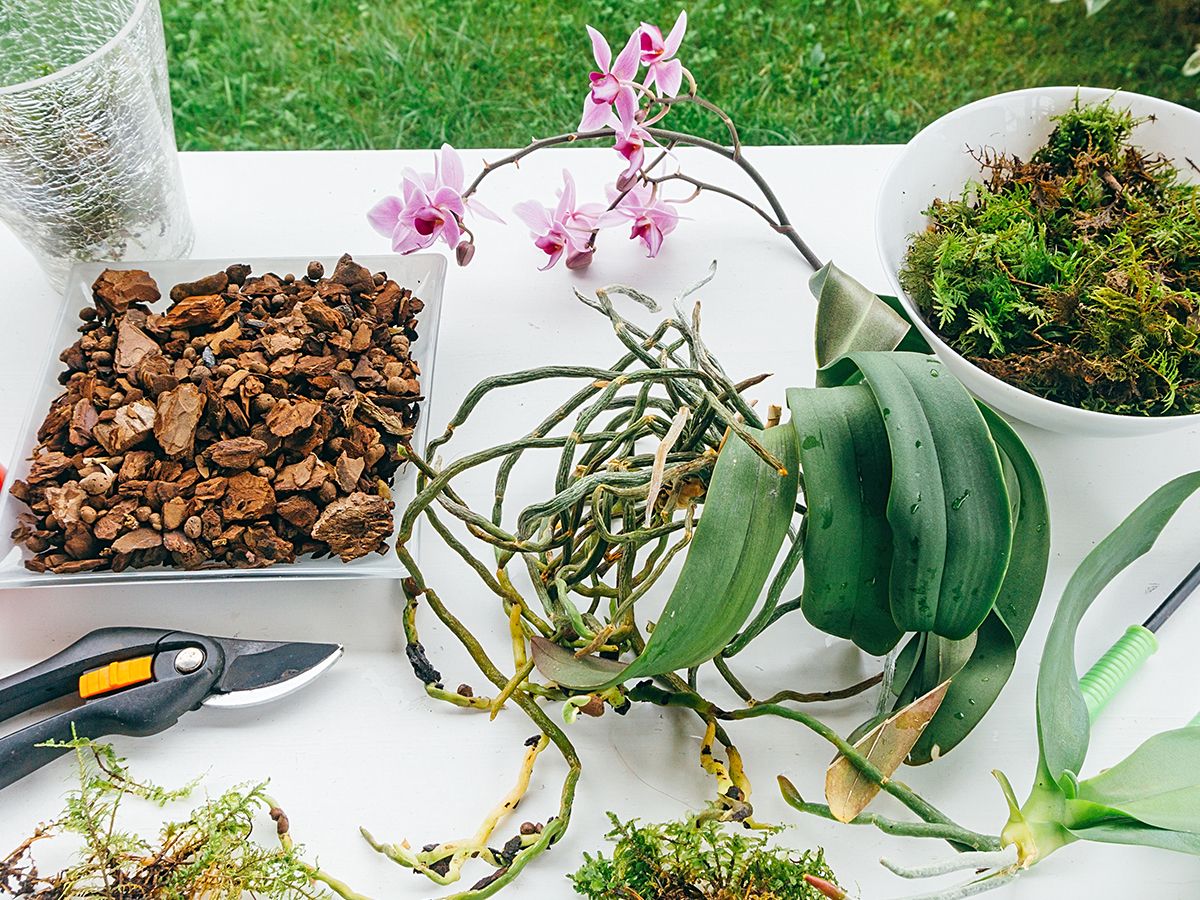
Ludisia grows along the forest floor in leaf litter and humus, with roots that like air and moisture together. A good indoor mix should be fine-textured, springy, and fast-draining, not dense like regular potting soil.
My go-to jewel orchid mix
- 2 parts high-quality sphagnum moss (or coco coir for a more neutral pH option)
- 1 part fine orchid bark or small coco chips
- 1 part perlite or pumice
- Optional: a small handful of horticultural charcoal for freshness
If you use coco coir, choose rinsed (and ideally buffered) coir when possible. Some sources run salty or high in potassium, so keep an eye out for crusty buildup and flush the pot occasionally.
If you are a chronic over-waterer (no shame, we have all been there), increase the perlite or pumice. If you forget to water, add a bit more sphagnum or coir.
Pot choice and repotting
Choose a pot with drainage holes. Jewel orchids do well in plastic nursery pots slipped into a decorative cachepot, or in breathable terracotta if you are consistent with watering. Because Ludisia creeps, a slightly wider pot can be more comfortable than a deep, narrow one.
When you size up, go just a little wider, usually 1 to 2 inches wider than the old pot. Oversized pots hold extra wet mix, and Ludisia does not need that kind of suspense.
When to repot
- The mix is breaking down and staying wet too long
- Rhizomes are climbing over the rim and you want a wider home
- You see slow growth plus a sour smell, which can mean tired media
Most indoor plants appreciate repotting every 12 to 24 months, depending on how quickly the mix decomposes and how often you water.
Temperature and airflow
Average home temperatures are usually perfect: 65 to 80°F (18 to 27°C). Try to avoid cold windowsills in winter and blasts from heating vents. Gentle airflow is good, but constant drafts can dry leaves and mix too fast.
Feeding
Jewel orchids are not heavy feeders. In spring and summer, I like a balanced houseplant fertilizer or orchid fertilizer at half strength every 4 to 6 weeks. In fall and winter, you can pause or feed very lightly if the plant is still growing.
If you notice crusty white buildup on the mix or pot, salts may be accumulating. Flush the pot with plenty of water and let it drain fully, or repot if the mix is old.
Flowers
Ludisia discolor typically blooms with small white flowers on slender spikes, often in late fall or winter indoors. The blooms are charming, but the leaves are the main event.
After flowering
Once the spike finishes, you can snip it off near the base with clean scissors. Then let the plant settle back into leafy growth.
Propagation from cuttings
Jewel orchids are wonderfully shareable. If you can root a pothos cutting, you can propagate Ludisia.
Stem cutting method
- Choose a healthy stem with several leaves and visible nodes.
- Cut below a node using clean scissors or pruners.
- Let the cut dry for 30 to 60 minutes (helps reduce rot risk).
- Root it:
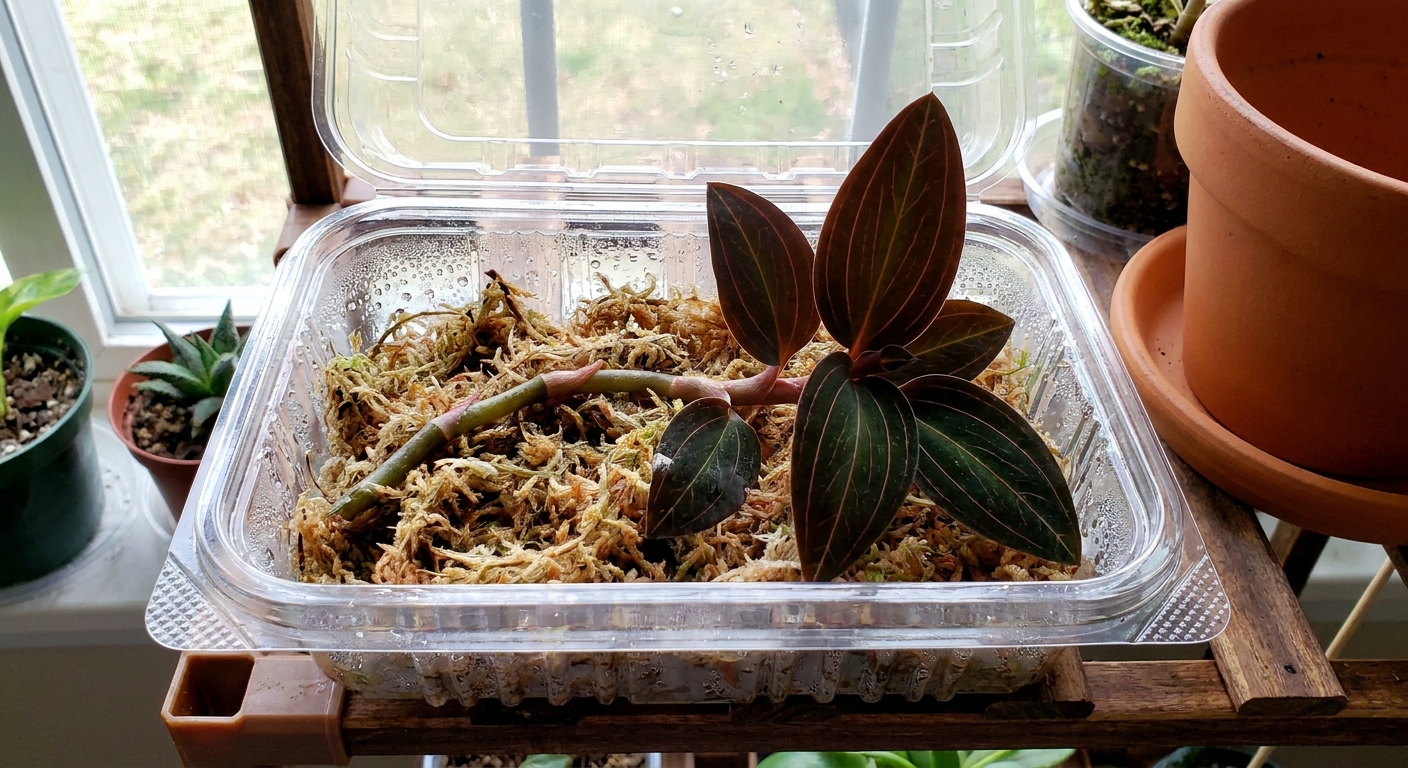
- In damp sphagnum inside a ventilated clear container, or
- In water (change weekly), then pot up when roots are a couple inches long
- Pot up into your jewel orchid mix and keep lightly moist as it establishes.
If you are rooting in a humid container, open it daily for a few minutes. Stagnant air is how good cuttings turn into science experiments.
Common issues
Leaf crisping and brown tips
- Most common causes: Low humidity, inconsistent watering, mineral-heavy tap water, or too much sun.
- Fix: Move to softer light, stabilize watering, consider filtered water, and raise humidity to around 50%.
Etiolation (leggy, stretched stems)
- Cause: Not enough light.
- Fix: Move closer to a bright window with indirect light, or add a small grow light. You can also take cuttings and replant them to make the pot fuller.
Yellow leaves
- If soft and droopy: Overwatering or breakdown of the mix. Repot and trim rot if needed.
- If older leaves only: Normal aging, especially if new growth looks healthy.
Root or rhizome rot
- Cause: Waterlogged mix, no drainage, or cold conditions with wet soil.
- Fix: Unpot, remove mushy sections, repot in fresh airy mix, and reduce watering frequency.
Pests
Watch for mealybugs and spider mites, especially in dry winter air. Wipe leaves gently with a damp cloth and use insecticidal soap as needed, repeating weekly until you stop seeing pests.
Easy habits
- Use a pot with drainage, every single time.
- Water by feel, not by calendar.
- Keep the mix airy, and refresh it before it turns composty.
- Chase gentle light, not direct sun.
- Groom for fullness: If stems get long, trim and reroot cuttings back into the pot for a thicker little “carpet.”
- Do not panic over imperfections. Plants are living things, not plastic decor. They are allowed to have a bad leaf day.
If you want a houseplant that rewards patience with that jewel-toned glow, Ludisia discolor is a lovely place to land. Put it somewhere you will actually see it in the evening, because those velvety leaves look their best when the light is soft and the day is winding down.