
Japanese Maple Care in Containers

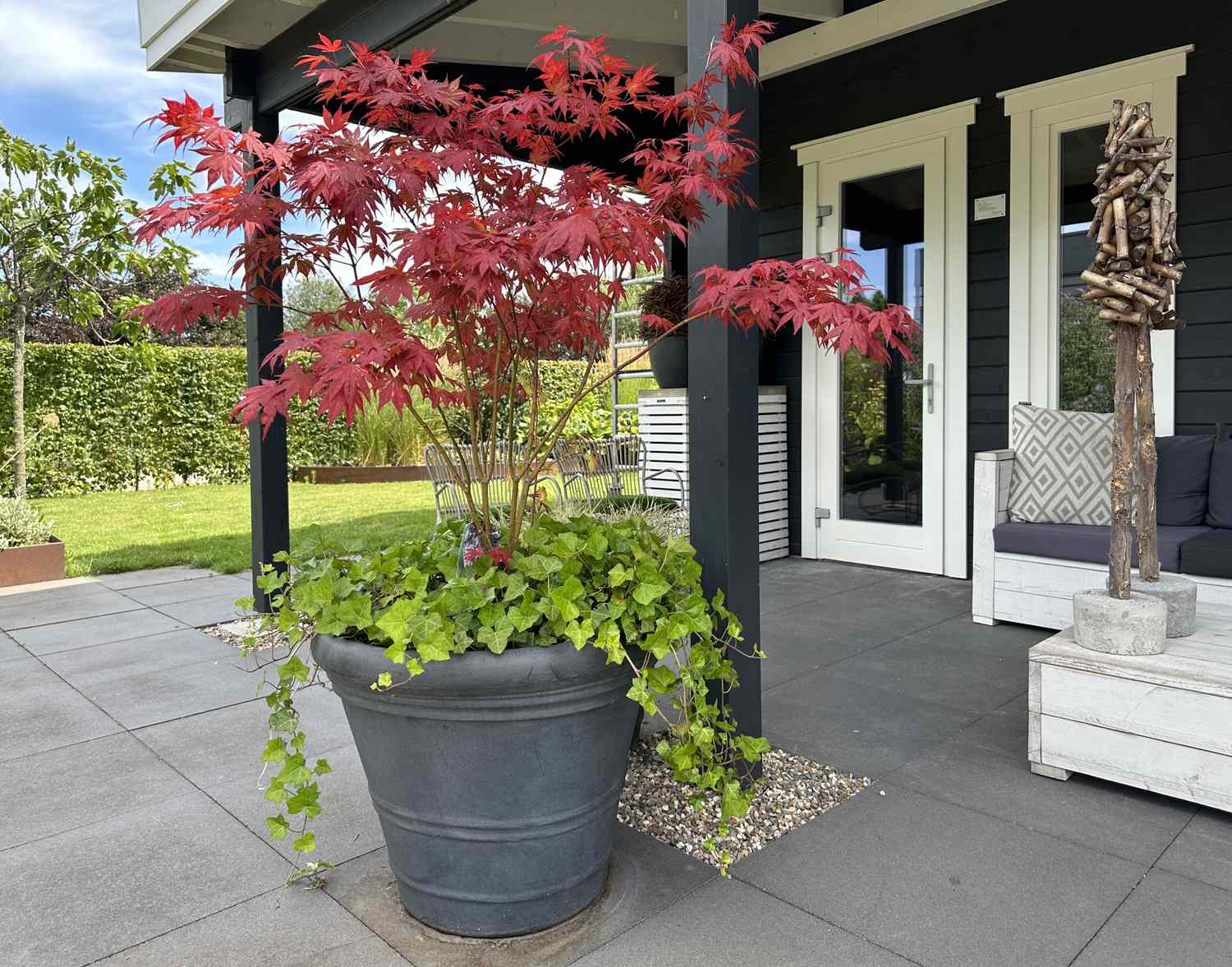
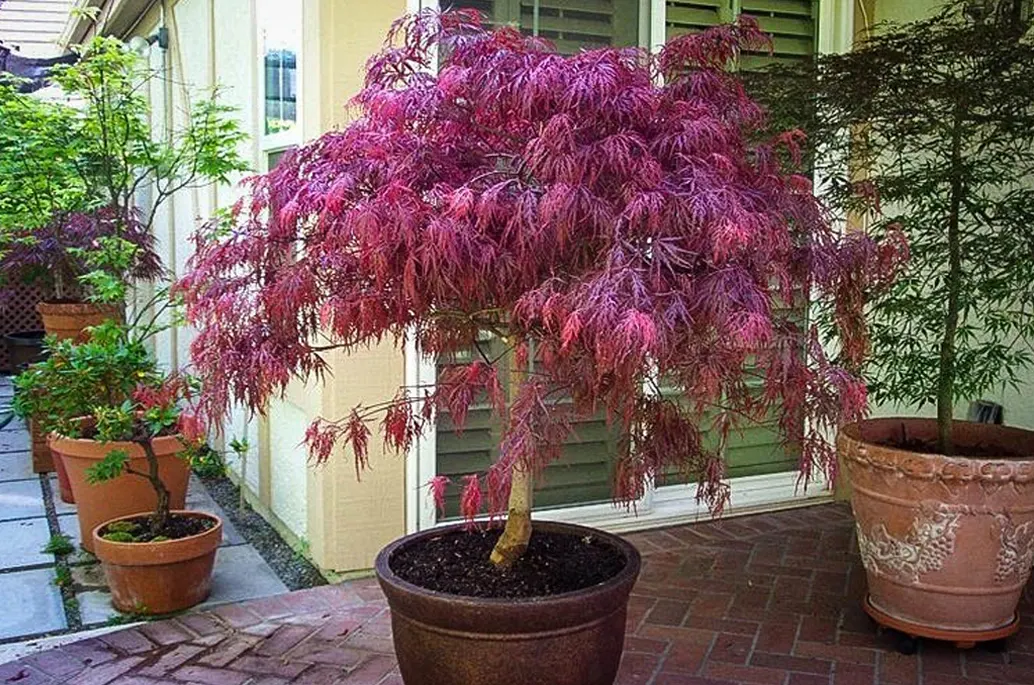
Japanese maples have a way of making a small space feel like a sanctuary. Even in a container, they can look like living sculpture: airy leaves, elegant branching, and color that stops you mid-walk. The trick is treating the pot like a tiny ecosystem. Roots have less room, the soil dries faster, and winter cold hits harder. With a few container-specific habits, your maple can stay happy for many years.

Choose the right pot and placement
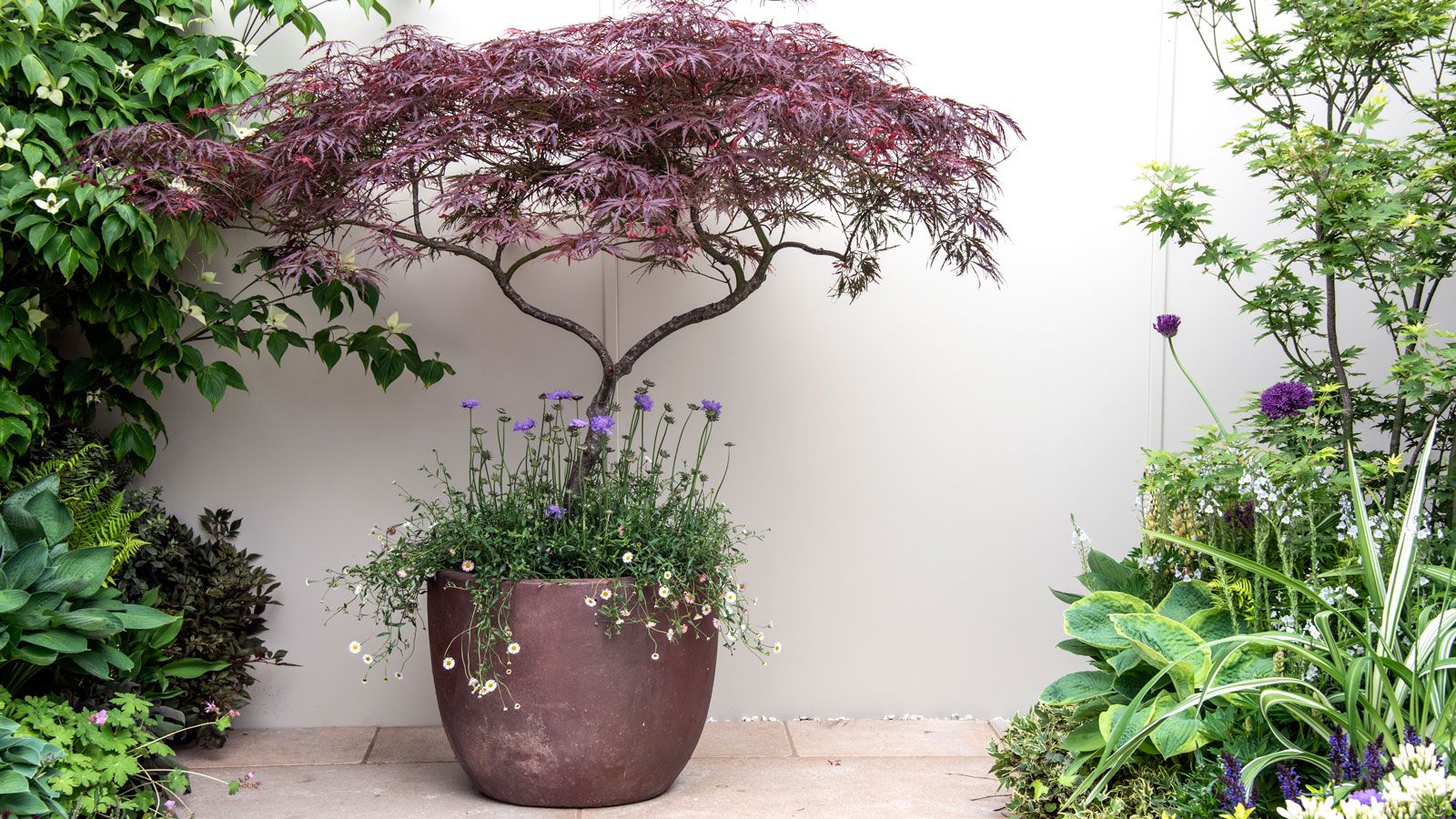
Before we talk soil and watering, set yourself up with a container and location that work with a Japanese maple’s personality. Most varieties prefer bright light with protection from harsh afternoon sun, drying winds, and rapid temperature swings.
Pot basics that matter
- Drainage holes are non-negotiable. A Japanese maple can tolerate even moisture, but it will not forgive soggy roots. That is a fast track to root rot.
- Size for stability. A wider, heavier pot helps prevent tipping in wind and keeps the root zone more temperature-stable.
- Avoid planting in a saucer of water. If you use a drip tray, empty it after watering or elevate the pot so it does not sit in runoff.
- Consider light-colored or insulated containers in hot climates. Dark pots can overheat roots in full sun.
- Match material to your conditions. Terracotta breathes and dries faster, plastic holds moisture longer, and glazed ceramic can be nicely middle-of-the-road but may crack if it freezes hard.
Potting mix and drainage that works
Garden soil is too heavy for containers. It compacts, holds water, and starves roots of oxygen. Your goal is a mix that drains quickly but does not dry out in a single afternoon.
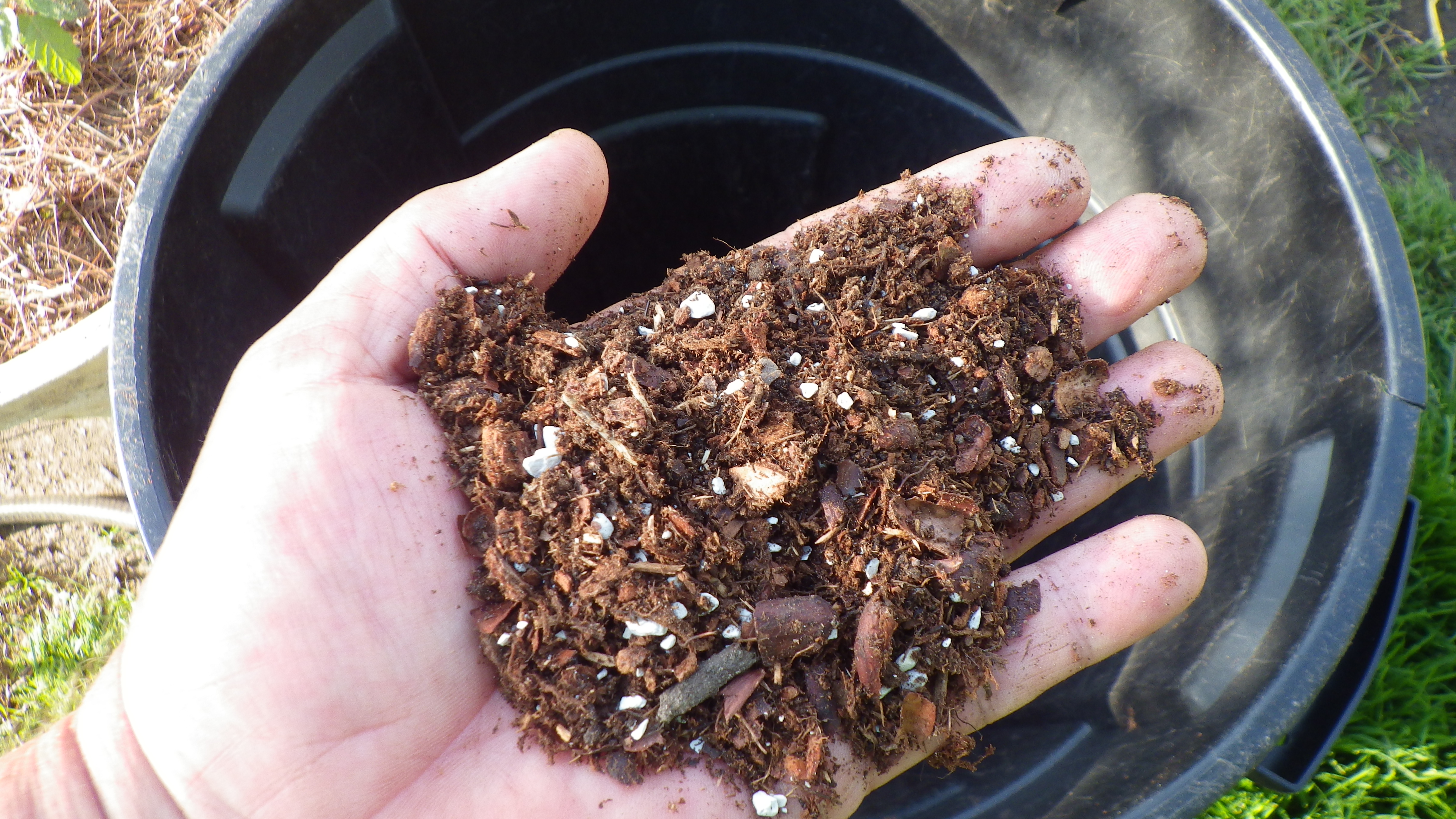
A reliable container mix recipe
If you like mixing your own, here is a simple blend that performs well for most potted Japanese maples:
- 40% high-quality pine bark fines (adds structure, air pockets, and long-term drainage)
- 30% peat moss or coco coir (holds moisture evenly)
- 20% perlite or pumice (boosts aeration and drainage)
- 10% finished compost (gentle nutrition and microbial life)
For store-bought options, look for a premium container mix and cut it with extra bark fines and perlite or pumice. Many bagged mixes are a little too water-retentive on their own for woody trees.
What about rocks in the bottom?
Skip the gravel layer. It does not improve drainage the way most people think. It can create a perched water zone where moisture sits right at the root level. Instead, use a well-structured mix throughout and make sure the holes are open.
Mulch the surface, lightly
A thin layer of shredded bark or pine needles helps slow evaporation and moderates temperature. Keep mulch a couple inches back from the trunk to prevent rot.
Shade for patio life
In the ground, Japanese maples often enjoy morning sun and afternoon shade. In a pot, that preference becomes more urgent because roots heat up faster and leaves dry more quickly.
Easy ways to create kinder light
- Morning sun, filtered afternoon light. Aim for 3 to 6 hours of sun, with protection after about 1 or 2 pm in hot regions.
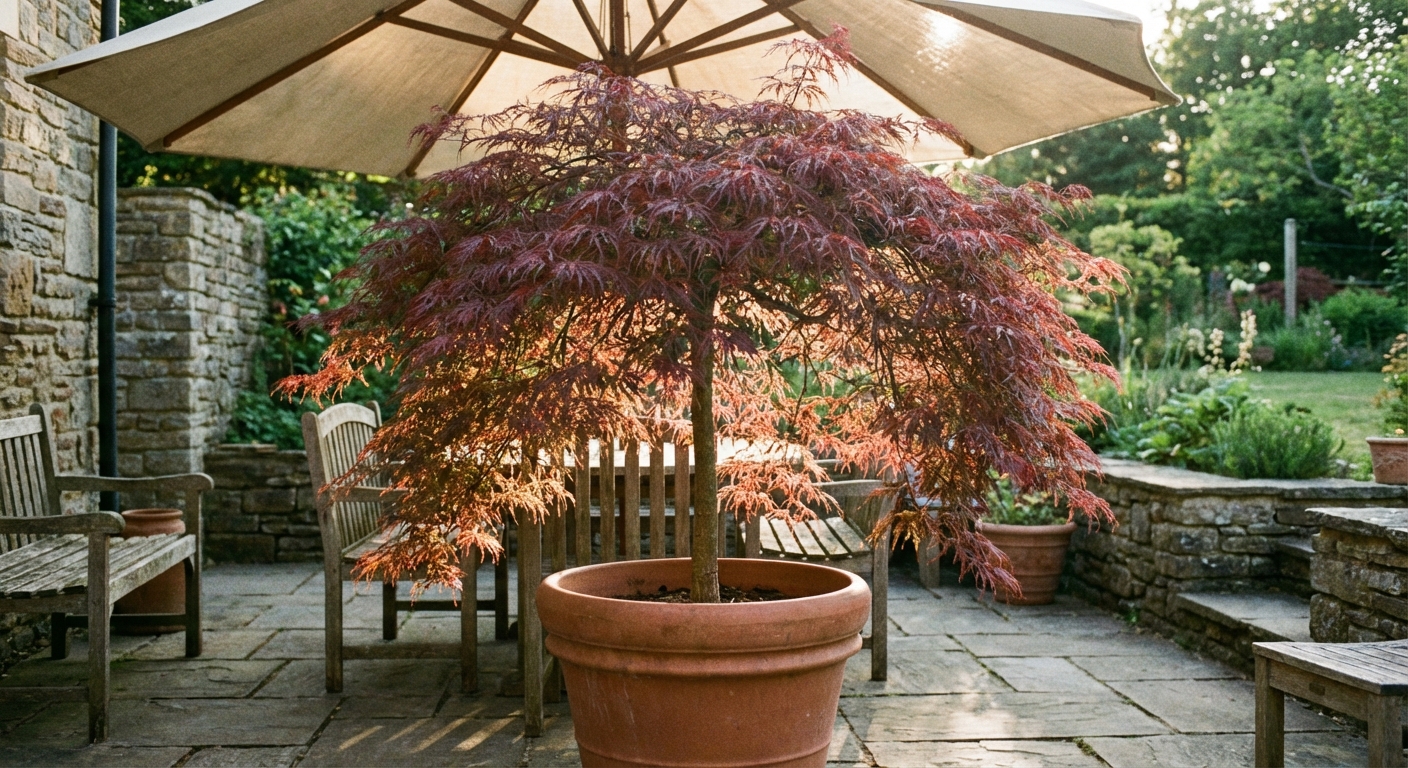
- Use dappled shade. A pergola, an open lattice, or the light shade of a taller tree can mimic the woodland-edge conditions maples love.
- Movable shade is your friend. A patio umbrella or shade sail can save leaf color during heat waves.
- Rotate the pot slowly. If one side gets more sun, rotate a quarter turn every week or two so growth stays balanced.
Leaf scorch often shows as crispy browning on the edges, especially on delicate laceleaf types. If you see it, do not panic. Adjust shade and watering, and let the tree grow new leaves in its own time.
Quick cultivar note: Laceleaf and finely cut varieties tend to scorch faster. Many green-leaf types and thicker-leaved cultivars can handle a bit more sun, especially in cooler climates.
Wind protection
Wind is sneaky. It dries leaves, wicks moisture from the pot, and can snap tender shoots. Container plants feel wind more intensely because they are elevated and exposed.
Practical wind buffers
- Place the pot near a wall or fence but leave a little airflow to reduce fungal issues.
- Create a living windbreak with taller container plants or a row of shrubs.
- Stabilize the container. Use a heavier pot, or set the container inside a larger decorative cachepot with spacers so water can still drain.
- Stake only when necessary. Gentle movement strengthens trunks, but repeated rocking can tear fine roots. If the root ball shifts in wind, add support temporarily.
If your location is consistently windy, choose a more upright, sturdier cultivar rather than an extremely fine cut-leaf variety that behaves like a sail.
Watering in summer heat
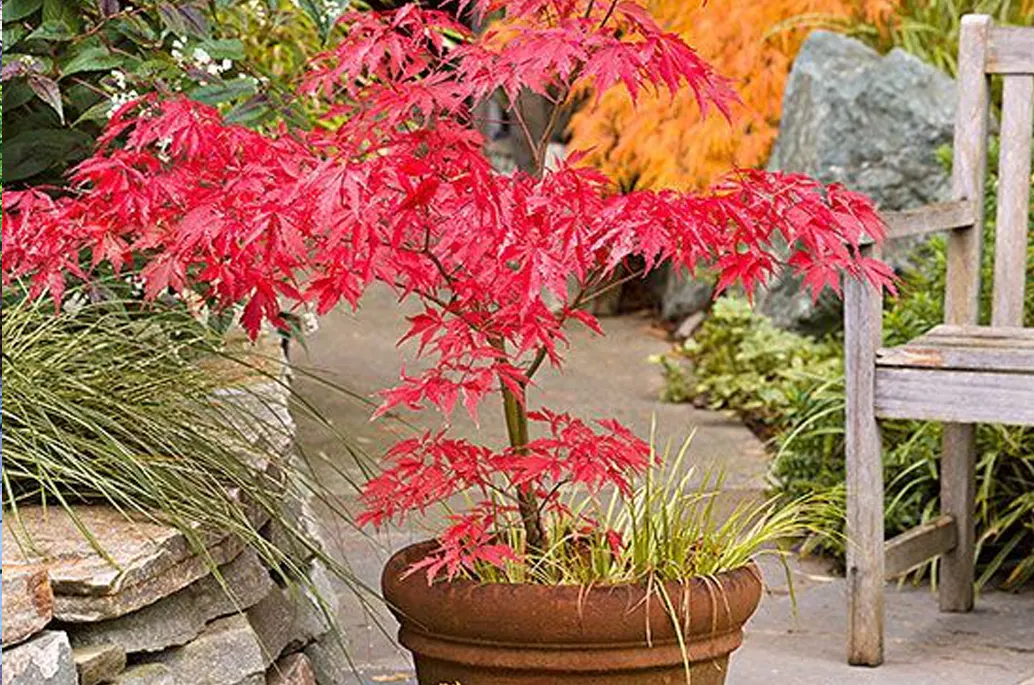
This is the make-or-break piece for potted Japanese maples. In summer, a container can go from pleasantly moist to bone dry surprisingly fast. The goal is even moisture, not constant wetness.
How to tell when to water
- Finger test: Stick your finger 2 inches into the mix. If it feels dry at that depth, it is time.
- Lift test: With practice, you can feel the difference between a heavy, moist pot and a light, dry one.
- Leaf cues: Slight midday droop that recovers in evening can be normal in heat. Persistent droop, crisp edges, and dull leaf color suggest the root zone is staying too dry.
How to water correctly
- Water slowly until it drains. You want the whole root ball moistened, not just the top inch.
- Repeat once if the mix is very dry. Extremely dry potting mix can repel water at first. Water, wait 10 minutes, then water again.
- Morning watering is ideal. It supports the tree through the heat of the day and reduces disease risk compared to late evening watering.
Heat-wave routine
During stretches of high heat, many container maples need daily watering, sometimes twice a day in small pots. If you are watering twice daily for more than a few days, it is usually a sign to add afternoon shade, upsize the container, improve mulch, adjust the potting mix for better moisture balance, or all of the above.
A drip line or micro-emitter system can be a sanity-saver if you travel or if summers are intense where you live. Just be sure the emitters wet the whole root zone and the pot still drains freely.
Water quality matters, too
If your tap water is hard or high pH, it can contribute to salt buildup and nutrient lockout over time. If you can, use rainwater occasionally and flush the pot deeply with clean water now and then during the growing season.
Root pruning and repotting
In a container, roots eventually circle, thicken, and fill all available space. When that happens, water runs through too fast, growth slows, and leaves may look smaller or stressed. Root management is not scary, it is just maintenance, like trimming your hair so it stays healthy.
When to upsize vs root prune
- Upsize when you want the tree to get larger and the current pot is clearly too small.
- Root prune when you want to keep the tree roughly the same size or your space is limited.
Typical timing
Most potted Japanese maples benefit from attention every 2 to 4 years, depending on growth rate, pot size, and climate. Slow growers and delicate cultivars usually do best with a more conservative cadence.
Best season
Late winter to early spring, just before bud break, is usually the gentlest time. The tree is dormant, and it can regrow feeder roots as the season starts.
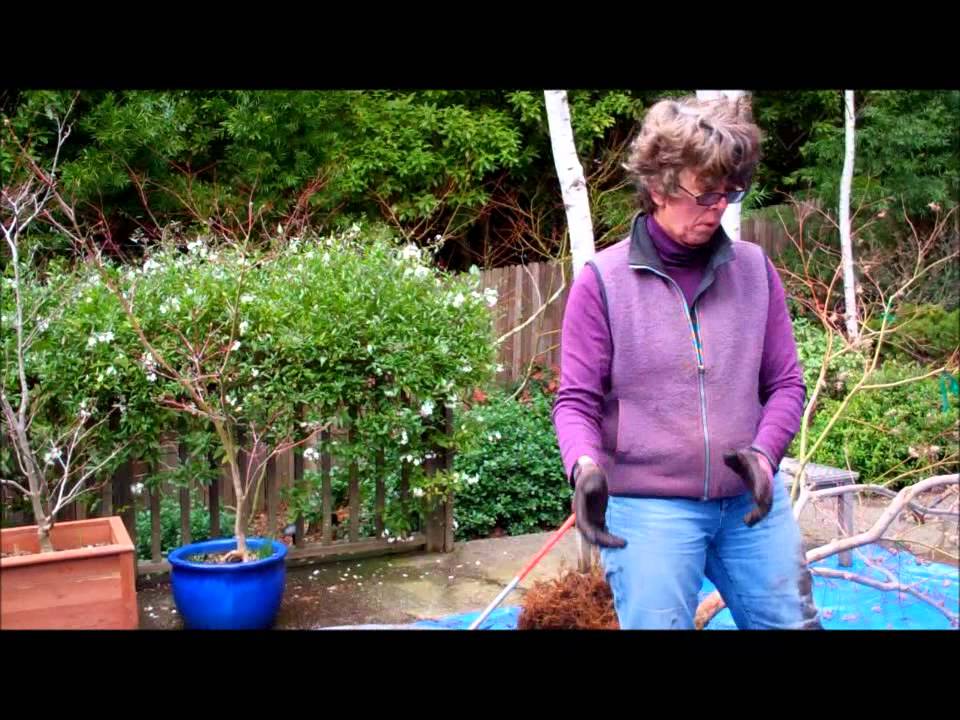
Simple root-pruning steps
- Slide the tree out of the pot. If it is stuck, tap the sides and run a knife along the inside edge.
- Tease and inspect. Look for circling roots and dense mats at the bottom.
- Trim strategically. Remove about 10 to 20% of the root mass, focusing on circling roots and the thickest outer layer. Use clean, sharp pruners.
- Refresh the mix. Replace old, broken-down potting mix with fresh, well-structured mix.
- Replant at the same height. Keep the root flare visible. Do not bury the trunk.
- Water deeply and shelter briefly. Give it a week or two with gentle light and protection from wind while it settles.
If you need to remove more than 25% of the roots, do it only if you are experienced or the tree is extremely pot-bound. When in doubt, do less and repeat in a couple years.
Feeding gently
Japanese maples are not heavy feeders. In containers, though, nutrients wash out faster because you water more often. The goal is steady, moderate fertility that supports leaf color and root health without forcing soft growth that scorches or breaks.
A gentle fertilizing approach
- In spring: Apply a slow-release, balanced fertilizer formulated for trees and shrubs, following label rates for containers.
- Or go organic: Use a light top dressing of compost plus an organic granular fertilizer with a mild NPK.
- Stop in time for fall. A good rule is to stop fertilizing about 6 to 8 weeks before your average first frost so new growth has time to harden off.
If leaves look pale with green veins, you may be seeing chlorosis. In containers, this is often iron-related and can be tied to high-pH water or media, salt buildup, or root stress. Before adding more fertilizer, check drainage, consider flushing, and adjust water quality if you can. If problems persist, a soil or water test can save a lot of guesswork.
Winter safeguards
A Japanese maple that is hardy in the ground can still suffer in a container because roots are more exposed to freezing temperatures and drying winter winds. Depending on pot size, material, exposure, and wind, a container often behaves like it is in a colder microclimate than your garden bed. Plan for extra cold risk.
Cold protection options
- Move it to a protected spot. Against the north or east side of a house is often ideal, out of harsh sun and wind.
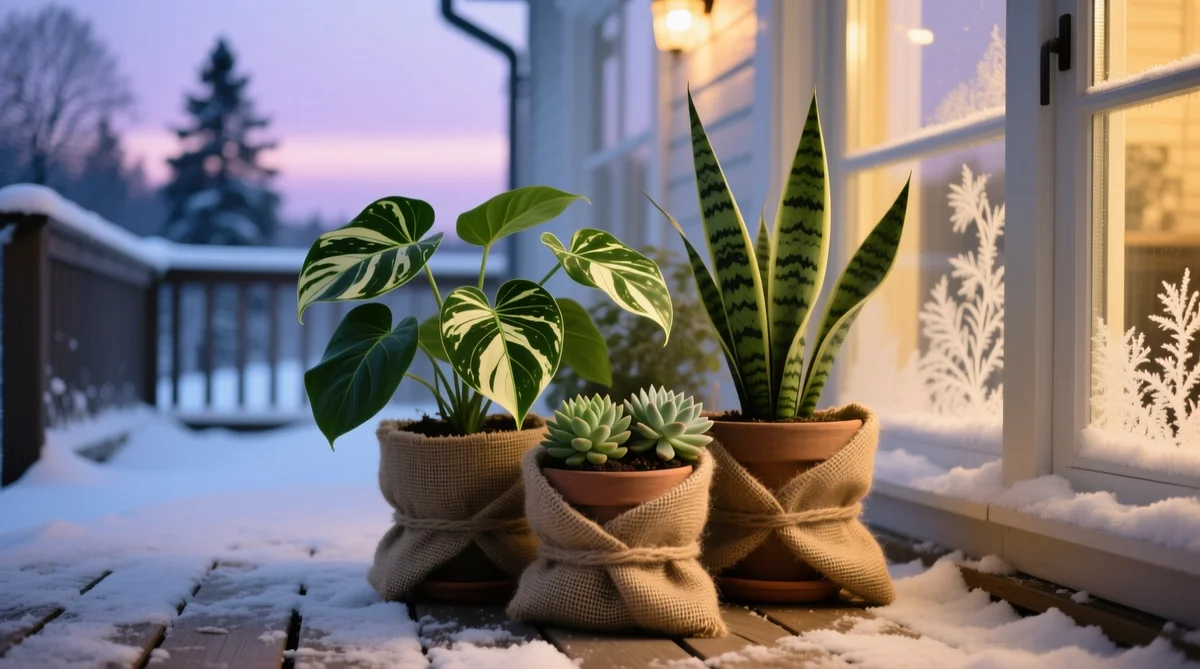
- Insulate the pot. Wrap the container with burlap, bubble wrap under burlap, or a thick layer of leaves held in place with wire mesh. Keep the trunk unwrapped unless you are preventing sunscald in very cold climates.
- Group containers together. Pots protect each other by reducing exposure.
- Set the pot on wood, not bare concrete. Concrete can conduct cold and keep the root ball colder longer. A wood pallet or pot feet helps.
- Consider sheltered storage in very cold zones. After leaf drop, an unheated garage or shed can be a good option. Check moisture now and then and water lightly when the mix is mostly dry and temperatures are above freezing.
Watering in winter
Even dormant trees need moisture. Check the pot during dry spells and water when the mix is mostly dry and temperatures are above freezing. Winter dehydration is a common reason container maples look rough in spring.
Snow and ice
Snow is a surprisingly good insulator. Ice storms are the bigger problem. If heavy ice is weighing down branches, let it melt naturally if possible. Shaking branches can cause breakage.
Troubleshooting
Leaf edges browning
- Most common causes: hot afternoon sun, drying wind, inconsistent watering, or salt buildup from fertilizer or hard water.
- Try this: add afternoon shade, water deeply on schedule, flush the pot with clean water about once a month in summer, and fertilize lightly.
Wilting despite wet soil
- Most common causes: poor drainage, compacted mix, or roots in distress.
- Try this: check drainage holes, consider repotting into a bark-based mix, and do not let the pot sit in water.
Dieback on branch tips
- Most common causes: winter desiccation, wind exposure, or stress from overheating roots.
- Try this: improve winter protection, move to a calmer location, and mulch the surface.
Sticky leaves or fine webbing
- Possible causes: aphids, scale, or spider mites, especially in hot, dry, sheltered patio corners.
- Try this: rinse foliage with a strong spray of water, inspect stems for scale bumps, and use horticultural soap or oil as needed, following label directions.
A note on bigger problems: If you see sudden one-sided wilting, dark streaking in sapwood, or rapid decline, pause and seek a local diagnosis. Japanese maples can be affected by serious issues like verticillium wilt, and quick identification matters.
If you only remember one thing, remember this: a potted Japanese maple wants steady moisture, cool roots, and gentle light. Give it those three, and it will reward you with years of quiet beauty.
Seasonal checklist
Spring
- Check buds and overall structure
- Repot or root prune if needed before bud break
- Apply slow-release or organic fertilizer lightly
- Refresh mulch
Summer
- Water deeply, sometimes daily in heat
- Protect from afternoon sun and wind
- Flush the pot occasionally to reduce salt buildup
Fall
- Enjoy the color, then ease off feeding
- Keep watering until leaf drop and soil begins staying cool
- Plan your winter protection spot
Winter
- Move to shelter and insulate the pot if needed
- Water during dry, above-freezing periods
- Protect from harsh wind and sudden warm sun on frozen roots
Want a more dialed-in routine? Leave your climate zone, container size, and maple type (red, green, or laceleaf) in the comments below, and you can fine-tune your shade, watering, and winter plan.