
Hydrangea Winter Protection in Cold Climates

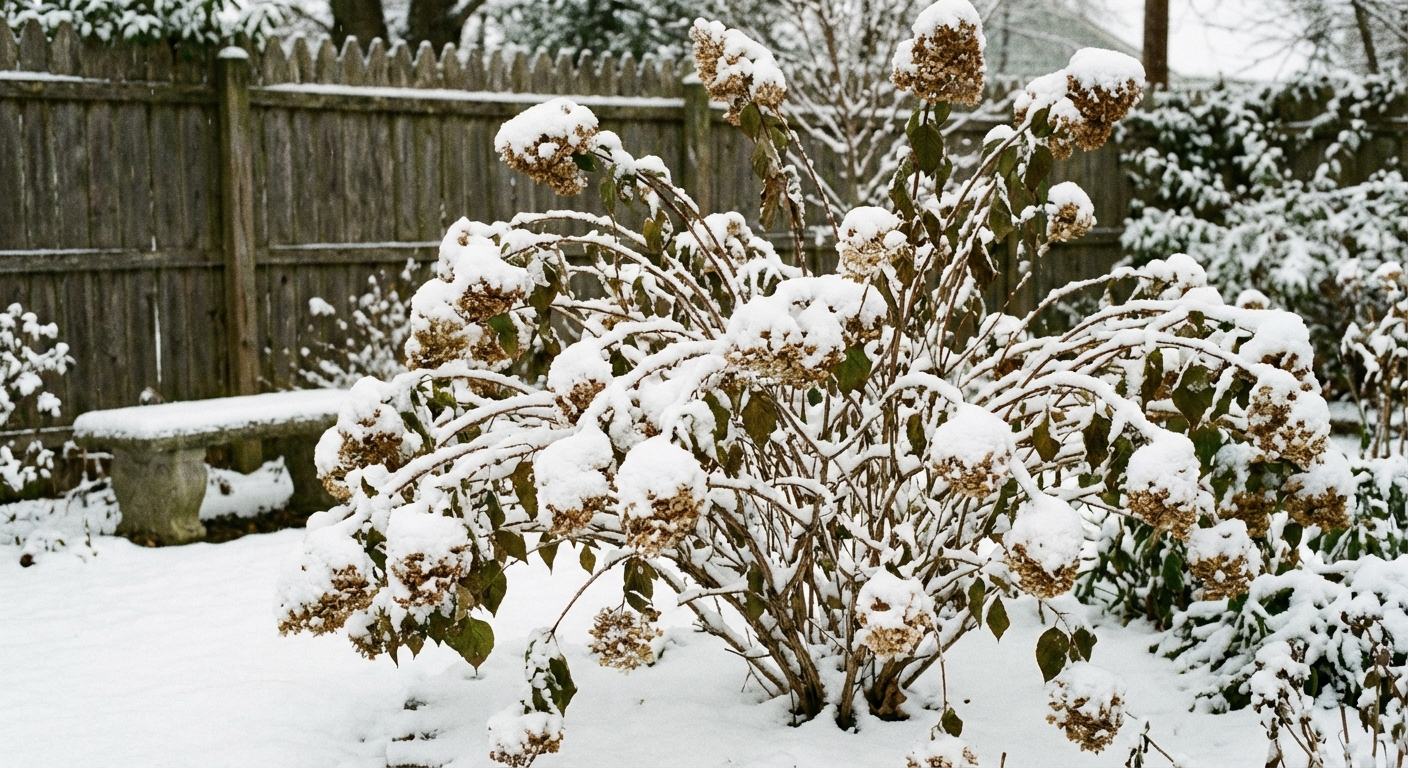
If you garden where winter has sharp teeth, hydrangeas can feel like a heartbreak waiting to happen. One brutal cold snap or a week of drying wind and suddenly your “reliable” shrub is a bundle of dead twigs that refuses to bloom.
Here’s the good news I wish everyone heard sooner: most hydrangea winter damage is preventable once you know which type you have and where it sets its flower buds. After that, protection becomes simple, not fussy.

First, know your hydrangea type (it changes everything)
Hydrangeas fall into two main winter categories: those that bloom on old wood (buds formed last summer) and those that bloom on new wood (buds formed in spring). Old-wood bloomers are the ones that most often “survive” winter but fail to flower.
Usually needs protection in cold climates (old wood)
- Bigleaf hydrangea (Hydrangea macrophylla): mophead and lacecap types. Gorgeous, but the flower buds are tender.
- Mountain hydrangea (Hydrangea serrata): similar to bigleaf, a bit hardier, still benefits from protection.
- Oakleaf hydrangea (Hydrangea quercifolia): can get tip dieback and bud loss in colder zones and exposed sites. In many gardens it is root-hardy into about Zone 5, but flower buds are more likely to suffer in Zones 5 and colder, or anywhere windy and open.
Usually does not need wrapping (new wood)
- Smooth hydrangea (Hydrangea arborescens), including ‘Annabelle’ types: blooms on new wood. Winter may kill stems, but it can still flower.
- Panicle hydrangea (Hydrangea paniculata), like ‘Limelight’: very cold hardy, blooms on new wood.
What about reblooming bigleaf hydrangeas?
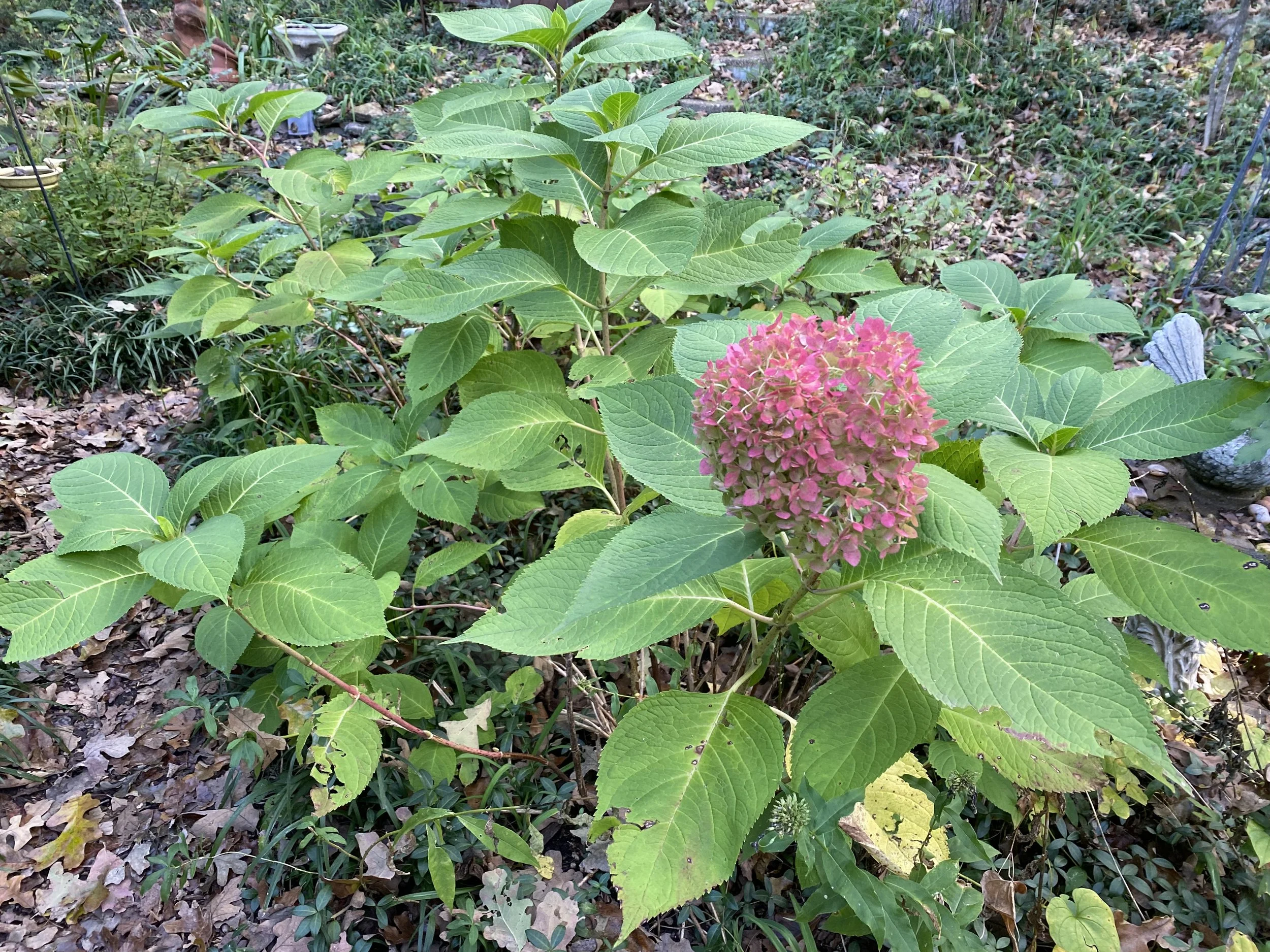
Many newer bigleaf varieties (like the Endless Summer series and other “rebloomers”) can bloom on both old and new wood. That means winter bud loss is not always a total bloom wipeout, but you will still get the earliest and most generous summer show if you protect the old wood buds whenever you can.
If you are not sure what you have: use leaf shape and flower shape first, and dried flower heads if present. Bigleaf has broad, shiny leaves and round flower heads. Oakleaf has big, lobed leaves that look like an oak. Panicle has cone-shaped flower clusters. Smooth often has round clusters and softer, matte leaves.
Zone note: When I mention Zone 4, 5, or 6, I’m using the USDA hardiness zone system. If you garden elsewhere, match the advice to your local winter lows and exposure.
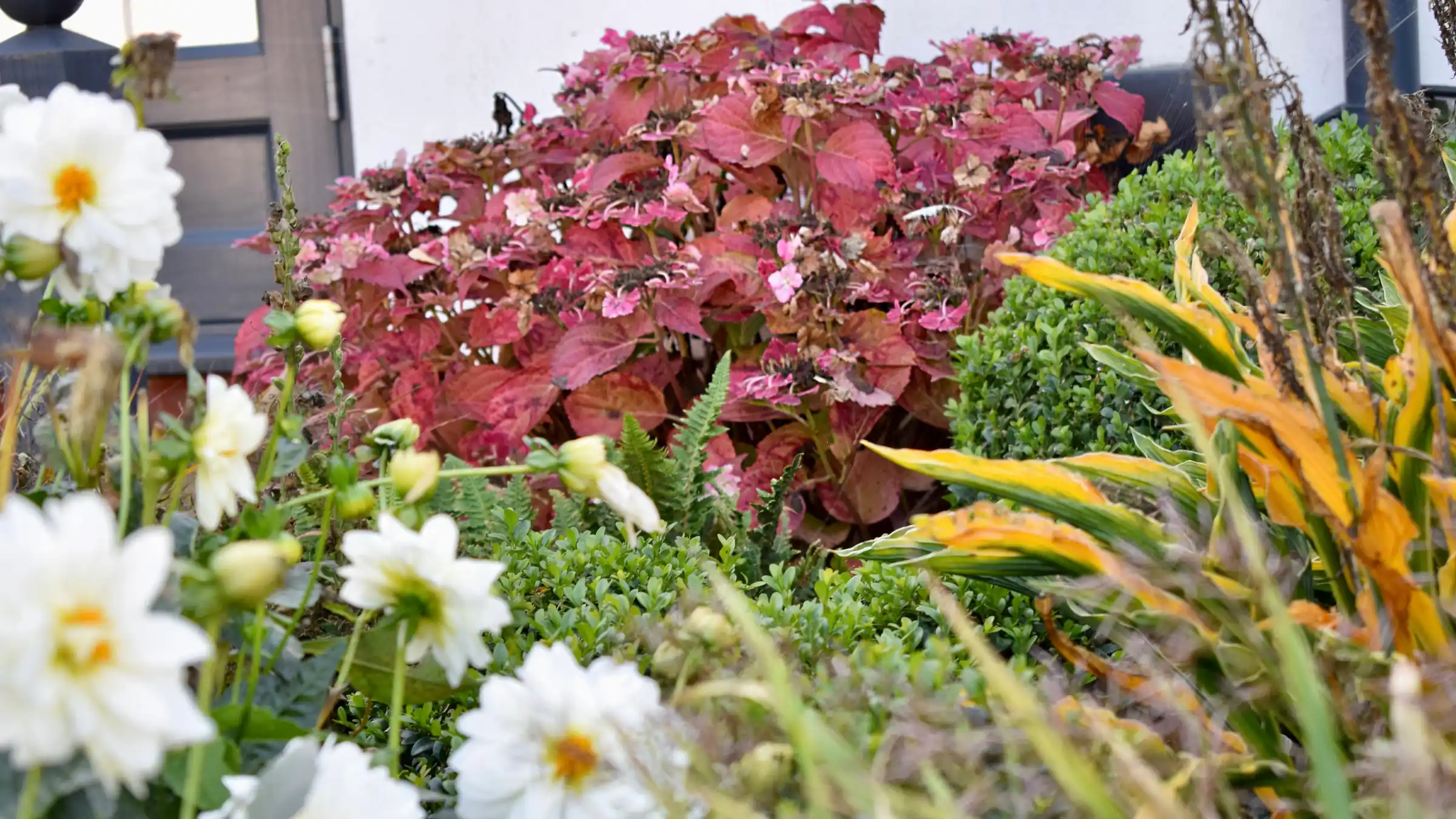
What winter is really doing to hydrangeas
In cold climates, hydrangeas struggle for three main reasons. If you protect against these, you are most of the way there.
- Bud kill from deep cold: especially on bigleaf and mountain hydrangeas. The plant lives, but buds die and you lose blooms.
- Freeze-thaw cycles: warm spells followed by sudden cold can crack stems and damage buds at the tips.
- Winter desiccation: winter winds and sun pull moisture from stems and buds when the ground is frozen and roots cannot replace it. This is common in exposed, windy sites.
My rule of thumb: if your hydrangea is on the north or east side of a house, sheltered by fencing, or tucked into a courtyard, it often needs less help. A south or west exposure can be trickier because it warms earlier, wakes buds up too soon, and then a late cold snap hits like a slap. Out in the open where wind can “sandblast” it all winter, you will want to step in.
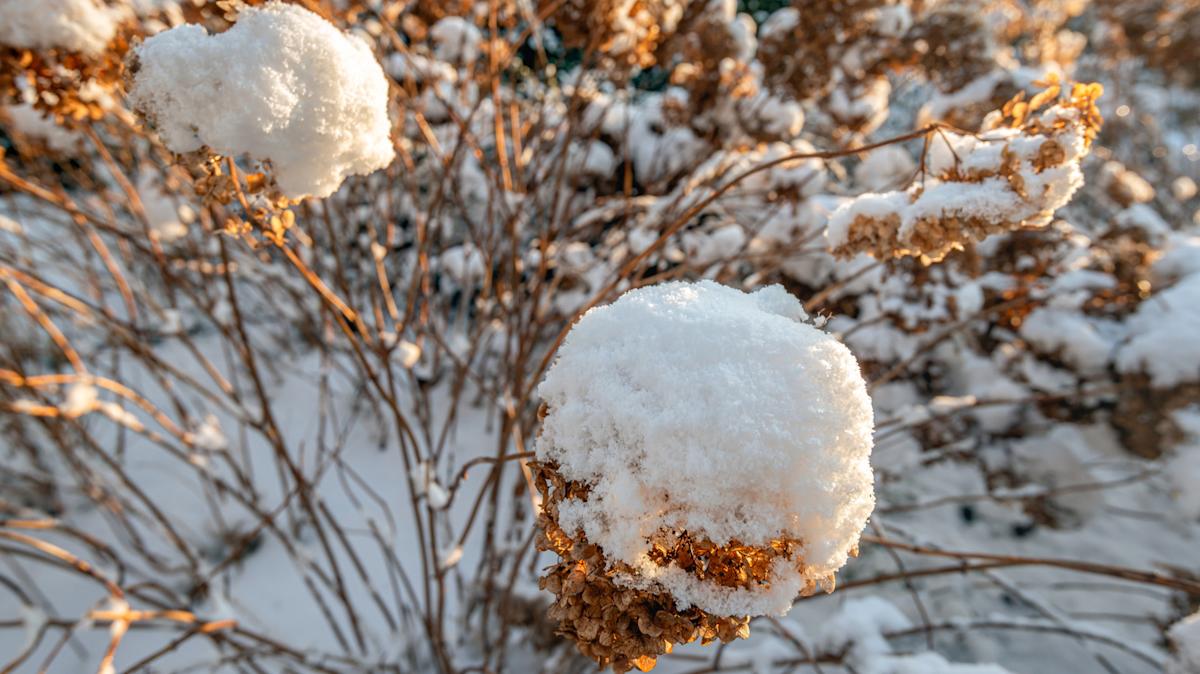
One more winter truth: snow is often insulation. A steady snow blanket can protect crowns and lower buds. Heavy, wet snow is the problem, because it can bend and snap canes.
Timing: when to mulch and when to wrap
The biggest timing mistake is protecting too early. Warm, moist fall weather plus heavy wrapping is basically an invitation for rot, mold, and rodents.
Mulch timing
- Wait until the ground begins to freeze or nighttime temps are consistently below freezing. In many cold climates, that is late fall into early winter.
- Goal: keep soil temperatures stable, not warm.
Wrap timing
- Wrap after leaf drop and after a couple of hard frosts, when the plant has gone dormant.
- Do not wrap during a warm spell. If you must, leave the top open for ventilation.
If you are a calendar person, think “after Thanksgiving” in many Zone 5 and colder gardens, but weather always wins. Watch your forecast and your soil temps, not the date on the fridge.
Mulch like you mean it (the simplest protection that actually works)
Mulch is not just cozy. In winter it is a temperature buffer. It slows the freeze-thaw yo-yo that damages roots and crowns.
How to mulch hydrangeas for winter
- Water deeply before the ground freezes, especially if fall has been dry.
- Pull mulch back a few inches from the base so stems are not sitting in damp material.
- Apply 3 to 6 inches of mulch over the root zone and out to the drip line if possible.
- Good materials: shredded leaves, pine needles, straw, fine bark, or compost topped with leaves.
If you only do one thing for winter protection, do this. Even panicle and smooth hydrangeas appreciate steady soil temperatures.
Burlap wraps and wind screens: when and how to use them
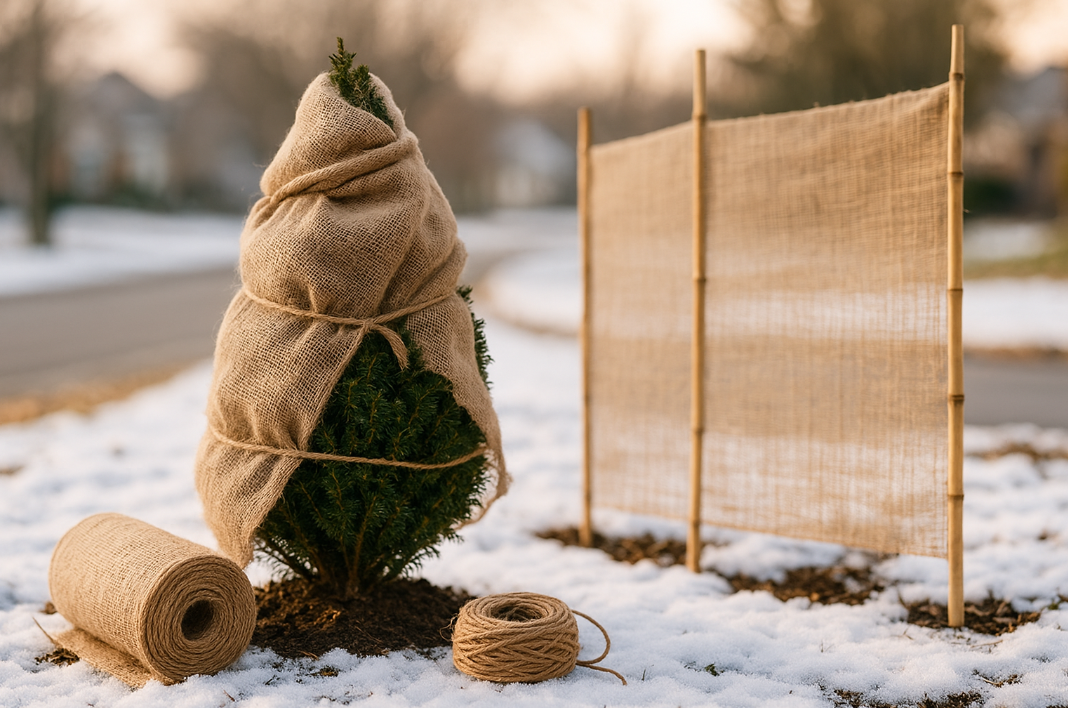
Burlap is best used as a windbreak, not a tight mummy wrap. The goal is to reduce wind and winter sun exposure while still letting the plant breathe.
Option 1: Burlap screen (my favorite for exposed sites)
- Drive 3 to 4 stakes around the shrub, a few inches outside the branches.
- Staple or tie burlap around the stakes to form a loose cylinder.
- Leave the top open for airflow and to prevent moisture buildup.
- If your winters are very harsh, you can lightly fill the space with dry leaves or straw, but keep it fluffy, not packed.
Option 2: Loose wrap for bigleaf bud protection
If you need to protect buds on bigleaf hydrangeas (including reblooming types) in Zone 4 to 6, a looser wrap can help.
- Gather branches gently toward the center and tie with soft twine.
- Create a cylinder with chicken wire or hardware cloth, then wrap that with burlap.
- Fill loosely with dry leaves.
- Keep the plant’s crown mulched, and keep the leaves inside dry.
Skip plastic. It traps moisture and swings temperatures wildly on sunny winter days.
Anti-desiccant sprays: when they help and when they do not
Anti-desiccants (also called anti-transpirants) create a thin film that can reduce moisture loss. They are most often used on broadleaf evergreens and conifers, but some gardeners use them on hydrangeas to reduce stem and bud drying in very exposed sites.
Results vary. Think of anti-desiccant as a helpful raincoat in a windy climate, not a winter coat.
Best candidates
- Hydrangeas in open, windy exposures
- Plants that have a history of stem dieback from drying winds
- Newly planted shrubs going into their first winter
How to use anti-desiccant safely
- Apply on a day above freezing, ideally around 40 to 50°F, with no rain expected.
- Spray stems evenly, following label directions.
- Do not apply to drought-stressed plants. Water first while the soil is still workable.
Important: follow the product label and do a small test area first if you are unsure. Mulch and wind protection matter more than any spray.
Common winter protection mistakes (and how to avoid broken stems)
I have broken more hydrangea stems than I care to admit, usually when I was rushing and the plant was brittle with cold. Here are the big culprits so you do not have to learn the hard way.
- Wrapping too tightly: branches rub and snap, and trapped moisture encourages rot.
- Tying with thin wire: it cuts into stems. Use soft twine, cloth strips, or plant ties.
- Shaking snow off aggressively: frozen stems snap easily. If snow is heavy and wet, gently lift from underneath with a broom, do not whip the branches.
- Using heavy covers that sag: blankets and tarps can collapse onto the shrub and break canes. If you cover, build a simple support frame first.
- Piling mulch against stems: invites rot and rodents. Keep mulch a few inches away from the base.
- Pruning in fall: on old-wood bloomers, you can remove next year’s flower buds without realizing it.
Spring uncovering and cutback: go slowly
The second most common hydrangea heartbreak happens in spring. You get one warm week, everything looks alive, and you remove protection too early. Then a late freeze hits and wipes out the buds you just saved.
When to remove wraps and leaf-filled cages
- Use two cues: your average last frost date is approaching, and buds are starting to swell instead of staying tight and asleep.
- Remove protection in stages: open the top first for a few days, then remove the sides, then remove the fill.
- If a cold snap is forecast, you can temporarily re-cover at night.
Spring pruning cautions (this saves blooms)
Before you cut anything, ask: does your hydrangea bloom on old wood or new wood?
- Bigleaf and mountain: avoid hard pruning in spring. Wait until you see green buds swelling along the stems. Then snip back only to healthy, green tissue. If you cut to the ground, you may remove this year’s flowers. Reblooming types can still flower later on new growth, but you will lose the early wave and the plant often looks sparse for a while.
- Oakleaf: prune lightly, if at all. Remove dead tips and broken branches after you see new growth. Save shaping cuts for right after flowering if needed.
- Smooth: can be cut back in late winter or early spring. Many gardeners cut to 12 to 24 inches, or even lower, depending on the look you want.
- Panicle: prune in late winter or early spring to shape and encourage sturdy new growth. It blooms on new wood, so you will not sacrifice flowers.
If you are unsure, take a conservative approach: remove only dead wood first, then wait two weeks. Hydrangeas can be surprisingly late to leaf out, especially after a rough winter.
Quick protection plan by hydrangea type
If you want the simplest checklist, here you go.
Bigleaf and mountain hydrangeas
- Water well in fall.
- Mulch 3 to 6 inches after soil begins to freeze.
- In windy or very cold sites, use a burlap screen or leaf-filled cage to protect buds.
- Avoid fall pruning and be cautious with spring cutback.
Reblooming bigleaf hydrangeas
- Treat them like bigleaf for winter protection if you want early blooms.
- If winter still takes the old wood buds, expect later flowers on new growth, not none.
Oakleaf hydrangeas
- Mulch well and protect from wind, especially when young.
- Use burlap screen in exposed sites.
- Prune lightly in spring after you can see what is alive.
Smooth and panicle hydrangeas
- Mulch for root protection.
- Skip heavy wraps unless your site is extremely windy.
- Prune in late winter or early spring without worrying about losing blooms.
If you only remember three things
- Old wood hydrangeas need bud protection, not just root protection.
- Wait to mulch and wrap until the plant is dormant and the soil is starting to freeze.
- Go slow in spring. Unwrap gradually and prune only after you see where the plant is truly alive.
And if winter still gets the better of your hydrangea one year, take a breath. Gardens have long memories and short grudges. Adjust your protection plan, tuck a little more leaf mulch around the base next fall, and try again. That is the quiet rhythm of it.