
Hoya Peduncles: Don’t Cut the Spent Flower Stalks
A little green. A lot of curiosity.
If you’ve ever watched your hoya finish blooming and leave behind a bare little stalk, you’ve probably wondered if it should be snipped off. It looks spent. It looks messy. It looks like it is done.
But that small stalk is usually the peduncle, and it is one of the most bloom-worthy parts of your plant. Many hoyas love to reuse it.

What is a hoya peduncle?
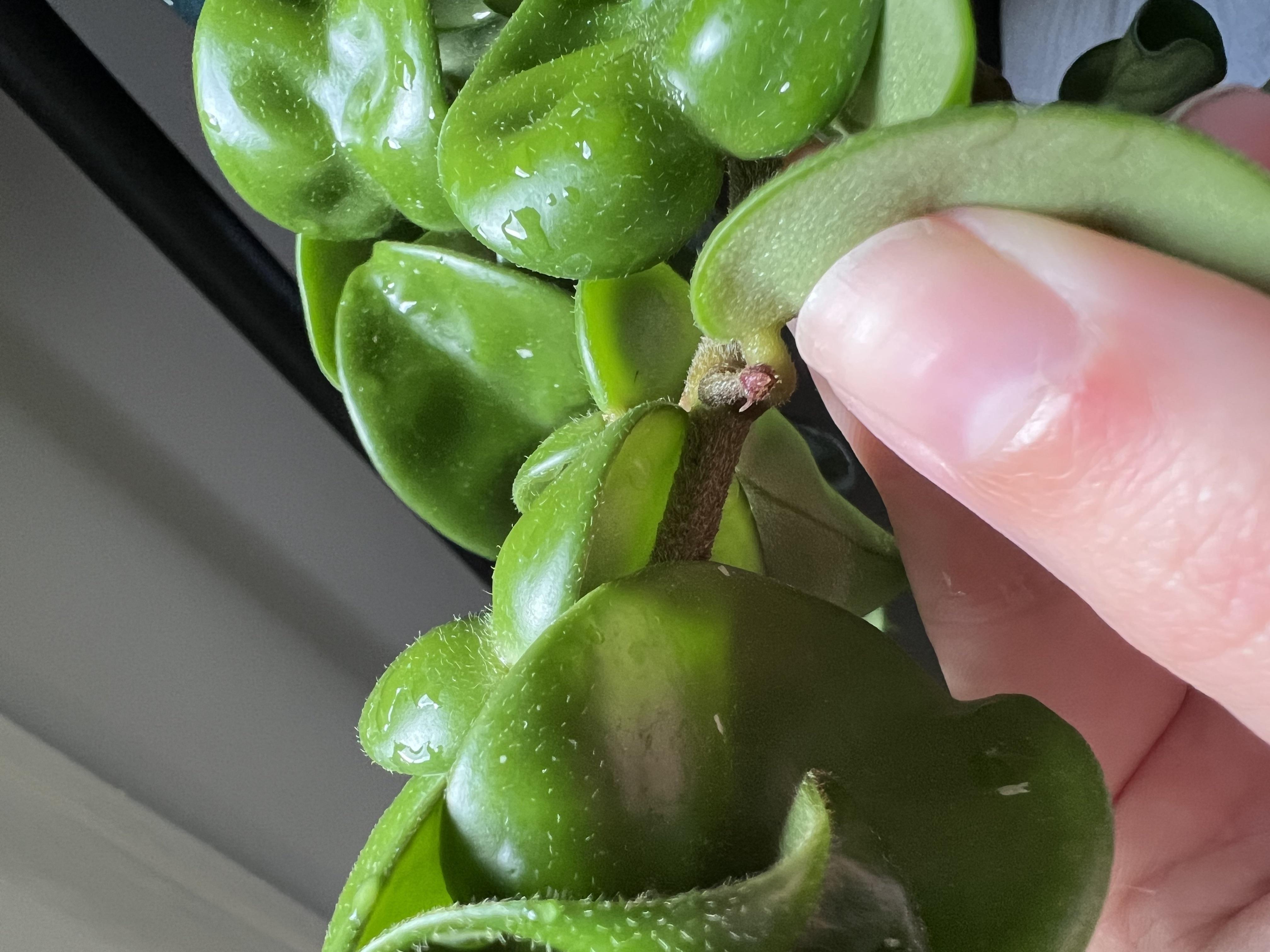
A peduncle is the short flower stalk a hoya uses to hold a bloom cluster, also called an umbel. Think of it as a reusable hook where the plant can hang flowers again later.
After the blooms drop, the peduncle usually stays put as a little nub, spur, or little branch-like spur. On many hoyas it slowly becomes more woody over time.
One note that helps: peduncles can look different from plant to plant. Some stay greener and slimmer, some thicken up and look like tiny sticks, and new ones can start as small nubs at a node.
Why it matters
Many hoyas often rebloom from the same peduncle. Cutting it removes the plant’s easiest launch point for future flowers, which can mean fewer blooms or a longer wait until the next show.
Why it reblooms
Hoyas are pretty efficient bloomers. Once a peduncle forms, the plant can often produce new flower stems from that same spot when conditions are right. In practice, it is one reason many hoyas rebloom more readily when peduncles are left intact.
When you cut a peduncle, two things can happen:
- You remove the rebloom site. The plant may need time to create a new peduncle elsewhere.
- You can delay flowering. Even a happy, well-lit hoya may pause while it redirects energy back to growth and rebuilding.
Garden rule of thumb: If it bloomed from that stub once, it probably wants to bloom from it again.
Peduncle or vine?
This is the most common mix-up. Peduncles and new vines can both look like odd little protrusions at first. Here are the clues that usually help.
Peduncle clues
- Short and stubby: Typically a small spur, often under a couple inches long.
- Looks woody or firm: Especially on older plants, it can look like a tiny, hardened stick.
- Ends in a little knobby cluster point: Where the umbel attached. Sometimes you can see tiny bumps where individual flowers were.
- Stays in the same place: It does not keep extending like a runner.
Vine clues
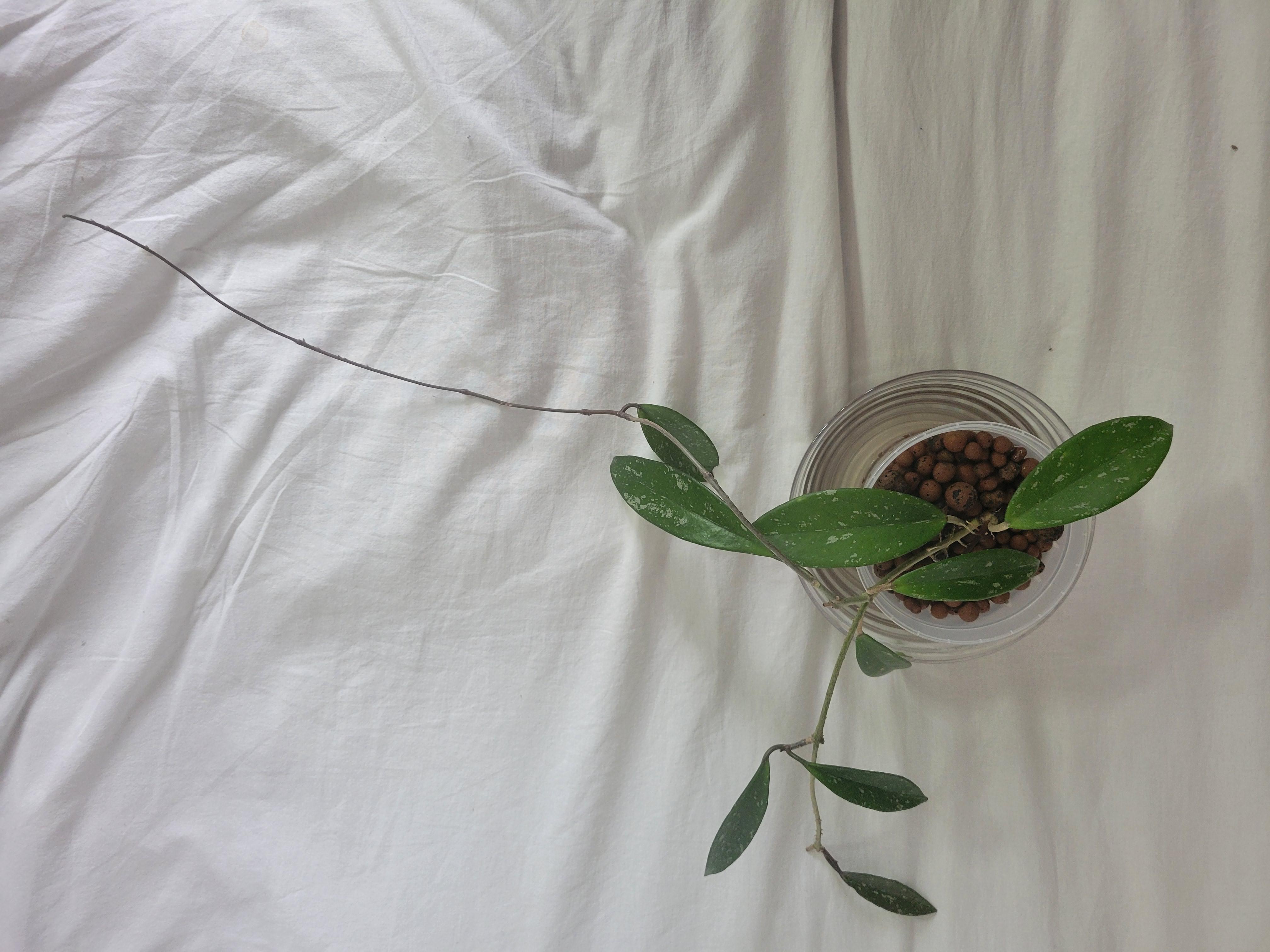
- Long and searching: New hoya growth often stretches quickly, sometimes leafless at first.
- Flexible and smooth: Fresh vines are usually green or reddish and bendy.
- Has visible nodes spaced along the length: Nodes are the points where leaves and roots can form.
- Actively elongates: You will notice it getting longer week by week in bright light.
After the flowers fade
When hoya flowers finish, you can tidy the plant without touching the peduncle.
1) Let blooms drop, or remove them
If the flowers shrivel and cling on, you can pinch off the dried blooms or the remaining little starry bits. Aim for the old flower parts, not the stalk they were attached to.
Tip: Use clean fingers or small scissors and make slow, careful movements. Peduncles can snap if you tug.
2) Keep care steady
Post-bloom is not the time for big changes. Most hoyas do best when their routine stays consistent.
- Light: Bright, indirect light is the bloom engine for many hoyas. A little gentle morning sun can be helpful for some varieties.
- Water: Water when the mix is mostly dry, then drain thoroughly. Do not keep it soggy.
- Feeding: If you fertilize, light regular feeding during active growth is usually better than heavy, occasional dosing.
- Humidity and airflow: Comfortable humidity helps, but airflow prevents lingering moisture from turning into fungus problems.
3) Protect bloom spots
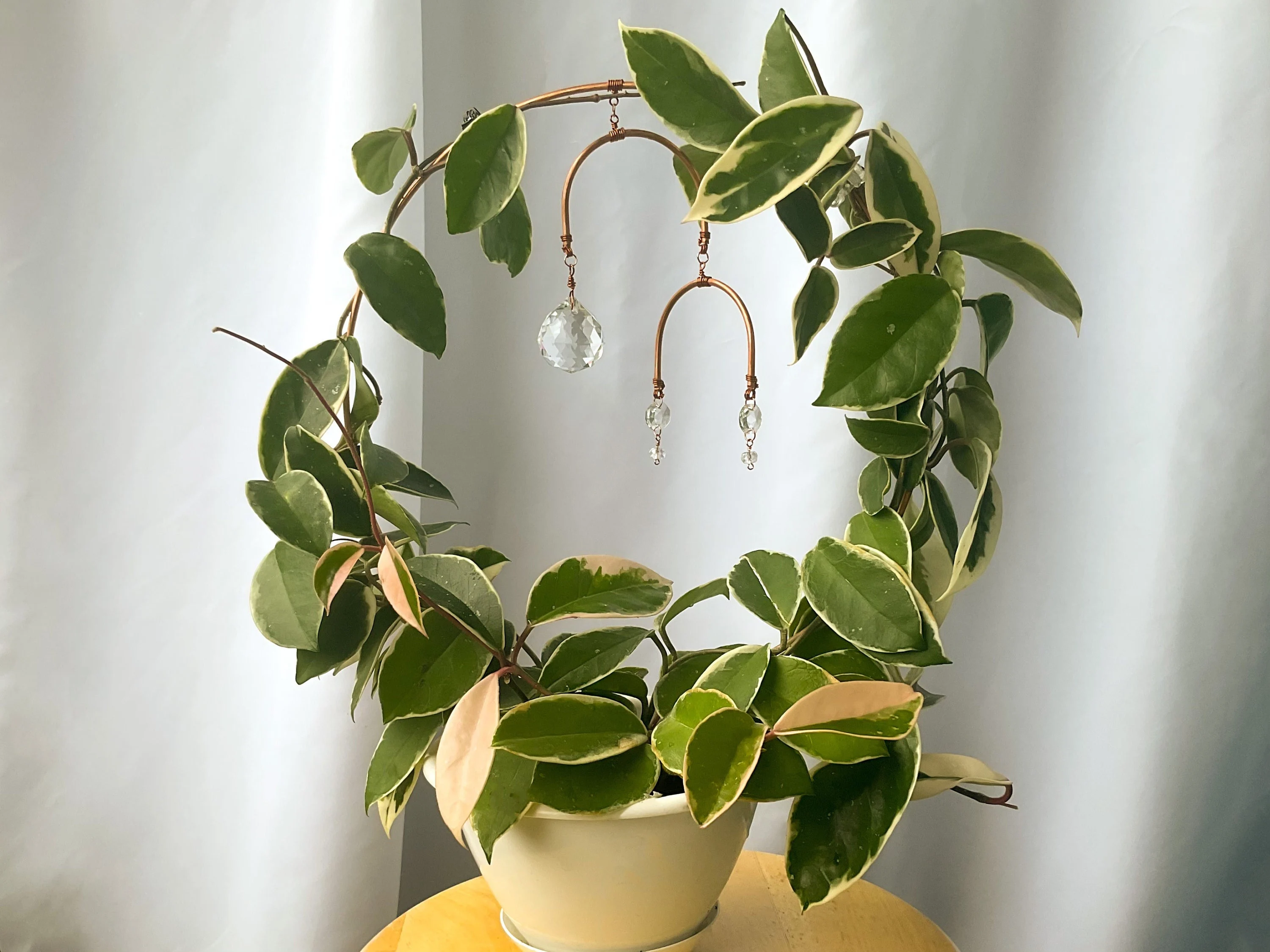
Peduncles often form near the ends of vines or along mature sections. If your plant is on a trellis or hoop, try not to reposition that section constantly. A stable setup reduces accidental breakage and helps the plant keep its bloom spots.
Why not to prune peduncles
The short version: spent does not mean useless on a hoya.
- Peduncles are repeat bloom spurs. Many hoyas bloom again from the same exact stalk.
- Cutting can reduce future flowering. The plant may need to form a new peduncle elsewhere before it blooms again.
- Older peduncles often perform well. As a plant matures and keeps its peduncles, it can become a more reliable bloomer over time.
If your goal is more flowers, the peduncle is not clutter. It is potential.
When it is OK to remove one
Most of the time, leave it. But there are a few situations where removal makes sense.
If it is dead
If the peduncle is crispy, hollow, blackened, or shriveled all the way back to the base, it may not be viable. In that case, trimming it off cleanly can keep things tidy.
If it is rotting
A peduncle that is soft, mushy, or showing signs of rot should be removed, and the underlying cause addressed. Rot can be related to too much moisture, poor airflow, or a potting mix that stays wet too long, but it can also follow physical damage or pest issues (like mealybugs) that weaken tissue.
If you must prune for size
If you are cutting back a vine for shape, you may lose peduncles that happen to be on that section. It is not a plant tragedy, just a tradeoff. If blooms are your priority, try pruning in a way that preserves the older, peduncle-rich areas.
How to cut: Use clean, sharp snips. Make a neat cut close to the vine without nicking the vine itself.
Common questions
Will it bloom again right away?
Not always. Rebloom can take weeks to months depending on light, temperature, and season. Some rebloom quickly, others wait for the next strong growth cycle.
Lots of peduncles, no flowers
This usually points to light being just a bit too low, or a plant that is still building energy. It can also happen after a repot, during temperature swings, or when watering has been inconsistent. Check whether the plant is actively growing and getting enough bright light. Peduncles are a great sign, but buds still need the right conditions to develop.
Do all hoyas rebloom from the same one?
Many do, and it is common enough that leaving peduncles alone is the safest default. Rebloom behavior can vary by species, cultivar, maturity, and conditions, so if you are not sure what you have, treating peduncles as permanent is a good bloom-friendly habit.
Is a peduncle the same as a spur?
In everyday houseplant talk, yes. You will hear people call them spurs because they often look like little woody spurs on the vine.
Quick takeaway
If your hoya bloomed from it, do not cut it off. That odd little stalk is not trash, it is a reusable bloom site. Leave peduncles in place, keep care steady, and let your plant decide when it is ready to put on the next round of waxy, sweet-scented stars.