
How to Repair a Lawn After Moles

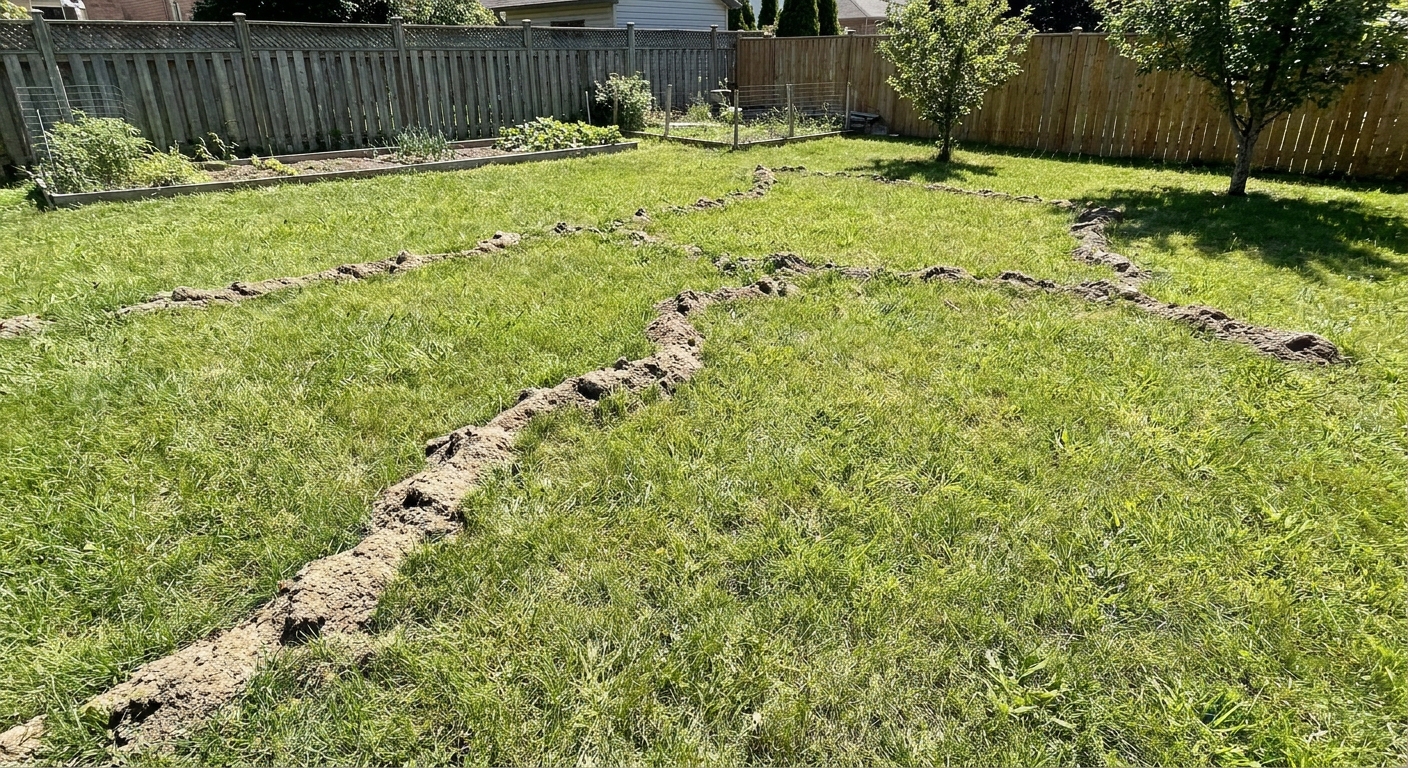
The first time I dealt with mole tunnels, I tried to “pretty” the lawn from the top, raking and sprinkling seed like confetti. A week later the runs were still spongy, the seed dried out, and I learned the unglamorous truth: for grass recovery, the immediate issue is mostly a soil-to-root contact problem. Your lawn can only rebound if the roots are snug against firm soil again.
This is the simple, lawn-saving order of operations: collapse the tunnels, level the mounds, restore soil, then seed or patch. Once you do those four things, grass usually rebounds beautifully.

Step 1: Check what is making the runs
Before you repair, take a quick walk and check whether damage is still actively appearing. Fresh tunneling looks like new raised ridges that feel springy underfoot, and new mounds have loose, fluffy soil.
Also take one minute to make sure you are dealing with moles, not voles. Moles push up soil into ridges and mounds as they tunnel. Voles usually make narrow surface runways through the grass and leave little openings, but they do not typically create those raised, “quilted” ridges of soil.
If new ridges are appearing daily, go ahead and flatten for safety and soil contact now. Just know that seeding, topdressing, and sod patching are the parts you may have to redo if activity continues. I like to save the cosmetic work for when things slow down, unless I am fixing a tripping hazard.
Step 2: Flatten tunnels
Mole runs leave the lawn lifted away from the soil. Your goal is to press the turf back down so roots can reconnect and the grass can drink again.
For shallow surface tunnels
- Water lightly first if the soil is bone dry. Slightly moist soil collapses more cleanly and is less likely to crack.
- Step them down using your heel, working along the ridge like you are zippering it shut.
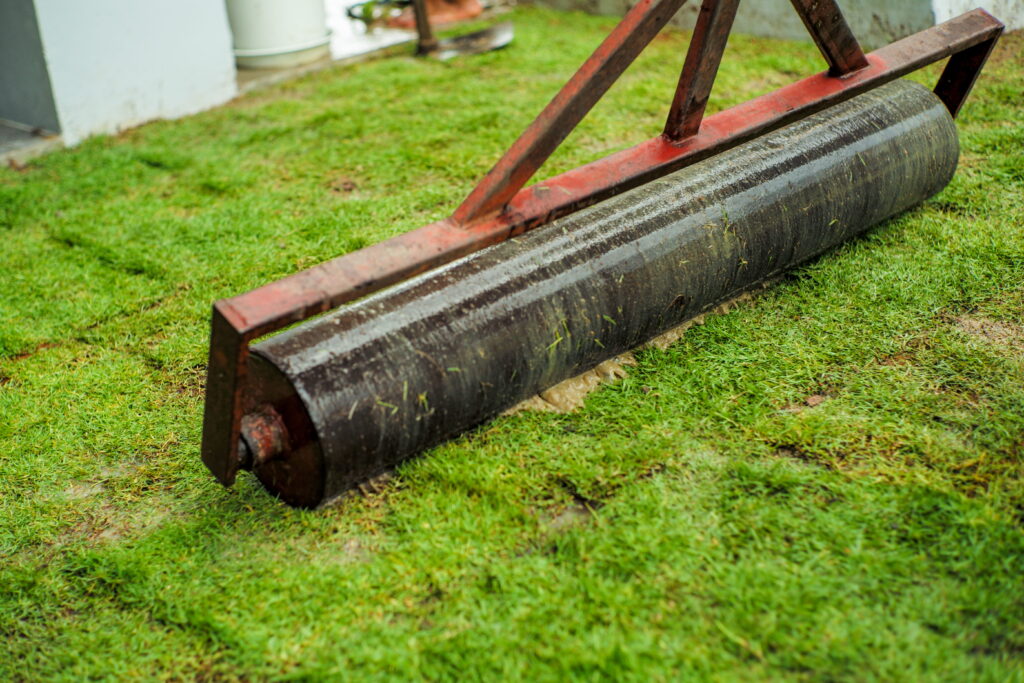
- Finish with a roller if you have one. A water-filled lawn roller is ideal, but keep it moderate. One to two passes is plenty, and a half-filled roller is often enough. You want firm contact, not compacted concrete.
For deeper runs that will not stay down
If a tunnel line feels like a hollow trench and it reopens even after tamping or rolling, use a digging fork to gently lift the turf edge and work some soil back underneath, then tamp it down. Think of it like tucking a blanket back onto the bed.
Tip: Avoid smashing a dry lawn into hardpan. If your soil is very clay-heavy, wait until it is moist but not muddy. If it sticks to your shoes in clumps, it is too wet.
Footing note: Those ridges are ankle-twisters. Take it slow, especially if you are stepping them down after dusk or after rain.
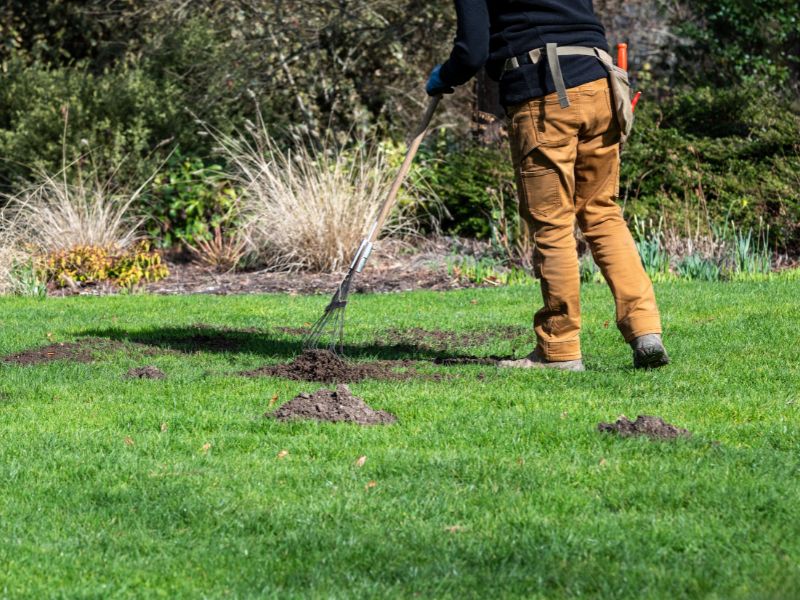
Step 3: Level mole mounds
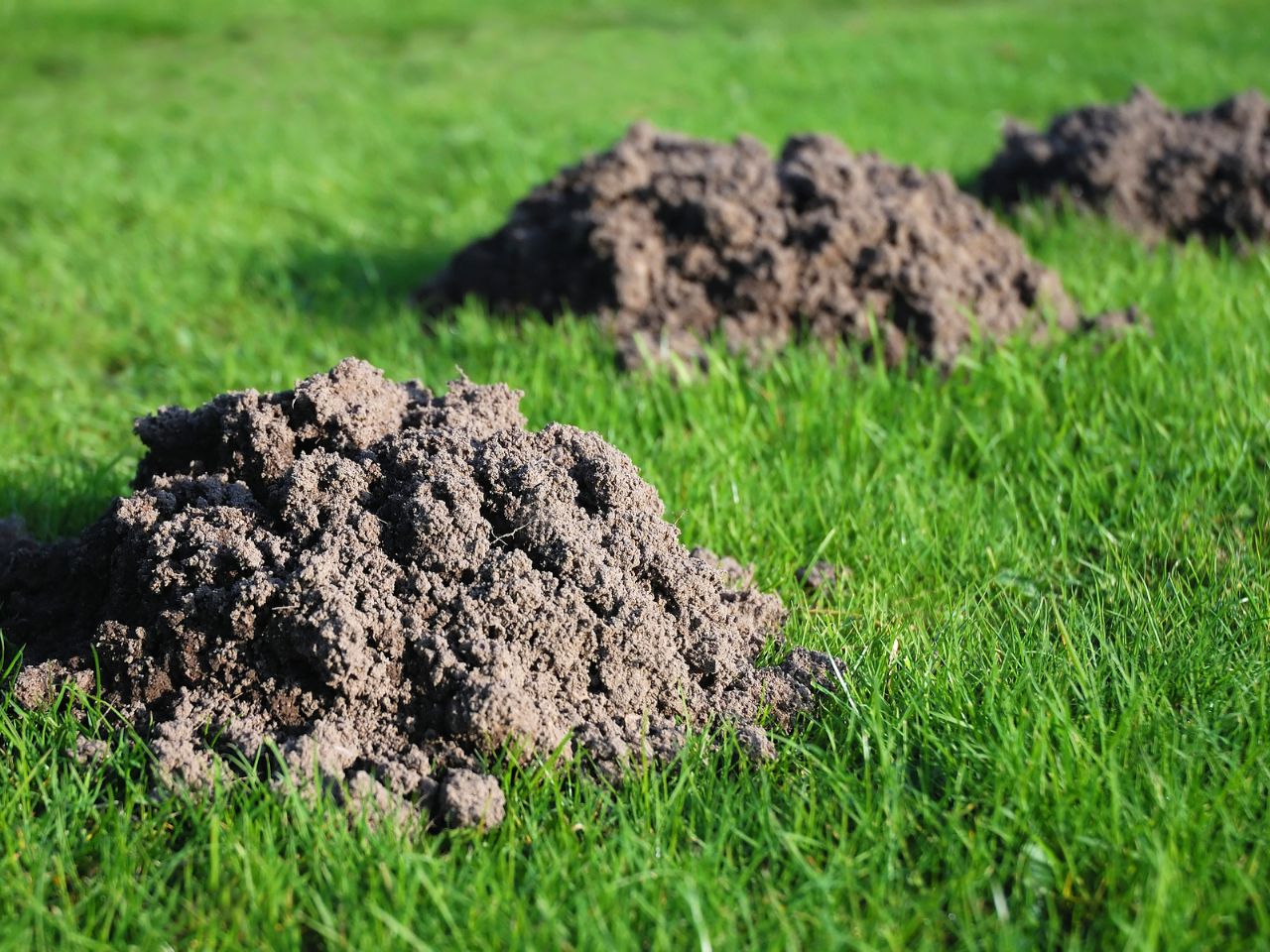
Mounds are those volcano-shaped piles of soil. They are easier than tunnels, but they can smother grass if you spread them like frosting.
Quick method
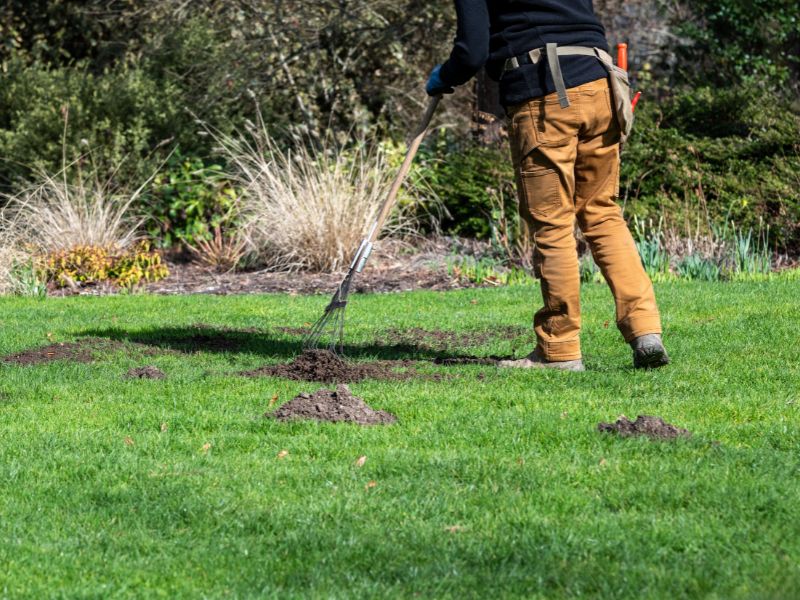
- Break up the mound with the back of a rake.
- Remove excess soil if it is a thick pile. Use a shovel to skim some into a bucket or wheelbarrow.
- Feather what remains across the surrounding area in a thin layer, just enough to level low spots.
If the mound soil is full of clods, rocks, or roots, do not force it into your lawn as topdressing. Set it aside for filling holes elsewhere. If you compost it, mix it in lightly because mineral subsoil can be heavy and slow to break down.
Step 4: Reseed, patch, or wait
After you collapse tunnels, you will see three common outcomes:
- Grass is intact but lifted: Often recovers once pressed down and watered normally.
- Grass is thinned and yellow: Overseeding helps it knit back together.
- Bare runs or dead strips: Patch with seed and a little topsoil, or use sod for instant cover.
When to overseed
Overseed when you have thin turf but still plenty of living grass. It is the most natural-looking repair and usually the cheapest.
When to patch bare runs with seed
Use seed patches when you have exposed soil lines or dead grass after tunnels collapse. This is common where the turf got dried out or roots tore.
When sod makes sense
If the damaged area is large, highly visible, or you need quick erosion control on a slope, sod is a calm, instant fix. Just know it needs consistent watering for the first couple of weeks, and sometimes longer, depending on grass type, heat, and wind.
Step 5: Prep bare runs
Seed fails for two reasons: it dries out, or it never touches soil. Mole damage can cause both. Here is how to stack the odds in your favor.
- Rake out dead grass and loosen the top 1 to 2 inches of soil with a hand rake.
- Add a thin layer of topsoil if the run is sunken after collapsing, about 1/4 to 1/2 inch. You are creating a smooth seedbed, not burying the surrounding grass.
- Broadcast grass seed evenly, then lightly rake to incorporate it just under the surface.
- Tamp or roll gently to lock in soil contact.
- Topdress lightly with clean straw, a whisper-thin layer of compost, or a seed-starting mulch to slow evaporation and protect from birds.
If you are matching an existing lawn, try to buy the same type of seed your lawn is mostly made of. Cool-season lawns often contain blends of Kentucky bluegrass, perennial ryegrass, and fescues. Warm-season lawns often rely on bermudagrass, zoysia, centipede, or St. Augustine, which are often repaired with plugs or sod. Some warm-season varieties are also available as seed, so check what is common in your area.
Watering timing
Watering new grass is less about quantity and more about consistency. Seedlings have tiny roots and dry out fast.
For newly seeded patches
- Days 1 to 14: Keep the top 1/2 inch of soil consistently damp. In warm or windy weather, that often means 1 to 3 light waterings per day, depending on seed type and conditions.
- Weeks 3 to 4: Water less often, but a bit deeper. Aim for once per day or every other day depending on heat and rainfall.
- After establishment: Transition to deeper, less frequent watering so roots chase moisture down.
Germination varies a lot. Perennial ryegrass can pop quickly, many fescues are moderate, and Kentucky bluegrass can be slower. Try to water early in the morning. Evening watering can invite fungal issues, especially in humid regions.
For sod patches
Water thoroughly right after installation. Keep sod consistently moist for about 10 to 14 days, then taper to deeper watering. In hot weather or with slower-rooting types, it may take longer. A gentle tug test helps: if it resists lifting, roots are knitting into the soil.
Finishing touches
Light topdressing for low spots
If the collapsed tunnels left slight dips, topdress with a sandy loam topsoil or screened compost blend in thin layers, raking it in so grass blades stay exposed.
Mow carefully
Wait to mow newly seeded areas until the grass reaches about 3 to 4 inches tall. Use a sharp blade and mow high. Scalping stresses young roots.
Go easy on fertilizer
A small starter fertilizer can help seedlings, but avoid dumping high-nitrogen lawn food on tender new grass. Too much nitrogen pushes weak, fast growth that needs extra water and is more disease-prone. If you feed, follow label rates and water it in.
Common mistakes
- Seeding before collapsing tunnels: Seed ends up drying out on a ridge and never roots.
- Over-rolling wet soil: Creates compaction that slows recovery and invites puddling.
- Burying grass under mound soil: A thick layer suffocates existing turf.
- Watering once a day, heavily, from day one: The surface still dries out between waterings, and seedlings fail.
- Mowing too soon: Young roots pull up and thin patches reappear.
FAQ
Will mole tunnels go away on their own?
Sometimes shallow ones do, but they often leave the lawn bumpy because the turf stayed lifted and roots dried out. Flattening the runs is the fastest way to get a safe, even surface again.
Do I need to replace the soil in mole tunnels?
Not usually. Most lawns just need the turf pressed back into contact with the existing soil. Add topsoil only where you have actual depressions or exposed bare runs after you collapse the tunnel.
How long will it take for grass to fill in?
In good conditions, thin areas can green up within 2 to 4 weeks once flattened and watered properly. Seeded patches typically look decent in 4 to 8 weeks, with stronger fill-in the following season. Timing depends on seed type and weather.
Can I repair in summer?
You can flatten tunnels any time. Seeding in peak summer heat is harder because soil dries quickly, so you will need more frequent light watering. If you can, plan seeding for milder weather and focus on leveling and protecting the existing turf during heat.
Should I do anything if new tunnels keep showing up?
If you keep getting fresh ridges, you can keep flattening as you go, but consider addressing the mole activity too. Moles tunnel where the food is, usually earthworms and grubs. Trapping is the most direct option in many areas, and your local extension office can point you to legal, effective methods. I avoid poisons because of the risk to pets, wildlife, and the predators that eat poisoned animals.
A calm plan
If your lawn looks like it got “quilted” overnight, take a breath. Start with your feet and a rake. Collapse the tunnels, level the mounds, then patch what is truly bare. With steady moisture for a couple of weeks, grass is surprisingly forgiving.
And yes, I talk to my ferns, but I also talk to new grass seed. Mostly I say, “Stay damp, little friends.” It works more often than you would think.