
How to Propagate Strawberries from Runners

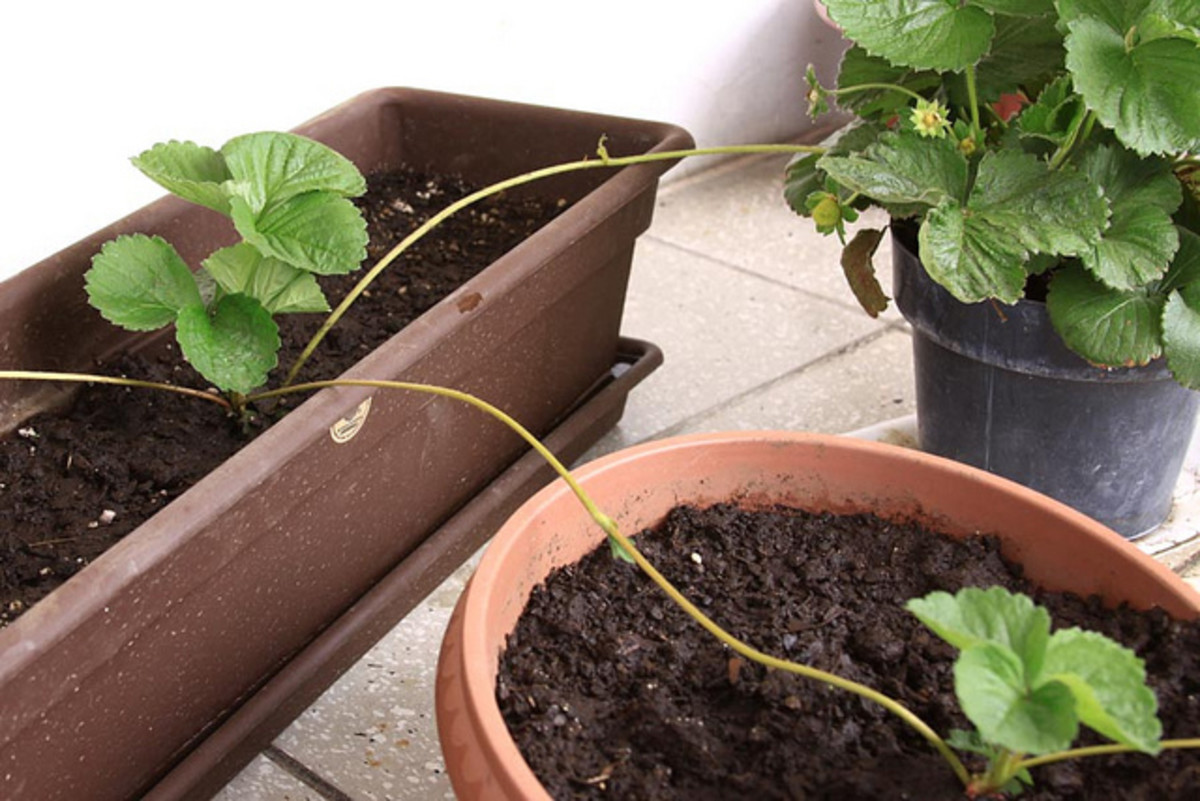
There is something downright generous about a strawberry plant. Give it decent soil and steady moisture, and many varieties will eventually reach out with skinny little arms called runners, offering you free baby plants. (Some cultivars, especially certain day-neutral types, make very few runners, so do not panic if yours is being stingy.) If you have ever looked at those babies and wondered, Do I cut this? Pin it down? Pot it up? you are in the right place.
Quick vocabulary, so we are all talking about the same thing: the little baby that forms along a runner is often called a daughter or plantlet. It is a clone of the mother plant, just on a tiny starter budget.
This is my favorite kind of propagation because it is low drama. The mother plant does most of the work. Your job is simply to help each baby root, then separate it at the right time so it can grow up strong and independent.

Know your strawberry type
Most strawberries can make runners, but how many depends on the type, the weather, and how well-fed the plant is.
- June-bearing: These typically produce the most runners after fruiting and are the easiest to multiply quickly. They focus on one big crop, then runner production ramps up. Day length, temperature, and fertility can nudge this up or down, but in general, June-bearers are the overachievers.
- Everbearing and day-neutral: These can make runners too, but usually fewer because they spend more energy flowering and fruiting over a longer season. Some day-neutral cultivars make very few runners at all. You can still propagate them, just expect a slower “free plant” pace.
If your goal is more plants, it often helps to remove flowers from the mother plant for a short period so it redirects energy into runner and root growth. If you are establishing a new bed, many gardeners also de-flower first-year plants (especially June-bearers) so they build roots and crowns before you ask them to be fruit machines. I know it hurts a little, but future-you with a bigger strawberry patch will forgive you.
When runners appear
Runners usually show up in late spring through summer, depending on your climate and variety. A runner is a long stem that creeps along the soil surface and forms plantlets at nodes. Those plantlets are your future strawberry plants.
Choose the strongest daughters
Not every baby needs to become a full-grown plant. For the healthiest starts:
- Pick the first 1 to 3 daughters closest to the mother plant on each runner. They tend to be more vigorous.
- Skip tiny, late-forming daughters at the far end if the season is getting late. They may not root in time before cold weather.
- Aim for 4 to 8 new plants per mature mother if you want strong transplants. Letting a plant make dozens can result in many weak starts.
Also, start with a healthy mother plant. If you see mottled leaves, weird yellow streaking, stunted growth, or distorted new leaves, do not propagate it. Strawberry viruses and other issues love a free ride into your whole patch.
Two easy methods
Both methods work. Your best choice depends on whether your strawberries are in the ground, in raised beds, or in containers.
Method 1: Pin in place
This is the classic approach for garden beds where the daughter can root right where it lands.
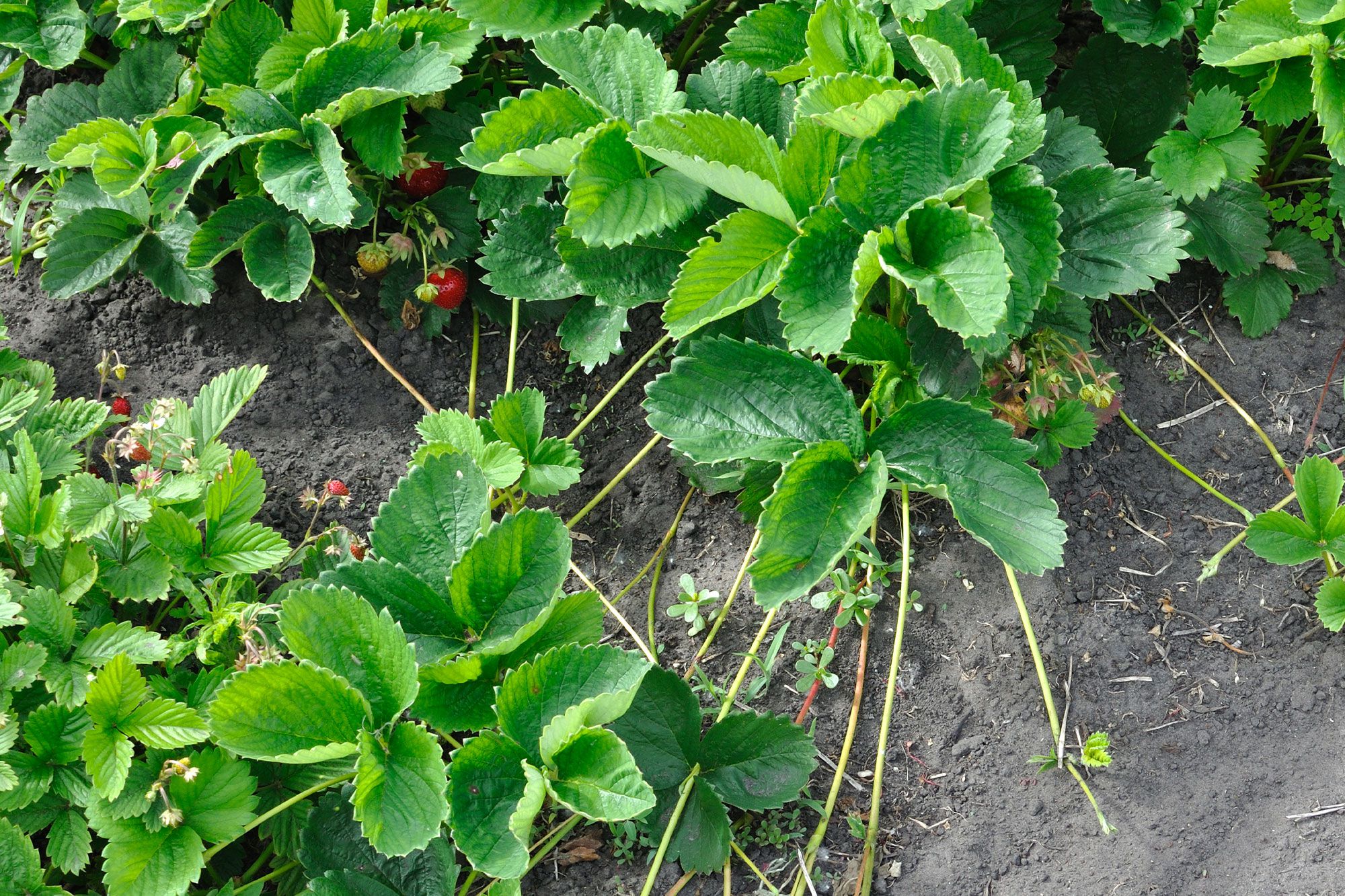
- Step 1: Gently position the daughter plantlet on top of moist soil near the mother plant. Keep the crown (the central growing point) at soil level.
- Step 2: Pin it down so it stays in contact with soil. You can use a U-shaped landscape staple, a bent piece of wire, or even an open paperclip.
- Step 3: If you can see tiny roots, tuck a thin layer of soil around them. If you do not see roots yet (very normal), just make sure the underside of the node is snug against the soil so it can start making them.
- Step 4: Water lightly and consistently until rooted.
Method 2: Pot up daughters
If you want neat starts you can gift, sell, or move easily, potting is the way to go. It also prevents the baby from rooting in a spot you do not actually want strawberries.
This is also the container-grower lifesaver. If your mother plant is in a hanging basket, strawberry tower, or raised container where runners dangle in midair, set staging pots on a stool, crate, or nearby shelf so the plantlets can reach soil without kinking the runner.
- Step 1: Place a small pot (3 to 4 inch nursery pot is perfect) filled with moistened mix next to the mother plant.
- Step 2: Set the daughter plantlet on the soil surface and pin it down, just like the in-ground method. Keep the crown at soil level.
- Step 3: Keep the potting mix evenly moist. It should feel like a wrung-out sponge, not soup.
- Step 4: Once rooted, you can move the pot to a shadier, less stressful spot for a few days to help it adjust.
Soil and mix
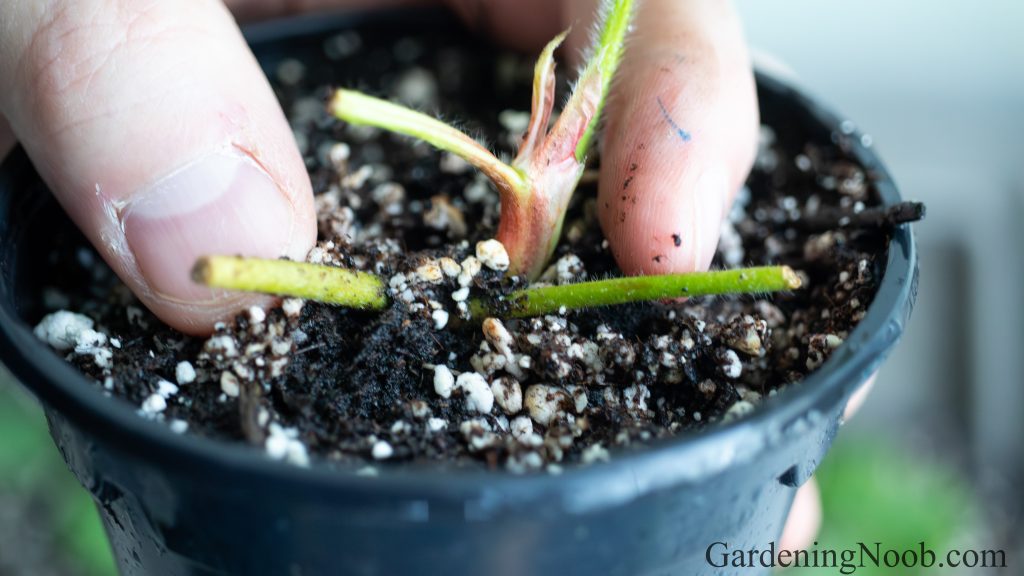
Strawberries root best in a light, moisture-retentive medium that still drains well. In garden beds, a top-dressing of finished compost often helps, but compost alone may not cover everything your soil needs. If your patch is not thriving, a simple soil test is worth it. Strawberries generally prefer slightly acidic soil and steady, balanced fertility.
My go-to rooting mix
- 2 parts high-quality potting mix
- 1 part finished compost (or worm castings for a gentler boost)
- A handful of perlite or pumice if the mix feels heavy
Skip high-nitrogen fertilizers while the daughter is rooting. Too much nitrogen can push soft leafy growth before the roots are ready, and that plantlet will wilt at the first hot afternoon.
When to cut the runner
This is the step people rush. The runner is not just a string. It is a lifeline. Keep it attached until the baby is truly rooted.
Timing and signs
- Typical rooting time: about 2 to 4 weeks in warm weather, and often 4 to 6+ weeks in cooler weather or low light.
- Gentle tug test: Hold the pot or soil steady and lightly tug the daughter. If it resists and feels anchored, roots are forming.
- New growth: Look for fresh leaves at the center. That usually means the roots are supporting the plantlet.
How to sever cleanly
Use clean snips or scissors and cut the runner between the mother and the daughter. If you are propagating multiple daughters on one runner, sever in stages:
- First cut the runner so the rooted daughter is separated from the mother.
- Then, if there is a second daughter that is also rooted, cut between the two so each plant has its own independence.
I like to sever in the evening or on a cloudy day, then water. It is a small kindness that reduces wilting.
Common question: Can you root strawberry runners in water? It is not my favorite. They are built to root at a node in contact with soil. Water rooting can produce delicate roots that sulk when moved to potting mix. If you want the simplest success rate, pin to soil or pin to a pot.
Aftercare
Think of a fresh start like a teenager at their first job. They can do it, but they are not ready for every stress all at once.
For potted starts
- Keep in bright shade for 2 to 3 days after severing if your weather is hot.
- Water when the top inch of mix feels dry. Do not let small pots bake.
- Hold off on fertilizer for a week or two. Then feed lightly with compost tea or a gentle organic fertilizer.
For in-ground pinned starts
- Water consistently until established, especially during heat waves.
- Mulch lightly with clean straw or shredded leaves to keep soil evenly moist, but do not smother the crown during the growing season.
Transplanting
Once a daughter has a solid root system, you can plant it into its new home.
Best transplant windows
- Late summer to early fall: Ideal in many regions. The soil is warm, roots grow quickly, and the plant can settle in before winter.
- Early spring: Works too, especially if your winters are harsh and fall planting is risky.
Spacing and crown depth
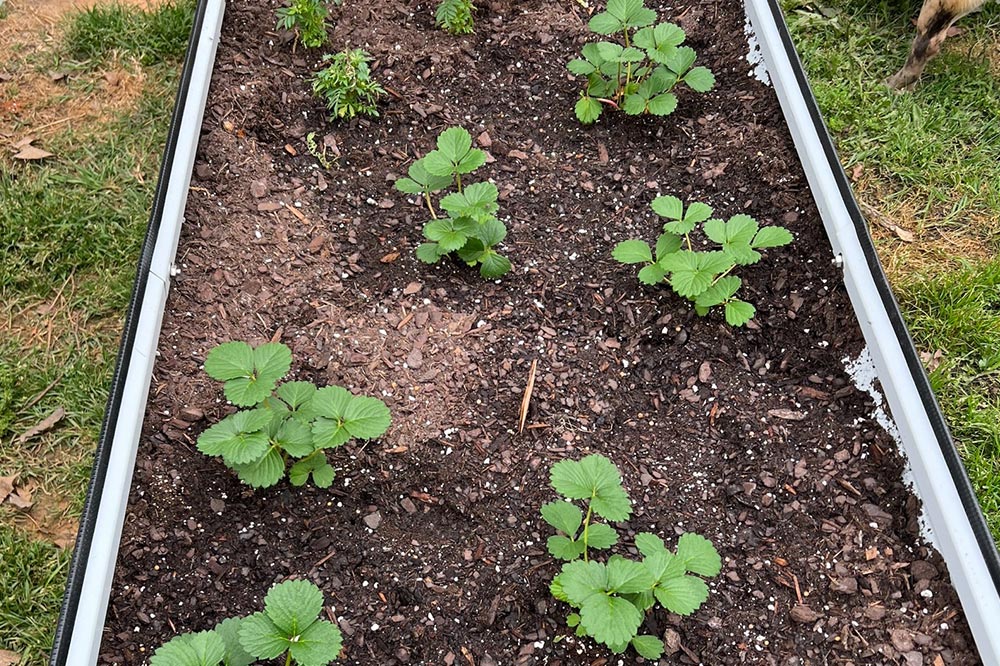
- Space plants about 12 to 18 inches apart, depending on variety and your bed style.
- Plant with the crown at soil level. Too deep can rot. Too high can dry out.
Overwintering
If your babies rooted late in the season, overwintering is where you protect your work. Strawberries are hardy, but small plants have smaller root systems and less margin for freeze-thaw stress.
Overwintering in the ground
Mulch advice depends on your winter.
- Cold climates with freeze-thaw: After several light frosts, when plants are dormant, it is normal to apply 2 to 4 inches of loose mulch like clean straw or shredded leaves, often covering crowns to prevent heaving and deep cold damage.
- Milder or wet winters: Mulch is still helpful, but avoid keeping crowns soggy for long stretches. Use a looser layer and pull it back if you see crowns staying wet and unhappy.
- In spring, pull mulch back gradually as growth resumes.
Overwintering in pots
Pots freeze faster than ground soil. Your goal is to keep the roots from swinging wildly between frozen and thawed.
- Group pots together in a sheltered spot (north or east side of a house is often good).
- Sink pots into the ground up to the rim, or nest them in a larger bin filled with leaves.
- Water sparingly during winter thaws. Roots can dry out even when it is cold.
If you have an unheated garage or shed that stays just above deep-freeze temperatures, that can be a cozy overwintering spot for potted strawberry starts, as long as they do not dry out completely.
Common mistakes
- Cutting the runner too early: Let the daughter root first. Keep that lifeline until it is truly anchored.
- Burying or smothering the crown: Keep the crown at soil level while rooting and planting. In winter mulch, cover dormant crowns if your climate calls for it, but do not keep them wet and sealed up in mild, rainy weather.
- Letting everything root everywhere: Pin only what you want, and pot up the rest. Strawberries will happily turn into a strawberry jungle.
- Too many daughters per plant: Fewer, stronger babies beat a dozen weak ones.
- Letting pots dry out: Small pots are thirsty. Check them often in warm weather.
- Propagating from sick plants: Start with healthy mothers so you do not spread problems across the whole bed.
A simple routine
If you like a tidy plan, here is the rhythm that works in most gardens:
- Watch for runners after fruiting.
- Select 1 to 3 strong daughters per runner.
- Pin them into soil or small pots with moist mix.
- Keep evenly moist for 2 to 4 weeks (or longer in cool weather).
- Sever once they resist a gentle tug and show new growth.
- Grow on, then transplant in late summer or early fall, or overwinter if needed.
And remember, if you mess up a few, you are still gardening correctly. Strawberries are forgiving, and they love a gardener who keeps showing up with a little water and a lot of curiosity.