
How to Propagate Hydrangeas from Cuttings

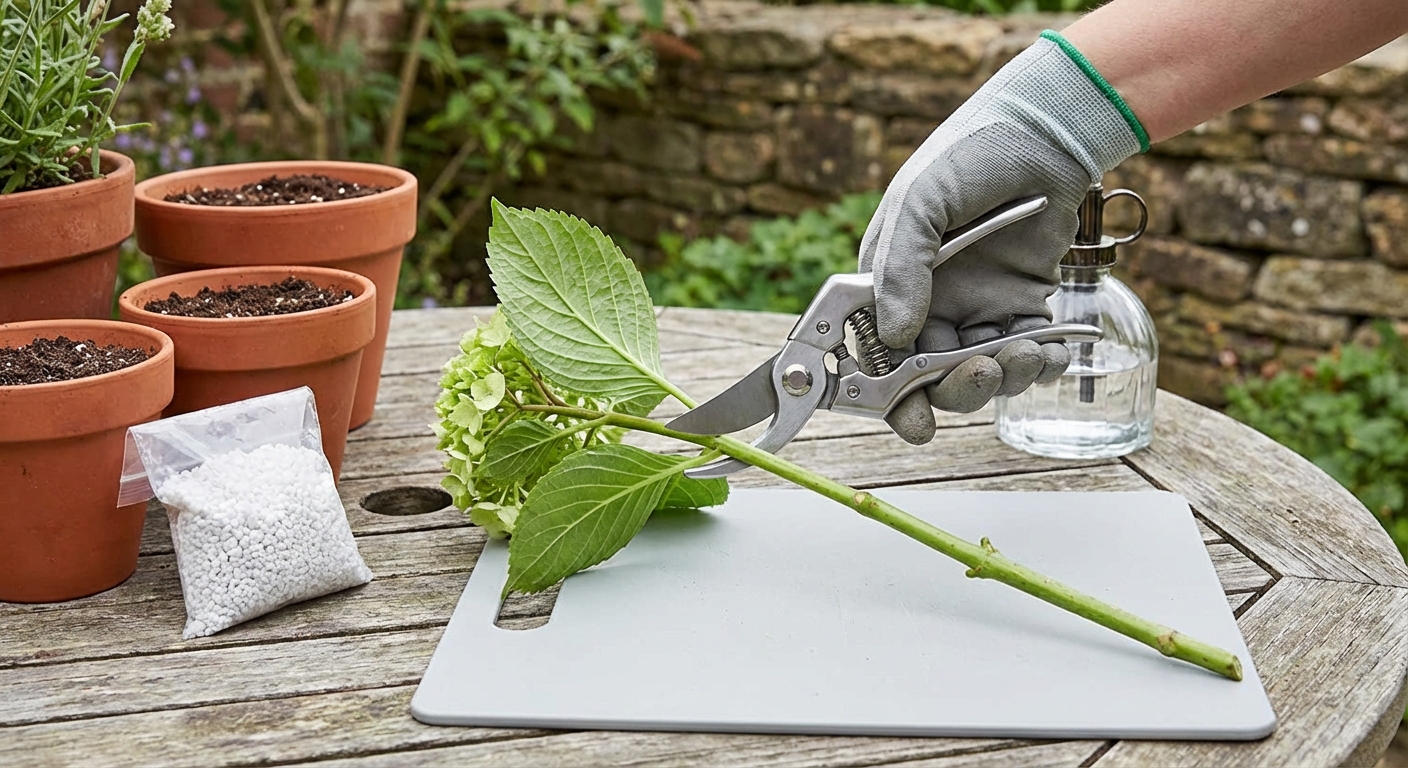
There is something quietly magical about turning one hydrangea you love into five or six more for free. Propagation looks “advanced,” but it is really just plant parenting with a few smart details: the right timing, clean cuts, steady moisture, and patience.
This guide walks you through two reliable methods: softwood cuttings (the fastest and easiest for most home gardeners) and hardwood cuttings (a slower winter method that can pay off when the garden is sleeping).
Softwood vs. hardwood cuttings
Hydrangeas can root from different types of stems. The “secret” is matching your method to the stem maturity.
- Softwood cuttings: taken from fresh, flexible growth in late spring through mid summer. They root faster and more consistently for most gardeners.
- Hardwood cuttings: taken from fully mature, leafless stems in late fall or winter. They root more slowly, but they are useful if you missed softwood season.
If you only try one method, start with softwood. It is the closest thing to a “confidence boost” in hydrangea propagation.
Best time of year to take hydrangea cuttings
Softwood timing
Aim for late spring to mid summer, when stems are green, pliable, and actively growing. In many climates that is roughly May through July.
- Choose a morning after the plant has been well-watered, if possible.
- Skip extreme heat days. Heat stress dries cuttings fast.
Hardwood timing
Take hardwood cuttings after leaf drop, typically late fall through winter, when the plant is dormant.
- Stems should be firm, woody, and pencil-thick if possible.
- Do not take hardwood cuttings during a deep freeze. Wait for a milder window.
What you will need
- Clean, sharp pruners or scissors
- Small pots with drainage holes (3 to 5 inches wide works well)
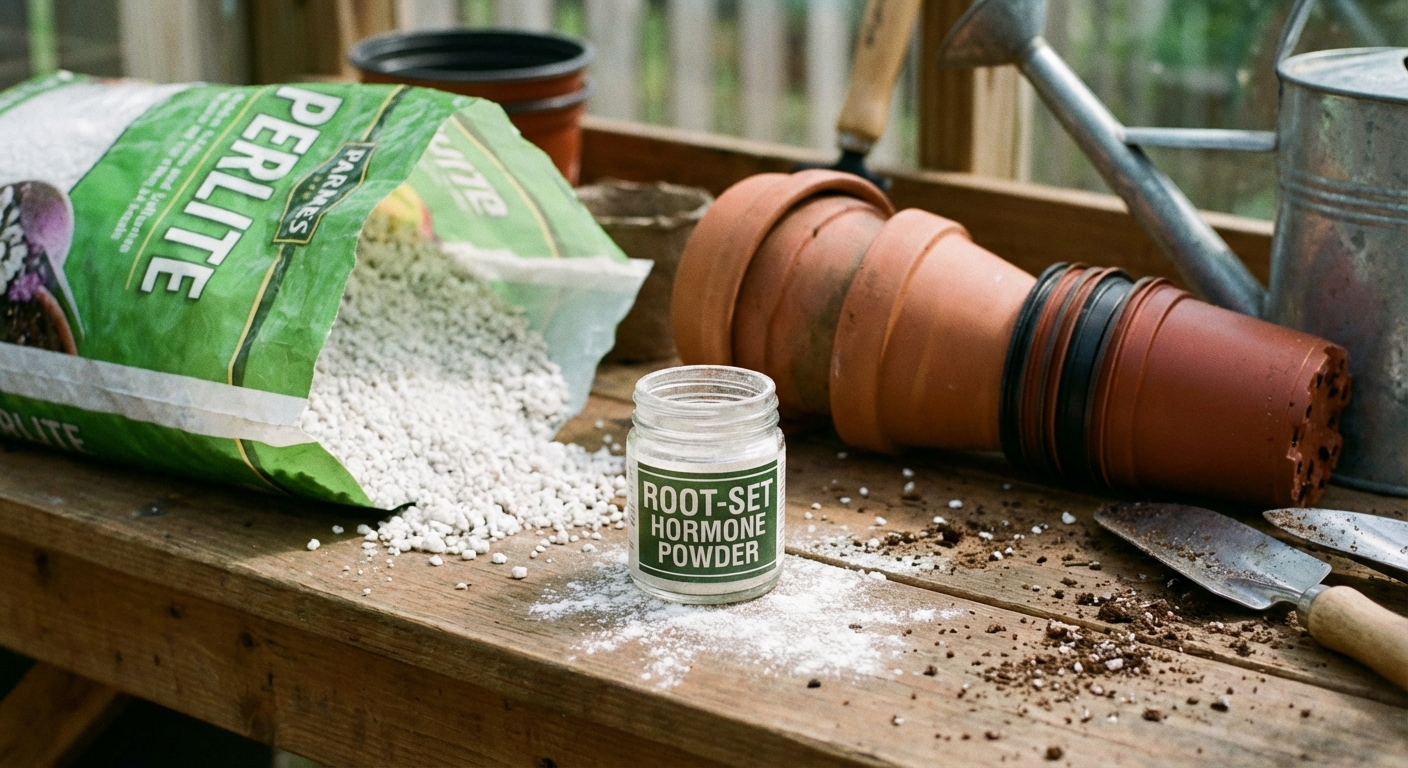
- Rooting medium: 50% perlite + 50% peat moss or coco coir, or a seed-starting mix cut with perlite
- Rooting hormone (optional, but helpful)
- Clear plastic bag, clear storage bin, or a seed tray dome for humidity
- Spray bottle
- Plant labels and a pen (future you will be grateful)
Step-by-step: Propagate hydrangeas from softwood cuttings
1) Pick the right stem
Look for a healthy, green stem that is not flowering. Non-flowering shoots put more energy into roots instead of blooms.
- Ideal length: 4 to 6 inches
- Look for 2 to 3 sets of leaves (nodes)
- Avoid floppy, super-tender tips that wilt instantly
2) Make your cut (where it matters)
Take your cutting just below a node (the spot where leaves attach). Nodes are root factories.
3) Strip and trim
- Remove the bottom set of leaves completely.
- If the leaves are large, cut the remaining leaves in half to reduce moisture loss.
This is the part that feels wrong the first time. I promise your cutting does not need big leaves right now. It needs to stay hydrated long enough to root.
4) Optional: Use rooting hormone correctly
Rooting hormone can improve success rates, especially if your indoor air is dry or you tend to love your cuttings a little too enthusiastically.
- Moisten the bottom inch of the cutting.
- Dip into hormone so a light coating sticks.
- Tap off excess. Too much can actually slow rooting.
5) Pot it up
Fill pots with pre-moistened rooting mix. Use a pencil or chopstick to make a hole, then insert the cutting so at least one node is buried. Firm the mix gently around the stem.
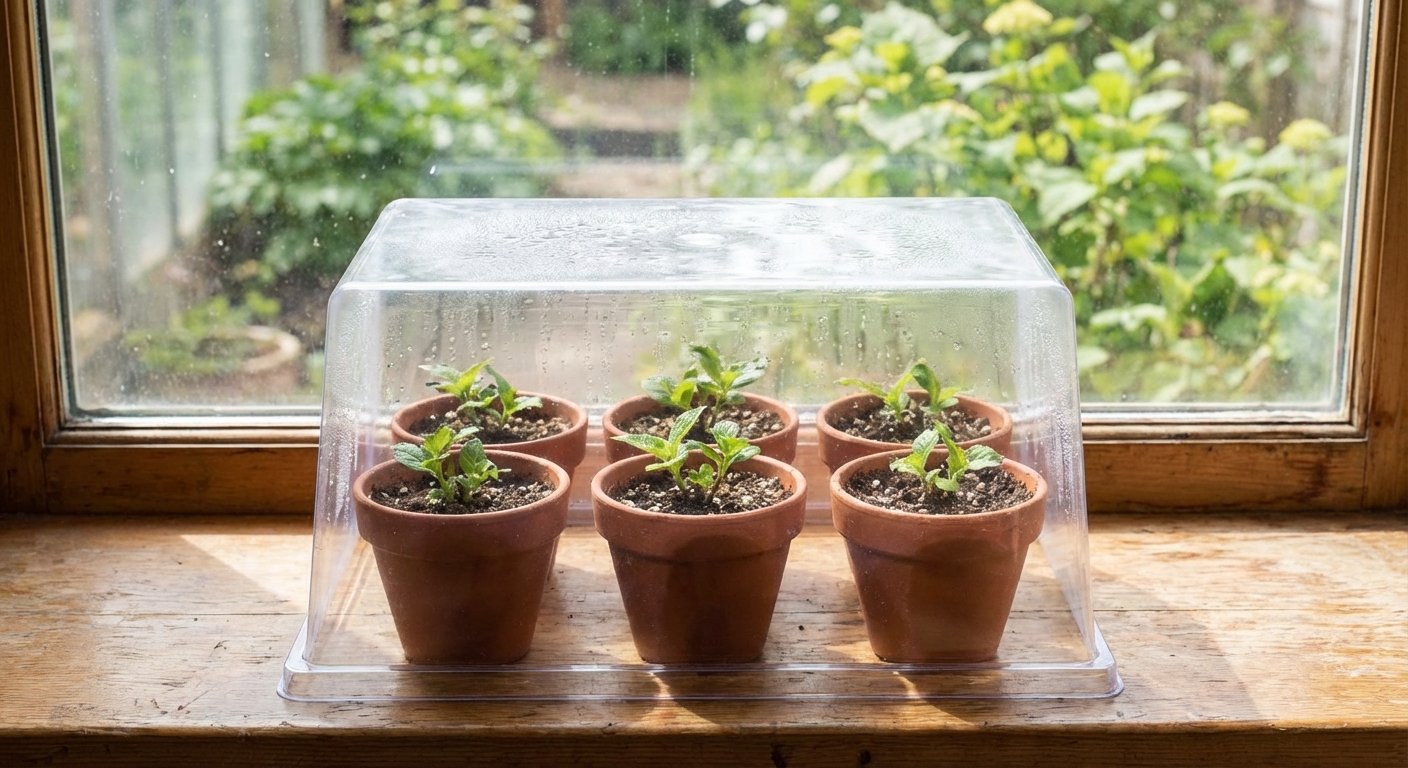
6) Add a humidity dome (the difference-maker)
Softwood cuttings root best in high humidity because they have no roots to drink with yet.
- Plastic bag method: Place a clear bag over the pot and secure loosely with a rubber band. Add a couple of sticks to keep plastic from touching leaves.
- Clear bin method: Set pots in a clear storage bin with the lid on. Open daily for fresh air.
Keep the dome bright but out of direct sun. Direct sun turns it into a tiny greenhouse oven.
7) Light and temperature
- Light: bright, indirect light or dappled shade
- Temperature: ideally 65 to 75°F
8) Watering routine
Your goal is evenly moist, never soggy.
- Mist lightly if leaves look dry.
- Water the potting mix only when the surface begins to lose moisture.
- Empty any standing water from saucers.
9) How long does rooting take?
Most softwood hydrangea cuttings root in 2 to 6 weeks, depending on variety, warmth, and humidity.
Check by giving the cutting a very gentle tug. If it resists, roots are forming.
Step-by-step: Propagate hydrangeas from hardwood cuttings
Hardwood propagation is slower, but it is a wonderful winter project when you are craving green things.
1) Take dormant stems
Choose healthy, mature stems from this year’s growth that have hardened. Cut sections about 6 to 8 inches long.
2) Identify top and bottom
This sounds silly until you do it once. Hardwood sticks can get confusing.
- Make the bottom cut straight just below a node.
- Make the top cut angled above a node. The angle helps you remember which end is up.
3) Use rooting hormone (recommended)
Dip the bottom end lightly. Hardwood has more stored energy, but it benefits from the rooting boost.
4) Pot or bed them
Insert the cutting so at least two nodes are below the surface. Use a gritty, well-draining mix. Keep it slightly moist.
5) Be patient
Hardwood cuttings may take 8 to 16+ weeks to root, sometimes longer. You might not see action until spring warmth arrives.
Common mistakes (and how to avoid them)
- Taking cuttings from old wood: For most home setups, very old, thick stems are slower and less reliable. For best success, use softwood for fast rooting or true dormant hardwood in winter, not ancient, gnarled branches.
- Using flowering stems: Flowers drain energy. Snip buds off or choose non-flowering growth.
- Too much sun under the dome: Bright shade is perfect. Direct sun cooks cuttings fast.
- Overwatering: Soggy mix invites rot. Moist, airy, and well-draining wins.
- Not enough humidity: If leaves wilt repeatedly, your humidity is too low or your light is too strong.
- Dirty tools: Wipe blades with rubbing alcohol to reduce disease spread.
- Checking roots too often: Tugging daily can damage new root hairs. Give it time.
When and how to transplant rooted cuttings
Step 1: Pot up first
Once your cutting has a good root system and you see fresh new growth, move it into a slightly larger pot with quality potting mix. This “teenage phase” in a pot is where hydrangeas build strength.
Step 2: Harden off
If your cutting has been indoors or under a dome, acclimate it gradually.
- Day 1 to 3: 1 to 2 hours outside in shade, then back in.
- Day 4 to 7: increase outdoor time and gentle morning sun.
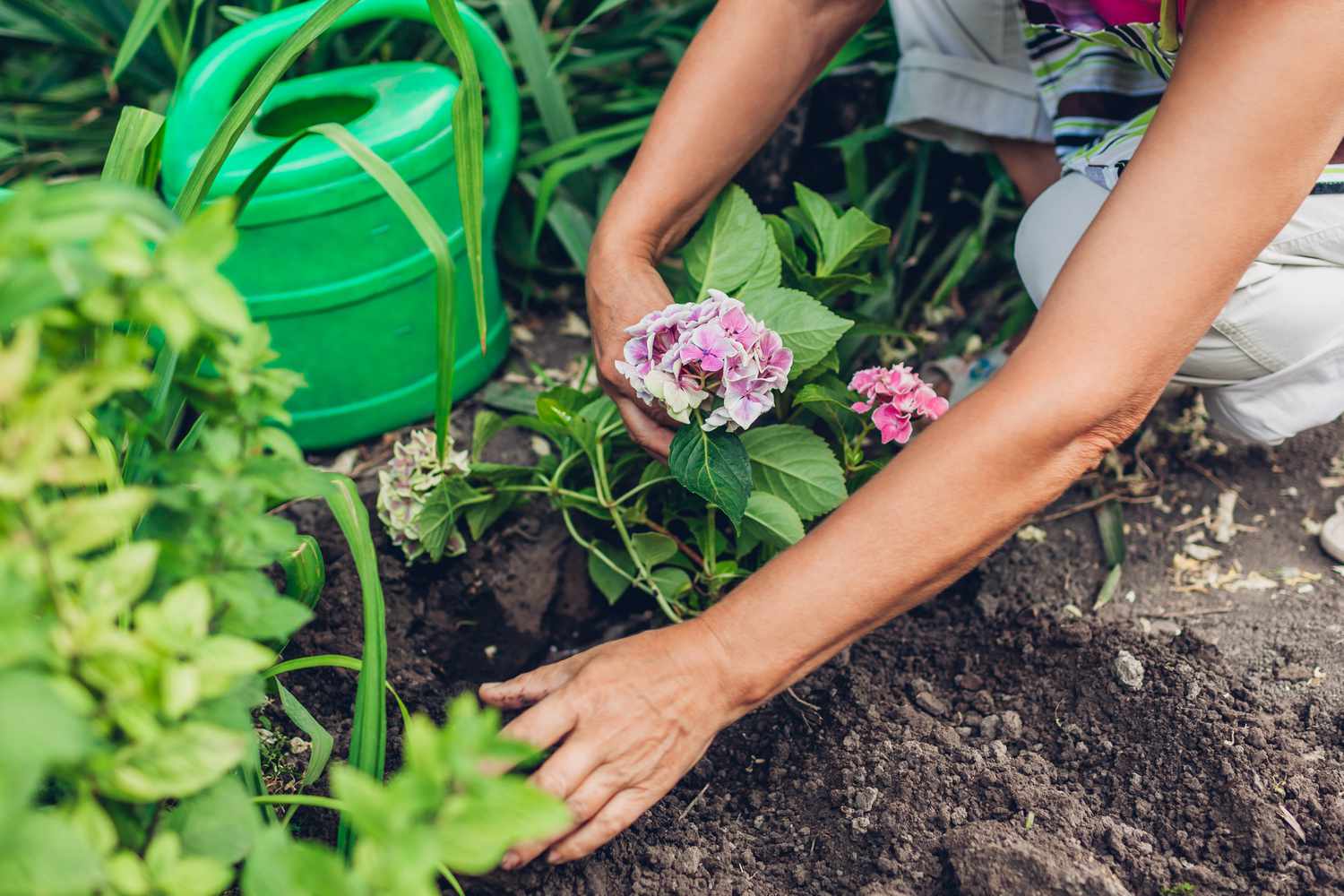
Step 3: Plant in the garden
Transplant when the plant is sturdy and weather is mild. For many regions, that means spring after frost danger or early fall when heat breaks.
- Pick a spot with morning sun and afternoon shade for bigleaf hydrangeas.
- Water deeply after planting, then keep evenly moist for the first few weeks.
- Mulch with 2 to 3 inches of leaf mold, compost, or shredded bark, keeping mulch off the stem.
Troubleshooting: quick fixes for common problems
My cutting wilts as soon as I pot it
- Increase humidity (seal dome better, mist lightly).
- Reduce light intensity (move to bright shade).
- Trim leaf size further to reduce water loss.
The stem turned brown or mushy
- You likely have rot from excess moisture or poor airflow.
- Start over with fresh mix, a clean pot, and daily venting of the dome.
No roots after 6 weeks (softwood)
- Temperature may be too cool or the cutting may be too mature.
- Try a slightly warmer spot (still out of direct sun) and take new cuttings from fresher growth.
My favorite simple setup (for high success with low fuss)
If you want the easiest routine, here is what I do when I am propagating hydrangeas on a busy week.
- 4-inch pot
- Half perlite, half coco coir (pre-moistened)
- One 5-inch softwood cutting, leaves trimmed
- Clear plastic bag tented with two chopsticks
- Bright shade outdoors or bright indirect light indoors
- Vent the bag once a day for 30 to 60 seconds
It is not fancy. It just works.
FAQ
Can I root hydrangea cuttings in water?
You can, but it is less reliable long-term. Water roots are different from soil roots, and some cuttings struggle when moved to potting mix. If you want the highest success rate, root directly in a light, airy medium.
Do I have to use rooting hormone?
No. Hydrangeas often root without it, especially softwood cuttings in good humidity. Rooting hormone can improve consistency and speed, which is why many gardeners use it.
Will propagated hydrangeas be the same color as the parent?
Yes, genetically it is a clone. Color can still shift based on soil chemistry, especially for bigleaf hydrangeas where bloom color responds to soil pH and aluminum availability.
A gentle final note
If your first batch does not root, you are not bad at this. Cuttings are tiny experiments, and plants have moods just like the rest of us. Adjust humidity, choose fresher stems, and try again. Once you get your first successful rooted cutting, you will feel like you discovered a little backyard superpower.