
How to Grow Swiss Chard in Garden Beds and Containers

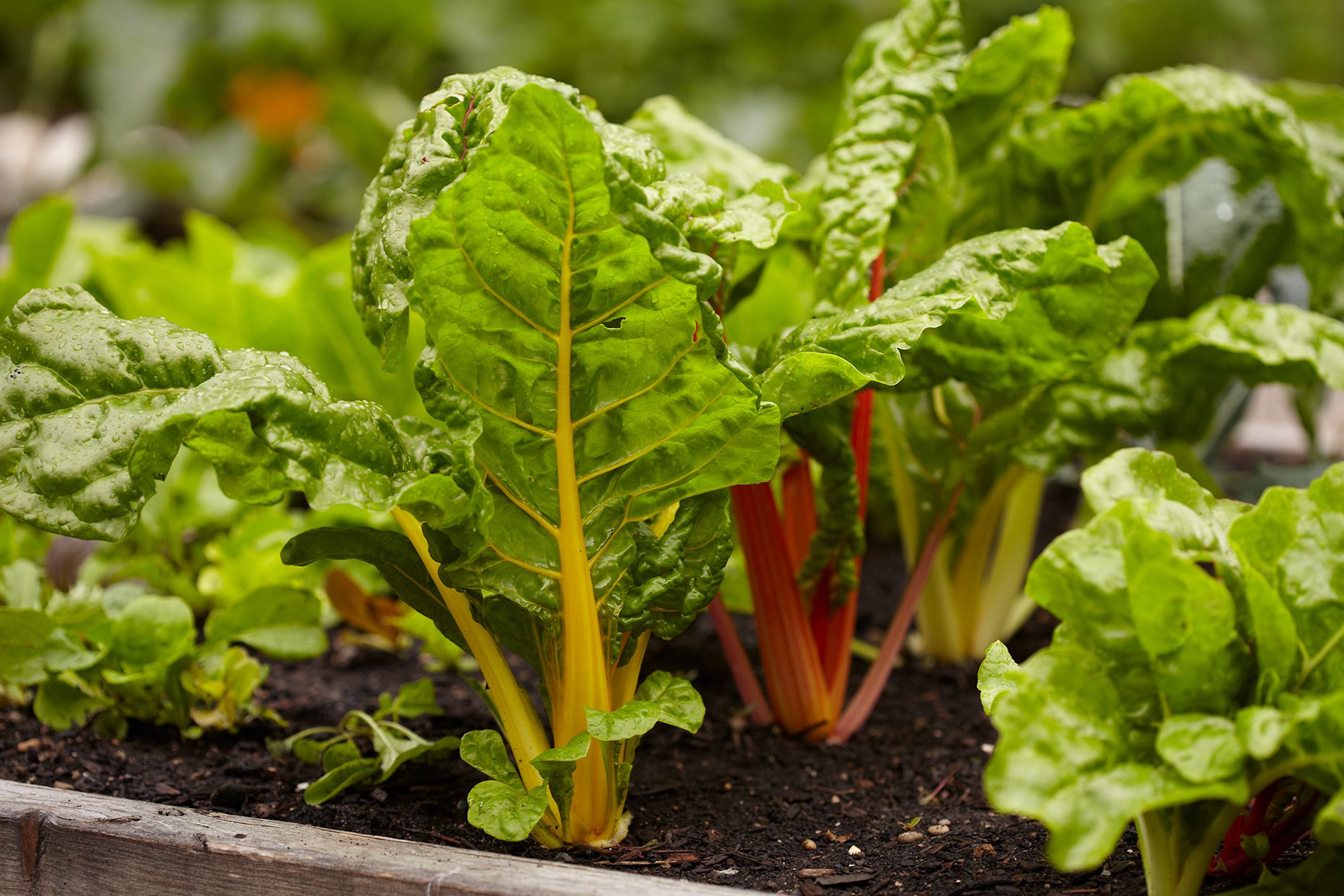
Swiss chard is the leafy green I recommend when someone tells me they “kill spinach.” It is forgiving, generous, and honestly a little showy, especially the rainbow-stem varieties. Give it decent soil and steady moisture and it will keep producing from spring into fall. In mild climates (roughly USDA zones 8 and warmer), it can even keep going through winter with a little protection.
This guide covers growing Swiss chard in both garden beds and containers, including whether to sow or transplant, how to harvest so it keeps coming back, and what to do when summer heat tries to make it sulk.

Why Swiss chard is a keeper
- Cut-and-come-again superstar: Harvest outer leaves and the plant keeps producing from the center.
- Heat tolerance: More reliable than spinach once temperatures rise.
- Small-space friendly: A few plants can supply steady greens for weeks.
- Edible stems: Stems are sweet and crunchy when cooked right.
Quick growing requirements
- Sun: 6 to 8 hours is ideal. It tolerates partial sun, especially in hot climates.
- Soil: Loose, compost-rich, well-draining. Aim for a pH around 6.0 to 7.5.
- Water: Consistent moisture. Inconsistent watering can make leaves tougher and more strongly flavored.
- Temperature: Best growth in cool to mild weather. Handles light frosts well.
Varieties to try
Care is basically the same no matter the stem color, so pick what makes you happy.
- ‘Bright Lights’: The rainbow-stem classic, great for containers and garden beds.
- ‘Fordhook Giant’: Big, sturdy plants with thick white stems.
- ‘Ruby Red’: Deep red stems and veins, especially pretty as baby leaves.
Sow vs transplant
Direct sowing (my favorite for garden beds)
Swiss chard seeds are actually little seed clusters (multigerm), so you often get multiple sprouts from one “seed.” Direct sowing is simple and avoids transplant shock.
- When: Sow 2 to 4 weeks before your last spring frost. You can also sow again in late summer for fall harvest.
- How deep: About 1/2 inch deep.
- Germination: Often 5 to 10 days, slower in cool soil.
Transplanting (great for containers and tight timelines)
Transplants are handy when you want an instant head start or you are planting into a neatly planned container arrangement.
- Start seeds indoors: 4 to 6 weeks before your last frost.
- Harden off: Give seedlings 5 to 7 days of gradual outdoor time.
- Transplant gently: Keep the root ball intact and water in well.
Note: If you sow directly and get clumps, do not panic. It is normal. Thin them in a week or two, and the thinnings are baby greens for your salad bowl.
Germination tips
If germination is spotty, it is usually a moisture or temperature issue, not a personal failure.
- Best soil temp: Chard germinates best in cool to warm soil (roughly 50 to 85 F), and can slow down when soil is chilly.
- Keep the seedbed evenly moist: Not soggy, just consistently damp until sprouts are up.
- Prevent crusting: After heavy rain or overhead watering, gently break any soil crust so seedlings can push through.
Spacing for small spaces
Spacing is where chard goes from “cute” to “wow, that’s a lot of food.” Crowded plants stay smaller and can be more disease-prone, but a little intentional crowding is fine if you are harvesting young leaves often.
Garden bed spacing
- Thin to: 10 to 12 inches apart for full-size plants.
- Intensive planting: Thin to about 8 inches apart if you will harvest young and often.
- Row spacing: 12 to 18 inches for access and airflow.
Container spacing
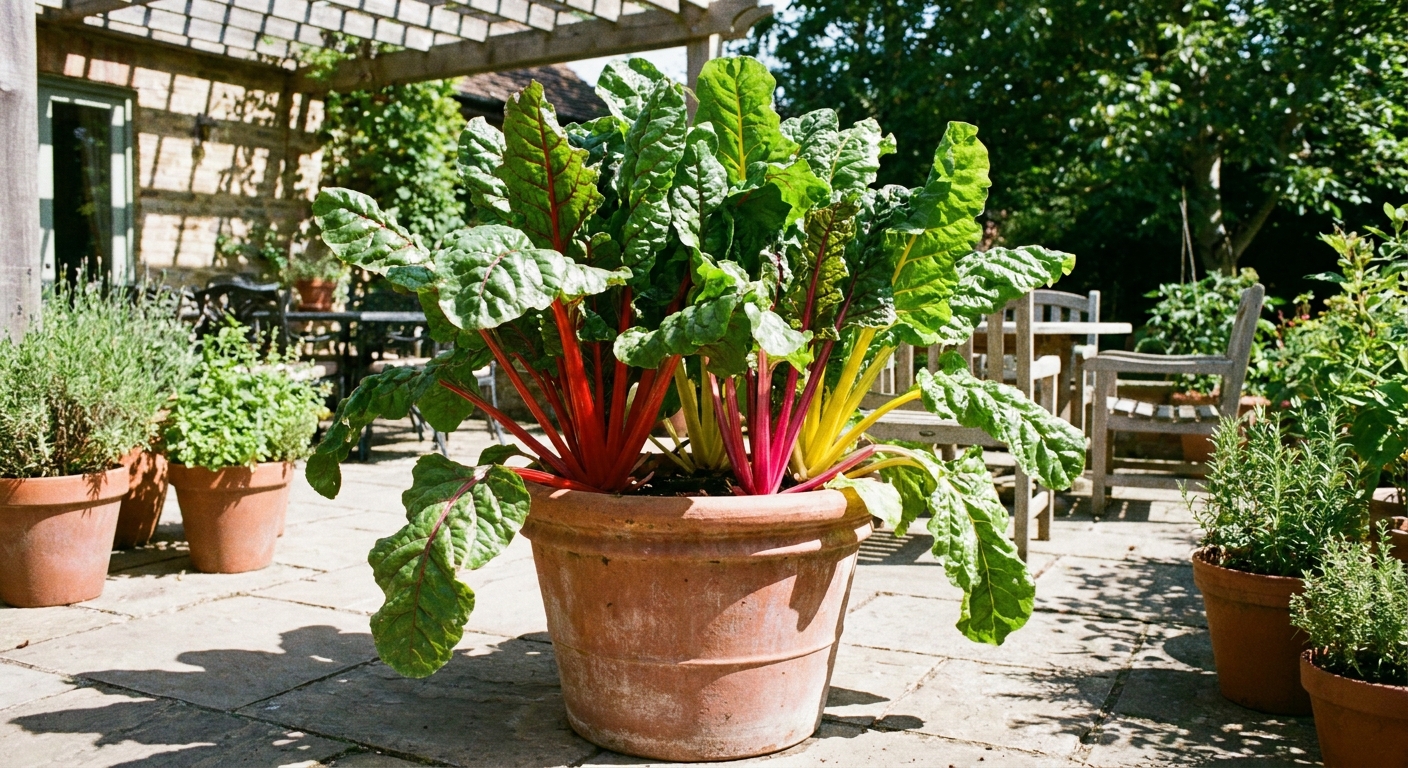
- Per 12 to 14 inch pot: 1 plant for full-size leaves, 2 plants if you commit to frequent harvesting and extra watering.
- Per 18 to 20 inch pot: 3 plants is usually comfortable.
Companion plants
In small gardens, chard is happiest with neighbors that do not hog the same root zone or shade it too hard.
- Good companions: bush beans, onions, garlic, radishes, lettuce, nasturtiums, calendula.
- Use caution: large brassicas like broccoli or cabbage can crowd it. If you pair them, give each plant room and keep nutrients steady.
Soil and feeding
Swiss chard is leafy, which means it appreciates steady nutrition, especially nitrogen, but it does not need heavy feeding if your soil is rich in compost.
For garden beds
- Work in 1 to 2 inches of finished compost before planting.
- If your soil is sandy or tired, add a gentle organic fertilizer at planting time (something like a balanced 4-4-4).
- Mulch with straw, shredded leaves, or fine bark once seedlings are established to help keep moisture even.
For containers
- Use quality potting mix, not straight garden soil.
- Mix in compost (up to about 20 to 30 percent by volume) for biology and water-holding.
- Add a slow-release organic fertilizer, then plan on light feeding later since pots leach nutrients faster.
Watering tips
Chard’s best flavor shows up when it grows steadily. Big swings in watering can stress plants and lead to tougher leaves.
- Garden beds: Aim for about 1 to 1.5 inches of water per week, more during heat waves. Water deeply so roots go down.
- Containers: Check daily in warm weather. Water when the top inch feels dry. In peak summer, you may water every day.
- Best practice: Water at the base of the plant to keep leaves dry and reduce leaf spot risk.
Harvesting
Swiss chard is not a one-and-done crop unless you want it to be. Harvesting correctly is what turns one plant into weeks of meals.
When to start harvesting
- Baby leaves: 25 to 35 days after sowing.
- Full leaves: 45 to 60 days after sowing, depending on variety and weather.
How to harvest so it keeps producing
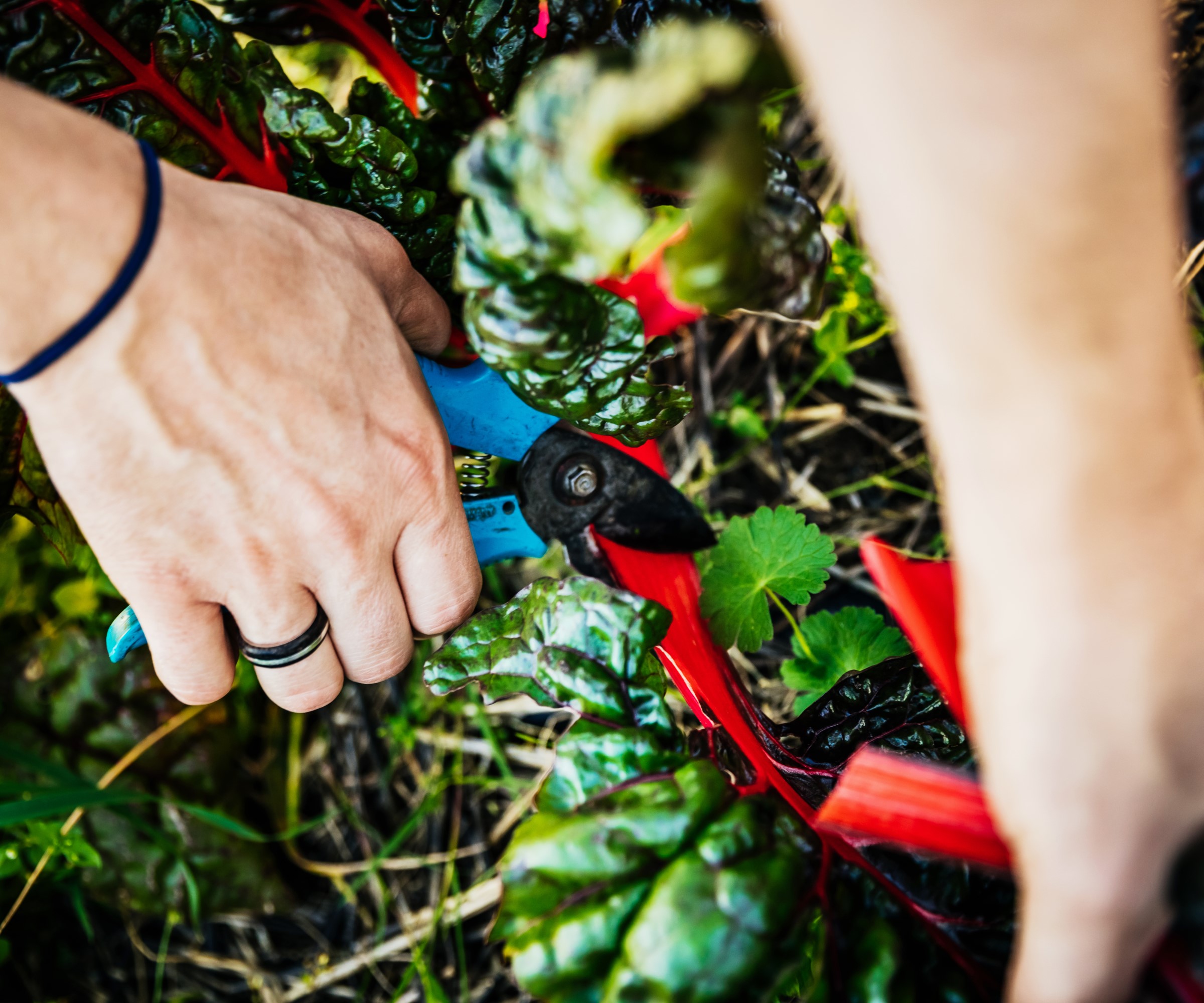
- Pick the outer leaves first, the ones closest to the soil.
- Cut cleanly near the base with snips or a knife.
- Leave the center growth point intact, those small upright leaves in the middle are tomorrow’s harvest.
- Do not take more than about one-third of the plant at a time if you want fast regrowth.
Stem tip: If you like stems, harvest bigger leaves. If you want mostly leaf, harvest smaller and more often.
Heat and bolting
Chard handles heat better than many greens, but sustained hot weather can make leaves tougher. Bolting is also possible, though chard is generally slower to bolt than spinach. It is influenced by plant age, day length, and stress (heat and drought included). Once a plant commits to flowering, leaf production usually slows.
How to slow bolting
- Give afternoon shade: Especially in hot climates. Even 30 to 40 percent shade cloth helps.
- Keep moisture steady: Heat plus drought is the fast track to stress.
- Mulch: A 2 to 3 inch mulch layer helps keep roots cooler.
- Harvest regularly: Frequent picking encourages leaf growth.
What to do if it bolts
- Cut the flower stalk as soon as you see it. You may get a small second round of leaves, but quality and yield often decline.
- Replant: In mid to late summer, sow a fresh round for fall. Chard shines in fall light.
- Let one plant flower if you want pollinator joy. Chard flowers are not flashy, but beneficial insects love the buffet.
Pests and problems
Swiss chard is generally sturdy, but a few common pests can turn a perfect leaf into lace if you look away for a weekend.
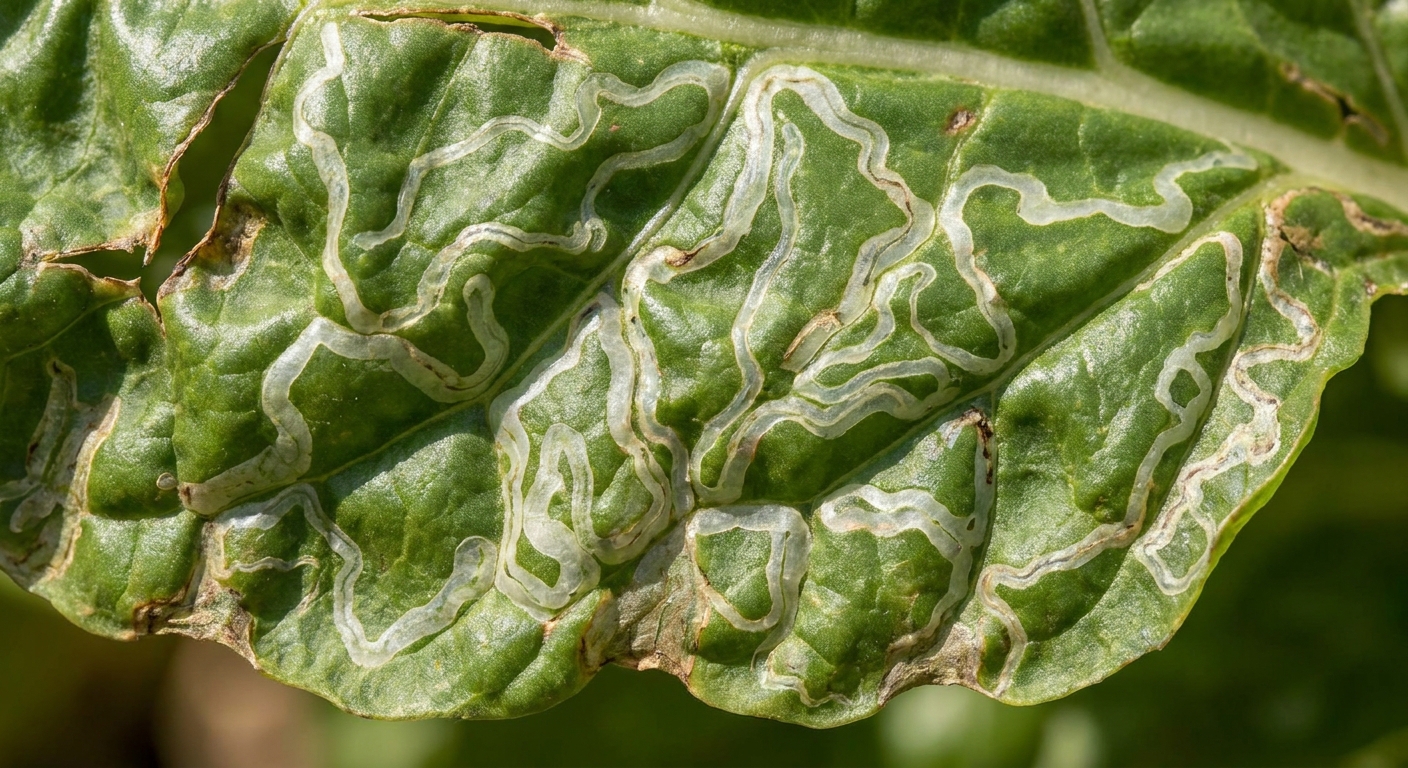
Leaf miners
These make pale, squiggly tunnels inside leaves.
- Remove and trash badly mined leaves.
- Use lightweight row cover early in the season to block egg-laying.
- Kitchen note: Many gardeners cut out the mined sections and wash the rest, but if you are unsure, compost the leaf and harvest a clean one. There will be plenty.
Aphids
- Blast them off with a strong spray of water.
- Encourage beneficials with flowers like calendula and dill nearby.
- In containers, wipe clusters off with a damp cloth if needed.
Slugs and snails
- Hand-pick at dusk, especially after rain.
- Use iron phosphate bait if pressure is heavy and you need an organic option.
- Keep mulch pulled back slightly from the crown if slugs are nesting.
Disease notes
- Leaf spots (like Cercospora): Improve airflow, water at soil level, remove infected leaves, and avoid splashing soil onto foliage.
- Downy mildew: More likely in cool, damp stretches. Space plants well and harvest older leaves promptly.
Chard in containers
Containers are perfect if you want clean leaves, fewer soil-borne issues, and a harvest right outside your door.
- Container size: At least 10 to 12 inches deep. Bigger is easier to keep evenly moist.
- Drainage: Non-negotiable. Chard hates soggy roots.
- Potting mix: Moisture-retentive but airy. Add compost and a slow-release organic fertilizer.
- Placement: Morning sun with afternoon shade in summer is the sweet spot in hot areas.
Simple feeding schedule for pots
- Mix in slow-release organic fertilizer at planting.
- After 4 to 6 weeks of harvesting, top-dress with compost or water in a gentle fish emulsion or seaweed blend every 2 to 3 weeks.
Cold weather and overwintering
Chard is surprisingly cold-tough for a leafy green, especially with a little help.
- Light frost: Usually fine, and can even sweeten flavor.
- Hard freezes: Protect with row cover or a low tunnel, especially if you want leaves to stay pretty.
- Mild winters: Chard can overwinter and give early spring leaves, though older plants may bolt as days lengthen.
Personal note: In my garden, chard often looks better than kale once summer heat drags on. Kale usually wins the deep-winter contest, but chard is my steady shoulder-season producer.
Swiss chard FAQ
Why are my chard leaves small?
The most common reasons are crowding, low nitrogen, inconsistent watering, or too much heat. Thin plants, add compost, and water steadily.
Do I need to thin Swiss chard seedlings?
Usually yes. Because seeds are clusters, you often get multiple sprouts. Snip extras at soil level and thin to about 10 to 12 inches (or 8 inches for baby-leaf style harvesting).
Can I regrow chard after cutting it down?
If you cut above the crown and leave the center intact, it often regrows. If you cut through the crown, it is usually done.
Simple planting plan
If you want chard on your plate for months, plant in waves.
- Early spring: Direct sow or transplant for your first plants.
- Late spring: Sow a second round to carry you through summer.
- Late summer: Sow again for fall, often the tastiest crop of the year.
If you only plant once, that is still fine. Swiss chard is generous. But staggered sowing turns it from “a lot at once” into “a steady, peaceful abundance,” which is my favorite kind of gardening.