How to Grow Sweet Peas from Seed

Sweet peas are the kind of flower that makes you stop mid-step and inhale like a cartoon character floating toward a pie on a windowsill. If you've ever wished your garden could smell like an old-fashioned bouquet, this is your plant.
I'm Clara, a cut-flower grower and lifelong plant fiddler, and the secret to sweet pea success is simple: cool roots, early planting, and support from day one. In this guide, I'll walk you through starting seeds indoors or sowing outdoors, how to prep soil for strong vines and lots of blooms, when to pinch, how to deadhead, and what to do when things go a little sideways.

Sweet pea basics
Sweet peas (Lathyrus odoratus) are cool-season annual vines grown for their fragrance, color, and incredible cut flowers. They like bright light, rich soil, and consistently moist roots. In many climates they bloom heavily in spring and early summer, then slow down or stop when heat sets in.
- Best bloom weather: cool to mild days, chilly nights
- Growth habit: climbing vine, usually 4 to 8 feet depending on variety
- Support needed: yes, early
- Pet and kid safety note: sweet pea seeds and pods are toxic to humans and pets if eaten (the flowers and fragrance aren't the problem), so keep seed packets and drying pods out of reach
Pick varieties
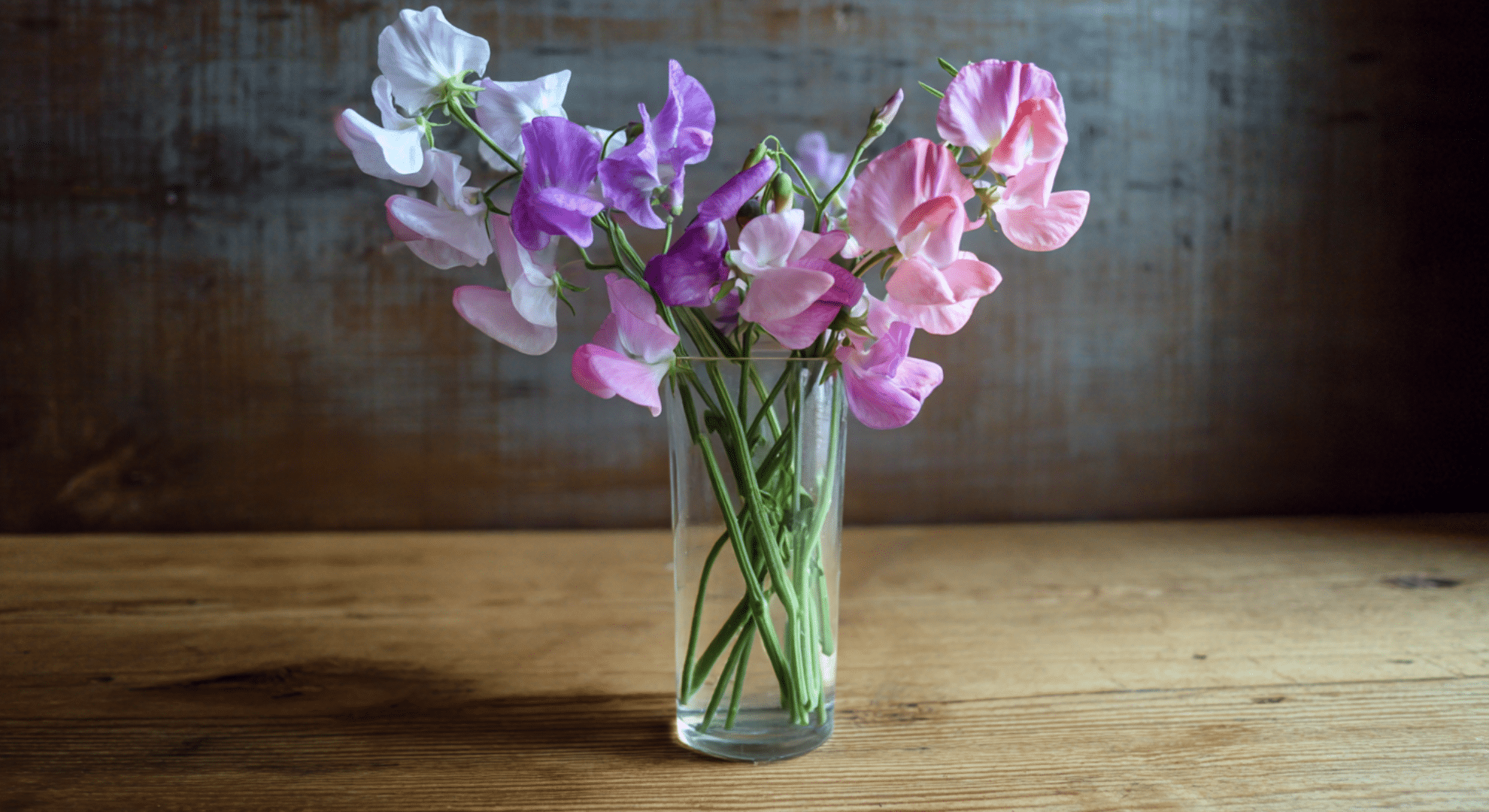
Not all sweet peas are equally scented. If fragrance is your number one goal, choose varieties that are known for it, and grow enough plants to cut often. Cutting actually encourages more blooms.
For strong fragrance
- Spencer types (often labeled “Spencer”): big ruffled flowers and often a strong scent, though fragrance varies by cultivar
- Old-fashioned heirloom mixes: usually highly scented, a little less uniform, very charming
- Packet tip: if the label specifically says “fragrant” or “strong scent,” believe it
For cutting and long stems
- Grandiflora and Spencer types: often the best for stem length and bloom size, depending on the cultivar
- Look for notes like “long stems” or “cut flower” on packets
For containers and small spaces
- Dwarf or bush sweet peas (often 12 to 24 inches): minimal trellis, great for pots
- Patio mixes: bred to stay compact, still quite floriferous
Clara tip: If you want a steady supply for vases, plant two rounds about 2 to 3 weeks apart in early spring. Staggering buys you a longer harvest window.
When to plant
Sweet peas prefer cool growing conditions. They can handle cool soil, but germination slows way down if the ground is cold.
Quick timing guidelines
- Direct sow outdoors: as soon as the soil is workable in late winter or early spring, often 4 to 6 weeks before your last frost
- Start indoors: about 4 to 8 weeks before you plan to transplant outside (shorter window in mild springs, longer in cold regions)
- Mild-winter climates: you can often sow in fall for very early spring blooms (sweet peas love this)
Simple zone strategy
- Zones 8 to 10: sow in fall or mid-winter for spring bloom
- Zones 4 to 7: sow very late winter to early spring, as early as you can reasonably work the soil
If you're unsure, aim for this rule: get them growing while you still want a light jacket in the morning.
Prep the soil
Sweet peas are hungry vines and they flower best with deep, fertile, well-drained soil. Think “rich but not soggy.”
Ideal conditions
- Sun: full sun in cool climates, or morning sun with light afternoon shade in hot climates
- Drainage: excellent, especially in containers
- pH: slightly alkaline to neutral (around 6.5 to 7.5 is a comfortable range)
How to prep a bed
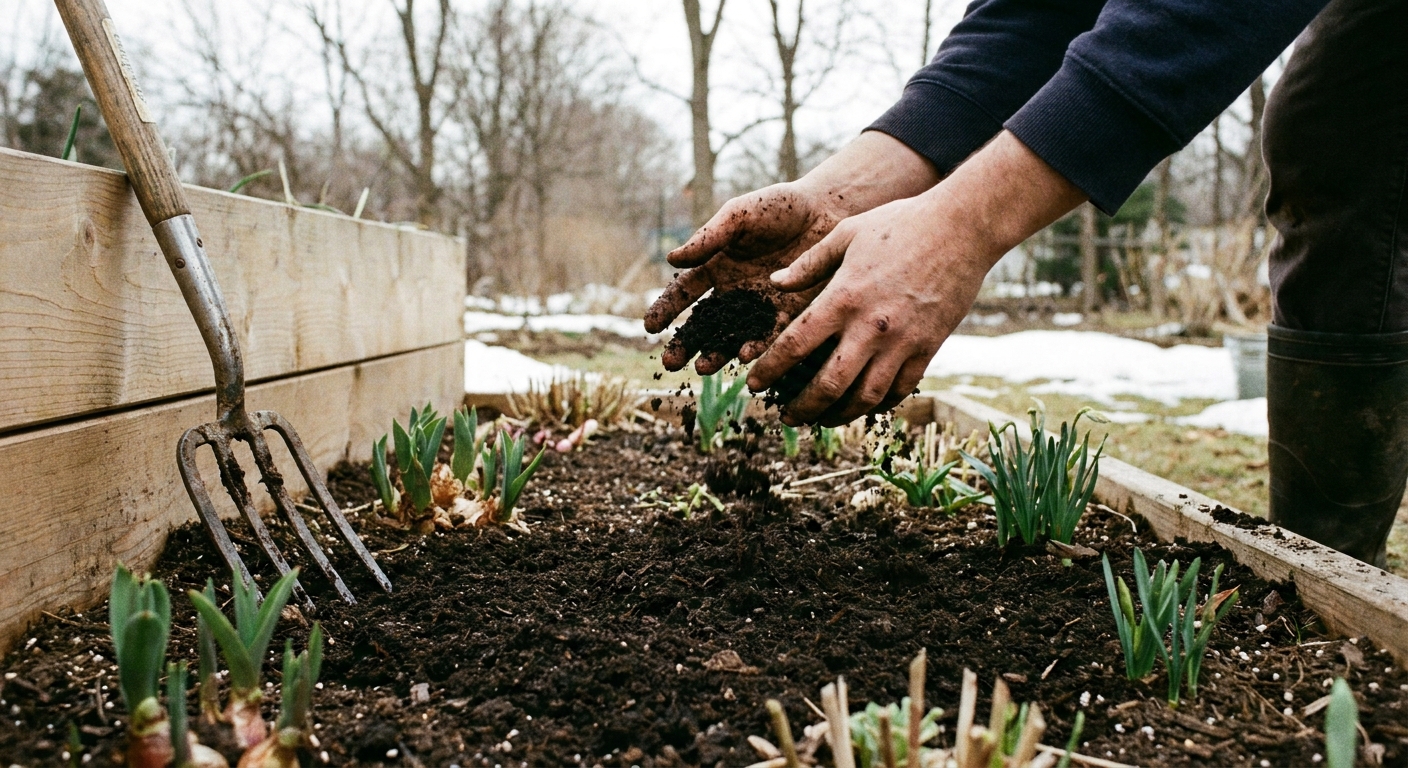
- Loosen soil 10 to 12 inches deep (a garden fork is perfect).
- Mix in 2 to 4 inches of finished compost.
- Add a gentle organic fertilizer if your soil is lean, ideally something with more phosphorus and potassium than nitrogen.
- If drainage is poor, mound the row slightly or choose a raised bed.
A note on nitrogen: Too much nitrogen makes lush leaves and fewer flowers. If your sweet peas are green and gorgeous but stingy with blooms, this is usually why.
Soak or nick seeds?
Sweet pea seeds have a tough coat, which is why they can be a little stubborn. You've got a few options.
- Soak (optional): Soak seeds in room-temperature water for 6 to 12 hours. If they swell, great. If they don't, don't panic.
- Nicking (optional): Use a nail file or sandpaper to gently scuff one spot on the seed coat, just enough to dull the shine. Don't cut deeply.
- Neither is required: Fresh seed often germinates fine without extra steps, especially in consistently moist soil.
My preference: I soak for a few hours if the seed looks especially hard or if I'm sowing into cool soil. Then I sow right away.
Inoculation
Sweet peas are legumes, meaning they can partner with beneficial soil bacteria (rhizobia) to help fix nitrogen. In healthy garden soil, compatible microbes may already be present, so the boost can be variable. In new beds, containers, or sterile potting mixes, inoculating can help roots establish and plants grow sturdier.
How to inoculate sweet pea seeds
- Buy an inoculant labeled for sweet pea, Lathyrus, or ornamental legumes when possible. A general pea and bean inoculant can work, but results may vary.
- Moisten seeds lightly (a mist of water is enough).
- Toss seeds in a pinch of inoculant until coated.
- Sow immediately, keeping seeds out of direct sun while you work.
Is it mandatory? No. Is it a nice, low-effort advantage, especially in pots or brand-new soil? Absolutely.
Option 1: Start indoors
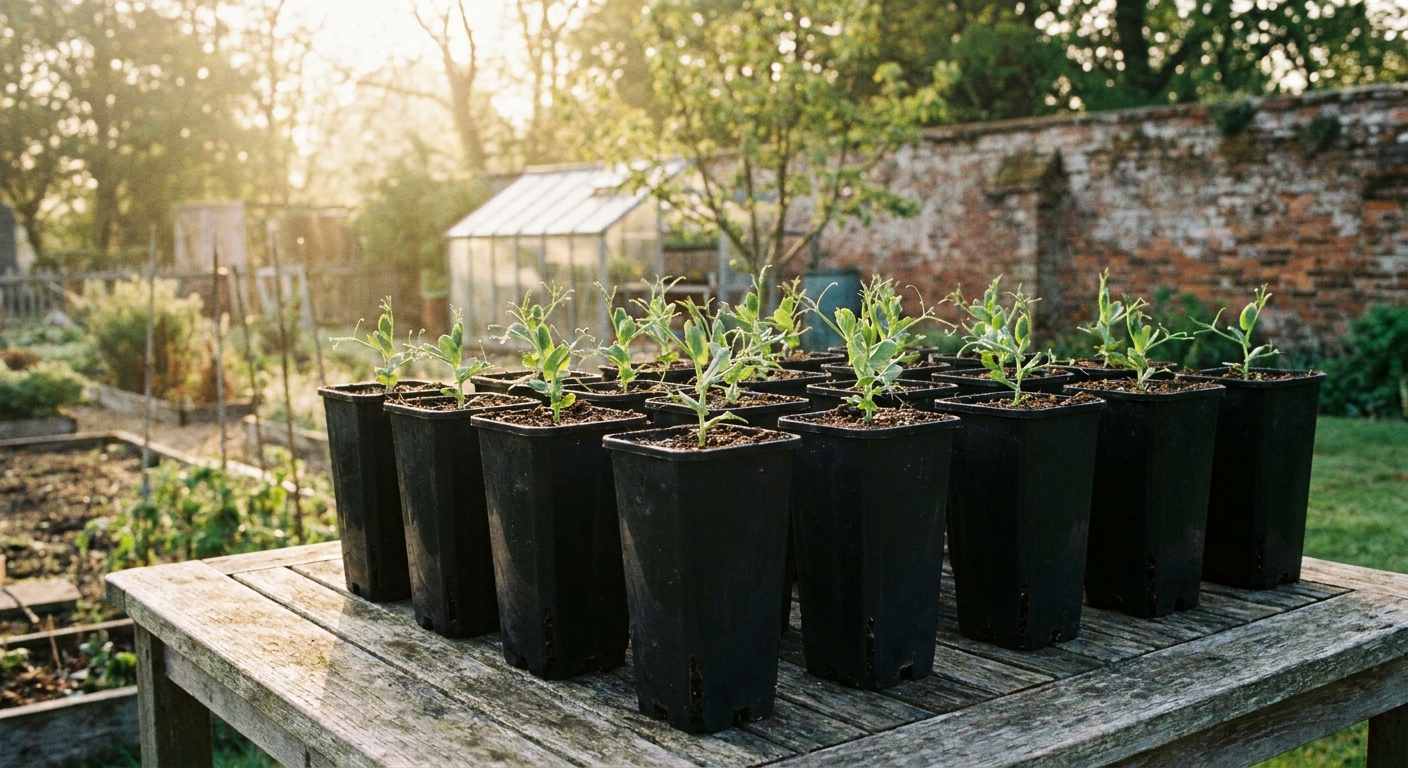
Indoor starting gives you control over moisture and pests, and it's helpful where springs are short, wet, or slug-heavy. The key is giving sweet peas enough root room so they don't sulk at transplant time.
What you need
- Deep cells or root trainers: 4 to 6 inches deep is ideal
- Seed-starting mix: light and well-drained
- Light: a sunny window can work, but a grow light is better for stocky seedlings
Step-by-step indoor sowing
- Fill deep cells with damp seed-starting mix.
- Sow seeds 1 inch deep.
- Water gently and keep evenly moist, not waterlogged.
- For germination, aim for about 55 to 65°F. Heat mats aren't needed, and too much warmth can make seedlings stretch.
- Once sprouted, give bright light, good airflow, and cooler conditions when you can (cool and bright is the dream combo).
Hardening off and transplanting
- Start hardening off about 7 days before planting out.
- Transplant when seedlings are 3 to 5 inches tall and nights are still cool.
- Handle by leaves, not stems, and keep the root ball intact.
Option 2: Direct sow outdoors
Direct sowing is wonderfully simple and often produces the strongest, least-fussy plants because roots never get disturbed.
Step-by-step direct sowing
- Set up your trellis first (more on that below).
- Make holes or a furrow 1 inch deep.
- Sow seeds 2 inches apart, then thin to 4 to 6 inches apart once seedlings are established (go closer to 6 inches if your summers are humid or mildew is common).
- Water well, then keep soil consistently moist until germination.
Germination time: typically 7 to 21 days depending on soil temperature and moisture. Cold soil can be slow. Be patient. Sweet peas like a little drama.
Trellis and support
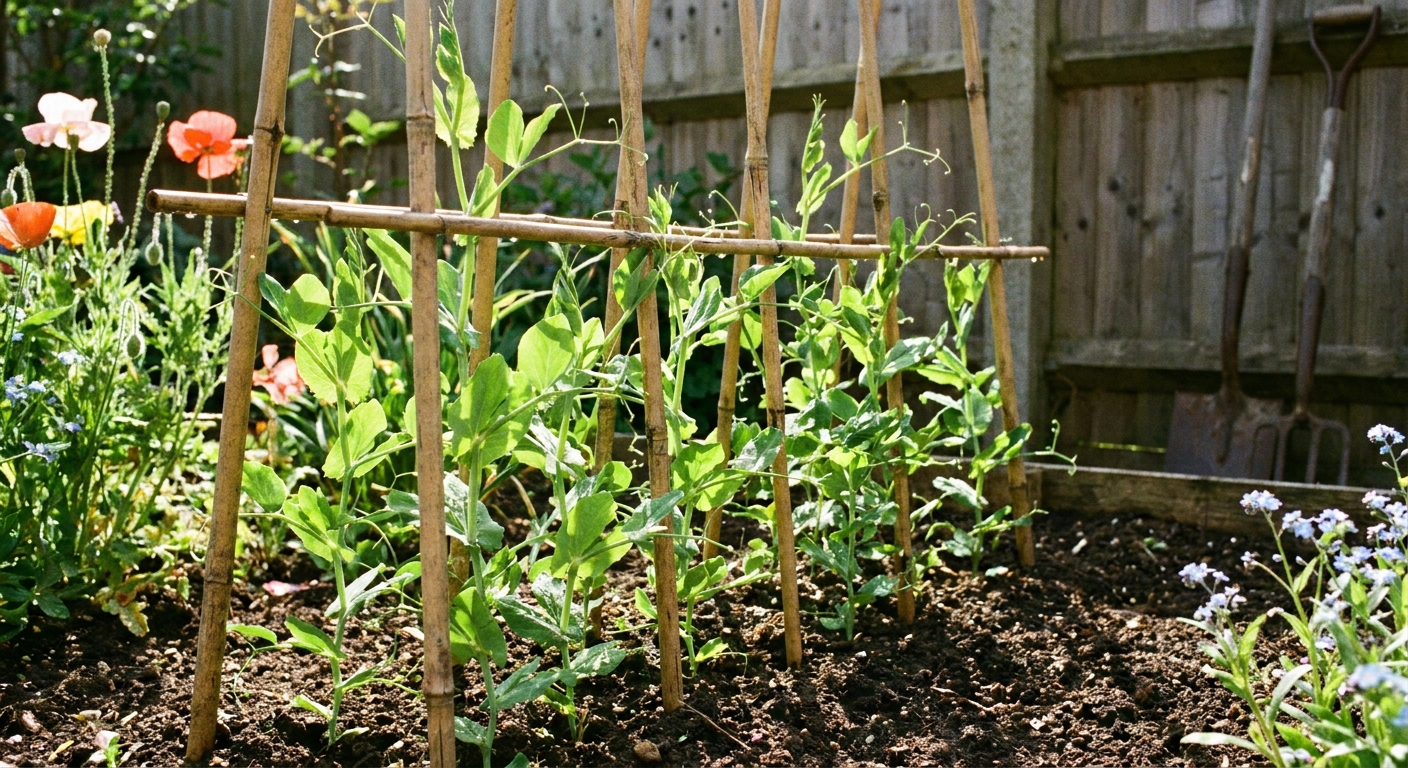
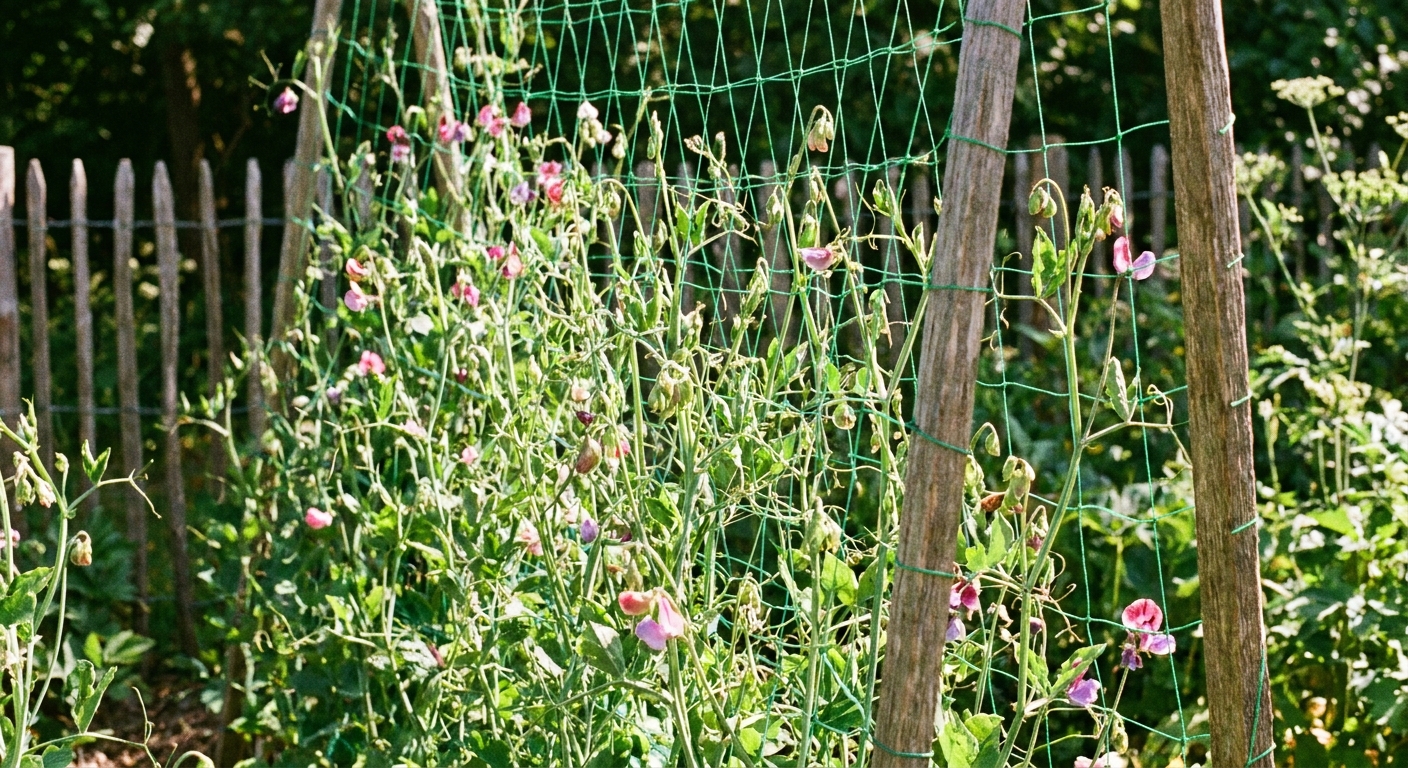
Sweet peas grab on with tiny tendrils, and they do best when they find support early. If you wait until vines are flopping, you'll spend the season gently untangling green spaghetti.
When to install support
- Before sowing or transplanting is ideal.
- At the latest, install when seedlings are 3 to 4 inches tall.
Easy trellis options
- Netting on stakes: fast and effective for rows
- Cattle panel: sturdy, great for big varieties
- Bamboo teepee: perfect for smaller spaces
- Fence or railing: add string lines for extra grab points
Support spacing: tendrils like thin things. If you use thick wire fencing, add twine in a crisscross pattern so plants can latch on.
Pinching
Pinching sounds mean, but it's the sweet pea equivalent of a good haircut. It encourages side shoots, which means more flowering stems.
When to pinch
Pinch when seedlings are about 4 to 6 inches tall and have at least 2 to 3 sets of true leaves.
How to pinch
- Find the growing tip at the top of the seedling.
- Use clean fingers or snips to remove the top inch, just above a leaf set.
- Water normally and keep growth steady.
You'll usually see new side shoots within a week or two.
Watering and feeding
Sweet peas want even moisture. Dry spells lead to fewer blooms and stress, while soggy soil invites rot.
Watering tips
- Water deeply at the base, especially once vines start climbing.
- Mulch with compost, leaf mold, or straw to keep roots cool and reduce evaporation.
- In containers, check moisture daily during bloom season.
Feeding tips
- At planting: compost plus a balanced organic fertilizer is usually enough.
- At bud set: switch to a bloom-friendly feed (lower nitrogen) if needed.
- Avoid heavy high-nitrogen feeds that make vines leafy and bloom-shy.
Clara tip: If you're growing for cutting, consistency matters more than perfection. One deep watering schedule beats random little splashes every day.
Deadheading and cutting
Sweet peas bloom best when they never get the chance to make seed. Once pods form, the plant thinks, “Mission accomplished,” and flowering slows.
What to do
- Cut often: Harvest stems when a couple of blooms are open and others are still in bud.
- Deadhead weekly: Remove spent flowers and any forming pods.
- Don't let pods mature: Even a few can reduce flowering.
Simple vase-life tip
- Strip leaves that would sit below the water line, recut stems, and put them straight into cool water.
- Keep the vase out of direct sun and away from ripening fruit for longer-lasting stems.
If you want to save seed, choose just one or two plants at the end of the season and let those set pods. Keep the rest pod-free for maximum bouquets.
Common problems
Poor germination
- Cause: soil dried out during germination
Fix: water gently and keep the top inch evenly moist until sprouts appear - Cause: seeds rotted in cold, wet soil
Fix: improve drainage, sow a bit shallower in heavy soil, start indoors in deep cells, or sow into slightly warmer spring soil - Cause: old seed
Fix: buy fresh seed next season and store extras cool and dry
Powdery mildew
That white dusty coating on leaves is common later in the season, especially when days are warm and nights are cool.
- Prevention: give plants space, aim water at soil, and encourage airflow
- First steps: remove the worst leaves, and don't compost them if mildew is severe
- Organic options: spray with labeled products like potassium bicarbonate, sulfur, or horticultural oils, following directions carefully and spraying in cooler parts of the day
Aphids
- Signs: clusters of soft green or black insects on tips and buds, sticky leaves
- Fix: blast them off with water, then follow up with insecticidal soap if needed (spray in the cool of the day and follow the label)
Heat shutdown
This is heartbreakingly normal. Sweet peas are spring stars, not summer marathoners.
- What helps: mulch for cool roots, morning sun with afternoon shade in hot climates, steady watering
- What to expect: once sustained heat arrives, blooming often slows or stops
- End-of-season reality: cutting them back rarely restarts flowering in real heat. When they're done, pull them and replant the spot with heat lovers like zinnias or cosmos.
Leggy seedlings
- Cause: not enough light or too much warmth indoors
- Fix: move under a grow light, keep temperatures cooler, pinch for branching, and avoid over-fertilizing indoors
Slugs and snails
- Signs: missing seedlings, ragged holes, shiny trails
- Fix: hand-pick at dusk, use iron phosphate bait as directed, and keep mulch pulled back slightly from tiny seedlings
Clara tip: If you lose seedlings overnight, don't assume you did something wrong. In a lot of gardens, that's just slugs being slugs. Start a few extra seeds and protect the babies for the first couple of weeks.
Sweet peas in containers
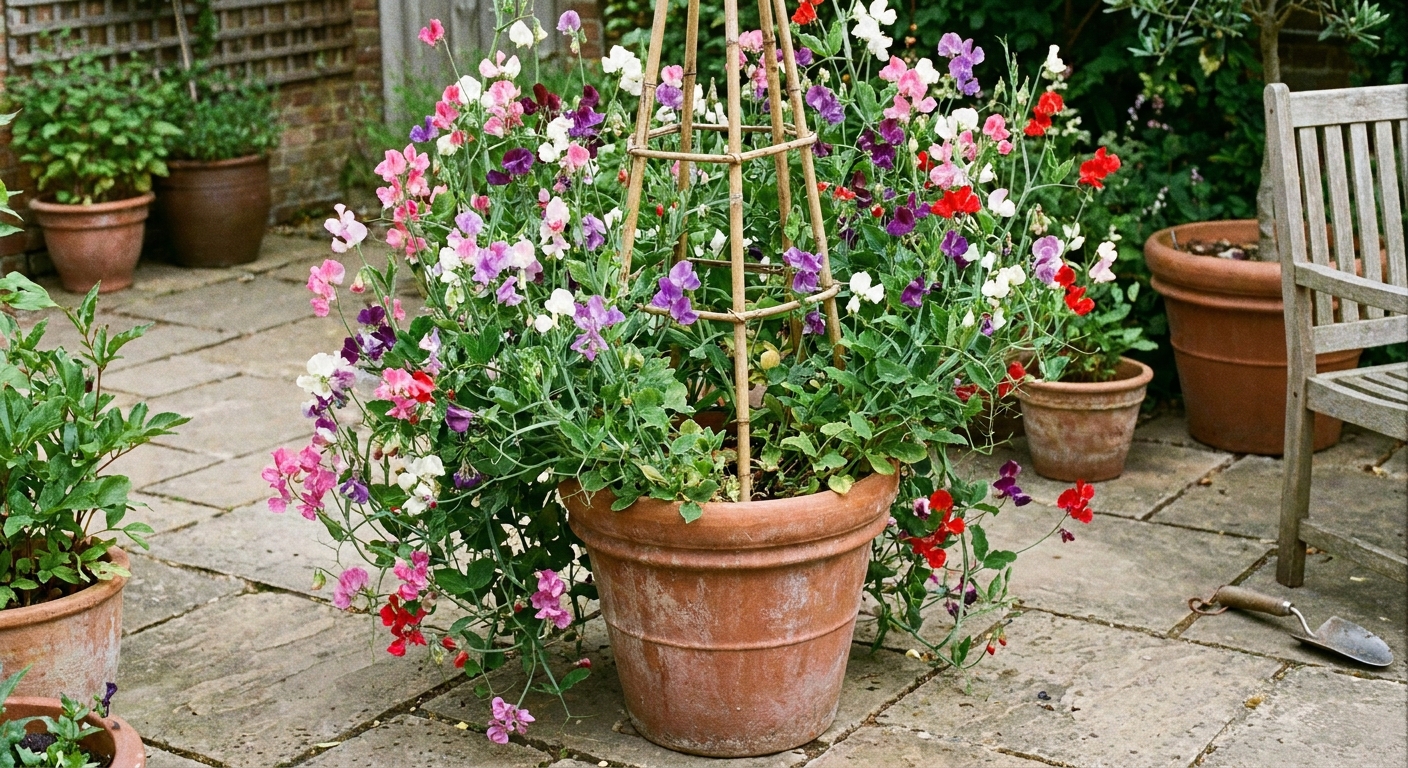
Yes, you can grow sweet peas in pots, and it's a wonderful way to put fragrance right where you sit.
- Pot size: at least 10 to 12 inches deep, wider is better
- Soil: high-quality potting mix plus compost
- Support: small trellis, bamboo teepee, or netting attached to a railing
- Water: more frequent than in-ground, especially during bloom
Quick checklist
- Plant early in cool weather.
- Use rich, well-drained soil and mulch to keep roots cool.
- Install a trellis before vines need it.
- Pinch at 4 to 6 inches tall for bushier plants.
- Water deeply and consistently.
- Cut and deadhead often, and remove pods promptly.
If you try sweet peas once and they don't wow you, please don't give up. Most “failures” come down to timing and heat. Adjust your planting date earlier next season, give them a trellis and steady moisture, and I promise they'll repay you with armfuls of perfumed blooms.