
How to Grow Spinach at Home

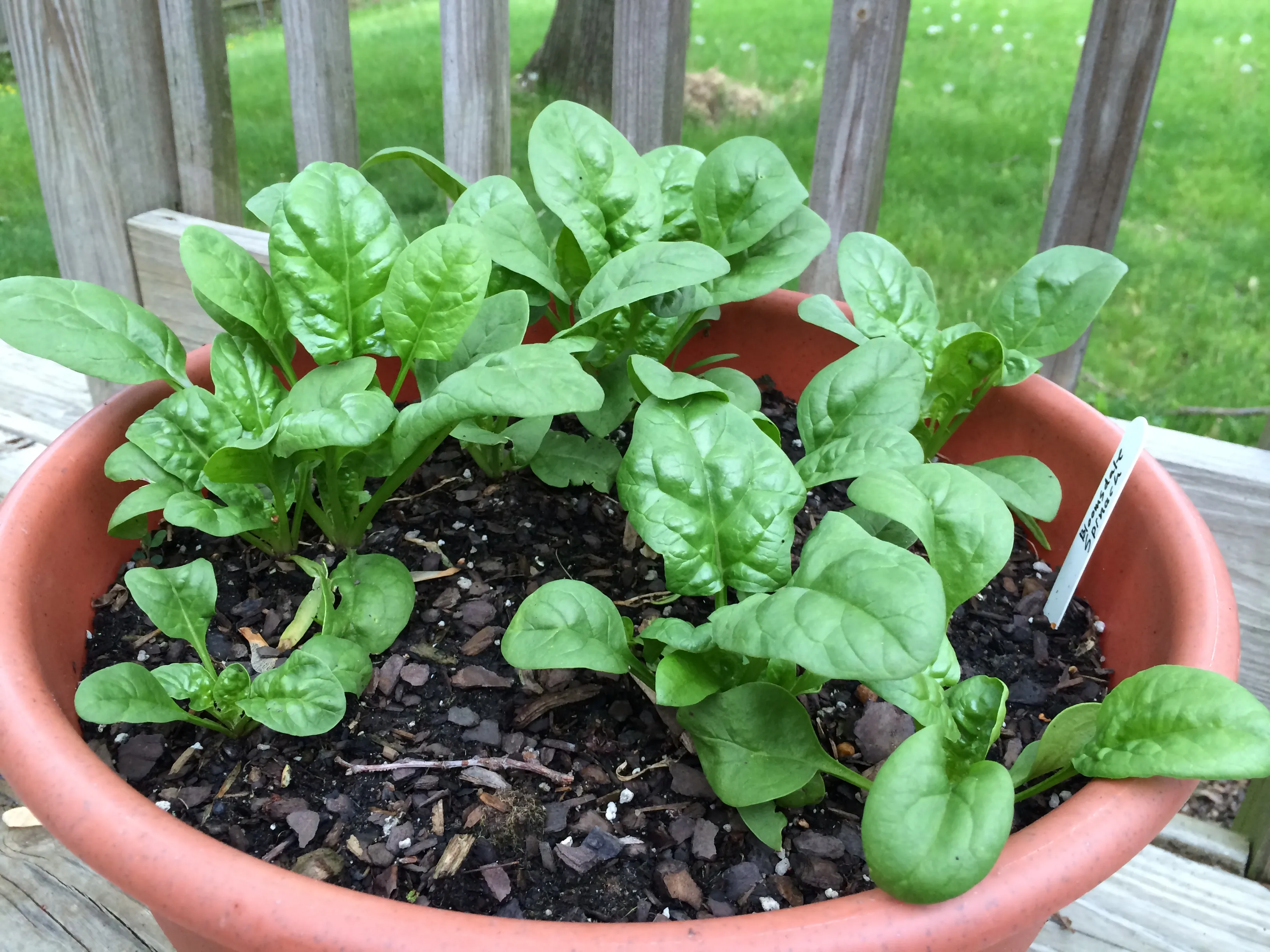
Spinach is one of those crops that rewards you for paying attention to the weather. Give it cool days, steady moisture, and rich soil, and it will hand you armfuls of silky, deep-green leaves. Try to grow it like a heat-loving tomato and it will bolt in a huff.
The good news is that once you learn spinach’s rhythm, it becomes a reliable little workhorse for spring and fall. You can grow it in beds, raised planters, and even roomy containers on a balcony. I have done all three, sometimes at the same time, because I cannot resist the promise of a quick salad.

When to plant spinach
Spinach is a cool-season crop that prefers temperatures roughly in the 45 to 70°F range for leafy growth. It can handle light frosts, and many gardeners notice the flavor mellows after chilly nights (not a guarantee, but a nice bonus when it happens).
Spring timing
- Sow as soon as the soil is workable, not when the calendar says “spring.” If you can dig and rake without making mud, you can sow.
- If late freezes are common where you live, that is fine. Spinach seedlings are tougher than they look.
- Germination can be slower in cold soil, especially below about 50°F, so patience is part of the deal early on.
Fall timing
- Fall spinach is often the best spinach. Cooler days slow bolting and improve flavor.
- Count backward from your average first frost. Most spinach varieties need about 35 to 55 days from sowing to harvest, depending on whether you want baby leaves or mature bunching spinach. Your seed packet will be the most honest source for your specific variety.
- For late summer sowing, note that spinach seeds can struggle when soil is hot. Germination is often poor once soil temperatures climb above about 75°F.
Overwintering
In many regions with mild winters, spinach can be planted in fall and harvested through winter, especially with a simple row cover or cold frame. It is one of my favorite ways to keep something green going when the garden feels sleepy.
Pick the right variety
Not all spinach behaves the same. Some types are bred to resist bolting in spring warmth, and others shrug off cold better.
- Savoy (crinkled leaves): hardy, great texture, holds up well in cooking.
- Semi-savoy: a nice middle ground, easier to wash than full savoy.
- Flat-leaf: smooth leaves, quick to clean, classic for salads and freezing.
If your spring tends to jump from “cool” to “suddenly summer,” look for varieties labeled slow-bolting or heat tolerant. Once daytime highs are consistently in the mid 70s°F and up, bolting pressure usually ramps up fast. For fall and winter, look for cold hardy selections.
Where spinach grows best
Sun and shade
Spinach grows well in full sun to part shade. In early spring and fall, full sun is perfect. As temperatures warm, a little afternoon shade can buy you extra weeks before bolting.
Containers
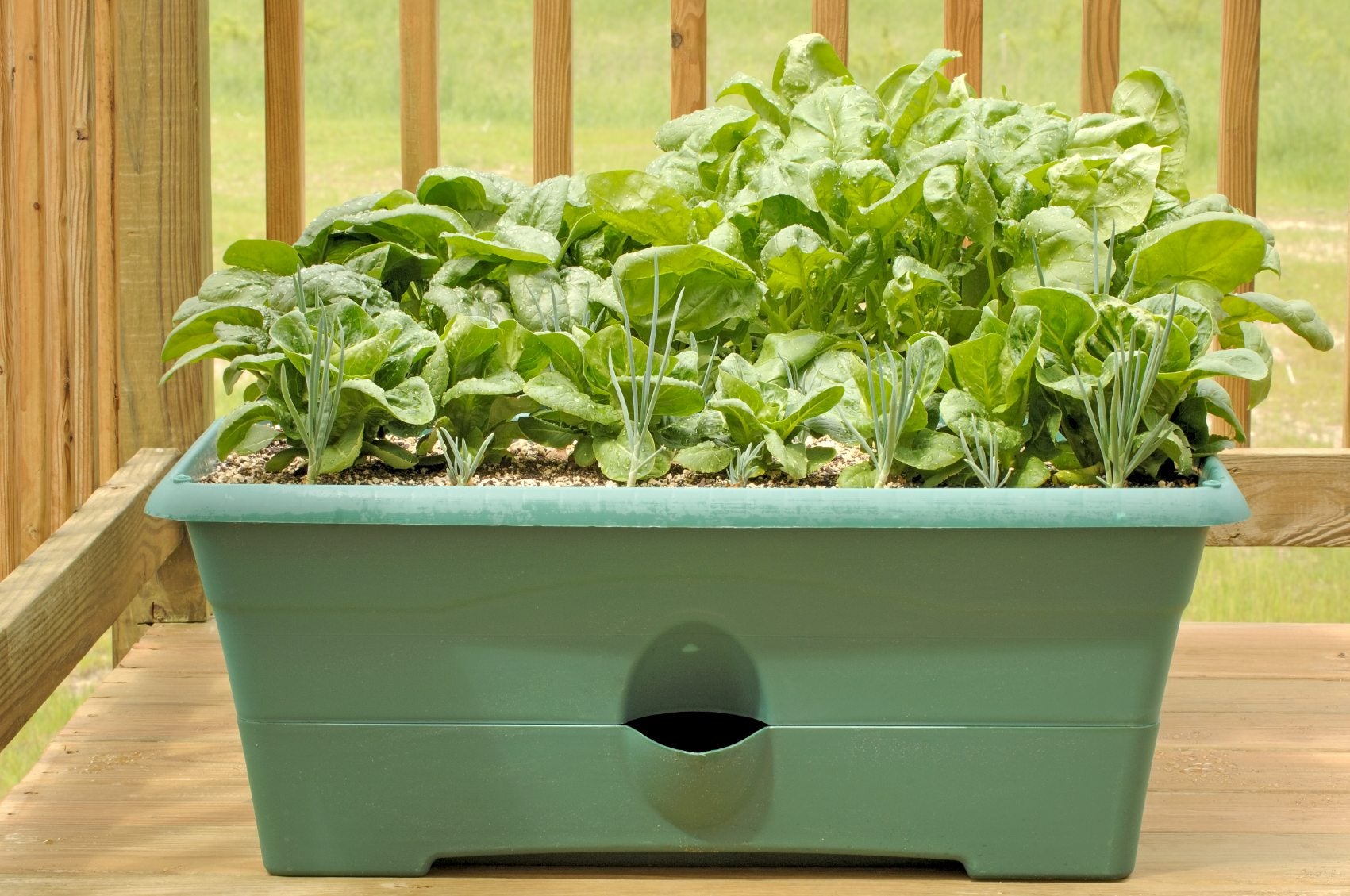
Yes, you can grow spinach in a pot. Choose a container at least 8 to 10 inches deep with drainage holes, and use quality potting mix boosted with compost. Wider is better than you think. A container around 12 to 18 inches wide can hold a small patch of spinach that you harvest young.
Containers dry out faster and nutrients wash out faster, too. That means consistent watering, plus a light feed now and then if growth looks pale or stalls.
Soil prep and fertility
Spinach wants soil that holds moisture but never stays soggy. Think: a wrung-out sponge, not a swamp.
Ideal soil
- Texture: loose, well-draining soil with lots of organic matter
- pH: slightly acidic to neutral, around 6.5 to 7.0
- Fertility: steady nitrogen for leafy growth, plus balanced minerals
Prep a bed
- Work in 1 to 2 inches of finished compost before planting.
- If your soil is heavy clay, add compost consistently over time and consider raised beds for easier spring planting.
- If you have not tested your soil in a while, a basic soil test can help you avoid guessing, especially with pH.
Feeding spinach
Spinach is a leafy crop, so it appreciates nitrogen, but you do not need to overdo it. Over-fertilizing can lead to fast, weak growth and can contribute to stress in warm weather.
- At planting: compost is often enough in healthy soil.
- Mid-growth boost (optional): a light side-dress of compost, or a gentle organic fertilizer if growth looks pale or slow. In containers, a light feeding is more common because nutrients leach faster.
Optional LeafyZen resource: If you want a deeper dive into building living soil, LeafyZen’s soil-first approach pairs beautifully with spinach growing.
How to plant spinach
Spinach is best direct-sown outdoors. It does not love having its roots disturbed, and it grows quickly from seed.
Step-by-step sowing
- Soak seeds (optional): 4 to 8 hours can speed germination, especially in cool soil. Do not soak longer than overnight. Drain well and sow right away.
- Plant depth: about 1/2 inch deep.
- Spacing: sow thickly, then thin to 2 to 4 inches apart for baby greens, or 4 to 6 inches for larger plants.
- Row spacing: about 12 to 18 inches, or closer in intensive beds where you harvest young.
Thinning is not just about size. It improves airflow and reduces stress, which can help delay bolting and cut down on disease issues in damp weather.
Germination tips
Spinach seeds usually sprout in about 5 to 14 days, depending on soil temperature and moisture. If your seedbed dries out or crusts over, germination suffers.
- Keep the top layer of soil consistently moist until seedlings are up.
- If your soil tends to crust, a very light covering of compost can help. Some gardeners also shade the seed row with a board or fabric until sprouts appear, then remove it immediately.
- For late summer sowing, try watering the bed well the day before planting, sowing in the evening, and using shade cloth to keep the surface cooler.
Succession sowing
Spinach does not hold forever in the garden, especially once warm weather nudges it toward bolting. Instead of planting one big batch, plant smaller batches on a schedule.
- Spring: sow every 10 to 14 days while temperatures are reliably cool.
- Fall: sow every 2 to 3 weeks until about 6 to 8 weeks before hard freezes, adjusting for your climate and variety.
This way, you are always harvesting tender leaves, not scrambling to use a mountain of spinach right before it bolts.
Watering for sweet leaves
Spinach’s “tender and sweet” reputation depends heavily on moisture. Inconsistent watering is a common reason leaves turn tougher or develop a sharper flavor.
- Keep soil evenly moist, especially during germination and in warming weather.
- Water deeply rather than frequently splashing the surface. Shallow watering encourages shallow roots.
- Mulch lightly once seedlings are a few inches tall to slow evaporation and keep soil cool.
A simple rule: if the top inch of soil is dry, it is time to water. In containers, you may check daily during sunny stretches.
Harvesting spinach
There is no wrong way to harvest spinach, but there are two different styles, and each one changes how you plant and how you pick.
Baby leaves
- When: about 3 to 5 inches tall, often 25 to 35 days from sowing in good conditions (check your seed packet).
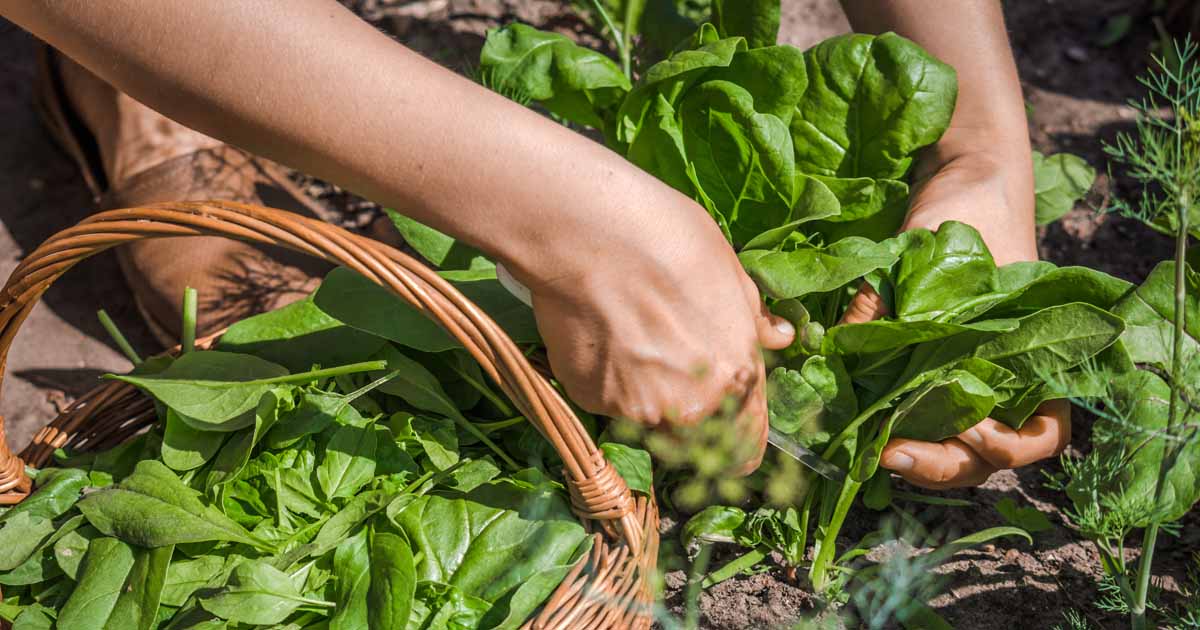
- How: snip leaves with clean scissors, or cut whole plants about 1 inch above the soil line for a quick harvest.
- Why it’s lovely: extra tender texture and mild flavor.
Mature leaves
- When: when plants have a full rosette, often 40 to 55 days from sowing (variety and season matter).
- How: harvest outer leaves first, letting the center keep producing.
- Tip: do not take more than about one-third of the plant at a time if you want repeated harvests.
Troubleshooting: bolting
Bolting is when spinach shifts from making leaves to making a flower stalk. Once that happens, leaves can turn smaller, tougher, and more bitter. Bolting is not a personal failure, it is just spinach responding to heat and day length.
Why spinach bolts
- Warming temperatures, especially when highs start holding above the mid 70s°F
- Longer days in late spring
- Stress from dry soil or crowded plants
How to slow bolting
- Plant early in spring, and prioritize fall crops for reliable harvests.
- Use succession sowing so you always have young plants coming on.
- Keep moisture steady and mulch to keep roots cool.
- Give light shade in late spring, especially afternoon shade.
- Choose slow-bolting varieties for spring planting.
If it starts bolting
Harvest what you can right away, especially the tender outer leaves, then pull the plant and compost it. If it is still healthy, it is a great candidate for the compost pile, and your soil will thank you later.
Troubleshooting: leaf miners
Leaf miners are tiny larvae that tunnel inside the leaf, leaving pale, winding trails. The leaf is still technically edible, but the damage can make it less appealing and can slow the plant down.
What damage looks like
- Squiggly, light-colored trails inside the leaf
- Blotchy patches that look like the leaf has been “scribbled” on
- Occasional tiny dark specks (frass) inside the trail
Organic control
- Remove affected leaves early to reduce the next generation. Do not compost heavily infested leaves if your compost pile runs cool.
- Use row cover to block adult flies from laying eggs, especially during peak seasons.
- Encourage beneficial insects by planting small-flowered herbs nearby and avoiding broad-spectrum sprays.
- Check new growth regularly and remove mined leaves promptly. Leaf miner eggs are tiny and often laid singly, so row cover and quick leaf removal are your most reliable tools.
For LeafyZen-friendly, natural approaches, see:
If you do nothing else, row cover plus quick removal of mined leaves is a gentle, effective one-two punch.
Common issues: mildew
Cool, damp weather is spinach weather, but it can also invite downy mildew. If you notice yellowing patches on top of leaves with a grayish fuzz underneath, treat it as a signal to improve airflow and keep leaves drier.
- Space and thin plants so air can move.
- Water at the soil line when you can, not over the leaves.
- Harvest promptly and remove heavily affected leaves.
- Consider resistant varieties if mildew is a repeat problem in your garden.
Crop rotation
If possible, rotate spinach beds year to year. Avoid planting spinach repeatedly in the same spot, especially after close relatives like beets and chard, to help reduce pest and disease buildup over time.
Quick checklist
- Plant in cool weather, early spring or late summer into fall.
- Direct-sow seeds 1/2 inch deep and keep soil evenly moist for germination.
- Expect sprouts in about 5 to 14 days, slower in colder soil and often poor in soil warmer than about 75°F.
- Build soil with compost and keep fertility steady, not excessive.
- Thin seedlings for airflow and less stress.
- Succession sow every 10 to 14 days in spring for continuous harvests.
- Harvest baby leaves for tenderness, or pick outer leaves for repeat harvests.
- Prevent bolting with moisture, shade, and variety choice.
- Use row cover and leaf removal to manage leaf miners naturally.
If you want, tell me your approximate location or USDA zone and whether you are growing in-ground, raised beds, or containers, and I will help you map out a simple spinach sowing schedule that fits your weather.