How to Grow Rhubarb

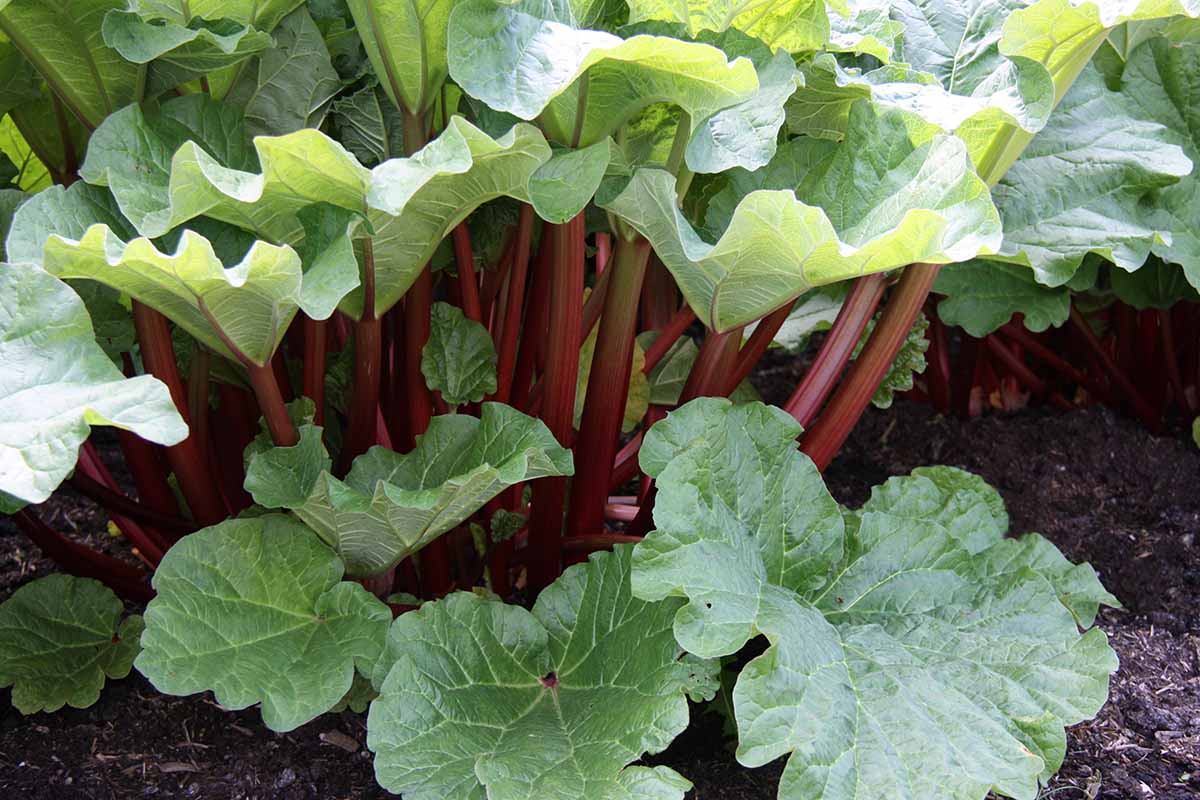
Rhubarb is one of those old-fashioned garden gifts that keeps showing up year after year, even when you swear you are going to “garden less” this season. Give it good soil, a sunny spot, and a little patience, and it will reward you with tart, rosy stalks for pies, jam, and that first true taste of spring.
Below is everything you need to know to plant rhubarb, divide it when it gets crowded, and harvest it safely. If you have ever worried about rhubarb leaves and “toxins,” you are in the right place.

Pick the right spot
Rhubarb is a perennial, which means your site choice matters. Think long-term: once a crown is happy, it can produce for a decade or more.
Sun and shade
- Best: Full sun, especially in cooler climates.
- Okay: Partial shade, particularly where summers are hot. Afternoon shade can reduce stress and keep stalks from getting stringy.
Soil and drainage
- Drainage is critical. Rhubarb crowns can rot in waterlogged soil, especially over winter.
- Ideal soil: Deep, fertile loam with lots of organic matter.
- Target pH: Slightly acidic to neutral, roughly 6.0 to 7.0.
If your soil is heavy clay, work in compost generously and consider a slightly raised bed. Rhubarb loves moisture, but it wants it like a wrung-out sponge, not a swamp.
Crowns vs. seeds
You can grow rhubarb from seed, but most home gardeners will be happier starting with crowns. I am all for experiments, but I also like predictable pie.
Starting from crowns (recommended)
- Fastest harvest: Crowns establish more quickly than seedlings.
- True to variety: Crowns are divisions of a known plant, so you get consistent color and flavor.
- When to plant: Early spring as the soil can be worked, or in fall in mild climates.
Starting from seed (for patient gardeners)
- More variability: Seed-grown plants can differ in vigor and stalk color.
- Longer wait: You will typically wait longer for a strong, reliable harvest.
If you do start from seed, treat it like a long game. Keep seedlings weed-free, watered, and well-fed, and do not rush heavy harvesting.
How to plant crowns
Rhubarb wants space, like a big leafy roommate who spreads out on the couch. Crowding leads to thinner stalks and a plant that sulks.
Step-by-step
- Prep the bed: Mix several inches of compost into the planting area. Rhubarb is a heavy feeder.
- Dig a generous hole: Aim for roughly 12 to 18 inches deep if your soil allows, loosening the bottom so roots can dive down.
- Set the crown: Position the crown so buds sit about 1 to 2 inches below the soil surface. In heavy soil, err closer to the surface. In sandy soil, you can plant a touch deeper.
- Backfill and firm gently: You want good soil contact without compacting the life out of the bed.
- Water thoroughly: Then keep evenly moist while it establishes.
- Mulch: Add 2 to 4 inches of mulch, keeping it slightly back from the crown itself to discourage rot.
Spacing
- Space plants 3 to 4 feet apart.
- Give rows 4 to 5 feet if you are planting more than one.
Care through the seasons
Water
Rhubarb likes consistent moisture, especially in spring when stalks are sizing up. Water deeply when the top inch or two of soil dries out. Mulch helps a lot, and it also keeps weeds from stealing nutrients.
Feeding and soil health
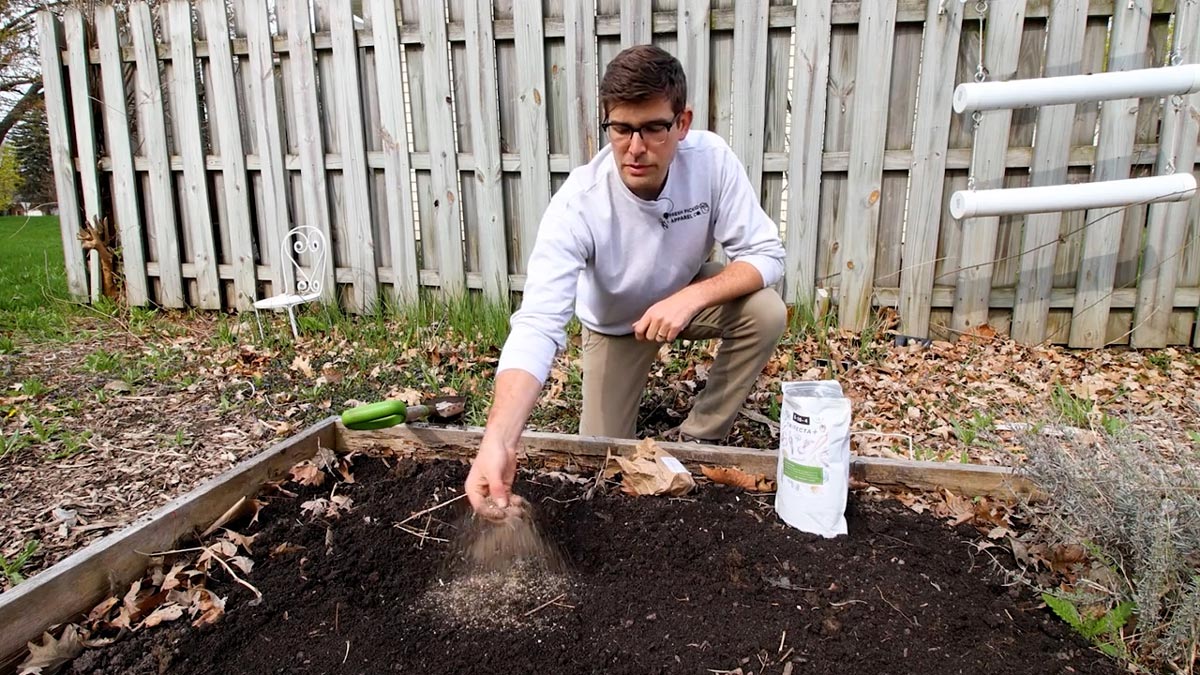
Because you harvest the stalks, you are literally removing plant material and nutrients from the garden. Each year, top-dress with compost and consider a balanced organic fertilizer in early spring if growth is weak.
Weeds
Keep the rhubarb patch weed-free, especially while plants are young. Shallow hand weeding is best so you do not disturb roots.
Flower stalks
If your rhubarb sends up a tall flower stalk, cut it off at the base. Flowering can divert energy away from stalk production. Some varieties flower more readily during heat stress, drought, or when the plant is older.
Cold and frost notes
Rhubarb is famously cold-hardy and actually appreciates winter chill. In many regions, it is one of the earliest edibles to wake up in spring.
- Spring frosts: The plant can handle them, but hard freezes can damage emerging stalks, making them soft or water-soaked. If stalks look mushy after a freeze, skip harvesting those and let the plant push fresh growth. There is also a safety angle here: after a hard freeze, compounds from the leaves (including oxalic acid) can move into damaged stalk tissue, so mushy, freeze-hit stalks are best treated as “compost, not pie.”
- Winter protection: Once the foliage dies back, mulch lightly over the crown after the ground begins to freeze. This helps reduce freeze-thaw heaving in colder climates.
- Hot summers: Rhubarb can struggle in prolonged heat. Mulch, steady moisture, and afternoon shade can help.
- Warm climates: Rhubarb generally performs best where winters are cold enough to provide a true dormancy. In very warm regions, it can be short-lived or grown more like an annual with a winter planting and spring harvest window.
Dividing rhubarb
Rhubarb tends to get crowded as it ages. Dividing refreshes the plant, improves stalk size, and gives you more crowns to share with the neighbor who always compliments your garden.
When to divide
- Best time: Early spring as buds begin to swell, or in fall after dormancy begins.
- How often: Typically every 4 to 6 years, or when stalks become thin and the center looks congested.
How to divide
- Water the plant the day before if the soil is dry.
- Dig around the clump, giving yourself space so you do not slice through everything.
- Lift the crown and shake off loose soil.
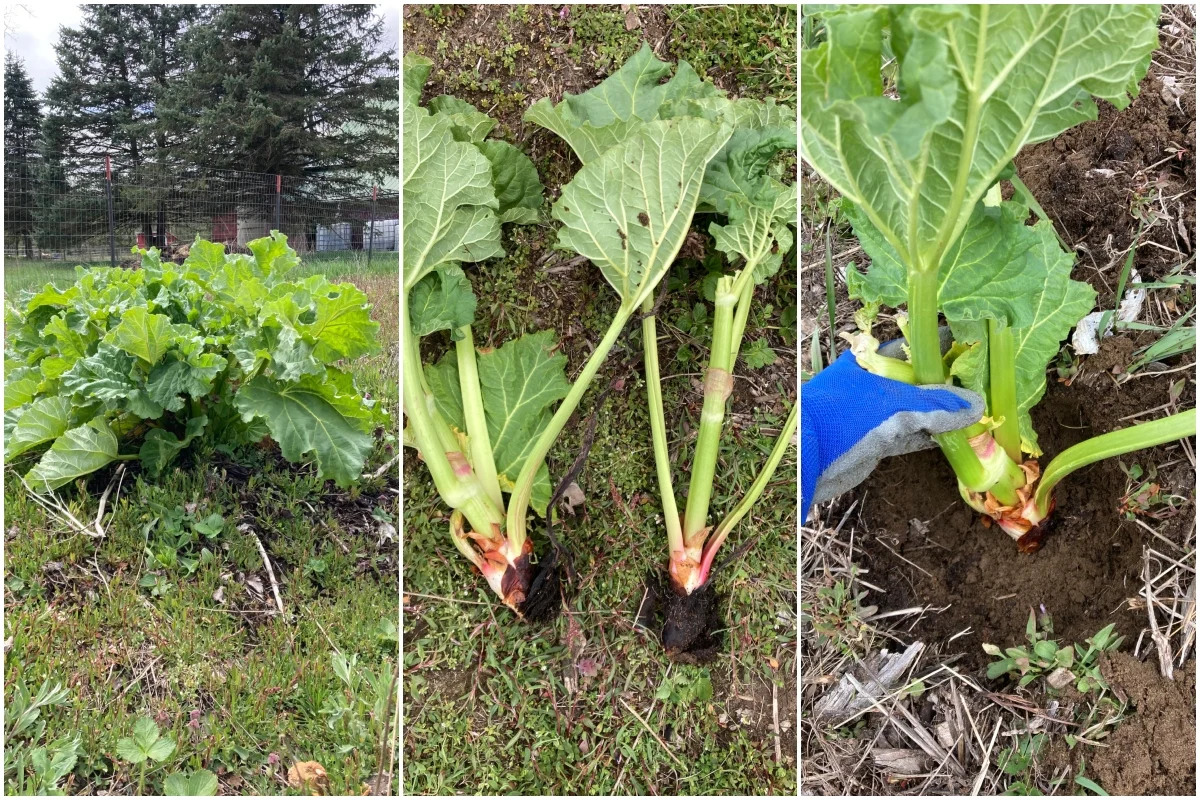
- Use a clean spade or sturdy knife to split the crown into sections with at least 1 to 3 buds each and a healthy chunk of roots.
- Replant divisions promptly at the same depth as before and water well.
My little quirky habit: I talk to the divisions while I plant them. It is mostly for me, but I swear plants respond to gentle attention. If nothing else, it slows me down and makes me do a better job.
Harvesting rules
Rhubarb harvesting is simple, but there are a few safety and plant-health rules worth memorizing.
Rule 1: Do not eat the leaves
Rhubarb leaves contain high levels of oxalic acid and other compounds that can be harmful if consumed. The safest, simplest guideline is this: eat the stalks only and discard the leaves. Do not use the leaves in cooking, teas, or smoothies.
Can you compost the leaves? Yes, in a typical home compost pile, rhubarb leaves can be composted. The compounds that make them a bad kitchen ingredient break down over time. If you prefer to play it extra safe (or you have pets who snack in the compost), bag them for yard waste instead.
Rule 2: Wait before heavy harvesting
- First year: Ideally, do not harvest. Let the plant put energy into roots.
- Second year: Light harvesting is okay, just a few stalks at a time.
- Third year and beyond: Harvest more freely, but never strip the plant bare.
Rule 3: Pull, do not chop (usually)
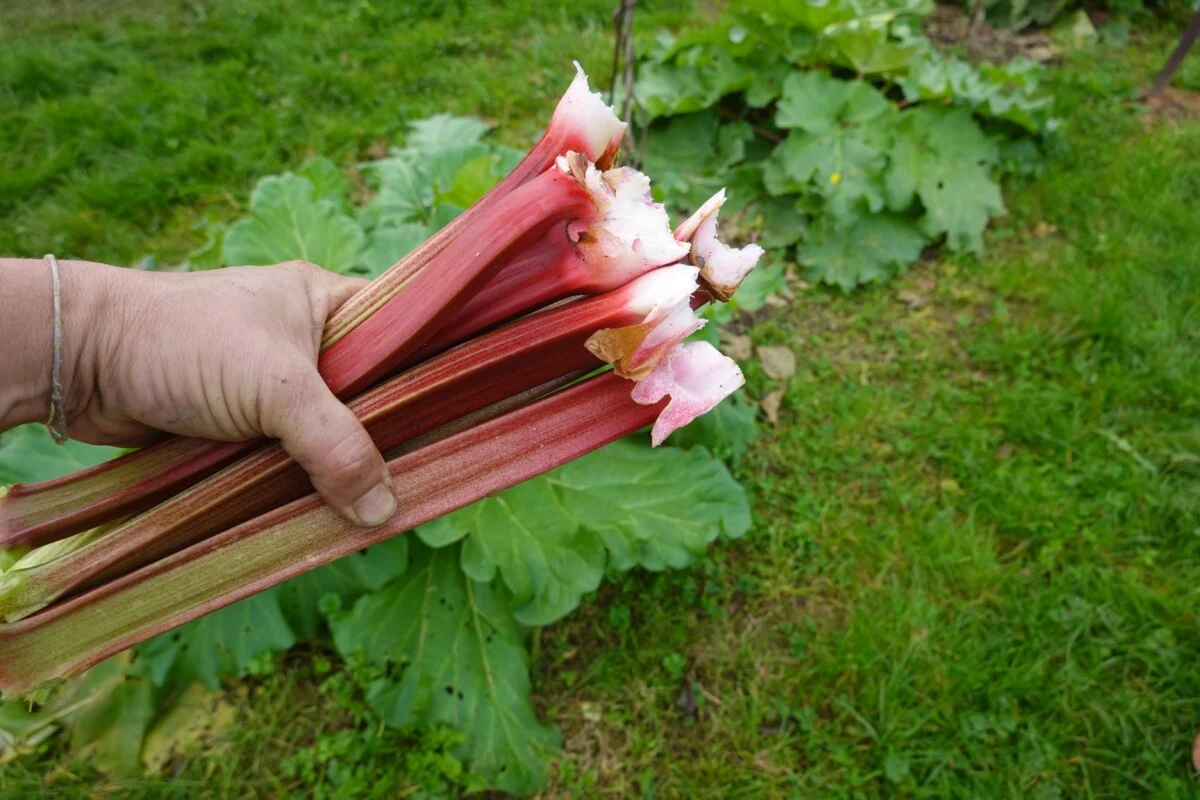
For clean harvesting, grasp a stalk near the base and pull with a gentle twist. This removes the stalk neatly from the crown. If a stalk resists, you can cut it close to the base with a clean knife, but pulling tends to reduce stubs that can rot.
Rule 4: Leave enough stalks
A good rhythm is to take no more than one-third of the stalks at a time. Always leave plenty of leaves to keep photosynthesis going.
When to stop
Many gardeners stop by early to mid-summer, or after about 8 to 10 weeks of harvesting, to let the plant rebuild energy for next year. If your plant looks stressed, slow down sooner.
Storage and kitchen notes
- Trim leaves off right away and discard them (or compost them).
- Store stalks unwashed in the refrigerator, wrapped loosely, for about a week.
- Rhubarb freezes well. Chop stalks into pieces, freeze on a tray, then store in a bag for easy baking later.
Troubleshooting
Thin stalks
- Plant may be crowded and needs dividing.
- Soil may be low in nutrients. Top-dress with compost.
- Not enough sun in cooler climates.
Soft, limp stalks after cold weather
Freeze damage can make stalks watery or mushy. Remove damaged stalks and wait for new growth. (And as mentioned above, do not eat freeze-damaged stalks.)
Crown rot
Often linked to poor drainage and overly wet soil. Improve drainage, avoid piling mulch directly on the crown, and consider moving divisions to a better site.
Pests
- Slugs and snails: They can chew leaves, especially in damp springs. Mulch thoughtfully, hand-pick at dusk, or use iron phosphate bait if needed.
- Rhubarb curculio: Less common in many home gardens, but it can cause notched feeding and egg-laying holes in stalks. Remove and destroy damaged stalks, keep weeds down, and consider floating row cover early in the season if it is a known local pest.
Yearly routine
- Early spring: Clear old debris, top-dress with compost, water if dry.
- Spring harvest: Pull stalks, discard leaves, stop before the plant looks tired.
- Summer: Mulch, water during dry spells, cut any flower stalks.
- Fall: Let leaves feed the roots until they die back naturally.
- Winter: Light mulch after the ground begins to freeze in cold regions.
If you remember only two things, make them these: feed the soil and never eat the leaves. The rest is just the pleasant rhythm of tending something that comes back to you, again and again.