
How to Grow Parsley at Home

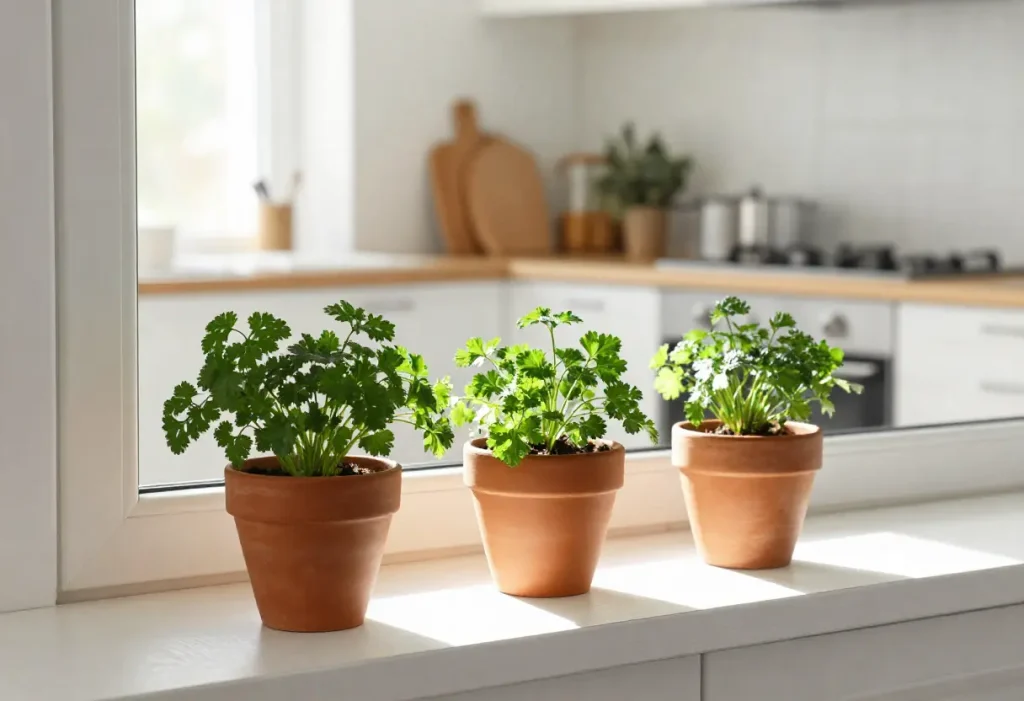
Parsley is one of those quietly heroic herbs. It looks humble, but it makes soups brighter, salads greener, and weeknight pasta taste like you meant to cook. Best of all, once you understand a few parsley quirks (slow germination, loves steady moisture, hates being scalped), it becomes one of the most forgiving plants you can keep close to your kitchen.

Flat-leaf vs curly parsley
There are two common types of parsley you will see in seed racks and nursery starts. Both are easy to grow, but they shine in slightly different ways.
Flat-leaf (Italian) parsley
- Flavor: Bold, parsley-forward, and more aromatic. If you cook a lot, this is usually the winner.
- Best for: Chimichurri, tabbouleh, soups, sauces, roasted vegetables, and anything where parsley is more than garnish.
- Growth habit: Often a bit taller and looser, which makes harvesting easy.
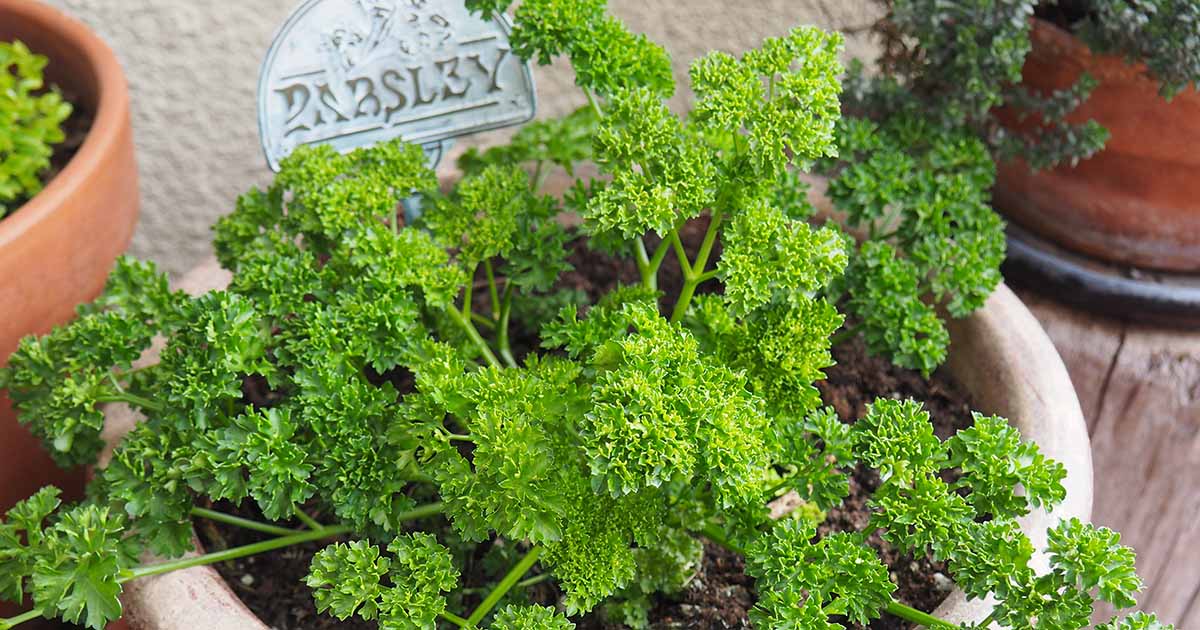
Curly parsley
- Flavor: Mild, clean, and slightly grassy.
- Best for: Garnishing, salads, and folks who want a softer parsley taste.
- Growth habit: Compact and tidy. It can look especially cute in pots and edging beds.
If you are only growing one parsley plant, I usually suggest flat-leaf for the kitchen payoff. If you love a neat, textured look in containers, curly parsley is charming and resilient.
Seeds vs transplants
Parsley is easy once it is growing. The tricky part is getting started, because parsley seeds are famously slow to sprout. You can absolutely start from seed, but it helps to know what you are signing up for.
Starting parsley from seed
Pros: Cheapest, lots of variety choices, and great for planting bigger patches.
Cons: Germination is slow and can be uneven. Expect patience practice.
How to do it (the no-drama method):
- Soak seeds in room-temperature water for 12 to 24 hours. This can speed germination.
- Sow shallowly, about 1/4 inch deep, in moist seed-starting mix or fine garden soil.
- Keep evenly moist, like a wrung-out sponge. Dry spells mid-germination can set you back.
- Keep it comfortably warm. Parsley tends to germinate best around 65 to 75°F (18 to 24°C), and it can take longer in cool conditions.
- Be patient. Parsley often takes 2 to 4 weeks to sprout, sometimes longer.
- Thin seedlings to about 6 to 8 inches apart once they have a few true leaves.
When to sow: You can direct-sow outdoors in spring around your last frost date (a little earlier is fine if your soil is workable), or sow in late summer for a fall crop in mild climates. If you are direct-sowing outdoors, mark the row. It is easy to forget where you planted because nothing happens for a while.
Starting with transplants (nursery starts)
Pros: Instant gratification, earlier harvests, and fewer seed-starting headaches.
Cons: Fewer varieties, and plants can get a bit root-bound in small pots.
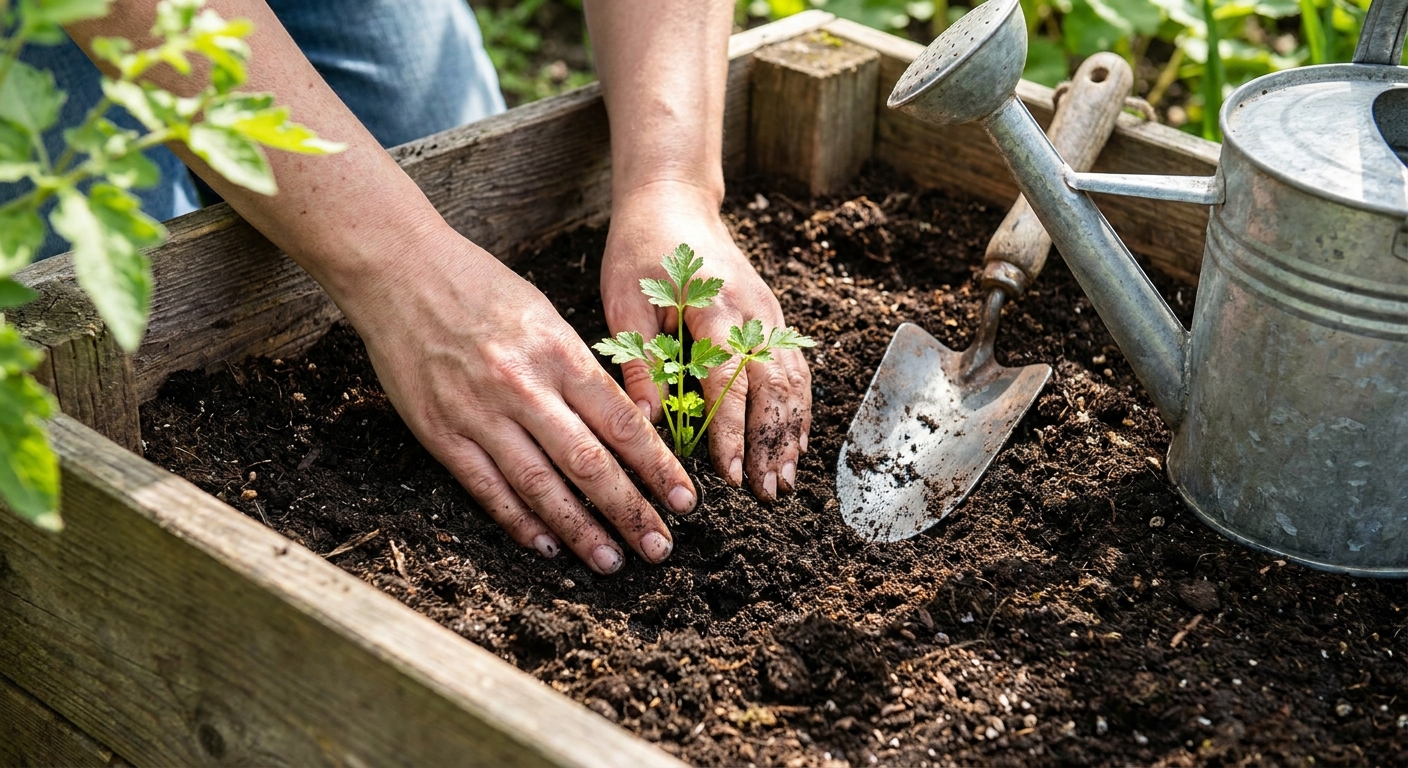
Transplant tip: When you pop the plant out of the nursery pot, gently loosen the outer roots if they are circling. Plant at the same depth it was growing in the pot, water deeply, and give it a couple of days of gentler sun if possible.
Light, soil, and water
Parsley is happiest in conditions that feel like well cared for salad greens. Not too harsh, not too dry, and always with decent soil.
Sun: full sun to partial shade
- Outdoors: Parsley grows well in full sun to partial shade. In many temperate gardens, full sun with steady moisture gives you the fastest, thickest growth. In hot climates or summer heat, morning sun and afternoon shade keeps leaves tender and slows bolting.
- Indoors: Bright light is essential. A sunny south- or west-facing window is usually best, but east windows can work in bright summer conditions. In winter or at higher latitudes, a small grow light often makes the difference between “alive” and “lush.”
Soil: fluffy, fertile, and well-draining
Parsley prefers soil that holds moisture but never feels swampy. Aim for:
- Lots of organic matter (compost is gold here).
- Good drainage so roots can breathe.
- Neutral-ish pH is ideal, but parsley is adaptable in most home garden soils.
In containers, use a quality potting mix and mix in a handful of compost or worm castings for slow, steady nutrition.
Water: steady, not sporadic
Parsley does not love extremes. Water deeply when the top inch of soil feels dry, then let excess drain away. In pots, this might be every couple of days in summer. In garden beds, it could be weekly, depending on heat and rainfall.
Quick leaf clue: If leaves look a little limp, water first and watch how quickly it perks up. If it stays droopy, check drainage and roots.
Fertilizer: light and simple
- In garden beds: Compost worked in at planting time is often enough. If growth looks sluggish, top-dress with compost midseason.
- In containers: A gentle liquid feed about once a month (or a small top-dress of worm castings) keeps leaves coming without pushing weak, floppy growth.
Parsley is a biennial
Parsley is a biennial. In plain language, it has a two-year plan.
- Year 1: It focuses on leafy growth, which is what we harvest and love.
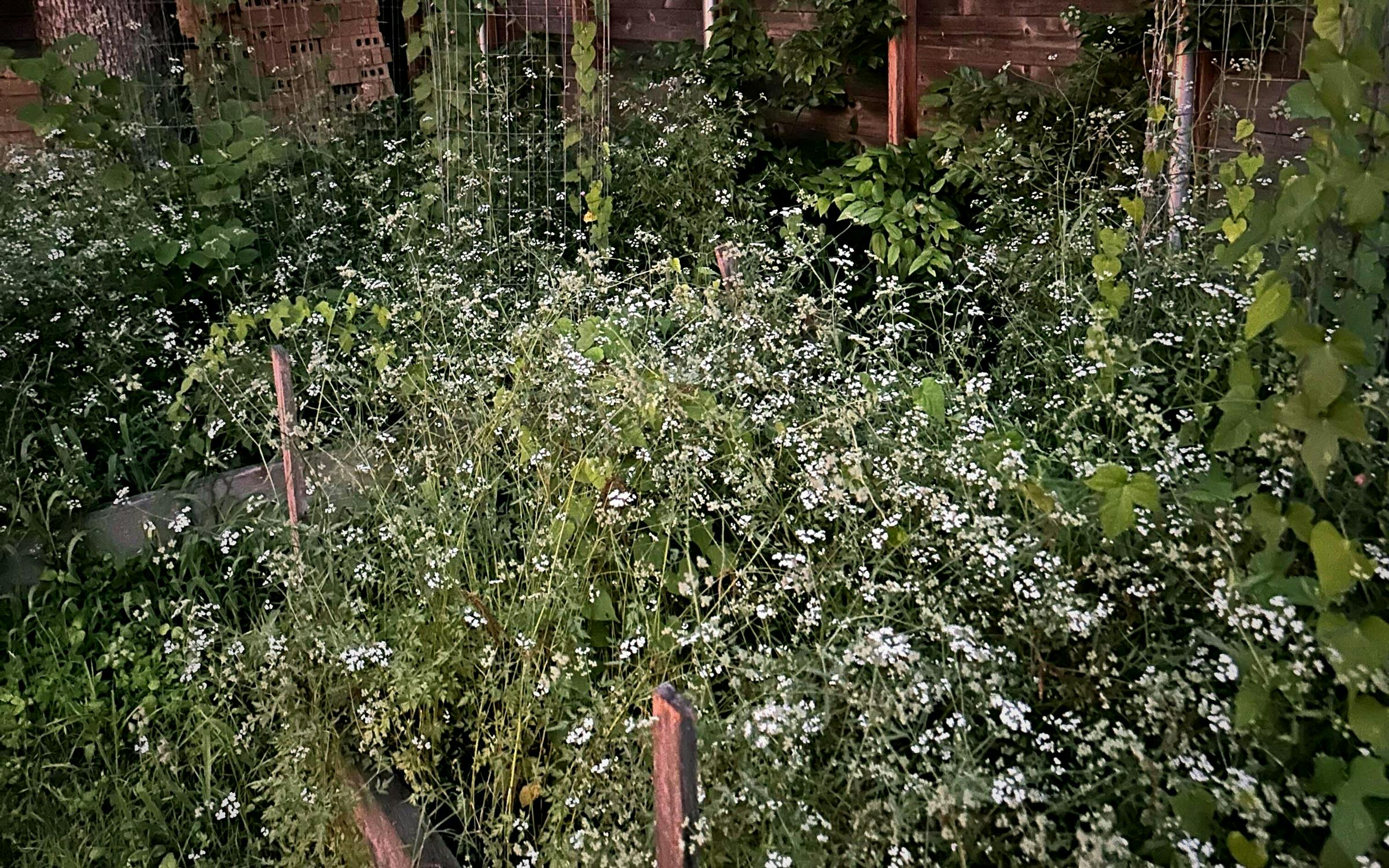
- Year 2: It sends up a tall flower stalk, sets seed, and the leaves usually become tougher and less tasty.
Many gardeners treat parsley like an annual and replant each year. That is totally fine. If you let it overwinter in mild climates, you can get a very early spring harvest in year two before it starts flowering.
Bonus: If parsley flowers, pollinators adore it. I sometimes let one plant go to flower just for the beneficial insects, then pull it when it gets scruffy.
How to harvest parsley
This is where most parsley heartbreak happens. Parsley can handle frequent harvesting, but it does not recover well from a buzz cut. Think of it like giving a haircut in layers, not shaving the whole head.
The right way to harvest
- Start with outer stems. Choose the largest, oldest leaves around the outside.
- Cut stems at the base, close to the soil line. Do not just snip the leaf tops. Removing whole stems encourages fresh new growth from the center.
- Leave the center alone. The inner crown is the growth engine.
- Follow the one-third rule. Do not take more than about one-third of the plant at a time.
How often can you pick?
In active growing weather, you can harvest weekly. If growth is slow (cool temps, low indoor light), harvest less often and take fewer stems.
Store parsley after picking
- Jar-in-the-fridge method: Trim the stem ends, stand stems in a glass or jar with an inch of water, loosely cover with a bag, and refrigerate.
- Towel method: Wrap washed, well-dried parsley in a barely damp towel and store in a container in the refrigerator.
- Freezing: Chop and freeze in a thin layer, or freeze in ice cube trays with water or olive oil for quick cooking portions.
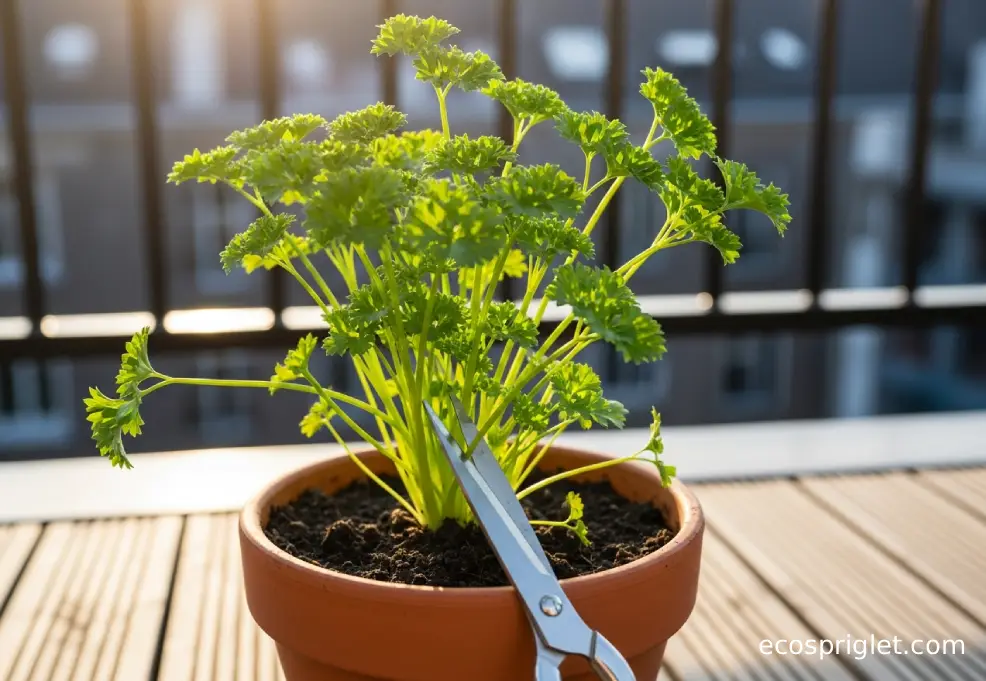
Growing parsley in pots
Parsley is a fantastic container herb, especially if you want to step outside and snip dinner in your slippers.
Container size
Choose a pot at least 8 to 10 inches deep, and if you want the plant to stay happy long-term, 10 to 12 inches deep is even better. Parsley develops a deeper root system (including a taproot), and shallow pots can stunt growth. Make sure there is a drainage hole.
Placement
- Balcony or patio: Give it sun, but shelter it from intense afternoon heat if your summers are spicy.
- Companion planting: Parsley plays nicely with most herbs and vegetables. It also attracts beneficial insects when allowed to bloom.
Indoor windowsill parsley tips
Parsley can thrive indoors, but it needs more light than most people expect. A bright room is often not bright enough for strong, leafy growth.
Light
- Good: 5 to 6 hours of direct sun in a bright window (more is welcome).
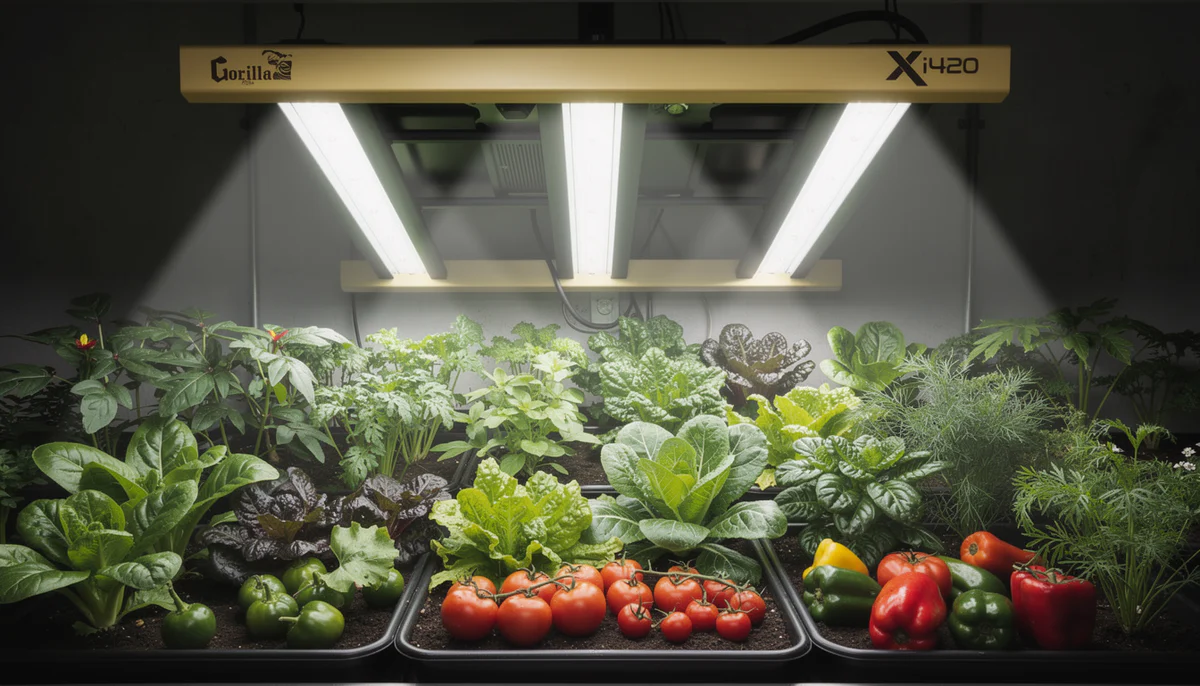
- Often needed: A small LED grow light positioned a few inches above the plant for 10 to 12 hours daily, especially in winter or if your window light is weak.
Potting and watering
- Use a pot with drainage and a saucer.
- Water when the top inch dries out, then empty the saucer so roots do not sit in water.
- Rotate the pot every few days so it grows evenly and does not lean like it is chasing the sun. Because it is.
Keep leaves tender
- Pinch regularly using the outer-stem harvest method to encourage bushiness.
- Avoid hot, dry blasts from heating vents. Dry air plus low light is a recipe for slow, sad parsley.
If your indoor parsley looks pale or spindly, it is almost always a light issue. Add a grow light and it usually rebounds within a couple of weeks.
Troubleshooting common problems
My parsley seeds are not sprouting
- Normal. Give it time. Keep soil consistently moist and comfortably warm.
- Next time, soak seeds first and plant a little thicker, then thin later.
Leaves are yellowing
- Often overwatering or poor drainage. Let the top inch dry out, and confirm the pot drains freely.
- It can also be low nitrogen in tired potting mix. Top-dress with compost or use a gentle organic liquid feed.
My parsley is going to flower
- Heat and age trigger bolting, especially in year two.
- Harvest early and often, provide afternoon shade in hot weather, and keep moisture steady.
Something is chewing it
- Parsley is a host plant for swallowtail butterfly caterpillars in many regions (especially in North America, like black swallowtails). If you spot a chunky green caterpillar, that might be your culprit.
- If you can, consider sharing one plant with the caterpillars and harvesting from another. Nature has a sweet tooth, too.
Sticky leaves or tiny clusters of bugs
- That is often aphids. Blast them off with water, or use insecticidal soap in the evening and repeat as needed.
- Encourage airflow and avoid over-fertilizing, which can make tender growth that pests love.
Spots or dusty-looking leaves
- Leaf spot and powdery mildew can show up in humid, crowded conditions.
- Water at the soil line (not overhead when possible), thin for airflow, and remove the worst affected leaves. If it keeps spreading, it is often easiest to start a fresh plant.
A simple parsley plan
- For fastest results: Buy a healthy transplant, pot it into a 10 to 12 inch deep container with fresh potting mix and compost.
- Give it: Full sun to partial shade, plus steady moisture. Add afternoon shade if heat is intense.
- Feed lightly: A monthly gentle feed in containers, or a little compost top-dress midseason.
- Harvest: Outer stems at the base once the plant looks full, never more than one-third at a time.
- Indoors: Use your brightest window, and do not be shy about adding a small grow light in winter.
If you make a mistake, your parsley will probably forgive you. And if it does not, we plant another. That is the whole gentle secret of gardening. We keep trying, and the green things keep meeting us halfway.