
How to Grow Oregano at Home

Oregano is one of those herbs that makes you feel like a kitchen wizard with almost no effort. Give it sunshine, don’t baby it with too much water, and it will reward you with those bold, peppery leaves that make tomato sauce sing.
Whether you want a tidy little pot on the patio or a low, fragrant patch in the garden bed, here is how to grow oregano at home from seed or transplants, then harvest and preserve it so you always have some on hand.
At-a-glance timeline
- Start seeds indoors: 8 to 10 weeks before last frost
- Germination: about 7 to 21 days
- Plant outside: after last frost, once hardened off
- First light harvest: about 6 to 8 weeks after transplanting (once growth is strong)
- Best big harvests: just before flowering
Meet oregano
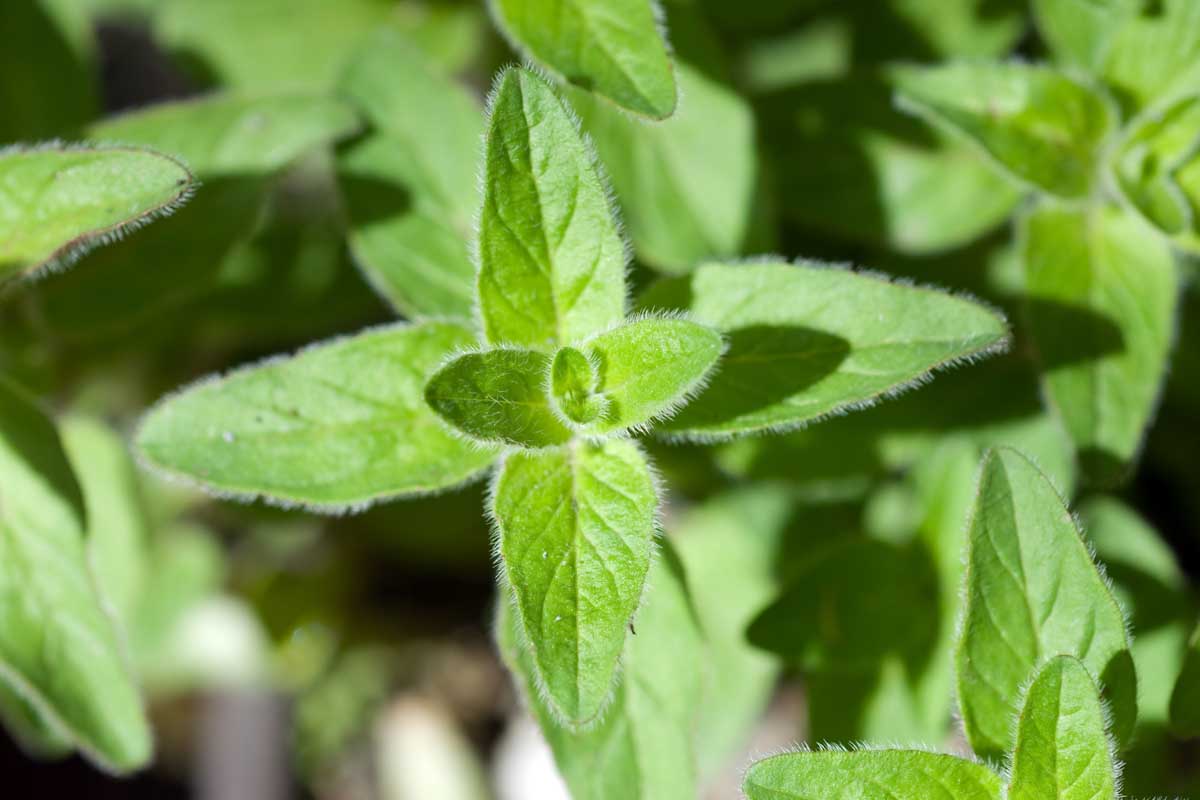
Most culinary oregano is Origanum vulgare. It is a hardy perennial in many climates and a classic Mediterranean herb that likes what Mediterranean plants usually like: full sun, good drainage, and slightly lean soil.
- Growth habit: Low and mounding, often 8 to 18 inches tall, spreading wider with time.
- Flavor note: Leaves are most flavorful just before blooming, though you can still harvest during and after flowering.
- Great for: Beds, borders, rock gardens, container herb pots, and sunny windowsills with strong light.
Quick clarification: “Mexican oregano” is a different plant (often Lippia graveolens) with a similar flavor profile. The care is different. This guide focuses on culinary oregano (Origanum).
Best varieties for home growing
If you are standing in the nursery aisle feeling overwhelmed, you are not alone. These are reliable picks:
- Greek oregano: A favorite for cooking with a strong, classic oregano punch.
- Italian oregano: Often a bit milder and very versatile. (It is sometimes sold as Origanum × majoricum, also called “pizza oregano,” depending on the nursery.)
- Golden oregano: Pretty chartreuse leaves, slightly milder flavor. Great in pots and borders for color.
For pure culinary power, I usually reach for Greek oregano. For a mixed herb container that you want to look gorgeous, golden oregano earns its keep.
Where oregano grows best
Sunlight
Oregano wants 6 to 8 hours of direct sun for the best flavor and dense growth. It will survive in partial sun, but it can get a little floppy and less intense.
Soil
Think drainage first, fertility second.
- Ideal soil: Loose, well-draining soil with moderate organic matter.
- pH: Around neutral is fine (roughly 6.0 to 8.0).
- Avoid: Heavy, soggy soil. Wet feet are how oregano gets finicky and short-lived.
If your garden soil is clay-heavy, oregano is a perfect candidate for a raised bed or a container.
Temperature and hardiness
Common oregano is often perennial in USDA zones about 4 or 5 to 9, and some types can push into zone 10 (variety and microclimate matter). In colder zones, you can grow it as a summer annual or overwinter it indoors.
How to grow oregano from seed
Oregano seeds are tiny and a bit slow. The payoff is worth it if you want lots of plants inexpensively.
When to start
- Indoors: Start seeds 8 to 10 weeks before your last expected frost.
- Outdoors: You can sow after frost danger passes, but indoors is usually easier for consistent germination.
Step-by-step
- Fill a tray with seed-starting mix and moisten it so it feels like a wrung-out sponge.
- Surface sow or barely cover seeds with a dusting of mix. Light helps germination, so do not bury them deeply.
- Mist and cover with a humidity dome or plastic wrap with a few holes.
- Keep warm, about 65 to 75°F.
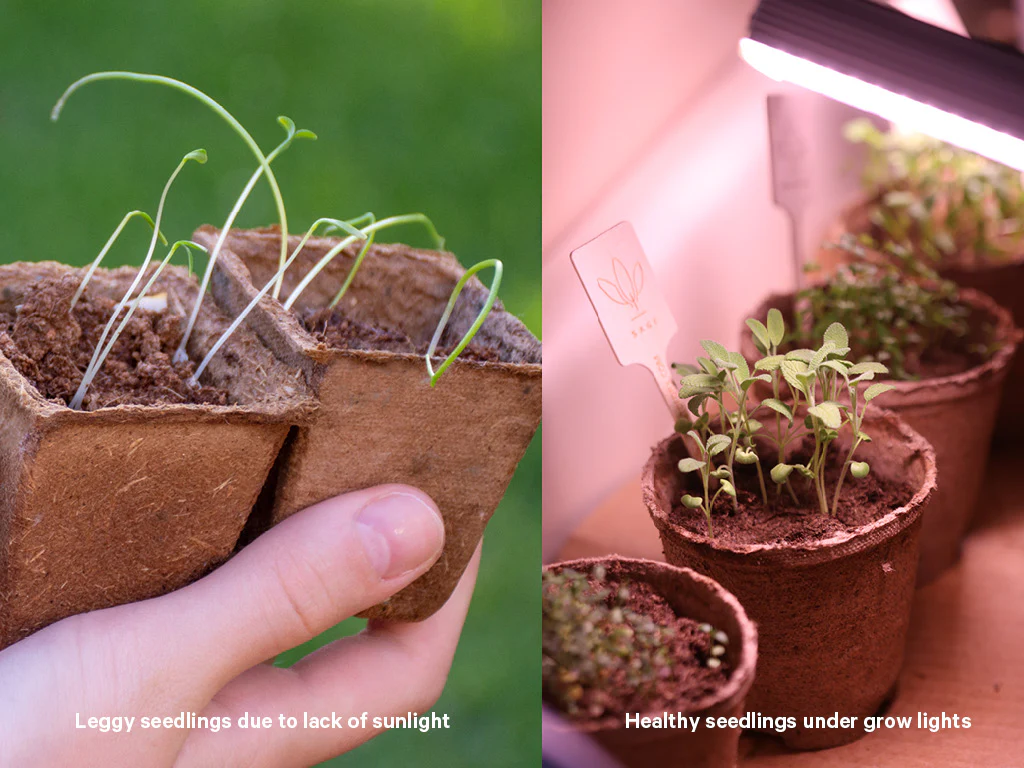
- Provide light as soon as seedlings appear. A bright window can work, but a grow light makes sturdier plants.
- Thin or pot up once seedlings have a couple sets of true leaves.
Germination time: Often 7 to 21 days. If it feels slow, it is not you. Oregano just takes its sweet time.
Hardening off
Before moving seedlings outside, harden them off over 7 to 10 days by gradually increasing their time outdoors in a sheltered spot.
How to grow oregano from transplants
If you want oregano faster, buy a starter plant or take a rooted cutting from a friend. Transplants are the easiest path to weeknight pizza-level gratification.
When to plant
Plant outside after the last frost. For the fastest establishment, wait until nights are reliably above about 50°F. (Hardened-off plants can handle cooler nights, but they tend to settle in faster when the soil has warmed.)
How to plant
- Choose a sunny spot with good drainage.
- Dig a hole as deep as the root ball and a bit wider.
- Set the plant at the same soil level it was growing in the pot.
- Water in thoroughly once, then let the top inch of soil dry before watering again.
Spacing
Give oregano room to breathe: 12 to 18 inches between plants is a good baseline. In containers, one plant per pot is usually perfect.
Container growing tips
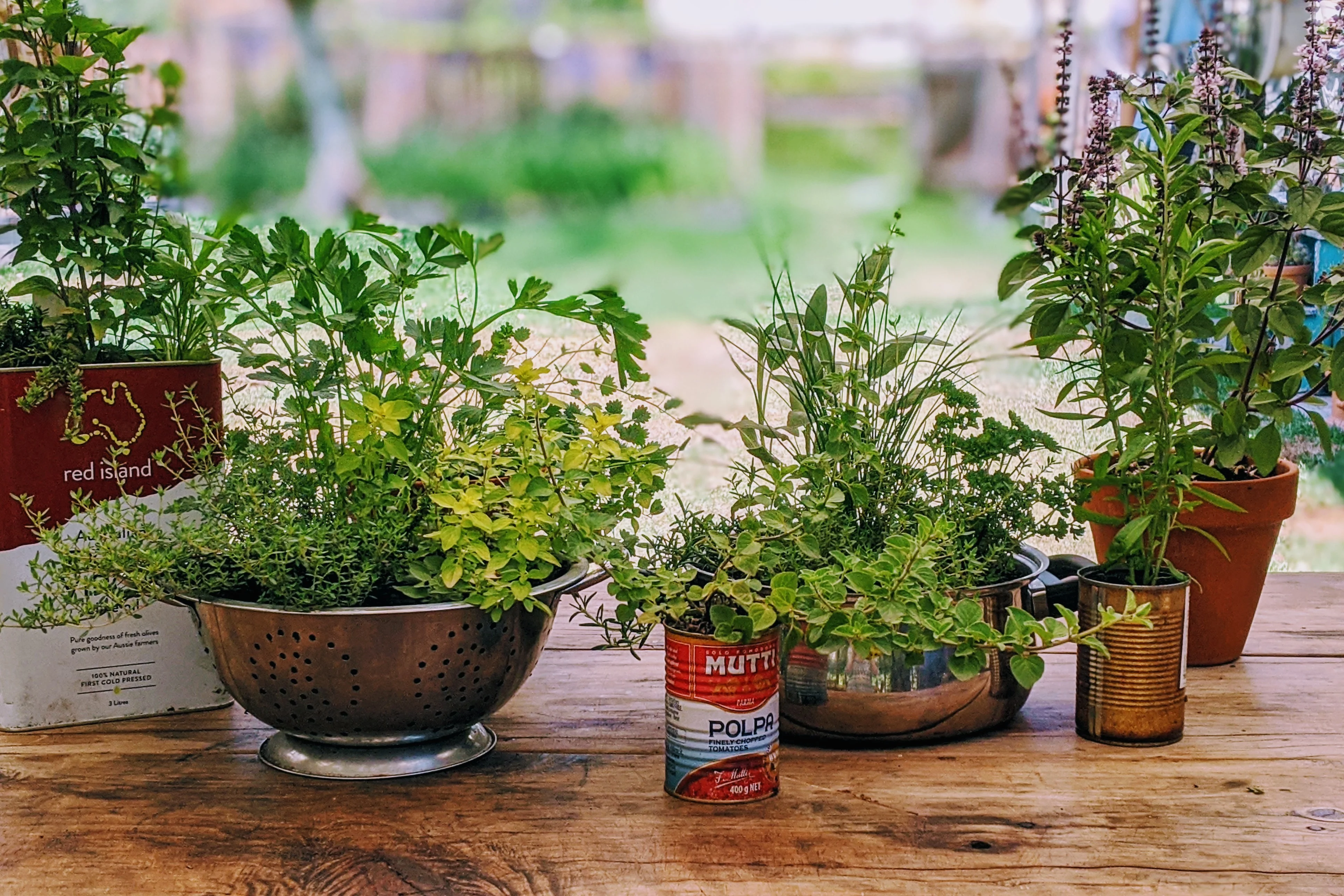
Oregano is container-friendly and actually prefers the quick drainage a pot provides. It is also a smart way to keep vigorous plants tidy.
Pick the right pot
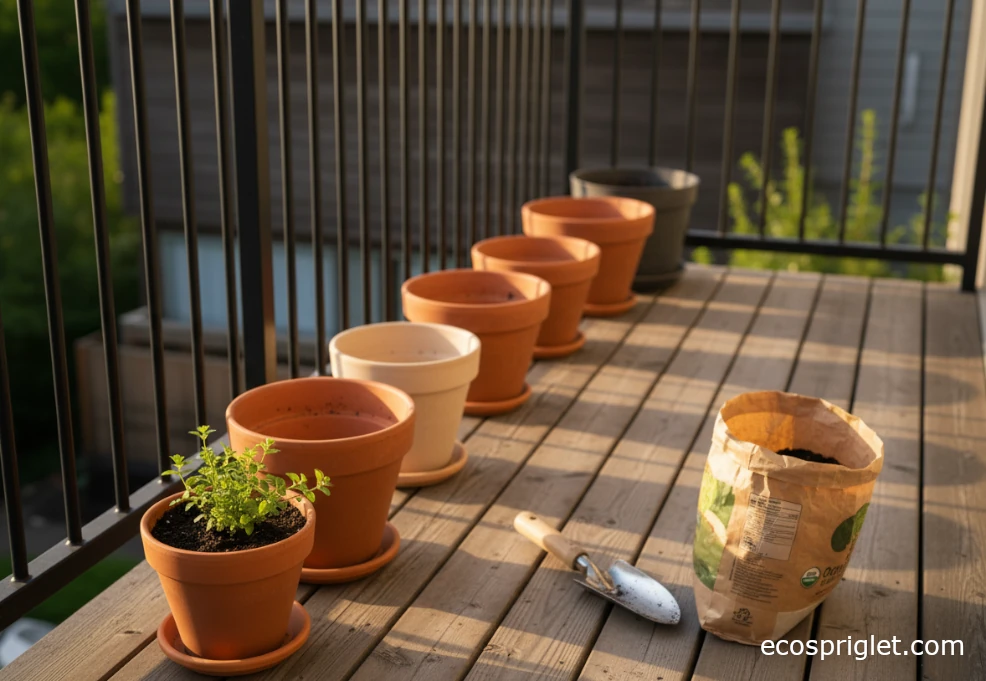
- Size: Start with a pot that is 8 to 12 inches wide. Bigger is fine if you want a fuller mound.
- Drainage: Must have drainage holes.
- Material: Terracotta helps soil dry faster, which oregano typically appreciates.
Use a fast-draining mix
A quality potting mix works, but I like to lighten it for oregano:
- Simple blend: 2 parts potting mix + 1 part perlite or pumice.
- Optional: A small handful of compost is plenty. Too much richness can mean lots of leafy growth with less flavor.
Placement
Put the pot where it gets strong sun. If you grow indoors, place it in your brightest window and rotate the pot weekly so it grows evenly.
Watering oregano the right way
Oregano is drought-tolerant once established, and the most common mistake is overwatering.
In the ground
- New plants: Water when the top couple inches of soil are dry.
- Established plants: Water deeply, then let soil dry out between waterings. In many gardens, rainfall handles a lot of it.
In containers
Pots dry faster. Check by sticking a finger in the soil.
- Water when the top 1 to 2 inches are dry.
- Water until it runs out the bottom, then empty any saucer so roots do not sit in water.
My little rule: If you are not sure, wait a day. Oregano forgives a little thirst far more than soggy soil.
Feeding and soil care
Oregano does not need heavy fertilizing. In fact, too much nitrogen can dilute flavor.
- In beds: Mix in a light layer of compost in spring if your soil is poor.
- In containers: A small top-dressing of compost mid-season or a half-strength organic fertilizer once a month is plenty, and often optional.
Mulch lightly if you want to reduce weeds, but avoid piling mulch against the crown. Airflow helps keep oregano healthy.
Pruning for bushy growth
If oregano is allowed to bloom and sprawl unchecked, it can get woody and less productive. A little snip here and there makes a big difference.
Pinch early
When plants are 4 to 6 inches tall, pinch or snip the tips to encourage branching.
Trim before flowering
For the strongest flavor, shear the plant back by about one-third just as buds form. You will often get a fresh flush of tender leaves.
About flowering
Flowering does not ruin the plant. The flavor of the leaves can get a bit less punchy once it is in full bloom, but you can still harvest and dry stems. If you want maximum leaf production, pinch off buds as they appear.
End-of-season cleanup
In late summer or early fall, avoid heavy pruning if frost is coming soon. Tender new growth is more cold-sensitive.
Harvesting oregano
You can start harvesting once the plant is established and growing strongly. A few thoughtful cuts will keep it producing for months.
How to harvest
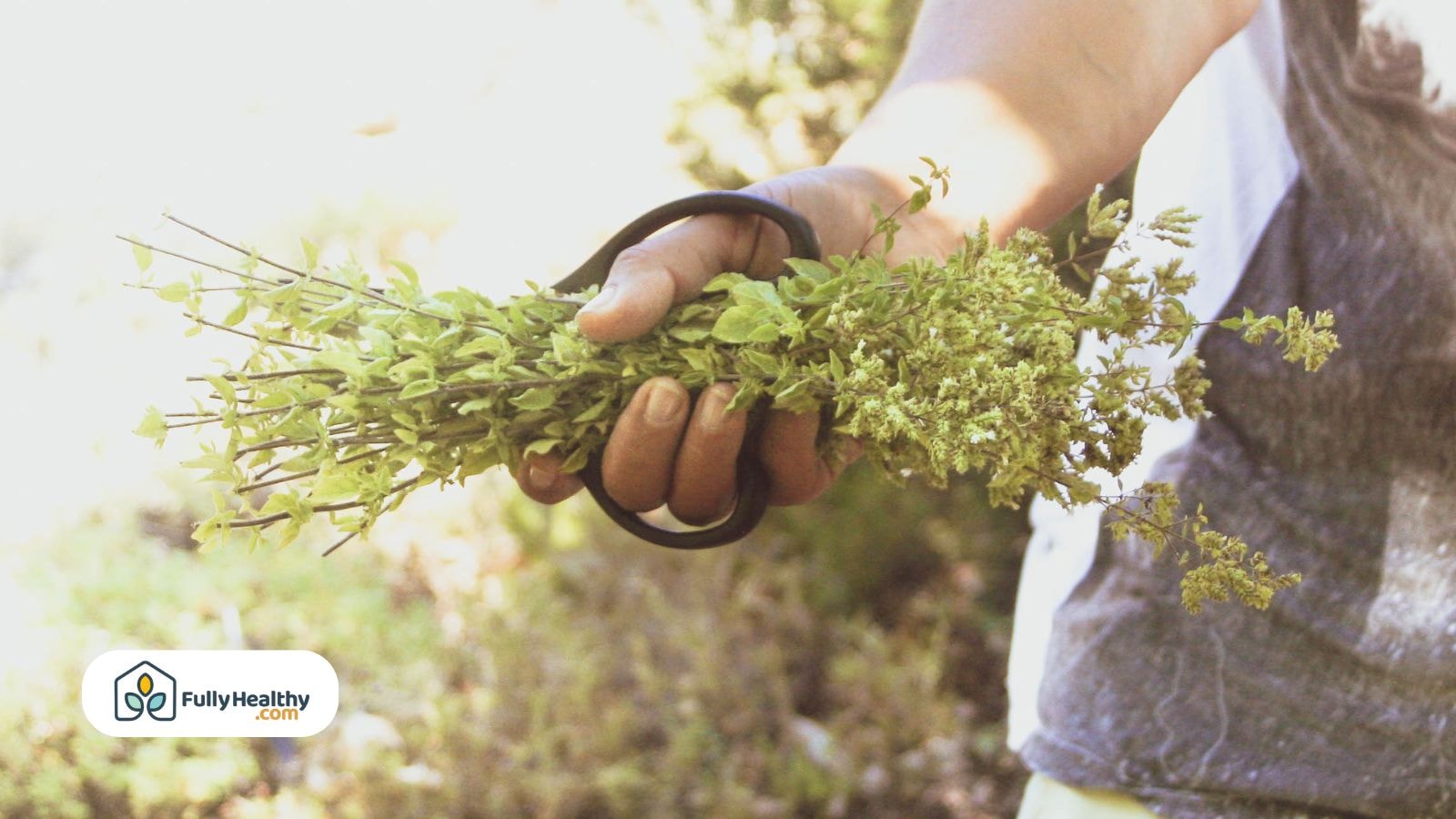
- Use clean scissors or snips.
- Cut stems just above a leaf node (where leaves meet the stem) to encourage branching.
- Harvest in the morning after dew dries for the best essential oil content.
How much to take
Try not to remove more than about one-third of the plant at a time, especially early in the season.
Drying oregano for the pantry
Dried oregano is one of the few herbs that can taste even more concentrated than fresh. If you use oregano often, drying a bundle or two feels like stocking your own well-loved spice shelf.
Air-drying (my favorite)
- Harvest stems that are leafy and healthy.
- Rinse quickly only if needed, then pat dry thoroughly.
- Bundle 6 to 10 stems and tie with string or a rubber band.
- Hang upside down in a warm, dry, well-ventilated spot out of direct sun.
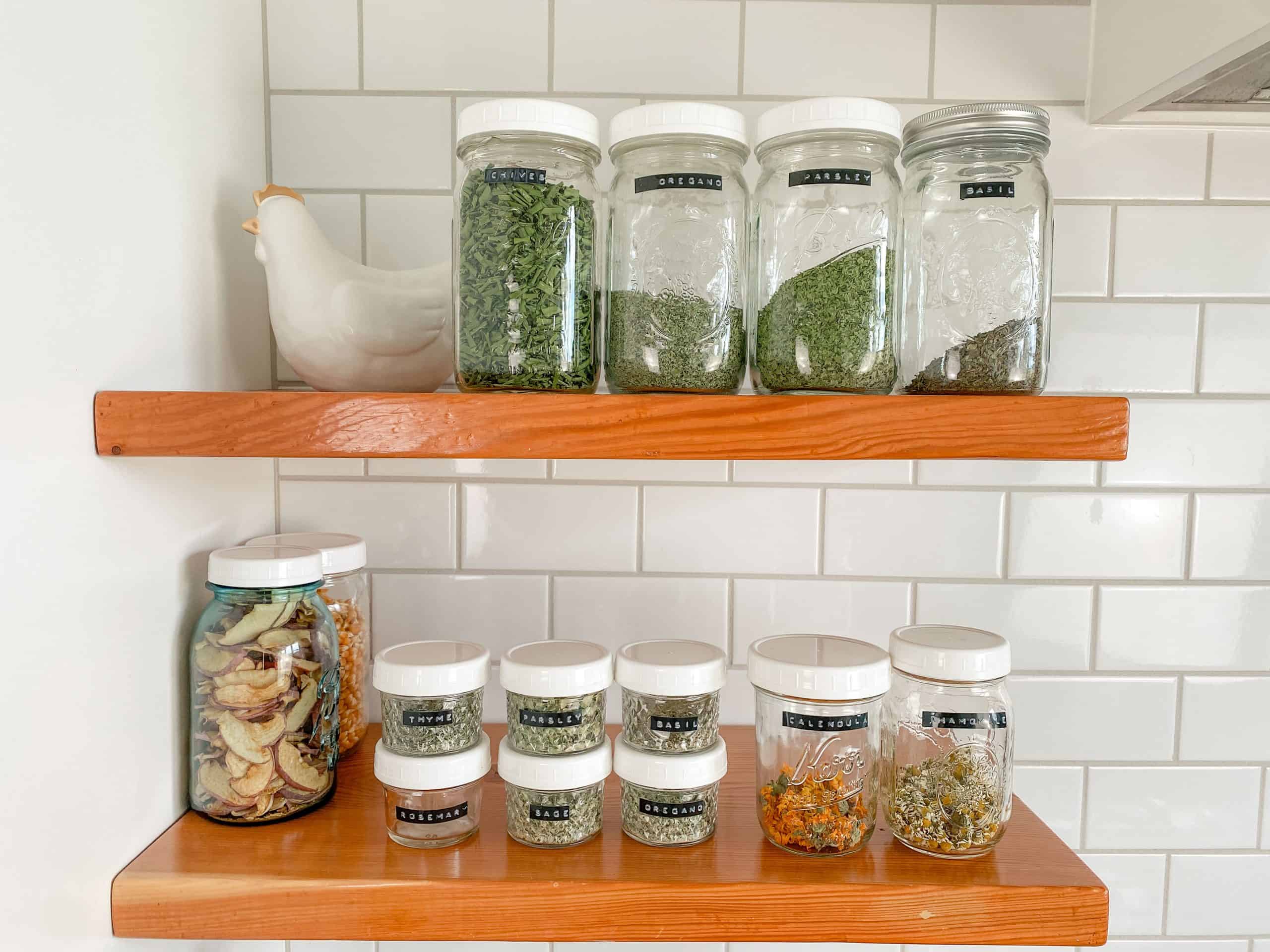
- When leaves crumble easily, strip them from stems and store in an airtight jar.
Timing: Usually 1 to 2 weeks depending on humidity.
Dehydrator
Use a low setting (often 95 to 115°F) until leaves are crisp. Too much heat can reduce aroma.
Oven (only if you must)
Use the lowest possible temperature, keep the door slightly cracked for airflow, and watch closely. It is easy to overdo it.
Storage tips
- Store dried leaves whole when possible and crush right before using for the best flavor.
- Keep jars away from heat and light.
- For peak flavor, use within 6 to 12 months.
Freezing oregano
Freezing keeps a fresher, greener flavor than drying.
- Whole leaves: Strip leaves, pack into a freezer bag, and squeeze out air.
- Herb cubes: Chop leaves, place in an ice cube tray, cover with water or olive oil, and freeze. Pop cubes into soups and sauces.
Propagating oregano
Oregano is generous. Once you have one good plant, it is easy to make more.
Division
In spring (or early fall in mild climates), dig up a mature clump and gently pull or cut it into sections with roots attached. Replant right away and water until established.
Cuttings
Snip a 3 to 5 inch non-flowering stem, strip the lower leaves, and place it in water or a moist potting mix until roots form. Then pot it up or plant it out.
Overwintering oregano
How you overwinter oregano depends on your climate and whether it is in the ground or a pot.
In-ground (perennial areas)
- After frost, growth may die back.
- Leave stems for a bit of crown protection, then tidy in early spring.
- In colder zones, add a light mulch after the ground cools, but keep the crown from staying soggy.
In containers outdoors
Pots get colder than the ground.
- Move the pot to a sheltered location (against a house wall helps).
- Consider wrapping the pot with burlap or insulating material.
- Water sparingly through winter, just enough to keep roots from totally drying out.
Bring oregano indoors
If winters are harsh, bring a pot inside before hard frost.
- Place it in your brightest window, or use a grow light for sturdier growth.
- If using a grow light, aim for about 12 to 14 hours a day.
- Water less often than in summer. Indoor plants usually need less because growth slows and evaporation is lower.
- Expect slower growth. That is normal.
If indoor light is weak, oregano can stretch. A small grow light makes a huge difference and keeps it compact.
Common oregano problems
Leggy, floppy growth
- Cause: Not enough sun, or not enough pruning.
- Fix: Move to brighter light and pinch tips regularly.
Yellow leaves
- Cause: Often overwatering or poor drainage.
- Fix: Let soil dry more between waterings, improve drainage, or repot into a lighter mix.
Root rot
- Cause: Soggy soil, especially in containers without good drainage.
- Fix: Repot into fresh, well-draining mix and remove rotted roots if possible. Take cuttings as backup if the plant is struggling.
Powdery mildew
- Cause: Humid conditions, shade, and poor airflow can encourage it.
- Fix: Grow in full sun, space plants for airflow, water at the soil line (not overhead), and thin or trim crowded growth.
Aphids or spider mites (more common indoors)
- Fix: Rinse the plant well, then use insecticidal soap if needed. Improve airflow and avoid stressing the plant with inconsistent watering.
Companion planting
Oregano is a friendly neighbor in the garden. Its flowers also attract pollinators when you let a bit of it bloom.
- Pairs well with: Tomatoes, peppers, eggplant, beans, and brassicas.
- Avoid crowding: Give it airflow so foliage dries quickly after rain.
If you have space, let one plant flower and keep another trimmed for leaf production. Your pollinators get a buffet, and you still get a full spice jar.
Quick checklist
- Sun: 6 to 8 hours
- Soil: Well-draining, not overly rich
- Water: Deeply, then let soil dry between waterings
- Pinch and prune: For bushiness and better flavor
- Harvest: Snip stems above nodes, best before flowering
- Preserve: Air-dry or freeze for year-round use
If you have ever felt like you “kill herbs,” oregano is a confidence-builder. Treat it a bit like a sunny little Mediterranean shrub, and it will thrive with the kind of calm consistency that makes gardening feel like therapy.