
How to Grow Marigolds from Seed

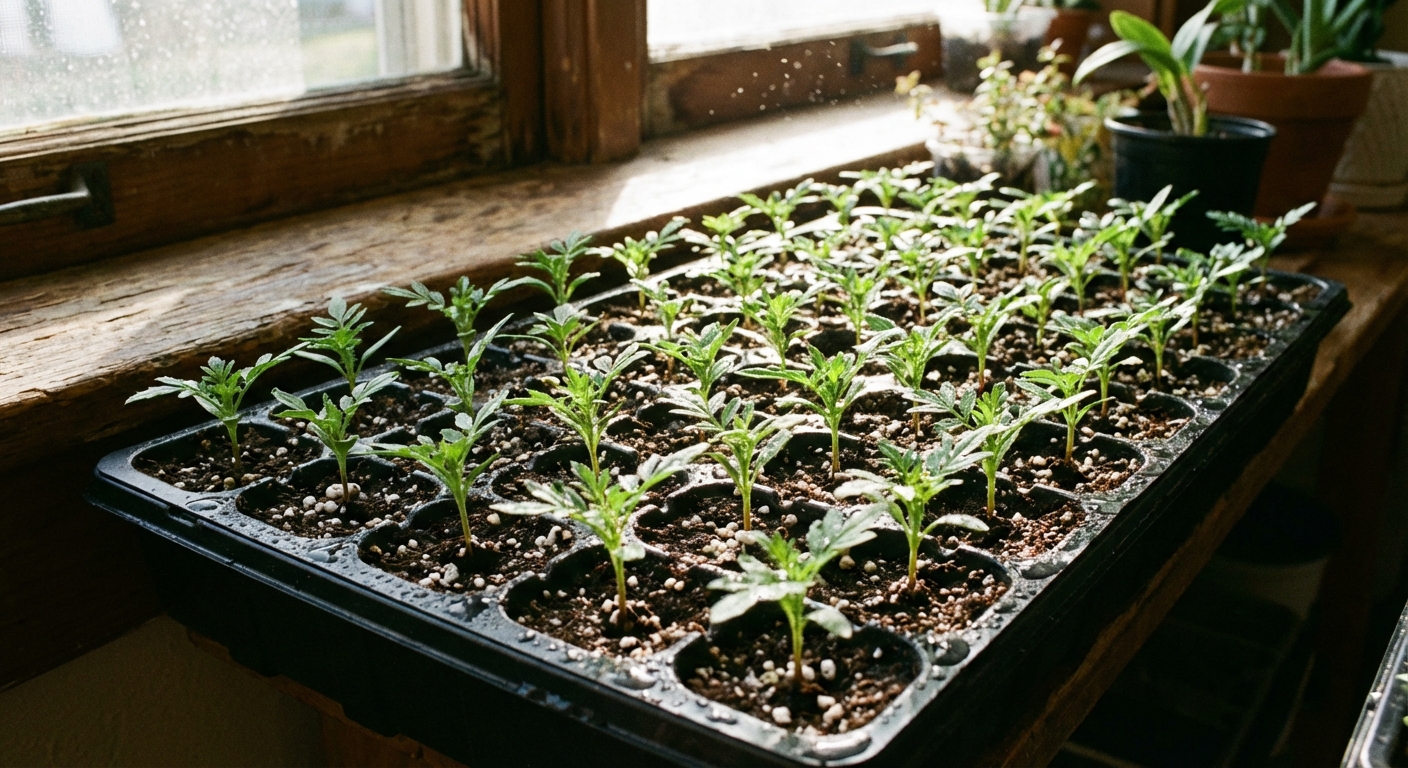
Marigolds are the “confidence booster” flower I give every nervous new gardener. They sprout fast, shrug off a surprising amount of neglect, and bloom like they are trying to prove a point. If you have ever worried you have a black thumb, I want you to borrow my favorite gardening belief: plants do not need perfection; they need consistency.
This guide will walk you through starting marigolds from seed indoors and direct sowing outdoors, plus the little tricks that turn a leggy seedling into a bushy, bloom-covered plant. We will also talk about French, African, and signet marigolds, because they are not all the same in the garden.
Meet the marigolds
“Marigold” is a common name that covers a few different types you will see in seed packets. Knowing which you are growing helps you nail spacing, bloom size, and where they shine in the garden. Heights and habits vary a lot depending on cultivar, so consider these friendly averages.
- French marigolds (Tagetes patula): Compact, bushy plants with lots of smaller blooms, often bicolors. Great for borders, pots, and veggie beds. Usually 8 to 16 inches tall, depending on cultivar.
- African marigolds (Tagetes erecta): Taller plants with big, round “pom” flowers. Despite the name, they are native to Mexico and Central America, and they are absolute showstoppers in beds and cutting gardens. Typically 18 to 36 inches tall, and some cultivars can go taller.
- Signet marigolds (Tagetes tenuifolia): Airy, lacy foliage and a cloud of small single blooms (often yellow, orange, or red). Usually 8 to 18 inches tall, very heat-tolerant, and wonderfully floriferous.
All three can be started from seed using the same basic method, but African types benefit from a little more space and often a slightly longer head start indoors.
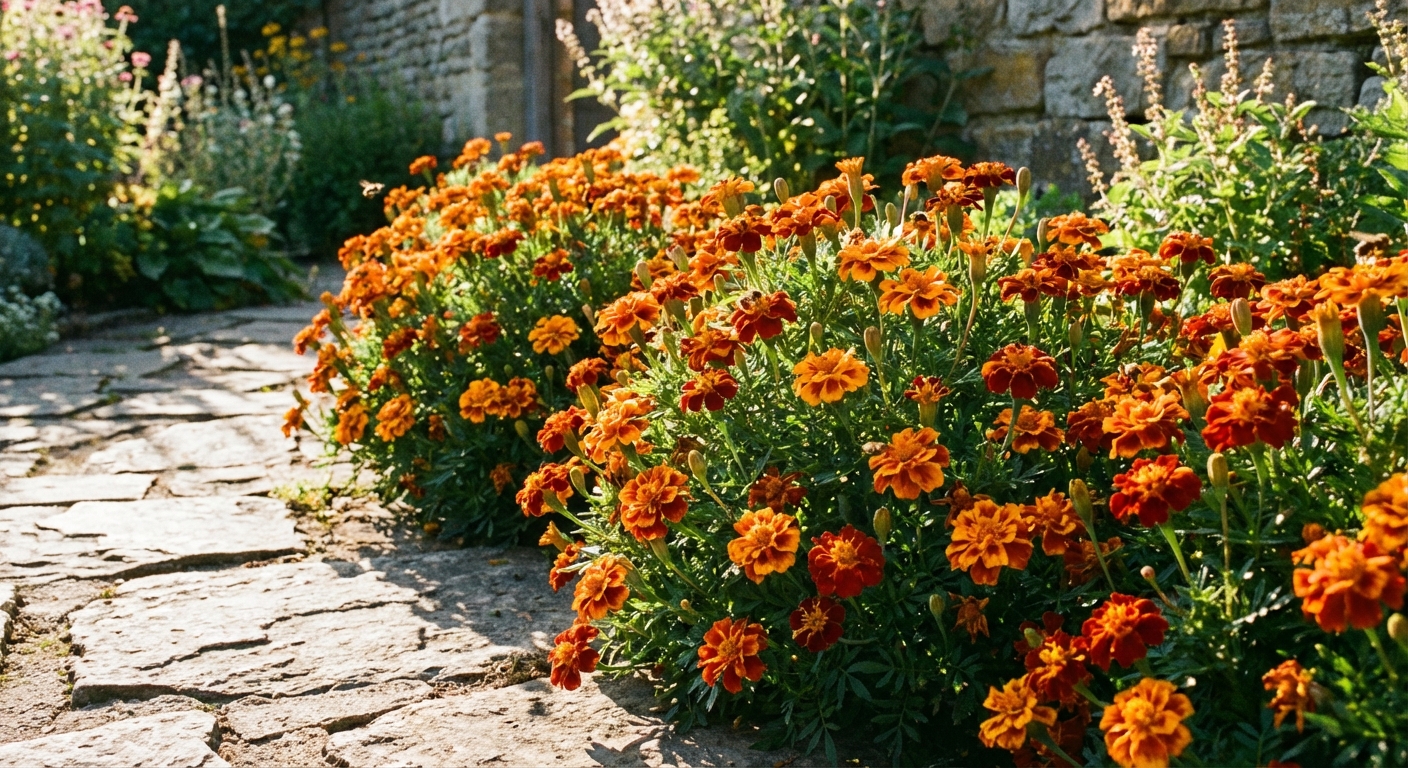
When to start seeds
Marigolds love warmth. The main timing rule is simple: do not rush them into cold soil. You will get faster germination and sturdier plants when you match their cozy preferences.
Indoor timeline
- French and signet marigolds: Start seeds 4 to 6 weeks before your last expected frost date.
- African marigolds: Start seeds 6 to 8 weeks before your last expected frost date (they are a bit slower to size up).
Direct sow timeline
- Sow marigold seeds outdoors after the danger of frost when the soil is consistently warm.
- For best germination, aim for soil temperatures of 65 to 75°F. They can sprout cooler than that, but it is slower and patchier.
If you are unsure about soil temperature, a simple soil thermometer is one of those tiny tools that makes you feel like a garden wizard. Check mid-morning for a more realistic reading.
Start seeds indoors
Indoor sowing gives you a head start and helps you get earlier blooms, especially in short growing seasons. It is also my favorite way to avoid the “my seeds disappeared” mystery that sometimes happens outdoors.
What you need
- Seed tray or small pots with drainage
- Seed-starting mix (light, fine-textured)
- Marigold seeds
- Water mister or gentle watering can
- Bright window or grow light
- Optional but helpful: humidity dome and heat mat
- Optional but underrated: a small fan for airflow
Step-by-step
- Fill containers with moist seed-starting mix. Moist like a wrung-out sponge, not dripping.
- Sow seeds. Place 1 to 2 seeds per cell or pot.
- Cover lightly. Marigold seeds like a thin blanket: cover with about 1/4 inch of mix and gently press.
- Keep warm. Ideal germination temperature is about 70 to 75°F.
- Keep evenly moist. Mist the surface or bottom-water to avoid washing seeds around.
- Use a humidity dome, then remove it. A dome helps until sprouting, but once most seeds are up, crack it for a day or two and then remove it fully. Fresh air helps prevent fungal problems.
- Give strong light immediately after sprouting. A sunny window can work, but a grow light 2 to 4 inches above seedlings helps prevent legginess.
- Add gentle airflow. A small fan on low (not blasting) strengthens seedlings and helps prevent damping off.
How long to germinate?
Most marigolds sprout in 4 to 10 days in warm conditions. If your home is cool, it can take longer.
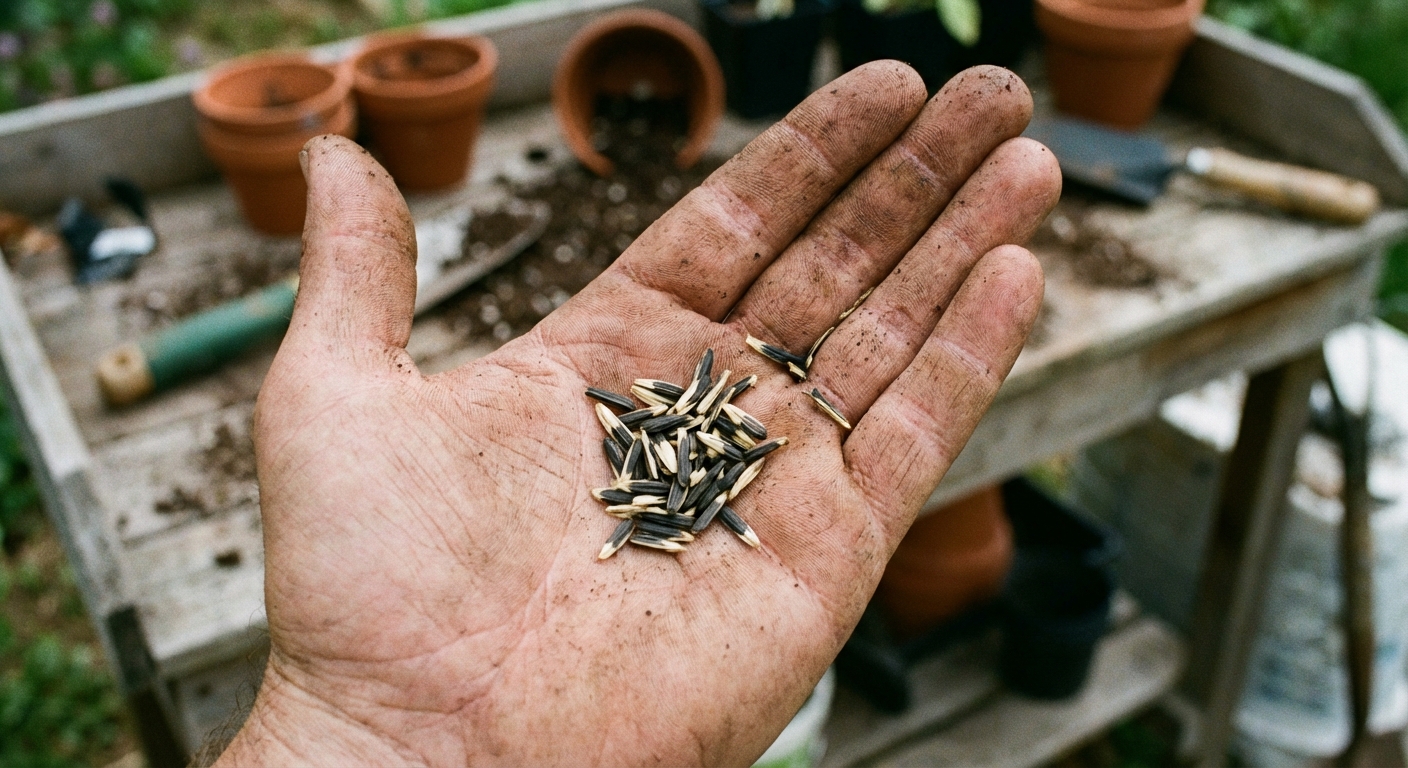
Thinning and potting up
When seedlings have their first set of true leaves (not the first smooth baby leaves), snip weaker extras at soil level so you keep one sturdy plant per cell. If roots fill the cell quickly, pot them up into a 3 to 4 inch pot to keep growth steady.
Bloom timing
Most marigolds bloom roughly 8 to 10 weeks from seed, depending on type, cultivar, and temperature. French and signet types are often quicker; African types can take a bit longer, especially if they start cool or grow slowly indoors.
Harden off and transplant
Seedlings raised indoors are a little pampered. Hardening off is simply introducing them to the real world without sunburning them or shocking them with wind.
Hardening off (7 to 10 days)
- Day 1 to 2: 1 to 2 hours outside in bright shade, protected from wind
- Day 3 to 5: Increase time outside, introduce gentle morning sun
- Day 6 to 10: Longer sun exposure, a bit more wind, and cool nights if temps are safe
Transplanting tips
- Plant on a mild day or in late afternoon so seedlings settle in without harsh sun.
- Water the planting hole and the seedling before and after transplanting.
- Marigolds prefer full sun, but in very hot climates a touch of afternoon shade can keep them perky.
- If seedlings are leggy, you can set them a little deeper for stability, but do not bury them dramatically. Marigolds are not tomatoes, and they will not root along the stem in the same enthusiastic way.
Direct sow outdoors
Direct sowing is wonderfully simple, especially for filling big borders or tucking marigolds into veggie beds.
Step-by-step
- Wait for warmth. After last frost, soil ideally 65 to 75°F.
- Prep the area. Loosen the top few inches of soil and remove weeds. Mix in finished compost if your soil is tired or compacted.
- Sow seeds. Plant about 1/4 inch deep.
- Water gently. Keep the top inch of soil lightly moist until sprouts appear.
- Thin seedlings. Once plants are a couple inches tall, thin to final spacing (your future self will thank you for air flow).
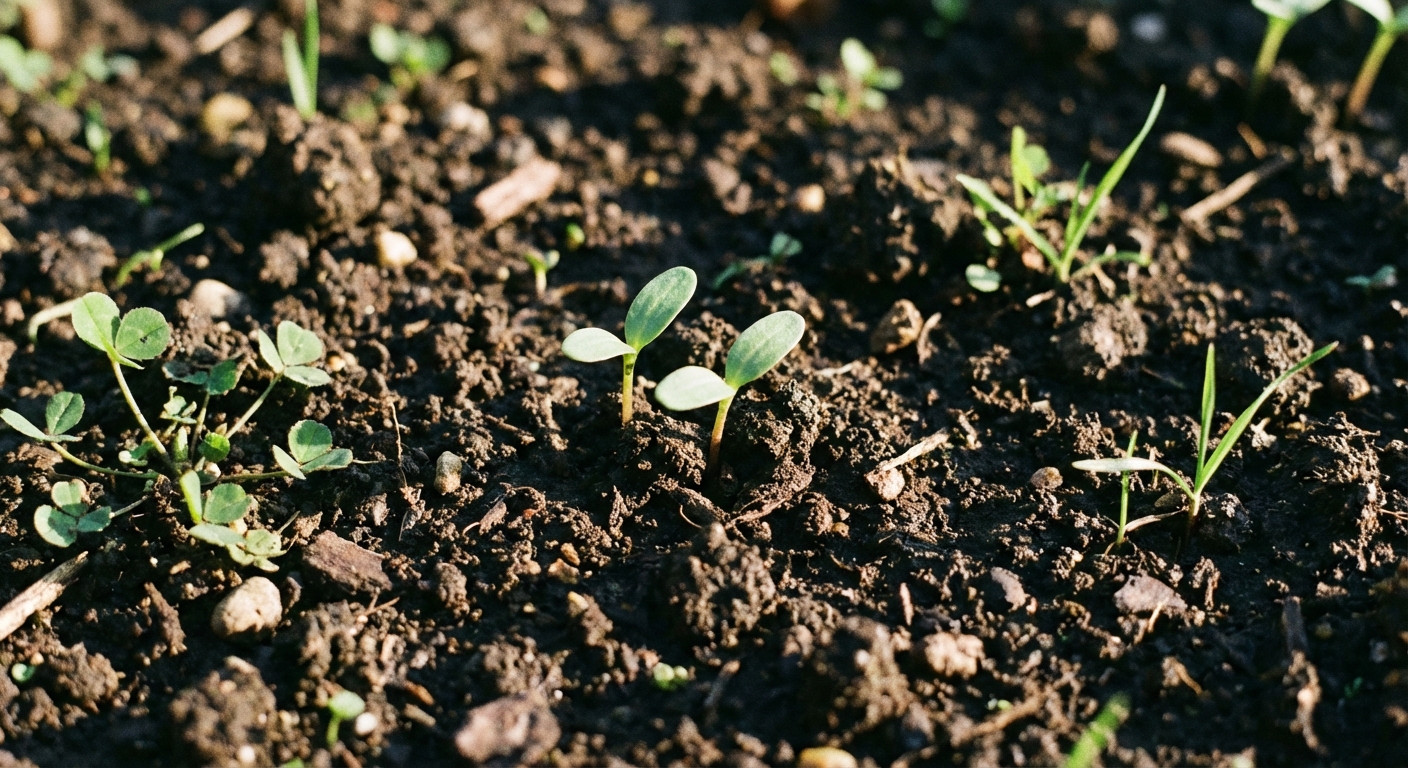
Spacing
Marigolds are friendly, but they still need personal space. Crowded plants stay damp longer after watering or rain, and that can invite mildew and rot.
- French marigolds: Space 8 to 12 inches apart.
- African marigolds: Space 12 to 18 inches apart (up to 24 inches for very tall cultivars).
- Signet marigolds: Space 8 to 12 inches apart.
If you are planting in containers, choose a pot with drainage and avoid packing too many plants together. One marigold in a 6 to 8 inch pot can get surprisingly lush.
Sun, soil, and water
Marigolds are not fussy, but they do have preferences.
Sun
Full sun is best for strong stems and nonstop blooms, meaning 6+ hours of direct light.
Soil
Well-draining soil is the big requirement. Marigolds tolerate average soil, but they struggle in soggy spots. If you have heavy clay, mixing in compost and planting slightly raised can help.
Water
- Water deeply after planting, then let the top inch or two dry slightly between waterings.
- Try to water at the base, not over the leaves and flowers.
- Once established, marigolds handle heat better than many annuals, especially signet types.
Fertilizer
Marigolds do not need much feeding. Too much nitrogen can mean lush leaves and fewer flowers. If you feed at all, use a light hand. A small amount of compost at planting is usually plenty. If you want to fertilize, choose a lower-nitrogen option sparingly once plants are established and starting to bud.
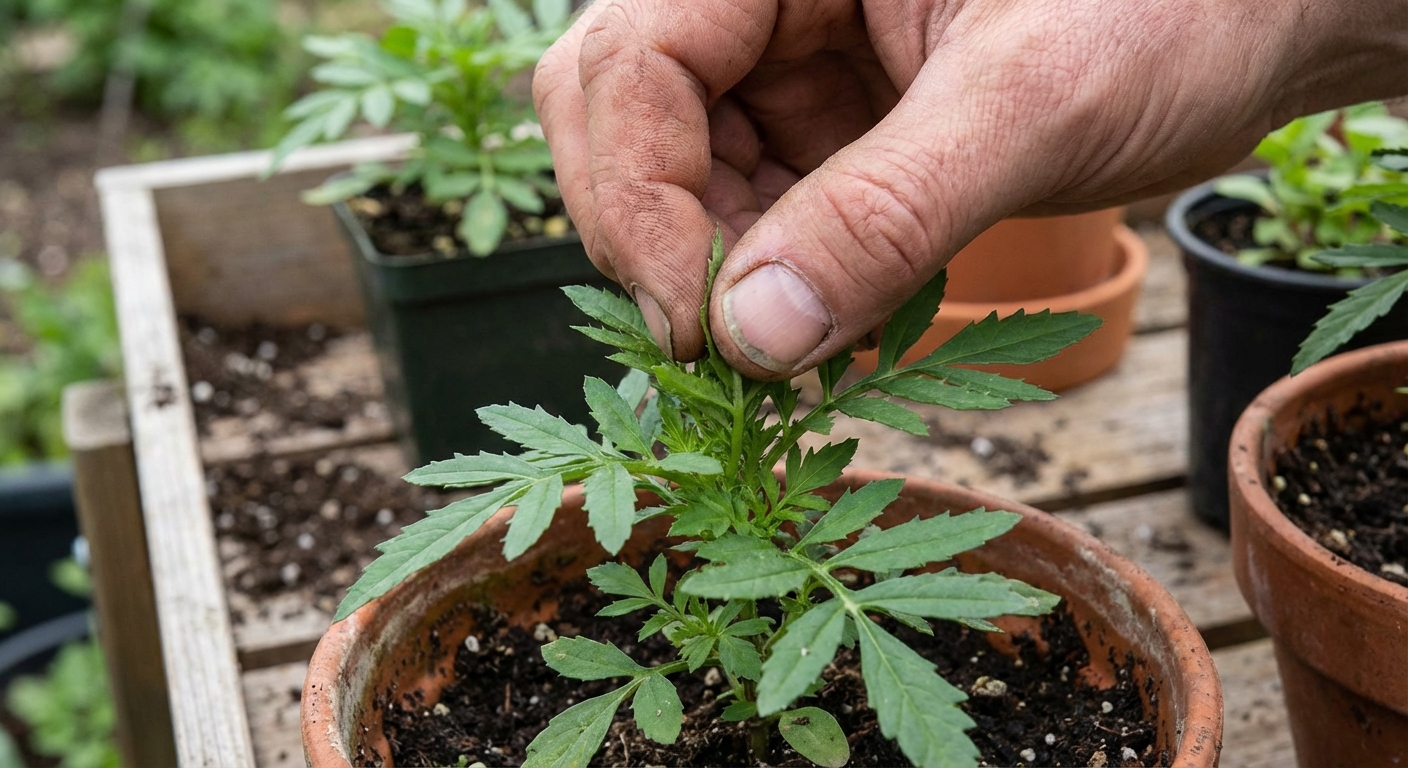
Pinch for bushiness
If you want marigolds that look like cheerful little shrubs instead of single tall stems, pinching is your secret weapon. It feels scary the first time, but it is basically a gentle haircut.
When to pinch
When the plant is about 6 to 8 inches tall and has several sets of true leaves.
How to pinch
Use clean fingers or snips to remove the top growing tip just above a set of leaves. The plant will branch from that point, creating a fuller shape and more flowering stems.
Best candidates: African marigolds benefit the most because they can get tall and top-heavy. French and signet marigolds often branch naturally, but pinching can still make them denser.
Deadheading
Marigolds will bloom without deadheading, but if you want them to flower like they are on a mission, remove spent blooms regularly.
How to deadhead
- Follow the faded flower down to the next set of leaves or a branching point.
- Snip or pinch the stem cleanly.
- Do this every few days during peak bloom for the biggest payoff.
Bonus: deadheading keeps plants looking tidy and helps reduce the chance of moldy, soggy blooms after rain.
Companion planting
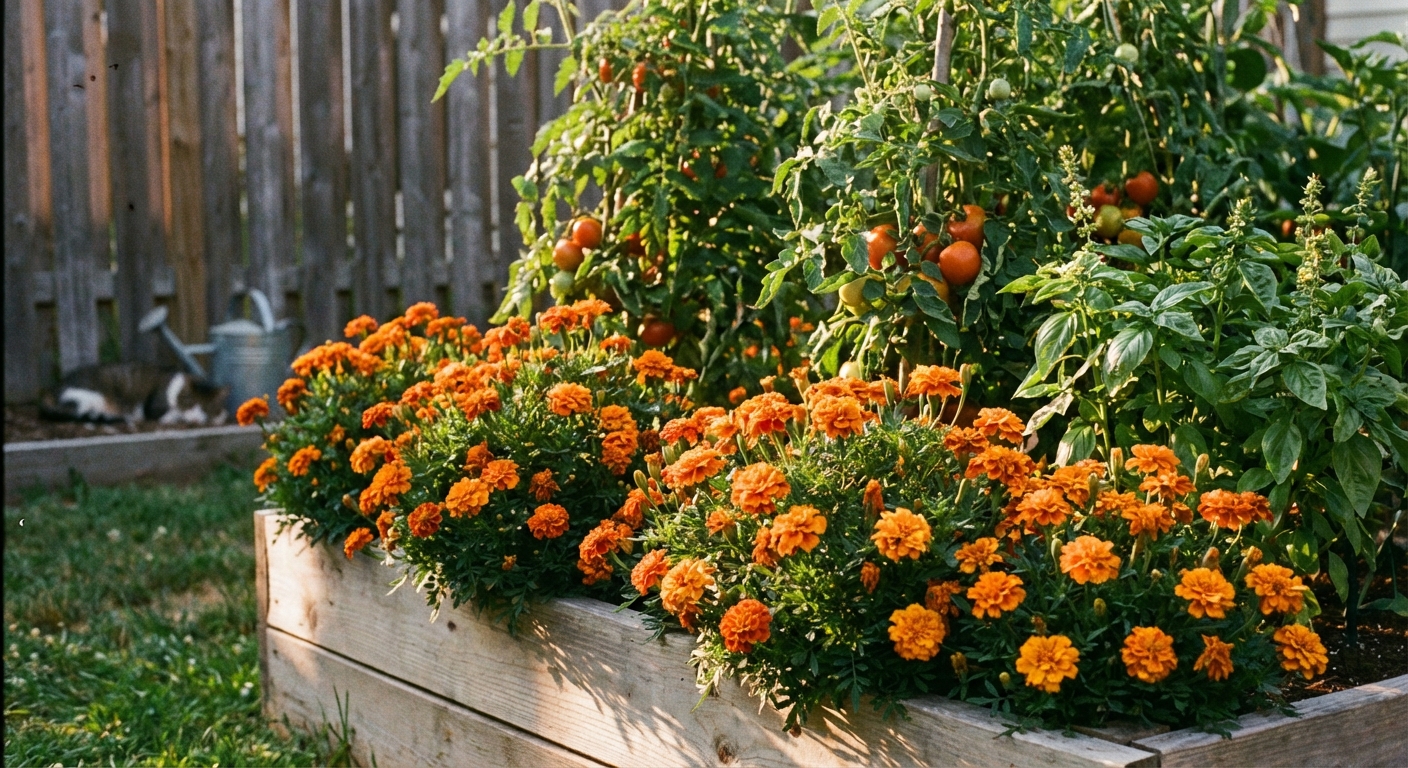
Marigolds are famous as companion plants, and for good reason. They bring in pollinators, add bright color in functional spaces, and their strong scent can confuse certain pests.
What they can help with
- Attracting beneficial insects: Their open blooms can invite hoverflies and other helpful garden visitors that prey on aphids.
- General pest confusion: Planting marigolds among vegetables can make it harder for some pests to find their preferred host plant.
- Root-knot nematodes (sometimes, under specific conditions): Certain French marigold varieties can help suppress certain root-knot nematodes when grown densely as a planned rotation or cover crop, then incorporated. Results depend on variety, timing, and site, so think of this as a strategy, not a guarantee.
Where I like to plant them
- Along the edges of tomatoes, peppers, and eggplant beds
- Near cucumbers and squash to boost pollinator traffic
- In and around herb gardens where you want lots of beneficial insects
- In containers near patios, because the blooms are instant joy
A gentle reality check from one gardener to another: marigolds are helpful, but they are not magic shields. Healthy soil, plant diversity, and consistent scouting still matter most.
Common problems
Marigolds are tough, but a few issues pop up again and again.
Leggy seedlings
- Cause: Not enough light indoors.
- Fix: Move under a grow light, keep lights close (2 to 4 inches above), and pot up if needed so seedlings are supported. A small fan can also help strengthen stems.
Slow or uneven germination
- Cause: Soil is too cool or the surface dried out.
- Fix: Aim for 70 to 75°F indoors, keep moisture even, and use a humidity dome until sprouting.
Damping off
- Cause: A fungal issue encouraged by soggy mix, poor airflow, and lingering humidity.
- Fix: Water from below when possible, remove the dome soon after sprouting, give gentle airflow, and avoid keeping the mix constantly wet.
Lots of leaves, fewer flowers
- Cause: Too much nitrogen, often from rich fertilizer.
- Fix: Skip high-nitrogen feeding. Marigolds generally do fine with compost and minimal fertilizer.
Powdery mildew or rot
- Cause: Crowding, poor airflow, watering overhead late in the day.
- Fix: Thin for airflow, water at the base, and remove affected foliage.
Aphids or spider mites
- Cause: Plant stress, heat, or dry conditions (mites especially).
- Fix: Rinse plants with a strong spray of water, check undersides of leaves, and use insecticidal soap if needed. Keeping plants consistently watered (not soggy) helps them resist pests.
Quick cheat sheet
- Seed depth: 1/4 inch
- Germination: 4 to 10 days in warm conditions
- Best germination temp: 70 to 75°F
- Direct sow soil temp: ideally 65 to 75°F
- Start indoors: French and signet 4 to 6 weeks before last frost, African 6 to 8 weeks
- Spacing: French 8 to 12 inches, African 12 to 18 inches, signet 8 to 12 inches
- Pinch: at 6 to 8 inches tall for bushier plants
- Deadhead: often for continuous blooms
- Typical bloom time: about 8 to 10 weeks from seed (varies by type and cultivar)
A final nudge
If you only do one thing, let it be this: give marigolds warmth and sun, and they will meet you more than halfway. Start a few extra seeds, because you will almost always find a spot to tuck in “just one more.” I do. Every year.
Quick edible note for signet marigolds: Some people use the flowers and leaves as a garnish. Only eat marigolds you can identify (and that were grown without pesticides or other chemicals not labeled for edibles). If you have plant sensitivities, try a tiny amount first or skip tasting altogether.