
How to Grow Impatiens in Shade and Containers

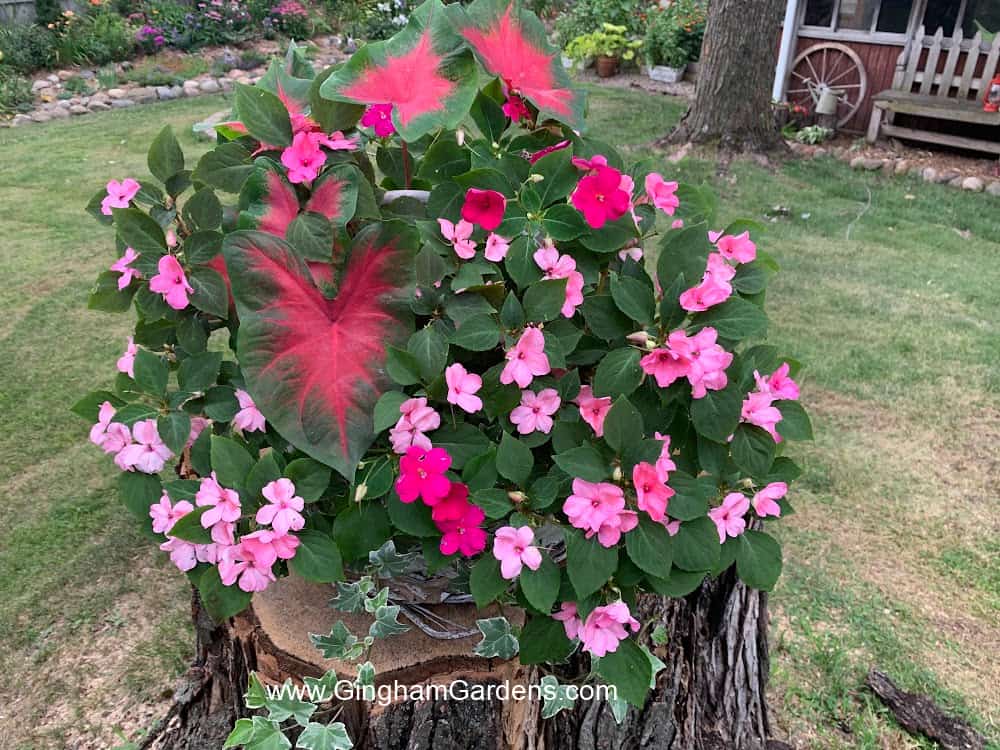
If you have a shady porch, a north-facing entry, or that “nothing blooms here” corner under a tree, impatiens are the cheerful little rule breakers you want. They flower their hearts out in low light, spill beautifully from containers, and forgive beginners as long as you get two things right: even moisture and good drainage.

Pick the right impatiens for shade
“Impatiens” can mean a few different plants. Choosing the right type is the difference between nonstop blooms and a sad little experiment.
Common impatiens (Impatiens walleriana)
- Best for: Part shade to full shade, containers, window boxes, under trees.
- Flowers: Lots of colors, often with a neat little mound habit.
- Watch for: Susceptible to impatiens downy mildew, especially in humid, high-pressure areas.
New Guinea impatiens (Impatiens hawkeri)
- Best for: Bright shade and morning sun, bigger containers, statement pots.
- Flowers and foliage: Larger blooms, often glossy or variegated leaves.
- Bonus: Typically more tolerant of sun than common impatiens, especially in cooler climates. Often more tolerant of downy mildew than I. walleriana, but not universally “immune.”
SunPatiens (impatiens hybrids)
- Best for: Shade to sun, hot patios, large planters, landscapes that need toughness.
- Growth: Vigorous, can get big fast, great “filler” in large pots.
- Bonus: Bred for stronger performance and commonly used as an alternative in beds where downy mildew has been a recurring issue (still, no plant is invincible).
Shade basics
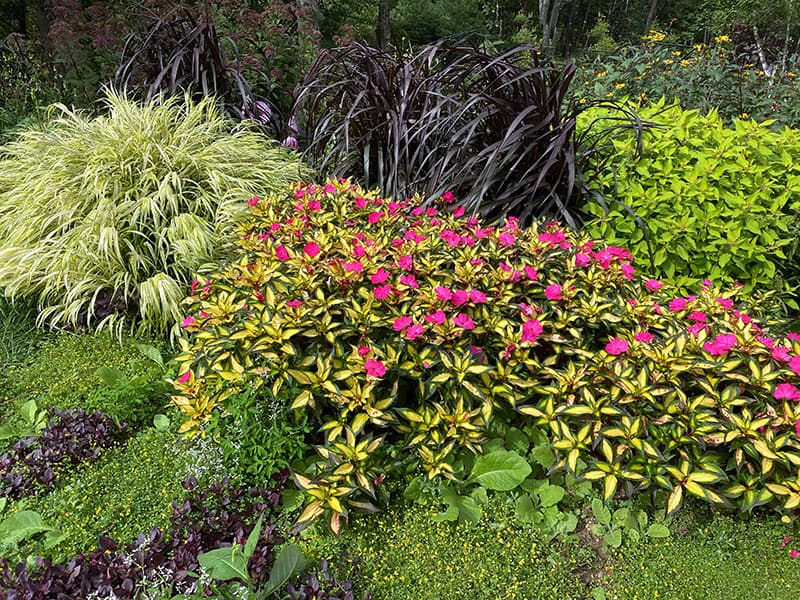
Most impatiens do best in bright shade, meaning they get plenty of daylight but little to no harsh midday sun.
- Full shade: Roughly 0 to 3 hours of direct sun (definitions vary by region). Common impatiens can still bloom, but growth is slower and watering is trickier because soil stays damp longer.
- Part shade: About 3 to 6 hours of sun, ideally morning sun and afternoon shade. This is the sweet spot for most varieties.
- Dappled shade: Filtered light under open trees. Beautiful for impatiens, but roots from trees can compete for water.
My simple test: if you can comfortably read a book outside in that spot for most of the day without squinting, your impatiens can probably flower there too.
Timing and temperature
Impatiens are warm-season annuals. Plant them after your last frost, once nights are reliably mild. Cold snaps can stall growth, yellow leaves, and make plants look tired even if you are watering correctly. If a chilly night is coming, containers are easy. Pull them closer to the house or into a garage overnight.
Spacing: beds vs containers
Spacing is where a lot of shade plantings go sideways. Too tight and you invite disease and legginess. Too far apart and you get a polka dot look all season.
Spacing in garden beds
- Common impatiens: Space about 8 to 12 inches apart, depending on the variety size on the tag.
- New Guinea impatiens: Space about 12 to 18 inches apart.
- SunPatiens: Space about 18 to 24 inches apart, sometimes more for vigorous types.
In beds, aim for plants to touch gently when mature, not overlap like stacked umbrellas. Airflow matters in shade.
Spacing in pots and hanging baskets
- Rule of thumb: Fewer plants than you think. Containers fill in quickly when moisture and fertilizer are steady.
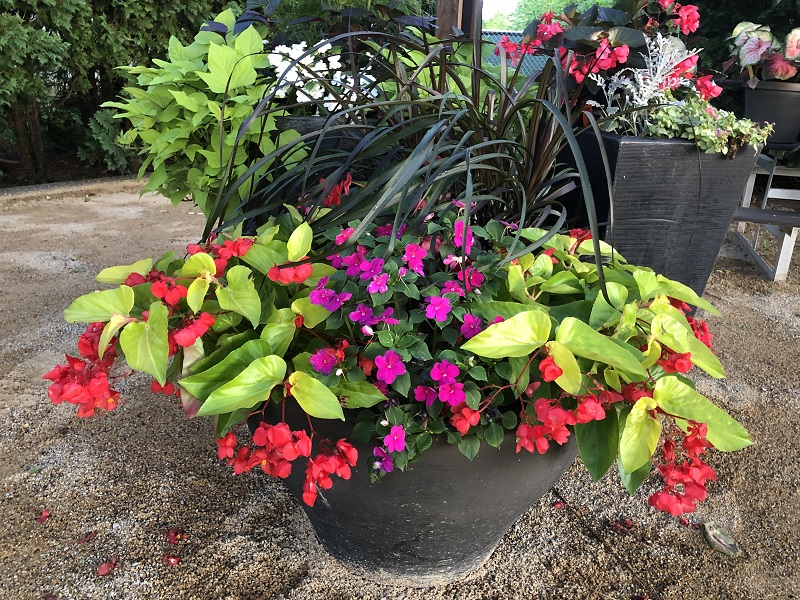
- 10 to 12 inch pot: 3 to 5 common impatiens (3 for easier watering and airflow, 5 for faster fullness), or 1 New Guinea impatiens, or 1 SunPatiens.
- 14 to 16 inch pot: 5 to 7 common impatiens, or 2 to 3 New Guinea impatiens, or 1 to 2 SunPatiens (depending on vigor).
Planting too densely in containers is one of the fastest ways to end up with constantly wet soil, stressed roots, and disease pressure. If you choose the “full fast” end of the range, plan on more frequent watering and a steadier feeding routine.
Container mix
Impatiens like moisture, but they hate sitting in swampy soil. The goal is a mix that holds water while still breathing.
Easy container mix (great for impatiens)
- 2 parts quality peat or coir-based potting mix
- 1 part compost (sifted if chunky)
- 1 part perlite or pumice for drainage and air space
If you already have a good potting mix, you can simply “lighten” it by mixing in perlite and a little compost. Avoid using straight garden soil in containers. It compacts, drains poorly, and invites fungus gnats and root stress.
Drainage checklist
Before you plant, run through this list. It prevents at least half of container problems.
- Pot has drainage holes. Not one, not “maybe”, but real holes that let water escape.
- No rocks or gravel layer at the bottom. It generally does not improve drainage in containers. It can actually keep water sitting higher in the pot (the “perched water” effect), right where roots are trying to breathe.
- Use a saucer only if you empty it after watering, especially in shade.
- If using a cachepot (decorative pot with no holes), keep the impatiens in a plastic nursery pot inside it and dump excess water after watering.
- Potting mix is fluffy and fresh, not old and compacted.
Watering: consistent, not constant
Impatiens want steady moisture, especially in containers where roots dry faster. The secret is to water deeply, then let the top bit of mix breathe.
When to water
- Stick your finger into the soil about 1 inch deep.
- If it feels dry at that depth, water.
- If it feels evenly damp, wait and check again tomorrow.
How to water well (pots)
- Water slowly until it runs out the bottom.
- Wait 30 seconds, then water again. This re-wets dry pockets.
- Empty saucers so roots do not sit in water.
How to water well (beds)
- Water at the base, not over the leaves.
- Aim for fewer, deeper waterings rather than daily sprinkles.
- Mulch with shredded leaves or fine bark to keep roots cool and moisture steady.
In shade, it is easy to overwater because the soil surface looks dry while the root zone stays wet. Trust the finger test more than your eyes.
Feeding for nonstop blooms
Impatiens are generous bloomers, which means they appreciate a steady snack.
- In containers: Use a balanced liquid fertilizer at half strength every 1 to 2 weeks, or mix in a slow release fertilizer at planting time.
- In beds: Compost at planting plus a gentle granular organic fertilizer once a month is usually plenty.
If leaves are lush but flowers are shy, you may be giving too much nitrogen. Switch to a bloom-leaning fertilizer and increase light slightly if possible.
Keep them full
Impatiens do not require deadheading, but they do appreciate a little haircut now and then, especially in containers.
Prevent leggy growth
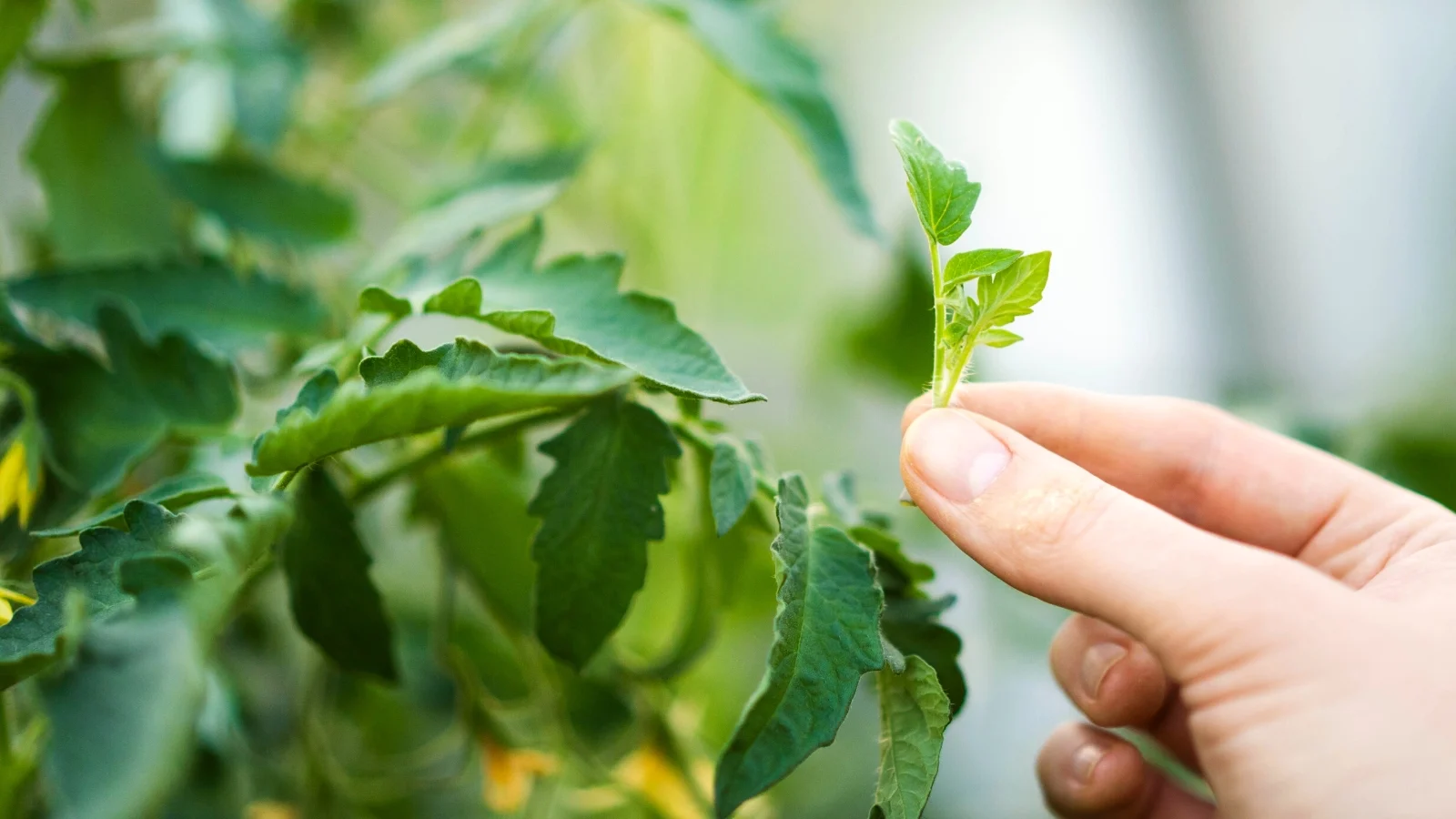
- Pinch back tips early when plants are 4 to 6 inches tall.
- If they stretch later, trim stems back by about one third.
- Rotate pots weekly so all sides get light.
Legginess usually comes from low light, crowding, or over-fertilizing. Sometimes it is all three at once, like a perfect little recipe for floppy stems.
Common issues
Impatiens downy mildew
This is the big one, especially for Impatiens walleriana. Downy mildew can cause leaves to yellow, curl, or drop, and plants can collapse quickly. It spreads via spores in moist conditions and can persist in an area.
- Symptoms to watch for: Yellowing leaves, leaf drop, stunted growth, and sometimes a pale, fuzzy growth on the undersides of leaves.
- What to do now: Remove infected plants promptly. Bag them and put them in the trash, not the compost.
- How to prevent next time: Improve spacing and airflow, avoid overhead watering, and consider switching to New Guinea impatiens or SunPatiens in beds where downy mildew has been a recurring problem. These are often more tolerant, but results vary by region and weather.
- Regional note: If downy mildew has shown up in your neighborhood or yard, check local extension guidance and consider avoiding replanting I. walleriana in the same bed for a while. Some years it is relentless no matter how “perfect” your care is.
Leggy, floppy plants
- Cause: Too little light, too much nitrogen, crowded planting, or inconsistent watering.
- Fix: Move containers to brighter shade, pinch back by one third, reduce fertilizer strength, and water more consistently.
Yellow leaves
- Cause: Overwatering, poor drainage, cold stress, or sometimes nutrient imbalance.
- Fix: Check drainage holes, let the top inch dry between waterings, and feed lightly if plants have been in the same potting mix for many weeks. If nights have been chilly, give them time and steadier warmth.
Wilting in shade
Yes, it happens. Shade can still be hot and dry, especially under trees or on covered porches where rain never reaches.
- Fix: Water deeply, mulch bed plantings, and consider a slightly larger container so the root zone stays cooler.
Quick pest callouts
- Aphids: Cluster on tender tips. First response: rinse with a strong spray of water, then use insecticidal soap if needed.
- Spider mites: Fine stippling on leaves, webbing in hot, dry weather. First response: rinse undersides of leaves, increase humidity if possible, use insecticidal soap or horticultural oil.
- Thrips: Streaked or distorted flowers and leaves. First response: remove worst blooms, rinse plants, consider insecticidal soap and sticky traps nearby.
Planting in containers
- Choose a pot with holes and a size that matches the mature plant.
- Fill with a breathable mix (potting mix plus perlite and compost).
- Plant at the same depth as in the nursery pot. Do not bury stems.
- Water thoroughly until water drains out the bottom.
- Place in bright shade for the first few days to reduce transplant stress.
- Start feeding after about a week, once you see new growth.
Planting in shady beds
- Loosen the soil 6 to 8 inches deep and work in compost.
- Check drainage by filling a small hole with water. If it drains within a few hours, you are in good shape.
- Space plants for airflow, not instant fullness.
- Water at planting and keep evenly moist for the first 1 to 2 weeks.
- Mulch lightly to stabilize moisture and keep soil cooler.
Quick care summary
- Light: Bright shade or morning sun and afternoon shade.
- Water: Consistent moisture, never waterlogged.
- Soil: Rich, well-draining, compost-friendly.
- Timing: Plant after last frost. Protect from cold snaps.
- Spacing: Wider in beds for airflow, adjustable in pots based on desired fullness and how much maintenance you want to do.
- Big problems: Downy mildew (remove infected plants, improve airflow, consider tolerant alternatives, follow local guidance), and leggy growth (more light, pinch back, ease up on nitrogen).
If you have a specific spot in mind, tell me what kind of shade it gets and what size container you are using. I can help you pick the best impatiens type and the right number of plants so it looks full without turning soggy.