
How to Grow Green Onions (Scallions) at Home

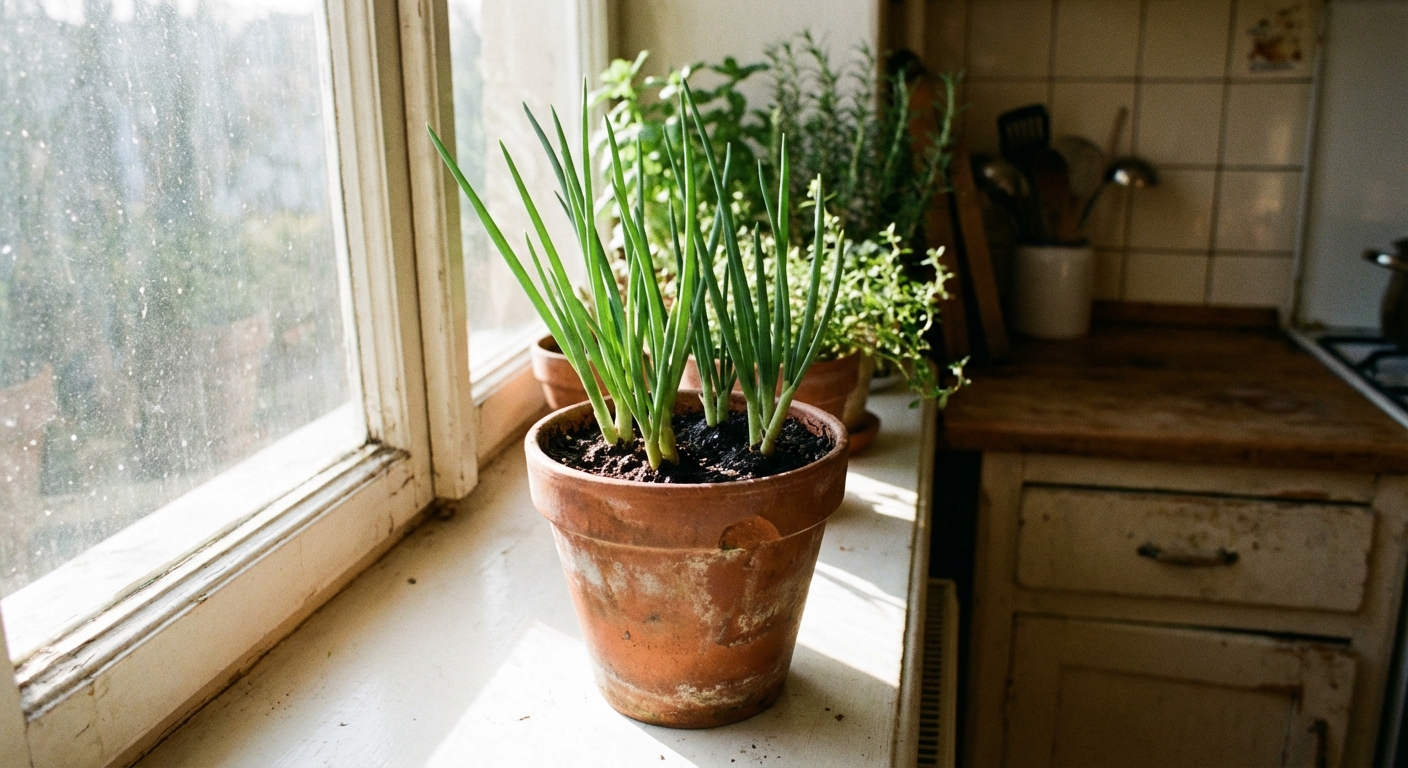
Green onions, scallions, spring onions, whatever you call them, they are the gateway plant for anyone who thinks they have a “black thumb.” They grow fast, forgive a missed watering, and reward you with that fresh, zippy onion flavor you can snip straight into soups, eggs, noodles, and salads. (Quick note: indoors, they can grow slower and leaner unless the light is strong, but they are still one of the easiest edible plants to start.)
In this guide, I will walk you through three beginner-friendly ways to grow green onions at home: from seed, from sets, and regrowing from kitchen scraps. We will cover containers and garden beds, how to plant in waves for continuous harvest, and the easiest way to cut so your scallions keep coming back.
Green onions vs spring onions
Most grocery-store “green onions” are harvested young, before a big bulb forms. They have slender white bases and hollow green leaves.
- Scallions (green onions): Typically harvested young with little to no bulb.
- Spring onions: Similar look, but often grown a bit longer and may form a small bulb.
Good news: the growing instructions are basically the same. If you harvest early, you get scallions. If you let them mature longer (especially some varieties), you may get a thicker base.
One helpful variety note: If you want true cut-and-come-again scallions, look for bunching onions (often Allium fistulosum). They are bred to stay non-bulbing and keep producing greens. Regular bulbing onions (Allium cepa) can still be harvested young as “green onions,” but they are not always as endlessly reusable.
Three ways to grow green onions
1) From kitchen scraps (fastest confidence boost)
If you have green onions in the fridge right now, you have “planting material.” This method is perfect for beginners and kids, and it is wonderfully satisfying.
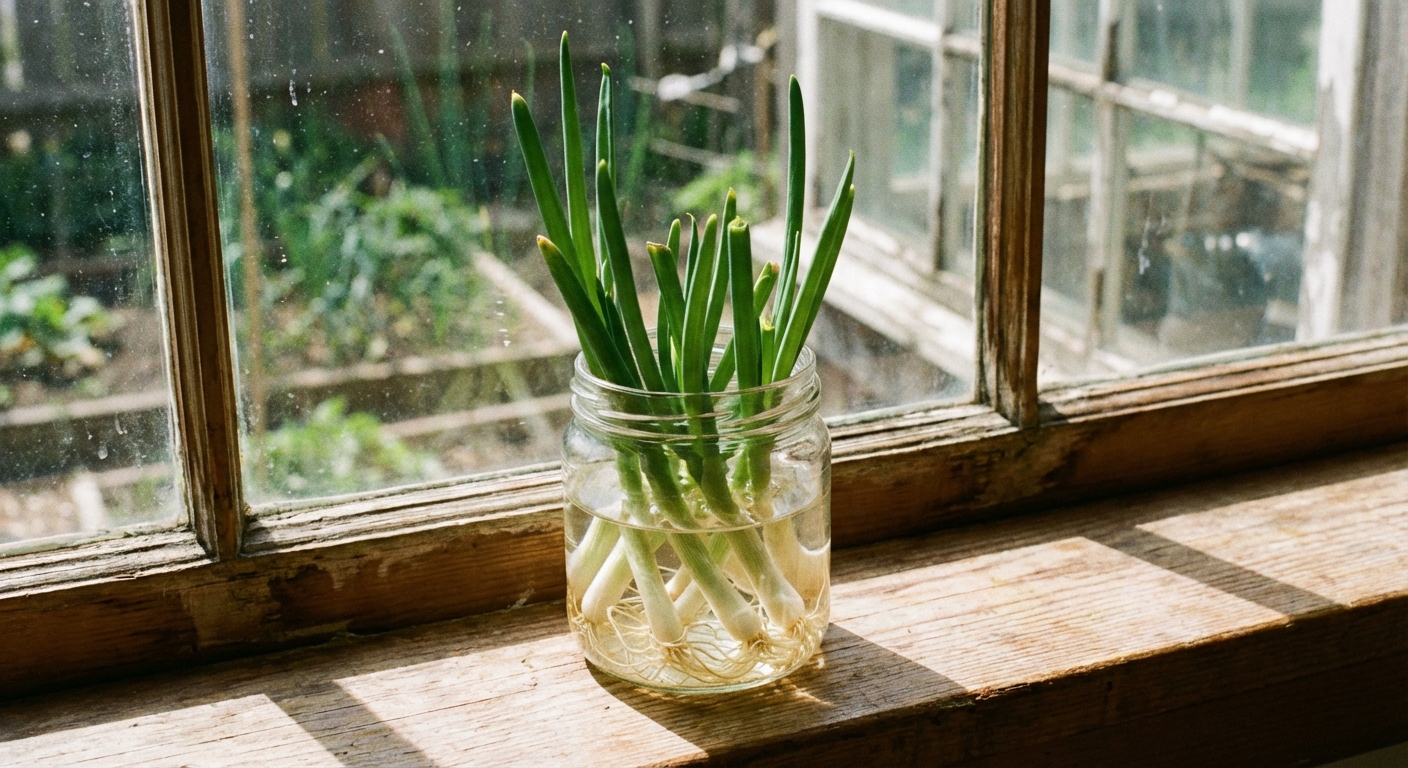
What you need: green onion bottoms with roots, a jar or glass, clean water, and optional potting mix if you want them to grow long-term.
- Cut for dinner, save the base. Leave about 1 to 2 inches of the white base with the roots attached.
- Rinse and use a clean jar. Give the bases a quick rinse, and start with a clean glass and fresh water. If anything turns slimy or smells off, toss it and start over.
- Stand them in water. Put the roots in a jar with just enough water to cover the roots, not the whole base. Too much water invites rot.
- Bright light. A sunny windowsill is perfect.
- Change water often. Refresh every day or two.
- Plant in soil for better results. After 3 to 7 days, pot them up so they have nutrients to keep producing.
Harvesting from scraps: Once greens are 6 to 8 inches tall, snip what you need. If you keep them in water only, they usually get thinner and weaker over time. Many grocery-store scallions will regrow a few rounds, then taper off. Soil is the upgrade that turns a fun trick into a steadier habit. For the thickest, most reliable long-term supply, starting from seed (especially bunching varieties) wins.
2) From seed (cheapest, most variety)
Seeds are the most economical option and give you access to different flavors, colors, and cold-hardy varieties. They are also a great way to grow a thick patch for frequent snipping.
Timing: Green onions can handle cool weather. In many climates you can sow outdoors in early spring and again in late summer for fall harvest. If you are growing indoors, you can start anytime with enough light.
How to sow:
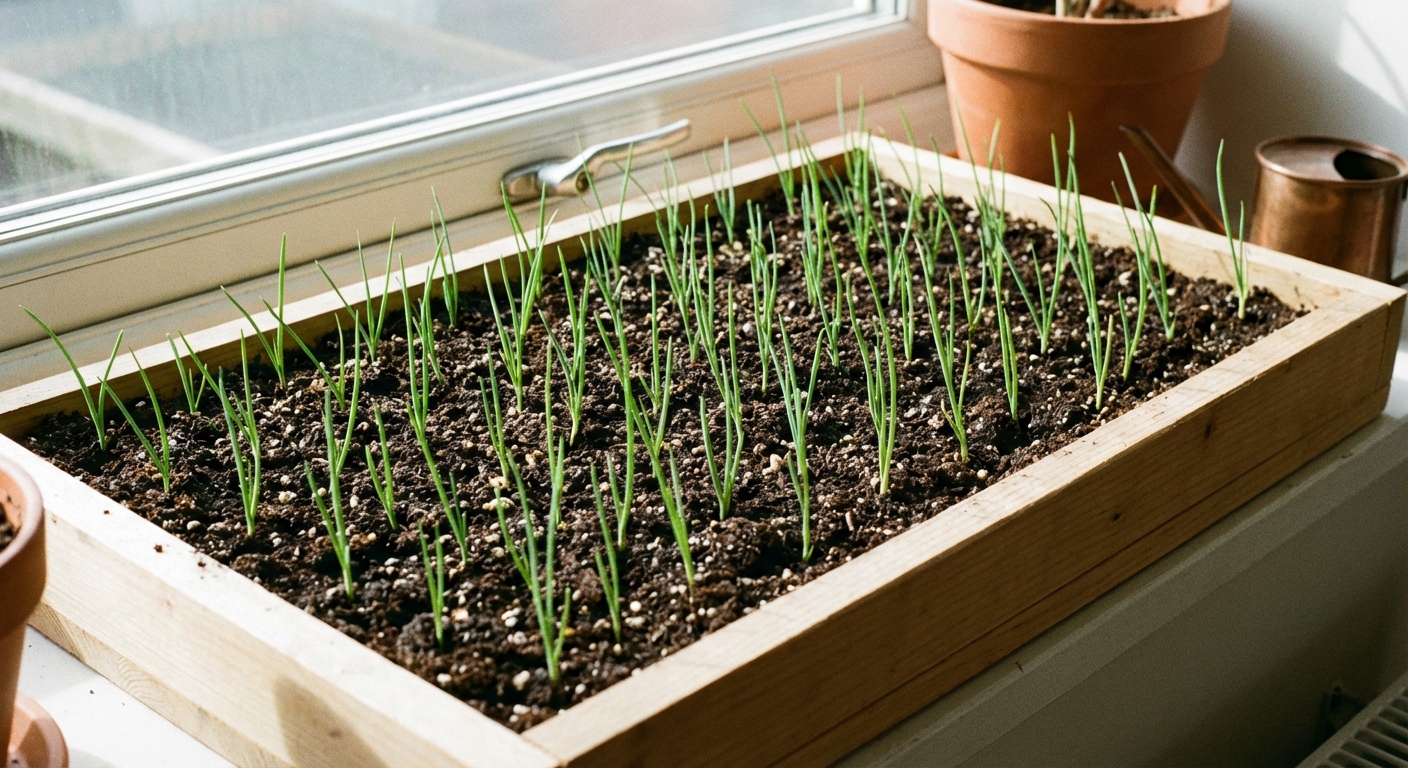
- Depth: 1/4 inch deep
- Spacing: Scatter sow for “clumps” to snip, or sow more neatly about 1 inch apart and thin later
- Germination: Often 7 to 14 days, depending on temperature
Seed-starting tip from my windowsill jungle years: Keep the top of the soil consistently damp until sprouts appear. Onion seedlings hate drying out during germination.
3) From sets (easy outdoor start)
Sets are tiny immature onions sold for planting. They start quickly and are very beginner-friendly outdoors. You can harvest them young as green onions at any stage.
A quick sets reality check: Many sets are sold for bulbing onions, and some can bolt (send up a flower stalk) depending on variety and how they were stored. If you see scallion or bunching onion sets, grab those. If not, no stress. Plant what you have and plan to harvest young for tender greens.
How to plant sets for scallions:
- Depth: 1 inch deep
- Spacing: 1 to 2 inches apart for green onions (wider spacing if you want bulbs)
- Water: Water well after planting, then keep soil lightly moist
Sets are my go-to when someone tells me, “Clara, I just want something that works.” They work.
Where to grow: containers or garden beds
Containers
Green onions are perfect for pots because their roots are shallow. You can grow a surprising amount in a small space.
Container basics:
- Pot size: At least 6 inches deep. Wider is better for more plants.
- Drainage: Non-negotiable. Use a pot with drainage holes.
- Soil: A quality potting mix. If you have compost, mix in 10 to 20 percent for a gentle nutrient boost.
Planting density in pots: For scallions, you can plant fairly close, about 1 inch apart. If you are regrowing scraps, plant each base 1 to 2 inches apart.
Garden beds
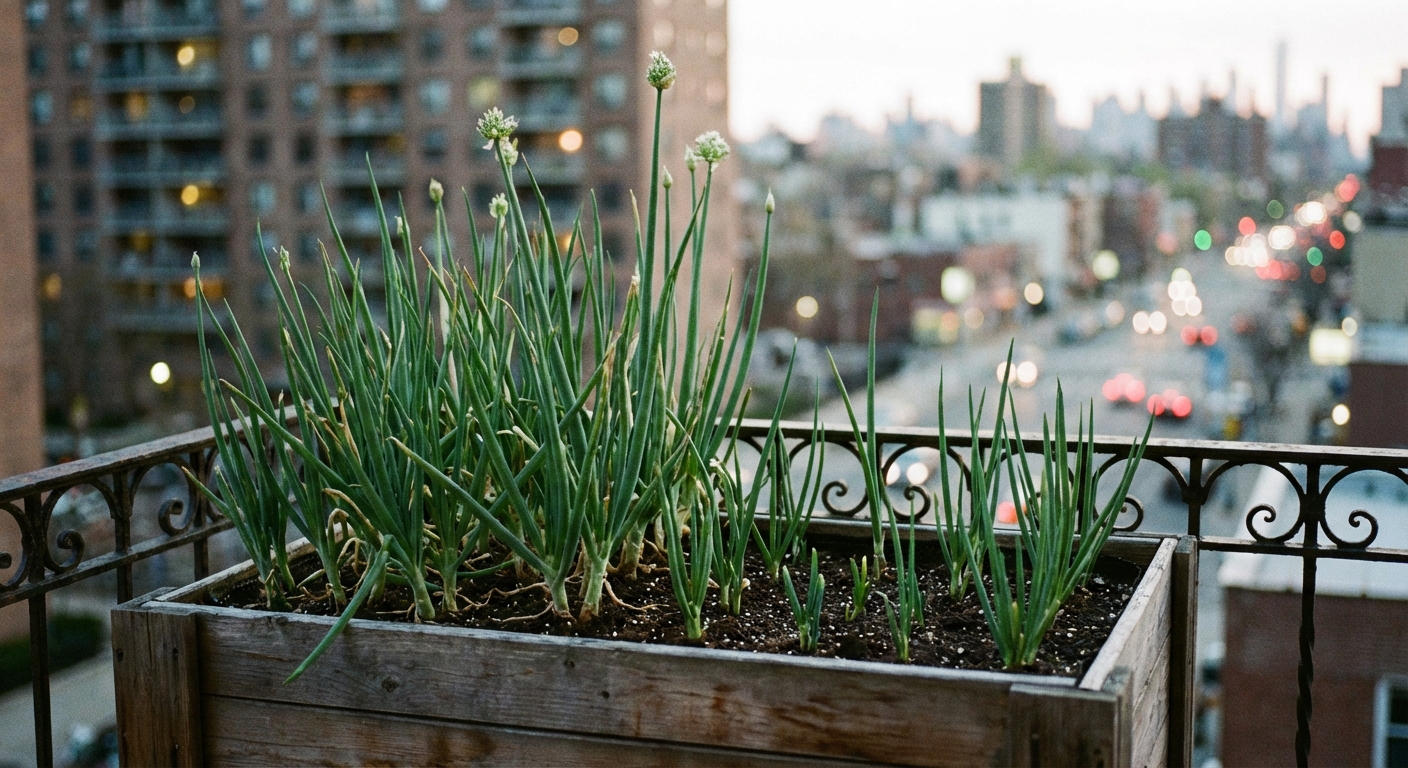
In-ground scallions are wonderfully low maintenance once established, especially if your soil holds moisture well.
Bed prep for sweet, tender scallions:
- Loosen soil 6 to 8 inches deep so roots can explore.
- Mix in compost for steady nutrition.
- Aim for loose, well-drained soil that is not overly rich.
- If you care about pH: neutral-ish is great (roughly 6.0 to 7.0), but do not overthink it.
- Avoid heavy fresh manure or too much high-nitrogen fertilizer, which can make plants lush but sometimes floppier.
Spacing: 1 to 2 inches apart in rows, with 6 to 8 inches between rows for easy weeding and harvesting.
Light and temperature
Green onions are flexible, but they grow best with strong light.
- Outdoors: Full sun is ideal, meaning 6+ hours of direct sun. They also tolerate partial sun.
- Indoors: A bright south-facing window can work. If growth looks thin or pale, add a grow light.
- Grow light target: About 12 to 14 hours a day makes a big difference for indoor thickness and speed.
- Temperature: Cool to mild temperatures are perfect. They tolerate light frosts and often taste sweeter in cool weather.
Indoor reality check: Windowsill scallions usually grow slower than outdoor ones. That is normal. If you want thick, fast growth indoors, a simple LED grow light is the shortcut.
Watering and feeding
The biggest scallion mistake I see is either soggy soil or bone-dry soil. Aim for evenly moist, like a wrung-out sponge.
Watering
- Containers: Check more often. Pots dry out faster, especially in sun and wind.
- Garden beds: Water deeply, then let the top inch of soil dry slightly before watering again.
Tip: If your greens taste harsh, inconsistent watering can be a culprit. Even moisture tends to produce more tender leaves.
Fertilizing
Green onions are light feeders, but they appreciate a little support.
- In beds: Compost at planting time is often enough.
- In containers: A diluted organic liquid fertilizer every 2 to 4 weeks can keep growth steady.
Succession planting
If you plant once, you get a wonderful burst of scallions and then a gap. If you plant in small waves, you can snip green onions for months.
Easy succession plan:
- From seed: Sow a small patch every 2 to 3 weeks during your growing season.
- From sets: Plant a handful every 2 to 4 weeks.
- From scraps: Replant bases whenever you cook with scallions.
My favorite beginner approach: Keep one container as your “always-onion” pot. Every time you harvest a plant fully, tuck a new set or a rooted kitchen base into the empty spot.
How long do they take to grow?
- From scraps: You can start snipping in about 1 to 2 weeks under good light.
- From sets: Often 3 to 6 weeks for harvestable greens.
- From seed: Commonly 8 to 12 weeks to reach a nice scallion size, sometimes faster in warm, bright conditions.
These are approximate. Light, temperature, and steady moisture can make the timeline feel like a completely different hobby.
Harvesting
You have two good options: snip-and-come-again or pull the whole plant.
Snip-and-come-again
Use clean scissors and cut the greens straight across about 1 to 2 inches above the soil line. The plant will regrow from the base.
- Do not cut all the way to the soil, which can slow regrowth.
- If you want the plant to bounce back faster, leave a little more green behind.
Whole plant harvest
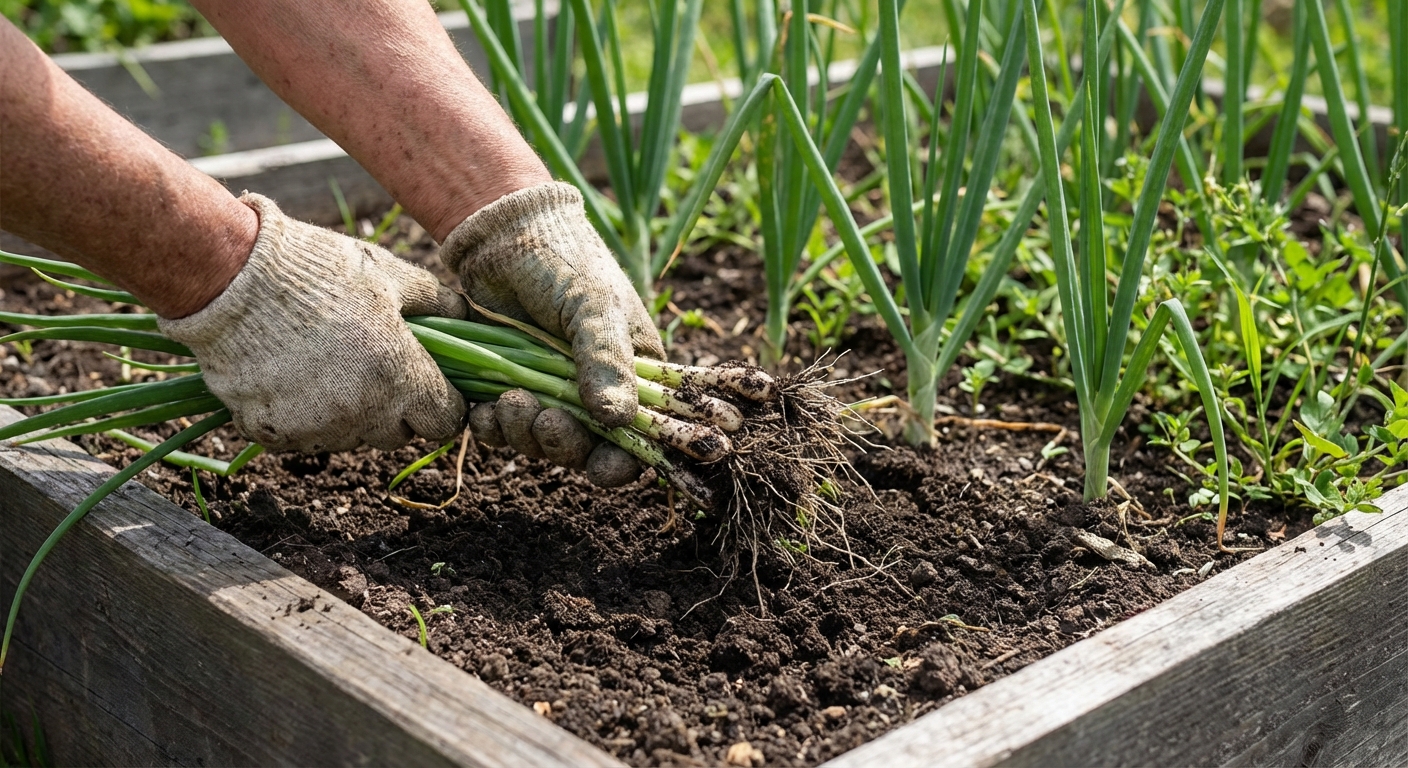
When you want the full white shank, loosen soil and pull the entire plant. This is common if you planted densely and want to thin as you go.
Quick clean-up tip: Trim roots, peel any slimy outer layer, rinse, and you are ready to chop.
Common problems
Thin, floppy, pale greens
- Cause: Not enough light.
- Fix: Move to a sunnier spot or add a grow light indoors (aim for 12 to 14 hours daily).
Yellow tips
- Cause: Inconsistent watering, pot drying out, or nutrient-poor container mix.
- Fix: Water more evenly and consider a gentle organic feed.
Rotting bases
- Cause: Too much water and poor drainage, or scraps sitting too deep in water.
- Fix: Improve drainage, let soil dry slightly between waterings, and keep scrap roots in shallow water only. Use a clean jar and fresh water.
Onion maggots or thrips (outdoors)
- Cause: Common garden pests that can stress alliums.
- Fix: Use row cover early in the season, keep weeds down, and rotate where you plant onions each year. Healthy soil and steady moisture also help plants outgrow minor damage.
Beginner plans
Scallions for dinner
- Regrow 6 to 10 kitchen bases in a jar for a few days.
- Plant them into a 6 to 8 inch deep pot with drainage.
- Place in the sunniest window you have (or add a grow light).
- Snip greens as needed, leaving 1 to 2 inches above the soil.
Steady supply
- Start one container from seed (or sets).
- Every 2 to 3 weeks, sow or plant a small new section.
- Harvest from the oldest section first.
If you do nothing else, do this: plant in small waves. It turns green onions from a one-time crop into a habit.
Quick FAQ
Do green onions grow back after cutting?
Yes, especially if you leave 1 to 2 inches of growth above the soil line and keep them in decent light.
Can I grow green onions indoors year-round?
Yes. You will get the best results with strong window light or about 12 to 14 hours under a simple grow light, plus consistent watering.
How deep do green onion roots grow?
They are relatively shallow. A 6-inch deep container is usually enough, though deeper pots hold moisture more evenly.
Are scallions the same as bunching onions?
Often, yes in the kitchen. Many “bunching onion” varieties are bred to stay non-bulbing and are excellent for repeated scallion harvests.
A gentle nudge
If you are new to growing food, green onions are the kind of plant that makes you feel capable fast. Start with scraps if you want instant momentum, then graduate to seeds or sets when you are ready. Your future self will thank you the next time a recipe calls for “just a sprinkle of scallions” and you can step outside, or over to the windowsill, and snip your own.