How to Grow Beets at Home

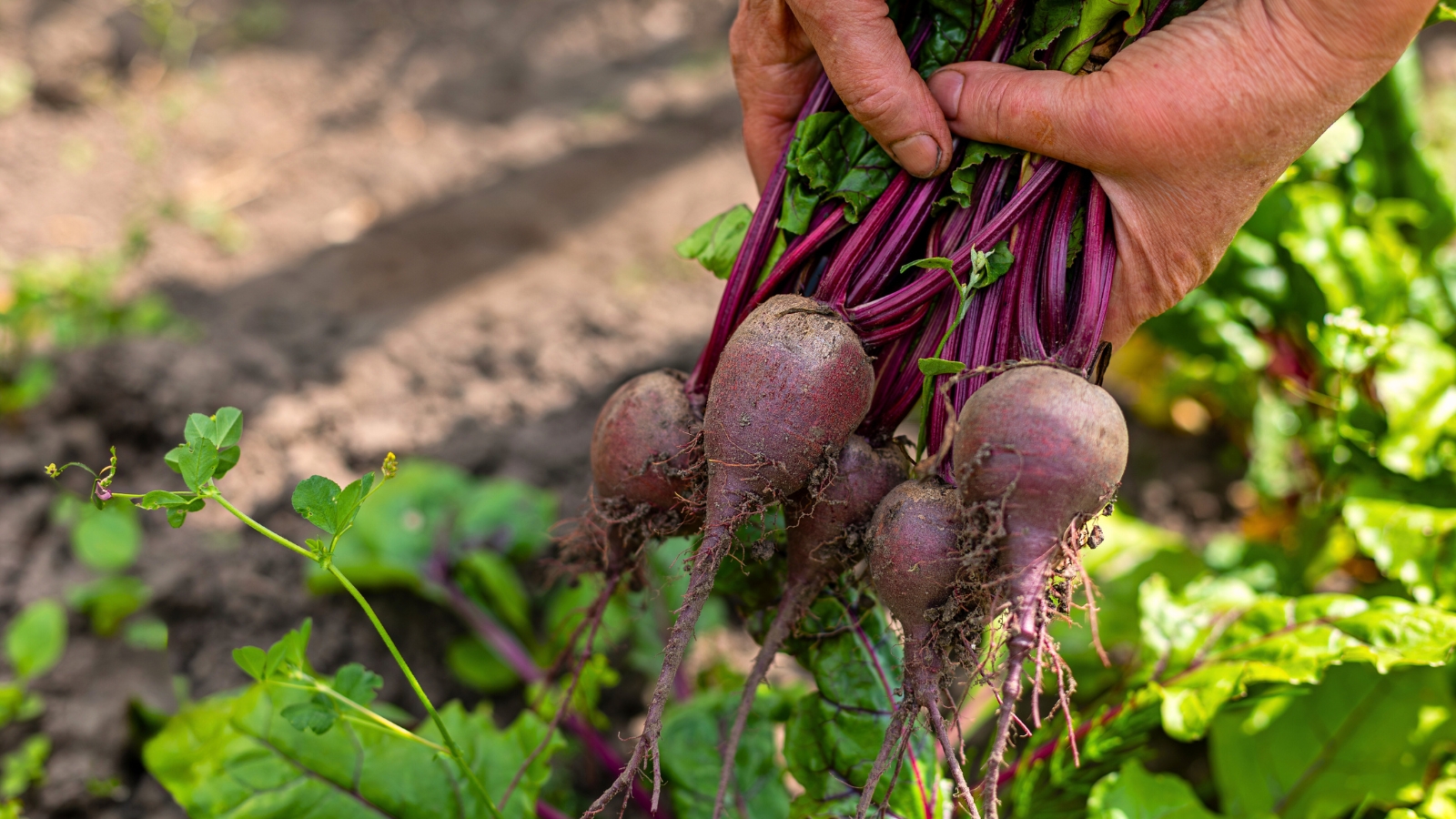
Beets are one of those quietly magical crops. Plant a humble seed, and you get two harvests for the price of one: earthy-sweet roots and glossy greens that cook down like spinach with a little extra personality. If you have ever pulled a beet and found it woody or cracked, do not worry. That often comes down to a few fixable things: soil texture, moisture consistency, and timing.
Let’s grow beets the way I wish everyone learned first: simple steps, healthy soil, and a little patience while the roots fatten up underground.

Beets in a nutshell
- Best seasons: Cool weather. Spring and fall are prime.
- Sun: Full sun is best, but beets tolerate light shade.
- Days to harvest: Variety-dependent, often 45 to 75 days for roots, sooner for greens.
- Space: After thinning, about 3 to 4 inches between plants.
- Big secret: Even moisture plus loose soil equals tender roots.
Soil prep for round, tender roots
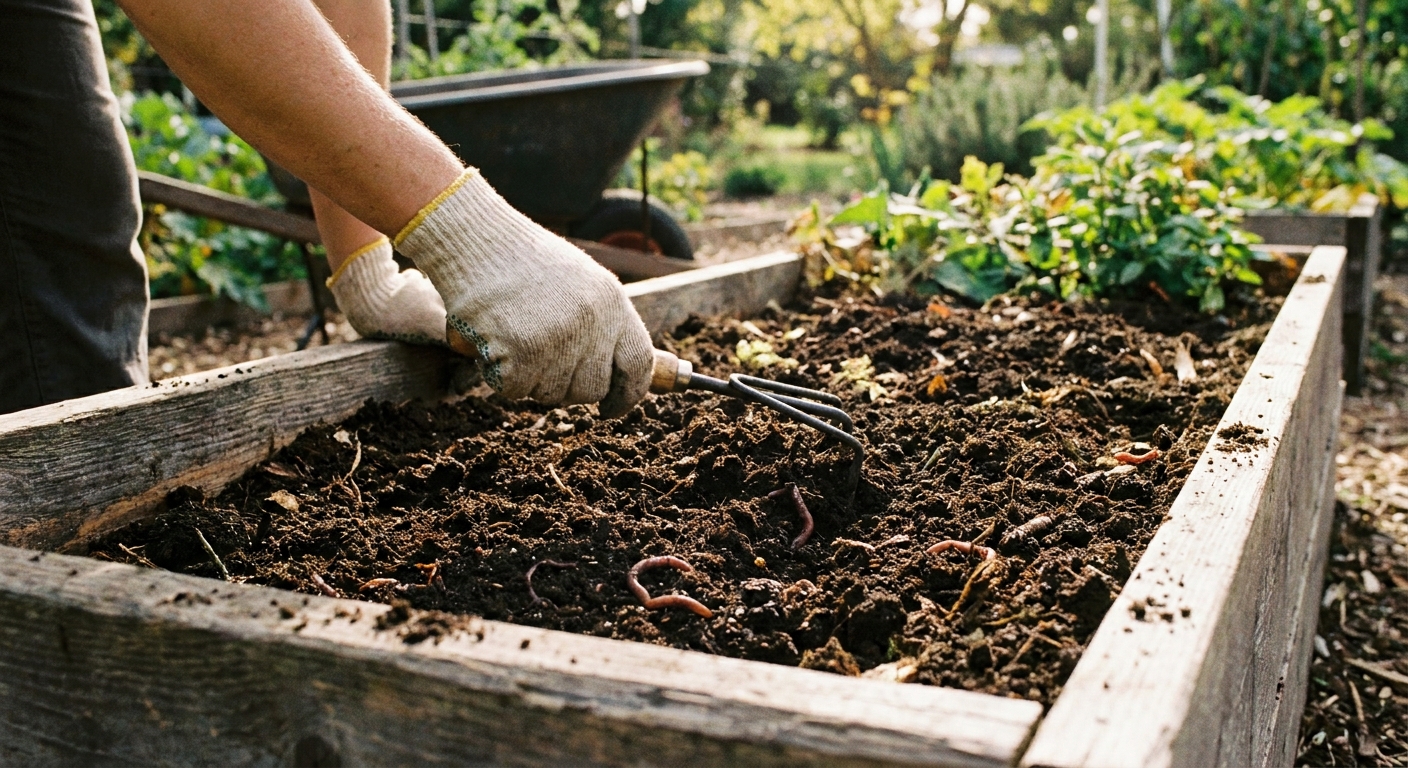
If you want beets that are round and smooth instead of knobby and stubborn, think like a beet. The root wants to swell evenly, which is hard to do in compacted soil, rocky soil, or soil with big clods that dry out quickly.
What beets love
- Loose soil: Work the bed 8 to 10 inches deep. Remove rocks and break up clumps.
- Compost: Mix in 1 to 2 inches of finished compost for steady nutrition and better moisture retention.
- Steady pH: Slightly acidic to neutral, roughly 6.0 to 7.0 (up to about 7.5 is usually fine).
What to avoid
- Fresh manure or heavy nitrogen: You will get big leafy tops and smaller roots.
- Letting the bed crust over: Beet seedlings are determined, but a hard crust can slow germination and lead to uneven stands.
Soil note: If your soil is naturally heavy clay, do not fight it with sand. Add compost every season, grow cover crops when you can, and consider a raised bed for the fluffiest beet results.
When to plant beets
Beets are happiest when days are mild and nights are cool. Heat can make them taste stronger and, if moisture is inconsistent, push them toward toughness. Overmature roots can also turn woody, so planting for the right season helps you harvest at the sweet spot.
- Spring: Sow as soon as soil can be worked and is roughly 45°F to 50°F or warmer (they can sprout cooler, but they are steadier when soil warms a bit).
- Fall: Sow 8 to 10 weeks before your first expected frost for roots, or a bit later if you mainly want greens.
If your summers are hot, fall beets can be the sweetest of the year. Cool nights do something lovely to their flavor.
Bolting basics
Beets can bolt if they experience a prolonged cold snap after they are established, especially in spring. If your weather swings wildly, wait a little longer to sow, or use a light row cover to smooth out the extremes.
How to sow beet seeds
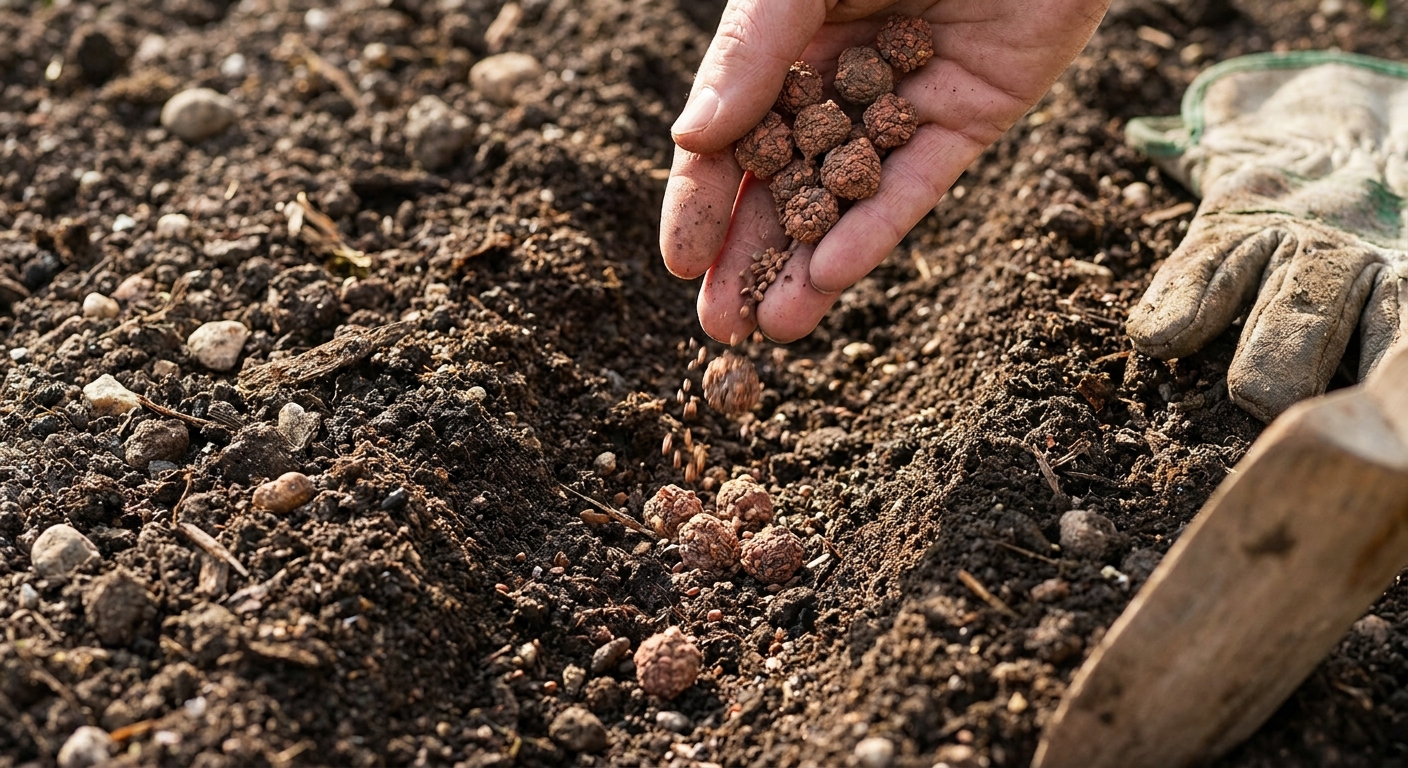
Beet “seeds” are often little clusters called seedballs, which means you can get multiple seedlings from one spot. That is normal and it is why thinning matters so much. Some varieties are sold as monogerm seed, which typically produces one seedling per seed, so always check your packet.
Step-by-step sowing
- Make shallow furrows: About 1/2 inch deep.
- Space seeds: Aim for 1 to 2 inches apart. You will thin later.
- Cover lightly: Firm the soil gently so seeds have good contact.
- Water softly: Keep the top inch of soil evenly moist until germination.
Germination usually takes 5 to 12 days, depending on temperature.
Succession sowing
If you plant one big beet patch all at once, you will harvest a mountain of roots all at once. Delightful for a short stretch, then you are begging your neighbors to take beets. Succession sowing spreads the harvest out and keeps roots tender.
- For spring: Sow a short row every 2 to 3 weeks until warm weather settles in.
- For fall: Sow every 2 to 3 weeks for a month, then let the last planting mature for storage.
Small, frequent sowings are the secret to always having beets at their sweet spot.
Thinning seedlings
I know. Thinning feels like heartbreak. But crowded beets compete underground, and that is when you get a lot of small roots instead of a few satisfying ones.
When to thin
Thin when seedlings are 2 to 3 inches tall.
How to thin without disturbing roots
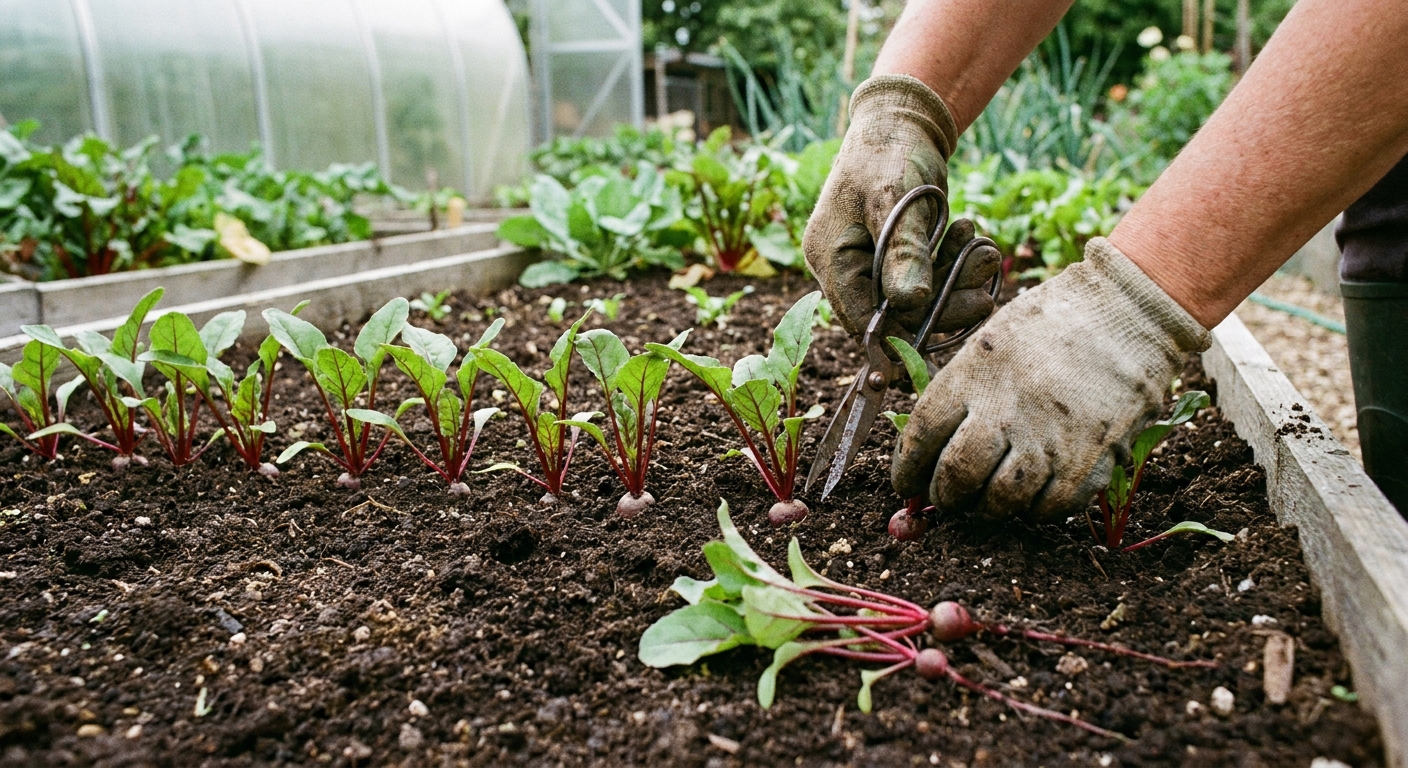
- Snip, do not yank: Use scissors to cut extras at soil level, especially if seedlings are close together.
- Final spacing: 3 to 4 inches apart for medium to large roots. Go 2 inches apart if you want smaller baby beets.
Bonus: The thinnings are edible. Toss tiny greens into salads, or sauté them with garlic and a squeeze of lemon.
Watering
Woody, tough beets are often beets that went through drought stress, then got flooded, then dried again. That stop-and-start growth makes the root fibers more noticeable and can also cause cracking. Heat and letting roots sit too long can add to toughness, too, so moisture plus timing is the winning combination.
What consistent moisture looks like
- Deep, regular watering: Aim to keep soil evenly damp several inches down.
- Mulch helps: A light layer of straw, shredded leaves, or fine bark keeps moisture stable and soil cooler.
- Container tip: Pots dry out faster, so check moisture daily in warm weather.
A good rule is to water when the top inch of soil feels dry. Beets do not want soggy feet, but they also do not want to tough it out.
Feeding beets
Beets are not heavy feeders, especially if you started with compost-rich soil. Too much nitrogen can push leafy growth at the expense of roots.
- Before planting: Compost is usually enough.
- Mid-season boost (optional): If growth seems slow, top-dress with a small handful of compost around plants or use a balanced organic fertilizer at a light rate.
- Micronutrients: In some soils, boron deficiency can cause internal browning or rough roots. If you suspect this year after year, consider a soil test rather than guessing.
Best beet varieties
Any beet can be a good beet if it is grown in cool weather and harvested on time, but a few types are especially friendly for home gardens.
- Classic reds: ‘Detroit Dark Red’ is a reliable standard.
- Striped: ‘Chioggia’ is sweet and pretty when sliced.
- Golden: ‘Golden’ types are mild and do not stain quite as fiercely.
- Seed type: Look for “monogerm” on the packet if you want fewer clumps at thinning time.
Growing beets in containers
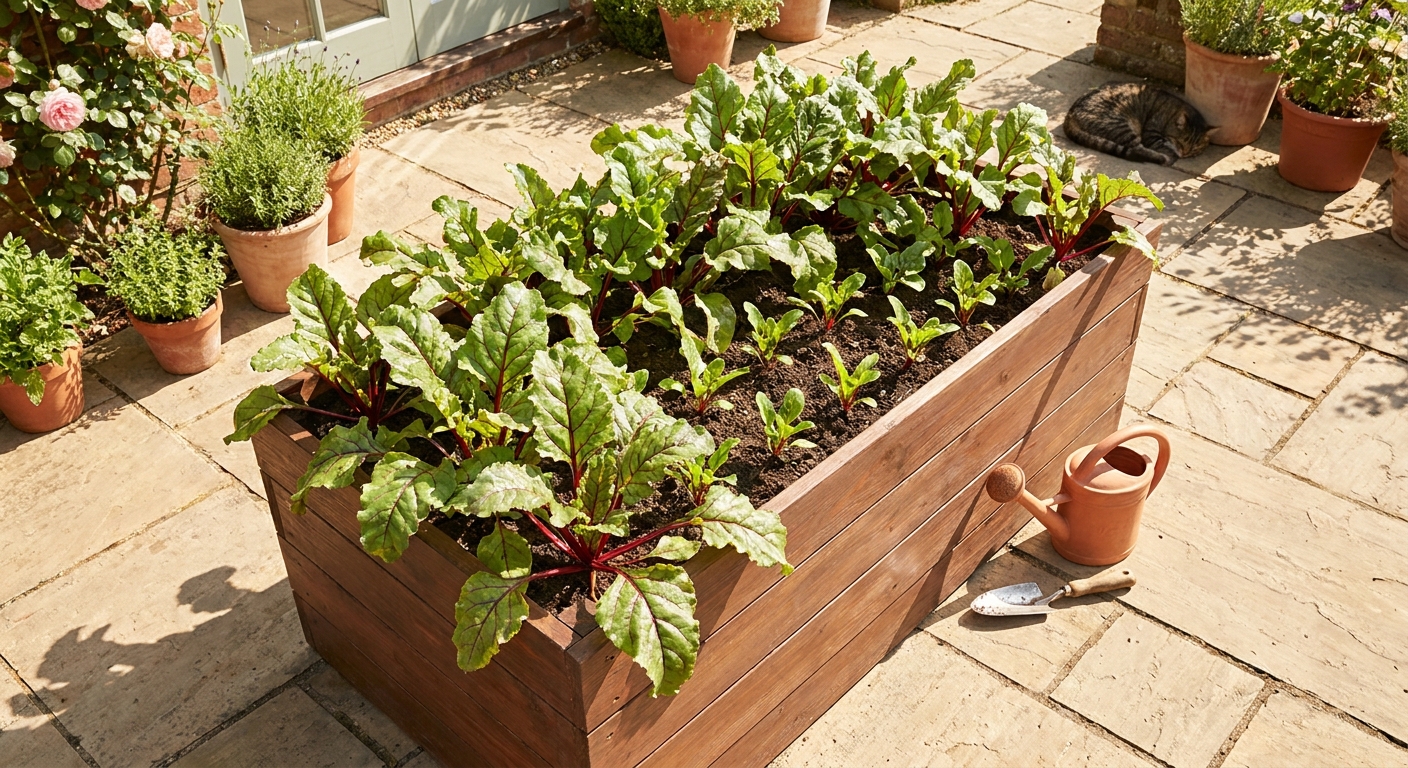
Beets are wonderful in pots because you can control soil texture and moisture. Also, nothing beats stepping outside with a bowl and harvesting dinner from your patio.
Container depth guidance
- Minimum depth: 10 to 12 inches for reliable root development.
- Ideal depth: 12 to 16 inches if you want consistently round roots and easier moisture management.
- Width: Wider is better than tall for planting a little cluster. A 14 to 18 inch diameter pot can hold several beets.
Best potting mix approach
- Use a quality organic potting mix.
- Blend in compost (up to about 25 to 30%) for fertility.
- Make sure the container has drainage holes.
Spacing in pots: After thinning, keep plants about 3 inches apart. If you crowd them, they will still grow, but you will harvest more baby-sized beets.
Harvesting greens vs roots
You can harvest beet greens early and often, and still get good roots, as long as you do it gently.
Harvesting greens
- Wait until plants are at least 6 inches tall.
- Pick 1 to 2 outer leaves per plant at a time.
- Leave the center leaves so the plant keeps growing and feeding the root.
Harvesting roots
- Baby beets: Harvest when roots are 1 to 2 inches wide for extra tenderness.
- Full size: Many varieties are best around 2 to 3 inches wide. Much bigger can still be tasty, but the texture becomes more variable.
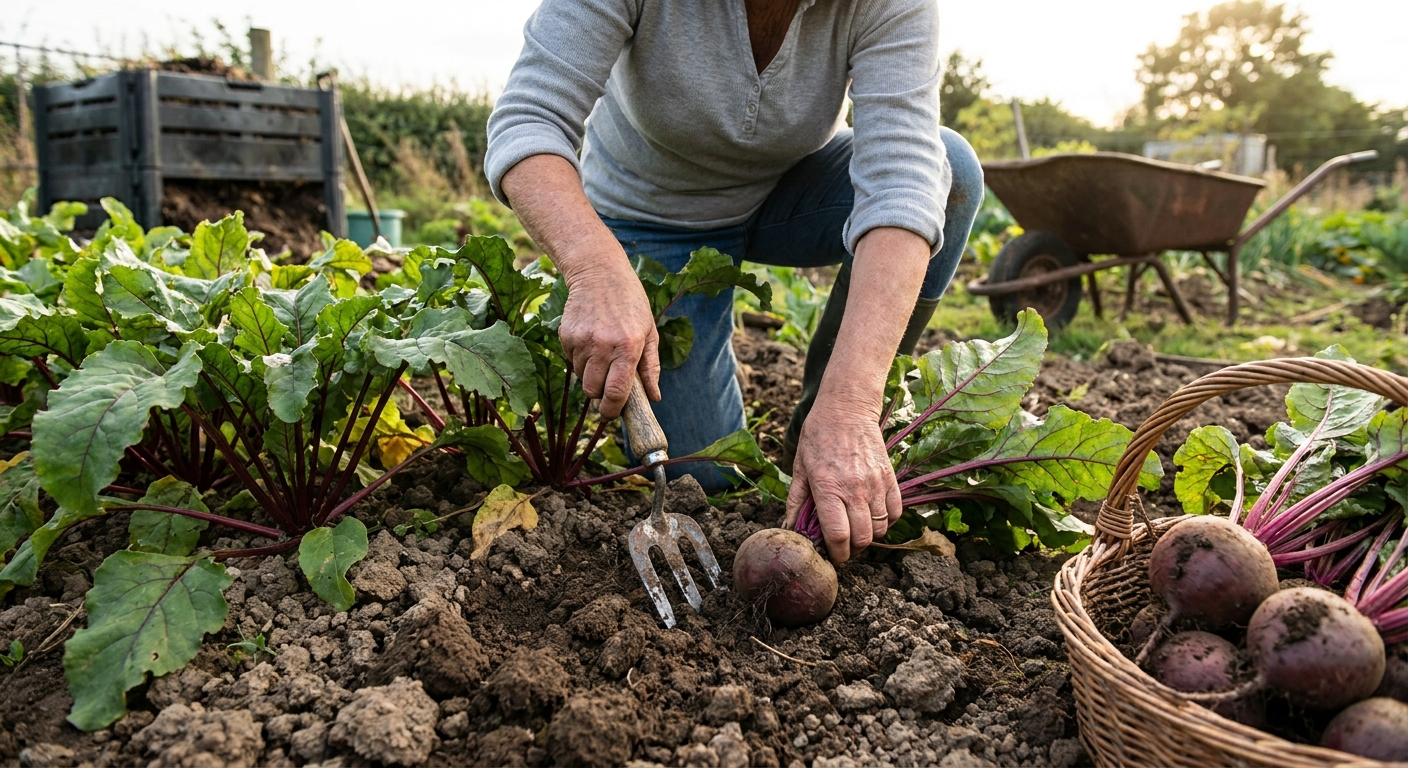
- How to pull: Water the bed first if soil is dry, then loosen with a hand fork and pull by the base of the stems.
Once you harvest, twist tops off instead of cutting. Leave about 1 inch of stem to reduce bleeding and help roots store better.
Storing your beet harvest
Fresh beets store beautifully, which is one reason I always sneak in a fall planting. Treat them gently and they will reward you for weeks.
Short-term storage (refrigerator)
- Remove greens, leaving about 1 inch of stems.
- Do not wash until you are ready to use them. Brush off excess soil instead.
- Store in a breathable bag or container in the crisper drawer.
Longer storage (root cellar style)
- Store beets in a cool, dark, humid place.
- Pack in slightly damp sand or sawdust in a bin to reduce shriveling.
- Check occasionally and remove any roots that soften.
Greens are best used within a few days. Roots can last weeks in the fridge and even longer in proper cool storage.
Pests and diseases
Most beet problems are preventable with a little observation and a few gentle habits.
- Leaf miners: Pale trails inside leaves. Remove badly affected leaves and consider row cover early in the season.
- Flea beetles and aphids: Small, annoying, usually manageable. Row cover helps, and a strong spray of water can knock aphids back.
- Leaf spots (like Cercospora): Remove spotted leaves, avoid overhead watering late in the day, and rotate crops so beets do not return to the same bed too quickly.
Troubleshooting common beet problems
My beets are all tops and no roots
- Too much nitrogen, too much shade, or too much crowding.
- Thin properly and go easy on fertilizer.
My beets are woody or tough
- Inconsistent watering, heat stress, or overmaturity can all contribute.
- Mulch to stabilize moisture and harvest at 2 to 3 inches wide for the best texture.
My beets are cracked
- Often caused by dry soil followed by heavy watering or rain.
- Water more evenly and consider mulching.
Seedlings are spotty
- Soil crusting, letting the seedbed dry out, or planting too deep.
- Keep the surface consistently moist until sprouts appear, and sow about 1/2 inch deep.
My beets are not bulbing
- Common causes include crowding, too much shade, heat, or simply a variety that sizes differently than you expected.
- Thin, give them sun, and aim your main root-growing plantings for cool weather. If roots are already large and time is passing, harvest rather than waiting for perfection.
A simple beet plan
- Loosen soil 8 to 10 inches deep and mix in compost.
- Sow seeds 1/2 inch deep in a sunny spot.
- Keep the top inch of soil evenly moist until germination.
- Thin seedlings to 3 to 4 inches apart when they are a few inches tall.
- Water consistently and mulch lightly to prevent woody roots.
- Harvest greens gently, and pull roots at 2 to 3 inches wide for the best texture.
- Twist tops off and store roots cool for long-lasting sweetness.
If you try beets again after a black thumb beet year, I want you to remember this: beets are not fussy, they are just honest. Give them loose soil, steady water, and a timely harvest, and they will do the rest underground, quietly, like a secret.