
How to Get Rid of Ticks in Your Yard Naturally

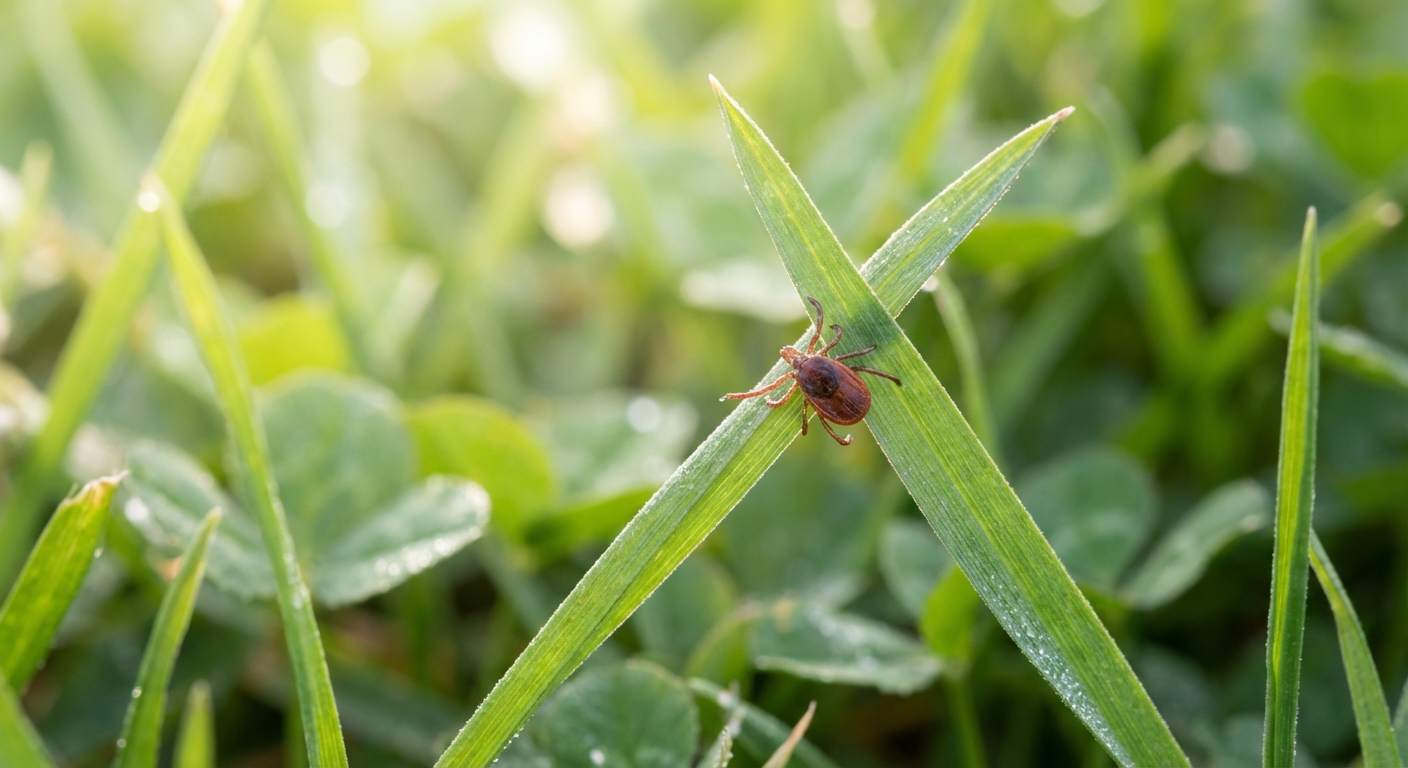
If ticks have been making your backyard feel a little less like a sanctuary and a little more like a hazard zone, you are not alone. Ticks thrive where moisture, shade, and wildlife overlap. The good news is you can make your yard much less inviting using a handful of natural, soil-friendly strategies that stack together like layers of mulch.
Think of this as gentle but persistent pressure. You are not trying to “nuke” your yard. You are reshaping habitat, interrupting the tick life cycle, and protecting the humans and pets who actually belong there.
Know what you are fighting
Ticks are not insects. They are arachnids, and they spend most of their lives down low in vegetation, leaf litter, and the edges where lawn meets brush. They wait with their front legs outstretched and grab onto passing hosts. That is why edging and border work in a yard can make such a dramatic difference.
Where ticks usually hide
- Leaf litter and damp mulch (especially in shade)
- Tall grass and unmowed areas
- Wooded edges where wildlife travels
- Stone walls, log piles, and brush piles
- Under bird feeders where mice and other small hosts gather
Tick hot spots are often very specific, like a shady side yard, the path to the compost pile, or the back fence line. If you can identify those areas, you can target your efforts and keep the rest of your yard more relaxed and natural.
Yard habits that help most
If you do only one thing, do this section. Habitat change is the backbone of natural tick control. Sprays and powders can help, but they work best when you have already made your yard less tick-friendly.
Mow and trim with intention
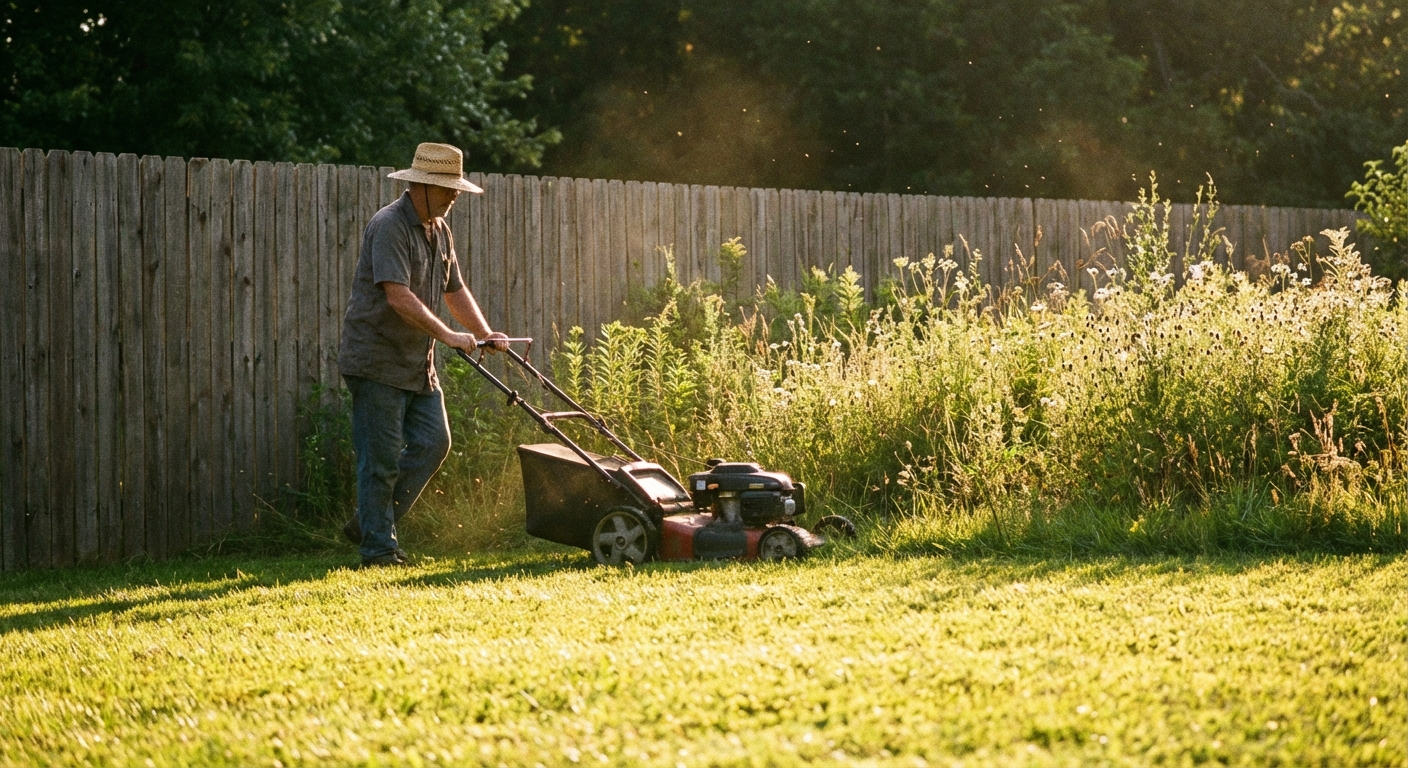
- Keep grass shorter during peak tick season. Ticks need humidity, and tall grass holds it like a sponge.
- Trim along fence lines, sheds, and play areas where grass gets shaggy and shaded.
- Open up airflow by pruning low branches and thinning dense shrubs near paths and patios.
I am not here to bully you into a golf-course lawn. A little wildness is beautiful. Just try to keep the areas where you walk, garden, and sit a bit more “sunny and breezy.”
Reduce leaf litter and damp hiding spots
Leaf litter is tick paradise. In early spring and again in fall, rake or blow leaves out of:
- wooded edges
- under shrubs and hedges
- around kid and pet areas
- garden paths and sitting spots
In garden beds, you do not have to go bare. If you love mulch like I do, consider a thinner layer near paths and use coarser wood chips that dry faster.
Add a border strip
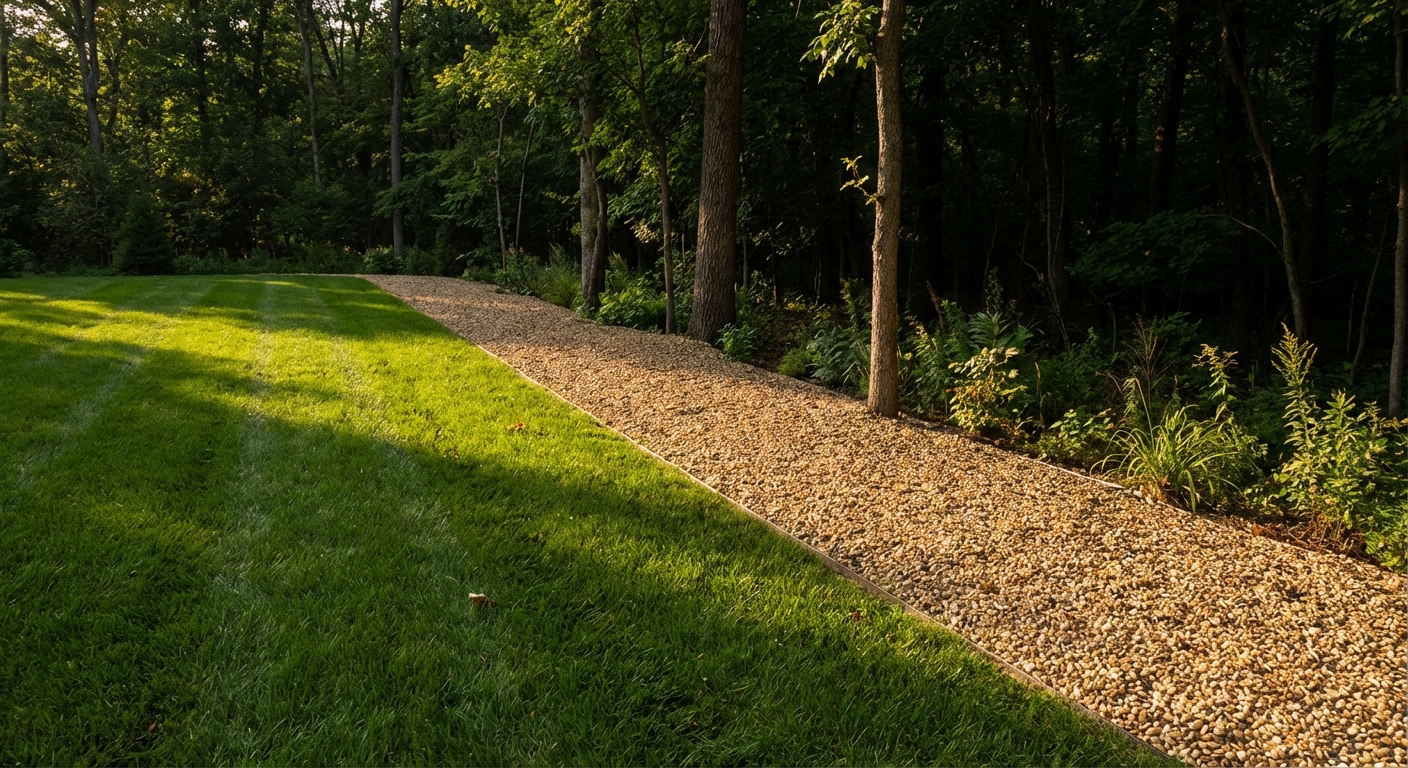
This is one of my favorite low-effort, high-payoff moves. If your yard borders woods or brush, install a 3-foot (or wider) dry strip that ticks are less likely to cross.
- Gravel (pea gravel or crushed stone)
- Coarse wood chips that stay drier than leaf litter
A border strip works best when you also keep the “wild edge” trimmed back a bit, so it does not immediately shade the strip. (Many cooperative extensions recommend this kind of wood chip or gravel border as part of a tick IPM approach.)
Natural treatments that can help
Once your yard is less hospitable, you can add targeted treatments for remaining tick pressure. Natural does not mean harmless, so apply thoughtfully and avoid blanket applications when you can. When you buy a product, prioritize clear directions and follow the label.
Cedar oil spray
Cedar oil products are popular because they are plant-based and may help repel ticks. Some products are also marketed for killing ticks on contact, but results can vary by formulation, application, and conditions. Think of cedar oil as a repeatable perimeter tool, not a one-and-done miracle.
- Where to apply: shady edges, under shrubs, tall grass you cannot remove, perimeter around patios and play areas
- When: during tick season and after heavy rain, using the label schedule (reapplication timing varies by product)
- How: spray low vegetation and the edges where ticks quest
Garden note: If you are spraying near pollinator plants, do it in the evening when bees are not active, and avoid spraying directly onto blooms.
Diatomaceous earth (DE)
Food-grade diatomaceous earth is a fine powder made from fossilized algae. It works by abrasion and drying: it can scratch the waxy outer layer of an arthropod’s body and contribute to dehydration. Ticks are hard-bodied, so outdoor DE is best viewed as a situational helper, not a main strategy. It also must stay dry to work.
- Use DE in: cracks along stone borders, under decks, dry perimeter areas, and along the edge of garden paths
- Avoid: windy days and places where it will wash away
- Safety: wear a dust mask and keep pets and kids away during application so you are not breathing the dust
In humid climates or rainy weeks, DE can be frustrating. In dry, protected spots, it can still be useful.

Beneficial nematodes
If you want a solution that feels like it belongs in a healthy soil ecosystem, beneficial nematodes are it. These microscopic organisms live in the soil and may help reduce certain soil-dwelling pests. Some entomopathogenic nematodes, commonly from the genera Steinernema and Heterorhabditis, are sold for tick and yard pest programs, but results vary widely by tick species, life stage, soil moisture, and temperature.
- Look for: species marketed for tick and soil pest control (often sold as a refrigerated live product)
- When to apply: when soil is warm enough for the species you buy, often late spring through early fall
- How to apply: water them in, then keep soil consistently moist for about a week so they establish
- Where: shady lawn edges, under shrubs, woodland border, and areas with known tick activity
They are not instant. Think of nematodes as a season-long soil ally that can reduce pressure, especially when combined with cleanup and border work.
Support predators, avoid rodent magnets
Your yard has a food web. When you support it, you often get fewer pest surprises. The bigger “needle mover” for ticks, though, is keeping rodents from feeling too comfortable near your house.
- Birds: ground-foraging birds may eat ticks, but do not rely on bird feeders near the house. Feeders often concentrate rodents, which are key tick hosts.
- Garden diversity: native plantings support beneficial insects that help keep other garden pests in balance, while tidy edges and reduced clutter make your yard less appealing to rodents.
Instead of trying to “attract everything,” focus on removing rodent-friendly clutter and keeping edges tidy. That is what tends to matter most for ticks.
Guinea fowl: pros and cons
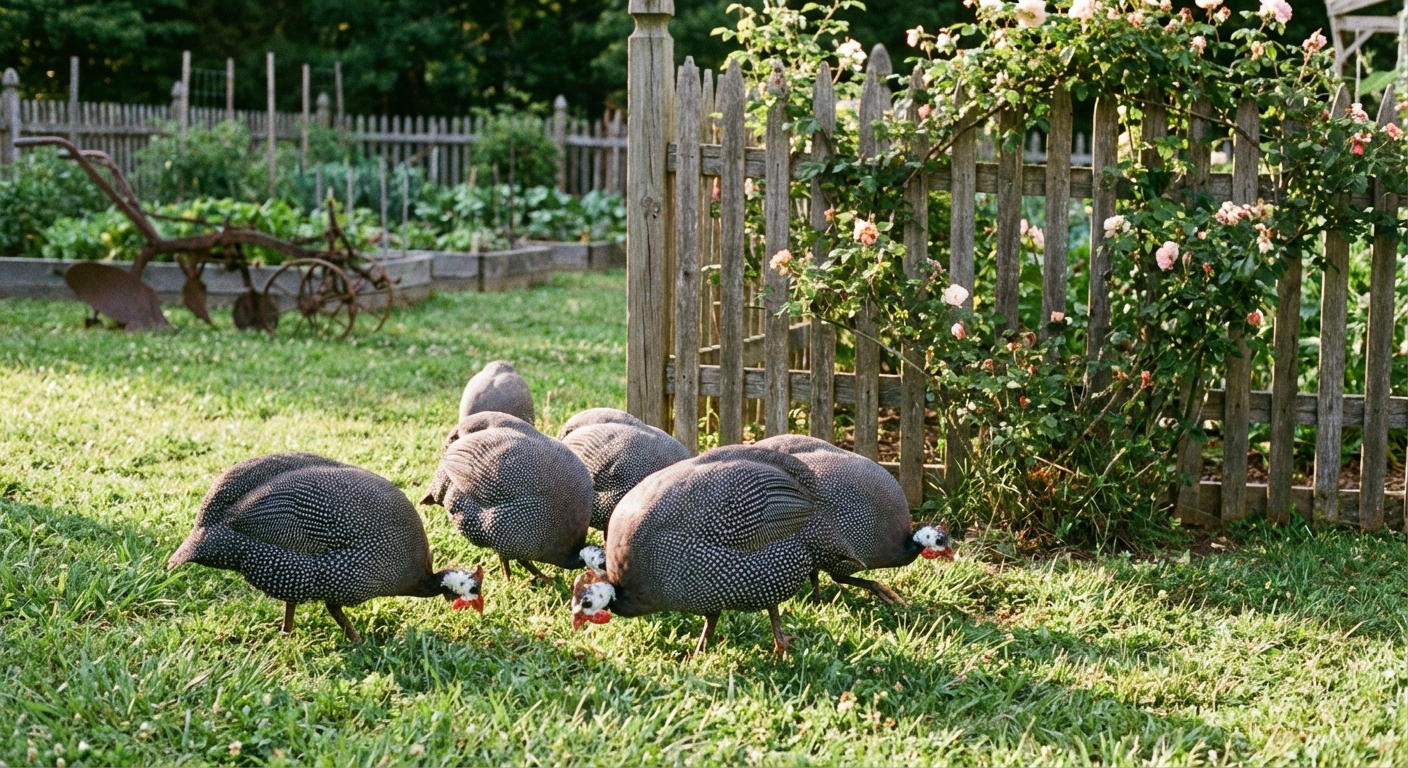
You have probably heard the legend: guinea fowl eat ticks. They do, and some homesteads swear by them. Still, real-world results can be inconsistent, and guinea fowl are not a quiet, invisible solution. They are livestock with opinions.
Pros
- They forage all day and may reduce tick encounters in the areas they patrol.
- They are alert and can help deter some snakes and predators by making noise.
- They fit well in rural settings with space and tolerant neighbors.
Cons
- Noise: guinea fowl can be loud. Very loud.
- Roaming: they wander, and they may not respect property lines.
- Care needs: shelter, predator protection, and winter considerations in colder climates.
- Not surgical: they will not focus only on ticks, and they can scratch in beds.
If you are already equipped for keeping poultry and you live where roaming birds will not cause drama, guinea fowl can be part of your strategy. For most suburban yards, habitat changes plus targeted treatments are simpler.
Reduce ticks by reducing hosts
Ticks need animals to complete their life cycle. In many parts of North America, mice and deer (plus other small mammals) are major drivers of yard tick populations, though it varies by region and tick species.
Simple ways to lower host traffic
- Move bird feeders away from patios and play areas, and clean up spilled seed to avoid feeding mice.
- Seal gaps under sheds and decks where rodents nest.
- Keep brush piles and wood stacks neat and as far from the house as practical.
- Use fencing if deer pressure is high, especially around the perimeter and garden beds.
Tick tubes (a targeted option)
If you want something very specific for the mouse portion of the problem, look into tick tubes. These are cardboard tubes filled with cotton treated with permethrin. Mice collect the cotton for nesting, which can kill ticks on the mice and help reduce local tick numbers. Use only ready-to-use products and follow label directions carefully. Do not DIY permethrin projects.
You do not need to turn your yard into a sterile box. You are simply removing the cozy, hidden lodging that makes ticks and their hosts feel at home.
Protect yourself and your pets
Even with excellent yard habits, you will still encounter ticks sometimes, especially if you garden near borders or keep a wilder landscape. The goal is to stop ticks before they bite and to catch them early if they do.
Dress for the job
- Wear closed-toe shoes and socks pulled up.
- Choose light-colored clothing so ticks are easier to spot.
- Tuck pant legs into socks when you are working in tall vegetation or leaf litter.
Use repellents thoughtfully
- EPA-registered repellents can be very effective when used as directed. Follow label instructions carefully, especially for kids.
- Permethrin-treated clothing is another option for serious tick areas. It is used on clothing, not skin, and can be long-lasting. Keep permethrin products away from cats while wet, since permethrin can be toxic to cats before it dries.
If you prefer plant-based repellents, use them as one layer, but know they often need more frequent reapplication. Also skip homemade essential oil mixes, especially around pets and pollinator plants.
Tick checks and laundry
After gardening, do a quick check before you flop onto the couch.
- behind knees
- waistband and bra line
- under arms
- hairline and scalp
- around socks and ankles
Showering soon after being outdoors can help wash off unattached ticks. For clothes, the most reliable move is to put dry clothes straight into a hot dryer on high heat for 10 to 15 minutes before washing. Washing first can make ticks harder to kill in the dryer.
Do not forget your pets
Pets are tick magnets. Keep them protected with a vet-recommended preventive for your area, check ears, collar lines, toes, and under tails after yard time, and try to steer them away from brushy edges and tall grass when ticks are active.
A simple plan to follow
If you want a clear starting point, here is a realistic plan that does not require turning your life into a full-time tick operation.
This weekend
- Mow and trim lawn edges and pathways.
- Rake leaf litter out of shady hot spots.
- Move any brush piles away from the house.
- Do a quick perimeter walk and flag the most shaded, damp edges for targeted attention.
Over the next 2 to 4 weeks
- Add a gravel or coarse wood chip border strip along wooded edges if possible.
- If you choose a spray, apply it to hot spots and perimeters only, then repeat per label directions.
- Use DE only in dry, protected locations where it will stay effective.
- Consider tick tubes if rodents are part of the picture in your yard.
This season
- Apply beneficial nematodes to tick-prone edges if your conditions and product choice support it, and keep soil moist for establishment.
- Reduce rodent attractions like spilled birdseed and cluttered storage corners.
- Build a “tick check” routine into your gardening habits, including your pets.
Most yards see the best results from consistency, not intensity. Small, repeated actions are how you change the microclimate ticks depend on.
When to call a pro
If someone in your household is at higher risk for tick-borne illness, or you are finding large numbers of ticks despite doing the basics, it may be time to consult a local professional for an integrated pest management approach. You can still request lower-toxicity options and targeted applications. A good provider will talk habitat first, not just treatments.
Quick reminder: This article is for general education. For medical questions, tick bite symptoms, or guidance after a bite, contact a healthcare professional and follow local public health recommendations. For additional yard and prevention guidance, check resources from the CDC and your local cooperative extension.