
How to Get Rid of Stink Bugs in the Garden

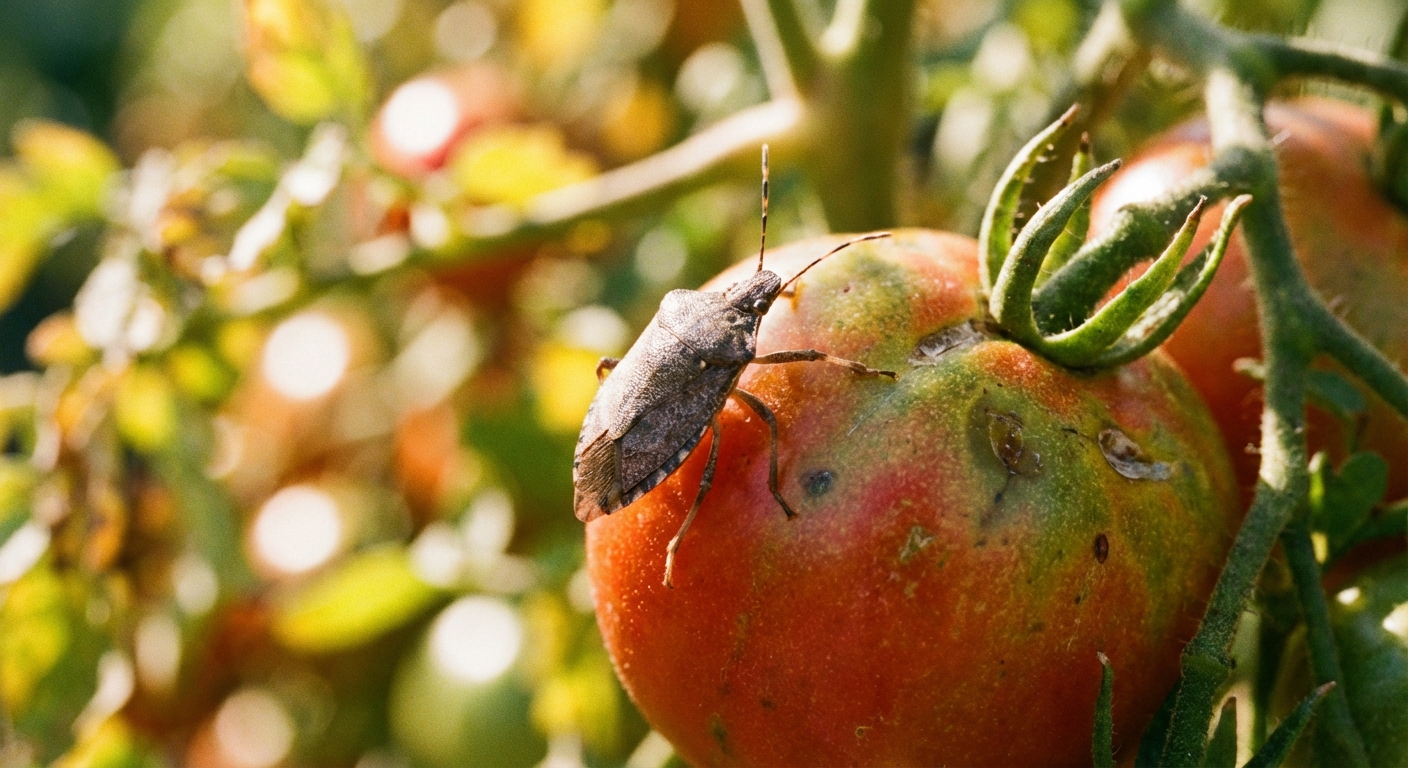
If you have ever picked a tomato that looked perfect from the porch, only to find a pale, corky patch on the shoulder or a weird hard spot under the skin, you have met the stink bug problem. These shield-shaped sap suckers are sneaky. They do not always chew holes or leave obvious frass. They simply pierce, sip, and move on, leaving your harvest to show the bruises later.
The good news: you do not need harsh chemicals to get stink bugs under control. A few simple habits, some smart plant choices, and a little timing can make a big difference.
Meet the culprits
Gardeners often deal with two very common types: the brown marmorated stink bug (an invasive species in many areas) and the green stink bug (a common native pest). But stink bugs are a big family, and what shows up in your yard can vary by region. Depending on where you live, you may also see other brown stink bugs (Euschistus species), one-spotted stink bug, red-shouldered stink bug, and more.
The good news is that they feed in similar ways and cause similar damage, so the control plan is mostly the same.
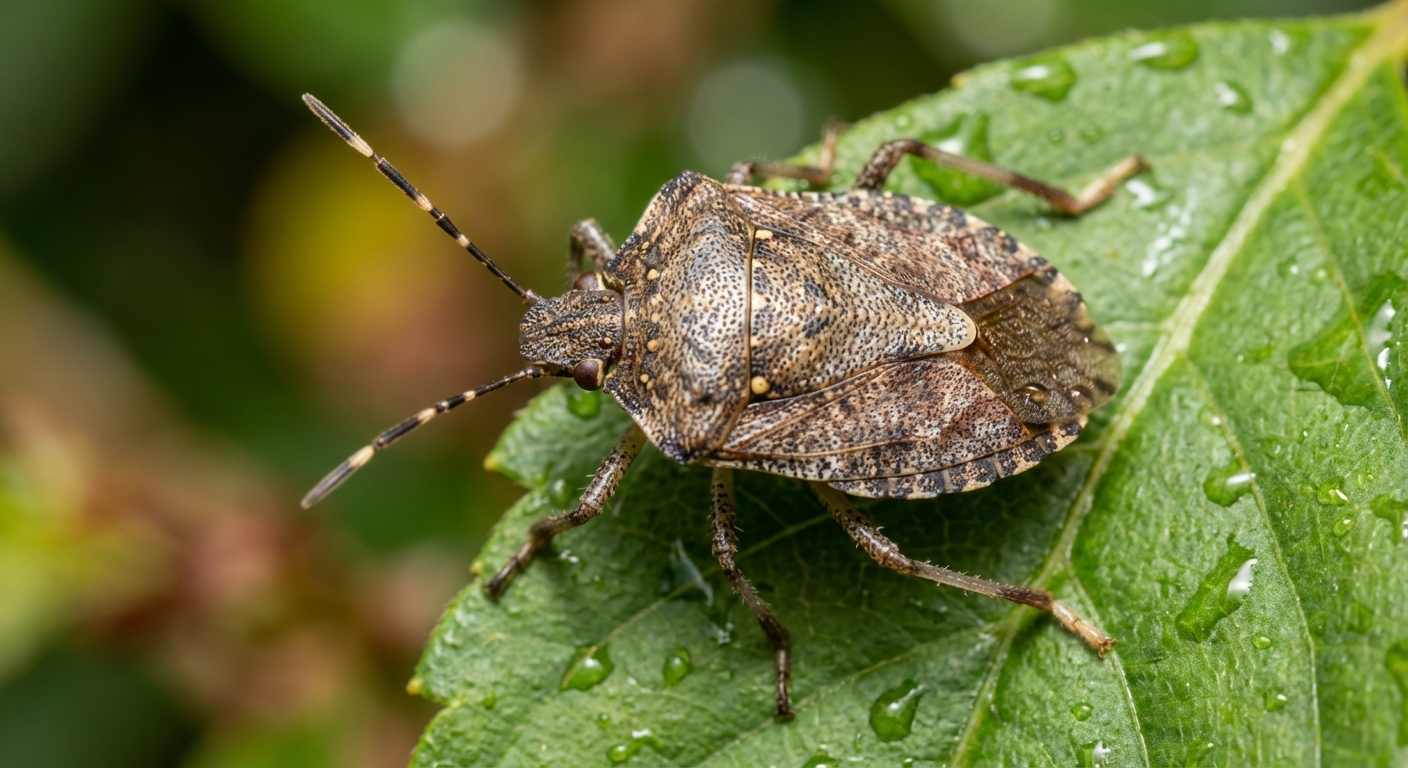
Brown marmorated stink bug (BMSB)
- Color: mottled brown, like marbled wood grain
- Key ID clue: alternating light and dark bands on the antennae and along the outer edge of the body
- Season pattern: often surges in late summer into fall, and adults try to overwinter in sheltered spots (including buildings)
Green stink bug
- Color: bright leaf-green, shield-shaped
- Key ID clue: usually more uniformly green without the strong banding you see on BMSB antennae
- Season pattern: can show up earlier in the season depending on climate and host plants
Do not skip the nymphs
Young stink bugs look different than adults. They are smaller, rounder, and often patterned with black, white, orange, or red spots depending on the species and stage. Nymphs cannot fly yet, which makes them much easier to control once you find them.
Egg clusters (worth learning)
Stink bug eggs are small, tidy clusters of barrel-shaped eggs, usually stuck to the undersides of leaves. They can be pale green, off-white, or yellowish. If you get in the habit of flipping leaves once a week, you will catch problems early.
Damage on tomatoes, peppers, and beans
Stink bugs feed with needle-like mouthparts. They pierce fruit, pods, and tender stems, inject saliva, and then drink plant juices. The injury often shows up days later as the fruit develops.
Tomatoes
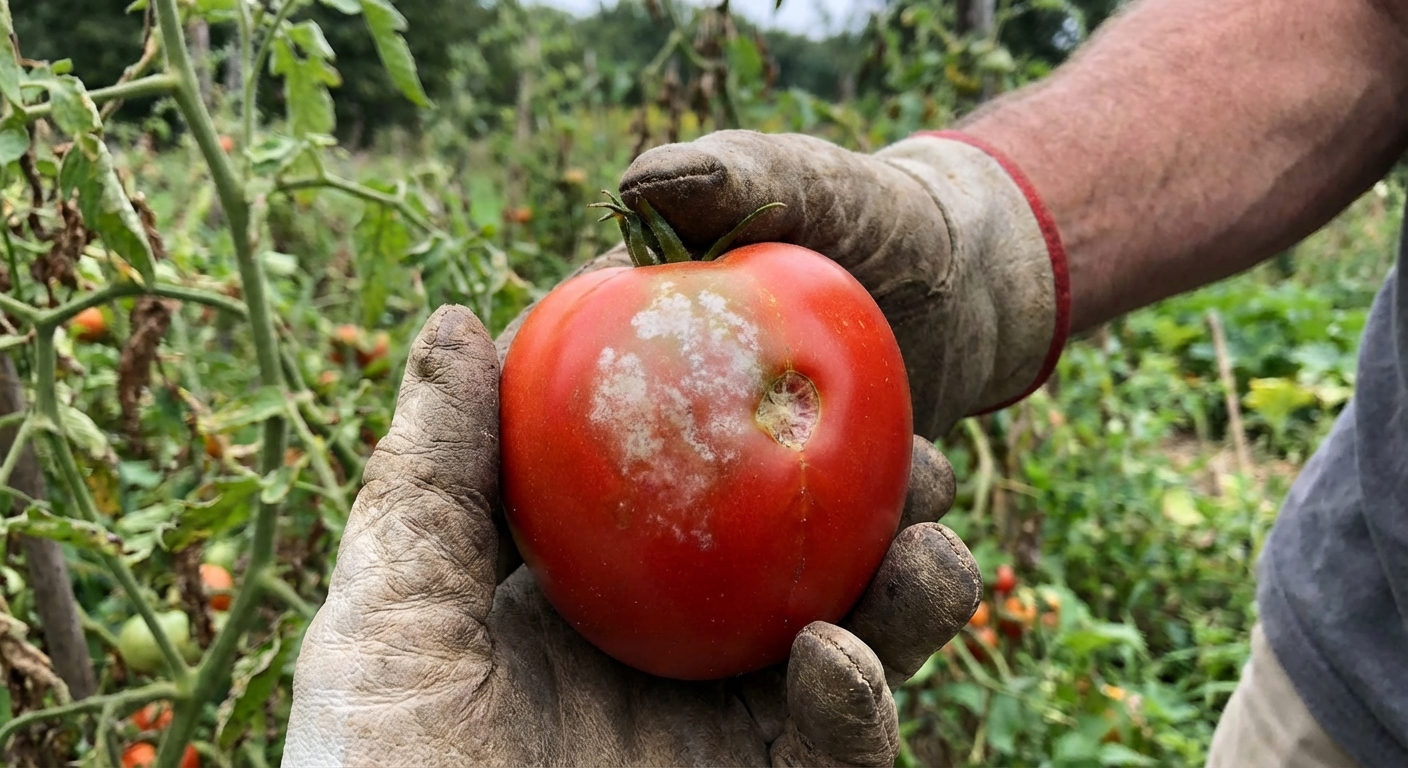
- Cloudy spot: pale yellow or whitish patches under the skin, sometimes with a slightly sunken look
- Corky tissue: firm, rough, tan areas inside the fruit near the feeding site
- Uneven ripening: parts of the tomato stay yellow or green while the rest turns red
Peppers
- Small dimples or pitted spots that later turn tan and papery
- Deformed fruit if feeding happens early while peppers are forming
- Internal spongy areas under the skin
Beans (snap beans and shelling beans)
- Scarred pods: pinprick marks, streaks, or rough patches along the pod
- Flat or misshapen pods from feeding on young pods
- Damaged seeds: shriveled or discolored beans inside, especially for shell beans
Quick reality check: similar symptoms can also come from other piercing-sucking pests (like leaf-footed bugs) or from physiological issues. If you are unsure, go out early in the morning and look for the bugs themselves. Stink bugs are slower when it is cool.
How much damage is too much? A few blemishes on fruit you plan to eat right away is annoying but manageable. If you are seeing frequent cloudy spot on tomatoes, lots of pitting on peppers, or clusters of nymphs on multiple plants, it is time to step in with more active control.
Fast, natural ways to get rid of stink bugs
Organic control is all about combining methods. No single trick is perfect, but stacked together they become very effective. Below are options that are most practical for most home gardens.
1) Hand-pick and drown (surprisingly satisfying)
This is the simplest and most reliable option in home gardens, especially if you catch them early.
- Go out early morning or at dusk when bugs are sluggish.
- Bring a jar or cup of soapy water (a few drops of dish soap in water).
- Knock stink bugs off plants into the jar. The soap breaks surface tension so they sink.
- Check the undersides of leaves for egg clusters (small barrel-shaped eggs). Scrape them into the soapy water too.
Tip from my own beds: Wear garden gloves if you are squeamish. Crushing stink bugs can release their odor. Drowning avoids the stink.
2) Know the good stink bugs (so you do not drown the helpers)
Yes, some stink bugs are predators. The most common garden “good guy” is the spined soldier bug (Podisus maculiventris). It eats caterpillars and other pests.
- Easy ID clue: the spined soldier bug has distinctly pointy, spined shoulders (sharp projections on the sides of the thorax).
- General look: mottled brown or tan, often mistaken for pest stink bugs at a glance.
If you are not sure what you are holding, take a quick photo and compare it to “spined soldier bug vs stink bug” images before you toss it in the jar.
3) Target the nymphs before they can fly
When you spot a cluster of nymphs, treat it like a little emergency. Nymphs often hang out together at first.
- Hand-pick them into soapy water.
- A strong spray of water can knock nymphs off temporarily, but consider it a helper tactic, not a full solution. Many will climb back. If you use this method, pair it with hand-picking and egg removal.
4) Use trap crops to pull stink bugs away
Trap cropping works because stink bugs have preferences, and they tend to congregate where the food is best. Instead of making your whole garden a buffet, you offer them a table in the corner.
Common trap crop options (region-dependent):
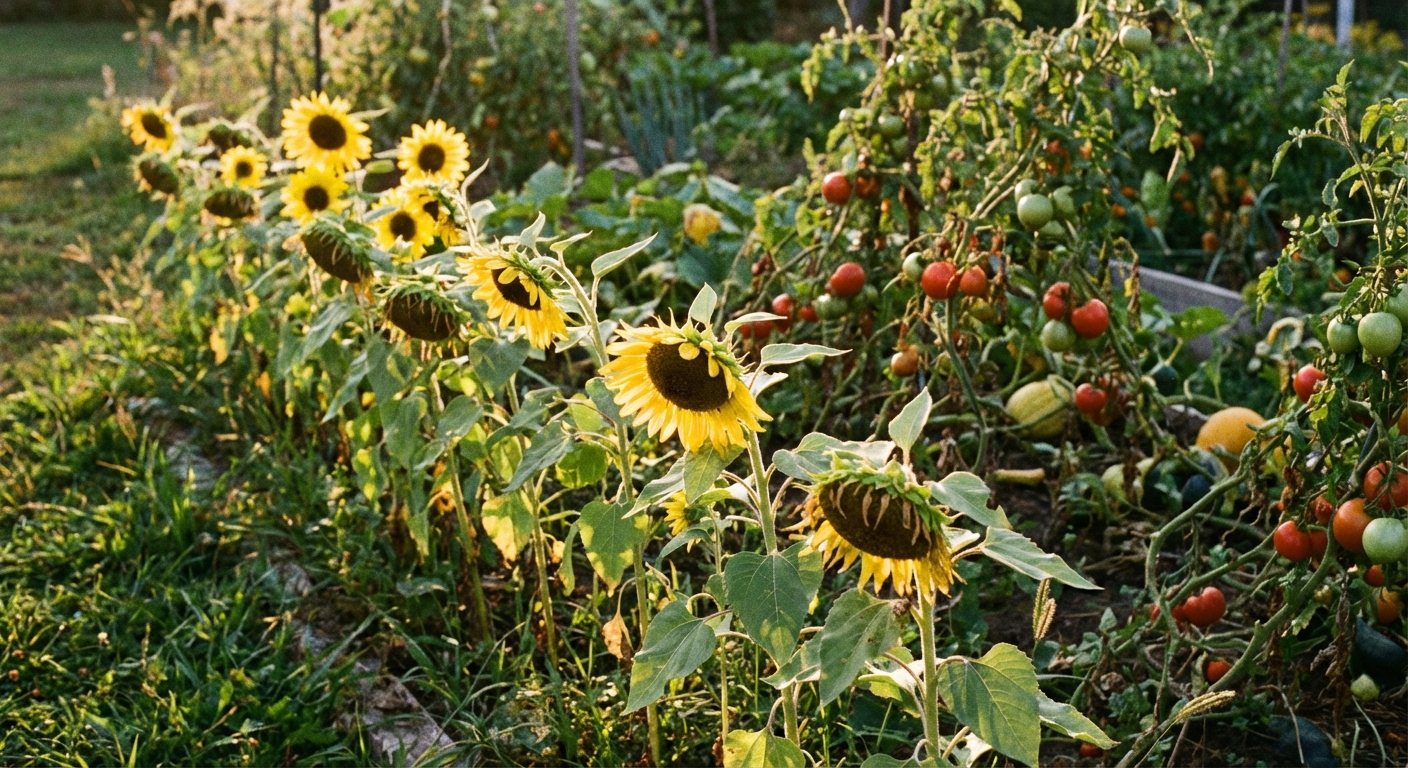
- Sunflowers
- Sorghum
- Okra
- Millet
- Mustard greens (works in some places and seasons, but not everywhere)
How to do it:
- Plant the trap crop near, but not inside your main tomato and pepper patch (a border or a nearby bed works).
- Inspect the trap plants every couple of days.
- Hand-pick stink bugs from the trap crop aggressively. The trap only works if you actually remove them.
5) Spray kaolin clay (a particle film that deters feeding)
Kaolin clay is a mineral-based powder that, when mixed with water and sprayed, leaves a thin white particle film on leaves and fruit. It can irritate and deter pests and also interfere with host-finding, which can reduce feeding.
- Look for products sold as kaolin clay (often marketed for fruit trees and vegetables).
- Apply as a full coverage spray on leaves and developing fruit, following label directions.
- Reapply after rain or heavy overhead watering, since it washes off.
Notes: Kaolin clay is generally considered a low-toxicity, organic-leaning tool, but always follow the product label for edible crops. Expect your plants to look dusty white. It is not pretty, but it can protect the harvest.
6) Encourage beneficial insects (the long game that pays off)
Stink bug eggs and nymphs are attacked by a range of beneficial insects and spiders. Your job is to make your garden a place those helpers want to live.
Beneficials that can help:
- Parasitoid wasps that target stink bug eggs (tiny, harmless to people)
- Spiders and other general predators that pick off nymphs
- Predatory stink bugs like the spined soldier bug (with pointy shoulders)
How to invite them in:
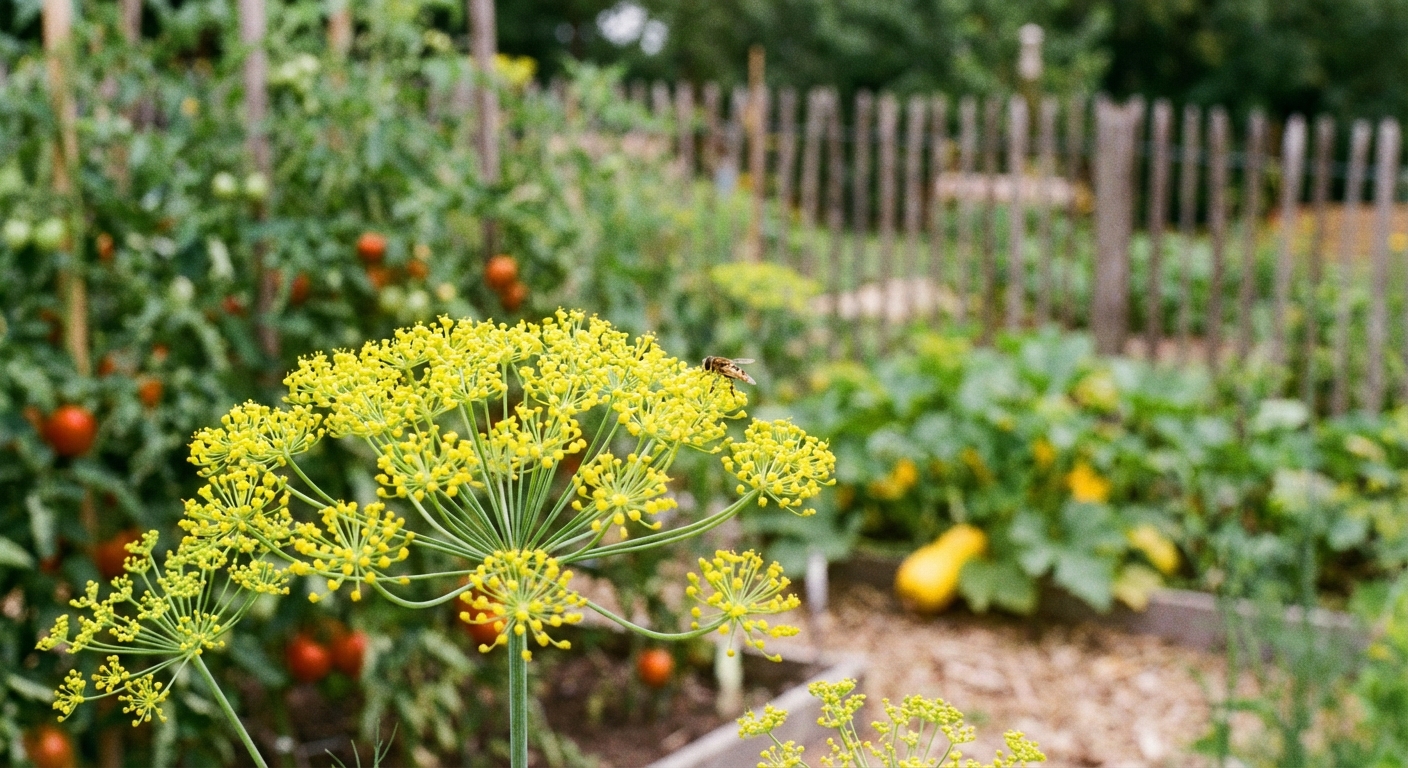
- Plant small-flowered nectar sources: dill, cilantro, sweet alyssum, yarrow, fennel, calendula.
- Skip broad-spectrum insecticides, even organic ones, because they can knock back the good guys along with the pests.
- Keep a little habitat: a patch of mulch, a corner with native plants, or a low, flowering border.
Neem, insecticidal soap, and pyrethrin
This is where I like to be honest: stink bugs are tougher than aphids. Their bodies are more armored, and adults can be difficult to kill with contact sprays.
- Insecticidal soap: can help on small nymphs if you spray directly, but it is less effective on adults.
- Neem oil: may reduce feeding and affect immature stages, but results vary and it needs thorough coverage and repeat applications.
- Pyrethrin: can kill on contact, but it is broad-spectrum and can harm beneficial insects. If you use it, do so sparingly, late evening, and only where needed.
If you are growing organically, I recommend leaning on hand-picking, kaolin clay, trap crops, and beneficial habitat first. Sprays are best saved for true outbreaks, and used with care.
A note about stink bug traps
Those store-bought “stink bug traps” (often pheromone traps) sound like an easy win. In practice, they can be frustrating in a small home garden because they may attract more stink bugs into your yard than they actually catch.
If you use them at all, place them well away from your garden beds and doors, and treat them as a monitoring tool, not your main control strategy.
Simple prevention tips
Stink bug control gets easier when you treat it like a year-round system instead of a mid-August panic. Here is what helps most.
Clean up hiding places in fall
- Remove spent plants, especially heavily infested tomato and bean vines.
- Pick up fallen fruit and old pods that can attract pests.
- Keep weeds down around beds, since many stink bugs use weedy areas as shelter and alternate hosts.
Keep BMSB out of the house (if that is your problem)
If you deal with brown marmorated stink bugs, fall can bring the “why are they in my living room” phase. A little prevention helps:
- Seal gaps around doors, windows, and siding with caulk.
- Repair window screens and add door sweeps if needed.
- Indoors, vacuum them up and empty the vacuum outside. (Crushing can make the smell linger.)
Rotate crops and spread out host plants
Crop rotation will not magically erase stink bugs, since they can fly in. But it does reduce the chance you are growing the same welcome mat in the same spot year after year.
- Rotate tomatoes, peppers, and beans to a new bed when possible.
- Avoid planting big blocks of the same crop if you have room to diversify.
Start scouting earlier
Make a habit of checking plants once or twice a week starting in early summer:
- Look under leaves for egg clusters.
- Inspect developing fruit and pods.
- Watch for nymph groups on stems and leaf midribs.
Early detection is the difference between removing a handful and fighting a whole neighborhood of stink bugs.
Use physical exclusion when it makes sense
On small plantings, insect netting or lightweight row cover can reduce pest pressure, especially early in the season.
- Seal edges well so bugs cannot crawl underneath.
- Pollination note: tomatoes and beans usually set fruit fine under cover. Peppers often still set, especially if you shake plants now and then. Crops like squash need pollinators, so covers must come off for bloom time.
Plan a trap crop on purpose
If stink bugs are a yearly visitor in your garden, decide now where your trap crop will go and plant it intentionally. Think of it as a decoy bed that keeps your main harvest calmer.
Do this today
- Go out tomorrow morning with a jar of soapy water and hand-pick adults and nymphs.
- Flip leaves and remove egg clusters you find.
- Before drowning a look-alike, watch for the spined soldier bug’s pointy shoulders.
- If pressure is high, apply kaolin clay to tomatoes, peppers, and beans and reapply after rain.
- Set up a trap crop like sunflowers or sorghum at the garden edge and patrol it twice a week.
- Plant a few nectar flowers (alyssum, dill, yarrow) nearby to support beneficials.
If you want, tell me what crops you are growing and what region you garden in, and I can suggest the best trap crop choices and timing for your area.