
How to Get Rid of Squirrels in the Garden Naturally

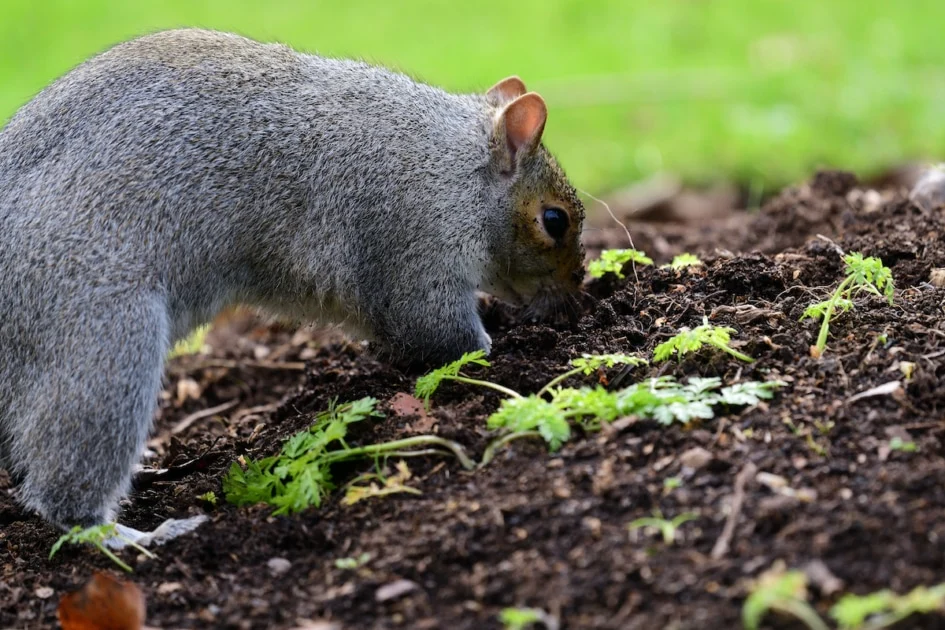
Squirrels are equal parts adorable and absolutely determined. One day your beds look perfect, and the next it’s like a tiny treasure hunter held auditions in your mulch. The good news is you do not need poison or cruel traps to protect your harvest. You just need to make your garden a little harder to raid and a lot less interesting to dig.
This Leafy Zen guide focuses on natural, humane deterrents and exclusion that work for raised beds, in-ground gardens, bulbs, and container plants.
First, know what you are dealing with
Squirrels usually cause damage in a few predictable ways. When you identify the pattern, you can pick the most effective fix instead of trying everything at once.
- Digging in loose soil or mulch: Often caching nuts or investigating freshly watered beds.
- Nipping sprouts and seedlings: Especially tender greens, peas, beans, and young transplants.
- Taking bites of fruit and veg: Tomatoes, strawberries, squash, and corn can get the classic “one bite and drop it” treatment.
- Bulb excavation: Tulips and crocus can be dug up and relocated, or just chewed and ruined.
- Container chaos: Pots are perfect digging bowls, especially after you top-dress with compost.
Not always squirrels: If you’re seeing clean, angled cuts on seedlings, rabbits are a common culprit. If you’re seeing tiny burrows near beds and small, neat holes in fruit, chipmunks or rats may be involved. When in doubt, look for tracks and timing, then choose your strategy.
Quick reality check: No single method is 100 percent forever. The most reliable approach is layering: barrier + habit change + targeted deterrent.
The most effective natural solution: physical barriers
If you only do one thing, do this. Squirrels are persistent, and they are also excellent at finding gaps. Barriers work best when they are tight, anchored, and seam-free.
Netting for beds and berries
Use netting when your plants are small and vulnerable, or when fruit is ripening and you need short-term protection.
- Choose bird netting or insect netting depending on what else you are excluding.
- Support it with hoops or stakes so it does not rest directly on plants.
- Anchor the edges with landscape staples, boards, or rocks so squirrels cannot nose underneath.
Wildlife-safe note: If you use bird netting, keep it taut, avoid loose pockets, and check it regularly so birds or snakes do not get tangled. If tangles have been an issue in your area, consider sturdier garden/insect netting or a framed barrier instead.
Clara tip: Squirrels love the “freshly disturbed soil” look. I cover newly seeded beds for the first 2 to 3 weeks until the soil surface crusts a bit and seedlings are sturdier.
Hardware cloth cages for seedlings and prized plants
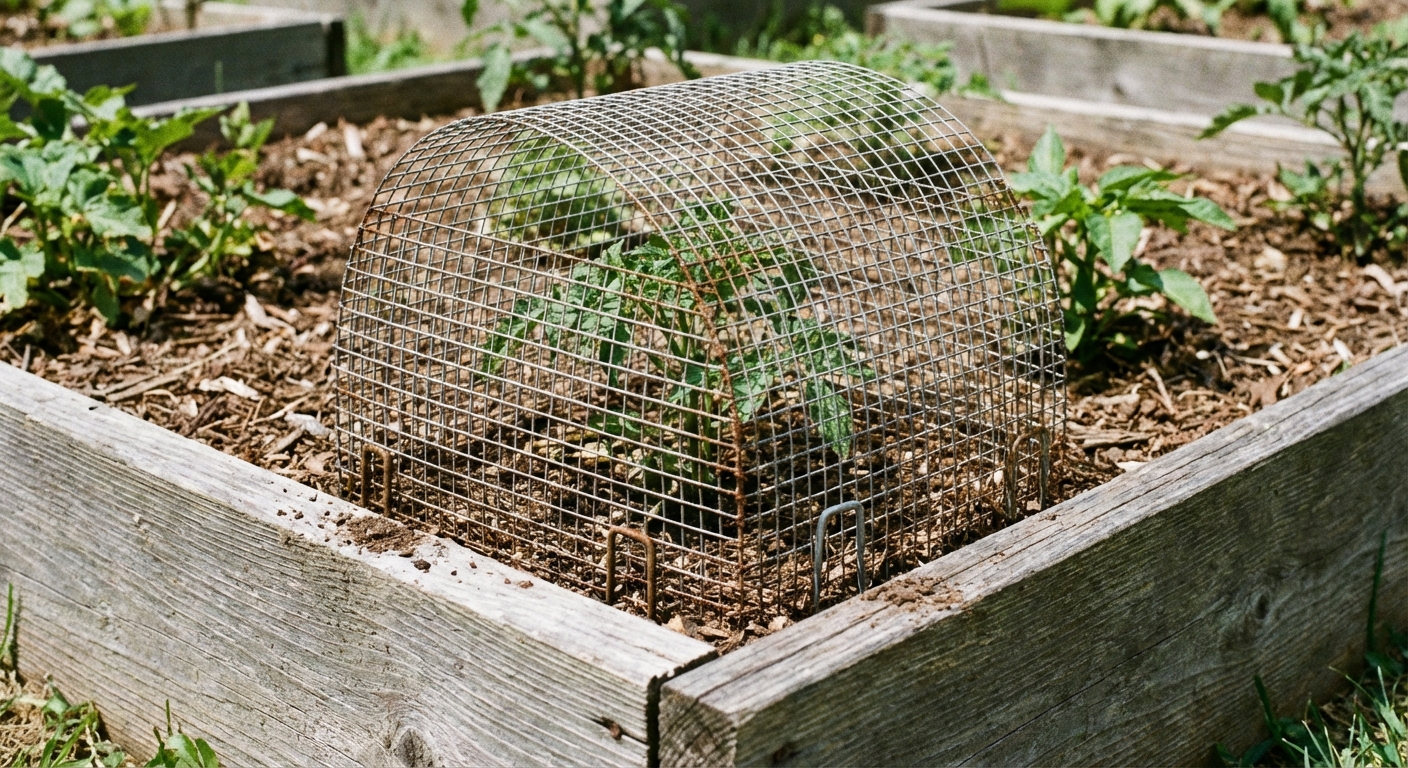
For small areas, few things beat a simple cage made from 1/2-inch hardware cloth (wire mesh). It is sturdier than chicken wire and keeps paws out.
- Cut a piece large enough to form a box over the plant with a few inches of clearance.
- Fold into shape and secure corners with wire ties.
- Stake it down or pin it to the soil so it cannot be tipped.
Installation detail that matters: Overlap seams and secure them well. If you are protecting a bed edge or perimeter, bury the bottom edge a few inches or pin it down tightly so animals cannot squeeze under.
Use cages for new transplants, young lettuce, and anything you would cry over if it vanished overnight.
Fencing that helps (and what it cannot do)
Squirrels can climb and jump, so fencing is rarely a magic shield. But it can still reduce casual visits and slow down the everyday raids, especially when it is paired with lids, cages, or netting.
Garden perimeter fencing
- Aim for 4 to 5 feet tall if you want to reduce easy access, but know that athletic squirrels may still clear it.
- For stronger protection, add an outward overhang (a top section angled out) or a floppy top section (loose netting or wire that wobbles) to make climbing awkward.
- Keep fence lines away from launch points like wood piles, compost bins, or low branches.
Reality check: True exclusion usually requires a more enclosed approach, like a fully covered frame or hoop-house style structure (sides plus top).
Raised bed lids
If squirrels treat your raised bed like a sandbox, add a removable top.
- Build a light wooden frame the size of the bed.
- Staple hardware cloth to the frame.
- Set it on top and use simple hooks so it stays put in wind.
This is especially helpful for freshly seeded beds and newly mulched beds.
Motion-activated deterrents
If you want a humane option that does not require constant reapplying or rebuilding, motion-activated devices can be surprisingly effective.
Motion-activated sprinklers
- They startle squirrels without harming them and can reduce repeat visits.
- Aim them to cover the approach routes, not directly at delicate seedlings.
- Move the sprinkler occasionally so squirrels do not memorize the safe path.
My honest take: These work best as part of your layered plan, especially when combined with a barrier around your most targeted crops.
Natural repellent sprays (and how to use them correctly)
Repellents work best as a supporting actor, not the star. Think of them as a way to make your garden smell or taste “wrong” while barriers do the heavy lifting.
Capsaicin (hot pepper) sprays
Capsaicin-based sprays are widely used for squirrels because they discourage chewing. You can buy ready-to-use formulas labeled for garden pests, or use a concentrate intended for plants.
- Apply to non-edible surfaces squirrels chew (wooden bed edges, pot rims) and to foliage of ornamentals.
- For edibles, only use products specifically labeled as safe for food crops and follow the label exactly.
- Reapply after rain and heavy watering, and after new growth appears.
- Avoid spraying open flowers where pollinators are actively visiting. Even if the product is plant-safe, you do not want to irritate bees and other beneficial insects.
Safety note: Wear gloves and avoid overspray. Capsaicin does not feel friendly in eyes or on skin, and it can bother pets if they rub against treated areas.
Predator scent (urine and similar products)
Predator urine products (often fox or coyote) can help in some situations as a temporary “new danger” signal. Results vary because squirrels can habituate quickly, and rain can reduce effectiveness.
- Place scent sources around the perimeter, not directly on edible plants.
- Refresh on the schedule recommended on the product.
- Use it strategically during peak pressure, like when tomatoes begin to color.
Practical caveats: Wear gloves when handling, store it safely, and be mindful of strong odor and neighbor concerns. Also check local guidance for wildlife deterrent products in your area.
My honest take: Predator scent can buy you time, but it rarely solves the problem alone. Pair it with netting or cages for best results.
DIY options you can try
Some gardeners have luck with strong-smelling deterrents like garlic or peppermint. These tend to wash away quickly outdoors. If you use them, treat them like a short-term boost and reapply frequently.
Distraction feeding: helpful or harmful?
This one is controversial, and I get why. Feeding squirrels can increase activity in your yard and, in some places, it can conflict with local wildlife-feeding rules. That said, strategic distraction feeding can reduce damage in specific situations, especially when squirrels are targeting one crop repeatedly.
When it can work
- You have a small garden and a predictable squirrel routine.
- You can place a feeding station far from the garden, ideally on the opposite side of the yard.
- You are consistent for a short window, such as peak tomato season.
How to avoid a squirrel festival
- Check local ordinances and neighborhood norms before you start.
- Offer a small amount of food, not an all-you-can-eat buffet.
- Use a single station rather than scattering food everywhere.
- Keep it clean to avoid attracting rats or raccoons.
- Stop if activity increases, you notice new pests, or neighbors complain.
Better alternative: Sometimes “distraction” is simply providing water. Squirrels may chew tomatoes during hot weather for moisture, but they also nibble out of curiosity, for taste, or because fruit is overripe or cracked. A shallow water dish away from beds, consistent watering, and timely harvesting can reduce that particular kind of damage.
Protecting bulbs from squirrels
Bulbs are like buried snacks, and squirrels are excellent at sniffing out freshly planted beds. Here is how to keep spring blooms from becoming a scavenger hunt.
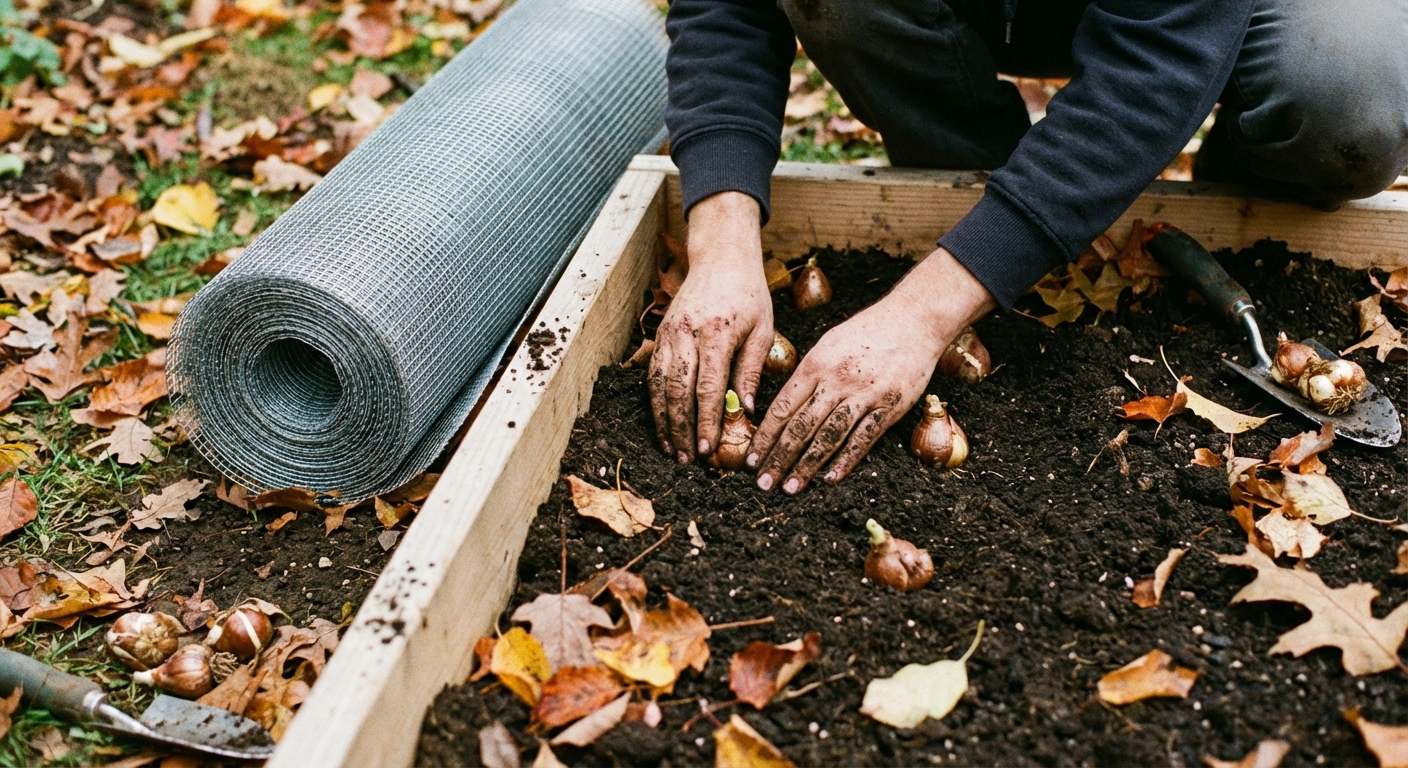
Use hardware cloth under and over
This is my favorite method because it is reliable and chemical-free.
- Dig your bulb trench.
- Lay hardware cloth in the bottom like a liner.
- Add a bit of soil, place bulbs, then cover with soil.
- Lay another sheet of hardware cloth over the top few inches of soil and pin it down.
- Cover with mulch or a thin layer of soil to hide the mesh.
Choose less tempting bulbs
If squirrels are relentless, shift your spring display toward bulbs they are often less likely to bother. Local pressure and individual squirrel taste can vary.
- Often avoided: Daffodils, alliums, grape hyacinth.
- Often targeted: Tulips, crocus.
(There are always exceptions, because squirrels have personalities. Yes, I said it. They do.)
Hide the freshly dug signal
Right after planting, water well and add a light mulch. You are trying to erase the visual and scent cue of freshly disturbed soil.
Protecting container plants from squirrels
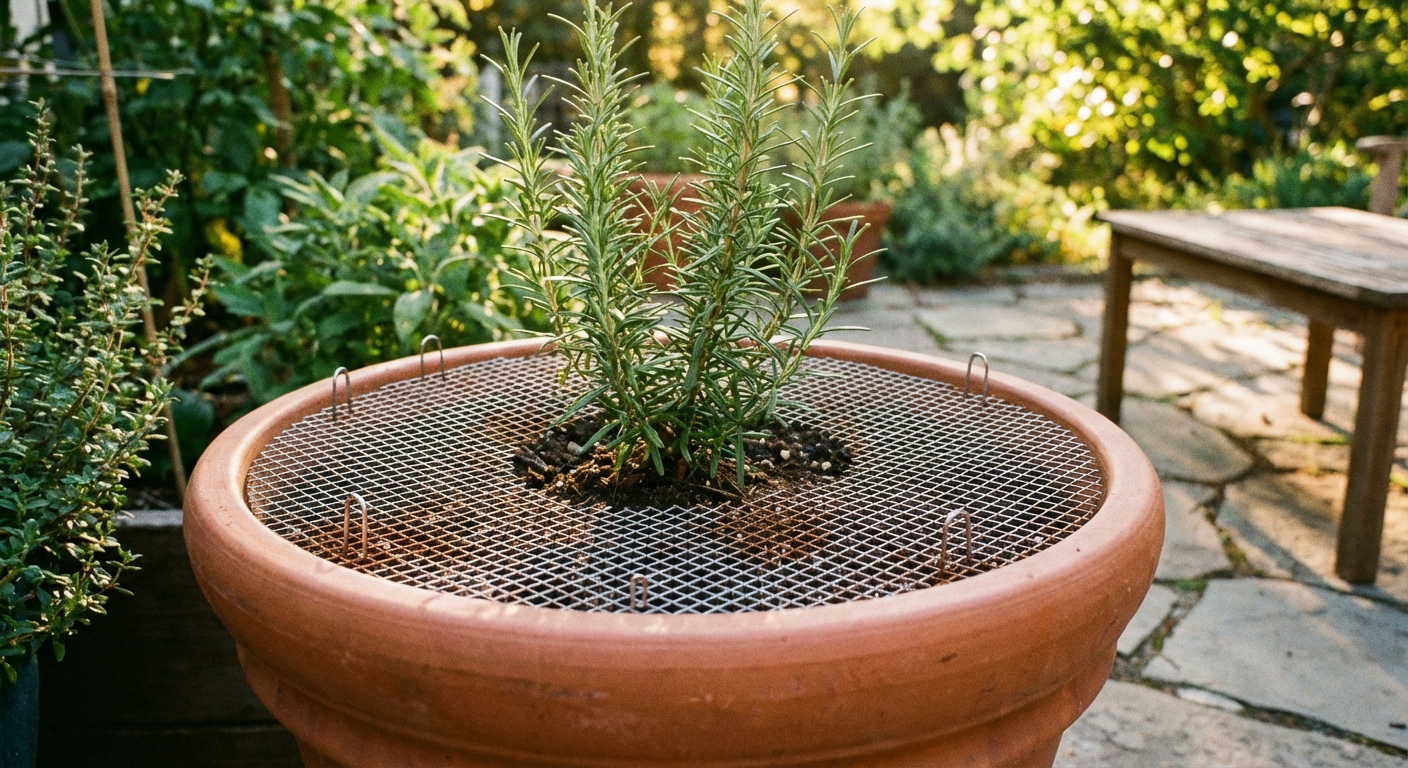
Container gardens are squirrel magnets because the soil stays loose, warm, and easy to excavate.
Block the digging
- Lay hardware cloth across the soil surface and cut slits for plant stems.
- Use smooth river rocks or larger stones as a top layer so they cannot dig comfortably.
- Try pine cones as a prickly top dressing in seasonal pots.
Make the pot less climbable
- Move pots away from railings, fences, and steps that act like launching ramps.
- Group containers tightly so there is less landing room.
- Use hanging baskets for vulnerable plants when possible.
Target the rim
Squirrels often perch on the rim before digging. A capsaicin product labeled for garden use can be effective on pot edges. Reapply after rain.
Habitat tweaks that reduce squirrel traffic
You do not need to turn your yard into a sterile zone. A few small changes can make your garden less convenient as a hangout.
- Pick up fallen nuts if you have oak or walnut trees nearby. These are squirrel currency.
- Trim easy access points like low branches overhanging beds.
- Secure compost so it is not an all-season buffet of scraps and seeds.
- Harvest promptly once fruit starts ripening.
A simple squirrel-proofing plan
If you feel overwhelmed, start here. This combo covers most home gardens with minimal fuss.
- Cover new soil: Net newly seeded beds or place a hardware cloth lid for 2 to 3 weeks.
- Protect the favorites: Cage your most targeted plants, especially seedlings and ripening fruit.
- Make containers un-diggable: Hardware cloth circles or rock top-dressing.
- Add a repellent: Capsaicin on non-edible surfaces and ornamentals, refreshed after rain. Keep it off open flowers.
- Add a motion deterrent: Use a motion-activated sprinkler during peak pressure.
- Remove the invitation: Clean up fallen nuts and keep harvest moving.
Once squirrels learn your garden is not an easy win, they often shift their energy elsewhere. They are opportunists with excellent PR.
What to avoid
Because Leafy Zen is all about sustainable, humane gardening, here are a few approaches I recommend skipping.
- Poison baits: They can harm pets, wildlife, and predators that eat affected animals.
- Sticky products: These can injure small animals and birds.
- Unlabeled home chemical mixes on edibles: If it is not meant for plants, keep it out of the garden.
- Relocation fantasies: Trapping and relocating squirrels is often illegal without permits, highly stressful for the animal, and can spread disease. In most home gardens, exclusion and deterrence are the kinder, more effective lane.
FAQ
Will coffee grounds keep squirrels away?
Sometimes they help for a day or two, mostly because the smell is strong. Outdoors, scent-based methods fade fast. If you use coffee grounds, think of them as a short-term supplement, not a solution.
Do squirrels hate aluminum foil?
Some dislike the feel and reflection, so it can help in containers or on specific surfaces. In rain and wind, it becomes messy quickly. Hardware cloth or rocks are usually a cleaner long-term option.
Why are squirrels biting my tomatoes?
It can be moisture during hot spells, but it can also be curiosity, taste, or fruit that is overripe or cracked. Keep watering consistent, mulch to reduce swings, harvest promptly as tomatoes color, and consider putting out a water dish away from the garden. Then protect ripening fruit with netting if needed.
What is the best humane way to keep squirrels out long-term?
Exclusion. Netting, cages, and hardware cloth barriers are the most consistent, humane tools because they do not rely on pain or fear. Repellents and motion sprinklers can support, but barriers do the real work.
One last pep talk
If squirrels have been making you feel like your garden is a lost cause, please hear this: you are not failing. You are simply gardening in a place where wildlife is doing what wildlife does. With a few smart barriers and a little persistence, you can protect your plants and still share the world kindly.
And if you catch me in the yard politely asking a squirrel to please stop redecorating my pots, no you did not.