
How to Get Rid of Spittlebugs Naturally

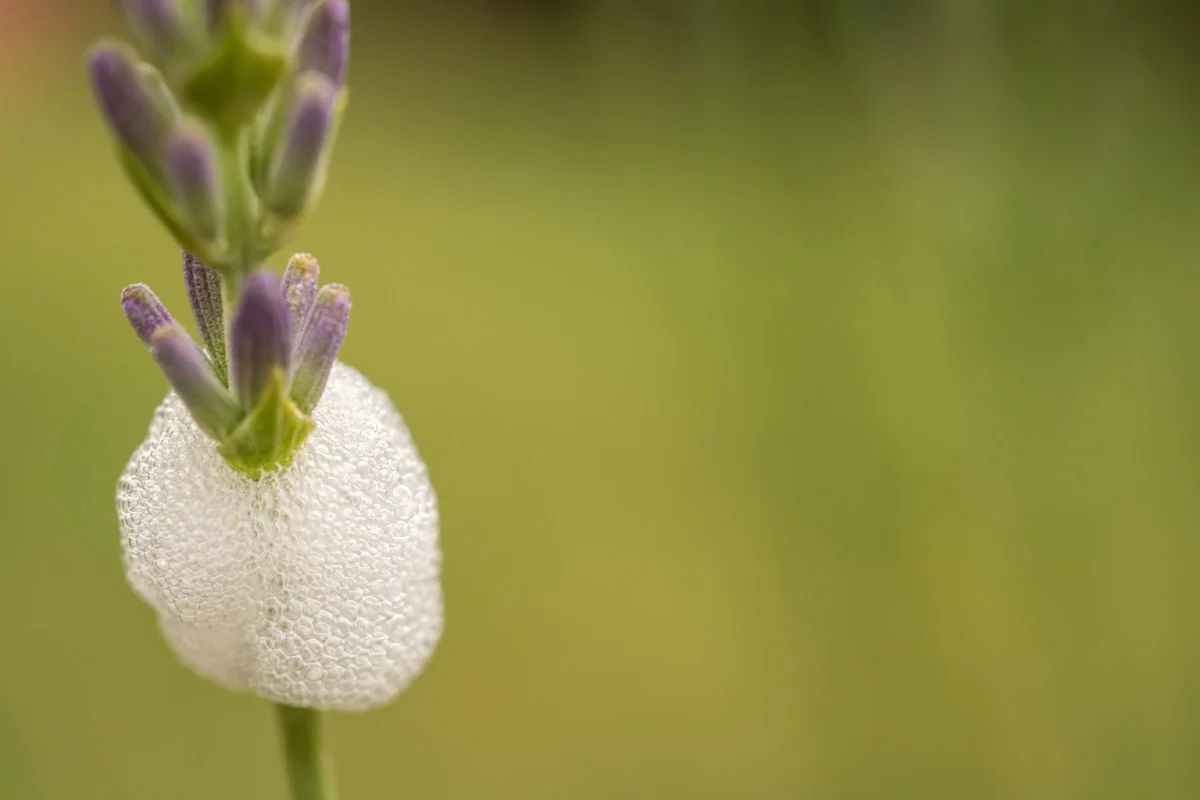
If you have spotted little blobs of froth clinging to stems and leaf joints, you have met one of gardening’s oddest roommates: the spittlebug. That foam can look like a plant disease or slug feeding, but it is usually a temporary, manageable situation.
In most gardens, spittlebugs are more “ew” than “emergency.” Still, heavy infestations can occasionally stress plants, especially tender new growth on herbs and legumes. Below is how to identify what you are seeing, knock it back naturally, and keep your garden friendly to the predators that do the long-term work for you.

What is that foam?
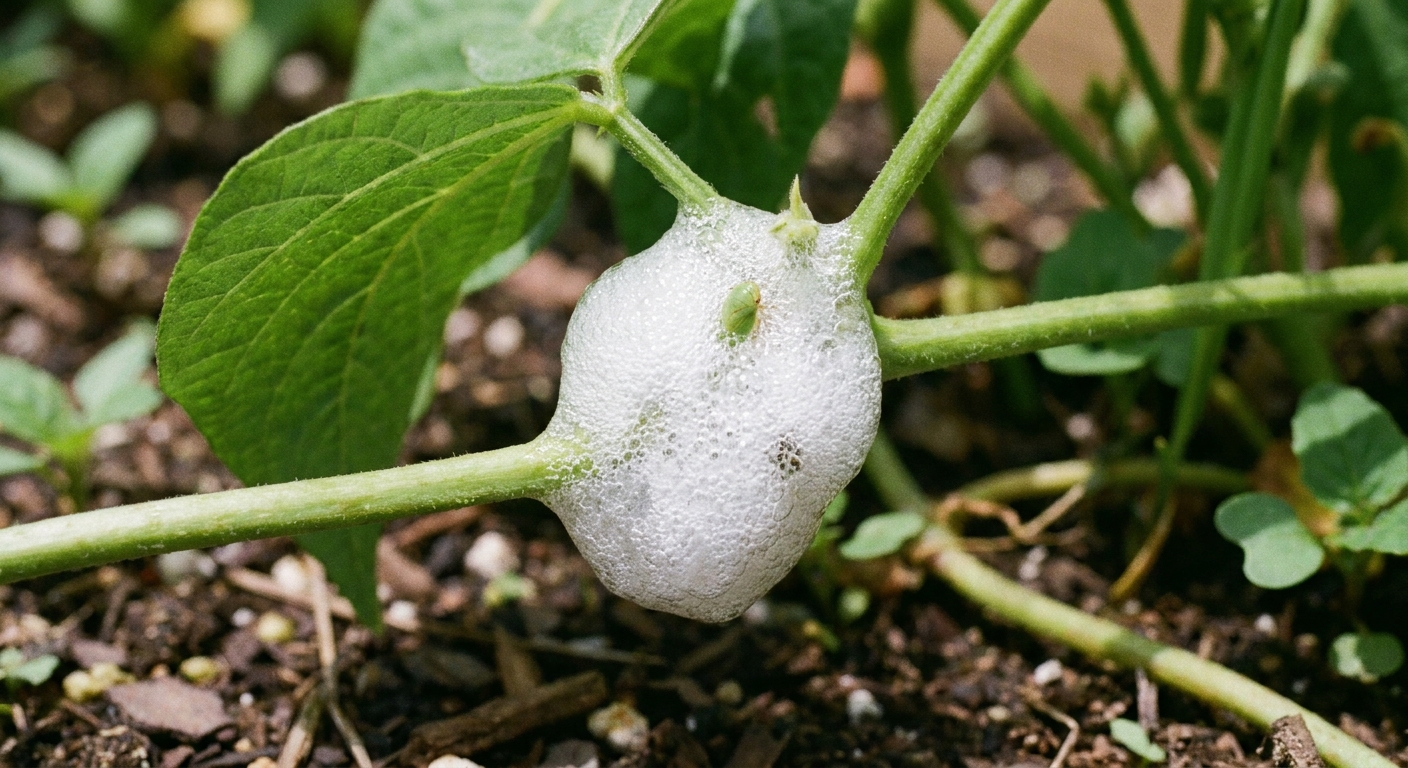
The foamy blobs are called spittle, and they are made by spittlebug nymphs. The nymph mixes plant sap waste with a mucus-like secretion, then pumps air into it, creating a protective bubble home.
This foam helps the nymph:
- Stay moist in dry weather
- Hide from predators
- Handle temperature swings on exposed stems and reduce overheating
Here is the reassuring part: the foam itself is not a disease, and a few nests rarely harm an otherwise healthy plant.
Don’t confuse it with
- Slime mold: often appears as a crusty, colorful patch on mulch or soil, not a wet, bubbly foam tucked into stems.
- Powdery mildew: looks like a dry white dusting on leaves, not a blob of froth at a node.
- Soap residue: usually shows up as an even film or bubbles after spraying, not a concentrated foam mass with an insect inside.
If you gently peel back the foam and spot a small pale green or yellow nymph, you have your answer.
Spittlebug basics
Nymphs (the foamy stage)
Nymphs are the ones you find inside the bubbles. They feed by inserting tiny mouthparts into stems and sipping xylem sap (the plant’s water-transport system). Because xylem sap is relatively low in nutrients, plants often tolerate light feeding with little fuss.
Adults (the hopping stage)
Adults look like small wedge-shaped bugs, often brown, tan, or mottled, and they hop or fly when disturbed. Adults can feed too, but the biggest visual giveaway is usually the nymph foam earlier in the season.
Spittlebugs are most noticeable in spring through early summer, though timing varies by region and weather.
Harmless or a problem?
Usually harmless
- You see a few foam blobs scattered around
- Plants look vigorous with normal new growth
- No obvious leaf yellowing, browning, or stunting
Time to intervene
- Foam is everywhere, especially on many stems per plant
- New growth looks distorted, stunted, or wilted
- Plants are already stressed (drought, poor soil, transplant shock)
- You are seeing repeated re-appearance after removal
Think of spittlebugs as a small signal, not a verdict. A big flare-up can be a clue that growth is extra lush and tender, or that nearby host plants are supporting a larger population. Seasonal swings, a humid spring, or weedy groundcover can all contribute too.
Natural control
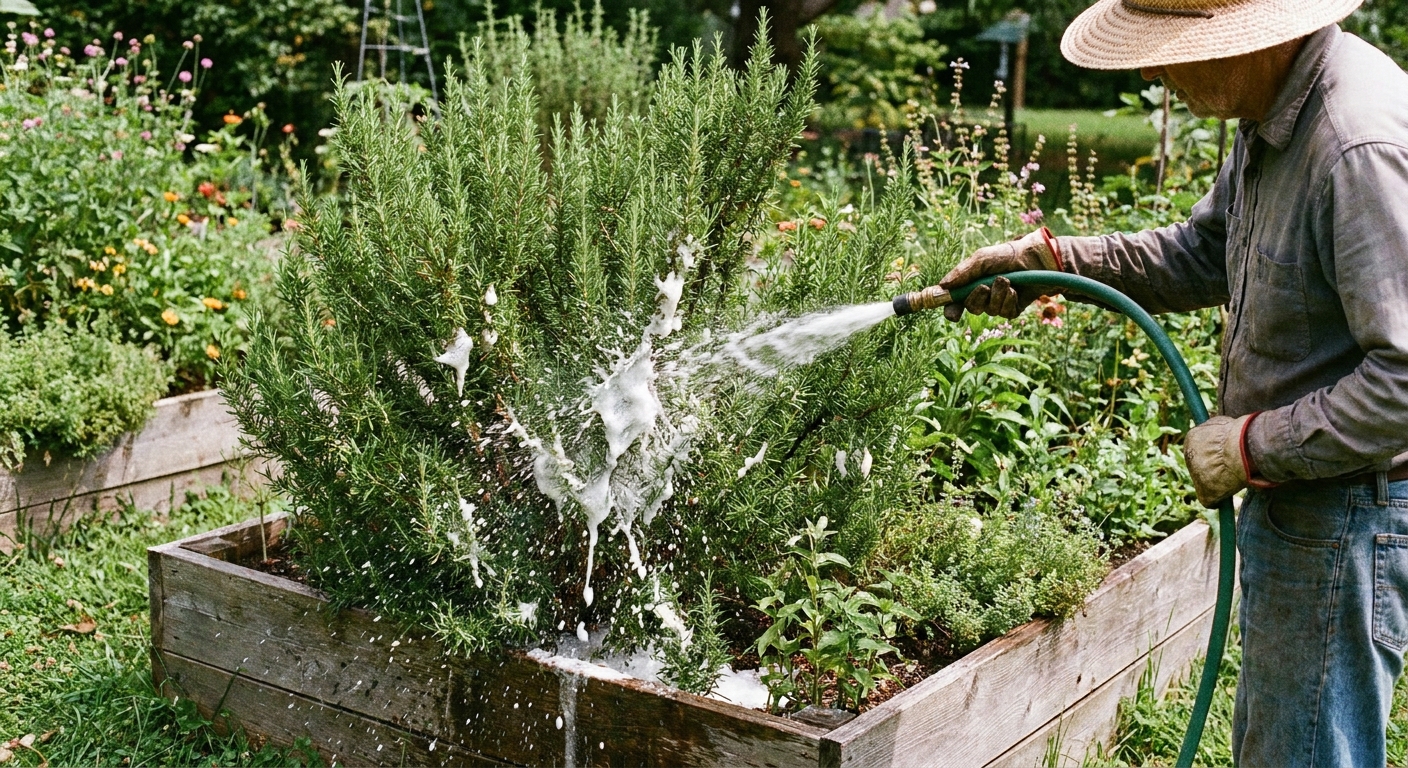
1) Blast them off with water
This is my favorite first move because it is quick, effective, and doesn’t punish beneficial insects.
- Use a hose nozzle set to a firm stream, not a mist.
- Target the foam directly until it breaks apart and washes off the stem.
- Spray in the morning so foliage dries quickly.
Many nymphs will be dislodged and struggle to climb back up. Repeat every few days for a week if you keep seeing fresh foam.
2) Hand removal for small plants and pots
On balcony planters, small lavender mounds, or a bean trellis you can easily reach, you can simply remove the foam with:
- gloved fingers
- a soft cloth or paper towel
- a gentle jet from a spray bottle
Drop removed foam into a cup of soapy water if you want to ensure nymphs do not crawl back onto the plant.
3) Spot treat only if you need to
If rinsing is not keeping up and you have lots of foam, use a targeted approach. Broad spraying can kill the very insects that help you long-term.
Insecticidal soap (spot use)
- Apply only where you see foam or nymphs.
- Spray in the cool part of the day (early morning or evening).
- Test on a small section first, especially on tender herbs.
Insecticidal soap works by contacting soft-bodied insects. It needs to touch the nymph, which is why breaking up the foam first with water can help.
Neem oil (use with extra care)
Neem can impact beneficial insects if used carelessly. If you choose it, keep it spot-only, avoid open flowers, and follow label directions closely. It is most effective on smaller, younger insects and still requires good coverage to work. Spraying in the evening can help reduce pollinator risk. For many gardens, water removal is plenty.
Protect your helpers
Spittlebugs have a long list of natural enemies, and your job is to keep the garden welcoming to them. Broad-spectrum pesticides, even some “natural” ones, can reduce:
- lady beetles
- lacewings
- predatory wasps
- spiders
- small insect-eating birds
Instead, aim for a garden that is a little messy in the best way: diverse plants, flowers for beneficials, and healthy soil that supports resilient growth.
Plant-specific tips
Lavender
Spittle foam often appears near the base of flowering stems or tucked into dense growth. Lavender likes excellent drainage and air flow, so take the opportunity to:
- remove weeds crowding the crown
- avoid overwatering
- lightly tidy stems to improve airflow (do not cut into old woody parts)
Rosemary
Rosemary’s dense, needle-like foliage creates cozy hiding spots. If foam keeps returning:
- rinse thoroughly, aiming the stream into interior stems
- thin lightly to open the plant’s center
- check for drought stress, especially in containers
Legumes (beans, peas, clover, vetch)
Legumes can show more noticeable stress when spittlebugs are abundant, particularly on young plants. Monitor:
- new leaves for curling or slowed growth
- stems for clusters of foam along nodes
- overall vigor, especially during hot, dry spells
Prevention
Act early
The easiest time to make a dent is the nymph stage, when they are sitting in one spot inside the foam. Adults are more mobile, harder to target, and usually not worth chasing in a home garden.
Keep plants steady, not stressed
Plants under drought stress are more vulnerable to sap-feeders. Water deeply and less often, and prioritize soil health with compost or leaf mold.
Skip the lush growth trap
Over-fertilizing can create soft, lush stems that sap-feeders love. If you are feeding, choose gentle, slow-release organic options and avoid heavy nitrogen doses.
Cut down nearby hosts
Nymphs often develop on grasses and common weeds, then show up on favorite garden plants. A little weed management can lower pressure:
- pull or trim weedy groundcover around susceptible plants
- keep bed edges and paths from turning into tall grass zones
- thin crowded plantings so stems dry quickly after rain
Encourage beneficial insects
- Plant small-flowered blooms nearby (alyssum, dill, yarrow, fennel allowed to flower).
- Leave a bit of habitat, like mulch and mixed plantings.
- Avoid spraying anything that coats or poisons insects unless it is truly necessary.
Check weekly in peak season
A quick walk-through is often all it takes. When you catch spittlebugs early, a rinse is usually the only “treatment” you will need.
Quick checklist
- See foam? Confirm it is spittlebug spittle, not slime mold or mildew.
- Only a few blobs? Leave them or rinse lightly.
- Many blobs? Hose them off every few days for a week.
- Still heavy? Spot treat with insecticidal soap, avoid broad sprays.
- Lower repeat visits: manage nearby weeds and grass, and focus on early-season nymphs.
When to worry
If your plants look healthy and you only see occasional foam, you can exhale. Spittlebugs are a normal part of a living garden, and they tend to come and go with the season.
If you are seeing widespread foam plus visible plant stress, step in with water rinses and careful spot treatments, then zoom out to the bigger fix: consistent moisture, good airflow, and a garden full of helpful predators. That is the kind of natural balance I like best, the kind that keeps your plants thriving without turning your backyard into a chemical battlefield.