
How to Get Rid of Snakes in Your Yard Naturally

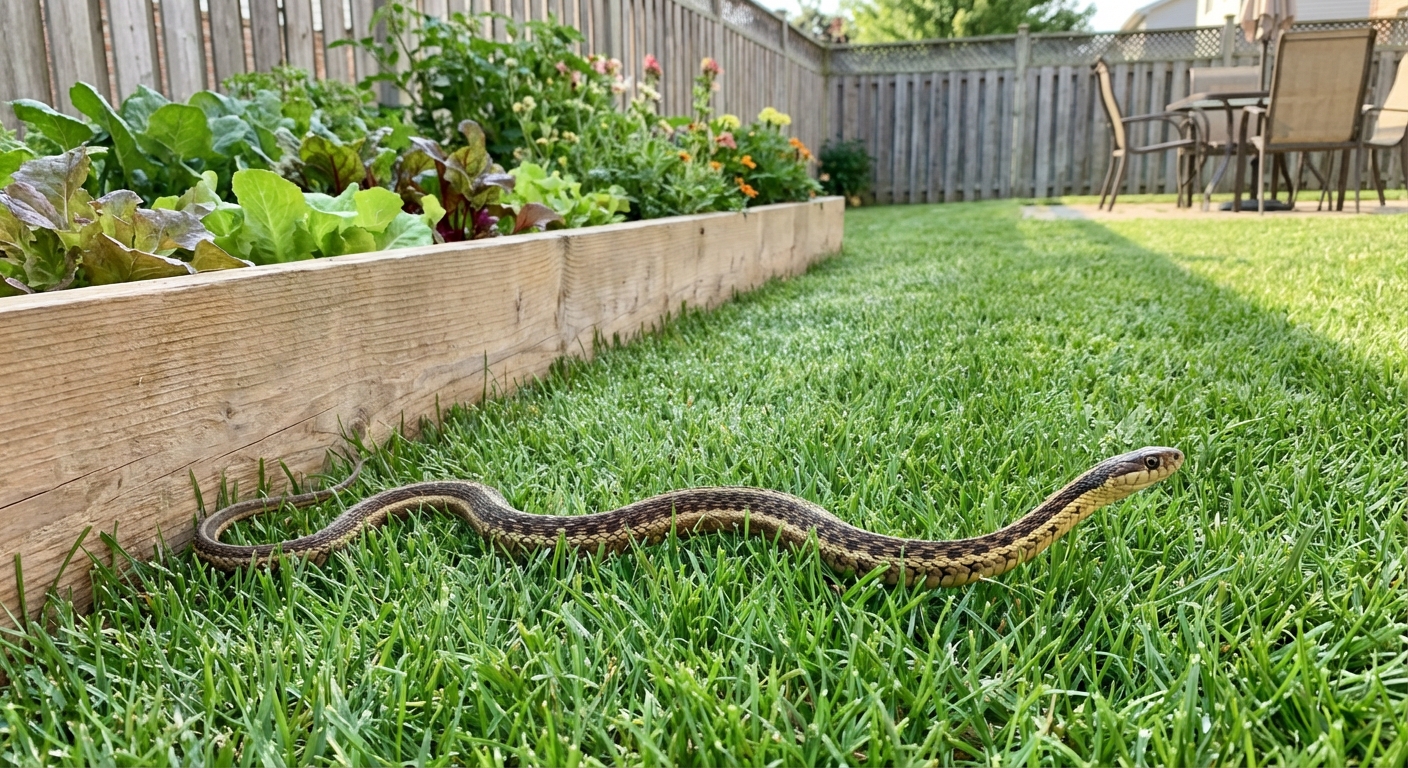
Seeing a snake in the yard can flip even the calmest gardener into full alert mode. I get it. But here is the grounding truth: many snakes you meet outdoors are nonvenomous, shy, and quietly helpful. Depending on where you live, venomous species may be more or less common, so it is always smart to treat an unknown snake with respect and distance. They are there for food, water, and cover, not to “move in” and menace your family.
The most reliable natural approach is simple and very garden-friendly: make your yard less appealing to snakes by removing hiding spots and reducing prey. Then, layer on gentle deterrents around the places you truly need snake-free, like patios, play areas, and door thresholds.
First, a quick reality check
Snakes do not want to tangle with you. Many bites happen when someone tries to catch, kill, or “shoo” a snake too closely. If you remember just one rule, let it be this: give it space. Back up, keep pets and kids inside, and let the snake move along.
Also, repellents are hit-or-miss. The internet loves a “one weird trick,” but snakes are motivated by habitat. Habitat modification is what works long-term.
Common yard snakes
Species vary by region, but these are frequent backyard visitors across much of the US. If you are not sure what you are seeing, treat any unknown snake as potentially venomous and keep your distance.
Garter snakes
Slender with stripes down the body. Often found near gardens and compost where they hunt slugs, worms (often opportunistically), and small frogs. Generally harmless and very common.
Ratsnakes
Excellent climbers, sometimes spotted near sheds or bird nests. They help control rodents. They can look intimidating due to size, but are nonvenomous.
Gopher snakes and bullsnakes
Often mistaken for rattlesnakes because they may hiss loudly and vibrate their tails in dry leaves. They are valuable rodent hunters and usually nonvenomous.
Water snakes
Thicker-bodied snakes seen near ponds, creeks, and wet areas. Many are nonvenomous, but they are commonly confused with cottonmouths in areas where cottonmouths exist. Do not handle.
Venomous snakes (region-dependent)
- Rattlesnakes (many regions): often well-camouflaged in dry landscapes and may have a rattle, but do not rely on any single trait.
- Copperheads (eastern and central US): often show hourglass-shaped bands.
- Cottonmouths (southeastern US): semi-aquatic and may gape their mouth defensively.
- Coral snakes (southern US): red, yellow, black banding patterns. Identification can be tricky, so keep distance.
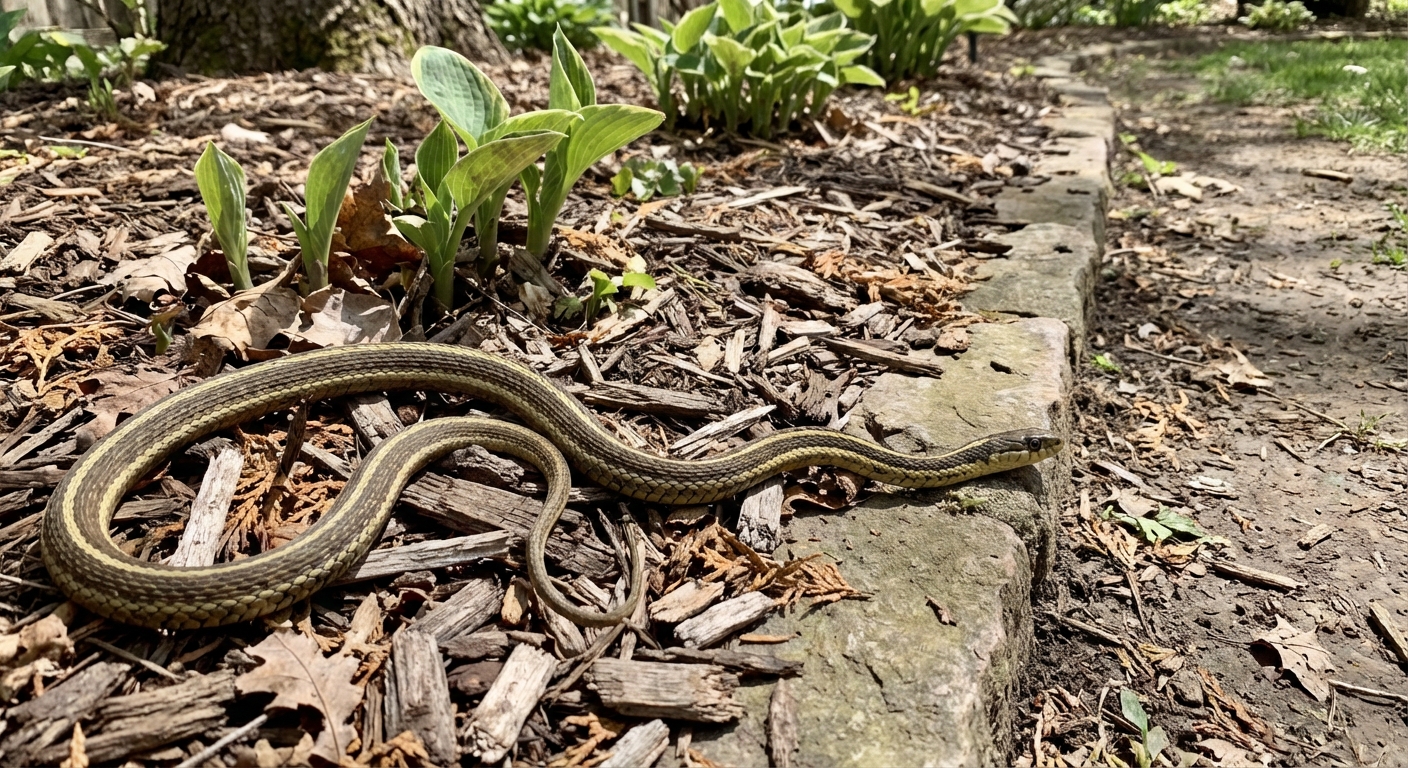
Note: Color patterns, head shape, and behavior are not foolproof ID tools. Many harmless snakes flatten their heads when scared, and venomous snakes do not always fit the “classic” look. When in doubt, do not approach. If you want help with ID, your state wildlife agency or local extension office is a great place to start.
Why snakes show up
Snakes are looking for three things. If you remove even one, you make your space less attractive.
- Cover: brush piles, wood stacks, tall weeds, dense groundcovers, rock walls, junk, tarps, kids’ toys left out, and gaps under sheds.
- Food: mice, rats, voles, chipmunks, frogs, lizards, and insects. Birdseed spills can feed rodents, which then feed snakes.
- Water: leaky spigots, pet bowls left out overnight, irrigation puddles, low spots that stay damp, ponds and creeks.
The best natural method: habitat
If you want the snake problem to actually stay solved, start here. Think of it as “landscaping for fewer hiding places.”
1) Mow, trim, and add a clear border
- Keep grass shorter, especially along fences, sheds, and the edges of beds.
- Trim low branches and thin dense shrubs near patios and doors.
- Create a 2 to 3 foot border between wild areas and play spaces. Gravel is usually more effective than thick mulch because it offers less cover. If you prefer mulch, keep it thin and tidy.
2) Remove favorite hiding spots
- Move brush piles and leaf piles away from the house, ideally to the far edge of the property.
- Store lumber, corrugated metal, and garden supplies neatly on racks, not directly on the ground.
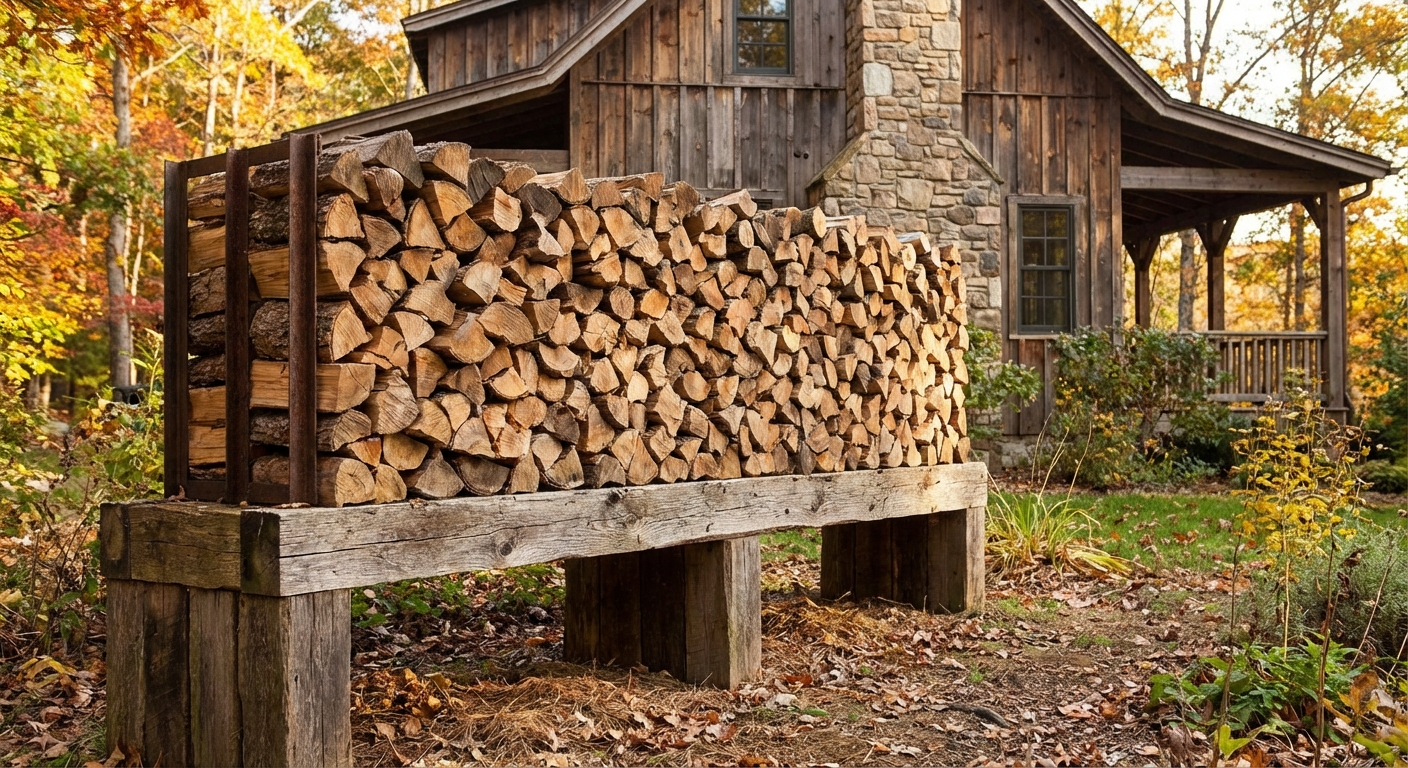
- Stack firewood 12 inches off the ground and several feet from structures. Rodents love wood stacks.
- Clean up clutter around sheds, under decks, and behind raised beds.
3) Reduce rodents and other prey
Snakes follow food. If your yard is a rodent buffet, snakes will keep visiting.
- Use sealed metal containers for birdseed and pet food.
- Clean up spilled birdseed under feeders. Consider a seed catcher tray.
- Pick up fallen fruit and nuts that attract rodents.
- Keep compost in a closed bin. Avoid tossing meat or greasy scraps.
- If you need rodent control, avoid poisons. Poisoned rodents can poison the predators that eat them, including owls, hawks, and yes, snakes.
4) Manage water
- Fix dripping hoses and spigots.
- If snakes are active in your area, consider bringing pet water bowls in at night. This is a small step, but it can reduce easy water access and nighttime critter activity near doors.
- Fill low spots that stay soggy and improve drainage around downspouts.
Seal gaps and block access
Snakes can squeeze through surprisingly small openings. A few simple repairs can prevent them from taking up residence under structures.
Common entry points
- Gaps under shed doors and around foundations
- Crawl space vents without tight hardware cloth
- Holes around pipes, AC lines, and cable entries
- Gaps under decks and steps
What to use
- Hardware cloth (1/4 inch mesh): Great for vents and deck skirting. Secure it tightly.
- Door sweeps: For sheds and exterior doors where appropriate.
- Backer rod + exterior-grade caulk: For narrow gaps around pipes and siding.
- Expanding foam: Useful in some spots, but protect it from sunlight and chewing with trim or metal mesh.
If you suspect a snake is living under a deck or shed, focus on encouraging it to leave first (remove cover, reduce prey). If you need to make the area less comfortable, do it from a safe distance, for example by using a leaf blower to clear leaves while you stay well back. Then seal after you are confident it is gone. Sealing too early can trap wildlife inside.
Natural deterrents
Deterrents work best as a “last little nudge” after you clean up habitat. Use them in targeted zones, not as a substitute for yard maintenance.
Quick reality check: evidence for scent-based repellents and sulfur is limited, and results vary. Think of these as optional add-ons, not a guaranteed solution.
Essential oils (peppermint, cinnamon, eucalyptus)
Strong scents may discourage snakes from lingering, especially along thresholds. The downside is they fade quickly outdoors, especially after watering or rain.
- How to use: Add 10 to 20 drops of essential oil to 2 cups of water plus a small squirt of unscented castile soap. Shake and spray along edges of patios, under steps, and around door thresholds.
- Reapply: Every few days, and after rain.
- Safety: Keep oils away from cats and sensitive pets. Do not spray directly on edible plants unless you have verified safety for that specific oil and use.
Clove oil
Clove oil is a stronger-smelling option sometimes used as a snake deterrent. It can be irritating and is not something I use casually in the garden.
- How to use: Use the same dilution approach as above and apply to hardscape edges and entry points, not directly on vegetable beds.
- Avoid: Over-spraying near pollinator plants and waterways.
Sulfur (garden sulfur)
Powdered sulfur is commonly mentioned as a snake repellent. It may deter some snakes by irritation, but it is not a magic barrier and it can be hard on beneficial soil life if overused.
- If you use it: Keep it to a narrow band in problem spots like along a fence line near a shed.
- Do not use: Near ponds, creeks, or anywhere runoff could carry it. Avoid heavy application in garden beds where you are building soil biology.
- Wear: Gloves and a dust mask when applying powders.
What to skip
- Mothballs: Not safe for outdoor use as a wildlife repellent and can be toxic to pets, kids, and the environment.
- Glue traps: Inhumane and dangerous. They can trap birds, lizards, and other non-target animals.
- DIY “poisons”: Risky, often illegal, and can harm non-target wildlife.
Snake fencing
If you live in an area with venomous snakes or you just want serious peace of mind, a physical barrier can be the most dependable option.
- Use 1/4 inch hardware cloth or purpose-made snake fence material.
- Fence should be 36 to 48 inches tall (shorter fences are sometimes used, but taller is often more reliable).
- Bury the bottom at least 6 inches and consider an outward-facing underground lip if digging animals are an issue.
- Angle the top outward about 20 to 30 degrees to discourage climbing.
- Keep vegetation trimmed away from the fence so snakes cannot use plants as a ladder.
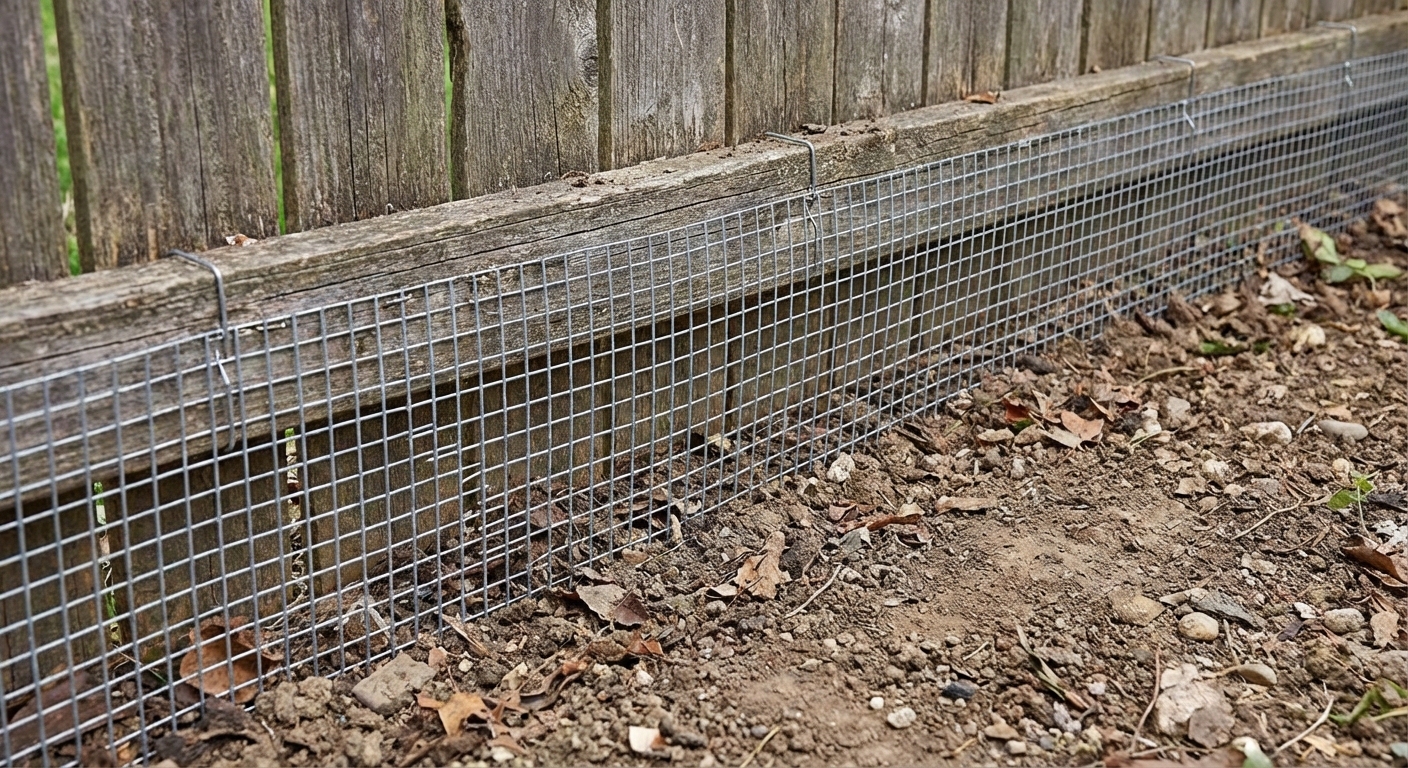
Fencing is especially useful around a children’s play area, chicken run, or the immediate zone around the home.
If you encounter a snake
This is the calm, no-drama routine I want you to have in your back pocket.
- Stop and back up slowly. Give the snake a wide path to leave.
- Bring kids and pets inside. Dogs, especially, get bitten when they try to investigate.
- Do not try to handle it. Even nonvenomous snakes can bite when stressed.
- Keep a safe distance. For venomous snakes, many experts recommend at least 6 to 10 feet. More is better.
- Watch where it goes. If it disappears under a structure, make a note of the entry point so you can address it later.
- If you must encourage movement: From a safe distance, you can gently spray water from a hose toward, not at, the snake to nudge it along. Do not corner it.
If a bite happens
- Call emergency services or poison control immediately.
- Keep the person still and calm. Remove rings, watches, or anything tight near the bite in case swelling starts.
- Keep the bitten area still and roughly at heart level if you can.
- Do not cut, suck, or apply a tourniquet.
- Do not try to capture the snake. A photo from a safe distance can help with identification, but do not risk a second bite.
Pet safety
- During snake season, do a quick scan of the yard before letting dogs out at dusk or dawn.
- Keep dogs leashed near tall grass, woodpiles, rock walls, and creek edges.
- Refresh a solid “leave it” cue. It is one of the simplest tools for avoiding trouble.
When to call wildlife control
Sometimes the most natural choice is also the most responsible: call a pro who can remove the snake safely and legally.
- You suspect or confirm a venomous snake.
- The snake is in your house, garage, crawl space, or inside a wall void.
- It is repeatedly showing up in the same spot, especially near a deck or shed, suggesting it is sheltering there.
- You cannot safely maintain distance due to the location (narrow side yard, doorway, busy patio).
- Someone in the home is at higher risk (small children, mobility issues, curious dogs).
Look for wildlife control that prioritizes humane removal and exclusion. In many areas, relocating wildlife is regulated, and some native snakes are protected. A reputable operator will know the local rules, and will focus on prevention so you are not making the same call again next month.
A simple 7-day plan
If you want a tidy checklist you can actually finish, here is my favorite way to tackle it without getting overwhelmed.
Day 1 to 2: Clean and cut back
- Mow and edge.
- Remove brush, boards, and clutter.
- Move wood piles and tidy storage.
Day 3 to 4: Reduce prey and water
- Clean up birdseed spills and fallen fruit.
- Secure compost and pet food.
- Fix leaks and remove standing water.
Day 5: Seal and screen
- Add hardware cloth to vents and gaps under decks.
- Install door sweeps on sheds.
- Caulk small openings around pipes and siding.
Day 6 to 7: Add targeted deterrents
- Apply diluted essential oils or clove oil to hardscape borders and thresholds, if you want an extra nudge.
- If appropriate, apply a narrow band of garden sulfur in a problem zone, lightly and carefully.
Then maintain it with a quick weekly walk-around. I call it my “garden perimeter stroll,” and yes, I usually end up chatting with my ferns while I am out there.
Keep it wild, not welcoming
You do not have to turn your yard into a sterile gravel lot to keep snakes away. A healthy, biodiverse garden can still be a comfortable place for people.
Focus on tidy edges, fewer hiding spots near the home, and less rodent activity. That combination works better than any spray bottle promise. And if you ever feel uncertain or unsafe, it is completely okay to call wildlife control. Peace of mind is part of a thriving home habitat too.