
How to Get Rid of Skunks in Your Yard Naturally

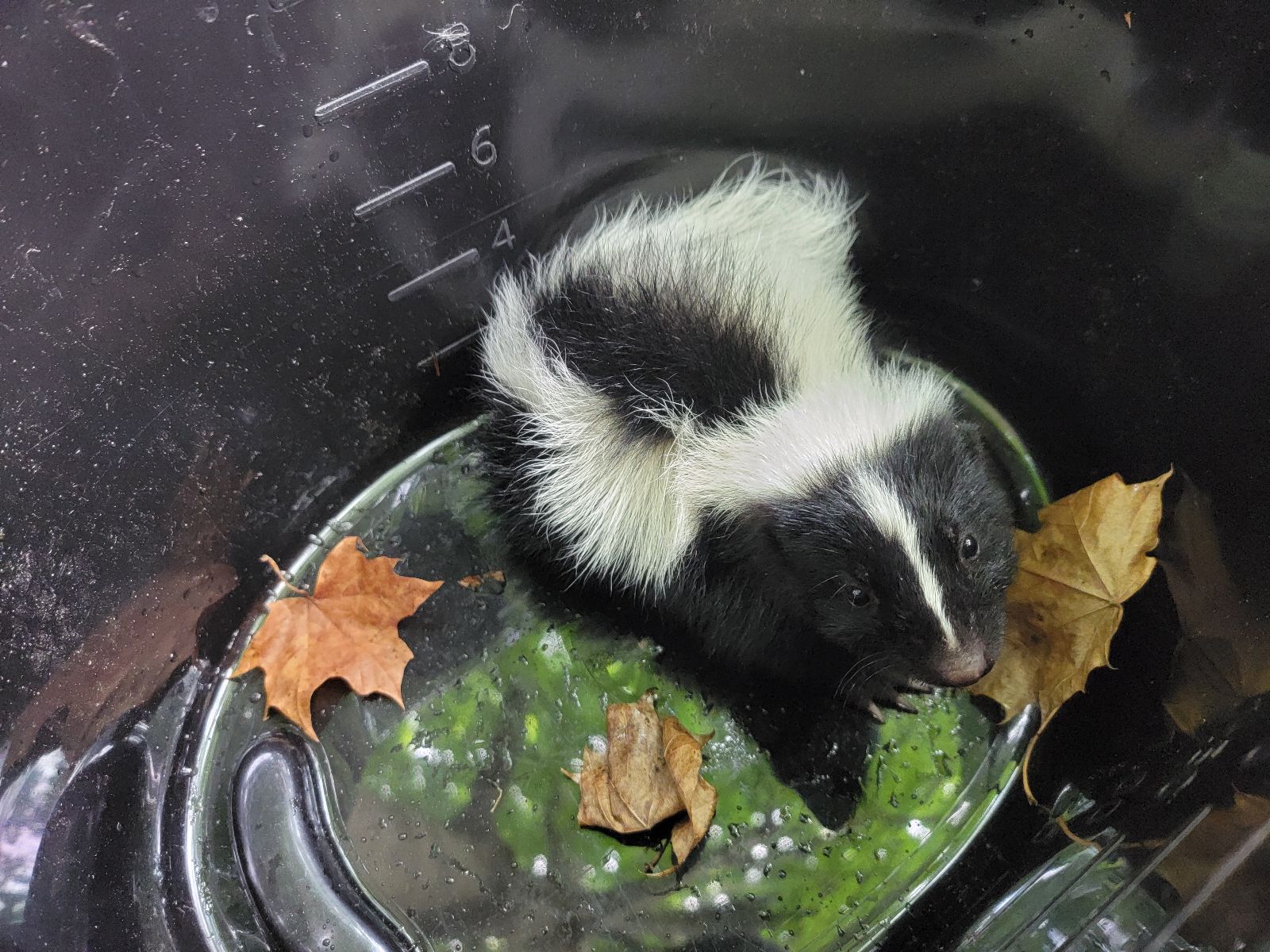
Skunks are the awkward little night-shift neighbors of the yard. They are not here to terrorize you. They are here because your space offers something they need: easy food, a quiet den, or both. The good news is you can usually convince them to move along without harsh chemicals, traps, or drama.
Below is my gardener-friendly approach: remove the buffet, make the hangout spots less cozy, add a few gentle “no thanks” deterrents, and then block re-entry once you are sure the space is empty.

First, confirm it is a skunk
Before you change anything, take five minutes to play yard detective. Skunks are famous for their spray, but most of the time you will notice their digging first.
Common skunk signs
- Small conical holes in turf, usually 1 to 3 inches wide, where they are hunting grubs.
- Rolled-up patches of sod like someone lifted the edge of a carpet.
- Musky odor that comes and goes near decks, sheds, or woodpiles.
- Nighttime sightings around dusk and dawn, moving slowly with nose to ground.
If you see larger torn-up areas, scattered trash, or heavy damage to bird feeders, you might be dealing with raccoons instead. It matters because the best “natural” solution is always species-specific.
Quick safety basics
Skunks are usually calm and shy, but they are still wild animals. A little caution prevents most of the messy moments.
- Keep dogs leashed at dusk and dawn. Most sprays happen when a dog rushes in first and asks questions later.
- Do not try to handle a skunk. If one is injured, trapped, or acting oddly, call a licensed wildlife professional.
- Secure chicken coops and outdoor pet areas. Close feed bins and block small openings at night.
- Wash hands after working near a suspected den and keep kids away from burrow entrances.
Humane rules
I am firmly in the coexistence camp, with boundaries. Skunks eat garden pests like grubs, beetles, and even small rodents. But they do not belong under your deck or next to your compost bucket.
- Never try to scare a skunk at close range. If you surprise one, back away slowly and give it a clear path to leave.
- Do not use poisons. They are inhumane, risky for pets and wildlife, and often illegal.
- Check local laws before trapping or relocating. Many areas restrict relocation because it spreads disease and stresses the animal.
- Time it right. Spring into early summer can mean babies are present, timing varies by region. Excluding a mother can orphan kits and create bigger problems.
If you suspect a den with babies, skip to the section on when to call a professional. A humane wildlife control company can confirm occupancy and use legal, ethical methods in your area.
Step 1: Remove food
Skunks are opportunistic omnivores. Think of them like the ultimate compost-curious scavenger with a sweet tooth for insects. Take away the easy calories and they usually stop “checking in.”
Lock down trash and recycling
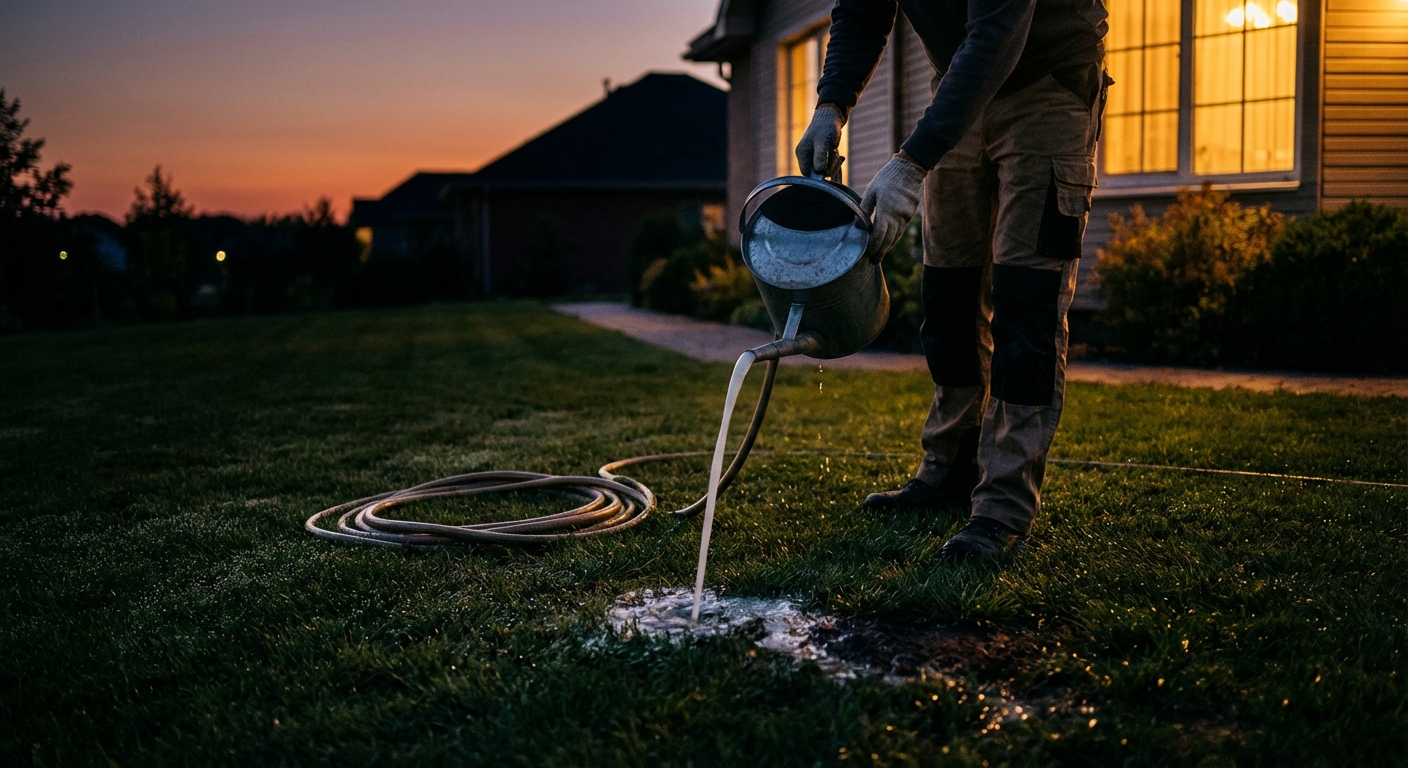
- Use a latching trash can or add a bungee cord over the lid.
- Rinse food containers before they go in recycling.
- Put bins out the morning of pickup, not the night before if you can.
Remove pet food and bird seed
- Feed pets indoors, or pick up bowls immediately after meals.
- Store pet food in a sealed metal container if possible.
- Pause low-hanging bird feeders, or add a seed catch tray and clean spills often.
Fruit trees and gardens
- Pick ripe fruit promptly and remove fallen fruit daily during peak drop.
- Keep vegetable beds tidy. Overripe tomatoes on the ground are a skunk magnet.
Step 2: Reduce grubs
If your lawn looks like it got poked by a hundred little spoons, skunks are likely after white grubs, the larvae of beetles like Japanese beetles and chafer beetles. Treat the food source and you solve the skunk problem at its root.
How to check for grubs
Cut a flap of turf about 1 square foot and peel it back. A commonly cited threshold is around 5 to 10 or more grubs per square foot, but it can vary by grass type, season, and region. If you are on the fence, your local extension guidance is the gold standard.
Natural grub control options
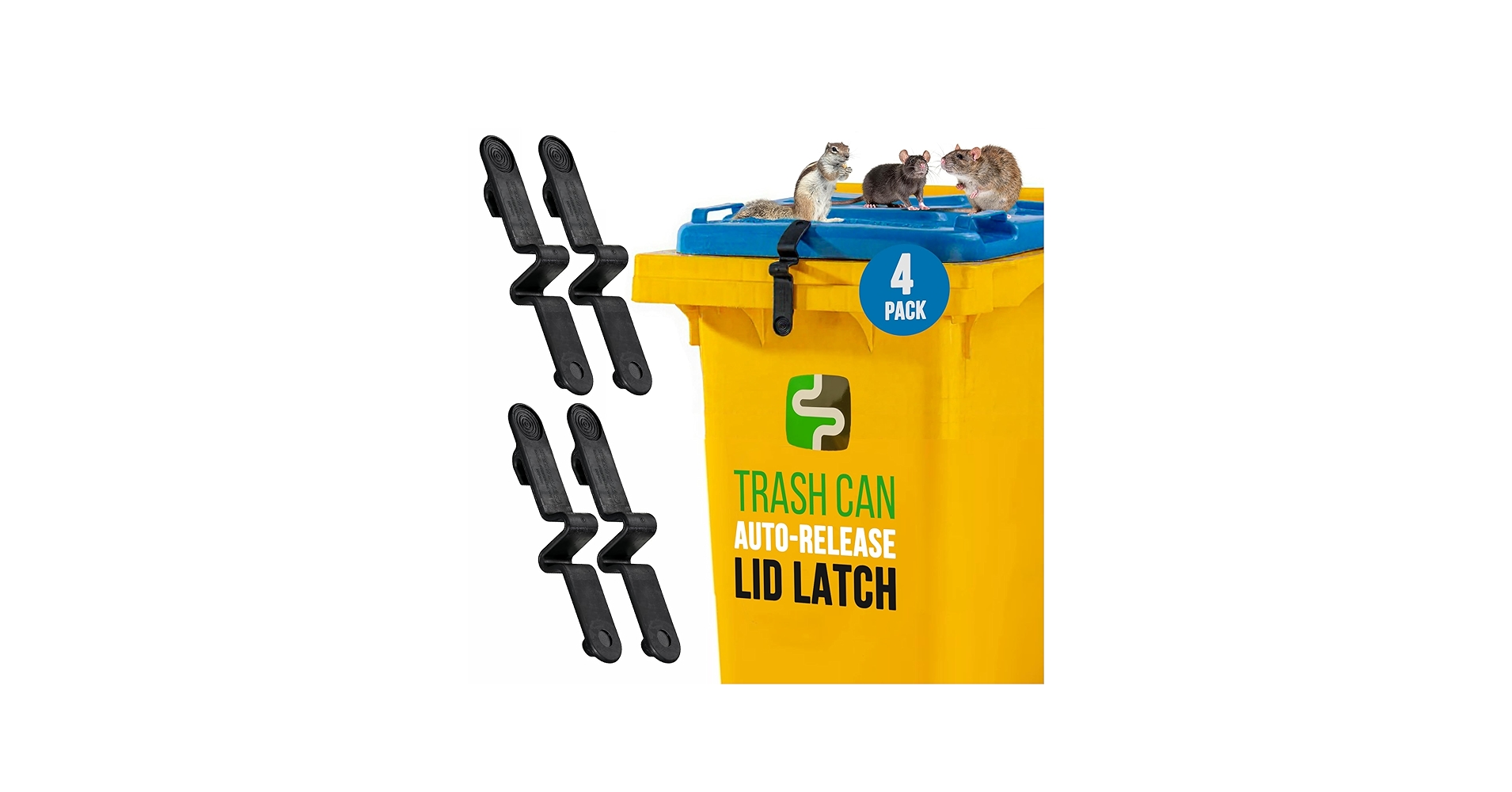
- Beneficial nematodes (often sold as Heterorhabditis bacteriophora). Apply when soil is moist and temperatures are in the right range for the product. Timing depends on your region and the grub life stage, and you will get the best results targeting young grubs. Always follow the label and, if available, local extension timing.
- Milky spore can help with Japanese beetle grubs in some climates, but it is not a quick fix and results vary by region. It also does not control chafer grubs or many other grub species.
- Build soil health and tolerate a little imperfection. A perfectly manicured lawn often needs more inputs. A slightly more diverse yard is usually more resilient.
Tip from my own garden notebook: If you apply nematodes, do it in the evening and keep the area damp for about a week. They are living organisms, not a spray-and-forget product.
Step 3: Remove shelter
Skunks like low, protected spaces. If your yard has a lot of “hidden corners,” you are offering prime rental units.
Make the yard less den-friendly
- Clear brush piles, stacked boards, and dense weeds near fences.
- Store firewood 12 to 18 inches off the ground if possible.
- Trim shrubs so there is airflow and visibility beneath them.
- Keep sheds and garages orderly and doors shut at night.
If a skunk is already living under a structure, do not block the entrance yet. First you need to be sure the space is empty, or you risk trapping the animal inside.
Garden beds
If skunks are snooping through beds, it is usually because the buffet is close by: fallen fruit, compost goodies, or insect life in the soil.
- Harvest daily when things are ripening fast, and remove windfalls.
- Use a temporary night barrier on problem beds, like low hoops with row cover or wildlife netting pinned down securely.
- Keep compost contained and avoid tossing fatty scraps outdoors where smells travel.
- Address grub and beetle pressure in nearby turf so the yard is less of a late-night diner.
Step 4: Use motion deterrents
Deterrents work best when they are surprising, consistent, and not harmful. The goal is to make your yard feel inconvenient, not terrifying.
Most effective natural deterrents
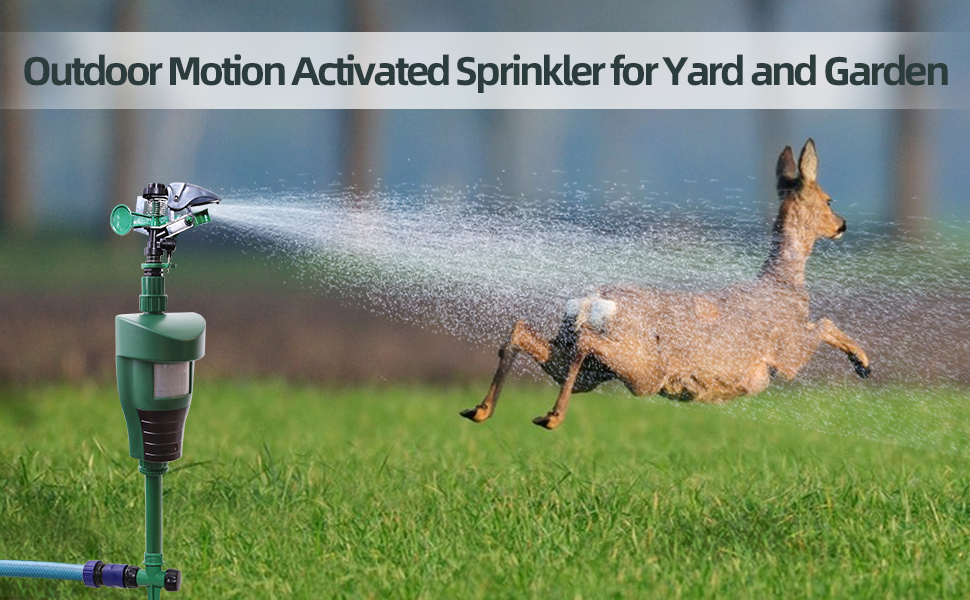
- Motion-activated sprinklers: My top pick. Skunks hate an unexpected shower and it is safe for gardens.
- Motion-activated lights: Helpful, especially near trash storage or den entrances. Warmer bulbs can be less disruptive to some nocturnal insects. Still, any nighttime lighting can affect wildlife, so aim it carefully and use only where you need it.
- Ultrasonic devices: Mixed results. Some households swear by them, others see no change. If you try one, use it as a supporting tool, not the whole plan.
What to skip
- Mothballs or ammonia: Not recommended. They can be toxic, smell awful, and may be illegal to use outdoors in some areas.
- Cayenne or hot pepper sprays: They wash away quickly and can irritate pets and beneficial wildlife.
- Predator urine: Often inconsistent and can attract other animals.
Step 5: Exclude access
Exclusion is the long-term win, but timing matters. You want to close the door only after you are confident no animal is inside.
Before you seal anything
- Check for fresh tracks, new digging, or strong odor near the opening.
- Look for signs of babies in spring and early summer, like repeated activity around one entrance.
- If you are unsure, set up a trail camera for 2 to 3 nights or sprinkle flour near the entrance to check for footprints.
How to exclude humanely
- Encourage the skunk to leave. Increase light and gentle noise near the den at night. Place a motion light or a battery radio outside (low volume). Remove nearby food sources.
- Install a one-way door over the entrance for a few nights so the skunk can exit but not re-enter. One-way devices are commonly used by wildlife control pros and are often more humane than trapping.
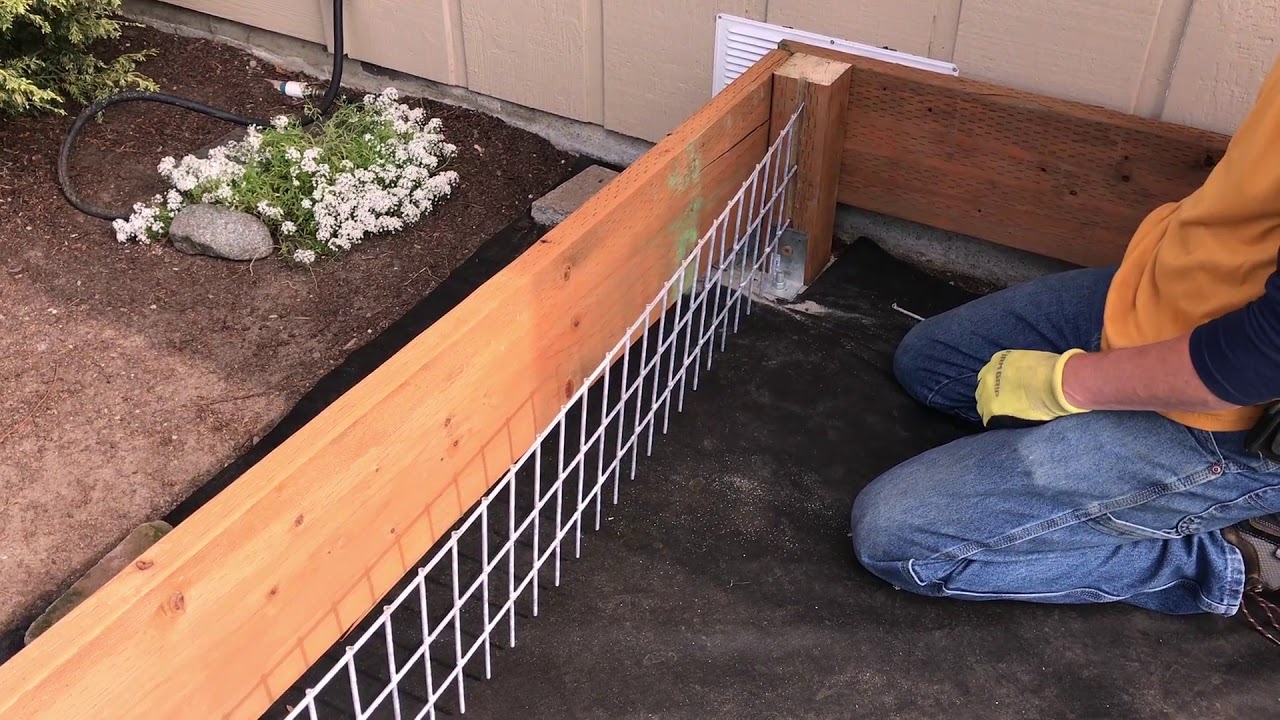
- Seal with hardware cloth once you confirm it is empty. Use 1/4 inch galvanized hardware cloth, not chicken wire.
- Add a dig barrier. A common approach is an L-shaped apron: bury hardware cloth about 6 to 12 inches down, then flare it outward 8 to 12 inches. Adjust as needed for your soil and the site, and follow local guidance or professional recommendations if you have persistent digging.
For decks and sheds, you can also add a tidy skirt of lattice backed by hardware cloth, secured firmly to framing.
Two quick notes: Some jurisdictions require permits or specific methods for exclusion and relocation. Also, sealing crawl spaces can affect moisture and ventilation in some homes, so consult a qualified pro if you are unsure.
If a skunk sprayed
It happens. Usually because the skunk was startled, chased by a dog, or cornered. Ventilate the area and keep pets away until you can clean.
For outdoor surfaces
- Hose down hard surfaces first.
- Scrub with a solution of hydrogen peroxide, baking soda, and a small amount of dish soap. Use fresh peroxide and do not store the mixture in a closed container.
- Rinse thoroughly.
For dogs
Use a pet-safe skunk odor shampoo if you have it. If not, many vets recommend the peroxide and baking soda approach, but avoid eyes and mouth and ask your vet if your dog has sensitive skin. Also note that peroxide can lighten or bleach some fur and fabrics. Tomato juice is more folklore than fix.
When to call a pro
Sometimes the most humane option is calling someone with the right tools and legal know-how, especially if a den is involved.
Call a licensed wildlife professional if:
- You suspect babies under a deck, shed, or porch.
- The skunk is active during the day, stumbling, unusually aggressive, or seems disoriented. Skunks can occasionally be out in daylight, but odd behavior is the red flag.
- There is repeated spraying near entry points, or you cannot locate where it is living.
- You have a crawl space or foundation opening that needs careful sealing.
Ask about their approach before booking: you want exclusion-first practices, one-way doors, and clear adherence to local wildlife laws.
7-day plan
If you want a calm checklist to follow, here is what I would do in my own yard.
- Day 1: Secure trash, remove pet food, clean up fallen fruit, pause messy bird feeding.
- Day 2: Inspect lawn for grubs. If counts are high for your area, decide on nematodes and confirm timing on the label or with local extension advice.
- Day 3: Trim and tidy den-like spots. Move woodpiles up off the ground.
- Day 4: Install a motion sprinkler or motion light near the problem area.
- Day 5 to 6: Monitor activity with a camera or flour test near openings.
- Day 7: If no activity, begin exclusion with hardware cloth and a dig barrier. If activity continues, consider a one-way door or a professional.
Most skunk issues resolve once the easy food disappears and the “safe” shelter is no longer available. Think gentle, consistent inconvenience.
FAQ
Will coffee grounds, citrus peels, or vinegar repel skunks?
These home remedies might briefly change the smell of a spot, but they are usually not strong or consistent enough outdoors. Your best natural repellent is removing food plus using motion-activated water or light.
Are skunks dangerous?
They are generally shy and prefer to avoid conflict. The main risks are spray and the possibility of disease like rabies in some regions. Keep pets vaccinated, do not approach wildlife, and call a professional if you see odd behavior.
Why do skunks keep coming back?
Usually because the yard still offers one of their favorites: grubs, accessible trash, pet food, fallen fruit, or a reliable den under a structure. Natural control works best when you address all three: food, shelter, and access.
The Leafy Zen bottom line
You do not need to wage war on skunks. In most cases, you just need to stop hosting them. Secure anything edible, handle grubs with soil-friendly methods, add a motion deterrent, and then exclude carefully once you are sure the space is empty. Your yard stays peaceful, your soil stays healthy, and the skunk finds a more suitable place to do its nighttime foraging.