
How to Get Rid of Raccoons in Your Garden Naturally

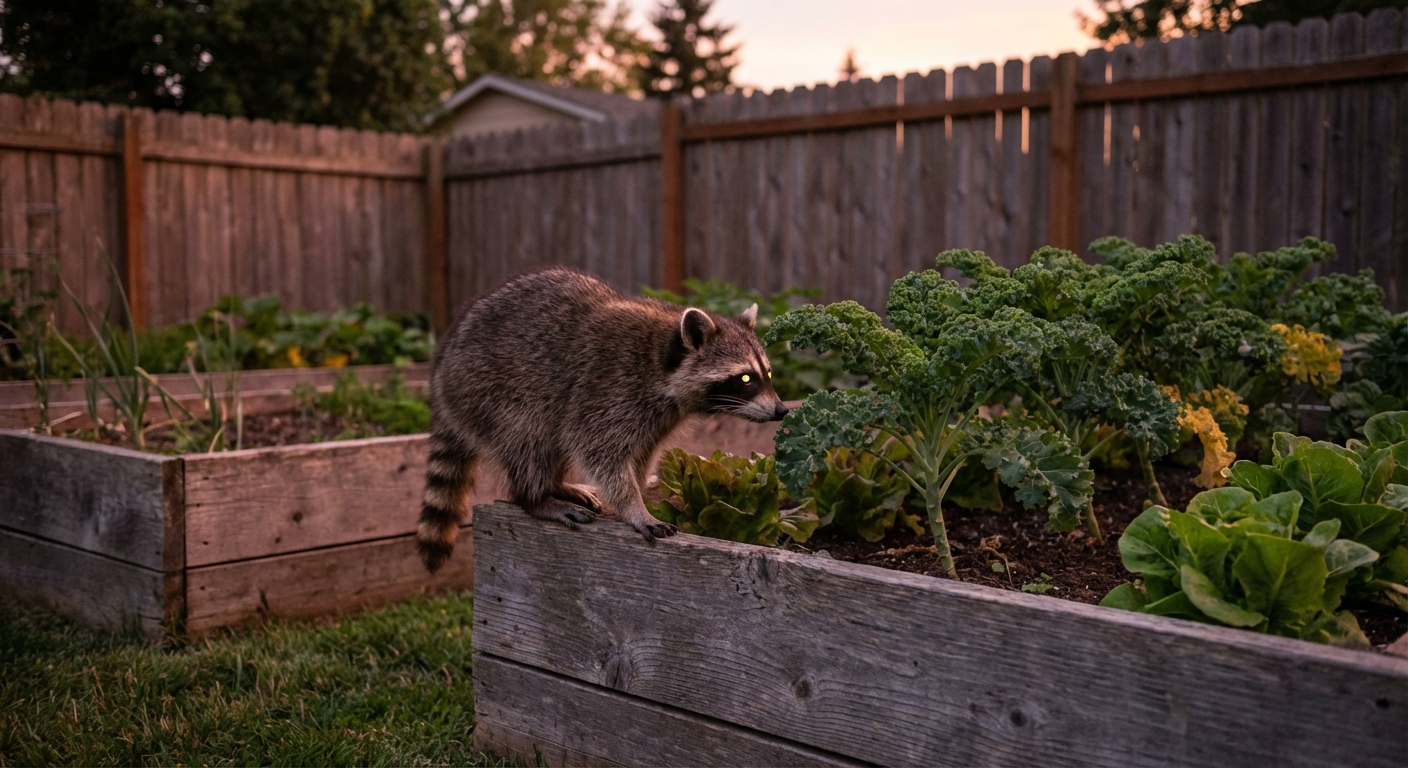
Raccoons are equal parts clever and charming, right up until they treat your garden like an all-you-can-eat buffet at 2 a.m. If you have toppled corn stalks, half-eaten melons, or muddy little handprints on your raised bed edges, you are not alone.
The good news: you can push raccoons out of your garden naturally and humanely by combining three things that matter to them most: easy food, easy access, and feeling safe. We are going to take those away, gently but consistently.
First, make sure it is raccoons
Before you buy anything or start spraying, confirm the culprit. Raccoons tend to be messy and strong, and they often visit repeatedly once they learn your yard is a reliable food stop.
Common signs
- Tracks that look like tiny human hands: five toes on both front and back feet.
- Rolled back or torn sod from hunting grubs and worms.
- Damaged sweet corn with stalks bent down and ears partially eaten.
- Hollowed melons and bitten tomatoes, usually with a lot of mess left behind.
- Raided compost or tipped trash cans.
If you suspect skunks or opossums too, the solutions below still help, but raccoons are the ones most likely to defeat weak lids, flimsy fencing, and “polite” deterrents.
Natural raccoon deterrents that work
Raccoons learn routines fast. Your best results come from using a deterrent that feels unpredictable (startles them) plus one that makes your garden smell or taste “not worth it.” Rotate methods every week or two so they do not get comfortable with a single trick.
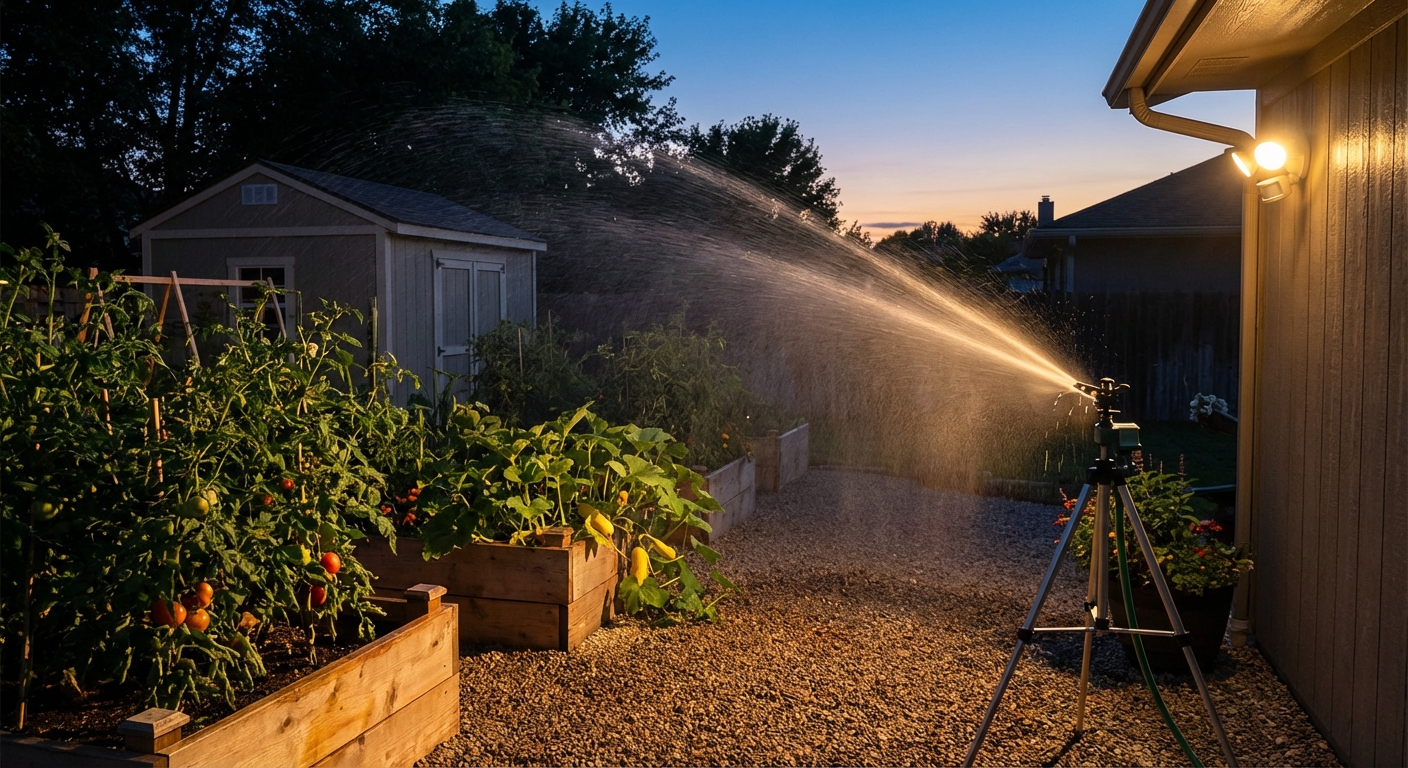
Motion-activated sprinklers
This is my top humane deterrent for most suburban gardens. Raccoons hate surprise and they really hate being blasted with water when they are trying to snack in peace.
- Where to aim: Point it at the entry route: along fences, beside raised beds, near corn, and by compost.
- How to find entry routes: Look for fence-line travel paths, prints in soft soil, flattened grass along the bed edge, routes beside downspouts, and “step-up” spots like woodpiles or low decks.
- When to run: Dusk through dawn, or all night if raids are frequent.
- Pro tip: Move the sprinkler every few days so they cannot memorize the safe lane.
Ammonia rags (short-term scent deterrent)
Some gardeners find ammonia may help for a short time as a “not welcoming” scent, especially while you are improving long-term barriers. It is not a guaranteed fix, and it can be irritating if used carelessly, so treat it like a temporary tool, not a main strategy.
How to use it safely
- Soak a few rags or cotton balls in household ammonia.
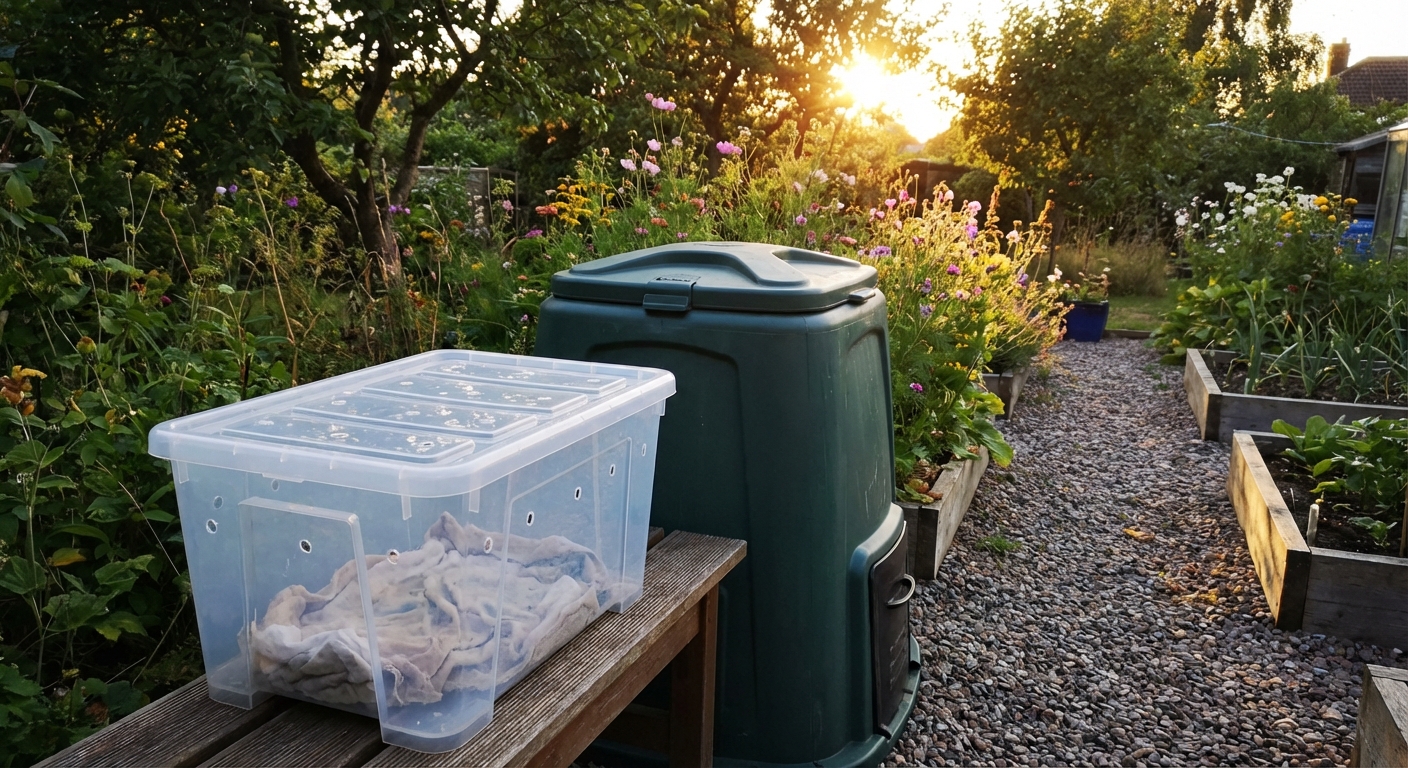
- Place them in a ventilated container (like a small plastic tub with holes) or hang them in a jar with a perforated lid near the problem area, such as by the outside of a compost bin, along a fence line entry point, or near the base of a corn patch.
- Keep away from kids and pets. Never place where an animal can tip it, chew it, or get trapped in fumes.
- Keep away from edible areas and do not place directly on soil where it can spill.
- Refresh every 2 to 3 days, and always after rain.
Important: Never mix ammonia with bleach, do not use it in enclosed spaces, and avoid breathing fumes.
Hot pepper spray (taste deterrent)
If raccoons are sampling ripe fruit or sweet corn, a spicy deterrent can make them decide your garden is not the best restaurant in the neighborhood. This works best when you apply it before peak ripening, then keep up with reapplication.
Simple DIY pepper spray
- Mix 1 tablespoon cayenne pepper (or hot chili powder) with 1 quart of water.
- Add a few drops of mild liquid soap to help it stick. Use a gentle soap, since some can cause leaf burn.
- Shake well and spray on non-edible plant surfaces like leaves and stems, and on the outside of corn husks.
Use it without wrecking your harvest
- Do not spray directly on the part you plan to eat (tomato fruit, strawberry fruit, herb leaves you harvest daily).
- Avoid overspray on fruit and blossoms.
- Apply in the evening to reduce leaf stress.
- Reapply after rain or heavy dew.
- Test on one plant first to check sensitivity.
- Wash produce thoroughly before eating, even if you only sprayed leaves and stems.
If you choose a store-bought capsaicin spray, follow the label closely, especially on edible crops, and check local extension guidance if you are unsure.
Lights and sound (limited, but helpful)
Solar lights, blinking LEDs, and radio noise can help for a few nights, especially if the raccoon is new to your yard. But they tend to lose power over time, so use these as bonus layers, not your only plan.
- Try: Motion-activated lights aimed at the garden entrance.
- Avoid: Constant bright lights that bother you and your neighbors and quickly stop meaning anything to wildlife.
Garden steps that prevent repeat raids
Deterrents are great, but raccoons come back for one reason: calories. The fastest long-term fix is to remove the easy meals and lock down the ones you cannot remove.
Secure your compost
Compost that smells like dinner is an open invitation.
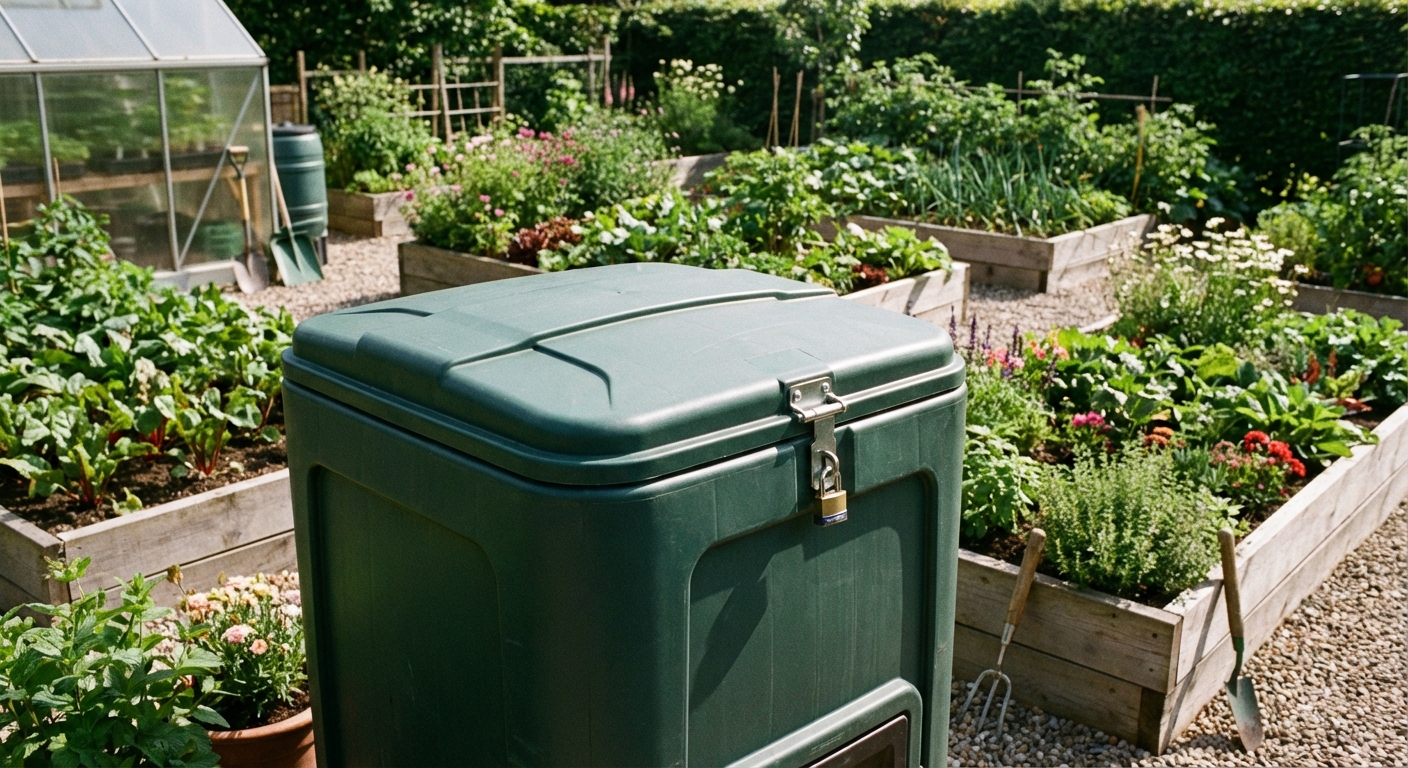
- Use a latching compost bin with a snug lid.
- Skip meat, fish, greasy foods, and dairy in backyard compost.
- Bury fresh kitchen scraps in the center of the pile and cover with browns.
- If you use an open pile, consider switching to a raccoon-resistant tumbler or enclosed bin.
Bring in pet food and protect feed
Outdoor pet bowls are basically a neon sign for raccoons. Feed pets indoors or pick up bowls before dusk. If you keep chickens, store feed in a sealed metal can and make sure the coop is latched with hardware raccoons cannot flip open with their paws.
Do not forget bird feeders
Bird seed spills are raccoon snacks, and nighttime feeder raids are common.
- Bring feeders in at night if possible.
- Use seed catch trays and clean up spills under feeders.
- Store seed in sealed, sturdy containers.
Remove water bait
In dry weather, water can be the attraction. If raccoons are visiting nightly, remove what you can.
- Bring in pet water bowls at dusk.
- If you have a pond, consider temporary fencing or a motion sprinkler aimed at the approach path.
Harvest ripe produce daily
Overripe fruit is raccoon candy. During peak season, do a quick evening harvest. I call it the “pajama pick.” Tomatoes, corn, melons, figs, grapes, and berries are all common targets.
Protect raised beds and favorite crops
If you grow what raccoons love most, physical protection is often the cleanest solution.
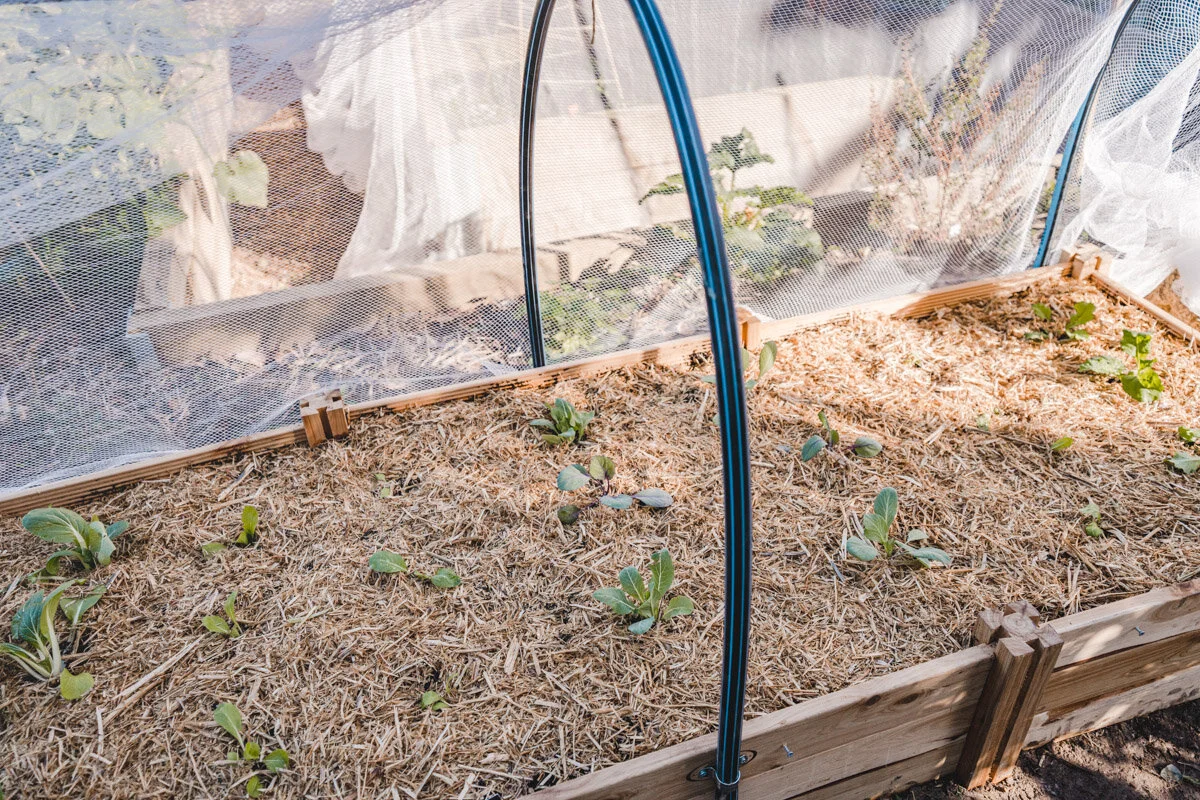
- Row cover hoops with secured edges: Works for leafy greens and seedlings. Pin the fabric down firmly so they cannot lift it.
- Hardware cloth around beds: Attach 1/2-inch hardware cloth to the outside of the bed frame if raccoons climb in and dig.
- Fruit protection: Use individual mesh bags for melons or cover berries with netting that is pulled tight and secured.
- Corn note: Raccoons often hit corn when it reaches the “milk stage” (when kernels squirt milky juice when pressed). That is when you want protection fully in place.
Fencing that stops raccoons
Raccoons climb well, squeeze through surprising gaps, and they are strong enough to push under loose fencing. If you fence, build it like you are outsmarting a tiny burglar.
Best options
- Electric fence (most effective): A low, properly installed electric fence can be highly effective and humane, especially for corn patches. Follow local regulations and product instructions.
- Woven wire plus an outward overhang: Add an outward overhang or floppy top section to make climbing harder.
- Hardware cloth skirt: Bury 6 to 12 inches or create an L-shaped apron that extends outward to prevent digging under.
Quick electric fence setup
- Example: 3 strands at roughly 6 inches, 12 inches, and 18 inches off the ground around the garden or corn patch.
- Keep it hot: Mow and trim vegetation so it does not touch the fence and ground it out.
- Make it visible: Flag the wire so people and pets see it.
Fence checklist
- Design matters more than height: A 4 to 5+ foot fence can help, but raccoons climb vertical wire easily. Overhangs, a floppy top, or electric offsets are what change the game.
- Close gaps: Focus on gaps at gates, corners, the bottom edge, and around posts. Keep those openings under 2 inches where possible.
- Secure the bottom: Staple or pin it down tightly and use a buried skirt or apron.
- Use real latches: Raccoons can open simple hooks. Use carabiners, locking latches, or two-step closures.
Humane exclusion
If raccoons are using your yard as a travel route, deterrents and clean-up may be enough. But if they are denning under a deck, shed, or crawlspace, you need exclusion.
Step 1: Make sure nobody is trapped
Raccoons often have babies in spring and early summer. If you block an entry point while kits are inside, the situation becomes stressful and messy for everyone.
- Watch at dusk for a few evenings to see if an adult leaves.
- Listen for chittering or movement inside walls, under decks, or in attics.
- If you suspect babies, contact a licensed wildlife rehabilitator or humane wildlife control professional.
Step 2: Use a one-way door
A one-way exclusion door lets the raccoon exit but not re-enter. After you are sure the animal is out, you can permanently seal the opening with hardware cloth and sturdy materials.
Step 3: Remove the welcome mat
- Clear brush piles and clutter near the den site.
- Store bird seed and chicken feed in sealed containers.
- Cap chimneys and repair loose soffits or vents with wildlife-rated covers.
Know the rules
Trapping and relocation laws vary by state and province. If you are considering trapping at all, check guidance from your local wildlife agency first, and when in doubt, hire a licensed pro.
What not to do
I know the late-night garden damage can make anyone feel a little feral. But a few common tactics tend to backfire or create bigger problems.
- Do not use poison. It is inhumane and can harm pets, children, and beneficial wildlife.
- Do not relocate raccoons yourself. It is illegal in many areas, and relocated animals often do not survive.
- Skip mothballs and toxic fumigants. They are unsafe and not a reliable outdoor solution.
- Avoid relying on one trick. Layer solutions and adjust if they stop working.
Repellent safety basics
- Keep deterrents and repellents away from children and pets.
- Avoid skin contact and inhaling fumes or spray drift.
- Follow label directions on store-bought products.
A simple 7-day raccoon reset
If you want a clear starting point, here is the gentle but effective plan I use when a garden is getting hit hard.
Days 1 to 2: Remove food
- Harvest ripe produce daily.
- Bring in pet food and water bowls at dusk.
- Bring in bird feeders at night and clean up spilled seed.
- Lock down compost and trash.
Days 2 to 4: Add surprise
- Install a motion-activated sprinkler covering the main entry route.
- Add a motion light near the same area if needed.
Days 4 to 7: Add taste and barriers
- Use pepper spray on non-edible surfaces and reapply as needed.
- Net or fence the specific crop they target most (especially corn at milk stage).
- Seal gaps under sheds or decks after confirming no animals are inside.
Stick with it for a week, then keep the physical protection in place during harvest season. Once raccoons learn your garden is difficult and unpleasant, they usually move on to easier yards.
When to call a pro
If you see repeated daytime activity plus signs of illness (staggering, disorientation), unusually bold behavior, or aggression, contact animal control or your local health department for guidance. Daytime sightings alone are not automatically rabies, but odd behavior is worth taking seriously.
If you suspect a den in an attic, chimney, or crawlspace, bring in a licensed wildlife professional. Humane exclusion is a skill, and it is worth getting right the first time.
And if you are feeling discouraged, please do not. Gardening is basically a lifelong practice of setting boundaries with love. Even with raccoons.