
How to Get Rid of Poison Oak and Sumac in Your Yard

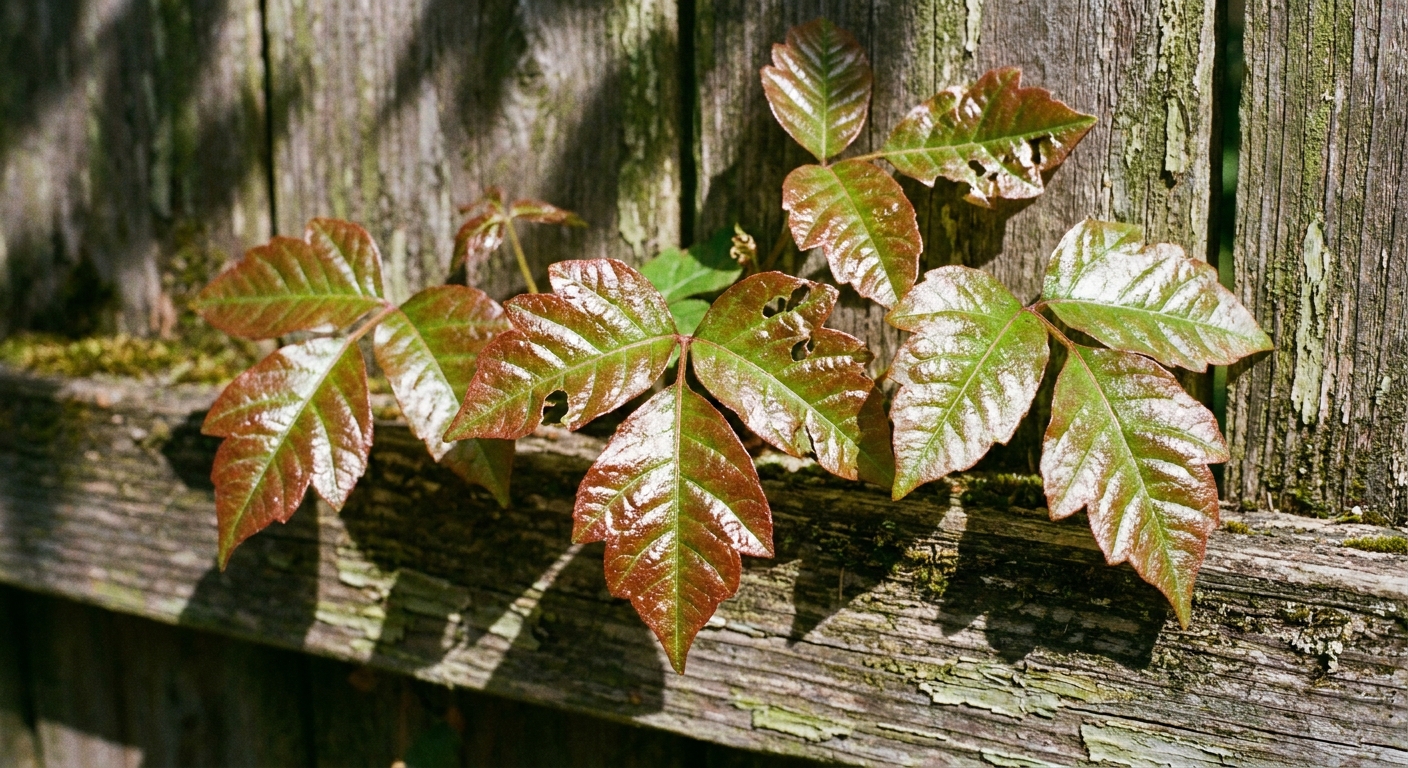
If you have ever brushed past what looked like an innocent leafy shrub and ended up with an angry, blistering rash a day or two later, you already know the real problem is not the leaves in isolation. It is the oil on those leaves and stems, and how easily it transfers.
Poison oak and poison sumac (like poison ivy) contain urushiol , a sticky oil that can hitchhike on gloves, pet fur, shoelaces, tools, and even smoke if the plant is burned. The good news is you can remove these plants and reclaim your yard. You just need a plan that keeps the oil from spreading.

First, make sure you have the right plant
Before you pull, cut, or smother anything, take five minutes to confirm the ID. Misidentifying poison plants is how people get exposed again and again, or accidentally remove a harmless native that was doing great work for your soil.
One important note: these plants are variable. A confident ID usually comes from multiple traits (leaflet number, leaflet shape, arrangement, stems, growth habit, habitat, and your region), not just one rule of thumb.
Poison oak vs poison ivy
- Both can have “leaves of three.” That saying helps, but it is not the whole story.
- Poison oak often looks oak-like. The leaflet edges commonly have rounded lobes, like tiny oak leaves. Poison ivy leaflet edges are more variable, sometimes smooth, sometimes slightly toothed.
- Growth habit differs by region. Poison oak commonly grows as a shrub (and can vine), while poison ivy often vines or sprawls as a groundcover. In many areas, either can do either, which is why it helps to look at several traits together.
- Seasonal color changes are common. New growth can be reddish. Fall foliage can turn yellow, orange, or red, which makes it especially sneaky.
Poison sumac (and why it is a special case)
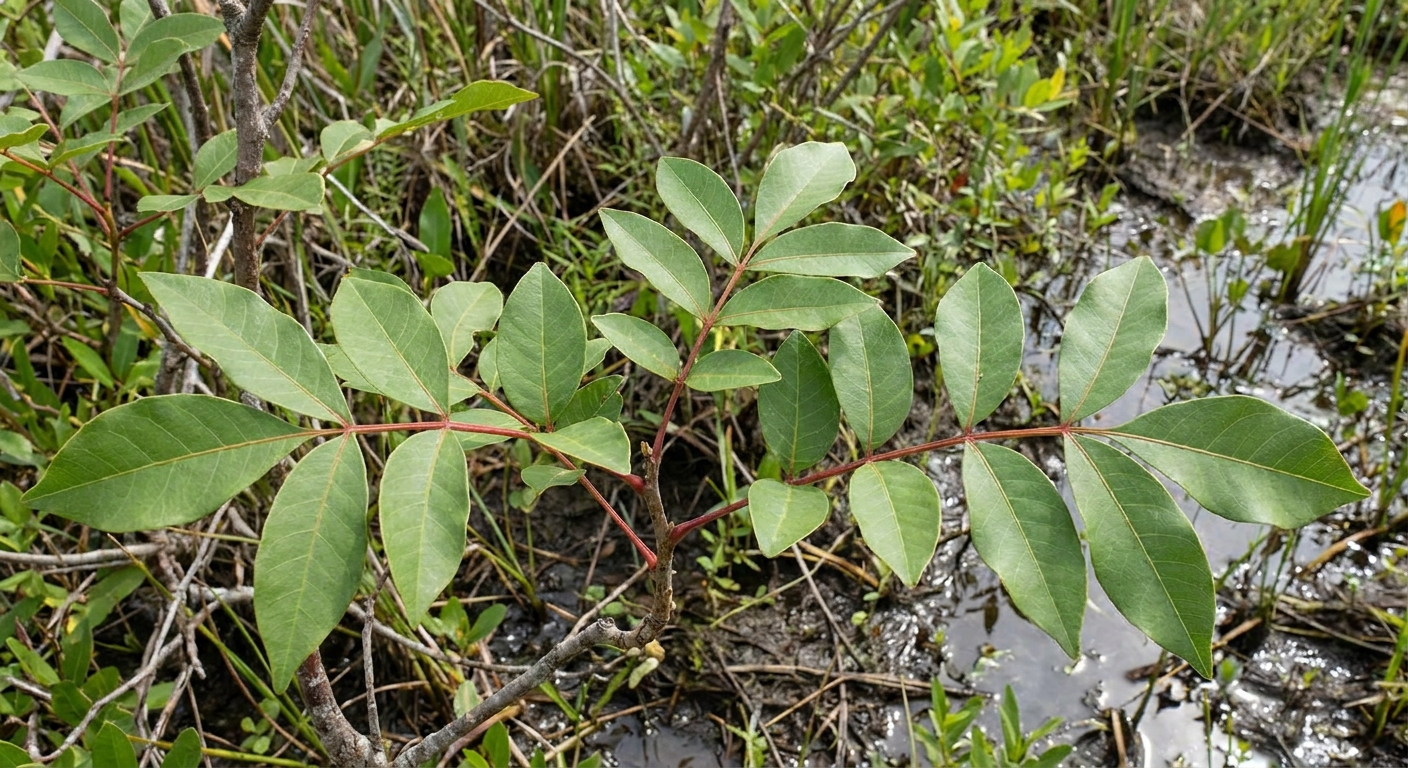
Poison sumac is less common in typical dry lawns and garden beds. It prefers wet, boggy, or swampy ground and often grows as a woody shrub or small tree.
Also, true poison sumac is primarily an eastern North America plant (Toxicodendron vernix). If you are in the West and someone says “sumac,” they are often talking about non-poison species. Still, treat unknown plants cautiously until you confirm.
- Leaf pattern is not “leaves of three.” Poison sumac has 7 to 13 leaflets arranged in pairs with one at the tip.
- Stems and berries can help. Poison sumac tends to have pale gray stems and clusters of drooping, whitish berries.
- Non-poison lookalike: Smooth sumac (often in drier areas) has upright, red berry clusters and is not the same plant.
If you are unsure, treat the plant as toxic while you confirm. A local extension office, a native plant group, or a reputable plant ID app can help you get a confident match.
Timing matters
You can remove poison oak and sumac any time the ground is workable, but some windows are easier and more effective.
- Best for digging and pulling: After a soaking rain, when soil is damp and roots release more easily.
- Best for repeated cutting: Late spring through summer, when the plant is actively growing and you can keep knocking it back.
- Best for careful herbicide use (if you choose it): Late summer into early fall, when many woody plants move carbohydrates down to their roots.
Also consider your comfort. Covered-up removal on a cool, overcast day is a lot less miserable than doing it in peak summer heat.
Gear up
Urushiol is so effective at its job that “bare minimum” protection is rarely enough. My rule is simple: if I would not want the plant’s oil on my face, I do not want it on my wrists, ankles, or neck either.
Clothing and protective gear
- Long sleeves and long pants you can wash immediately
- Closed-toe shoes or boots with socks
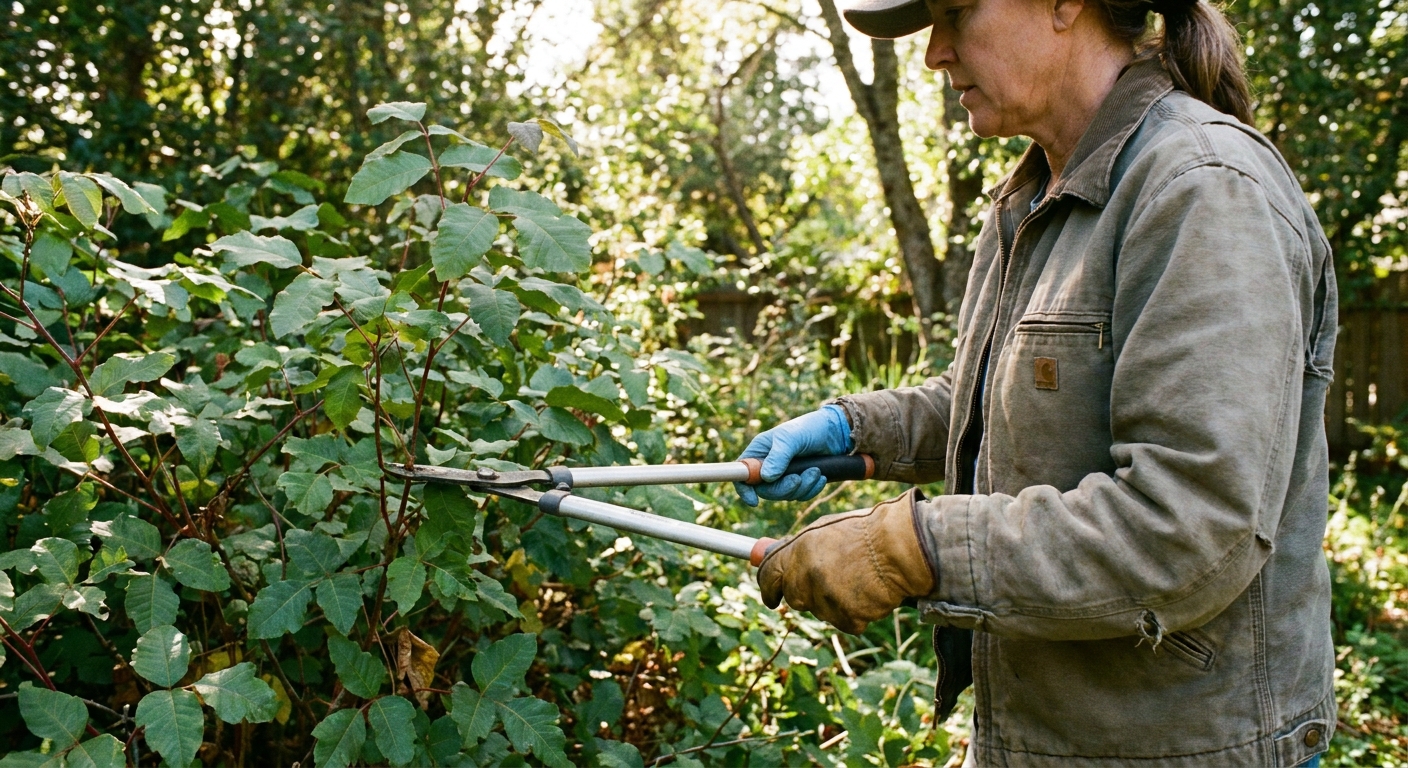
- Disposable nitrile gloves (wear them under heavier work gloves if you need grip and thorn protection)
- Eye protection if you are cutting or working overhead
- A mask if you are disturbing dry plant matter or working in dusty conditions (note: this is not a substitute for ventilation and safe handling)
Tool and setup tips
- Use long-handled pruners or loppers to keep distance.
- Line a bucket or tote with a sturdy trash bag so you can drop cuttings in without brushing against them later.
- Keep a dedicated “dirty zone” where tools and bags sit until cleanup is done.
- Do not mow or string-trim poison oak or sumac. It can fling contaminated debris and plant juice onto your skin, clothes, and nearby surfaces.
Never burn poison oak or sumac. Urushiol can ride on smoke particles and cause a severe reaction if inhaled. If your area burns yard waste, this is the one time you absolutely skip that option.
Non-chemical control
If you can remove poison oak and sumac without chemicals, you reduce risk to pollinators, soil life, nearby ornamentals, and your own lungs. These plants can be stubborn, especially when roots or underground runners remain, but non-chemical methods work well with consistency.
Option 1: Dig out roots
This is the fastest way to get a win when the infestation is small and accessible.
- Water the area (or wait for rain) so roots pull more cleanly.
- Cut the top growth to reduce flailing branches, then bag it.
- Dig a wide circle around the base and work slowly to lift roots and any visible runners.
- Bag everything and avoid dragging plants across the ground.
- Backfill and mulch right away to reduce sprouting and erosion.
For poison oak, watch for root pieces and underground stems. Even small fragments can resprout.
Option 2: Repeated cutting
If digging is not practical, repeated cutting starves the plant over time.
- Cut stems as low as possible.
- Return every 2 to 4 weeks during active growth and cut any new shoots promptly.
- Expect a multi-month project, sometimes a full season or two for established plants.
This method is very safe for the soil, but it tests your patience. Think of it as politely insisting the plant spend its energy reserves until it runs out.
Option 3: Smothering
Smothering works best for low growth and for areas you can leave covered for a long stretch.
- Cut plants down close to the ground and bag the cuttings.
- Cover the area with thick cardboard (overlap seams).
- Top with 4 to 6 inches of mulch.
- Leave in place for months, checking edges for escapees.
Smothering may not fully defeat a mature woody root system by itself, but it can dramatically reduce regrowth while you combine it with cutting.
If you use herbicides
I am a “least intervention first” gardener, but I am also realistic. For poison oak thickets on fences, steep slopes, or places where repeated contact is likely, targeted herbicide can be a reasonable tool.
Important: Herbicide labels are the law. Follow the product label exactly for your plant, your application method, and your local regulations. Keep people, pets, and edible gardens in mind, and avoid drift on windy days.
If your publication and local rules allow, you will often see products marketed for woody vines and brush that contain active ingredients like glyphosate or triclopyr. Which one is appropriate depends on the site and the label directions for Toxicodendron species. When in doubt, ask your extension office what is commonly recommended in your region.
Lower-contact application methods
- Cut-stump treatment: Cut the stem near ground level, then apply the labeled product to the freshly cut surface as directed. This reduces spray drift and keeps exposure localized.
- Wick or sponge application: Some products and tools allow you to wipe herbicide directly onto leaves. This can be helpful near desirable plants, if permitted by the label.
Even with careful application, keep your protective gear on. The plant oil is still present on leaves and stems.
Safe disposal
Disposal is where a lot of well-meaning gardeners get re-exposed. The oil stays active on dead plant material for a long time, and on some surfaces it can remain potent for months or even years.
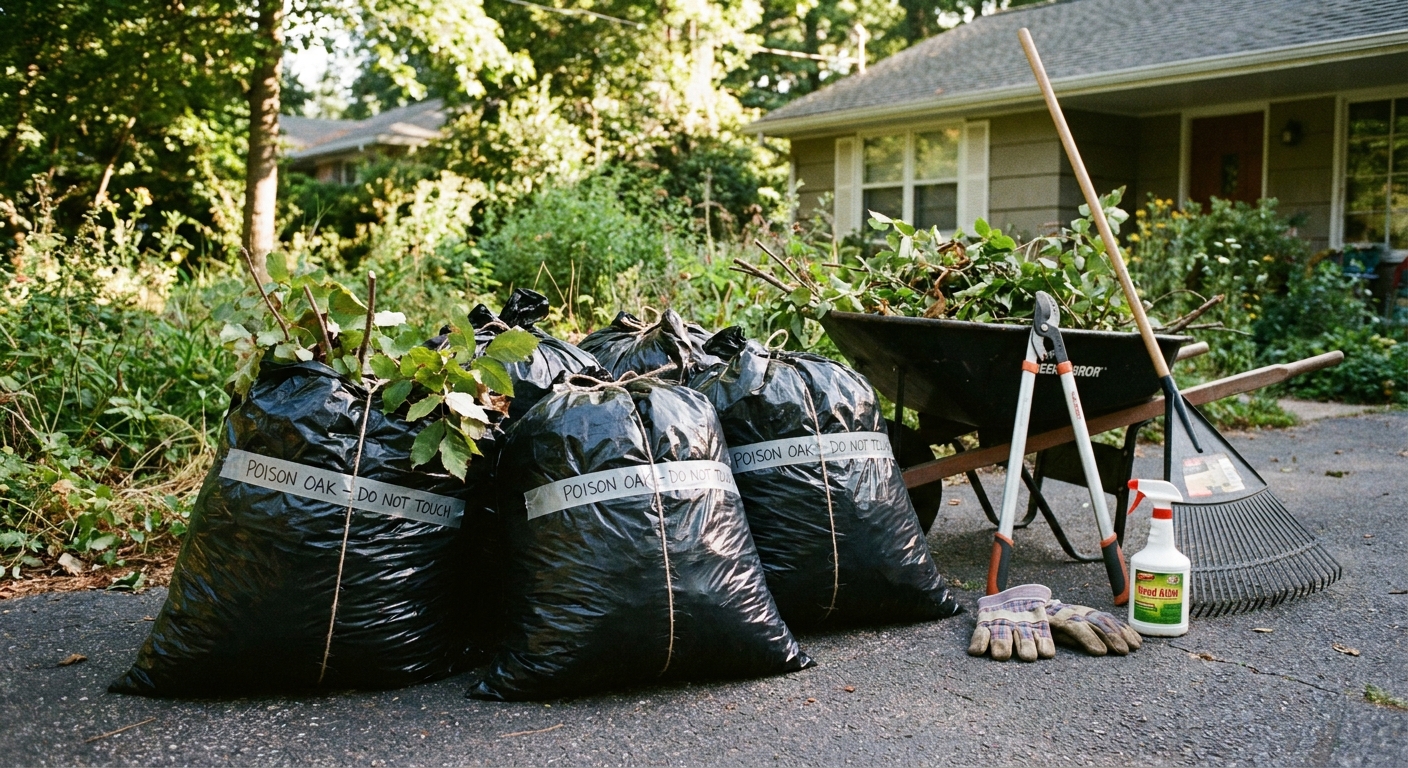
- Bag it. Use heavy-duty contractor bags. Double-bag if needed.
- Do not chip or shred it. That spreads contaminated dust and bits everywhere.
- Do not compost it. Home compost piles do not reliably break down urushiol, and you will handle that compost later.
- Follow your local waste guidance. Many areas treat this like yard waste in sealed bags, while others prefer trash. When in doubt, call your municipality.
If the plant climbed a tree or fence, remember that the vine itself is oily too. Bag it carefully, and consider leaving thick, dead vines in place to decay only if removal would shower you in debris. If you do leave a vine, clearly mark it and avoid touching it for a long time.
Wash-up that prevents spread
If you do one thing from this article, let it be this: cleanup is part of the job. Urushiol spreads through contact, and it loves to linger on smooth surfaces.
Right after yard work
- Keep gloves on while you handle tools and bagged debris.
- Remove clothing carefully. Avoid pulling sleeves across your face.
- Wash exposed skin promptly. Use soap and cool or lukewarm water. Hot water does not “open pores” (that is a myth), but heat can strip your skin’s protective oils and increase blood flow, which can worsen irritation and help urushiol sink in.
- Use friction on purpose. Urushiol behaves like invisible machine grease. A quick rinse, even with soap, can miss it. Work up a lather and gently but thoroughly rub with your hands or a clean washcloth, especially around wrists, ankles, and under nails. Specialized urushiol washes can help if you have them on hand.
- Shower soon. Wash under fingernails and around wrists, ankles, and neck.
Clothes, shoes, and tools
- Launder separately with detergent, using warm or hot water as the fabric allows. An extra rinse helps.
- Clean shoes (soles, laces, and uppers) with soapy water.
- Wipe tools with soapy water or rubbing alcohol, then rinse and dry. Keep the rag or paper towels contained and discard them in a sealed bag.
Optional: barrier products
If you know you will be in a high-risk area, consider a purpose-made urushiol barrier cream as an extra layer of insurance. It is not a substitute for gloves and long sleeves, but it can reduce how much oil sticks to skin.
Pets
Your dog or cat can carry urushiol on fur without reacting. If they were in the area, use pet-safe shampoo and wear gloves while bathing them. Pay attention to legs, belly, and muzzle areas where plants brush.
Prevent regrowth
Poison oak and sumac are survivors. Even after you remove them, the goal is to stop the next generation from claiming the space.
Expect roots to try again
Poison oak commonly resprouts from roots and underground runners. Poison sumac can also resprout if the root system remains intact. Plan on follow-up checks.
- Inspect the area weekly for the first month, then every few weeks through the growing season.
- Pull or clip new shoots when they are tiny. Small regrowth is much easier and safer to handle.
Replant with competition
Bare soil is an invitation. Once you have removed the plants, consider filling the space with something that shades the soil and uses resources efficiently.
- Sunny areas: dense native grasses, clover mixes (if appropriate for your region), or vigorous groundcovers you can manage
- Part shade: hardy groundcovers or shrub layers that prevent open edges
- Along fences: a planned hedge or trellis planting that is easy to maintain and inspect
If you are restoring a woodland edge, local native plants are often your best long-term ally. They occupy niches that poison oak loves, without the rash.
If you get a rash
I am not a medical professional, but I have gardened long enough to know that acting quickly can make a big difference.
- Wash skin as soon as possible with soap and cool or lukewarm water, using gentle friction to lift the oil.
- Avoid scratching. Broken skin increases infection risk.
- Over-the-counter anti-itch products can help with comfort.
- Seek medical care if the rash is severe, on your face or genitals, widespread, or if you have trouble breathing. Inhalation exposure from burning is an emergency.
Quick removal checklist
- Confirm ID and map the patch (use multiple traits and your region)
- Suit up: long sleeves, long pants, nitrile gloves, eye protection
- Choose method: dig, cut repeatedly, smother, or targeted herbicide per label
- Never burn, never compost, never chip, never mow or string-trim
- Bag debris immediately
- Wash skin with soap, cool or lukewarm water, and friction; then clean clothes, shoes, tools, and pets
- Monitor for regrowth and replant the space
If you want, tell me what region you are in and whether your plant is a shrub, vine, or small tree. I can help you narrow down the most effective approach for your yard layout.