
How to Get Rid of Nutsedge in Your Lawn Naturally

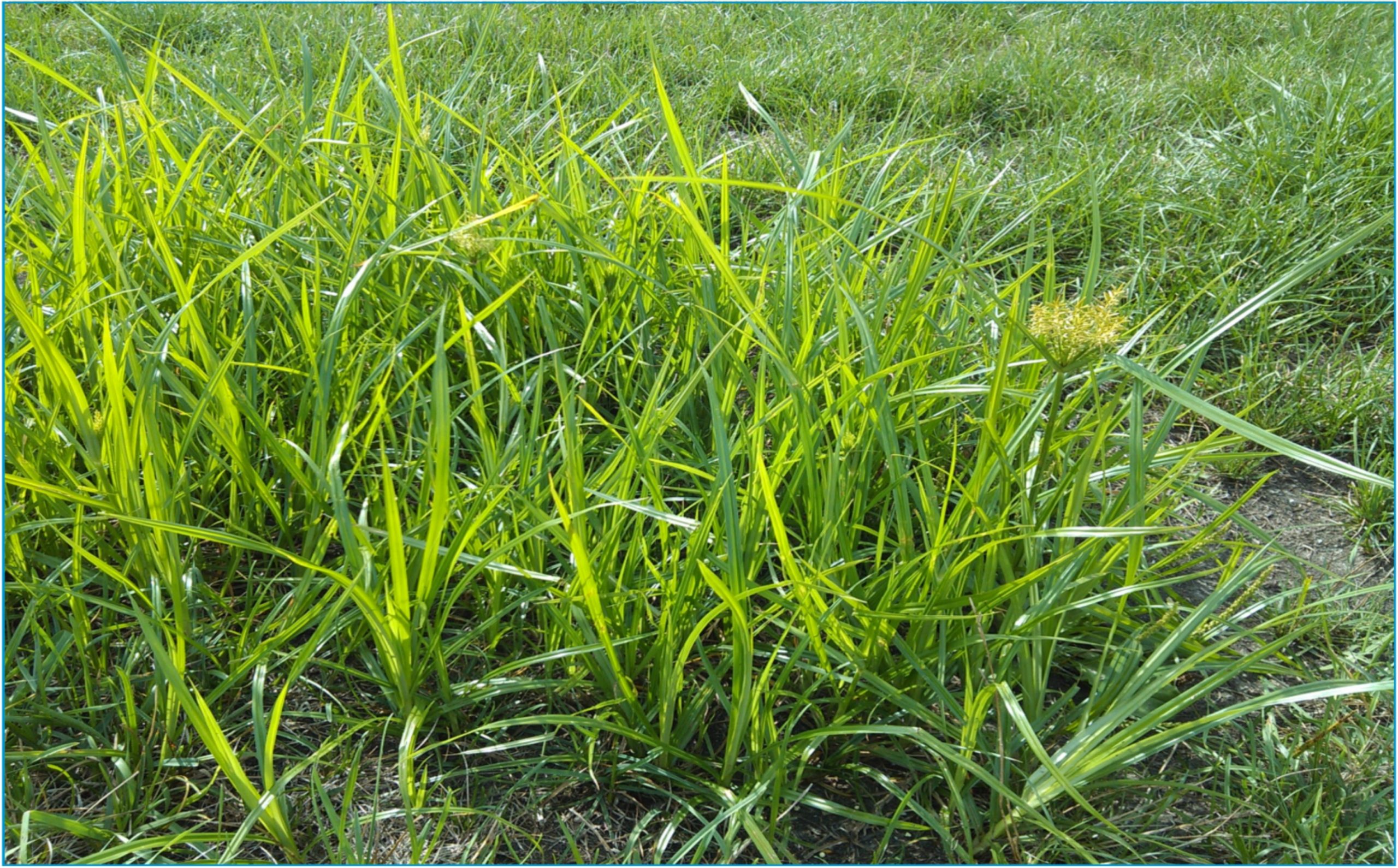
If you have bright green, fast-growing “grass” popping up in your lawn like it owns the place, odds are you are dealing with nutsedge, also called nutgrass. It is not a true grass at all. It is a sedge, and it plays by different rules, mainly by storing energy in small underground tubers (often called “nutlets”) that help it rebound after you pull or mow.
The good news: you can absolutely beat it back naturally. The not-so-fun truth: it is usually a season-long project, and success comes from stacking a few simple moves, especially making your lawn less welcoming to nutsedge and more competitive for turf.
Know your enemy: yellow vs purple nutsedge
Yellow nutsedge (Cyperus esculentus) and purple nutsedge (Cyperus rotundus) look similar at first glance, but the details matter. Purple nutsedge tends to be more aggressive and spreads readily through chains of tubers connected by rhizomes.
Quick ID tips you can use in the lawn
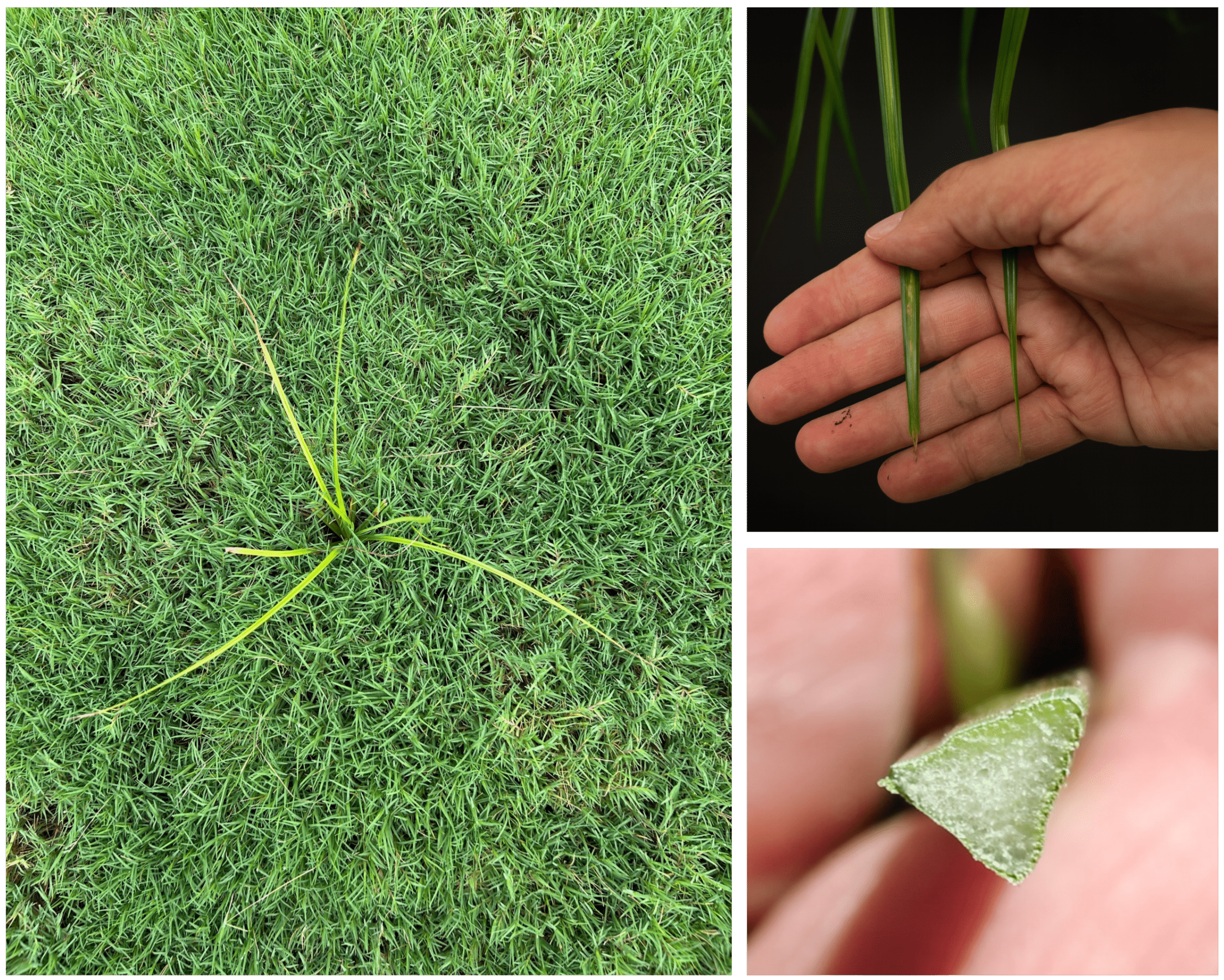
- Stem shape: Sedges have a solid, triangular stem. Roll it gently between your fingers and you can feel the edges.
- Leaf arrangement: Nutsedge leaves often come off the stem in three ranks (three-sided look).
- Leaf look: Many nutsedges have a slightly shiny or waxy leaf surface compared to turfgrass.
- Leaf color: Yellow nutsedge is often a lighter yellow-green. Purple nutsedge is usually a deeper green and can look a bit “tighter” or stiffer.
- Seedhead: If allowed to mature, yellow nutsedge can produce a straw to golden-brown seedhead. Purple nutsedge can produce a reddish-purple to dark purple-brown seedhead.
- Growth habit: Nutsedge often grows faster and taller than your turf, creating little bright tufts that stand out a day or two after mowing.
Color and leaf-tip shape can be subtle and variable, so do not rely on just one trait. If you are unsure, let a small patch grow just long enough to show its seedhead, then snip it and compare color. Avoid letting it mature and drop seed, even though nutsedge usually spreads far more by tubers and rhizomes than by seed.
Look-alikes to rule out
A lot of lawn weeds get called “nutgrass.” Two common look-alikes:
- Crabgrass: A true grass with round stems, not triangular. It often sprawls outward and roots at nodes, especially when mowed low.
- Kyllinga (green kyllinga): A sedge cousin that can form a dense mat. It often has a small, round, green “button” seedhead rather than the more open, umbrella-like nutsedge seedhead.
If you can find the triangular stem, you are almost always in sedge territory.
Why nutsedge shows up: follow the water
Nutsedge often shows up where soil stays wet longer than it should. It thrives in soggy soil, compacted areas, low spots, and along irrigation leaks. That said, it can also hang on in reasonably managed lawns, especially where turf is thin or the soil has been disturbed. Before you chase plants, chase the conditions.
Common moisture causes
- Overwatering: Frequent shallow watering keeps the top layer constantly moist, which nutsedge loves.
- Poor drainage or clay soil: Water sits instead of soaking in.
- Compaction: Foot traffic, pets, and heavy equipment squeeze out pore space so water cannot move.
- Low areas: Even a shallow dip can stay wet for days after rain.
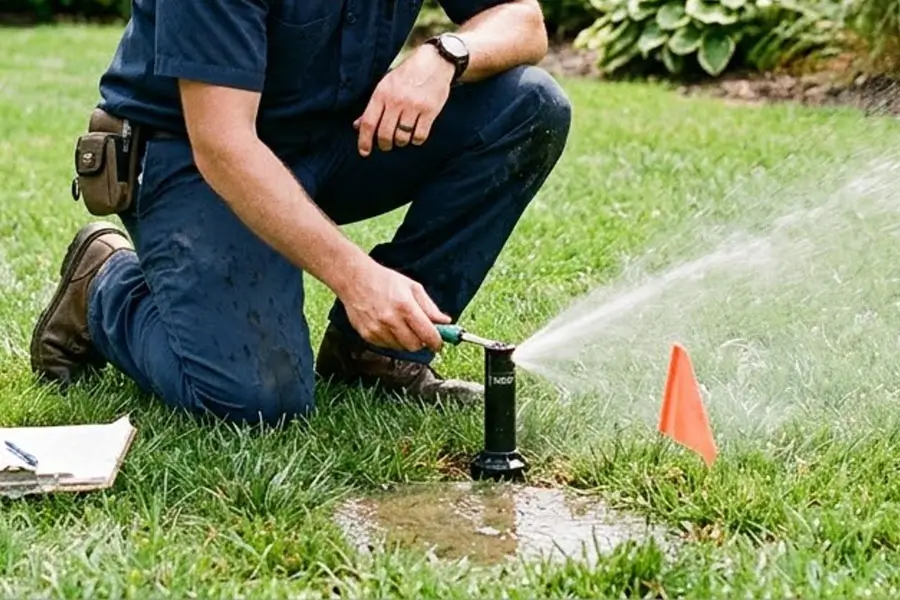
- Irrigation issues: Misaligned sprinkler heads, broken lines, or overspray against the house can create a perpetually wet stripe.
Fixing moisture does not just slow nutsedge. It makes your turfgrass stronger so it can crowd weeds out naturally.
Drainage and watering fixes that matter most
If I could only give you one “organic herbicide” for nutsedge, it would be better drainage and smarter watering. Here are the most effective, lawn-friendly steps.
1) Water deeper, less often
Most established lawns do better with deep watering that reaches several inches down, then a drying period. That encourages turf roots to dive deeper while making the surface less welcoming to nutsedge.
- Water in the morning so leaf blades dry quickly.
- Use a tuna can or rain gauge to measure how much water you are applying.
- Adjust run times seasonally instead of leaving irrigation on autopilot.
2) Aerate compacted areas
Core aeration pulls plugs from the soil, opening channels for air and water. It helps turf and makes the ground less swampy. For organic lawn care, this is a foundational practice.
- Best timing: when your lawn grass is actively growing so it can recover.
- Focus on traffic zones where nutsedge keeps returning.
3) Topdress low spots
For shallow depressions, topdress with a thin layer of compost and compatible topsoil, then overseed if needed. Build up gradually rather than dumping a thick layer that smothers turf.
4) Check irrigation coverage
Run sprinklers and watch. You are looking for:
- Areas getting hit twice due to overlap.
- Heads spraying onto sidewalks and reflecting back onto the lawn edge.
- Leaking valves or soggy stripes that never dry.
Timing: when to act
Nutsedge is a warm-season weed. It tends to pop once soil temperatures rise and can grow fast in summer. Your best window is early, when new shoots are still small and you can reduce the plant’s ability to recharge its tubers.
- Start scouting in late spring through summer, especially after rain or irrigation cycles.
- Do not wait for a big, tall tuft. Smaller plants are easier to weaken and remove.
Pulling nutsedge: when it helps and when it backfires
Hand pulling can help with a very small, young infestation, especially if the soil is slightly moist and you can remove the plant’s base plus any attached rhizomes and tubers. But nutsedge is notorious for snapping off above the tubers, which leaves the underground storage system intact and ready to resprout.
How to pull with the best odds
- Pull when the soil is damp but not muddy.
- Use a narrow weeding tool to loosen soil several inches deep.
- Work slowly and try to lift the base of the plant with any connected rhizomes and tubers (“nutlets”).
- Bag and remove, especially if seedheads are present.
If you pull and the plant breaks cleanly and easily, treat that as a sign to stop pulling and shift to cultural suppression instead. Repeated snapping can become an exhausting game of whack-a-mole.
Mowing strategy: the part most people get wrong
Mowing is a tool, but it is not a simple “shorter is better” situation. Nutsedge often tolerates mowing because it can regrow quickly, and it can outpace turf between cuts.
When mowing height helps
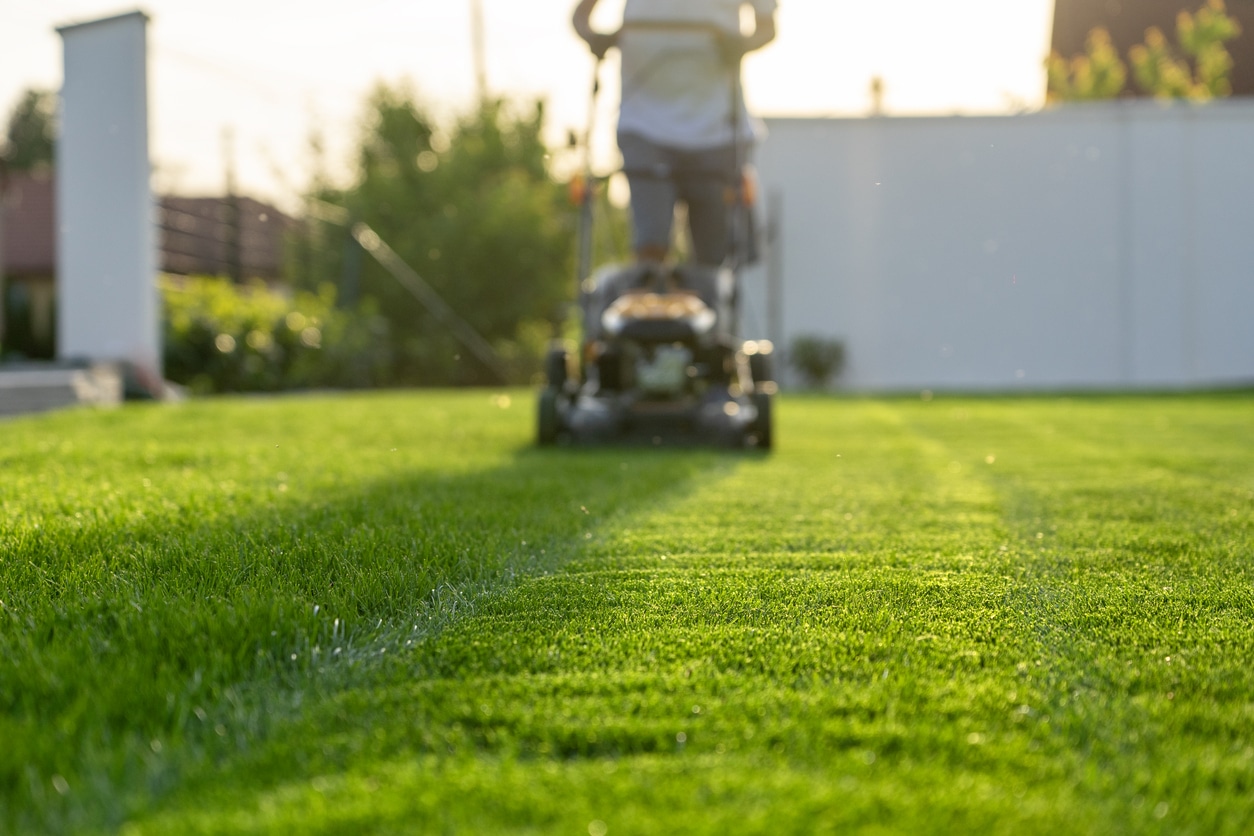
- Mow your turf at its recommended height (usually on the higher end for many cool-season lawns and many warm-season lawns during heat). Taller turf shades the soil and helps grass outcompete nutsedge.
- Mow often enough that you are not removing more than one-third of the grass blade at a time. This keeps turf from getting stressed.
When mowing makes nutsedge worse
- Scalping the lawn: Cutting too short lets light hit the soil and opens space for nutsedge to surge.
- Infrequent mowing: Letting everything get tall, then chopping it down hard, stresses turf and gives nutsedge an opening.
My rule of thumb: mow for turf health, not for weed punishment. A dense, well-fed lawn is the most “natural herbicide” there is.
Starve the tubers with cultural practices
Nutsedge’s secret weapon is its underground tubers. Your goal is to make the plant spend energy over and over, without letting it fully recharge. That is why consistency matters. Mowing alone rarely starves nutsedge quickly. It works best when paired with better watering, thicker turf, and targeted removal in the worst spots.
Do this all season
- Improve turf density: Overseed thin cool-season lawns in the right season. For warm-season lawns, encourage fill-in with proper mowing height and feeding.
- Feed the soil, not just the grass: Topdress with compost, use organic fertilizers as needed, and avoid harsh practices that weaken turf.
- Reduce wet conditions: Fix drainage, adjust irrigation, and relieve compaction.
- Target edges and wet spots: Nutsedge often starts around downspouts, fence lines, and shaded soggy areas.
Think of it like gently turning down the volume on nutsedge week by week. You are not trying to “nuke” it. You are trying to make your lawn the place where nutsedge cannot thrive.
Organic suppression options that help
Let’s talk natural control tools. None are magic, but several can meaningfully suppress nutsedge when paired with the moisture fixes above.
Smothering with mulch (best for non-lawn areas)
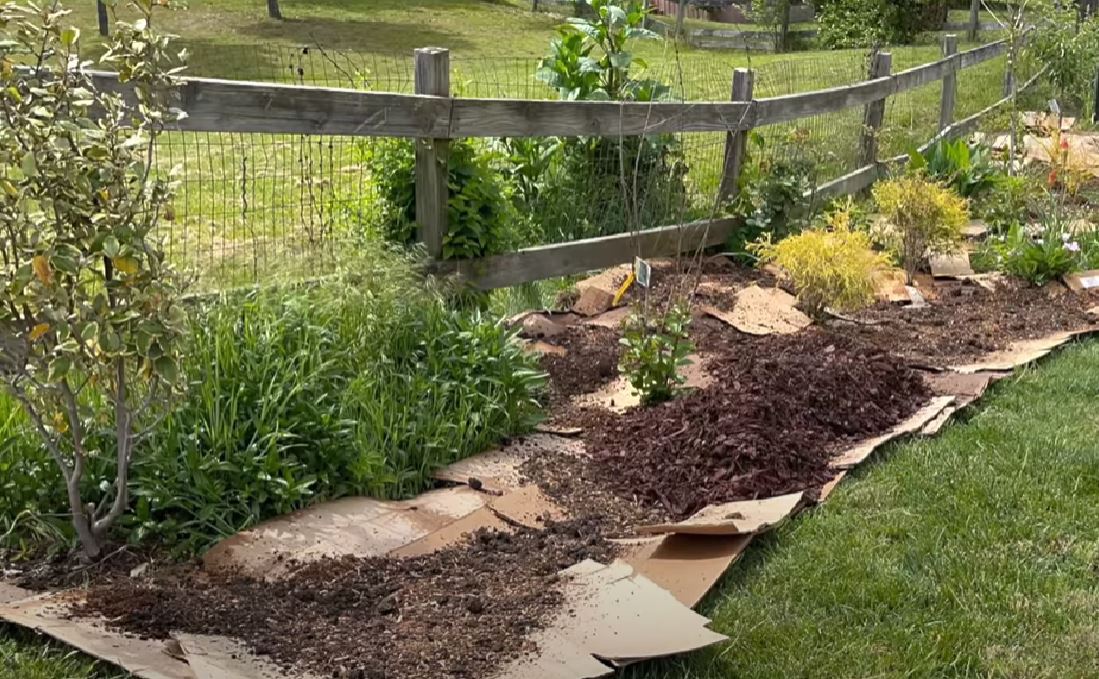
If nutsedge is invading garden beds, mulch is your friend. In a lawn, you cannot mulch, but you can use the same concept in beds, pathways, and around trees where nutsedge often spreads from.
- Lay down plain cardboard (remove tape) and overlap seams.
- Top with 3 to 5 inches of wood chips.
- Monitor edges. Nutsedge can sneak through gaps.
Solarization (for severe patches you can sacrifice)
For a stubborn patch where you are willing to temporarily lose turf, solarization can reduce tubers by overheating the soil. Results can be variable, and tubers can survive if the heat does not penetrate deeply enough.
- Best timing: hottest part of summer, in full sun.
- Water the area, then cover tightly with clear plastic.
- Seal edges with soil or boards so heat stays trapped.
- Leave in place for 4 to 6 weeks, and be prepared to go longer in milder climates.
This is not a quick fix, but it is chemical-free and can be effective in the right conditions.
Vinegar and “natural sprays”: use with caution
Horticultural vinegar can burn back top growth, but it is non-selective and usually does not kill the tubers. In a lawn, it often harms grass more than it helps. If you use any contact burn-down product, keep it for cracks in hardscape, gravel, or areas you plan to replant.
- Wear eye protection and gloves. Strong vinegar can burn skin and eyes.
- Do not spray on windy days. Drift will damage desirable plants.
Boiling water: spot use only
Boiling water can burn top growth and can damage shallow tubers, but it is very easy to injure nearby turf and roots. It can also kill beneficial organisms in the immediate treated spot. I consider it a last resort for tiny, isolated sprouts in places you cannot dig. Use carefully to avoid scalding yourself.
What about organic herbicides for nutsedge?
True, selective, organic post-emergent options for nutsedge in lawns are limited. Many “natural weed killers” are contact sprays that burn foliage but do not reliably stop regrowth from tubers.
If you choose a product, read the label carefully for:
- Whether it is selective for lawns or non-selective.
- Whether it is intended for sedges specifically.
- How many repeat applications are expected.
In practice, you will get the most mileage from improving drainage and turf density, then using spot strategies in the worst zones.
A simple 30-day plan to start winning
Week 1: Diagnose and adjust
- Confirm nutsedge ID and mark the wettest areas.
- Run your irrigation system and fix obvious overwatering or leaks.
- Raise mowing height to the recommended range for your turf type.
Week 2: Relieve soil stress
- Core aerate compacted areas if timing is appropriate for your grass.
- Topdress lightly with compost to support soil structure.
Week 3: Suppress and crowd out
- Hand-remove small clumps carefully, or repeatedly snip seedheads before they mature.
- Overseed thin cool-season lawn areas if you are in the right season.
Week 4: Lock in the routine
- Recheck moisture patterns after a rain.
- Keep mowing consistently at the higher setting.
- Stay patient and keep notes on where it resurfaces.
By the end of a month, you may not be “done,” but you should see less vigor and fewer new shoots in areas that are drying out and thickening up.
Common questions (the ones I hear over the garden gate)
Does nutsedge mean my lawn is unhealthy?
Not always, but it is a strong clue that something in that spot favors sedges: too much water, compaction, poor drainage, thin turf, or disturbed soil. Fixing that is the long-term solution.
Will grass seed smother nutsedge?
Dense turf helps, especially once you solve the moisture issue. Overseeding alone rarely beats established nutsedge tubers, but it is an important piece of the puzzle.
Should I pull nutsedge or leave it?
Pull small patches only if you can remove the base plus any connected rhizomes and tubers. If it keeps snapping, focus on mowing correctly, drying the area, and building turf density.
Do I need to worry about seedheads?
It is smart to prevent seed set, but keep your focus on the real engine of spread: underground tubers and rhizomes. If you stop the wet conditions and keep turf thick, you take away nutsedge’s advantage.
Can I compost pulled nutsedge?
I do not recommend composting it at home if it has seedheads or if you suspect tubers came out with it. Bag it or dispose of it to avoid reintroducing it later.
The gentle truth about nutsedge
Nutsedge control is rarely about one heroic afternoon in the yard. It is about changing the conditions so nutsedge stops feeling welcome, then staying steady until the tubers run out of steam.
If you want, tell me what kind of grass you have (Bermuda, fescue, Kentucky bluegrass, zoysia, and so on), your general region, and whether the nutsedge is concentrated in a wet strip or scattered. I can help you fine-tune mowing height and timing without guesswork.