
How to Get Rid of Mosquitoes in Your Yard Naturally

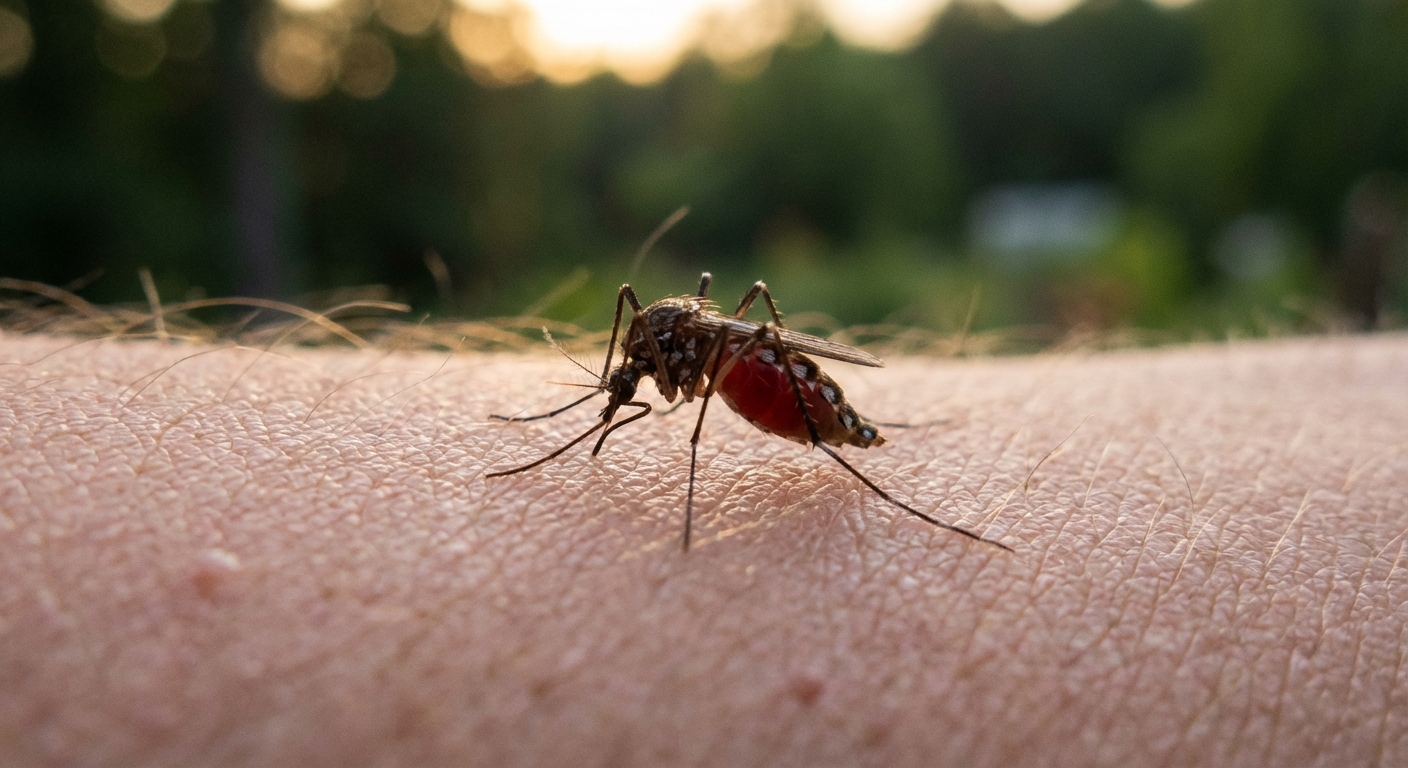
If mosquitoes are turning your backyard into a “dash inside and slam the door” situation, I feel you. I’ve had summers where I couldn’t water the tomatoes at dusk without becoming a snack.
The good news is you don’t need to fog your whole yard with harsh chemicals to make a real dent. Mosquito control is mostly about breaking their life cycle (egg, larva, pupa, adult) and making your yard less inviting, especially in the shady, damp corners they love.
Below is my practical, organic-gardener approach: start with water, then move to habitat cleanup, then add plant-based support and targeted tools like BTI for any water you can’t dump.
Start here: eliminate standing water
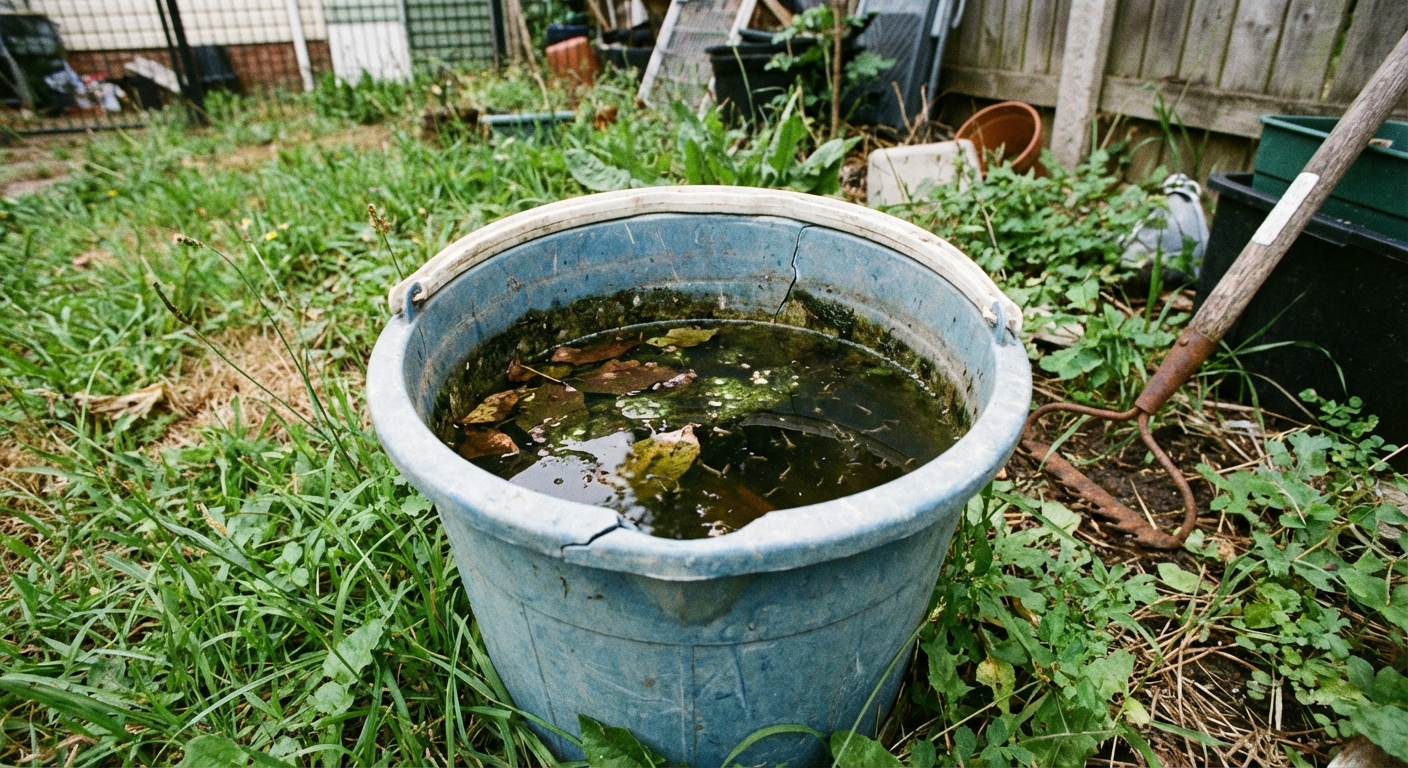
If you do only one thing, do this. Mosquitoes lay eggs in still water, and in warm weather some species can go from egg to flying adult in as little as 7 to 10 days (sometimes longer, depending on species and temperature). That means a forgotten splash of water can turn into a bitey little population boom fast.
Do a 10-minute “water walk” once a week
Grab a mug of coffee and slowly circle your yard. Tip, dump, drain, or refresh anything holding water.
- Plant saucers: empty them after watering or switch to self-watering setups that keep water covered.
- Buckets, watering cans, toys: store upside down or under cover.
- Tarps and grill covers: tighten so they don’t create puddle pockets.
- Clogged gutters: clear leaves so water flows and downspouts don’t make a swampy puddle at the foundation.
- Low spots in the lawn: top-dress with soil and reseed, or aerate to improve drainage.
- Old tires: remove or store under shelter. Tires are notorious mosquito nurseries.
- Trash and recycling bins: drill drainage holes in outdoor bins if appropriate and keep lids closed.
- Plants that hold water: in warm climates, watch for water-collecting plants like bromeliads. Flush them with a hose regularly, or relocate them away from seating areas.
Pro tip: mosquitoes don’t need much. Think “bottle cap,” not “pond.”
Use BTI for water you can’t dump
Some water is part of a healthy yard: birdbaths, rain barrels, small ponds, and livestock troughs. For those, I love BTI.
BTI (Bacillus thuringiensis israelensis) is a naturally occurring soil bacterium that targets certain fly larvae (Diptera), including mosquitoes, blackflies, and fungus gnats. It’s widely used in organic gardening because it’s selective and doesn’t act like a broad-spectrum poison.
Where BTI shines
- Birdbaths: better yet, refresh water every 1 to 2 days (daily is great), but BTI helps when life gets busy.
- Rain barrels: especially if the lid isn’t perfectly sealed.
- Ponds and water features: fountains, lily ponds, and small backyard ponds.
- Tree cavities (knotholes) or low wet areas: if they hold water and can’t be drained easily.
How to use BTI dunks or bits
- Follow the label for your product and water volume. Dunks are great for barrels and ponds, bits are handy for smaller spots.
- Replace on the schedule listed on the package (often about every 30 days, depending on conditions).
- Pair BTI with water movement when possible. Mosquitoes prefer still water.
Note: If you have fish or sensitive wildlife habitats, read labels carefully and consider contacting your local extension office for guidance specific to your region and species.

Make your yard less mosquito-friendly
Adult mosquitoes rest in cool, shady, humid spots during the day. If your yard has dense, damp hiding places, they’ll settle in and wait for dinner time.
Simple maintenance that helps
- Mow and edge regularly: tall grass holds humidity and gives mosquitoes cover.
- Thin dense shrubs: especially around patios, play areas, and doors.
- Prune lower tree branches: more airflow and light dries things out.
- Rake leaf litter: wet leaves are a mosquito lounge.
- Refresh mulch thoughtfully: keep mulch layers moderate (about 2 to 3 inches) so it doesn’t stay soggy. Avoid piling mulch against stems and foundations.
- Fix screens and block entry points: repair torn window and door screens, and keep vents screened so you’re not inviting mosquitoes indoors.
- Cover stored water: use tight lids or fine mesh on rain barrels and openings so adults can’t access the water surface.
Add airflow where you sit
One of my favorite “why didn’t I do this sooner” tricks is using airflow. Mosquitoes are weak fliers.
- Run an outdoor fan aimed across your seating area.
- Choose breezier spots for evening hangouts if your yard has them.

Do repelling plants help?
Let’s be honest and kind about this: plants are supportive, not a magic shield. Most “mosquito-repelling plants” work best when their oils are released (brushed, crushed, or distilled into products). Still, planting them can help a bit up close, and they’re wonderful for pollinators and your own enjoyment.
Good choices near patios and paths
- Citronella grass (often sold as “mosquito plant”): use as a container accent in warm climates.
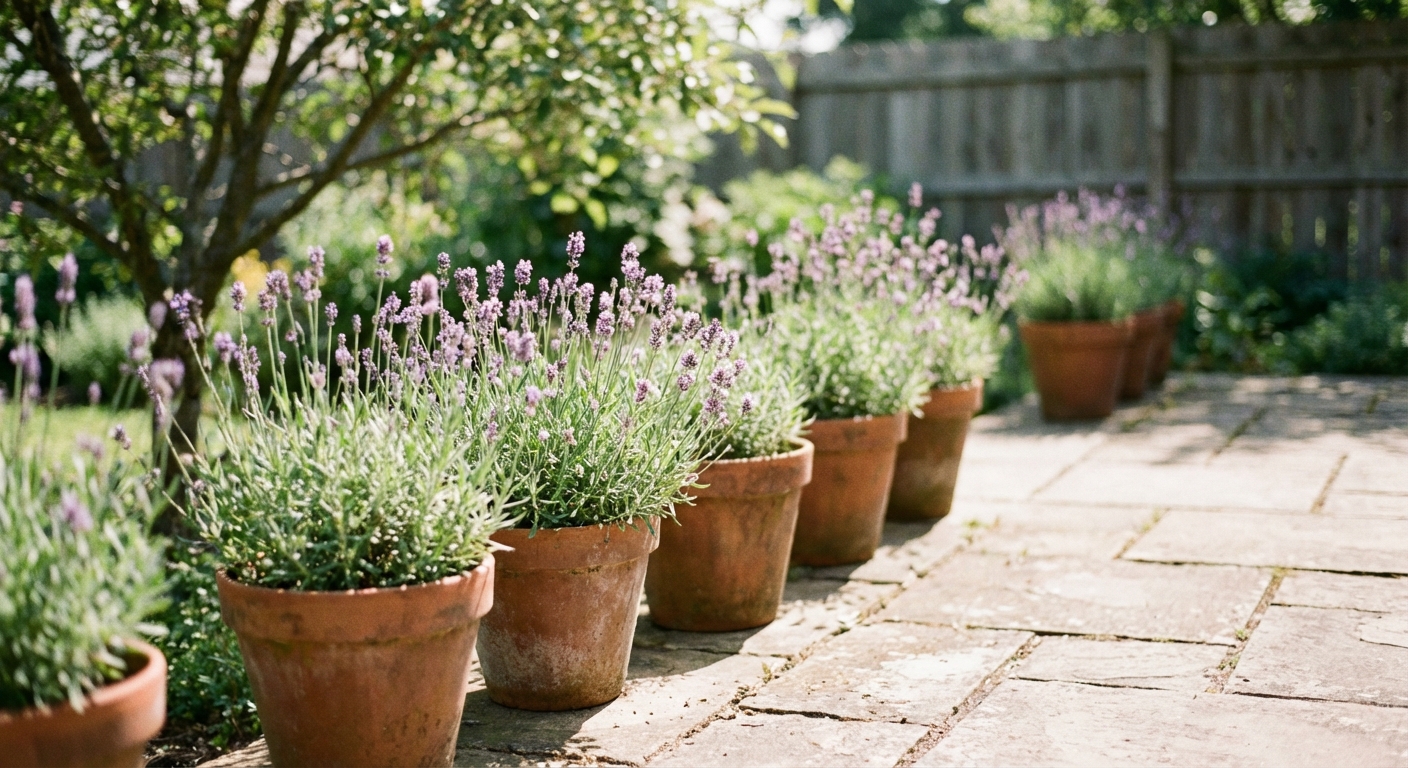
- Lavender: sunny spots, well-drained soil, and it smells like calm in plant form.
- Marigolds: bright, easy annuals that earn their keep in beds and borders.
- Basil: especially near doors and outdoor dining, and you can toss it on dinner.
- Rosemary: great in containers, can be brought in if winters are harsh.
- Mint: effective aroma, but keep it in a pot unless you want a mint empire.
Where to place them: cluster pots close to where you sit. Think “within arm’s reach,” not “somewhere in the back bed.”
Encourage natural predators
A healthy yard is a little ecosystem, and mosquitoes have plenty of natural enemies. The goal isn’t to create a wildlife theme park overnight, just to avoid nuking the helpful creatures that keep pests in check.
Backyard allies
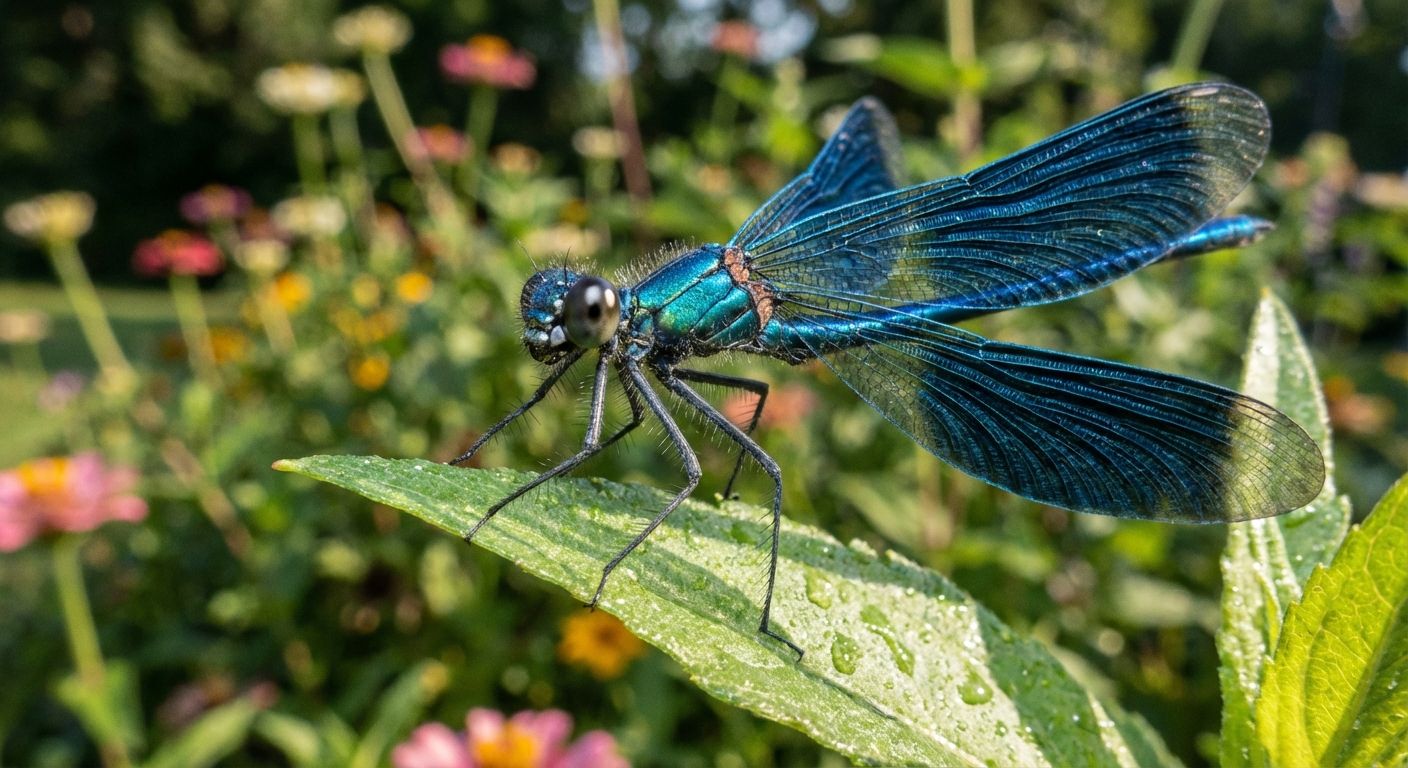
- Dragonflies: their larvae live in water and eat mosquito larvae, and adults hunt in flight.
- Bats: they eat many night-flying insects. A bat house can be a nice addition in the right location, but results for mosquito control are mixed, so think of it as a bonus, not your main plan.
- Swallows and other insect-eating birds: native plants and fresh water attract them.
- Frogs and toads: they appreciate ground cover, moisture, and pesticide-free yards.
Important balance note: “Attract predators” works best when you also eliminate standing water. Otherwise you’re feeding mosquitoes faster than your helpers can keep up.
DIY traps: what works and what to skip
DIY traps can help reduce adult mosquitoes in a small area, especially when combined with water control. They’re not usually a stand-alone solution, but they can add a little relief around patios. Just know results can be hit or miss depending on species and conditions.
A yeast and sugar bottle trap (optional)
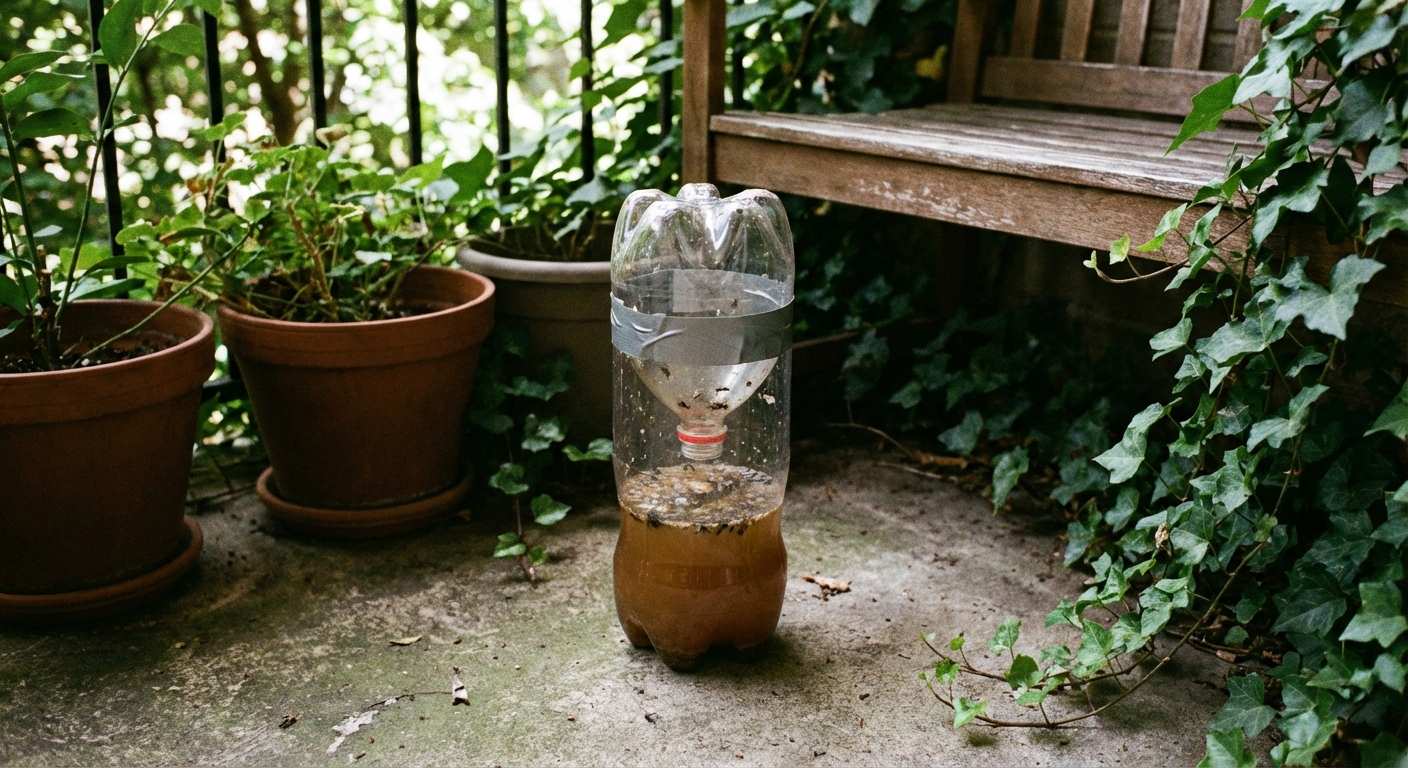
This trap makes carbon dioxide, which can attract mosquitoes. It’s inexpensive and easy to set out in shaded areas away from where you sit, so you’re pulling mosquitoes away, not inviting them closer.
What you need
- 1 empty 2-liter bottle
- 1 cup warm water
- 1/4 cup brown sugar
- 1/2 teaspoon active dry yeast
- Black tape or a dark sock (optional)
Steps
- Cut the bottle about one-third down from the top.
- Dissolve sugar in warm water in the bottom section.
- When it cools to lukewarm, add yeast. Don’t stir aggressively. You want it to ferment.
- Invert the top section like a funnel and place it into the bottom.
- Wrap the outside in black tape or a dark cover to make it more attractive.
- Set in a shaded, wind-protected spot 15 to 30 feet away from your patio.
- Refresh every few days or when activity slows.
Skip: open bowls of sugary liquids. They attract beneficial insects and can become a mess. Also skip “bug zappers” for mosquito control. They tend to kill lots of harmless insects and aren’t particularly targeted to mosquitoes.
Prevent bites outdoors
Sometimes you do everything right and still want extra protection for the 30 minutes you’re grilling or watering. These options stay closer to the “low-tox” end of the spectrum.
- Fans: my number-one non-chemical tool.
- Long sleeves and light pants: especially at dusk. Loose, breathable fabrics feel better than sticky repellent.
- Oil of lemon eucalyptus: a plant-derived repellent that many people find effective. Follow label directions carefully. Per CDC guidance, don’t use it on children under 3 years old, and only use on older kids if the product label says it’s appropriate.
- Screened spaces: even a simple screened canopy can change your summer.
Timing note: biting times vary by species. Many mosquitoes are most active at dusk and dawn, but some (like Aedes) bite during the day too, so don’t be surprised if your “mosquito hour” is not only in the evening.
If mosquito pressure is extreme or you live in an area with mosquito-borne illness risk, consider combining natural yard steps with guidance from local public health agencies.
Your 7-day plan
If you’re feeling overwhelmed, here’s the order I’d tackle things. Small actions, stacked together, are what make your yard feel livable again.
Day 1: Drain and dump
- Do the full standing-water walk.
- Refresh birdbaths and pet water bowls.
- Do a quick check for bromeliads or other water-holding plants if you live somewhere warm.
Day 2: Treat what you can’t drain
- Add BTI to rain barrels, ponds, and stubborn wet spots per label.
- Make sure rain barrels are lidded or screened.
Day 3: Trim and dry
- Mow, edge, and thin dense shrubs near hangout areas.
- Rake wet leaf piles.
- Clear gutters and make sure downspouts drain well.
Day 4: Set your comfort zone
- Place an outdoor fan where you sit.
- Add a couple of herb pots close to the patio.
- Patch any torn window or door screens.
Day 5: Add a trap (optional)
- Set a yeast and sugar bottle trap away from the patio in a shaded corner and see if it helps in your yard.
Days 6 and 7: Quick checks
- Do a short water walk after rain.
- Reposition anything that collects puddles.
FAQ
Why are mosquitoes worse after rain?
Rain creates fresh standing water for egg-laying. Warm temperatures speed up the mosquito life cycle, so a rainy week can mean a noticeable spike shortly after.
Does citronella plant really repel mosquitoes?
Citronella-scented plants can help a bit up close, but they’re not a force field. The strongest effect comes from citronella oil products designed as repellents, used according to their labels.
Is BTI safe for gardens?
BTI is commonly used in organic growing because it targets certain fly larvae, including mosquitoes. Always follow the product label and avoid overuse, especially around sensitive aquatic ecosystems.
What’s the single best natural method?
Eliminating standing water, hands down. If you remove breeding sites and keep it up weekly, everything else becomes easier and more effective.
A gentle reminder
Mosquito control isn’t about perfection. It’s about routines. A five-minute water check after each rainstorm beats any fancy gadget you buy and forget in the garage.
Start with water, keep your yard airy and tidy, use BTI where needed, and let plants and predators play their supporting roles. Your tomatoes, your ankles, and your evening peace will thank you.