
How to Get Rid of Mice in Your Garden Naturally

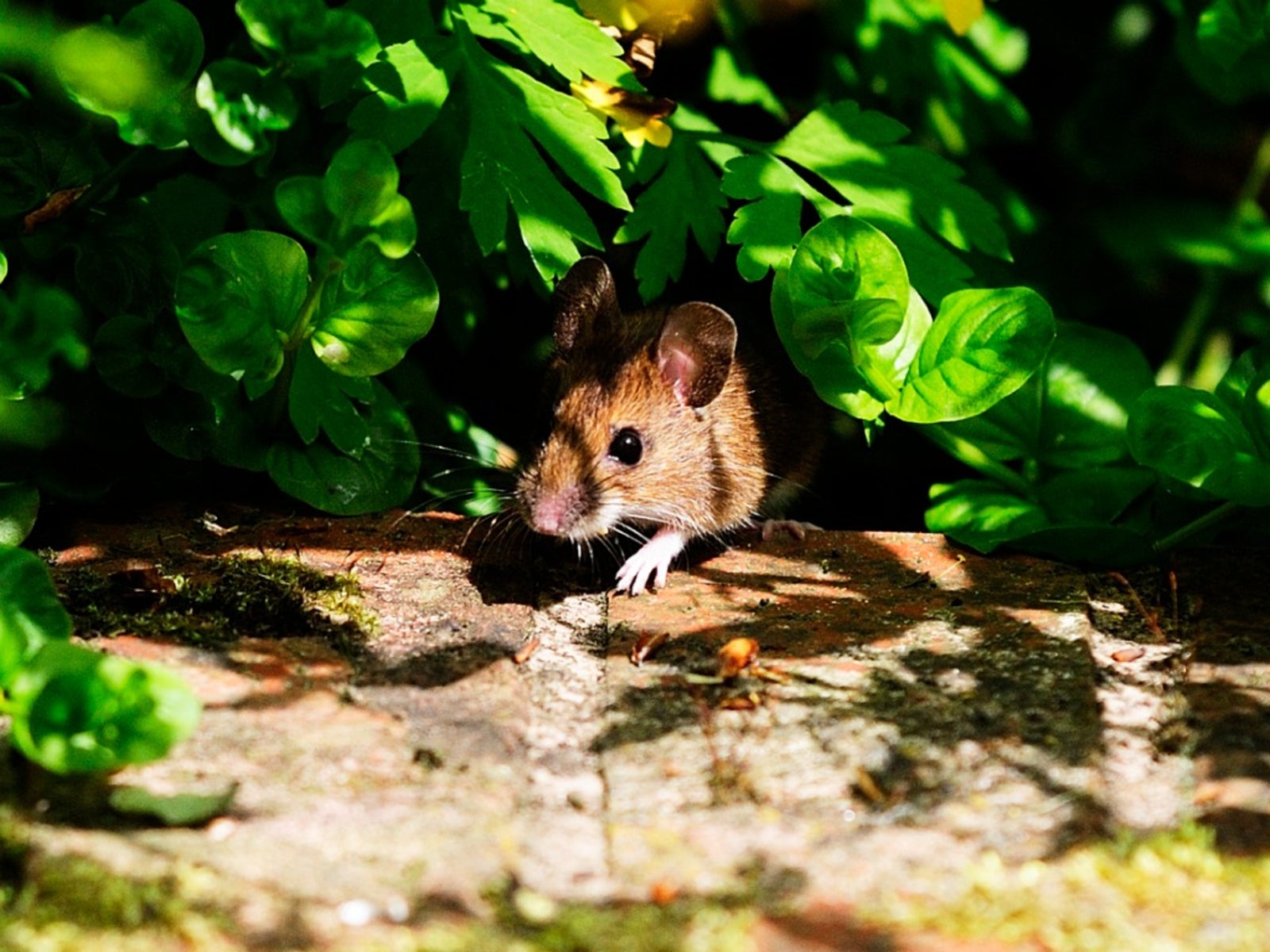
Mice in the garden can feel like tiny, furry chaos agents. One week you are admiring neat little seed rows, and the next you are staring at mysteriously missing peas, disturbed mulch, and half-nibbled strawberries. The good news is you can push them out naturally without turning your garden into a war zone. The goal is simple: remove easy food and shelter, then block access to the spots you care about most.

First, figure out what you are dealing with
Most “mouse” trouble in gardens is really a small-rodent problem. The usual culprits are field mice (like deer mice and white-footed mice) and voles (often called “meadow mice,” but biologically not true mice). In some areas, rats also show up, especially near compost, bird feed, or chicken coops. Why it matters: each one favors different hiding spots and leaves different damage patterns, so you can aim your defenses where they count.
Quick ID clues
- Field mice: Often seen at dusk, darting along fences and ground cover. Droppings show up along edges, under boards, in sheds, and near compost. They love seeds, fruit, tender shoots, and bulbs.
- Voles: Stockier body, shorter tail, and they make runways in grass or under mulch. They chew roots and bark at the soil line and can girdle young trees.
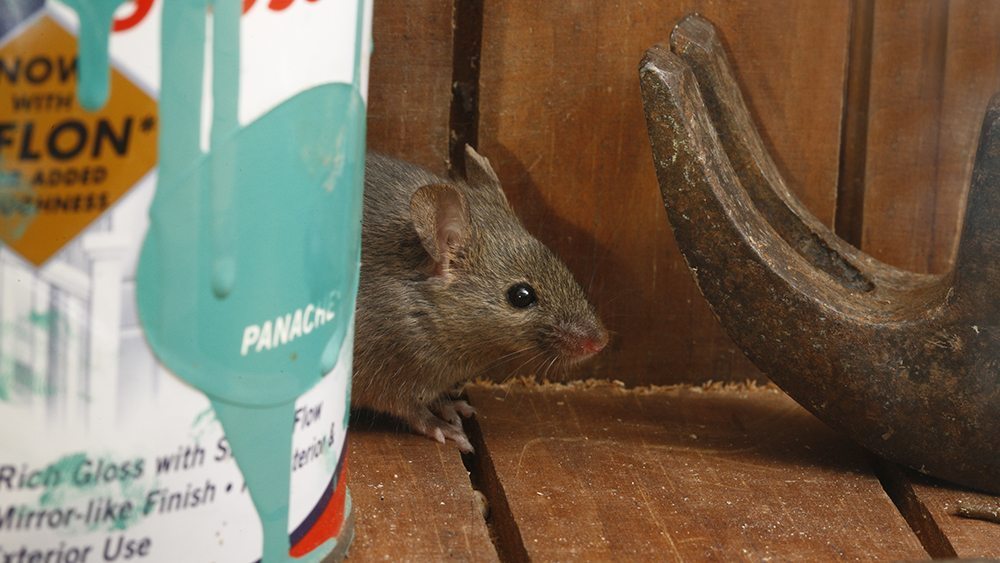
- House mice: More likely to leave signs around structures like garages, basements, and storage areas, then travel out for easy food.
- Rats: Larger droppings, heavier chewing damage, and they can go after compost, feed, and bigger fruits. If you suspect rats, step up exclusion and consider professional help sooner.
If you are seeing above-ground nibbling on fruits and seedlings, think mice. If you are seeing runways and root damage, think voles. If the damage looks bigger, tougher, and more destructive, consider rats.
Spot the signs early
Mice and their cousins are small enough to do a lot of damage while staying mostly invisible. A five-minute inspection around dusk or early morning can save you weeks of frustration.
Common garden signs
- Droppings: Small, dark, rice-like pellets near raised beds, under pots, by compost, or inside sheds. (Rats leave larger droppings.)
- Chew marks: Ragged holes in strawberries, tomatoes near the ground, melons, squash, and corn ears. Seed packets stored in sheds may look shredded.
- Burrows: Small holes near foundations, under boards, or at the edges of beds.
- Runways: Narrow paths through grass or under mulch, especially with voles.
- Missing seeds: Rows that never germinate, or sprouts that vanish overnight.
Once you know their travel lanes and favorite snack stations, your natural controls become much more effective.
Droppings cleanup safety
If you are dealing with droppings or nesting material, avoid dry sweeping. Wear gloves (and a well-fitting mask if dust is likely), lightly mist droppings with disinfectant or a bleach solution, then wipe up with paper towels and seal everything in a bag. Wash hands well after.
Start with garden hygiene
I know “clean up” is not the most romantic gardening advice. But rodents thrive on cluttered edges and easy calories. If you change the environment, you change the population pressure in a very real way.
Reduce shelter
- Trim tall grass and weeds within 3 to 6 feet of beds, fences, sheds, and compost areas.
- Elevate wood piles on racks and keep them away from the garden if possible.
- Move brush piles and stacked pots away from food areas. If you love a brush pile for beneficial wildlife, place it far from your vegetable beds.
- Thin dense groundcovers near the base of fruit trees and along bed borders, where rodents like to hide.
Remove easy food sources
- Pick up fallen fruit daily during peak season.
- Harvest on time. Overripe produce on the vine is basically a neon “dinner” sign.
- Feed chickens or birds carefully. Spilled feed is a rodent magnet. Use feeders that reduce scatter and clean up under them.
If you want a broader checklist, Leafy Zen’s yard hygiene and sanitation habits are the same foundation that helps with squirrels and chipmunks too. See: yard hygiene tips.
Protect seeds and seedlings
Seeds are rodent candy. If you have ever direct-sown peas, beans, sunflowers, or corn and watched rows disappear, you have met the seed thief’s greatest hits.
Use physical protection
- Hardware cloth “sowing screen”: Lay 1/4-inch hardware cloth flat over a newly seeded row or bed and pin it down with landscape staples. Overlap edges by a few inches so there is no easy corner to lift. Remove once seedlings are up and sturdy.
- Cloche or cover: A mesh cloche or row cover secured tightly at the edges keeps rodents from hopping in for a midnight snack.
- Start indoors when pressure is high: Transplanting sturdy seedlings can bypass the “seed buffet” stage.
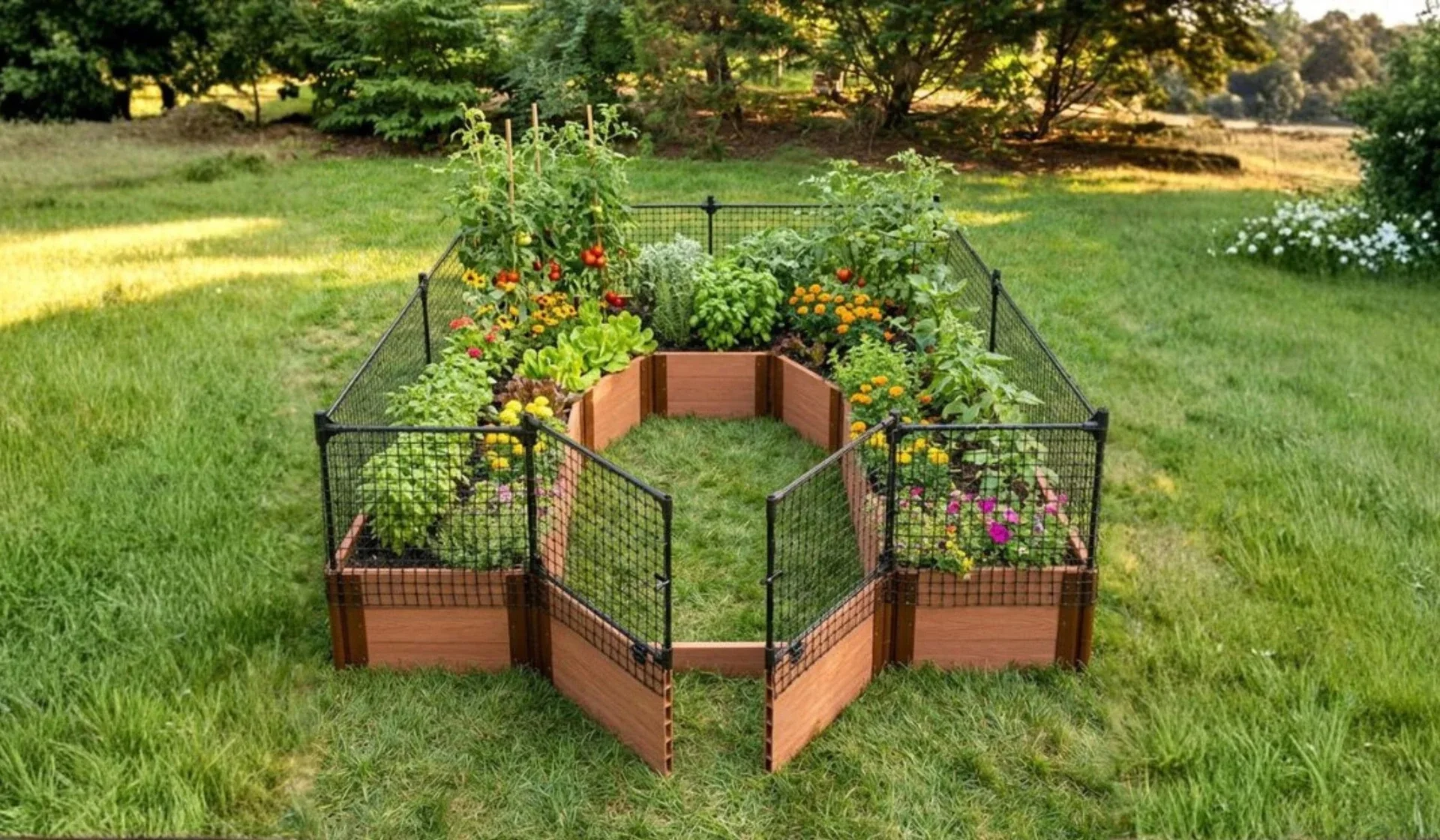
Little trick from my own beds: If you are direct sowing, water deeply after sowing, then cover with hardware cloth. Damp soil plus a barrier reduces digging and keeps the seed zone stable.
Protect bulbs, roots, and trunks
Bulbs can be irresistible, especially tulips and crocus. Rodents also nibble roots and crowns when populations climb.
Bulb planting defenses
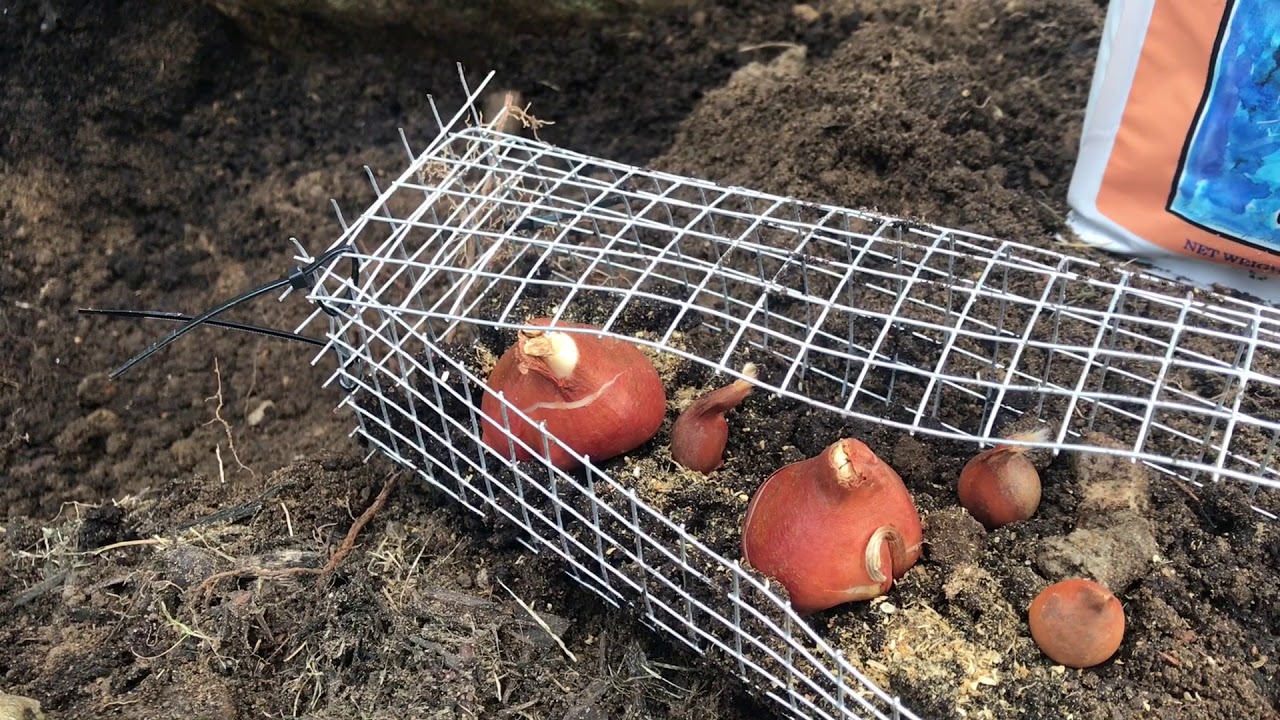
- Bulb cages: Line the planting hole with 1/2-inch hardware cloth, place bulbs, then fold the cloth over the top and cover with soil.
- Hardware cloth layer: In bulb-heavy beds, lay hardware cloth just under the soil surface as a blanket barrier.
- Gravel and grit: Mixing a little sharp grit or gravel in the planting zone can make digging less appealing, though it is not a standalone solution.
Protect young trees and shrubs
- Trunk guards: In fall, install tree guards to prevent mice and voles from chewing bark at the soil line.
- Mulch correctly: Keep mulch pulled back 2 to 4 inches from trunks and stems. Mulch volcanoes are cozy rodent condos.
Seasonal note for winter
Snow and thick winter mulch can act like a cozy tunnel system for voles. In vole-prone yards, keep grass short going into winter and avoid piling mulch against trunks and crowns.
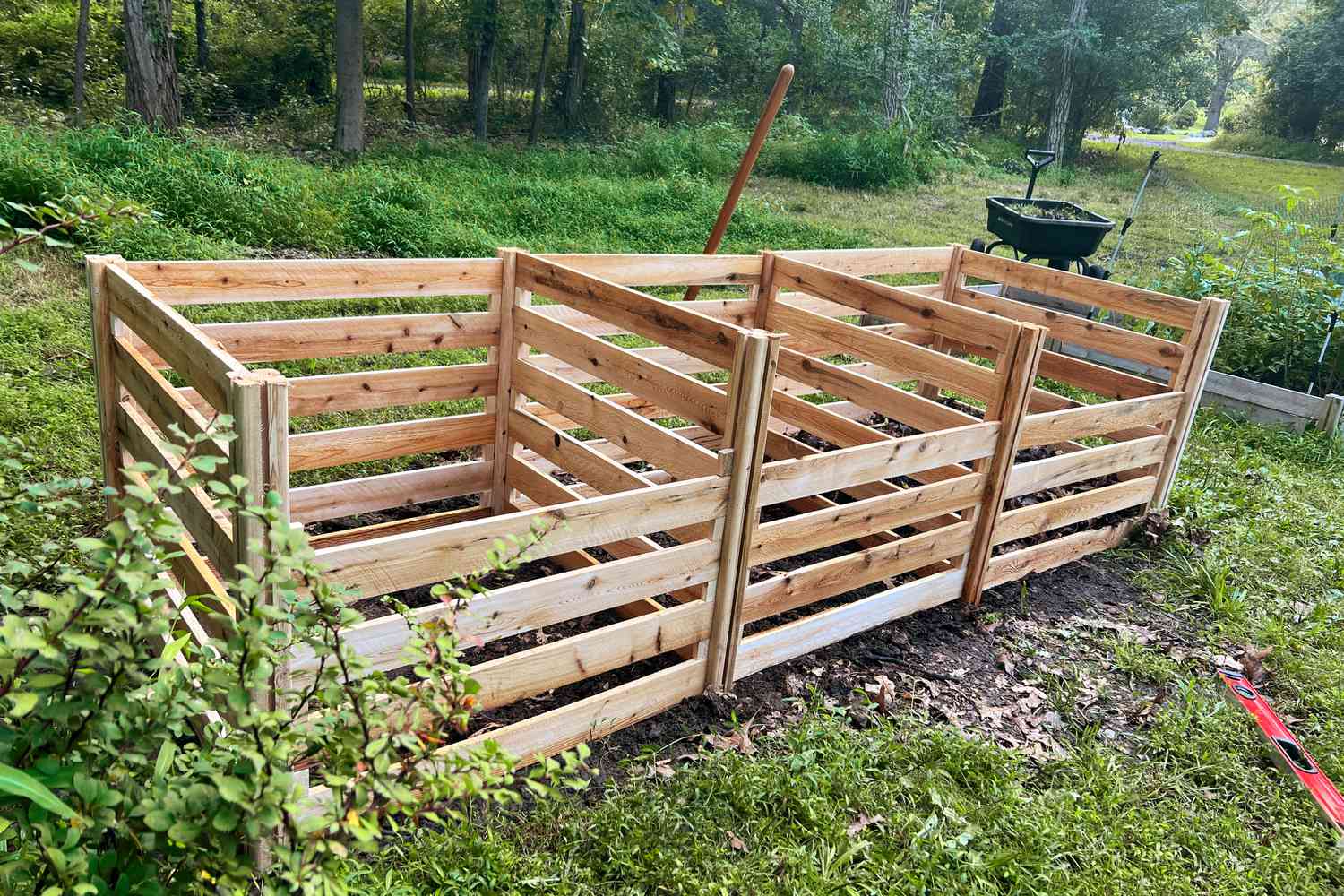
Compost without feeding rodents
Compost should be a soil factory, not a mouse diner. Rodents love warm, undisturbed piles with snackable scraps.
Compost tweaks that help
- Use a rodent-resistant bin: A closed bin with a secure lid and small ventilation gaps is much harder to invade than an open pile.
- Bury tempting scraps: Bury food scraps in the center of the pile and avoid adding greasy foods, meat, or large amounts of grains.
- Turn more often: Disturbance is your friend. Turning breaks nests and cool cozy pockets.
- Balance greens, browns, and moisture: A pile with enough browns, enough greens, and proper moisture heats better. Heat discourages nesting.
Barriers that work
When it comes to mice, barriers are the most reliable natural tool because they do not depend on scent, weather, or rodent opinions.
Best barrier options
- 1/4-inch hardware cloth: The gold standard for keeping mice out of beds, around compost, and in storage spaces.
- Raised bed liners: Staple hardware cloth to the underside of raised beds before filling, especially if you have burrowing activity.
- Door sweeps and gap sealing: Seal any gap 1/4 inch or larger. Young mice can squeeze through surprisingly small spaces. Steel wool plus caulk works well for small cracks; hardware cloth for larger openings.
For structures, walk the perimeter with a flashlight at night. Light shining through is usually an invitation you can close.
Repellents: what helps, what to skip
Natural repellents can be a helpful extra layer, but they are rarely the whole solution. Think of them like a rain jacket: useful, but not a substitute for a solid roof.
Options that may help
- Peppermint oil: This may help temporarily in enclosed spaces like sheds and cabinets, but it tends to fade fast and is not a fix for an active infestation. Use on cotton balls in ventilated areas, keep away from kids and pets, and avoid skin and eye contact. Refresh frequently.
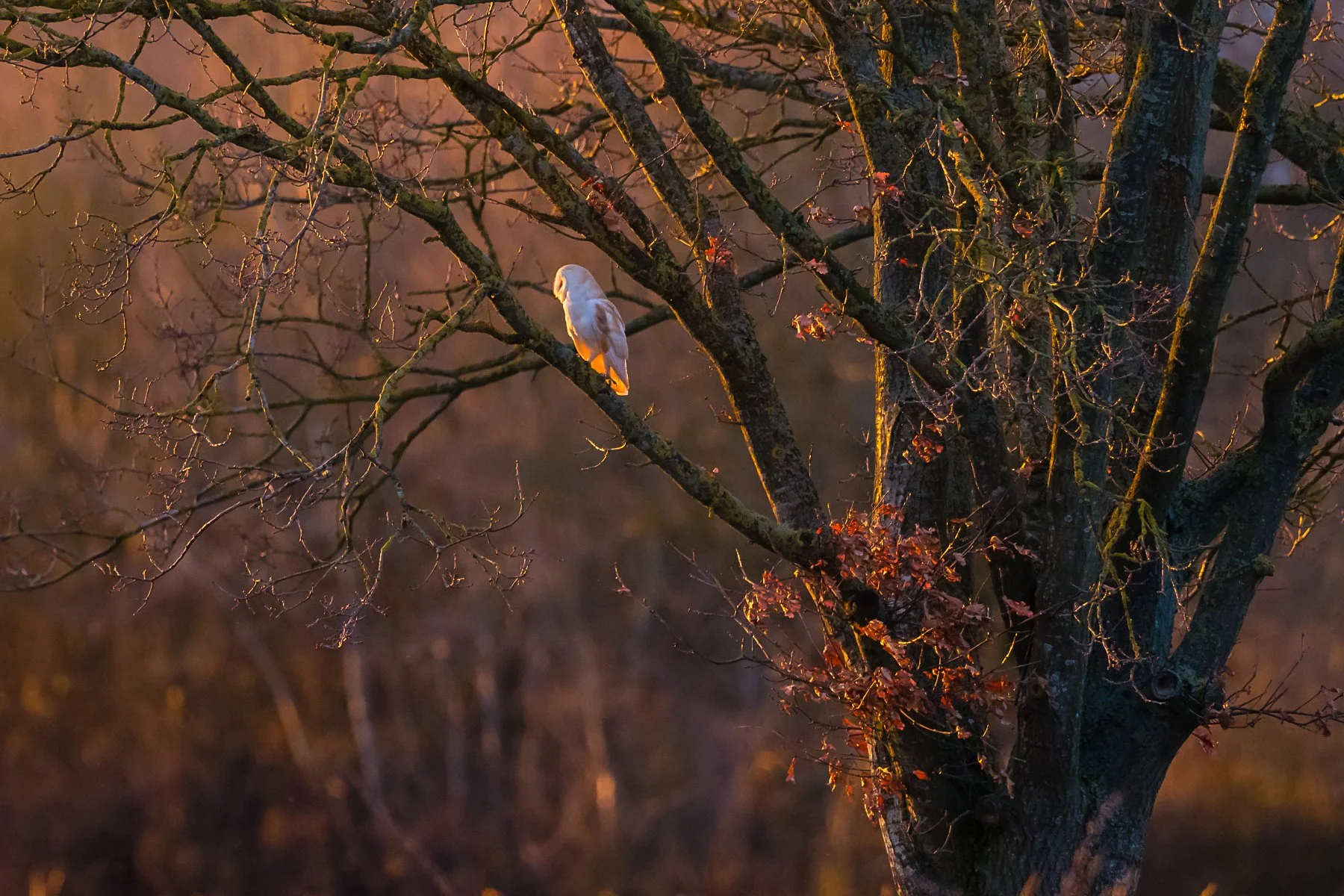
- Support natural predators: Owl boxes, raptor perches, and generally keeping habitat friendly for hawks, owls, and snakes can reduce pressure over time if your area already has these predators.
Use caution
- Outdoor cats: Cats can kill rodents, but they also kill birds and other wildlife and are not a targeted control method. If your goal is wildlife-friendly gardening, lean on exclusion, barriers, and raptors instead.
- Ultrasonic devices: Results are inconsistent outdoors and in cluttered spaces.
- Cayenne or hot pepper: Can irritate pets and people and washes away easily. If you use it, do it sparingly and reapply after rain.
Humane trapping for hot spots
If you need quick relief near a particular bed or shed, trapping can help bring numbers down while you fix the underlying attractants.
Trapping tips that actually help
- Use snap traps responsibly: Snap traps are fast and, when used correctly, are generally considered more humane than glue traps. Place them inside a covered box or along walls, fences, and bed edges where rodents run.
- Trap placement mini-guide: Set traps perpendicular to a wall with the trigger end facing the wall. Rodents travel tight to edges. Use multiple traps for an active runway, spaced a few feet apart.
- Avoid glue traps: They cause prolonged suffering and can trap non-target wildlife.
- Protect non-target animals: Use tamper-resistant bait stations or covered trap boxes, and place them where birds, pets, pollinators, and beneficial wildlife cannot access them.
Important note: Relocating live-trapped mice is often not effective and can be illegal in some areas. It can also spread disease or create problems for someone else. Check local guidance before you choose live traps.
Safe storage for seeds and feed
Many “garden mouse” issues are actually “storage mouse” issues that spill back outdoors. If rodents find a reliable pantry in your shed or garage, they will keep returning.
Storage upgrades that matter
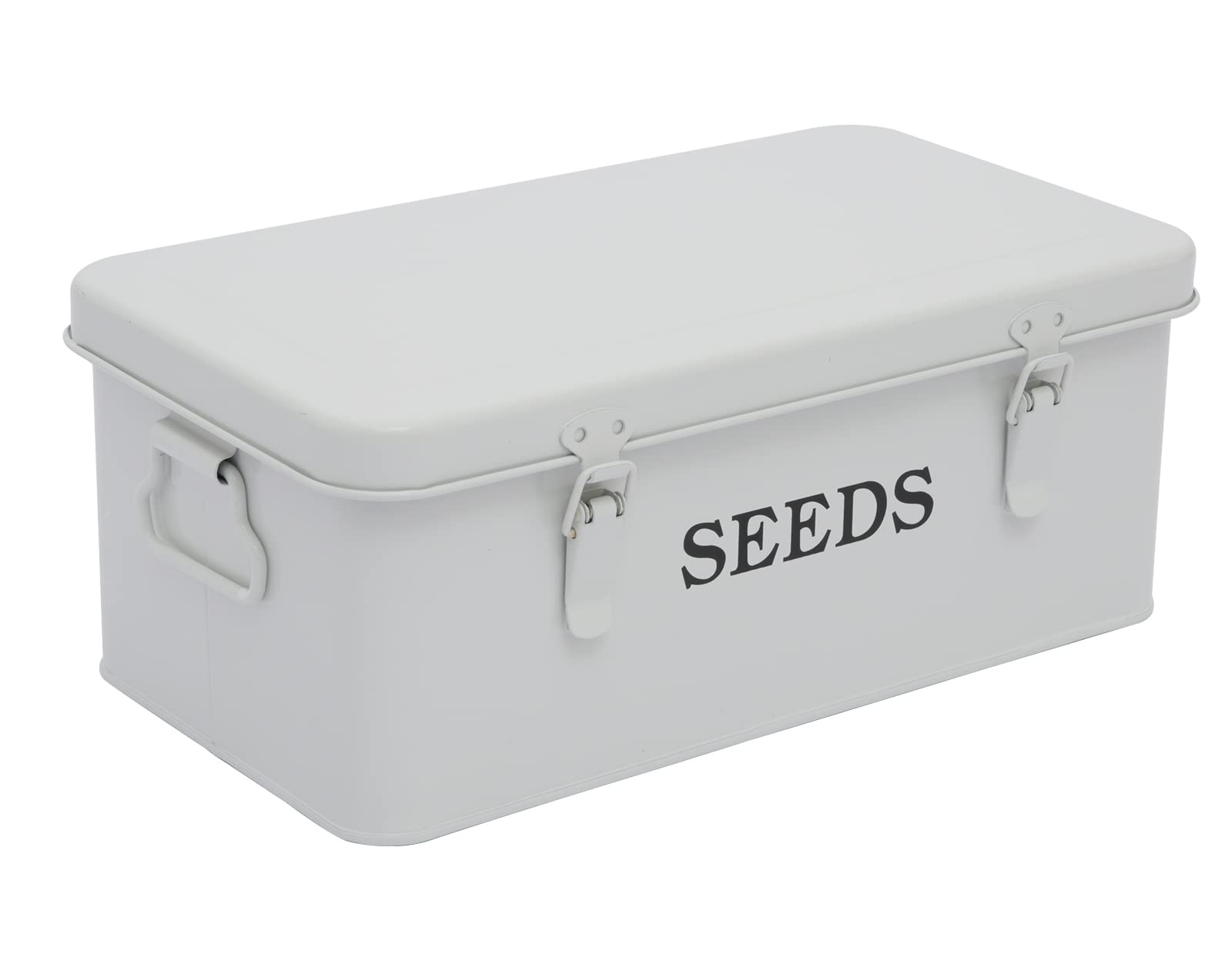
- Use sealed containers: Store bird seed, chicken feed, and garden seed in metal bins or thick, lidded plastic tubs with tight seals.
- Elevate and organize: Keep bags off the floor and away from walls so you can spot droppings early.
- Check root crop storage: Potatoes, sweet potatoes, squash, and onions should be stored in rodent-resistant areas. Cardboard boxes are easy to chew through.
A simple 7-day plan
If you are feeling overwhelmed, here is a calm, doable reset you can start this week.
Day 1 to 2: Observe
- Walk at dawn or dusk and note droppings, burrows, and runways.
- Mark the top two food sources and top two shelter areas.
Day 3 to 4: Remove attractants
- Pick up fallen fruit and harvest ripe produce.
- Trim tall edges and clear clutter near beds and compost.
- Secure feed and seed storage.
Day 5 to 6: Install barriers
- Cover newly seeded areas with hardware cloth and secure the edges.
- Line or reinforce raised beds if burrowing is happening.
- Seal gaps in sheds, garages, and greenhouse bases (1/4 inch or larger).
Day 7: Target hot spots
- Set protected snap traps along known runways if needed.
- Adjust compost practices and switch to a closed bin if possible.
Then repeat the quick inspection weekly, especially during fall when rodents look for warmth and reliable food.
When to call a pro
If you are seeing heavy activity inside walls, persistent droppings in living spaces, signs of rats, or you suspect a large infestation, it is worth bringing in a licensed wildlife or pest professional who can focus on exclusion and humane, targeted control. This is especially important if anyone in the home is immunocompromised, since rodent droppings can carry pathogens.
FAQs
Will mice ruin my vegetable garden?
They can, especially at seedling stage and during fruiting when sweet produce is abundant. The earlier you add barriers and remove attractants, the less damage you will see.
What is the most effective natural deterrent?
Physical barriers like 1/4-inch hardware cloth and tight storage containers are the most reliable. Repellents can help in specific situations, but they are not as consistent outdoors.
Why are they suddenly in my garden?
Usually it is a combination of seasonal change, available food, and shelter. Fall and early spring are common surge times, and compost, bird seed, and fallen fruit can spike activity.
One last gentle reminder
A garden is an ecosystem, and rodents are part of that story even when they are being rude houseguests. You do not have to choose between being kind and being practical. With a few smart barriers, a tidier edge, safer storage, and targeted trapping when needed, you can protect your harvest and keep your garden feeling like the peaceful little sanctuary you intended.