
How to Get Rid of Groundhogs in Your Garden Naturally

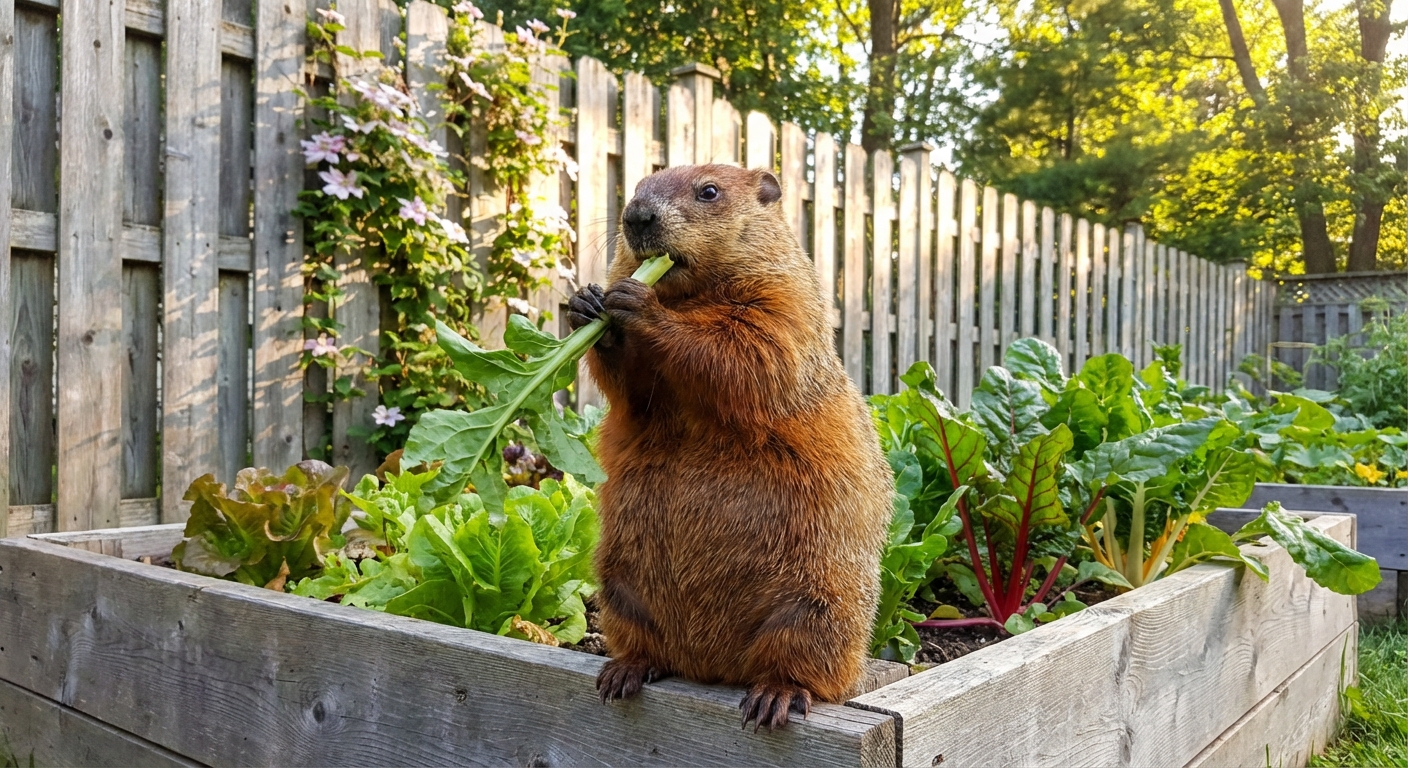
If you’ve ever walked out to admire your lettuce only to find it mowed down like a tiny lawn, you’ve probably met the garden’s most talented salad bar customer: the groundhog, also called a woodchuck. They’re adorable in a maddening sort of way, and they can remove a whole row of seedlings in one quiet evening.
The good news is you don’t have to poison anything or turn your yard into a fortress of stress. Natural groundhog control is about making your garden inconvenient, blocking access, and removing the cozy features that tell a groundhog it’s hit real estate gold.
Know your opponent: groundhog habits
Groundhogs are burrowing rodents in the marmot family. In garden terms, that means three things:
- They dig serious tunnels. Burrows can have multiple entrances, long runs, and chambers. If you only block one hole, they’ll often pop out somewhere else.
- They’re mostly day-active. You may see them early morning or late afternoon, especially when feeding.
- They’re mostly herbivores. Think beans, peas, lettuce, brassicas, squash seedlings, herbs, and flowers. (They can occasionally snack on insects or eggs, but plants are the main event.)
Signs it’s a groundhog
- A burrow entrance with a large, oval hole, often about 8 to 12 inches wide (varies)
- A mound of excavated soil near an entrance (not always present at every hole)
- Cleanly clipped plants, often eaten down to the ground
- Flattened paths through tall grass or along fences
If you’re seeing tiny cone-shaped mounds, that’s more “mole.” If you see small holes near foundations and missing bulbs, that could be chipmunk, vole, or squirrel depending on the pattern. Groundhogs are the ones that leave you staring at a missing broccoli plant like it was never there.
Timing: use their yearly cycle
Natural control gets easier when you do it at the right time of year.
Late winter to early spring: set barriers first
Groundhogs typically hibernate through winter (timing varies by region). As they wake and begin feeding, they’re hungry and active. This is when you want your fencing, gates, and buried barriers ready. If you wait until the garden is lush and delicious, you’ve already hung the “open buffet” sign.
Spring to early summer: high pressure
Expect heavy grazing when tender seedlings are out. This is the season for strict perimeter control and extra protection for new transplants.
Late summer to fall: bulk-up season
Groundhogs feed hard to gain weight before hibernation. If you’re going to do habitat modification, fence upgrades, and burrow eviction work, do it before your fall crops become the main attraction.
Humane note: sealing burrows
If you plan to permanently close a burrow, be sure the animal is not inside. Trapping a groundhog underground is cruel and can create odor and insect problems. The goal is always: encourage them out, then exclude.
Also, avoid excluding a burrow during times when young may be present (often spring into early summer, depending on your region). If you suspect a family den, it’s worth calling a local wildlife professional who specializes in humane exclusion.
The best fix: groundhog-proof fencing
If you do one thing, do this. Repellents can help, but a properly built fence is what stops the nightly salad raids.
What the fence must do
- Stop climbing
- Stop digging under
- Close gaps near gates and corners
Fence specs that work
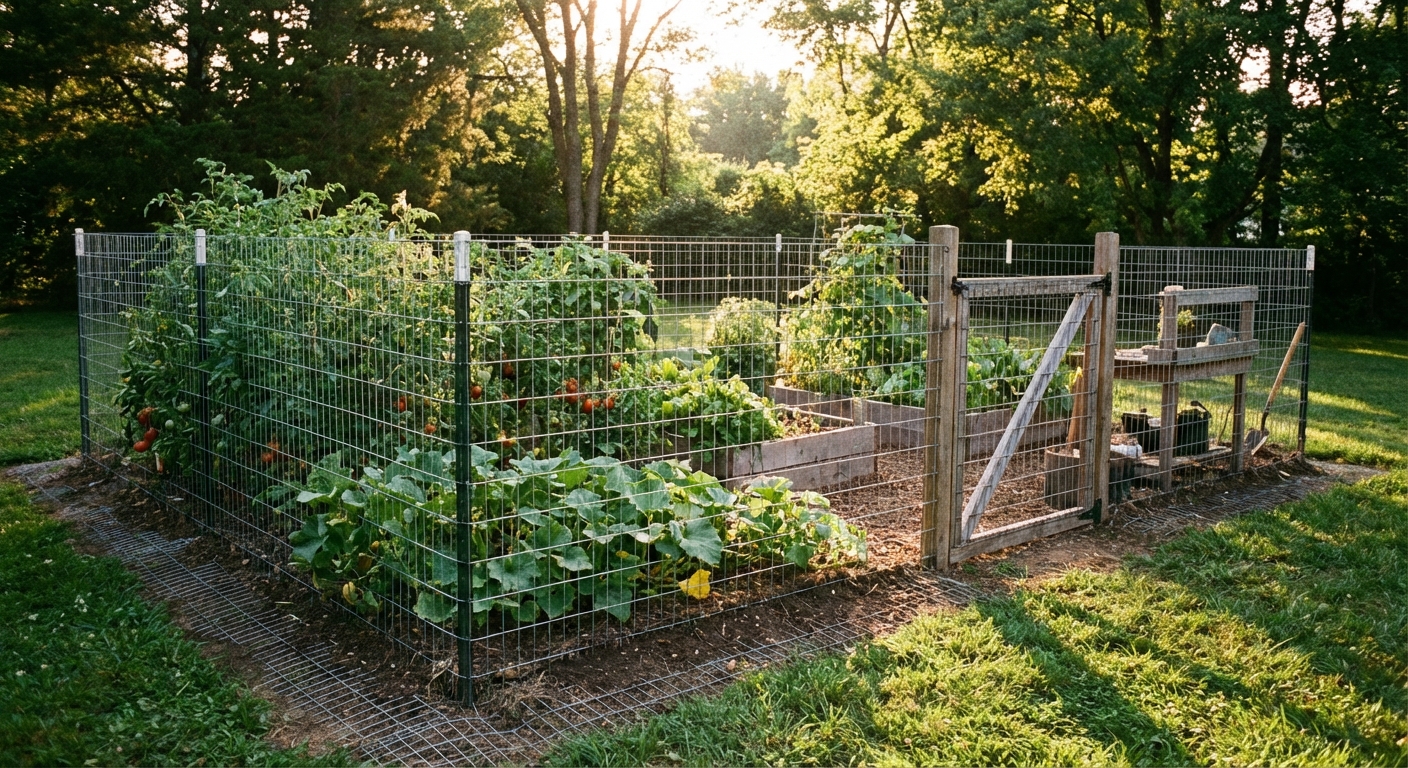
- Height: 4 feet is ideal. 3 feet is the bare minimum in low-pressure situations, and you may still see attempts.
- Mesh: For the most reliable results, use 2x2-inch welded wire (or smaller), especially in high-pressure areas. 2x4-inch welded wire can work in some gardens, but it’s less certain and offers bigger footholds. Chicken wire is usually too flimsy long-term.
- Dig barrier: Bury the bottom at least 12 inches, or create an outward “L” apron: extend the wire 12 to 18 inches outward and pin it down under soil or mulch. Groundhogs hit the wire when they try to dig and give up.
- Top angle (optional but helpful): Lean the top 12 to 18 inches outward at about a 45-degree angle to discourage climbing.
My favorite approach for most home gardens is a 4-foot welded wire fence with an outward apron. It’s not fussy once installed, and it keeps working when you forget about it.
If you want longevity, choose a heavier-gauge welded wire and fasten it well. Sturdy fence staples, screws with washers, or heavy-duty zip ties (on metal panels) all beat “it’ll probably hold” when an animal is testing the seams.
Don’t forget the gate
Groundhogs are excellent at finding the one spot you cut corners.
- Make sure your gate closes tight to the ground.
- Add a threshold board or a strip of buried wire under the gate swing.
- Check corners and posts for gaps larger than 3 to 4 inches.
Quick perimeter audit
- Walk the fence line and look for daylight under the bottom edge.
- Check corners where wire can pull away from posts.
- Inspect the gate latch area and the hinge side for gaps.
- Look for dig attempts near tasty crops (they’ll often start there).
Burrow exclusion: evict and block
If a groundhog already lives on your property, fencing is still step one. But you’ll also want to make the current burrow less appealing, then prevent re-entry.
Step 1: confirm it’s active
- Look for fresh digging, footprints, and freshly cropped vegetation nearby.
- Lightly cover the entrance with loose leaves or straw in late afternoon and check in the morning. If it’s pushed aside, it’s active.
Step 2: encourage it to move out
These are humane “please relocate yourself” tactics that don’t rely on toxins:
- Increase disturbance: Wind chimes near the burrow area, a radio at low volume during daytime, or frequent human presence can make the site less comfortable.
- Remove cover: Trim tall weeds and brush near entrances so the groundhog feels exposed.
- Light and mild motion: A battery-operated light or motion-activated sprinkler near the burrow area can discourage daytime lounging.
Give it a week or two of consistent pressure. Groundhogs love routine. When the routine feels unsafe, they start shopping for a new address.
Step 3: one-way door, then seal
If you can safely access the burrow entrance, a one-way exclusion door (often sold for groundhogs) lets the animal exit but not re-enter.
Before you seal anything, confirm the burrow is vacant. A simple method is to loosely cover the opening with leaves or lightly crumpled paper and check it for 2 to 3 nights. No movement, no fresh tracks, and no fresh digging helps confirm they’re out.
Once you’re confident it’s empty, you can seal the opening with:
- Heavy-gauge wire mesh packed into the hole
- Soil and rocks tamped firmly
- Optional: a buried mesh patch over the area to prevent re-digging
If you’re unsure whether a burrow is occupied, or you suspect young may be present, bring in a local wildlife professional who specializes in humane exclusion. It’s worth it.
Habitat: make your yard less inviting
Groundhogs prefer a safe commute: cover to hide in, edges to travel along, and easy food nearby. You can keep your garden organic and still make the surrounding area feel a little too “open concept” for them.
Trim the welcome mat
- Mow and edge regularly along fence lines and garden borders.
- Clear tall weeds, brambles, and brush piles.
- Keep compost and fallen fruit picked up if it’s attracting extra wildlife traffic.
Reduce den sites
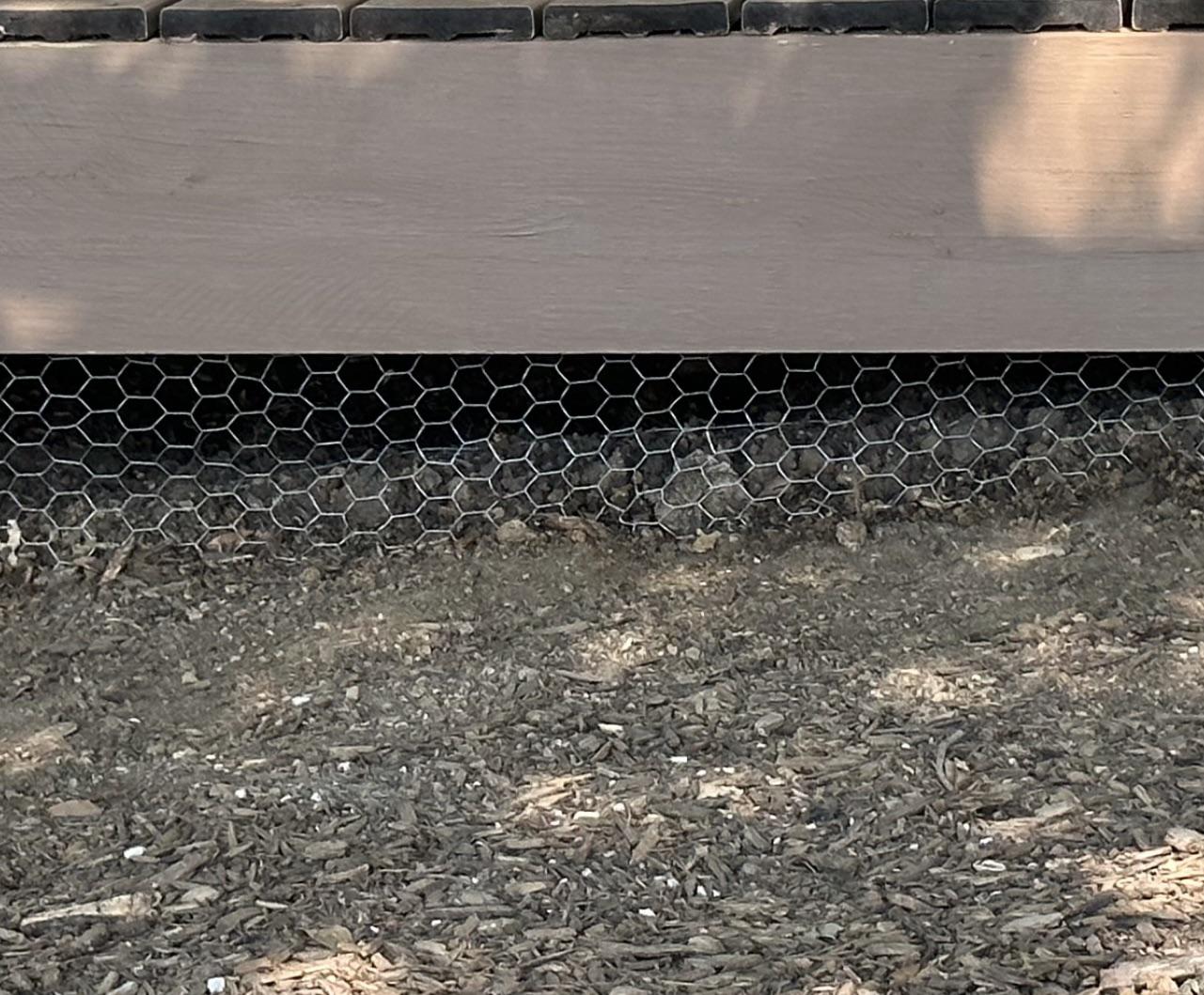
- Seal gaps under sheds, decks, and porches with welded wire, buried at least 12 inches.
- Stack firewood neatly and off the ground if possible.
Deterrent plants: what helps
Repellent plants aren’t a magic shield. A hungry groundhog will still eat what it wants. But planting strong-scented or prickly choices at strategic points can reduce browsing pressure, especially when combined with fencing.
Plants they tend to avoid
- Alliums: garlic, chives, onions (also handy in the kitchen)
- Herbs with strong oils: sage, thyme, oregano, mint (mint in pots, please, unless you want a mint empire)
- Aromatic flowers: marigolds, lavender
- Prickly textures: certain ornamental grasses or thorny barriers near entrances
Where to plant them for best effect:
- Along the garden perimeter as a “scent border”
- Near gates and corners where animals test boundaries
- Interplanted near especially tempting crops (young beans and peas, I’m looking at you)
Think of these as supportive cast members. The fence is the main character.
Natural repellents: real expectations
Repellents can be useful as a short-term layer, especially when seedlings are small. They need reapplication after rain and irrigation.
Common natural options
- Garlic and hot pepper sprays: Commercial organic sprays or homemade mixes can deter nibbling. Test on a small area first to avoid leaf burn, and reapply often.
- Castor oil-based repellents: Sometimes used to discourage burrowing and feeding. Results vary, and research support is limited, but some gardeners report decent results when it’s combined with other tactics.
- Predator scent products: These can work briefly, but groundhogs often habituate. Rotate strategies so the yard doesn’t become “scary perfume, same as always.”
What I avoid
- Mothballs: Not recommended for outdoor pest control and can be toxic to pets, wildlife, and people. Also, it’s hard on soil life.
- Ammonia-soaked rags: Strong fumes, inconsistent results, and not something I want near a garden I feed my family from.
- Poison baits: High risk to pets and non-target wildlife, and not compatible with a humane, backyard-garden approach.
Protect plants fast
If you need immediate help while you plan a permanent fence, protect your most vulnerable crops with temporary barriers.
Quick options
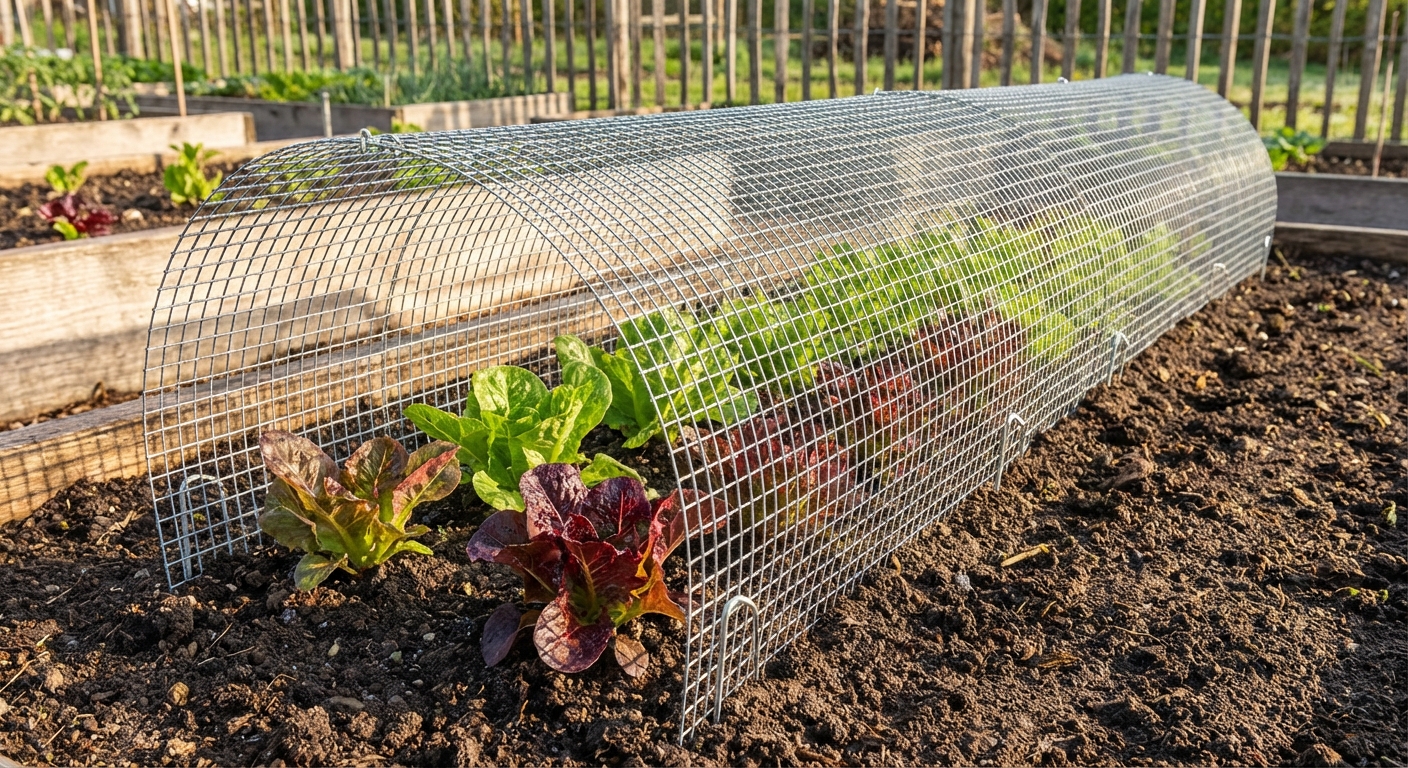
- Wire cloches: Upside-down wire baskets or cylinders of hardware cloth over young plants.
- Row covers: Lightweight fabric can deter feeding on seedlings, especially if edges are pinned down well.
- Raised beds with wire sides: A raised bed alone won’t stop a groundhog, but adding a short wire fence or cover can.
Trapping: know the rules
Live trapping can be effective, but it’s not always simple or legal. Many areas regulate relocation because it can spread disease and disrupt local ecosystems. Some places require that trapped wildlife be euthanized rather than relocated.
If you’re considering trapping
- Check your local wildlife agency regulations first.
- Plan to fix the underlying attractant. If you trap one groundhog and leave the garden open, another often moves in.
- Use a properly sized live trap, handle it carefully, and keep it shaded to reduce stress.
If you want the most humane option with the least guesswork, a licensed wildlife control professional who practices exclusion-focused methods is often the kindest route.
Your simple game plan
If you’re feeling overwhelmed, here’s the order I recommend. It’s the same calm, steady approach I use for most garden wildlife problems.
- Fence the garden with buried wire or an outward apron.
- Protect seedlings with cloches or row cover until plants are established.
- Remove cover near the garden and along fence lines.
- Encourage burrow relocation with disturbance, then use a one-way door and seal (only when it’s safe and vacant).
- Add supportive deterrents like allium borders and rotating repellents.
Give your plan 2 to 3 weeks of consistency. Groundhog control isn’t about one heroic afternoon. It’s about quietly changing the cost-benefit math until your garden is no longer worth the trouble.
FAQ
Will groundhogs come back every year?
They can. If your yard offers a safe burrow site and easy food, it’s attractive year after year. Solid exclusion and habitat tweaks reduce repeat visits dramatically.
Do groundhogs climb fences?
Yes, especially wire fences with easy footholds. Height helps, but the real secret is combining height with a buried bottom barrier and, if needed, an outward-angled top.
What vegetables do groundhogs like most?
They’re fond of tender greens, beans, peas, and young squash, cucumber, and melon plants. They’ll also sample many flowers. If it’s lush and juicy, assume it’s on the menu.
Is it safe to flood a groundhog burrow?
I don’t recommend it. It can be inhumane, can cause erosion, and groundhogs may have multiple exits. Focus on exclusion and making the burrow site unattractive instead.
A reminder from one gardener to another
When a groundhog hits your beds, it can feel personal. It’s not. It’s just a hungry creature following the easiest path to dinner. Once you make your garden a little less convenient, you’ll be amazed how quickly the pressure drops.
And if you catch me outside having a calm chat with my ferns about boundary setting, mind your business. They’re excellent listeners.