How to Get Rid of Gophers Naturally

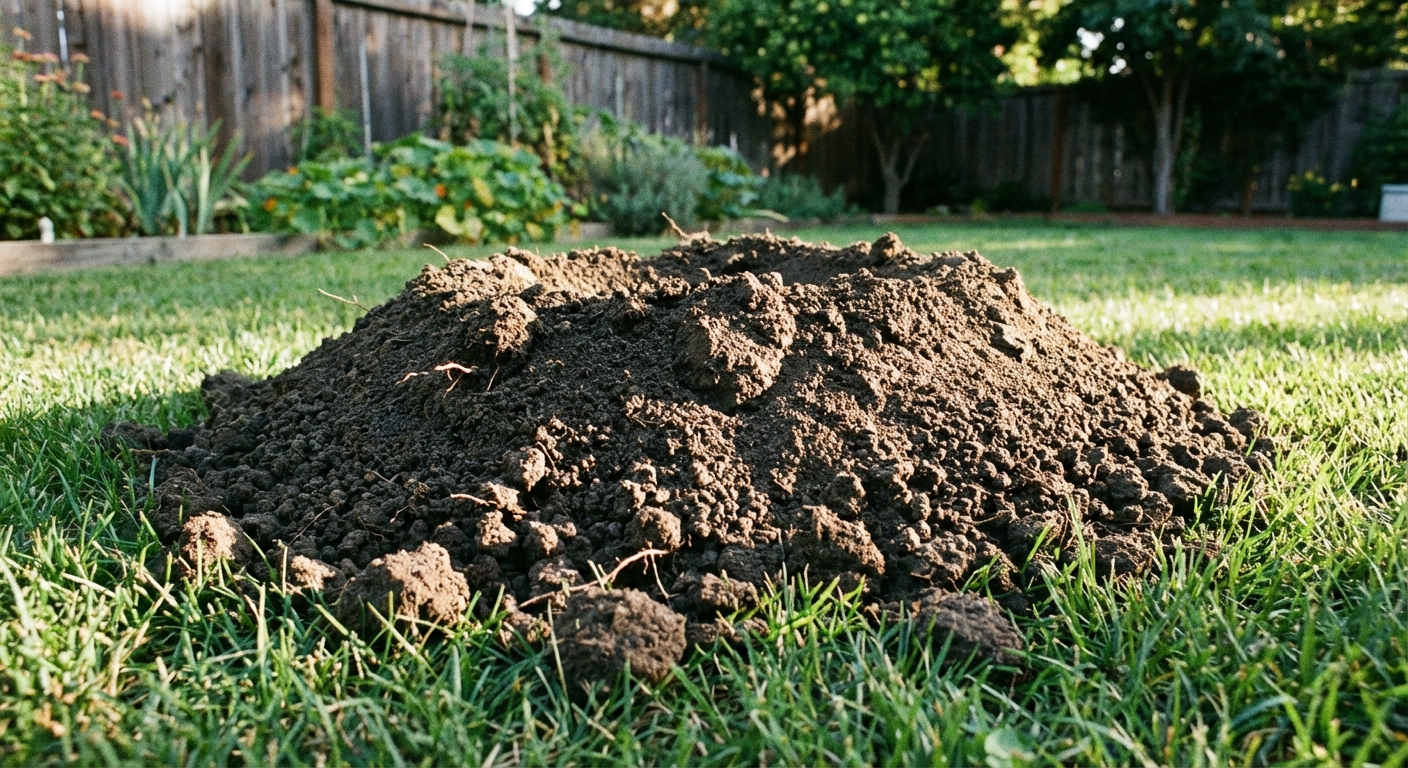
If you have little volcanoes of soil popping up overnight, wilted seedlings that look fine one day and collapse the next, or a raised “speed bump” along the lawn, you might be sharing your yard with a gopher. And yes, I know the feeling. You spend weeks building soil, babying transplants, and then something underground turns your garden bed into a snack bar.
The good news is you can absolutely manage gophers using natural, yard-friendly methods. The key is to combine approaches: identify the right critter, protect your most precious plants first, then make the whole area less comfortable for a gopher to live in.
Gopher or mole? Quick ID
Before you treat anything, make sure you’re targeting the right animal. Moles and gophers both tunnel, but they behave differently and leave different clues. (And one more to keep in mind: voles can also cause sudden seedling collapse, especially when they chew stems at soil level and leave shallow runways.)
Gopher signs
- Mounds are often fan-shaped or crescent-shaped, like someone dumped a shovel of soil to one side.
- The tunnel plug is usually off to the side of the mound and sealed, not an open hole.
- Plant damage is common: missing roots, pulled-down seedlings, carrots and beets gnawed from below, sudden wilting even when soil is moist.
- Tunnel depth varies: gophers often have deeper main tunnels, but they also make shallow feeding tunnels in garden beds.
Mole signs (for contrast)
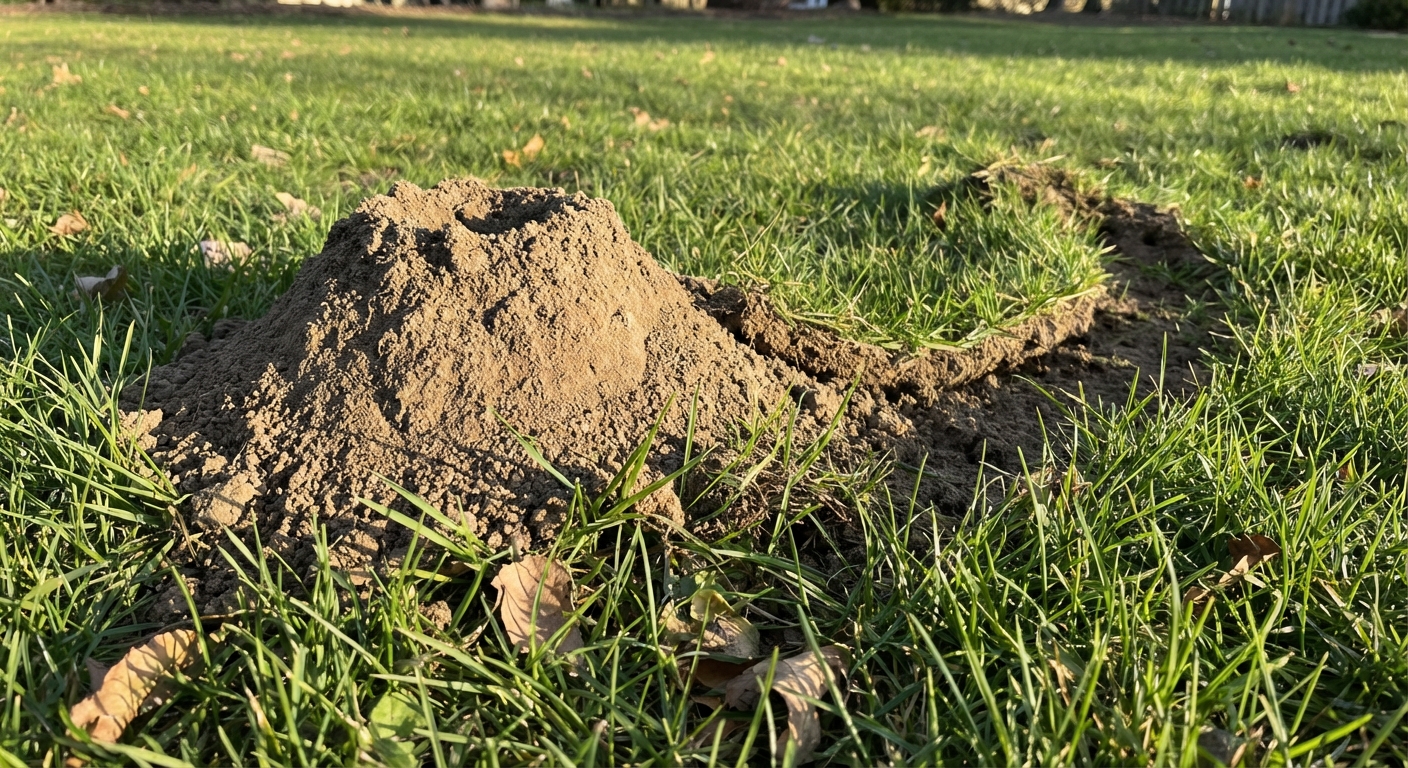
- Mounds can look more like round “volcanoes” and may be more symmetrical, depending on the species and soil.
- Surface ridges are common: raised lines where they travel just under turf.
- Less direct plant eating: moles mainly eat grubs and earthworms, though they can disturb roots while tunneling.
If you’re seeing clear root damage and fan-shaped mounds, you’re probably dealing with gophers.
Protect what you can’t lose
Natural gopher control works best when you stop the bleeding first. In my own garden, that means young fruit trees, dahlias, and any bed full of fresh transplants.
Use gopher baskets
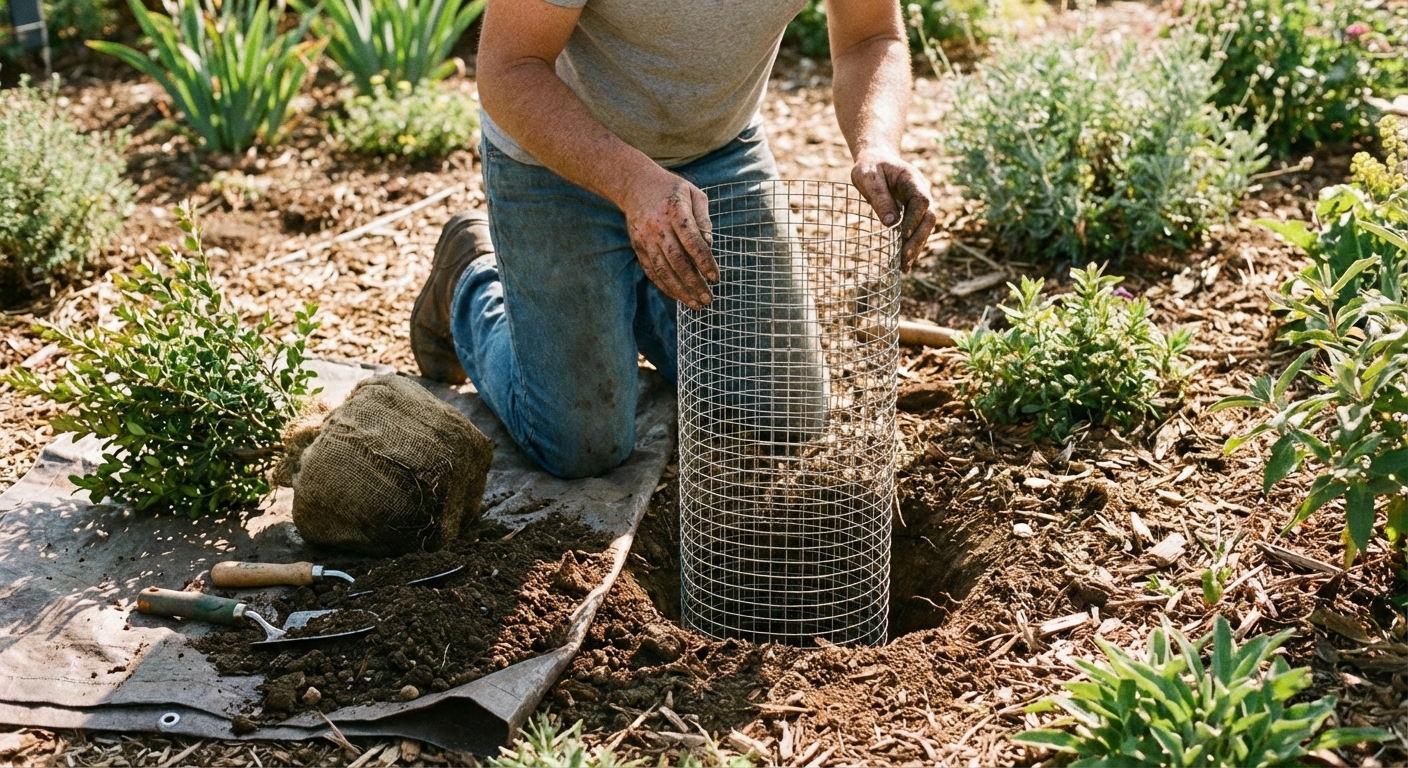
Gopher baskets are wire mesh cages that sit in the soil around a plant’s root zone. They’re not glamorous, but they’re incredibly effective.
- Best for: fruit trees, roses, shrubs, perennial crowns, dahlias, and prized veggies like artichokes.
- Mesh: 1/2 inch galvanized hardware cloth is a common choice for gophers. (If you’re also dealing with smaller rodents, 1/4 inch may be worth considering.) Avoid chicken wire for long-term protection since it can be too flexible and breaks down.
- Fit: Leave room for root growth. A basket that’s too tight can girdle roots over time.
How to install (simple steps):
- Dig your planting hole wider than usual.
- Set the basket in the hole so the top rim sits 1 to 2 inches above the surrounding soil.
- Backfill around the basket, then plant.
- Mulch as usual, keeping mulch pulled back from the trunk or crown.
Castor oil: realistic expectations
Castor oil products usually don’t kill gophers. The idea is that the smell and taste can make tunnels less appealing, nudging them to dig elsewhere. Some gardeners swear by it, others see only a temporary reduction in activity. Research and real-world results are mixed, so I treat castor oil as a helpful tool, not a stand-alone fix.
When it works best
- For new activity or light to moderate pressure.
- When you can treat the whole area, not just one mound.
- In moist soil, or when you can water after applying so the product moves into tunnels.
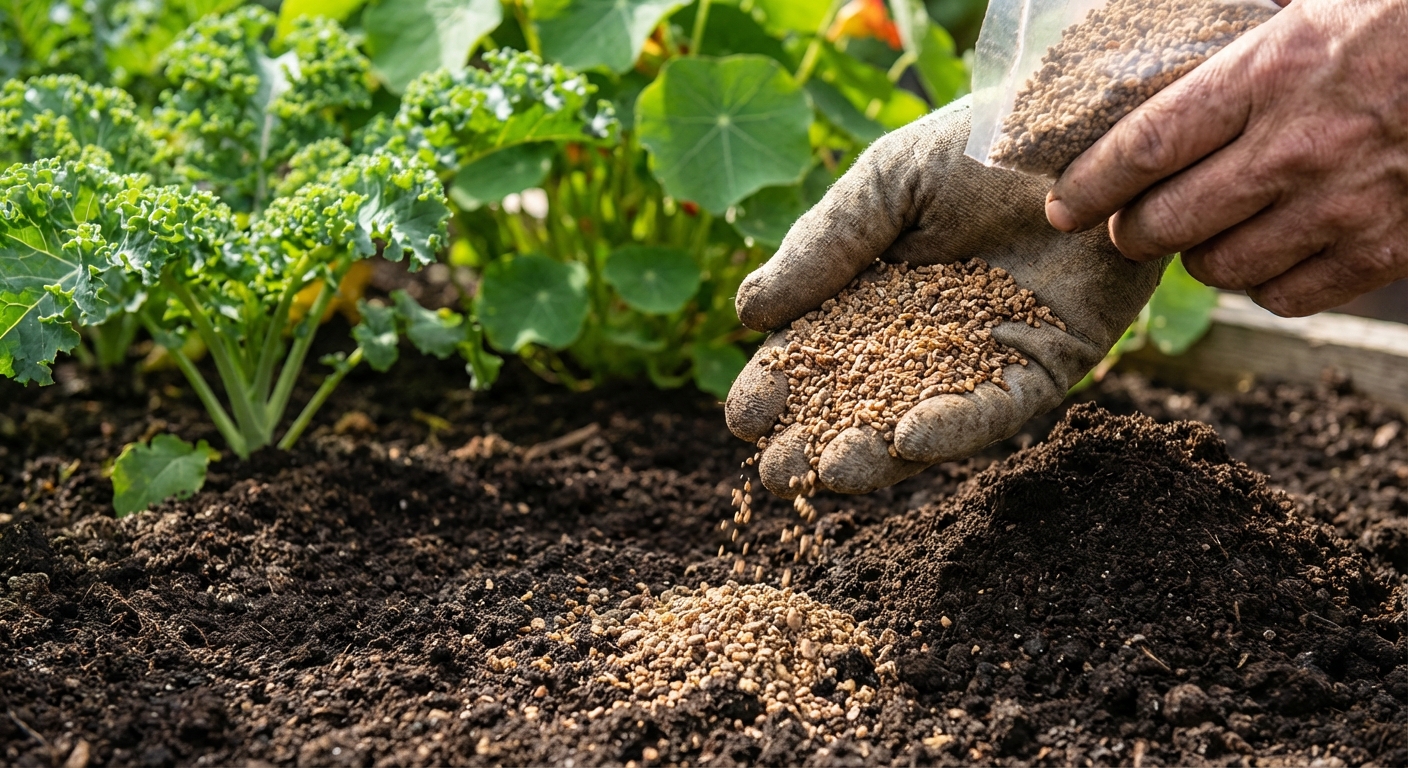
How to apply granules
- Knock down fresh mounds so you can spot new ones.
- Broadcast granules over the affected zone (follow the label rate).
- Water deeply to push the scent into the tunnel system.
- Reapply as needed, especially after heavy rain or frequent irrigation.
How to find active tunnels (quick tip)
If you want better results with any tunnel-based treatment, aim for active runs. Use a soil probe, a long screwdriver, or a sturdy stick and gently probe 8 to 12 inches away from a fresh mound. When you hit a sudden “drop,” you’ve likely found the tunnel. Work carefully so you don’t destroy the run you’re trying to treat.
DIY castor oil soil drench (anecdotal)
If you prefer mixing your own, gardeners often share a simple concentrate, then dilute it into a watering can. This isn’t a standardized recipe, so consider it anecdotal and start gently.
- Basic mix: 2 tablespoons castor oil + 1 tablespoon true mild liquid soap in 1 gallon of water.
- Soap caution: Use a mild soap, not detergents, degreasers, or antibacterial products. Strong additives can stress plants and soil life.
- Apply: Slowly pour into active areas and along suspected runs, then water lightly to help it move downward.
Notes: Spot test if you’re applying near delicate seedlings. Avoid overapplying, and keep any castor oil or soap runoff out of storm drains, creeks, ponds, and waterways.
Vibration tools: mixed results
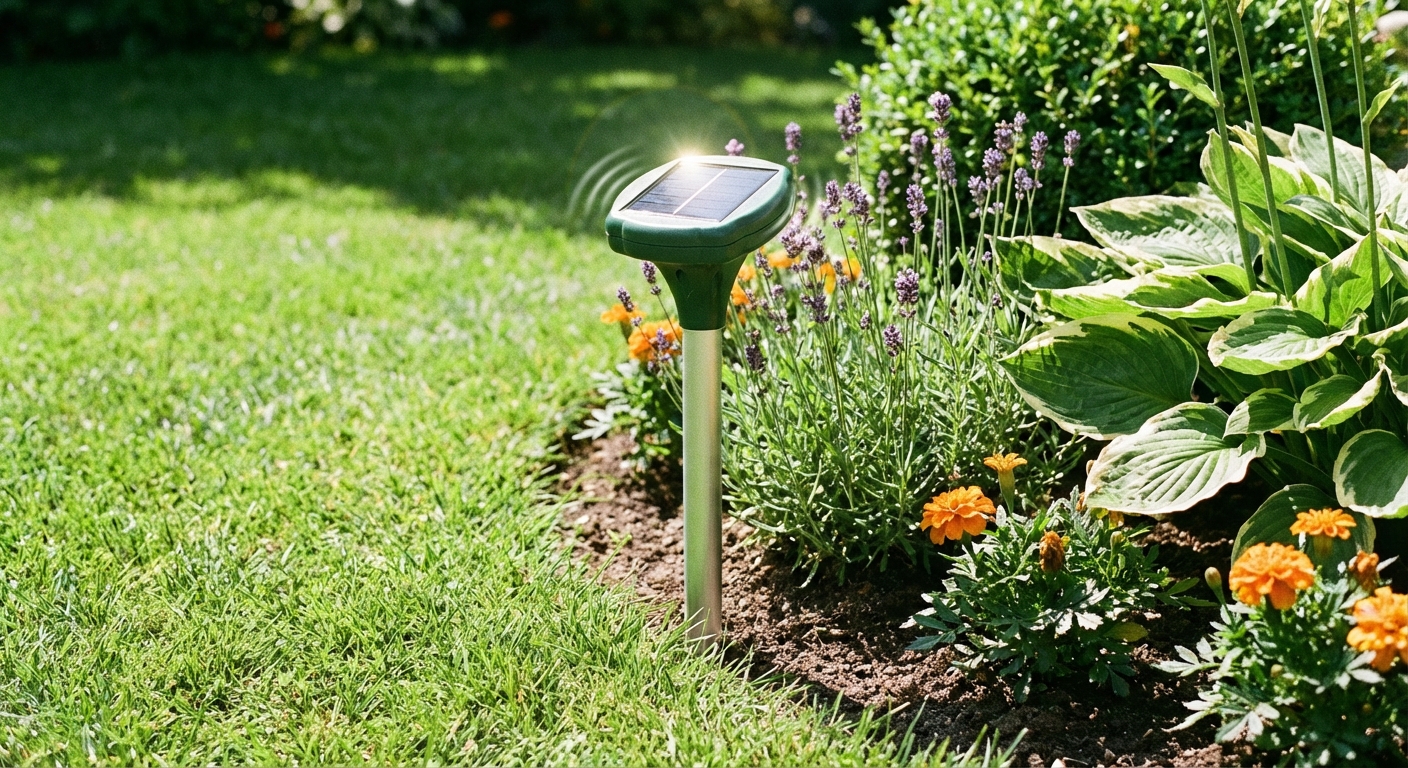
Solar vibration stakes and similar repellers can help in some yards, especially where gophers are just starting to move in. In other yards, gophers act like they’ve learned to tune them out. I consider these “make it less comfy” tools, not a complete solution.
Tips that make them more useful
- Use several spaced to cover the area, because vibration doesn’t travel equally through every soil type.
- Move them occasionally so gophers don’t adapt to a single source.
- Combine with barriers like baskets or fencing for real protection.
- Check soil contact: a loose stake in fluffy mulch won’t transmit much vibration.
Scent plants: limited evidence
I love plant-based solutions, but I also love honesty. Strong-smelling plants can discourage digging in specific spots, but they rarely evict an established gopher by themselves. Evidence is limited, and results vary a lot. Use them as a boundary helper and a “don’t start here” signal.
Common picks for gopher-prone beds
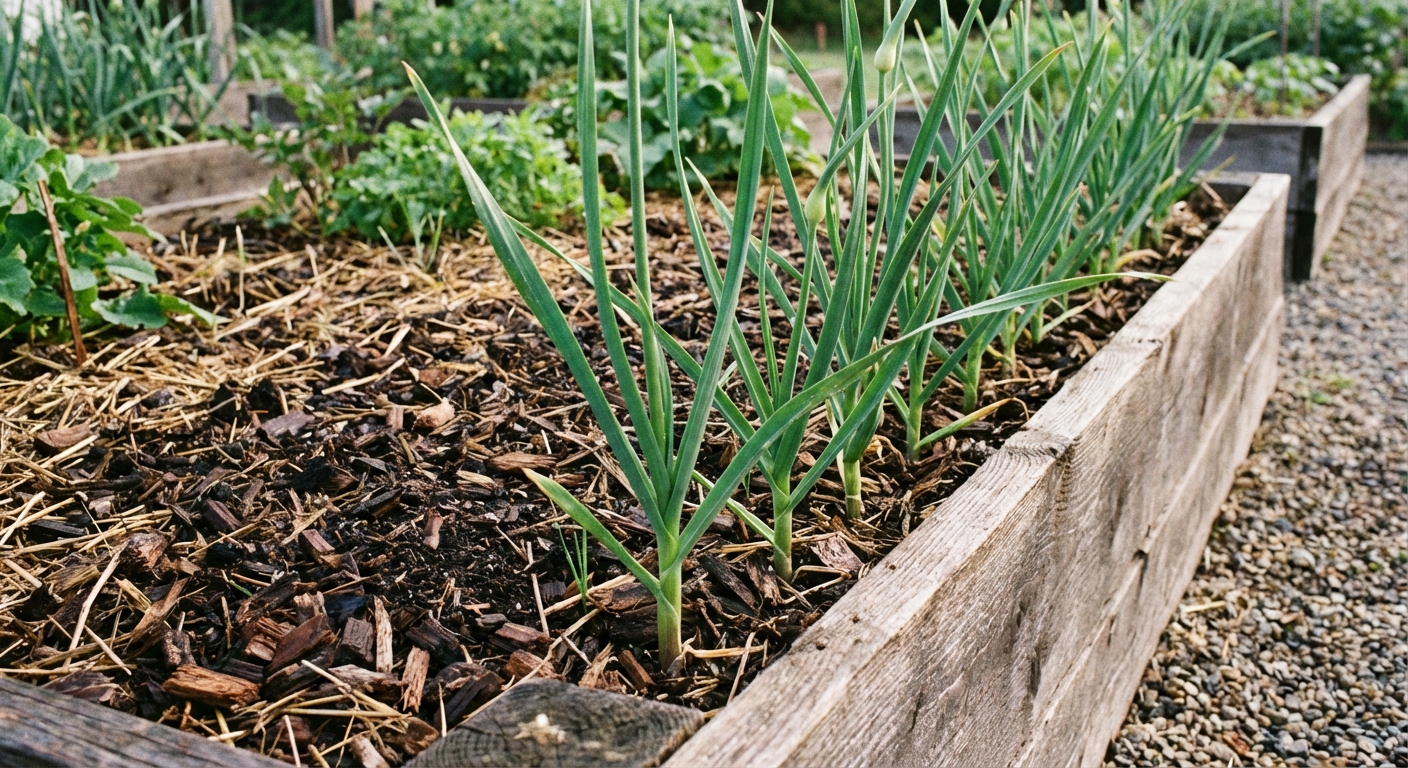
- Alliums: garlic, chives, ornamental allium.
- Herbs: rosemary, sage, lavender (also fantastic for pollinators).
- Gopher spurge (Euphorbia lathyris): often mentioned, but use caution. The sap is irritating, it can self-seed, and it’s considered invasive or restricted in some areas. Check local guidance before planting.
- Marigolds: a nice helper around veggie beds, but not a solo solution.
How to make this work: Plant in a ring or border and keep the plants healthy so they actually produce scent and oils. A struggling rosemary isn’t intimidating to anyone, gopher included.
Exclusion: the long-term fix
If you’re tired of gopher roulette, exclusion is the most reliable natural strategy. It’s also the most work up front, but it pays you back in peace.
Raised beds
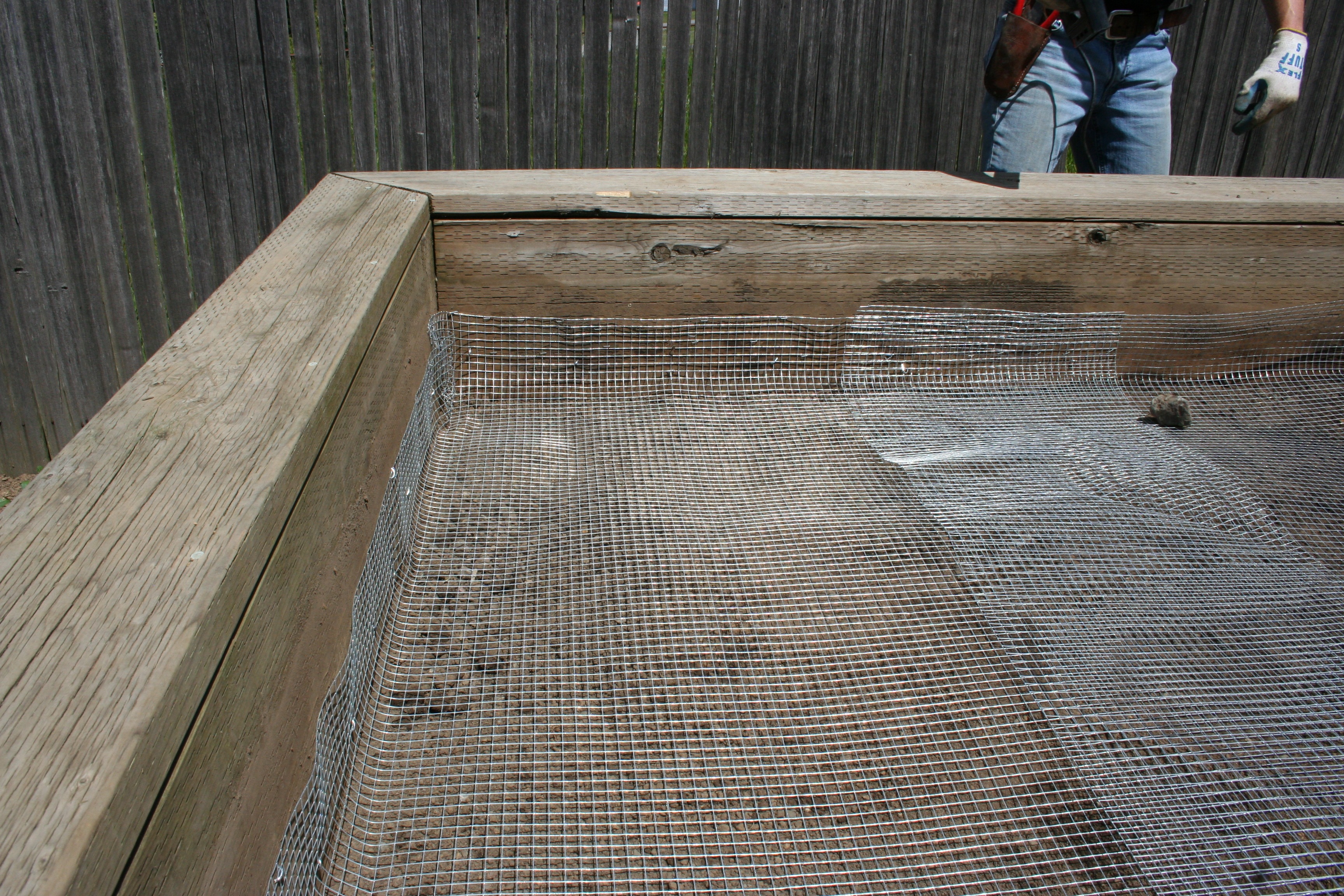
When building a raised bed, line the bottom with 1/2 inch hardware cloth before adding soil. Overlap seams by several inches and staple or screw it securely to the frame. This creates a physical barrier that stops gophers from entering from below.
Perimeter fencing (below ground)
For in-ground beds or larger gardens, install hardware cloth vertically like an underground fence.
- Depth: aim for 18 to 24 inches deep, and go deeper if you can (up to around 30 inches in high-pressure areas).
- Above-ground lip: leave 2 to 3 inches above soil to discourage surface entry.
- Shape tip: flare the bottom outward in an L shape if you can. It makes digging under harder.
This is especially effective around small kitchen gardens where you can fence a defined rectangle. It also keeps your efforts on your side of the property line, which matters because repellents can sometimes push digging activity into a neighbor’s yard, and then right back again later.
Yard habits that help
You don’t need a sterile yard, but a few tweaks can lower the “welcome” factor.
- Harvest root crops promptly so they don’t sit as an underground buffet.
- Remove dense groundcover near beds that provides hidden access points.
- Keep mulch sensible: thick mulch is great for soil, but avoid piling it right up against tender crowns where gophers like to feed.
- Water smart: consistently damp soil can attract more digging and feeding. Use drip where possible and avoid overwatering.
Flooding or smoke?
Flooding can sometimes push a gopher out, but it often just sends them to higher ground in the same tunnel system, or into your neighbor’s yard and back again later. Smoke devices aren’t what I consider a gentle, natural approach, and they carry fire risk in dry seasons. If your goal is truly low-tox and low-risk, focus on barriers, castor oil (with realistic expectations), and habitat changes.
When gentle methods aren’t enough
Sometimes gopher pressure is simply too high, especially near open fields, greenbelts, or neglected lots. If you’ve done the barrier work and you’re still getting repeated damage, it’s okay to bring in help. A licensed wildlife control professional can assess activity, explain legal options in your area, and help you decide on the most responsible next step for your situation.
If you live in a neighborhood with shared borders, remember that lasting success usually comes from protecting the garden itself (baskets and fencing), not from trying to “win the whole yard.”
7-day reset plan
If you want a clear starting point, here’s the approach I use when gopher activity shows up.
Day 1 to 2: Confirm and map
- Knock down existing mounds.
- Mark the area and check for fresh mounds the next morning.
Day 2 to 3: Protect valuables
- Install gopher baskets for new plantings and any “must keep” perennials.
- If you’re building beds, add hardware cloth underneath.
Day 3 to 5: Treat the zone
- Apply castor oil granules or a castor oil drench.
- Water in thoroughly.
Day 5 to 7: Add boundaries
- Add vibration stakes if you like, then move them every week or two.
- Plant an allium or herb border where practical.
Keep watching for new mounds. If activity continues, repeat castor oil applications as needed and expand your barrier strategy.
Safety notes
- Castor oil products: Use as directed and store away from children and pets. Natural doesn’t mean edible.
- Wire barriers: Wear gloves. Cut hardware cloth is sharp and has humbled many confident gardeners, including me.
- Predators: Owls, hawks, snakes, and neighborhood cats can reduce pressure, but they won’t reliably solve an established gopher problem on their own.
- Balance matters: Gophers are part of the ecosystem, but your garden can still have boundaries. The goal is relocation and prevention, not constant escalation.
FAQ
Will gophers leave on their own?
Sometimes, but if your yard has irrigated soil and tasty roots, it can stay attractive for a long time. You’ll usually get faster results by protecting plants and making the tunnel system unpleasant.
Do coffee grounds, gum, or ultrasonic gadgets work?
Coffee grounds can be mildly irritating in small areas, but they rarely solve an established problem. Chewing gum and similar internet myths are unreliable. Ultrasonic devices have mixed results and depend heavily on soil conditions and placement.
What’s the most effective natural method?
For long-term protection, hardware cloth barriers and gopher baskets are the most dependable. For encouraging them to spend less time in a specific area, castor oil granules or drenches can be a useful supporting step, but expect variable results and reapplication.
Why didn’t you include trapping?
Readers always ask, and it’s a fair question. Trapping can be effective, but it’s a separate skill set, it varies by local regulations, and it can go sideways quickly if you’re not confident about tunnel location, trap type, and humane handling. Since this guide is focused on low-tox, low-drama prevention, I centered it on exclusion and deterrence. If you’re considering trapping, check local rules first and consider getting guidance from your local extension office or a licensed wildlife professional.
My gentle bottom line
If gophers are breaking your gardening heart, you’re not failing. Underground pests are sneaky, persistent, and frankly talented. Start by correctly identifying the culprit, then choose one strong physical protection (baskets or fencing) and pair it with a natural repellent like castor oil, with realistic expectations. That combo is what turns “constant battle” into “occasional maintenance” and lets you get back to the peaceful part of gardening, hands in the soil, breathing a little slower.