
How to Get Rid of Fleas in Your Yard Naturally

Fleas have a way of making a perfectly lovely yard feel like an itchy little nightmare. The good news is you can absolutely reduce fleas outdoors without fogging your landscape with harsh chemicals. The more honest news is this: yard treatment works best when you pair it with indoor and pet treatment. Fleas are a relay team, and if you only trip one runner, the race keeps going.
In this guide, I will walk you through where fleas actually live in the landscape, what “natural” options really do, and a step-by-step plan that is safe around pets when used correctly.

Know your enemy: the flea life cycle
If you have ever treated fleas and felt like they came right back, it is usually because you hit the adults and missed the rest of the family.
- Adults live on animals (pets, wildlife like squirrels, raccoons, opossums, stray cats). Adults bite and lay eggs.
- Eggs fall off the host into the environment, especially where pets rest.
- Larvae hatch and hide from light. They wriggle down into thatch, leaf litter, mulch, and soil surface cracks.
- Pupae spin cocoons that are stubbornly protective. Pupae can “wait” and then emerge when they sense vibration, warmth, and carbon dioxide.
Outdoors, the majority of the flea population is often not hopping around as adults. It is sitting quietly in eggs, larvae, and pupae in protected spots. That is why a good yard plan focuses on habitat changes and targeting the immature stages.
Where fleas concentrate in a yard
Fleas are not evenly spread across your lawn like pepper. They cluster where conditions suit them and where hosts spend time.
Top flea hotspots
- Shady, humid edges: under decks, under shrubs, along fences, beside sheds.
- Pet resting zones: under a favorite tree, the cool dirt patch by the porch, dog run corners.
- Thick thatch and overgrown grass: larvae love protection from sun and dryness.
- Mulch and leaf litter: especially in damp beds near the house.
- Wildlife pathways: brushy corridors and areas with burrows.
If you only treat the middle of the lawn and ignore the shady edges, you can spend money and effort and still feel like nothing changed. Aim your energy where fleas actually are.
Set expectations (pet care still matters)
Natural yard control is about reducing the outdoor reservoir. It can make your yard more comfortable and help prevent reinfestation, but it is rarely a complete solution by itself if pets are already infested.
Here is the honest pattern I see again and again:
- If you treat the yard but do not treat pets, adults keep laying eggs and re-seeding your landscape.
- If you treat pets but ignore the yard hotspots, you can still pick up fleas outside, especially in shade and thatch.
- If you do both, you usually win, and you win faster.
Pet note: Talk with your veterinarian about a flea control plan appropriate for your animal. Yard steps are supportive, not a substitute for veterinary guidance.
The natural yard plan
Think of this as a layered approach: make the yard less flea-friendly, then use targeted natural tools where they actually work.
Step 1: Dry and brighten
- Mow regularly and avoid letting grass get tall and floppy, especially along fence lines and under trees.
- Reduce thatch if you have a spongy lawn. A light dethatching can remove the cozy layer larvae hide in.
- Prune for airflow under shrubs and low branches where pets nap. Fleas hate sun and dryness.
- Rake up leaf litter in shady corners. Compost it hot, or bag it if you suspect a heavy flea load. Try not to relocate potentially infested debris to new parts of the yard.
This is unglamorous work, but it is surprisingly powerful. You are changing the microclimate fleas rely on.
Step 2: Wash pet bedding
Eggs and larvae often pile up where pets lounge. Wash bedding in hot water and dry on high heat when possible. If you have washable outdoor dog bed covers, treat those like bedding too.
Step 3: Use beneficial nematodes
Beneficial nematodes are microscopic organisms that hunt soil-dwelling pests. For fleas, commonly used options include Steinernema carpocapsae and Steinernema feltiae. The best choice depends on your climate, soil conditions, and what your supplier carries, so look for a product labeled for flea larvae and suited to your temperatures.
When nematodes work best
- In moist, shaded areas where larvae live
- When temperatures are in the product’s comfort zone (check the label, since species and suppliers vary)
- When you can keep the area consistently damp for about 1 to 2 weeks after application
How to apply nematodes
- Buy fresh from a reputable supplier and check the expiration date. These are living organisms.
- Water the area first so the soil is moist.
- Apply in the evening or on a cloudy day to protect them from UV light.
- Use a hose-end sprayer or watering can, following label directions. If your water is heavily chlorinated, consider using dechlorinated water or letting water sit out, if the product instructions recommend it.
- Keep soil damp afterward, lightly watering as needed.
Safety around pets: Beneficial nematodes are generally considered safe for people and pets when used as directed. They are also typically low risk to many non-target organisms when applied to targeted hotspots, but they are not perfectly species-specific. Follow the label, and keep pets off the area until watering settles everything in.

Step 4: Use DE carefully
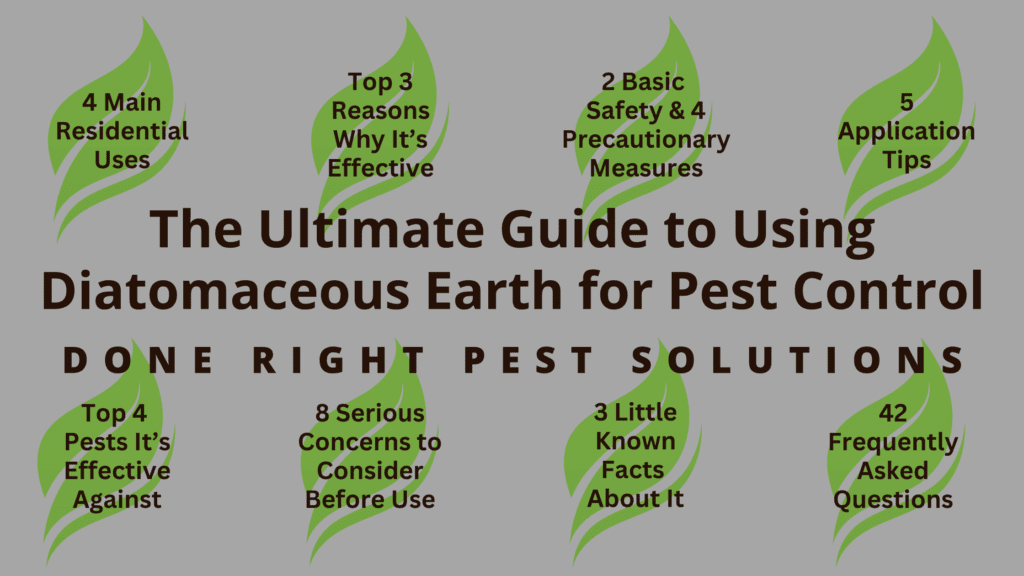
Food-grade diatomaceous earth (DE) is a powder made from fossilized diatoms. It can abrade and dry out insects by damaging their protective outer coating, which can help reduce fleas in dry conditions.
DE realities
- It must stay dry to work. Rain, irrigation, and dew can make it ineffective.
- It can irritate lungs. Use a dust mask and avoid applying on windy days.
- It is not selective. It can harm helpful insects if you dust broadly.
Where DE can help
- Cracks and crevices in dry areas like under a covered porch
- Along dry kennel runs or the edges of patios where fleas hide
- As a light, targeted dusting rather than a whole-yard treatment
Safety around pets: Keep pets and kids away during application. Let the dust settle, then lightly sweep excess from hard surfaces. Avoid putting DE directly on pets unless your veterinarian specifically recommends it. Inhalation risk is the big concern.
Step 5: Tweak watering habits
Fleas like humidity, but they also need shelter from direct sun. The goal is not to drought-stress your lawn. It is to avoid creating a permanently damp, shady flea nursery.
- Water early so surfaces dry faster.
- Avoid overwatering shady corners. Fix leaky spigots and soggy areas.
- If you have heavy shade, consider thinning plants and switching to a cleaner ground cover or mulch management plan rather than keeping a wet, thatchy patch alive at all costs.
Step 6: Reduce wildlife drop-ins
If raccoons, stray cats, or opossums are visiting regularly, your yard can get re-seeded with fleas no matter how diligent you are.
- Bring pet food indoors at night.
- Secure trash and compost.
- Block access under decks and sheds where practical and humane.
- Trim brush piles and dense hiding spots near the house.
Simple 2-week schedule
If you are feeling overwhelmed, borrow this timeline. It is realistic for busy humans.
Day 1 to 2
- Mow and edge.
- Rake leaf litter and thin dense ground cover in hotspot zones.
- Wash pet bedding and vacuum indoors (yes, indoor vacuuming matters even for an outdoor problem).
Day 3
- Apply beneficial nematodes to shaded hotspots.
- Water in and keep those zones lightly moist.
Day 4 to 14
- Keep hotspot soil lightly moist for nematode success.
- Use targeted DE only in dry, covered areas if needed.
- Continue washing bedding weekly during an active flea situation.
After about two weeks, many people notice fewer bites and less “flea hopping” when walking through problem areas. If pupae are abundant, you may see waves of new adults for several weeks (or longer), especially with warm, humid weather. Stay consistent and keep focusing on hotspots.
Common questions
Will neem oil or essential oils help?
They are popular online, but results outdoors are inconsistent, and some essential oils can be unsafe for pets. Flea control is a numbers game. Habitat changes and nematodes tend to be more reliable natural tools for the yard.
Should I spread DE over the whole lawn?
I do not recommend broad lawn dusting. It takes a lot of product, it stops working when wet, and it can impact beneficial insects. Target dry, protected zones instead.
Is it the yard or the house?
If you are getting bites mostly outdoors in shady areas, and pets pick up fleas after going outside, the yard is likely contributing. If bites happen indoors even when you have not been outside, indoor treatment is probably the priority.
When to get extra help
If you have a severe infestation, multiple pets, or wildlife nesting nearby, you may need professional support. Look for companies that offer integrated pest management and are willing to focus on hotspots and prevention, not just blanket spraying.
And if anyone in the home is having strong reactions to bites, or if pets are uncomfortable, treat that as urgent. Comfort and health come first.
The Leafy Zen takeaway
Natural flea control outdoors is not about one magic product. It is about making your yard brighter, drier, and less hospitable, then using biological tools like beneficial nematodes where flea larvae actually live. Combine that with smart pet care, and you can get back to enjoying your garden without the constant itch soundtrack.