
How to Get Rid of Clover in Your Lawn Naturally

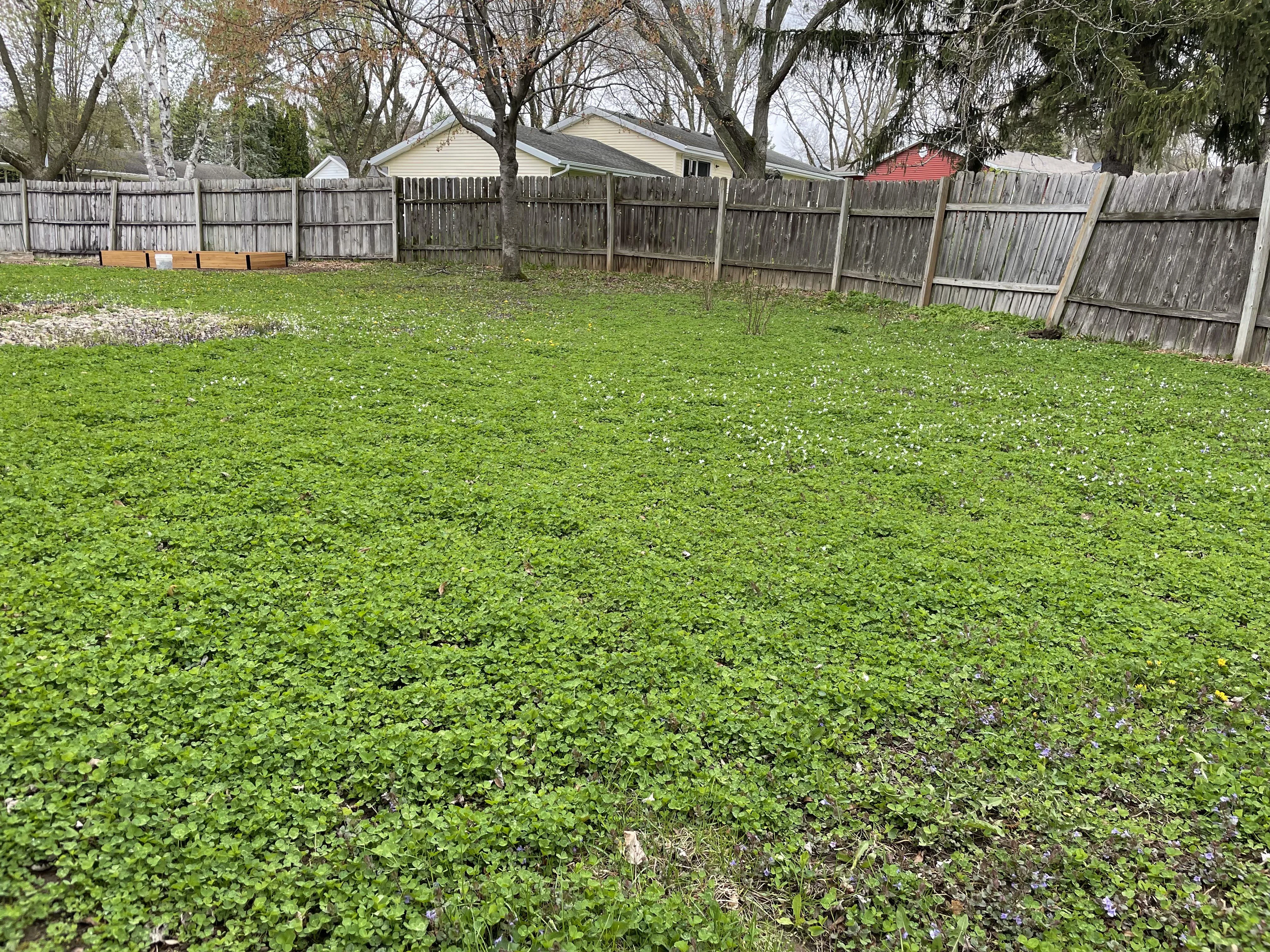
Clover can make you feel like your lawn is quietly being taken over leaf by leaf. But before we declare war, let me say something that surprises a lot of people: clover often reflects underlying lawn conditions, especially low nitrogen, thin turf, and compaction. When we respond to that message (and a few other factors like mowing and watering), the grass often starts winning again, naturally.
This guide focuses on realistic, chemical-free ways to reduce clover while keeping your yard, neighbors, and pollinators in mind. Expect progress over weeks and months, not overnight perfection.

Make sure it is clover
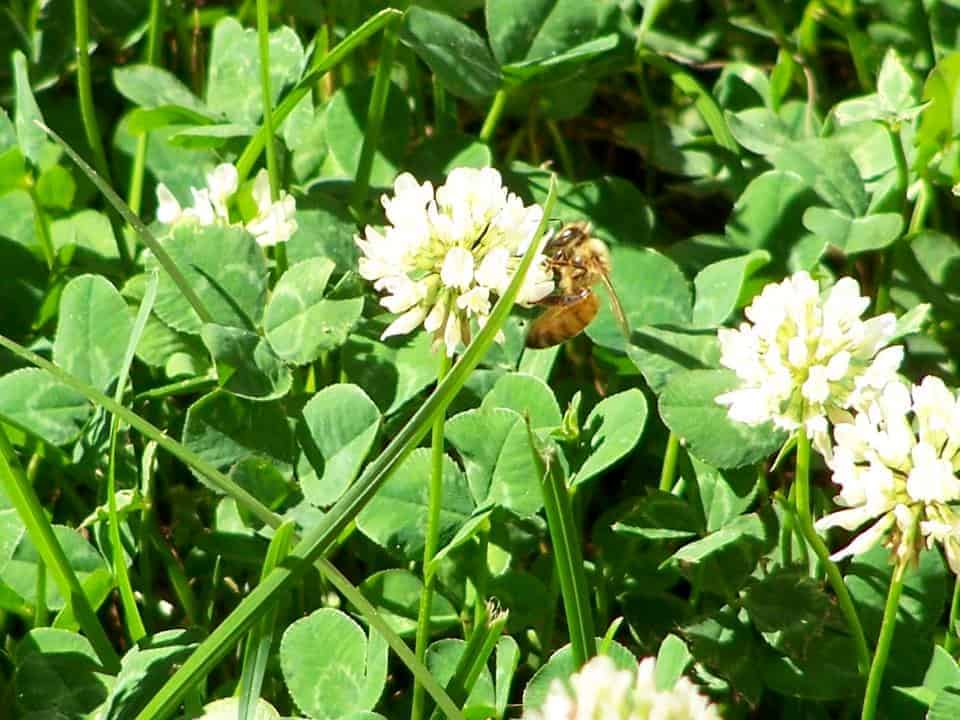
Before you change your whole lawn routine, take a quick second to confirm you are dealing with clover and not a look-alike. The most common lawn culprit is White Dutch clover (Trifolium repens). It typically has three rounded leaflets (sometimes four if luck is feeling dramatic) and white or pale pink puffball flowers.
- Wood sorrel (Oxalis) has heart-shaped leaflets and small yellow flowers.
- Black medic looks clover-ish but makes tiny yellow flowers and little black seed pods.
- Creeping buttercup has glossy leaves and bright yellow flowers and often signals wet soil.
If you are unsure, snap a close-up photo of the leaves and flowers and compare, or ask your local extension office. Identification saves a lot of time (and frustration).
Why clover thrives
Clover is a tough little opportunist. It does not usually show up because you did something “wrong.” It shows up because it can tolerate conditions that many lawn grasses struggle with, and because clover seed is simply common in the environment.
Common reasons clover takes hold
- Low nitrogen: Clover makes its own nitrogen through a partnership with soil bacteria, so it can stay greener than grass when nitrogen is scarce. The lawn benefits indirectly over time as clover leaves, clippings, and roots break down.
- Compacted soil: Tight soil limits grass roots and oxygen. Clover can tolerate compaction better than many turf grasses, depending on species and site conditions.
- Thin turf: Any bare or sparse spot is an invitation. Clover seeds germinate easily in open space.
- Drought or heat stress: Clover can stay surprisingly resilient when lawns are under-watered or heat-stressed.
- Cutting too short: Scalped grass loses its edge. Clover enjoys the extra sunlight that reaches the soil.
So yes, clover is a “weed” in the traditional lawn sense, but it is also a lawn conditions cue. If you read that cue and adjust your care, you can reduce clover without harsh products.
Pick your goal
On an organic-minded yard, I always recommend choosing a goal before you start pulling and reseeding.
- Remove clover: Best if you want a more uniform turf look, have kids with bee sting allergies, or need a traditional lawn for HOA standards.
- Reduce clover: A practical middle path. You keep the lawn mostly grass while allowing a little biodiversity.
- Keep clover: Clover stays green with less fertilizer, supports bees when flowering, and can fill in thin areas.
If you choose removal or reduction, it helps to know clover is most stubborn when lawns are weak. The long-term solution is not just “killing clover.” It is growing stronger grass.
The natural plan
Think of this like changing the “house rules” so grass thrives and clover loses its advantage. These cultural practices are the backbone of natural clover control.
1) Mow higher
Most cool-season lawns do best when kept around 3 to 4 inches. Taller grass shades the soil surface, which makes clover seedlings less likely to sprout and helps grass develop deeper roots.
- Avoid removing more than one-third of the blade at a time.
- Keep mower blades sharp to reduce stress.
- Consider leaving grass clippings if your lawn is healthy. They recycle nutrients back into the soil.
2) Feed with gentle nitrogen
Because clover often thrives in low-nitrogen conditions, improving fertility can shift the balance back toward grass.
- Compost topdressing: A thin layer (about 1/4 inch) helps feed soil life and slowly improves fertility and structure.
- Organic nitrogen sources: Products like alfalfa meal, soybean meal, feather meal, or an organic lawn fertilizer can help. Follow label rates carefully.
- Grasscycling: Leaving clippings returns nutrients and reduces the need for extra inputs.
Timing tip: For cool-season grasses, the biggest feeding windows are typically early fall and sometimes late spring. For warm-season lawns, feed during active summer growth. If you are not sure what grass you have, start with a soil test before doing heavy feeding.
3) Water deeper, less often
Shallow daily watering keeps grass roots shallow and makes lawns more vulnerable to stress (and weeds). A better goal is deep, infrequent watering that matches your weather and soil.
- Many lawns do well with about 1 inch per week total (rain plus irrigation), adjusted for heat, wind, and soil type.
- Water in the morning when possible to reduce disease pressure and evaporation.
- Watch for drought stress signals: a bluish cast, lingering footprints, and blades that fold.
4) Aerate to relieve compaction
If your lawn feels hard, puddles after rain, or struggles in high-traffic areas, core aeration can be a game changer. It creates space for air, water, and roots, and grass loves that.
- Core aeration (pulling plugs) works better than spike aeration for compaction.
- Aerate when grass is actively growing so it can recover quickly.
- After aeration, topdress lightly with compost to help improve soil structure over time.
5) Overseed to crowd out clover
Thin turf is clover’s favorite. Overseeding fills gaps so clover has less room to establish.
- For many cool-season lawns, early fall is prime overseeding season.
- Rake or loosen the surface so seed touches soil.
- Keep the top layer of soil consistently moist until seedlings are established.
Prevent clover seeds
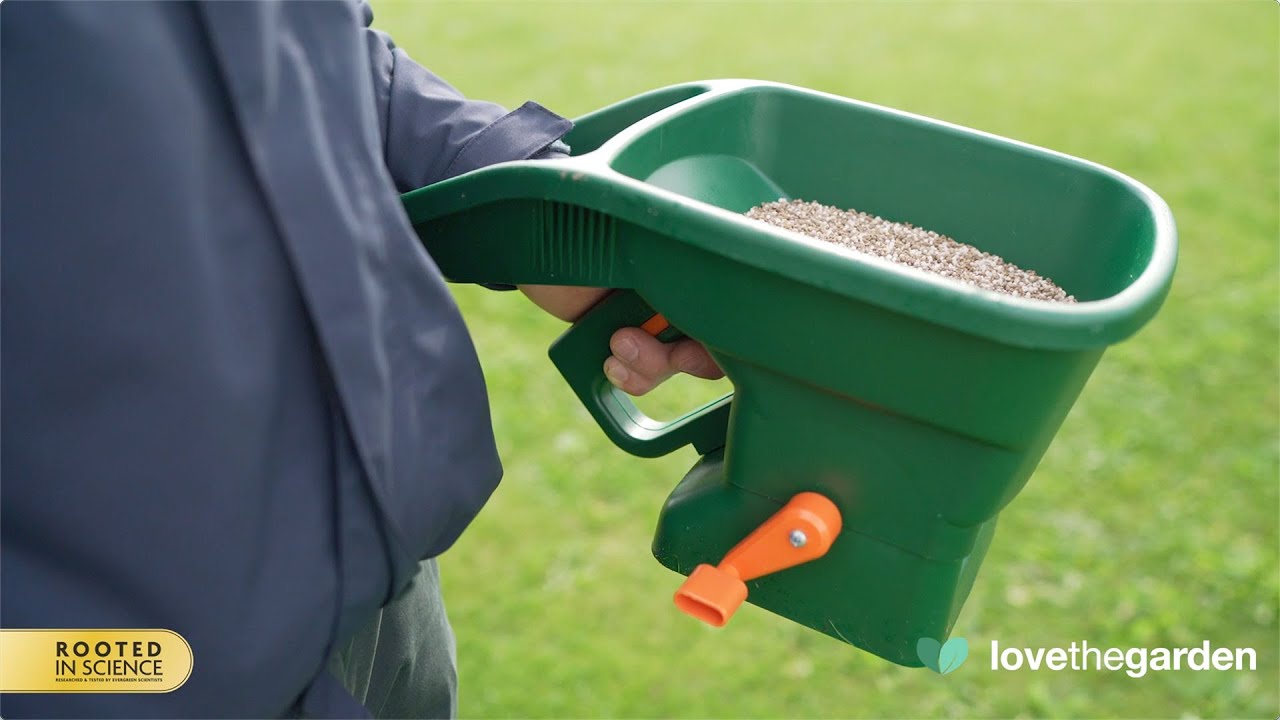
If clover returns every spring, you might benefit from a preventative step. One organic option some homeowners use is corn gluten meal, sold as a natural pre-emergent.
- It can help reduce germination of some seeds when applied before they sprout, and it also adds a small amount of nitrogen.
- Results vary a lot based on timing, watering, and existing seed pressure, so think of it as a helper, not a miracle.
- Important: Because it can inhibit germination, do not apply it where you plan to overseed soon.
Direct removal
Once you are strengthening the lawn, you can also tackle existing patches. Here are the natural options that tend to be most effective without collateral damage.
Hand pulling and digging
This works best after rain or watering when the soil is soft. For small patches, it is satisfying and effective.
- Pull gently and try to remove as much root as possible.
- Fill the spot with a little compost and overseed.
- Water until grass fills in, or clover will return to the open space.
Smother small areas
For stubborn patches in out-of-the-way spots, you can block light temporarily.
- Cover the patch with cardboard and weigh it down for a few weeks.
- Remove, loosen soil, add compost, then reseed or lay sod.
Iron-based spot treatments
If you want something that is still considered a lower-impact option than traditional herbicides, look for iron-based lawn weed control products labeled for clover. These typically use forms of iron that can blacken and desiccate broadleaf weeds.
- Always follow the label closely. “Natural” does not automatically mean non-toxic.
- Spot-treat rather than blanket-spraying when possible.
- Avoid spraying on concrete, pavers, and stone. Iron products can stain hardscapes, and they may temporarily darken turf.
- Test a small area first, and keep pets and kids off until the product has dried and the label says it is safe.
Important: Iron-based products often work best when clover is actively growing and the lawn is not stressed from heat or drought.
Timing and pollinators
Clover flowers are a buffet for bees. If you have clover in bloom, you are likely hosting pollinators even if you do not see them at first glance.
Pollinator-safe timing
- Avoid treating when bees are active: If you see pollinators working the flowers, wait.
- Mow first when practical: If you plan to pull aggressively or spot-treat, mowing can remove many blossoms and may reduce pollinator interest in that area, but it does not guarantee bees are gone.
- Treat in the evening: If you are using any spray, evening applications can reduce the chance of direct contact with foraging bees.
- Avoid spraying open flowers: If something is blooming, assume it is feeding someone.
Neighbor considerations
Even when you go natural, your choices can affect the people around you.
- Keep treatments on your property and avoid windy days.
- If you share a lawn edge, consider chatting with neighbors before major changes like aeration, reseeding, or temporary smothering.
- Set expectations: organic lawn improvement is gradual and seasonal.
Common mistakes
- Do not scalp the lawn: Short mowing weakens grass and helps clover spread.
- Do not overwater lightly every day: This encourages shallow grass roots. Water less often but more deeply, based on your soil and weather.
- Do not skip reseeding: Removing clover creates open real estate. If you do not fill it with grass, something else will move in.
- Do not guess at soil needs forever: A basic soil test can reveal pH and nutrient imbalances that keep grass from thriving.
Soil test basics
If you do one “grown-up lawn thing” this year, make it a soil test. It helps you stop guessing and start targeting the real problem.
- pH: Many turfgrasses prefer slightly acidic to neutral soil (often roughly in the 6.0 to 7.0 range). Your local grass types may vary.
- Nutrients: Your report usually includes phosphorus, potassium, and sometimes organic matter and micronutrients.
- Next steps: Lime does not kill clover directly, but correcting an overly acidic pH can help grass compete better. Apply lime only if your test recommends it.
How long it takes
Natural clover control is a slow shift in conditions, not a single knockout punch. Here is a realistic timeline:
- 1 to 3 weeks: Hand-pulled areas look bare, then begin filling if you overseed and water correctly.
- 1 to 2 months: With higher mowing and better fertility, grass starts thickening and clover growth often slows.
- One full season: After aeration plus overseeding (especially in fall), you usually see the biggest improvement.
- Ongoing: Expect some clover to reappear in weak spots. That is your lawn giving you feedback.
If your lawn is heavily clover-dominant, plan on a season or two of steady care to truly turn the tide.
Simple checklist
If you want a clear plan without overthinking it, here is a gentle sequence that works for many lawns:
- Step 1: Mow to 3 to 4 inches and keep blades sharp.
- Step 2: Check compaction. If it is hard ground, schedule core aeration during active growth.
- Step 3: Water deeply and less often, and aim for morning watering when you can.
- Step 4: Feed the soil lightly with compost and an organic nitrogen source appropriate for your grass type and season.
- Step 5: Remove small patches by hand and immediately overseed the bare spots.
- Step 6: Monitor every 2 to 3 weeks and repeat spot work. Treat the cause, not just the clover.
Keep it from coming back
Once you have the lawn where you want it, maintenance is simpler than the turnaround phase.
- Keep mowing on the higher side for your grass type.
- For cool-season lawns, plan on routine overseeding (often every year or two) if thinning is a recurring issue.
- Feed and amend based on soil test results, not habit.
- Stay alert for new thin spots and fix them early. Clover loves a vacancy sign.
When clover is helpful
I will quietly admit something as an organic gardener: a little clover is not always the enemy. It can stay green through tough conditions, feed soil nitrogen over time as it decomposes, and support beneficial insects when it flowers. Many people aim for “mostly grass” with some clover sprinkled in, and that is a perfectly sane, nature-friendly target.
If you do want less clover, though, you can absolutely get there naturally. Make the soil happier, help the grass compete, and be patient enough to let biology do its work.
Quick FAQ
Will lime get rid of clover?
Lime does not directly kill clover. If your soil is too acidic, correcting pH can help grass compete better. Use a soil test before applying lime so you do not overshoot.
Does clover mean my soil is bad?
Not bad, just not ideal for dense turfgrass. Clover often points to low nitrogen, compaction, thin turf, or a pattern of mowing and watering that favors it.
Can I remove clover without hurting my grass?
Yes, especially with hand removal, better mowing and watering, and careful spot treatments. The safest long-term approach is thickening the grass through mowing height, aeration, and overseeding.