
How to Get Rid of Chipmunks in the Garden Naturally

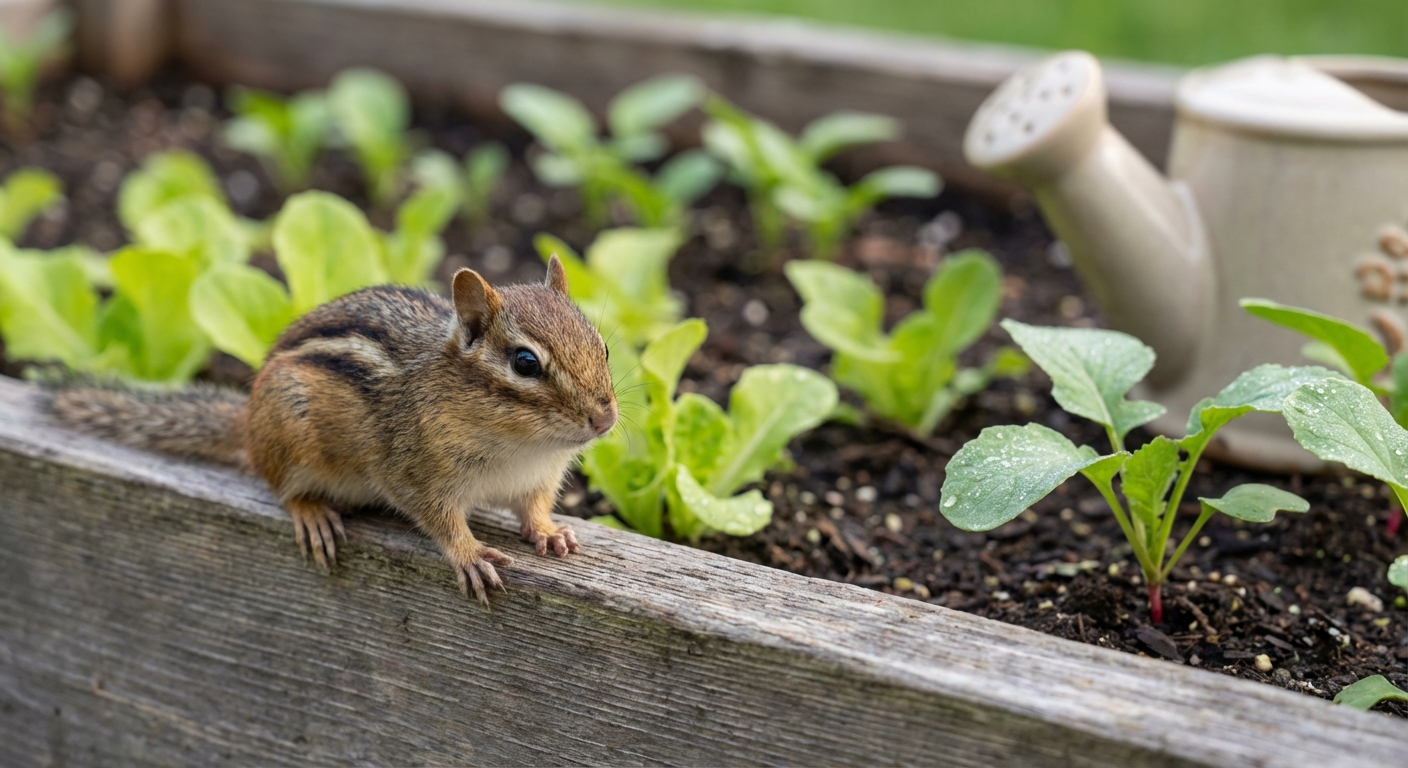
Chipmunks are undeniably cute in a woodland sort of way. In a garden bed, they can be tiny chaos agents. One day your newly planted bulbs look perfect, and the next day you find tidy little holes, missing seeds, and soil flicked onto your seedlings like confetti.
The good news is you can nudge chipmunks out of your beds without poison, without harming other wildlife, and without turning your yard into a fortress. The goal is simple: make your garden a little harder to raid and a lot less inviting to live near.
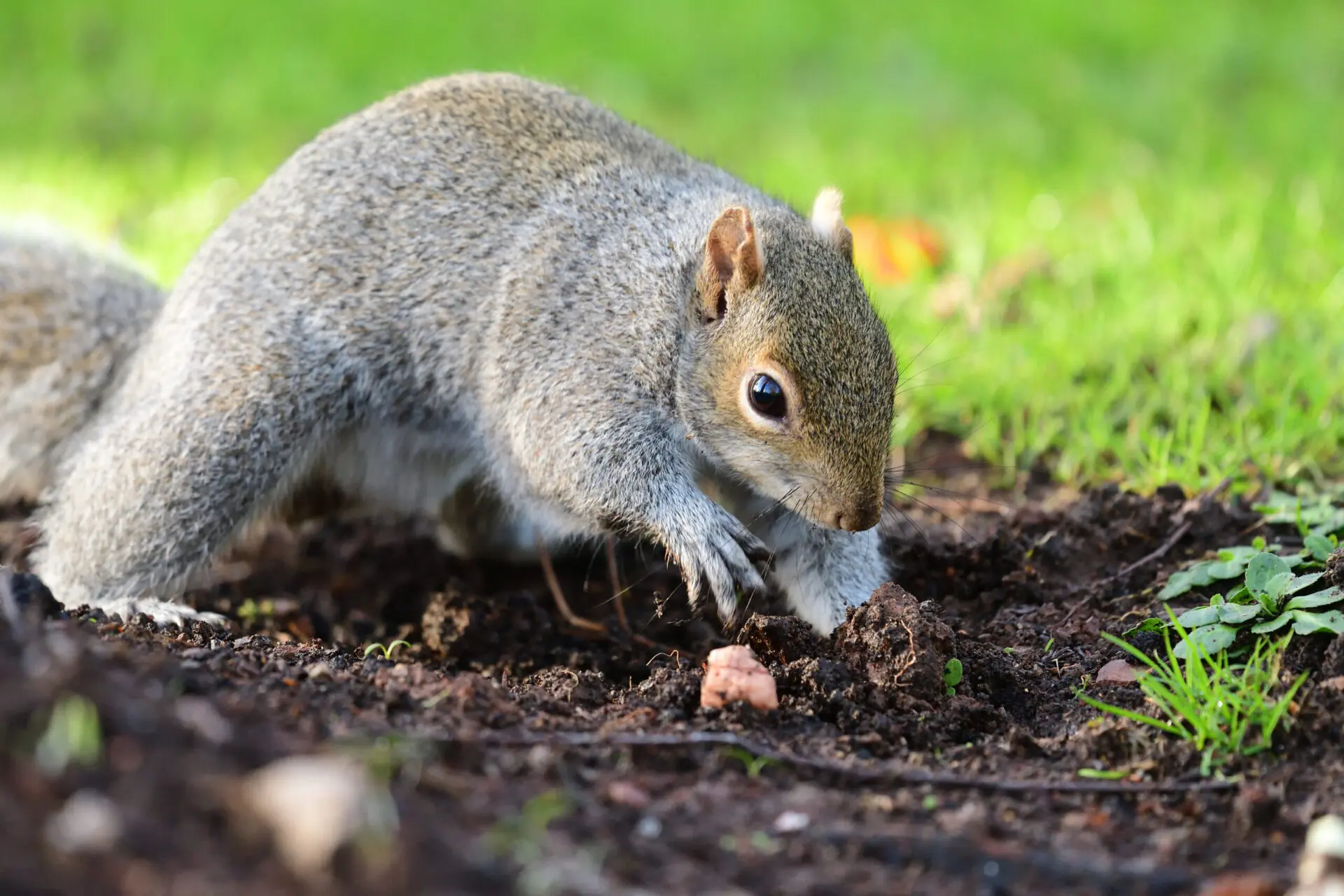
Chipmunk or squirrel? Check the clues
Before you change your whole setup, it helps to know who is actually doing the damage. Chipmunk fixes and squirrel fixes overlap, but they are not identical. Also, garden forensics are not always perfect. Small holes and missing seeds can overlap with mice, voles, birds, and even curious pets, so treat these as clues, not a courtroom verdict.
Signs it is chipmunks
- Small, neat holes in soil, often around 1 to 2 inches wide, especially in freshly planted areas.
- Missing bulbs, seeds, and seedlings with minimal mess. Chipmunks can be tidy little excavators.
- Low-level activity near stone walls, woodpiles, shed foundations, and dense groundcover.
- Burrow entrances often about 2 inches wide with no obvious mound of dirt. Chipmunks frequently carry excavated soil away to stay hidden, but site conditions vary.
Signs it is squirrels
- Bigger, messier digging with lots of scattered soil, especially in mulch or pots.
- Half-eaten fruits like tomatoes or strawberries, often with larger bite marks.
- Damage higher up on plants or on hanging feeders, plus lots of daytime tree-to-fence acrobatics.
If you are seeing both, that is common. Focus on barriers first because barriers do not care which critter is on the other side.
Start with barriers
I know, I know. Barriers are not glamorous. But in organic gardening, physical exclusion is the gold standard because it is humane, targeted, and it works even when animals are highly motivated.
If you want the shortest path to sanity, start here. Then, once the “easy snacks” disappear, the softer tactics (habitat tweaks, deterrents) work better.
Protect bulbs and seedbeds
If chipmunks are targeting bulbs (tulips, crocus, lily bulbs) or newly seeded beds, protect what is underground.
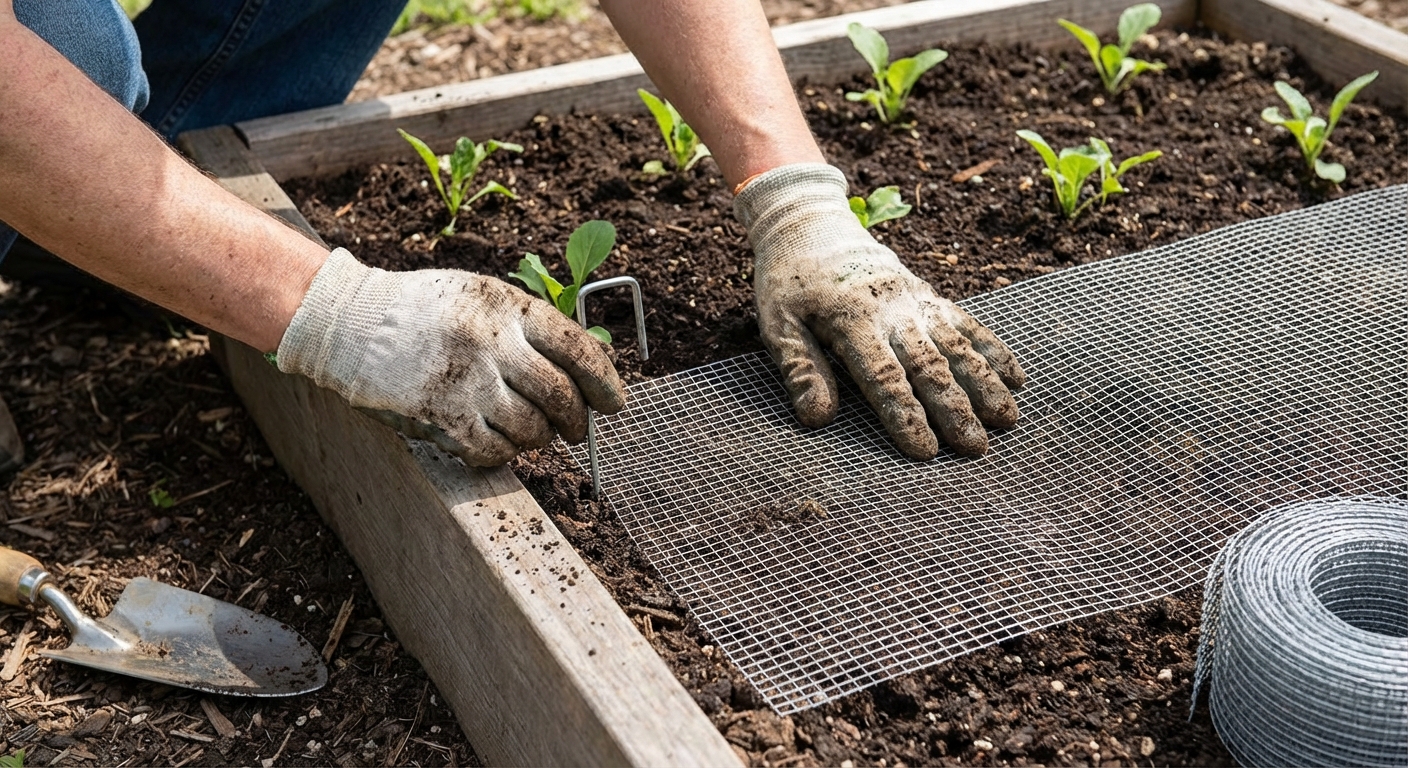
- For bulbs: line the planting hole with 1/4-inch hardware cloth, set bulbs inside, then fold the mesh over the top like a little envelope before covering with soil.
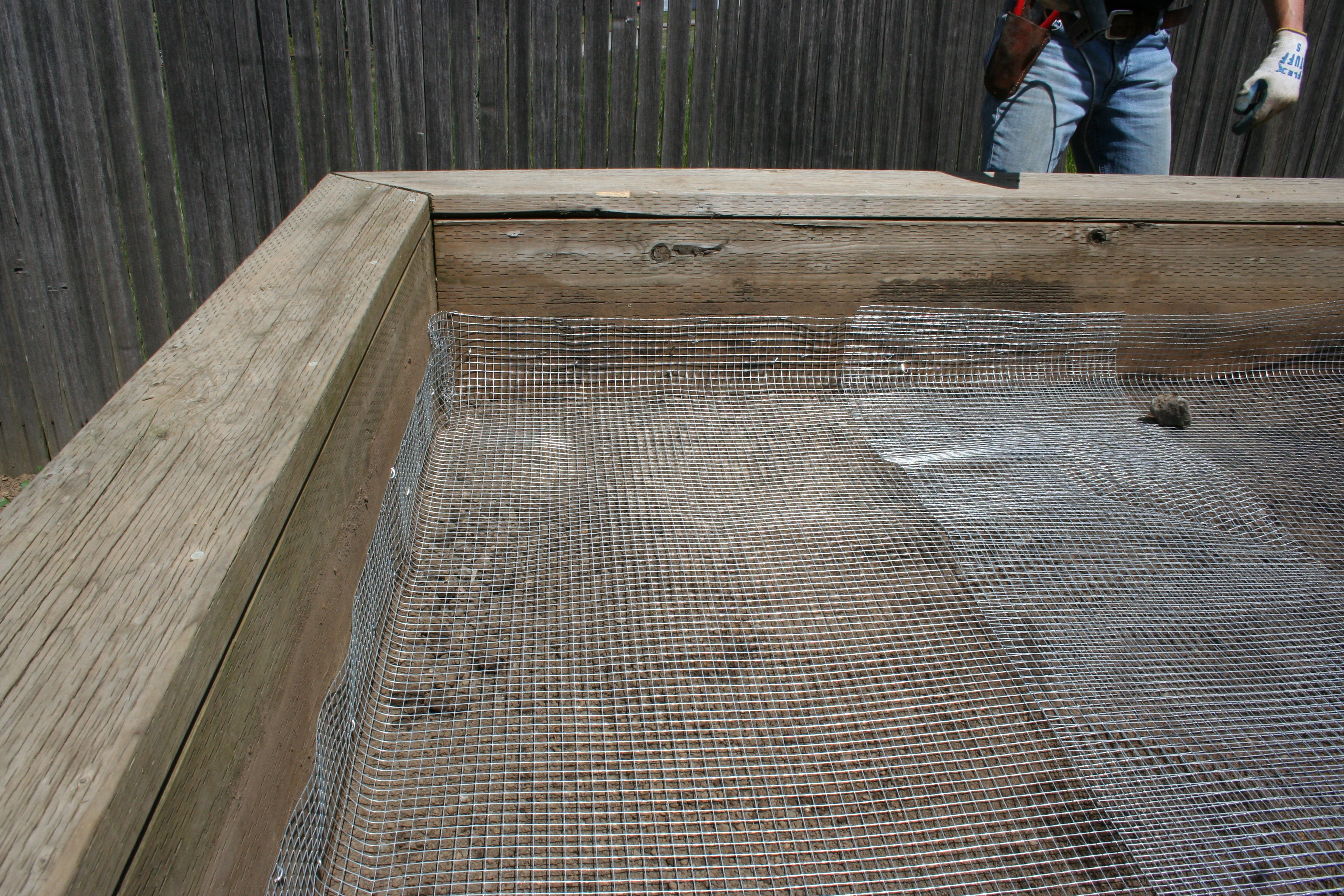
- For seedbeds: lay hardware cloth flat over the seeded row or bed, pin it down with landscape staples, and remove it once seedlings are sturdy and less tempting.
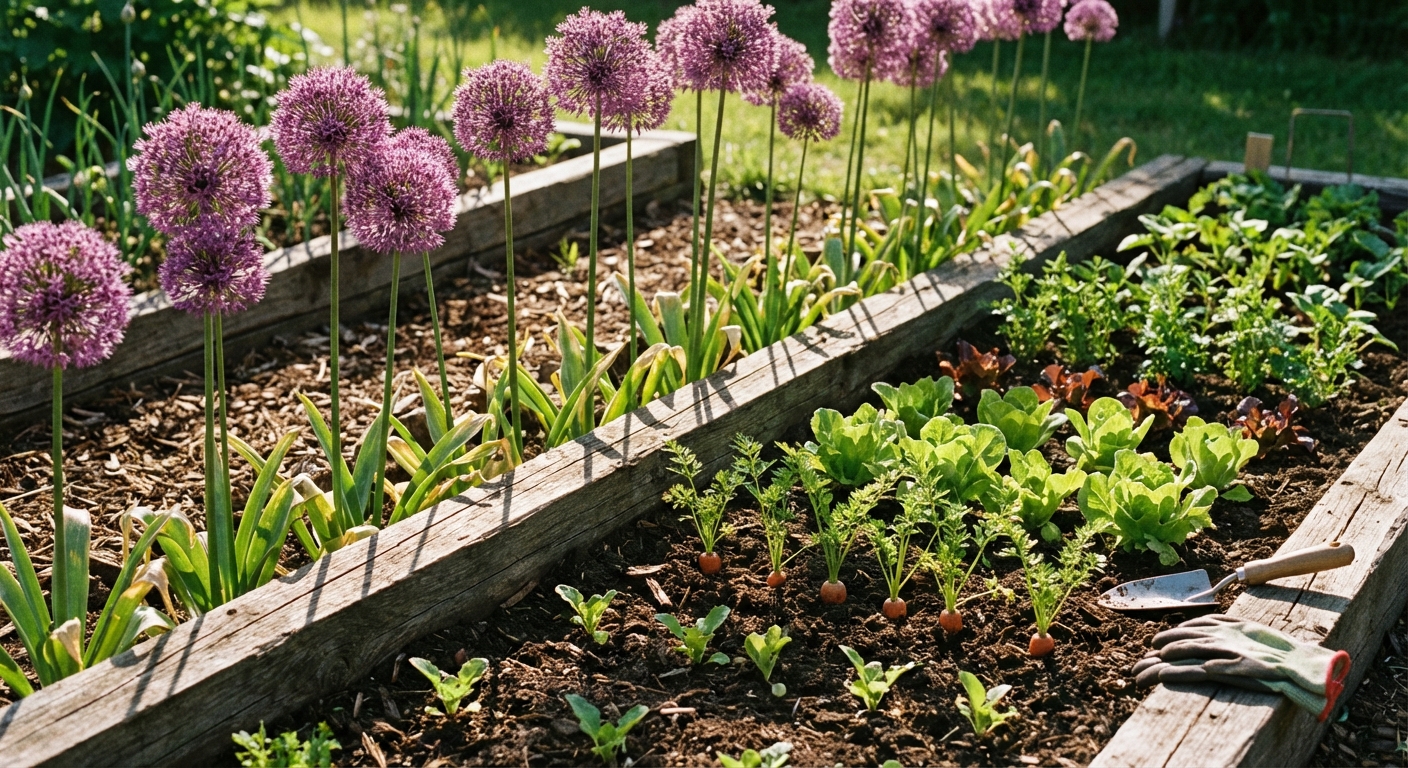
Bonus layer of defense: if you are planting vulnerable bulbs like tulips, consider interplanting with deterrent bulbs such as daffodils (and even ornamental alliums if they fit your design). It is not foolproof, but it can reduce the “dig here” signal.
Avoid chicken wire for this job. The openings are often large enough for determined chipmunks to squeeze through or reach into.
L-shaped fencing
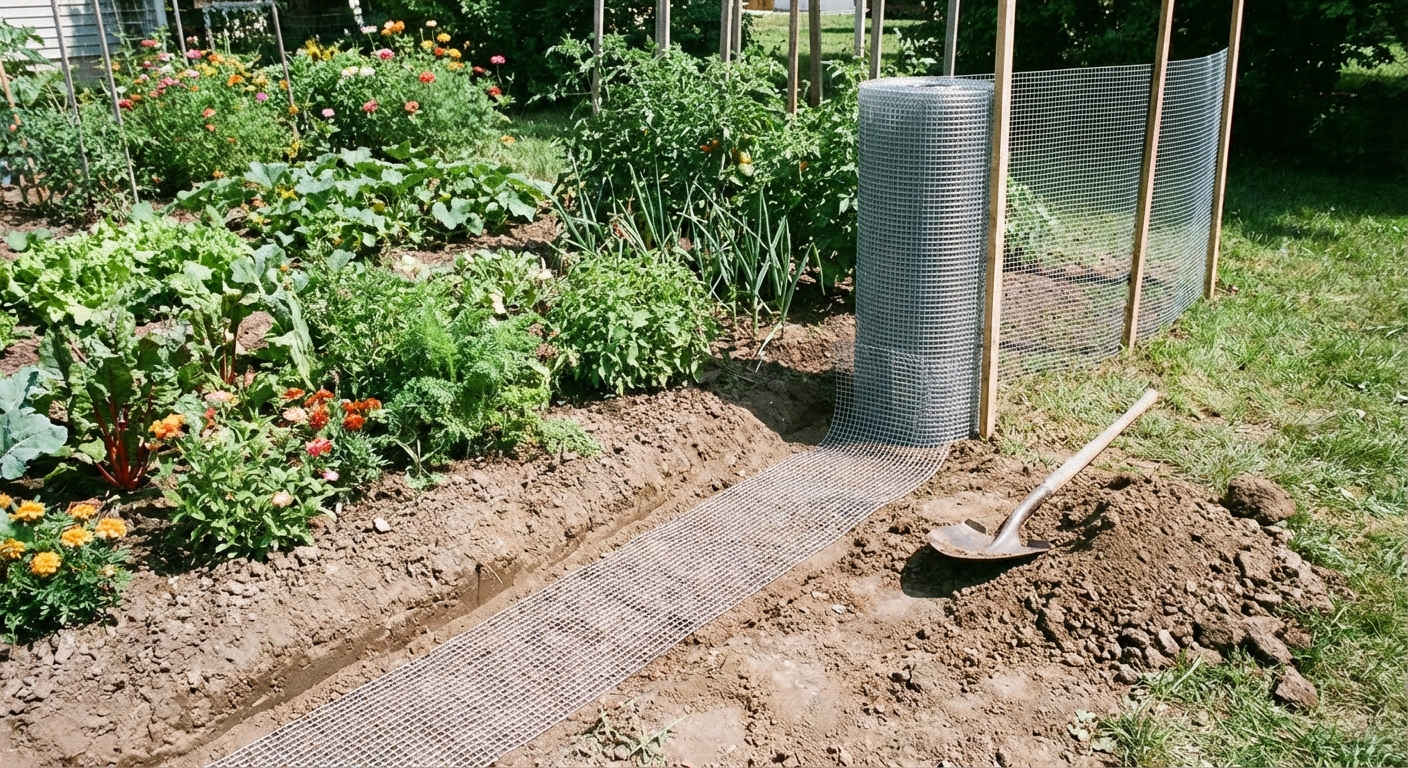
Chipmunks are diggers. If you only fence straight down, some will simply tunnel under. An L-shaped underground apron blocks that shortcut and makes the perimeter highly resistant, especially when it is installed tightly and checked for gaps.
How to build the apron
- Use 1/4-inch hardware cloth (or welded wire with small openings).
- Install a fence 18 to 24 inches tall above ground.
- Secure the below-ground mesh firmly to the above-ground fence with heavy-duty staples, screws with washers (on wood), or hog rings (on metal). The goal is no gap at the soil line.
- Dig a trench 6 to 8 inches deep along the outside of the fence line.
- Bend the mesh outward at a 90-degree angle to form an L and extend it 10 to 12 inches horizontally away from the fence.
- Backfill soil and tamp firmly.
When a chipmunk tries to dig at the base, it hits the mesh apron and usually gives up. If anything beats this setup, it is almost always a gap, a loose seam, or a spot you forgot to anchor.
Containers and raised beds
Chipmunks love containers because potting mix is easy to dig and often hides tasty seeds, bulbs, and roots.
Simple container defenses
- Top dress with gravel: Add a 1 to 2 inch layer of pea gravel or small river stones on top of the soil to make digging uncomfortable.
- Use mesh covers: Drape hardware cloth or sturdy bird netting over pots while seedlings establish. If you use bird netting, pull it tight and secure it well so it does not create loose pockets that can entangle birds, snakes, or other helpful visitors.
- Block the underside (raised planters): Staple 1/4-inch hardware cloth to the bottom of a raised bed if burrowing from below is possible.
If you are planting fall bulbs into pots, consider a hardware cloth circle inside the pot: one layer at the bottom and another just above the bulbs before you add the final soil layer. It is like a layered lasagna, but for bulb security.
Habitat tweaks
Chipmunks feel safest when they have quick cover and nearby burrow sites. You do not need a sterile yard, but a few tweaks can make your garden less appealing as a home base.
What to change (without wrecking your ecosystem)
- Tidy up hiding places near beds: Move woodpiles, stacked pots, and dense brush at least 20 to 30 feet from the garden if you can.
- Seal easy nesting spots: Check under steps, sheds, and decks. Repair gaps with hardware cloth, not foam alone.
- Trim groundcover “highways”: Thick ivy, pachysandra, and tall grasses right up against beds can give chipmunks a protected runway.
- Harvest promptly: Overripe fruit and fallen produce can train chipmunks to visit daily.
If you love a wilder yard (me too), concentrate your cleanup in a ring around the garden itself. Think of it as creating a small “no-cover zone” where they feel exposed.
Natural repellents
Repellents are best as support tools. Results are inconsistent outdoors, especially after rain or heavy watering, and they work best when you pair them with exclusion.
Options that can help
- Cayenne or hot pepper flakes: Dust lightly on soil surfaces and reapply after rain. Apply on a calm day, avoid getting it in your eyes, and wash hands and harvests well. Avoid using where pets might sniff and sneeze.
- Castor oil-based repellents: Commonly used for digging pests. Follow label directions carefully and reapply as directed.
- Garlic spray: Mildly deterrent for some gardeners, especially on non-edible surfaces like the outside of beds or around borders.
Repellents I skip or use cautiously
- Essential oils (peppermint, etc.): They can be inconsistent outdoors and may irritate pets or beneficial insects if overused.
- Mothballs: Skip them. They are toxic and not appropriate for garden use.
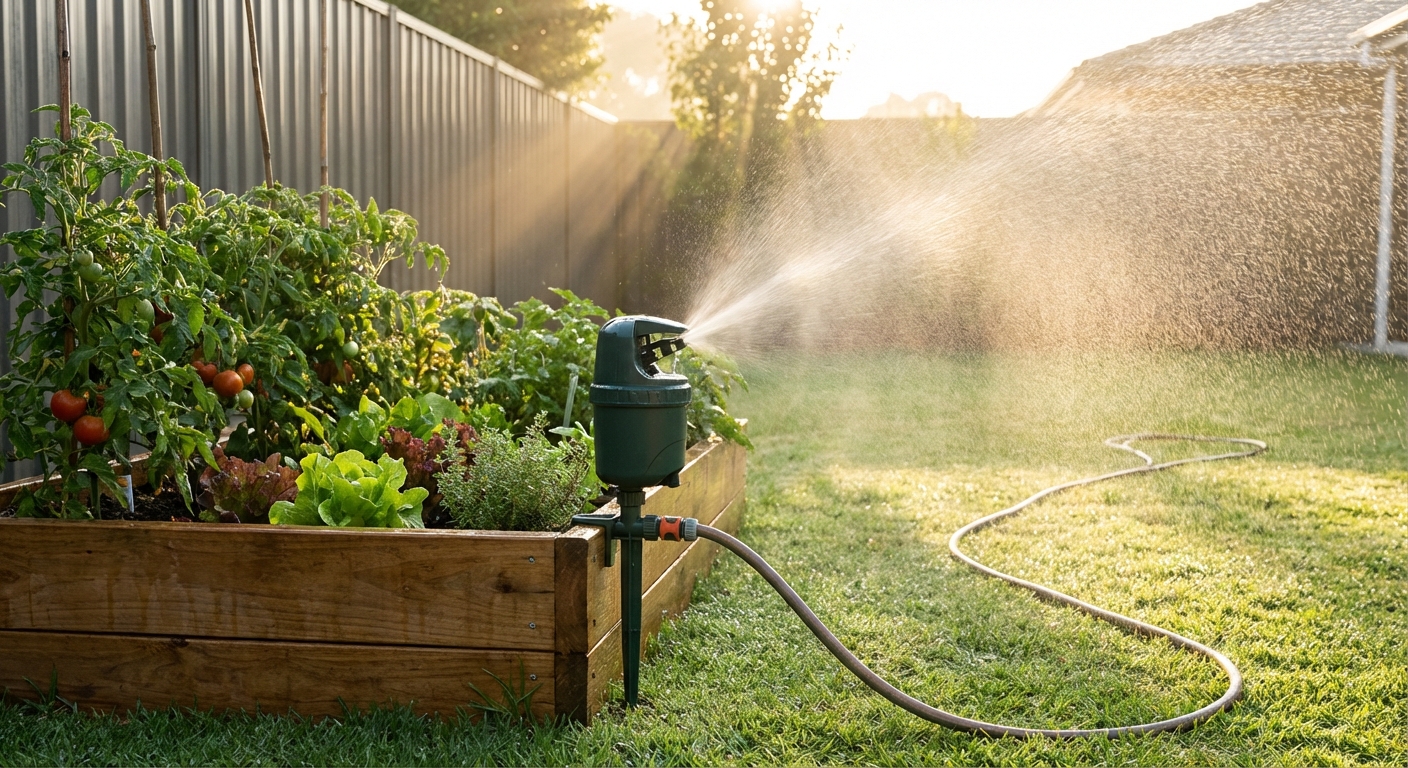
One of the most effective “repellents” is actually motion. Motion-activated sprinklers can startle chipmunks away from a specific bed, especially if you move the unit every few days so they do not memorize the safe path.
Repellent plants
Plant choices will not solve a major chipmunk issue by themselves, but they can help reduce nibbling and encourage chipmunks to forage elsewhere.
Plants chipmunks often avoid
- Alliums: garlic, chives, ornamental allium
- Strong herbs: mint (best in pots), oregano, thyme
- Daffodils: bulbs contain compounds many rodents dislike (and they are toxic if eaten)
- Marigolds: mixed reports, but they can help as part of a border strategy
Use these as a border around high-value beds or near entry points, then back them up with mesh where it really matters, like newly planted seeds and bulbs.
Row covers for tender crops
For specific “chipmunk favorites,” a simple cover can save a season.
- Strawberries: try a low tunnel or insect netting pulled tight over hoops, anchored well at the edges.
- Peas and beans (at sowing time): cover the seeded row with hardware cloth until sprouts are established.
- New transplants: a cloche or mesh cover for the first week helps if you are seeing repeated digging.
Live trapping (carefully)
If chipmunks are persistent and barriers are not feasible everywhere, live trapping can be a humane option. It is also the method with the most rules and the most potential for stress, both for you and the animal.
Before you trap
- Check local regulations: Many areas restrict relocation, require permits, or prohibit release entirely. Some jurisdictions require animals be handled by a licensed professional.
- Have a plan: Trapping without an approved, legal release option can leave you stuck.
- Start with exclusion: If a chipmunk is living under a shed, sealing entry points after you are sure it is empty is often better than relocating.
If relocation is legal where you live
- Use a small live trap designed for chipmunks.
- Bait with sunflower seeds, peanut butter on a slice of apple, or oats.
- Place the trap along travel routes near cover, not in open lawn.
- Check traps frequently. Shade matters. Heat stress happens fast.
- Release in an approved area that provides natural cover and water access.
I am always honest about this part: relocation can be hard on wildlife. Stress, territorial conflict, and unfamiliar terrain can increase mortality. It can also move the problem to someone else. For most home gardens, exclusion plus habitat tweaks is the most sustainable long-term solution.
Remove easy snacks
Sometimes chipmunks are not “coming for your garden” so much as they are moving in for the free snacks nearby.
Common attractants to fix
- Bird feeders: Use seed catchers, switch to less messy seed, move feeders away from garden beds, or pause feeding during peak chipmunk season.
- Compost: Avoid adding large amounts of uncovered food scraps. Use a closed bin if wildlife pressure is high.
- Pet food: Feed indoors, and store feed in metal bins with tight lids.
What not to do
- Do not use poison baits: They can harm pets, raptors, and other wildlife through secondary poisoning.
- Do not flood burrows: It is inhumane and can cause unintended damage to soil structure and nearby foundations.
- Do not rely on sonic devices: Results are mixed at best outdoors, and chipmunks often habituate.
When to escalate
Most chipmunk problems are “garden annoying,” not “home emergency.” But it is smart to step up your response if:
- You see multiple burrows close to a foundation, retaining wall, or under steps and digging seems to be increasing.
- Damage suggests a larger animal than a chipmunk (bigger holes, torn sod, toppled containers) and your fixes are not matching the culprit.
- You cannot safely access an area under a deck or shed to confirm it is empty before sealing. In that case, a local wildlife professional is worth the call.
A simple plan
If you want a clear starting point, here is the approach I recommend to most Leafy Zen readers. It works especially well during the two “chipmunk pressure” seasons: spring planting and fall bulb time.
Step-by-step
- Confirm the culprit (chipmunk vs squirrel clues above).
- Protect the vulnerable stage: Cover seeded areas and bulb plantings with 1/4-inch hardware cloth.
- Harden the perimeter: Install an L-shaped fence apron around key beds if damage is ongoing and you need a longer-term perimeter solution.
- Make the area less cozy: Remove nearby cover, seal gaps under structures with hardware cloth, and clean up fallen fruit.
- Add deterrents: Use motion sprinklers or a mild repellent as a short-term assist, not the whole strategy.
And if you catch yourself feeling guilty for wanting them gone, I get it. I talk to my ferns, and I still do not want chipmunks remodeling my seedbed. The goal is not to punish them. It is to set boundaries, kindly and firmly, so your garden can do what it came here to do: grow.
Quick FAQ
Will coffee grounds keep chipmunks away?
Sometimes they help a little as a texture and scent change, but they are not reliable. If you use them, keep the layer thin and do not expect miracles.
Do chipmunks eat tomatoes?
They can nibble ripe fruit, but squirrels are more commonly the tomato bandits. Chipmunks are often after seeds, bulbs, and tender seedlings.
What is the best natural chipmunk deterrent?
For consistent results, 1/4-inch hardware cloth used as bed covers, bulb cages, and L-shaped fence aprons is one of the most effective natural solutions. It is not magic, but it is reliably hard to outsmart when installed tightly.